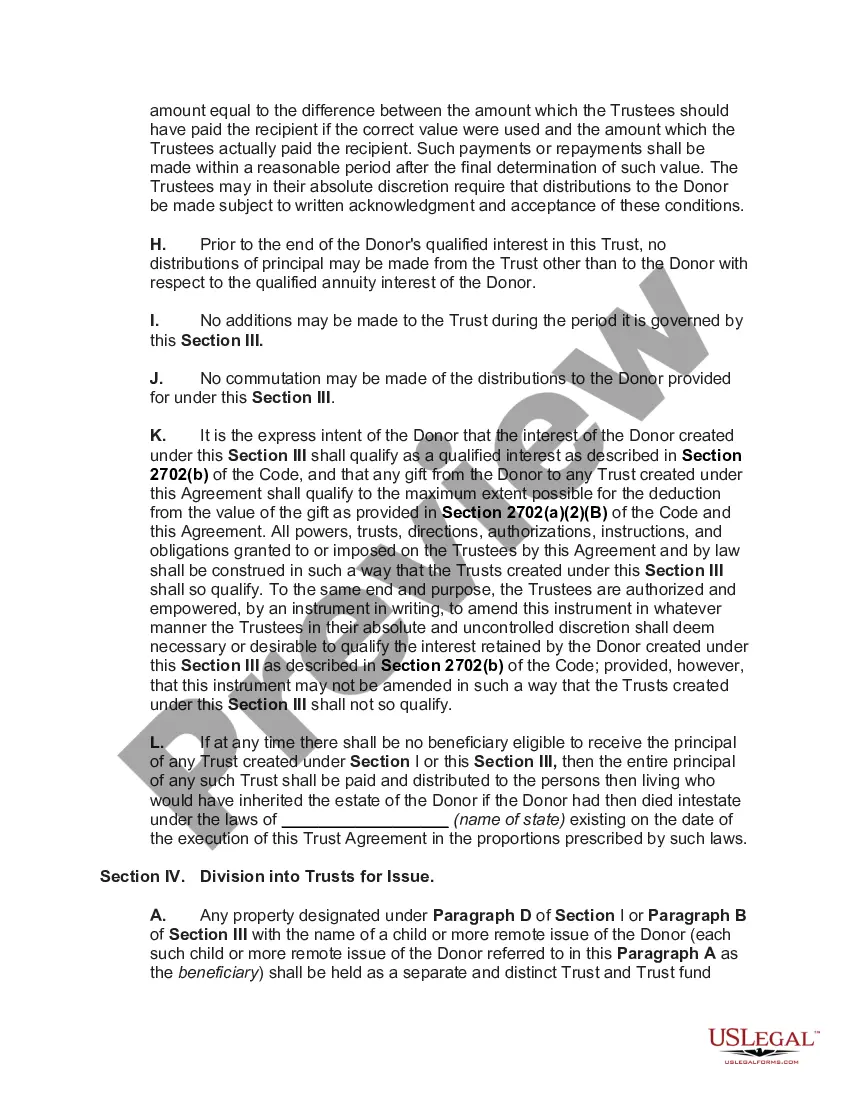
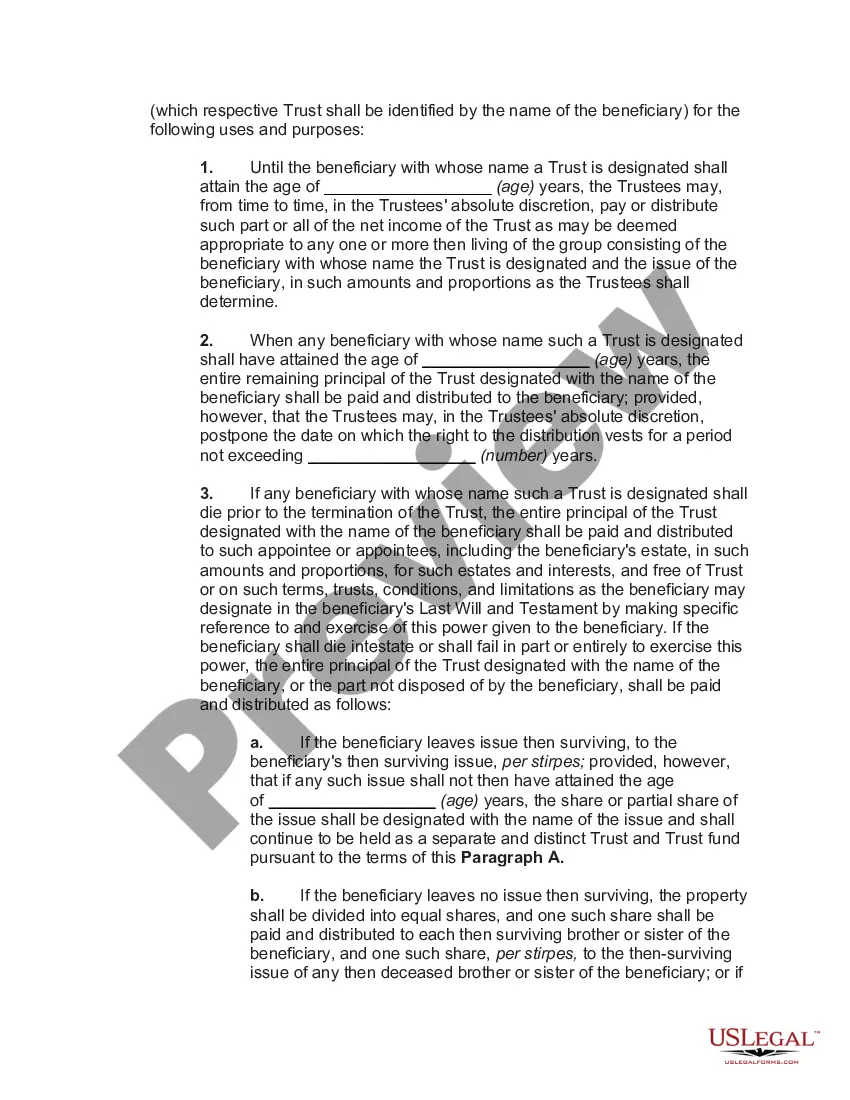
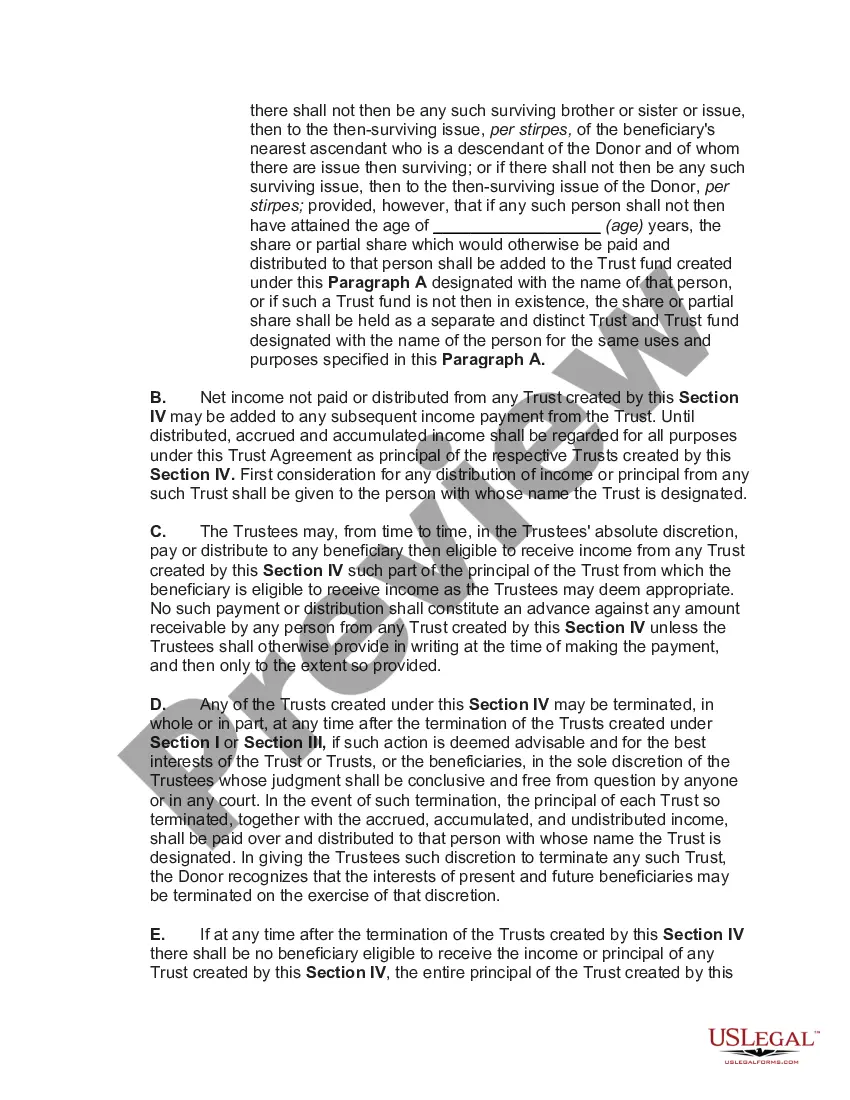
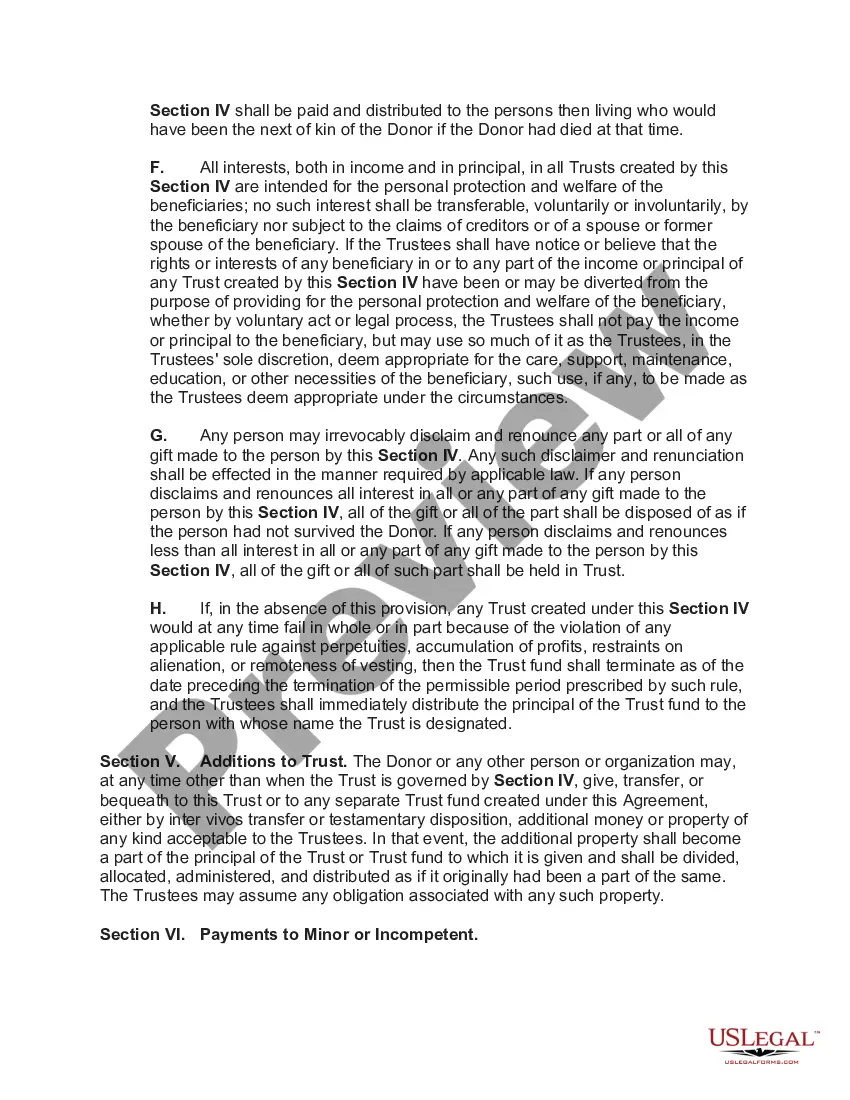
Qualified Personal Residence Trust Example
Description
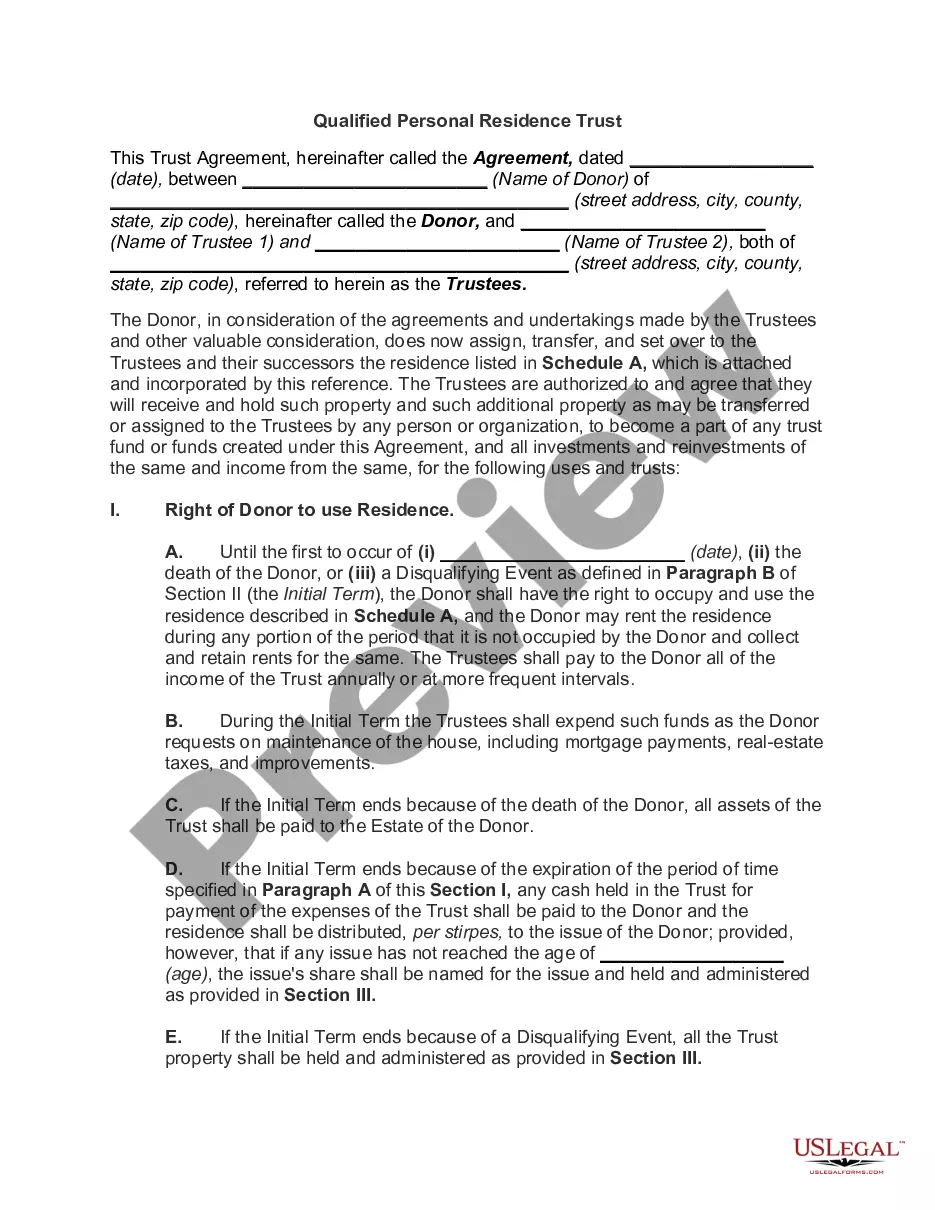
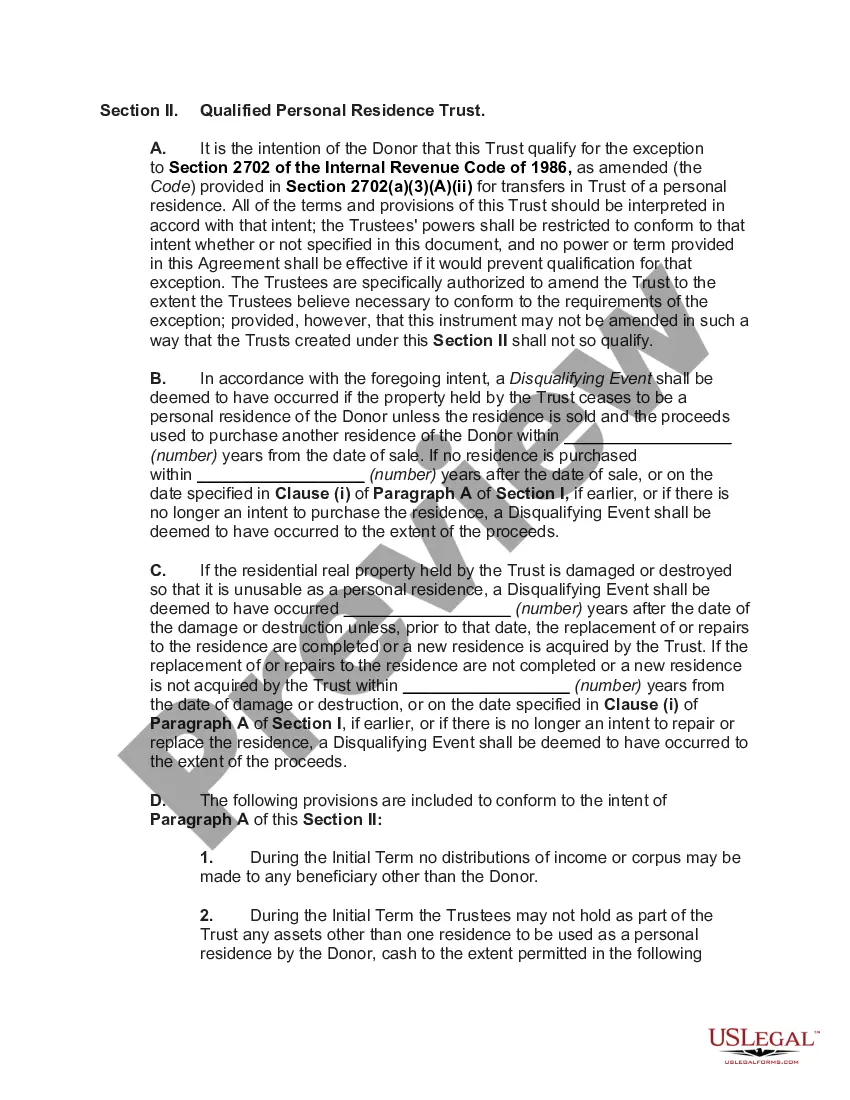
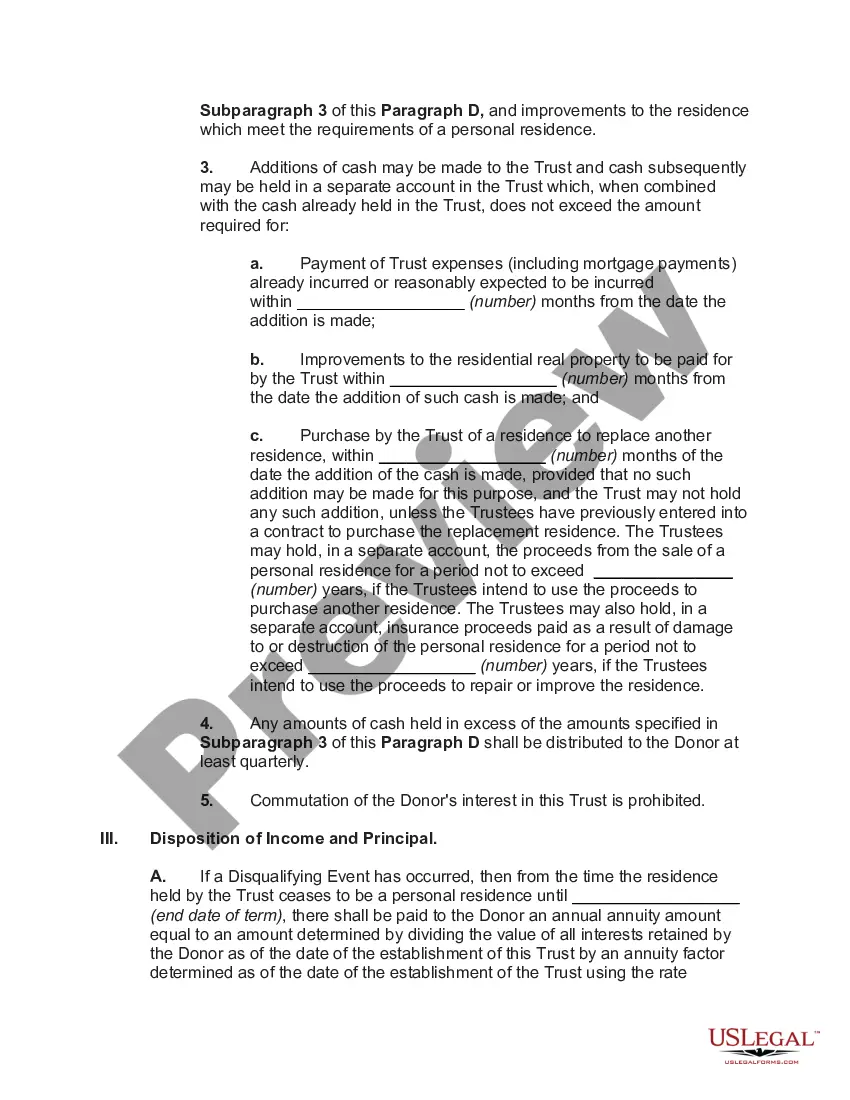
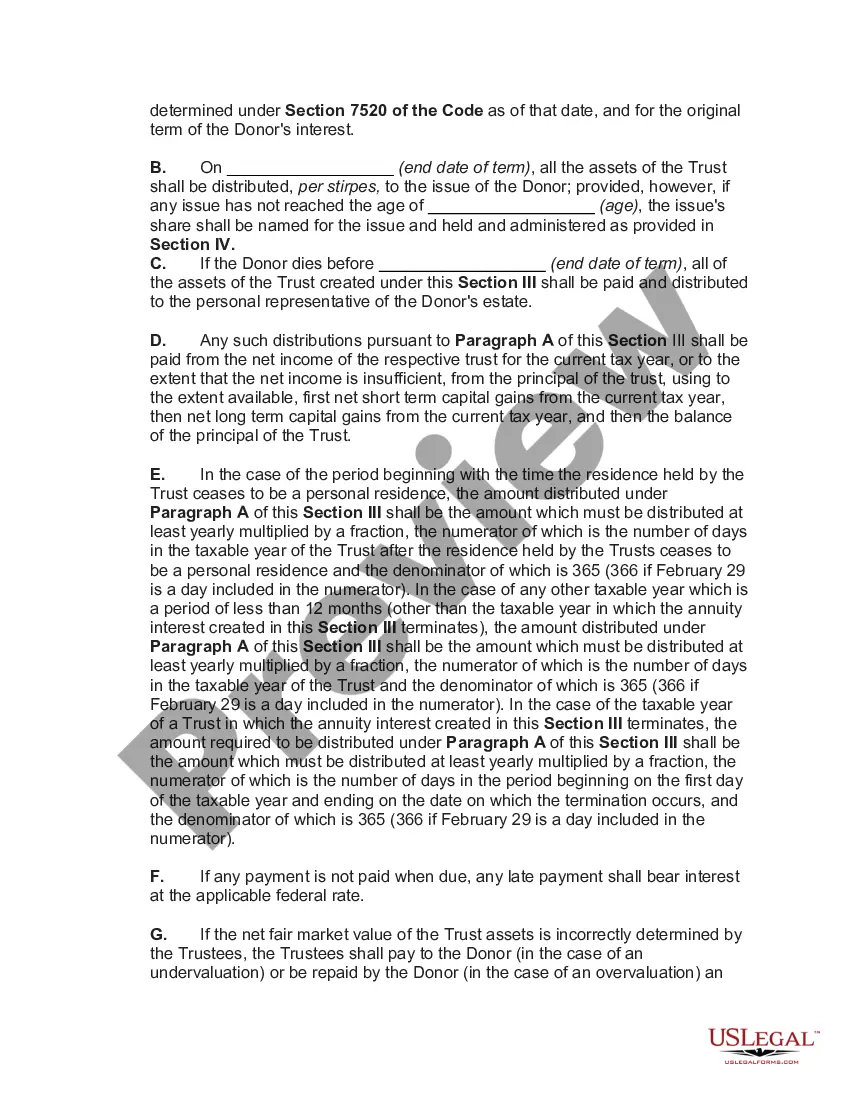
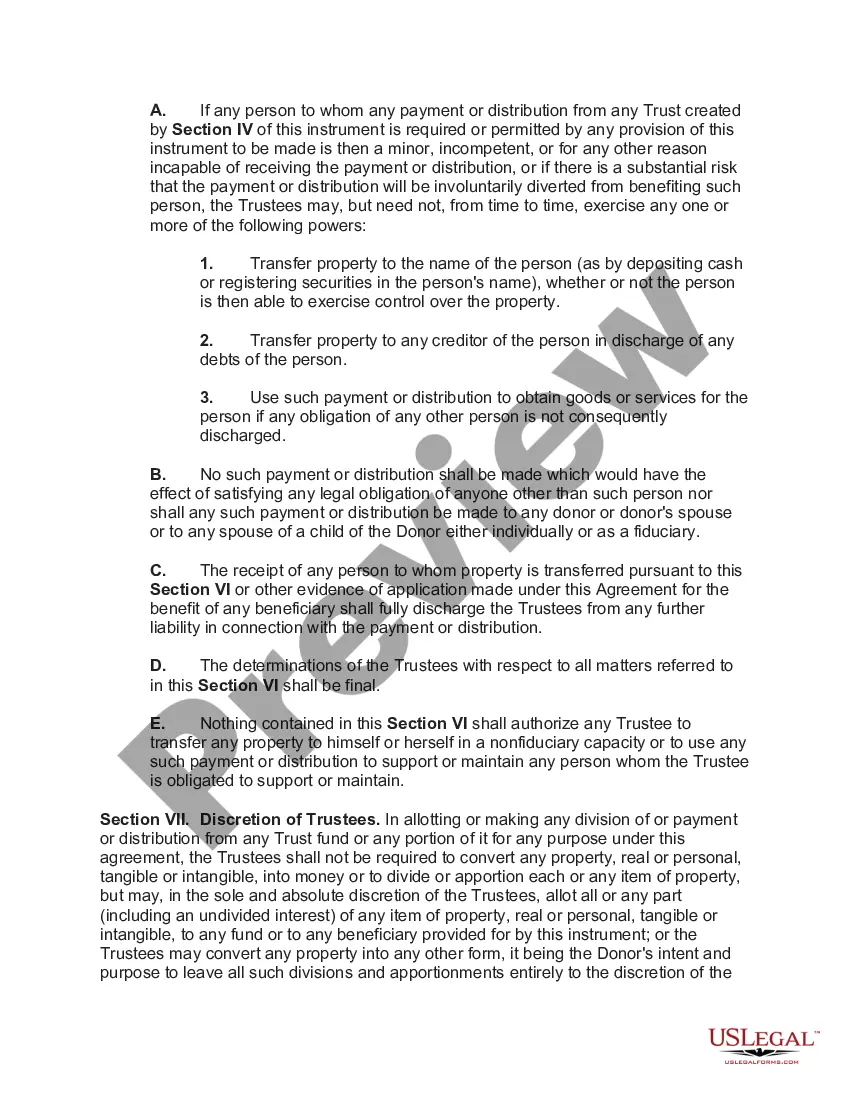
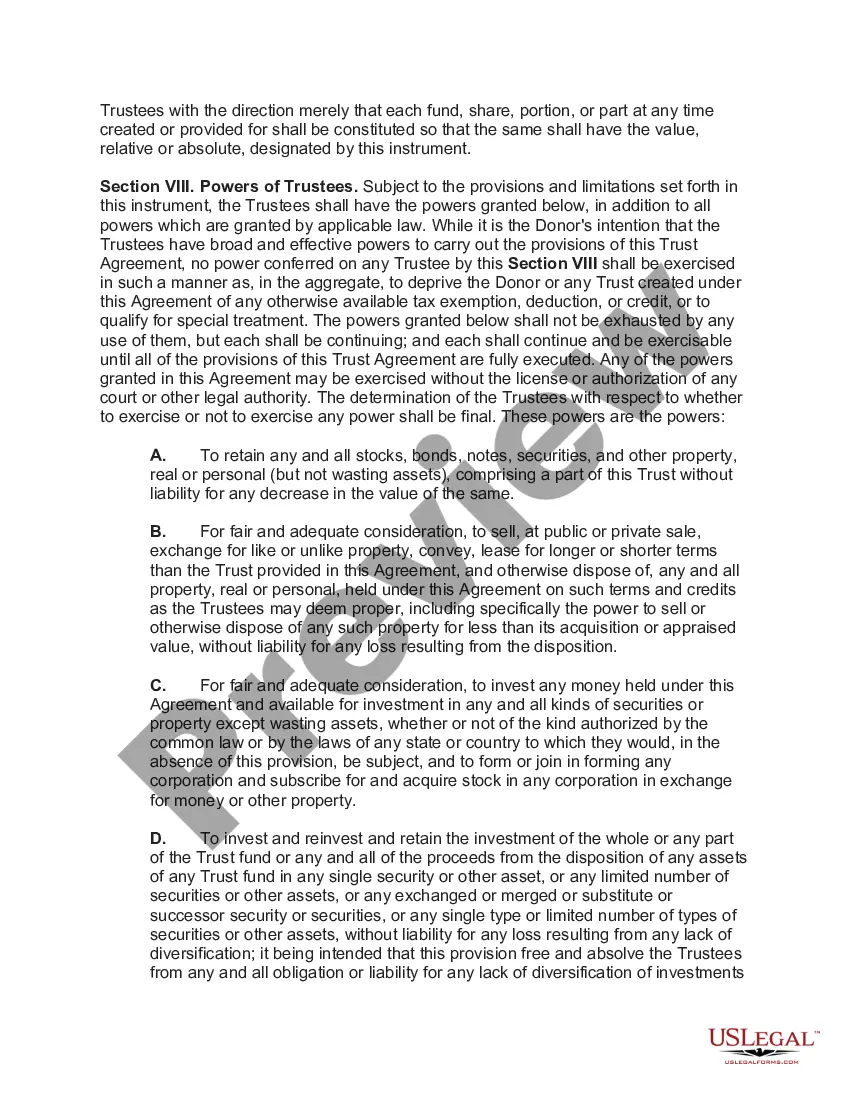

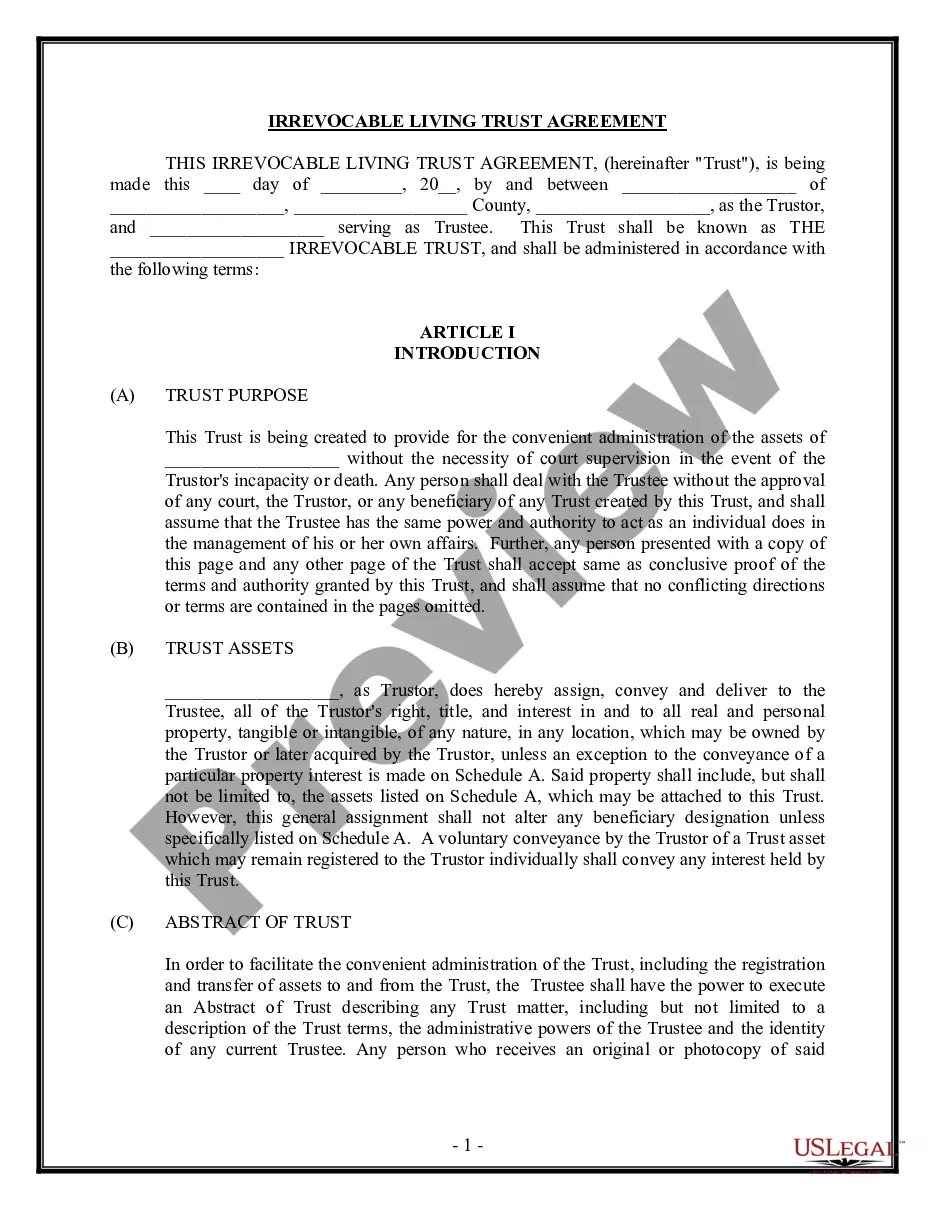
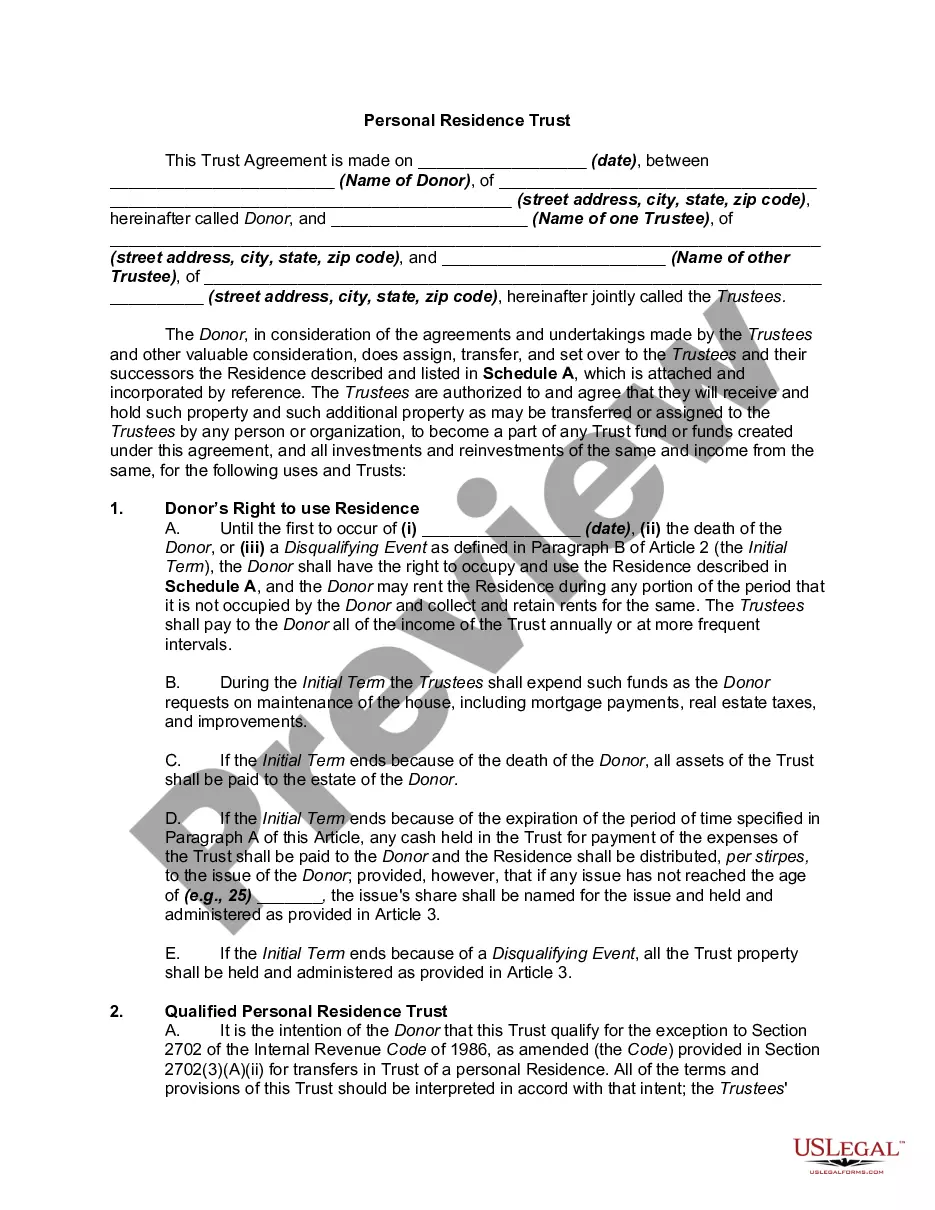
Get your form ready online
Our built-in tools help you complete, sign, share, and store your documents in one place.
Make edits, fill in missing information, and update formatting in US Legal Forms—just like you would in MS Word.
Download a copy, print it, send it by email, or mail it via USPS—whatever works best for your next step.
Sign and collect signatures with our SignNow integration. Send to multiple recipients, set reminders, and more. Go Premium to unlock E-Sign.
If this form requires notarization, complete it online through a secure video call—no need to meet a notary in person or wait for an appointment.
We protect your documents and personal data by following strict security and privacy standards.

Make edits, fill in missing information, and update formatting in US Legal Forms—just like you would in MS Word.

Download a copy, print it, send it by email, or mail it via USPS—whatever works best for your next step.

Sign and collect signatures with our SignNow integration. Send to multiple recipients, set reminders, and more. Go Premium to unlock E-Sign.

If this form requires notarization, complete it online through a secure video call—no need to meet a notary in person or wait for an appointment.

We protect your documents and personal data by following strict security and privacy standards.
Looking for another form?
How to fill out Qualified Personal Residence Trust?
The Approved Personal Residence Trust Sample you see on this page is a versatile formal template crafted by skilled attorneys in accordance with federal and local statutes.
For over 25 years, US Legal Forms has supplied individuals, businesses, and lawyers with more than 85,000 validated, state-specific forms for any corporate and personal situation. It’s the fastest, most straightforward, and most reliable way to obtain the documents you require, as the service ensures bank-level data security and anti-malware defenses.
Subscribe to US Legal Forms to have verified legal templates for all of life's situations available at your convenience.
- Explore the document you require and inspect it.
- Review the file you searched and preview it or check the form description to ensure it meets your requirements. If it doesn’t, utilize the search feature to locate the correct one. Click Buy Now once you have found the template you need.
- Subscribe and sign in.
- Choose the pricing plan that best fits you and set up an account. Use PayPal or a credit card to make a speedy payment. If you already have an account, Log In and verify your subscription to proceed.
- Obtain the editable template.
- Select the format you prefer for your Approved Personal Residence Trust Sample (PDF, Word, RTF) and download the example on your device.
- Complete and sign the documents.
- Print out the template to finish it by hand. Alternatively, utilize an online multifunctional PDF editor to swiftly and accurately complete and sign your form with an electronic signature.
- Retrieve your documents again.
- Use the same document again whenever necessary. Access the My documents tab in your account to redownload any previously obtained forms.
Form popularity
FAQ
While a Qualified Personal Residence Trust offers numerous advantages, it has some downsides. If you need to move out before the trust term ends, you may lose your home without better alternatives. Additionally, if your property appreciates significantly, you may still face estate tax implications. To navigate these complexities, it's wise to consult with a legal expert or use trusted platforms like US Legal Forms for guidance on your QPRT.
An example of a Qualified Personal Residence Trust would be establishing a trust holding your vacation home. You would transfer the ownership to the QPRT, allowing you to continue living in the house for a fixed term, usually several years. After this term expires, your beneficiaries will take ownership, potentially reducing estate taxes significantly. This structure not only preserves family wealth but also exemplifies an efficient Qualified Personal Residence Trust example.
A residence trust is a legal arrangement designed to hold the ownership of a home while allowing the owner to live in it for a specific time. In simpler terms, it helps individuals pass on their homes to beneficiaries while retaining the ability to live there. A Qualified Personal Residence Trust example is an effective way to lower estate taxes without losing your home. Anyone exploring this option should consider using platforms like US Legal Forms for relevant documents.
A Qualified Personal Residence Trust (QPRT) is an estate planning tool that allows individuals to transfer ownership of their personal residence to a trust while retaining the right to live in it for a specified period. By doing this, you can reduce the taxable value of your estate. This strategy often provides significant tax savings, especially for high-value properties. An ideal Qualified Personal Residence Trust example showcases how property transfer can minimize estate taxes over time.
Yes, you can sell a house in a Qualified Personal Residence Trust (QPRT). However, once the property is sold, the proceeds need to be managed carefully. It is essential to consult with an estate planning attorney to ensure that your QPRT continues to meet legal requirements and achieves your estate planning goals. A Qualified Personal Residence Trust example often involves selling the property to another family member or trust to maintain tax benefits.
An example of a Qualified Personal Residence Trust involves a homeowner transferring their primary residence into a trust, retaining the right to live in it for a set number of years. After this period, the home is fully owned by the beneficiaries, often leading to significant tax savings. Such strategies illustrate the advantages of QPRTs in estate planning. Exploring more detailed examples can be done through the uslegalforms platform.
To report a Qualified Personal Residence Trust on your gift tax return, you will need to file Form 709, the United States Gift (and Generation-Skipping Transfer) Tax Return. Clearly detail the value of the gift and the retained interest in your filing. Understanding this reporting process is vital to ensure compliance with tax laws. uslegalforms can assist you with necessary forms and guidance.
Yes, transferring a residence into a Qualified Personal Residence Trust is considered a taxable gift. However, the value of the gift is typically reduced due to the retained interest, which can lower the taxable amount. Knowing how this works is crucial for effective tax planning. Utilize resources on uslegalforms to better understand the implications of gifting through a QPRT.
A Qualified Personal Residence Trust (QPRT) is a legal arrangement that allows you to transfer your home to a trust with potential tax benefits. Essentially, it lets you reduce your taxable estate while maintaining the right to live in your home for a designated time. Understanding this concept can empower you to make informed estate planning decisions. If you need simpler explanations or examples, uslegalforms offers user-friendly resources.
Typically, a Qualified Personal Residence Trust must file a tax return if it earns income or if the trust is irrevocable. Submitting a return ensures transparency in income reporting while safeguarding tax benefits. For comprehensive guidance on trust tax returns, the uslegalforms platform can be a valuable resource.