Personal Trust Example
Description
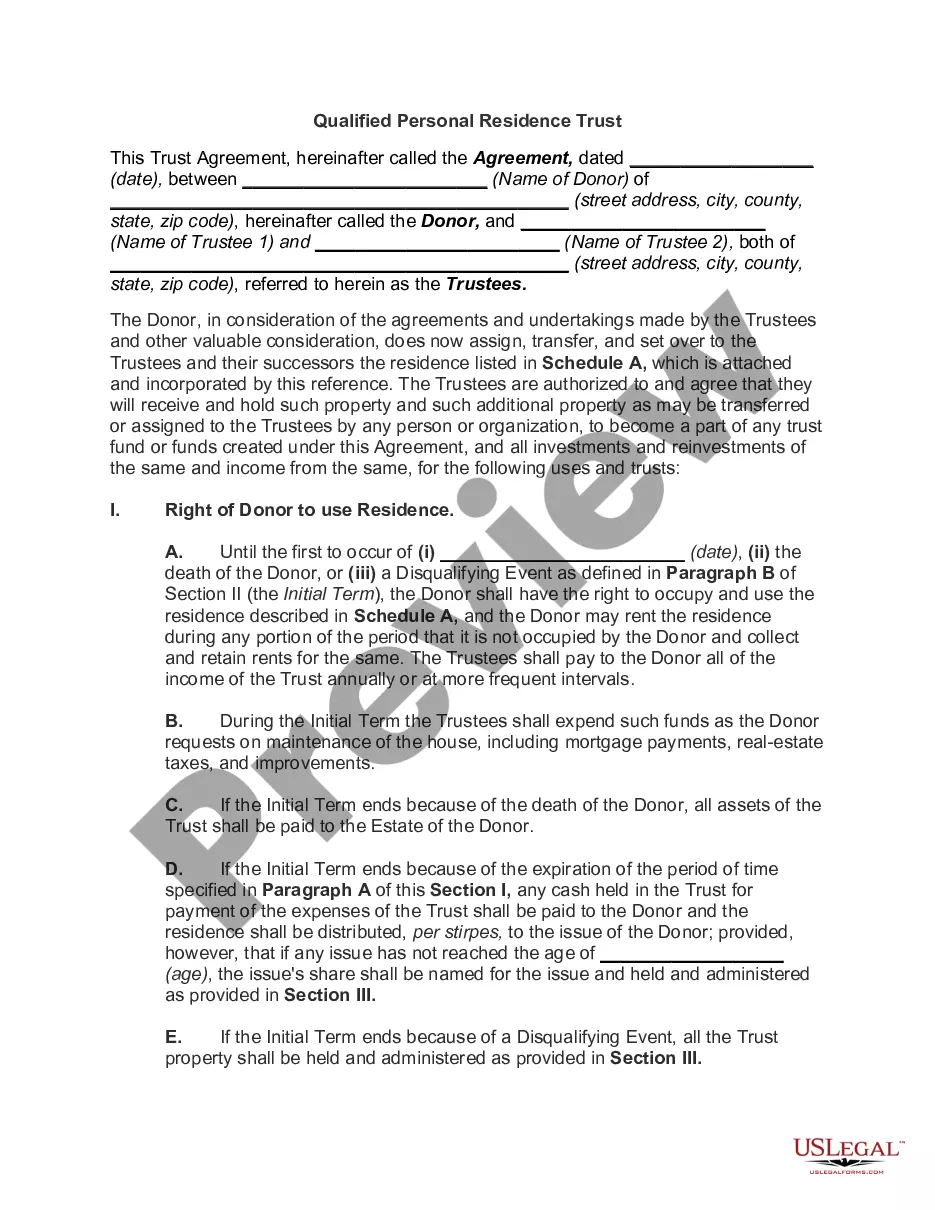
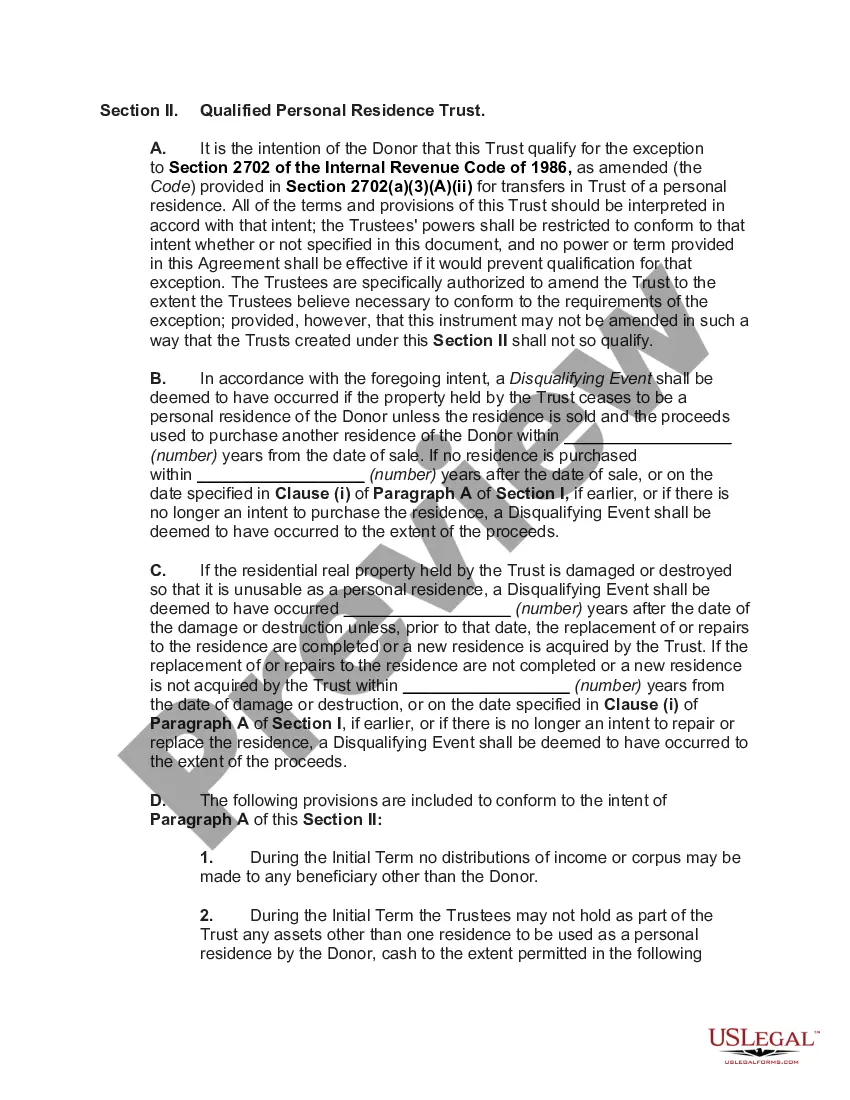
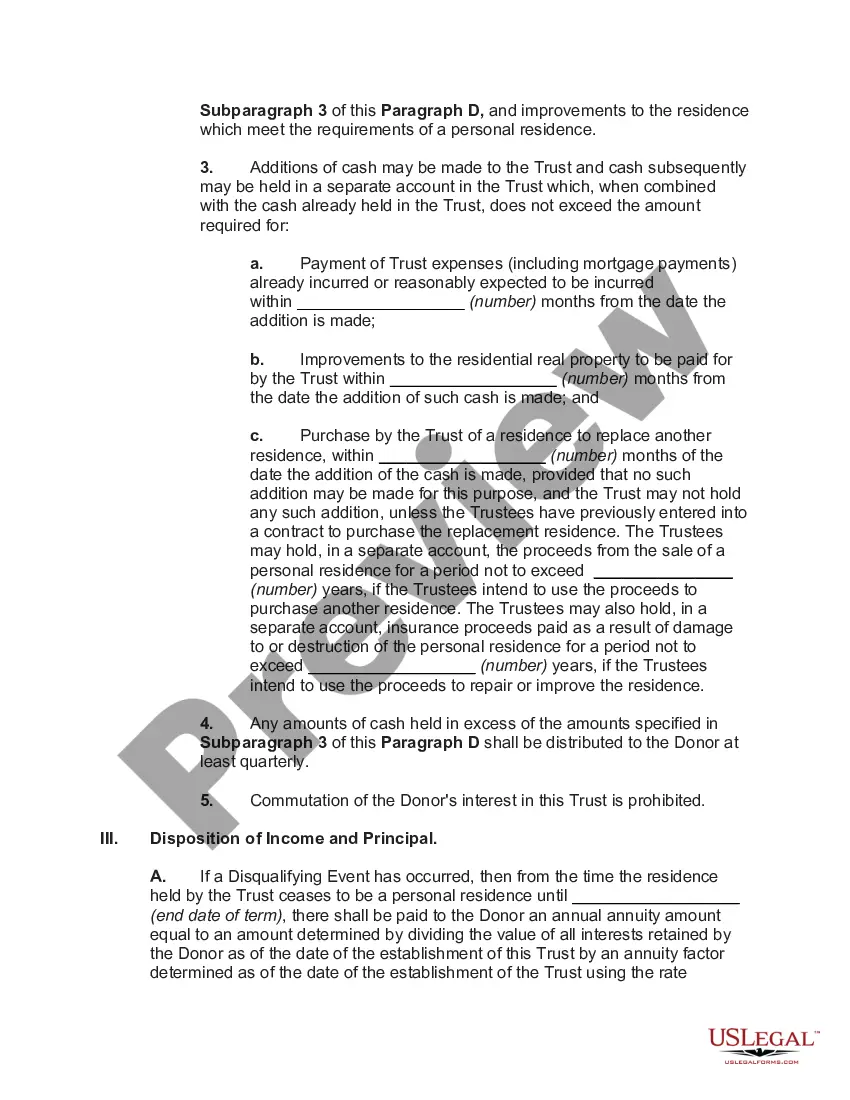
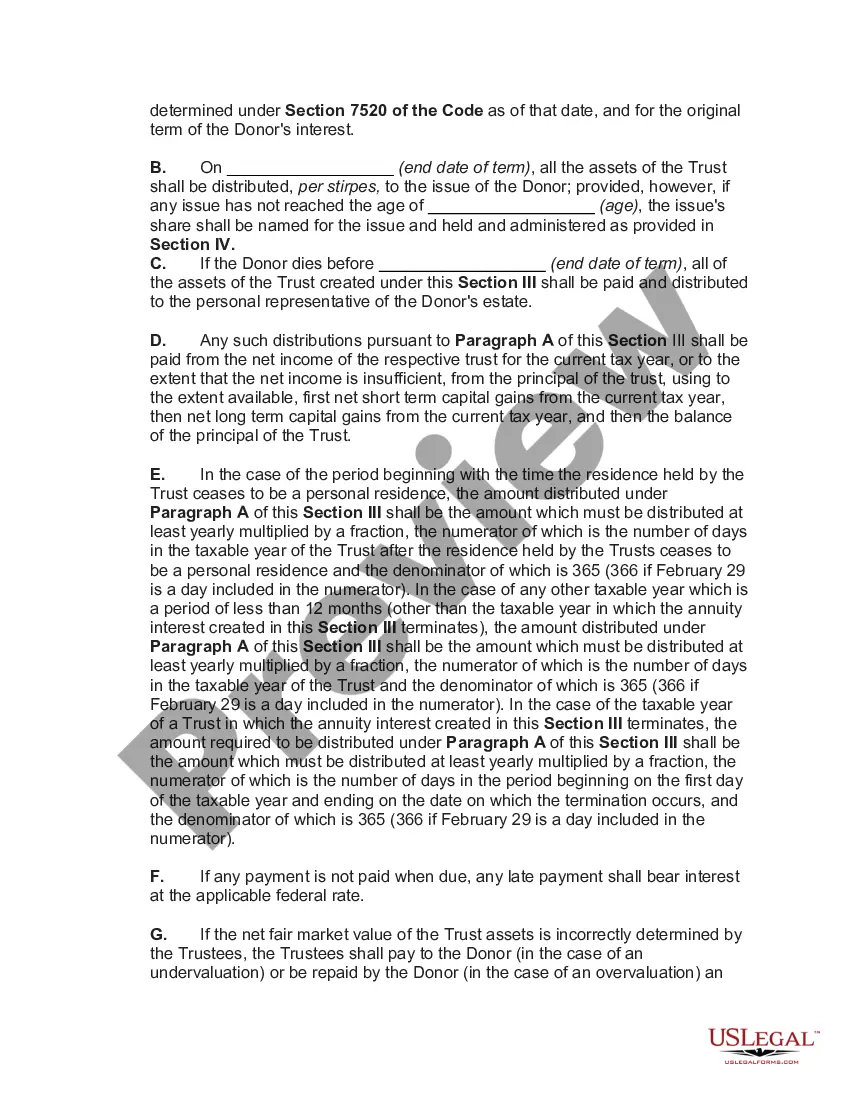
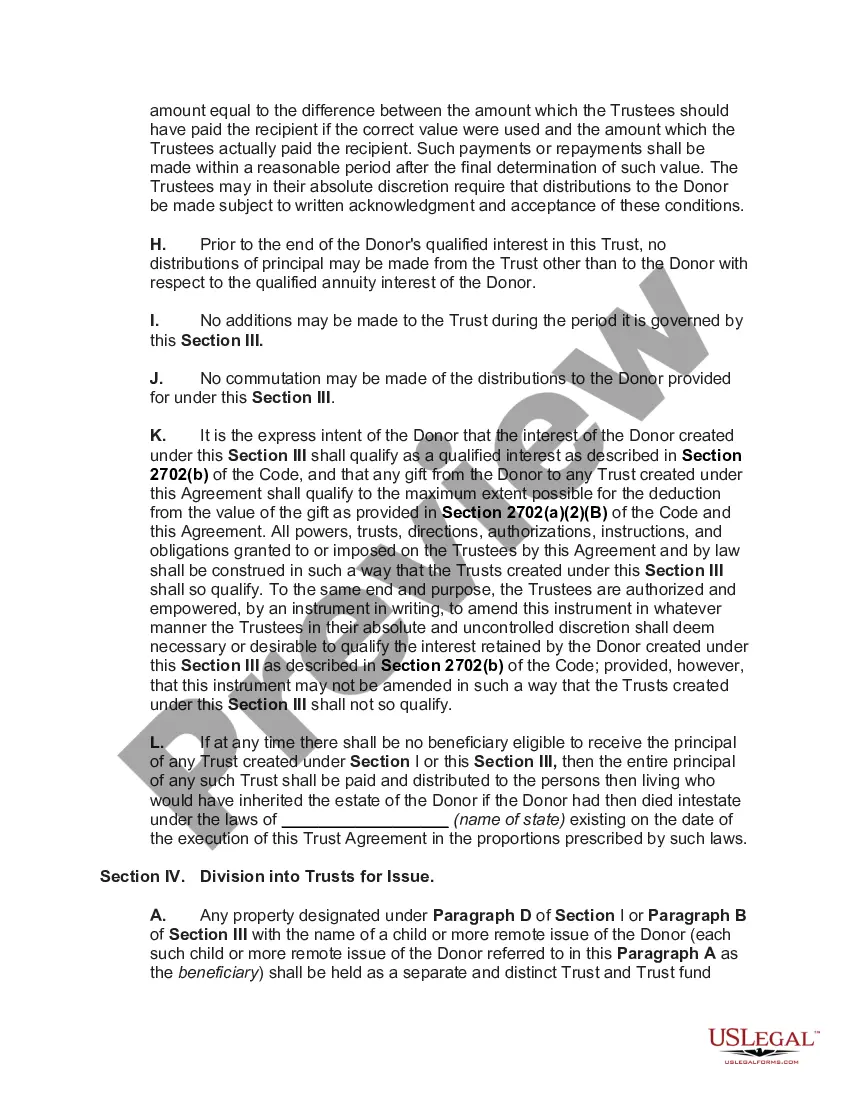
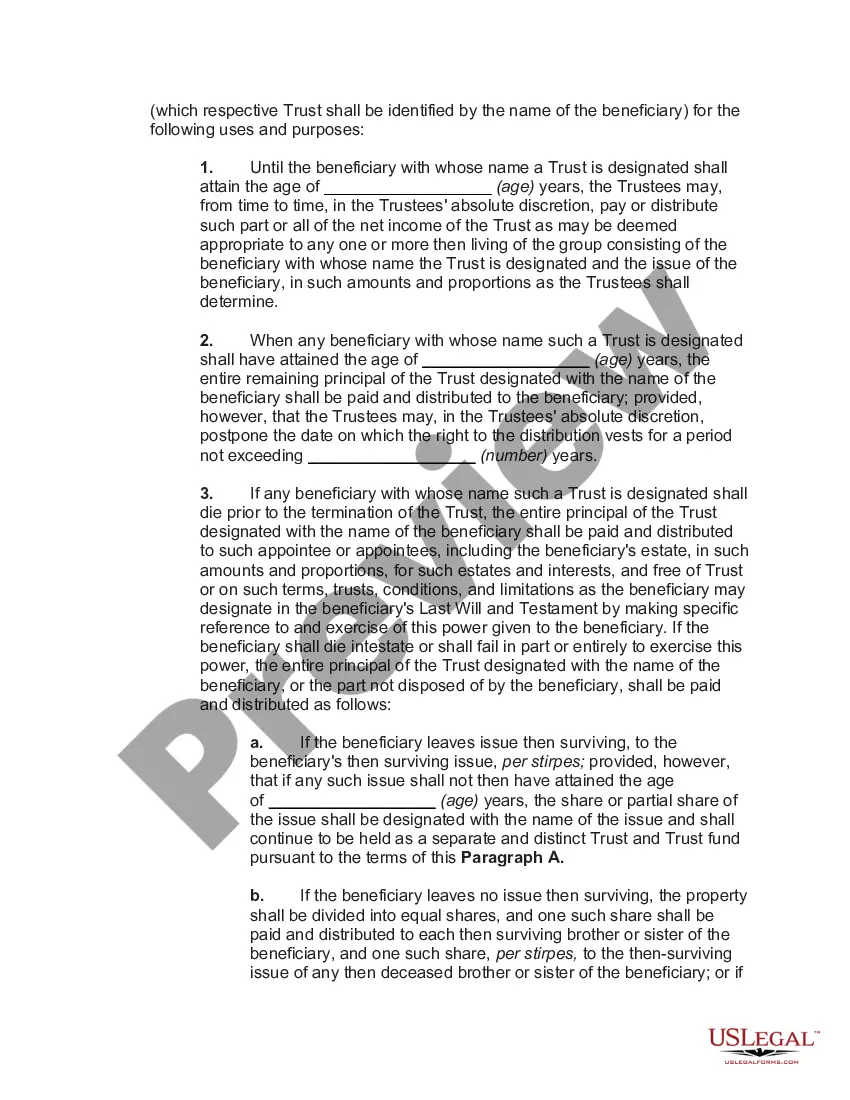
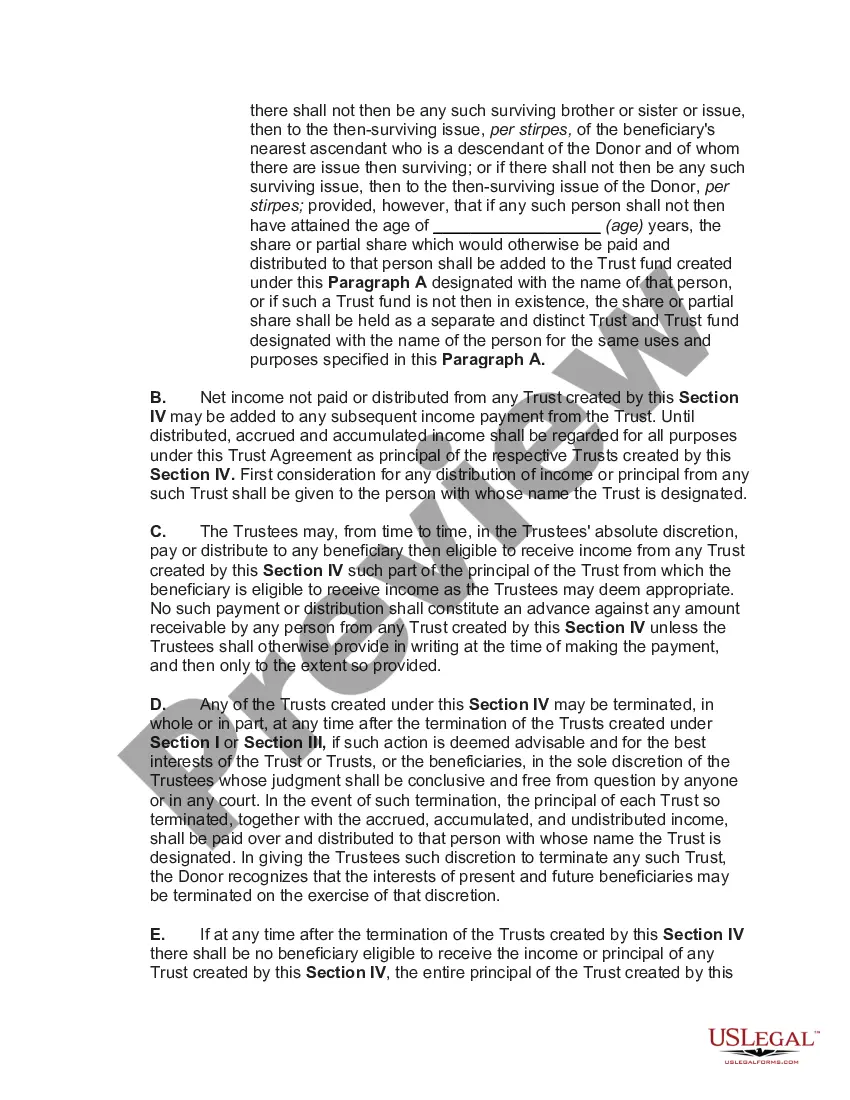
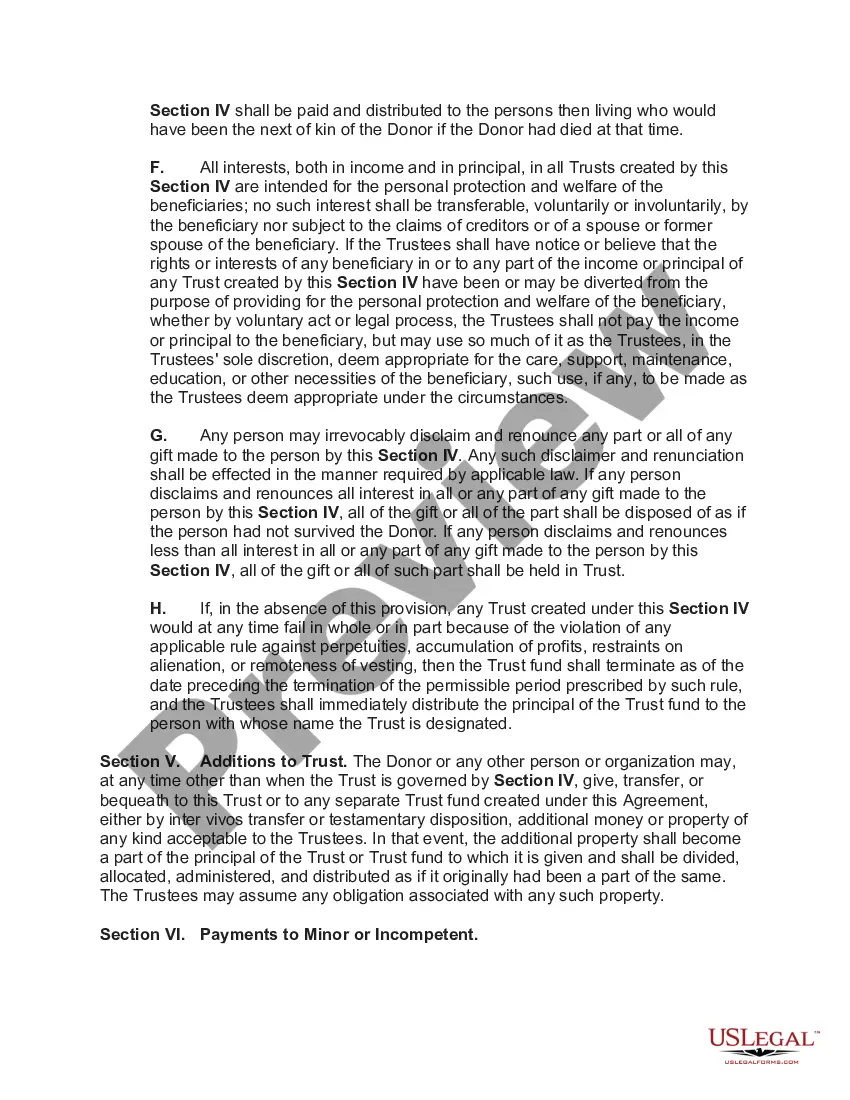
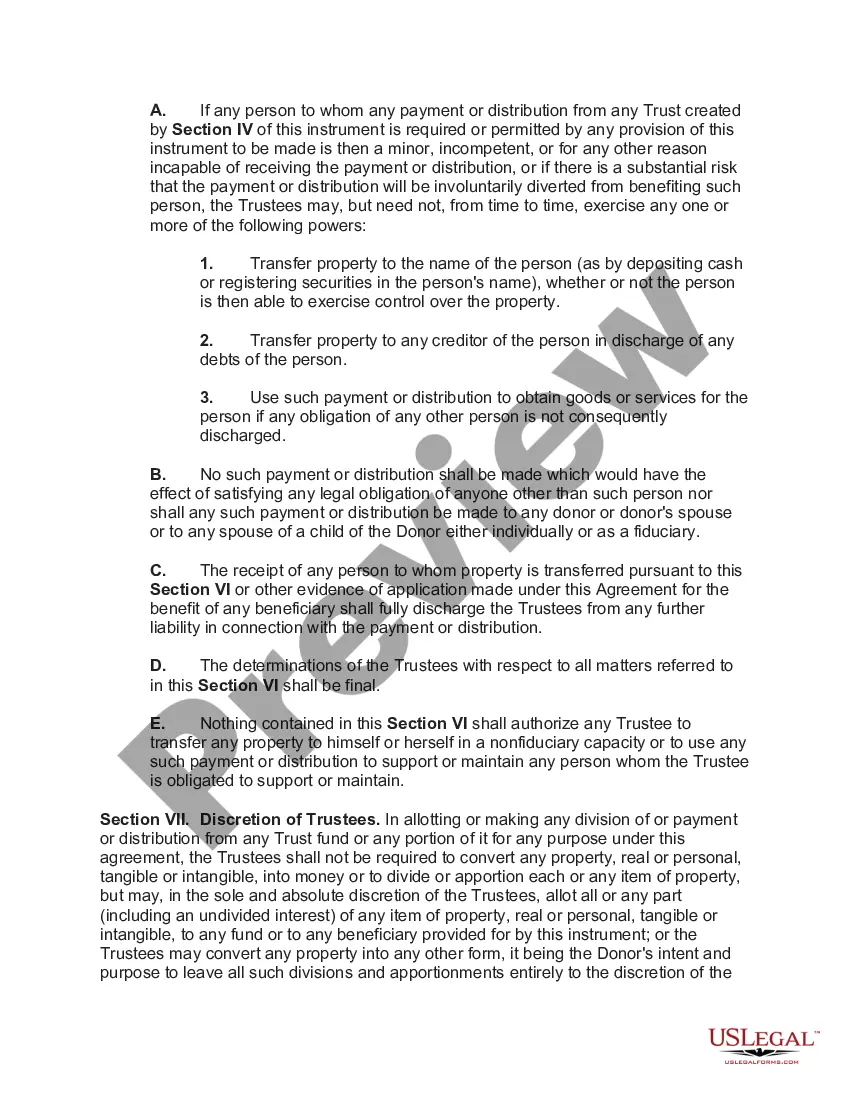
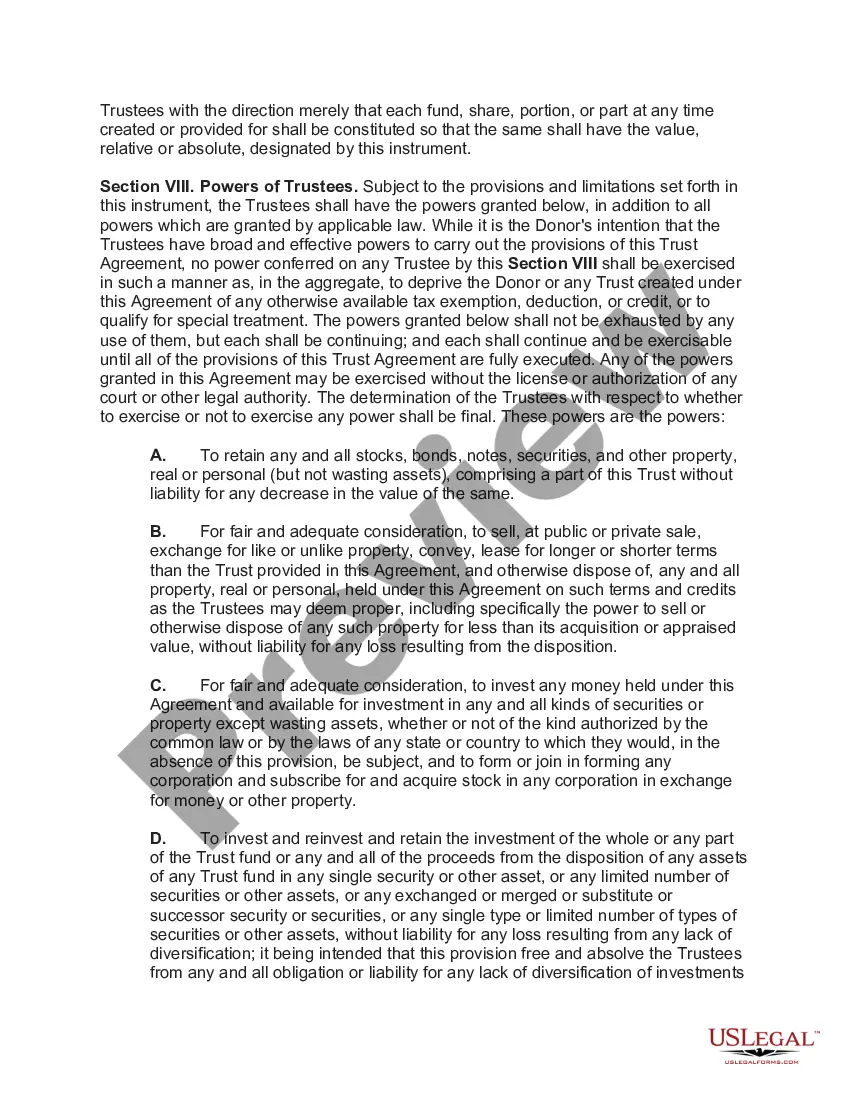

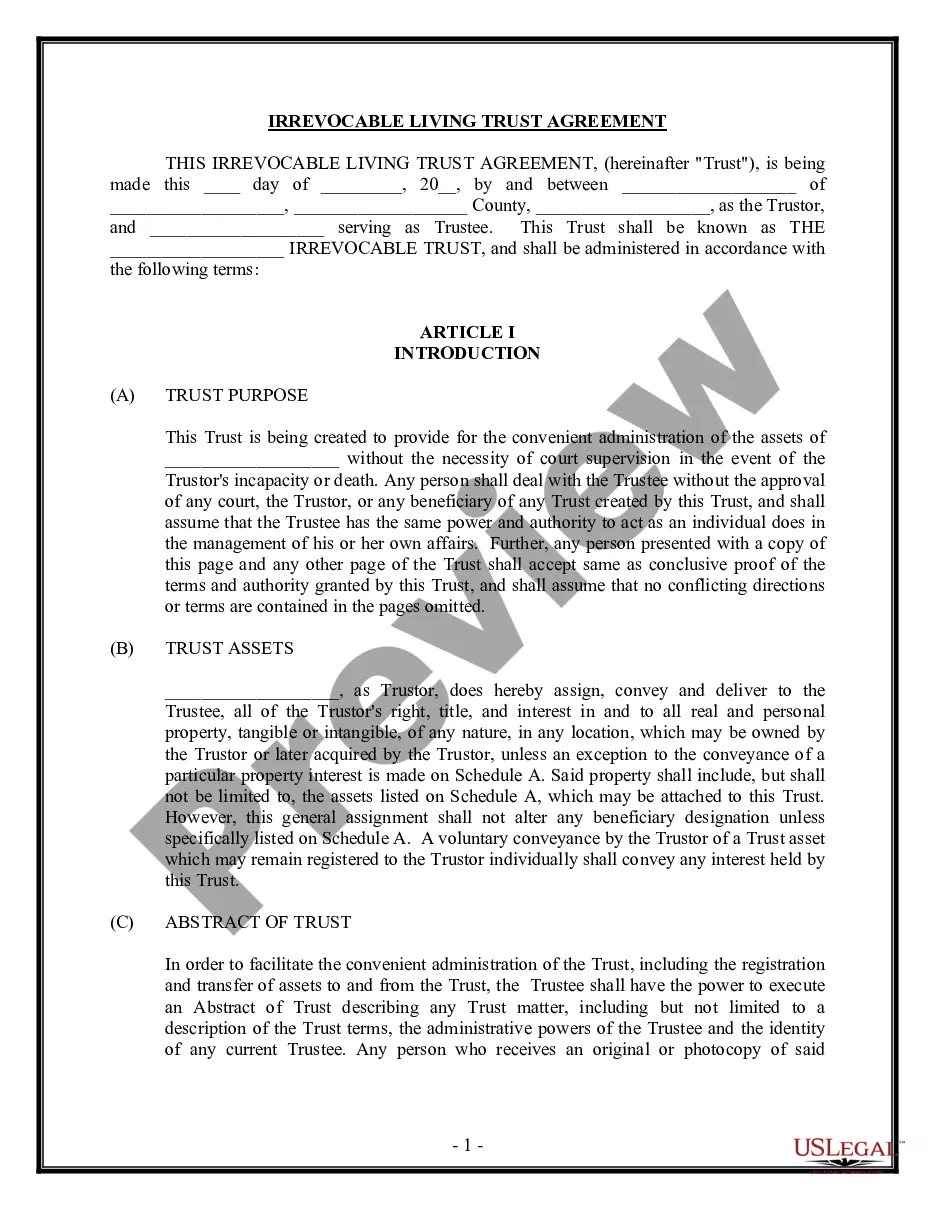
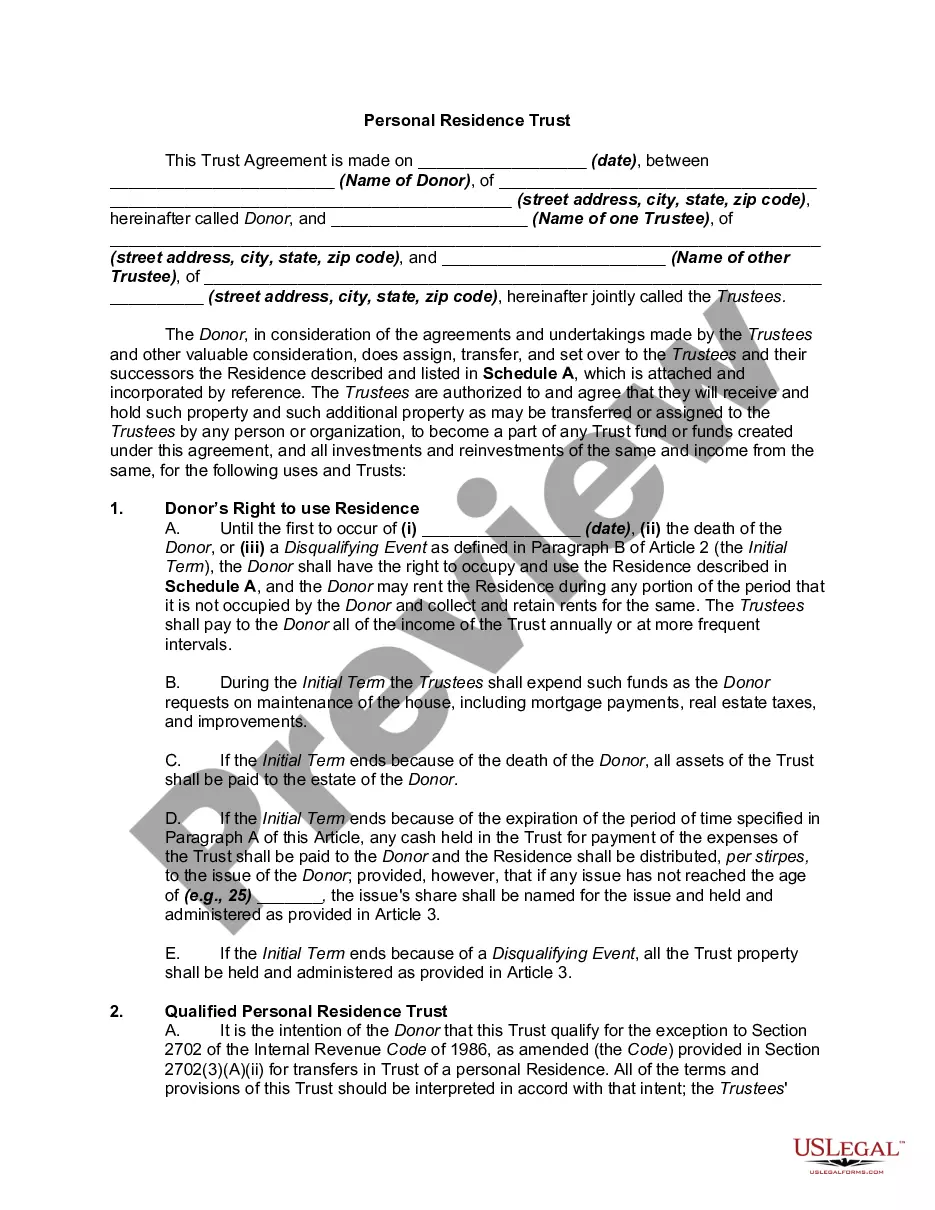
Get your form ready online
Our built-in tools help you complete, sign, share, and store your documents in one place.
Make edits, fill in missing information, and update formatting in US Legal Forms—just like you would in MS Word.
Download a copy, print it, send it by email, or mail it via USPS—whatever works best for your next step.
Sign and collect signatures with our SignNow integration. Send to multiple recipients, set reminders, and more. Go Premium to unlock E-Sign.
If this form requires notarization, complete it online through a secure video call—no need to meet a notary in person or wait for an appointment.
We protect your documents and personal data by following strict security and privacy standards.

Make edits, fill in missing information, and update formatting in US Legal Forms—just like you would in MS Word.

Download a copy, print it, send it by email, or mail it via USPS—whatever works best for your next step.

Sign and collect signatures with our SignNow integration. Send to multiple recipients, set reminders, and more. Go Premium to unlock E-Sign.

If this form requires notarization, complete it online through a secure video call—no need to meet a notary in person or wait for an appointment.

We protect your documents and personal data by following strict security and privacy standards.
Looking for another form?



How to fill out Qualified Personal Residence Trust?
- If you're a returning user, log in and check your subscription status to ensure it's current. Click the Download button to save your form template.
- For first-time users, begin by previewing the template and its description. Confirm you have selected the right document that fits your needs and complies with local laws.
- If you encounter any discrepancies, utilize the Search tab to find an alternative form that meets your specifications.
- Once you've located the desired document, click 'Buy Now' to select a subscription plan. You’ll need to create an account for full access to their resources.
- Complete your purchase by entering your payment information through credit card or PayPal.
- Download your form and save it on your device. You can access it anytime from the My Forms section of your profile.
Choosing US Legal Forms means gaining access to a comprehensive collection of over 85,000 editable legal documents. This not only saves you time but also the hassle of ensuring your documents are legally sound and tailored to your jurisdiction.
Empower yourself with the right legal tools today. Start your journey with US Legal Forms and create your personalized trust with confidence!
Form popularity
FAQ
Putting assets into a trust can limit flexibility in some cases. Once assets are in a trust, accessing them may not be as straightforward, which can be challenging if unexpected expenses arise. Additionally, there may be ongoing administrative responsibilities that come with managing the trust. Exploring a personal trust example can provide better clarity on these potential downsides.
While establishing a trust can offer various advantages, its complexity can be a downside. Trusts require thorough understanding and management, which may overwhelm some individuals. Additionally, setting up a trust typically incurs legal fees and can require continuous updates. A personal trust example can showcase these intricacies, helping you navigate them more effectively.
One significant mistake parents often make when setting up a trust fund is failing to clearly communicate their intentions with their children. This lack of transparency can lead to confusion or conflict after their passing. Another common misstep is not updating the trust as family circumstances change. Reviewing a personal trust example may provide insights to avoid these pitfalls.
Deciding whether to place assets in a trust depends on your parents' specific financial situation and goals. A trust can provide them with control and protection over their assets. However, it's vital for them to understand the implications and responsibilities of setting one up. Exploring a personal trust example will help them consider all angles before making this important decision.
While a family trust can offer numerous benefits, it does come with some disadvantages. A primary concern is the ongoing management required, which can be time-consuming and may involve costs. Furthermore, if not properly structured, a family trust may not protect assets effectively. Reviewing a personal trust example might highlight these challenges and help you plan accordingly.
Not every asset is suitable for a trust. For instance, retirement accounts typically require special considerations due to tax implications. Additionally, personal property like automobiles or items of sentimental value might be better managed outside of a trust. It's essential to weigh these factors, and consulting a personal trust example can clarify the best approach.
Creating a simple trust involves a few key steps. Start by defining the trust's purpose and naming beneficiaries, as these elements shape the trust structure. Next, select a trustee to manage the trust, and outline the terms clearly. A personal trust example can help illustrate these components, ensuring everything aligns for effective management and protection.
Deciding whether to gift a house or place it in a trust depends on your personal circumstances and goals. A personal trust example often provides more control over the asset’s use and distribution, potentially minimizing tax implications compared to gifting. Trusts can protect the asset from creditors and ensure your wishes are fulfilled even after your passing. If you're looking for the best option for your situation, US Legal Forms offers resources to help you understand your choices.
Filing a private trust involves several steps, including creating a trust document and obtaining an Employer Identification Number (EIN). Once these are set, you can file IRS Form 1041 as needed. Using resources like uslegalforms can help simplify the process of setting up and filing your personal trust example efficiently.
The IRS does not specify a universal minimum income threshold for filing a trust return. Instead, it considers various factors, including trust type and applicable deductions. Reviewing personal trust examples can provide valuable insights into potential obligations based on income levels.