Living Trust With Will
Description
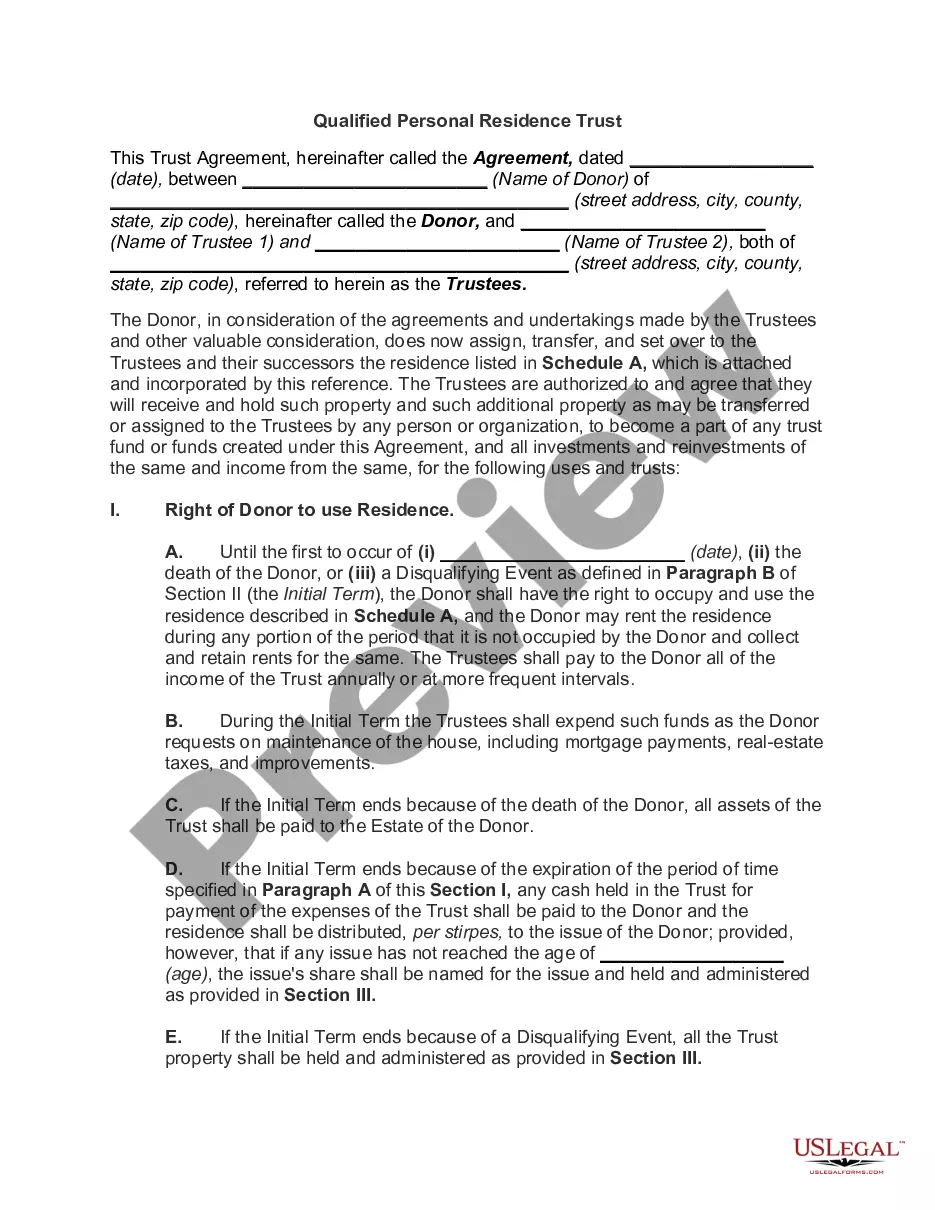
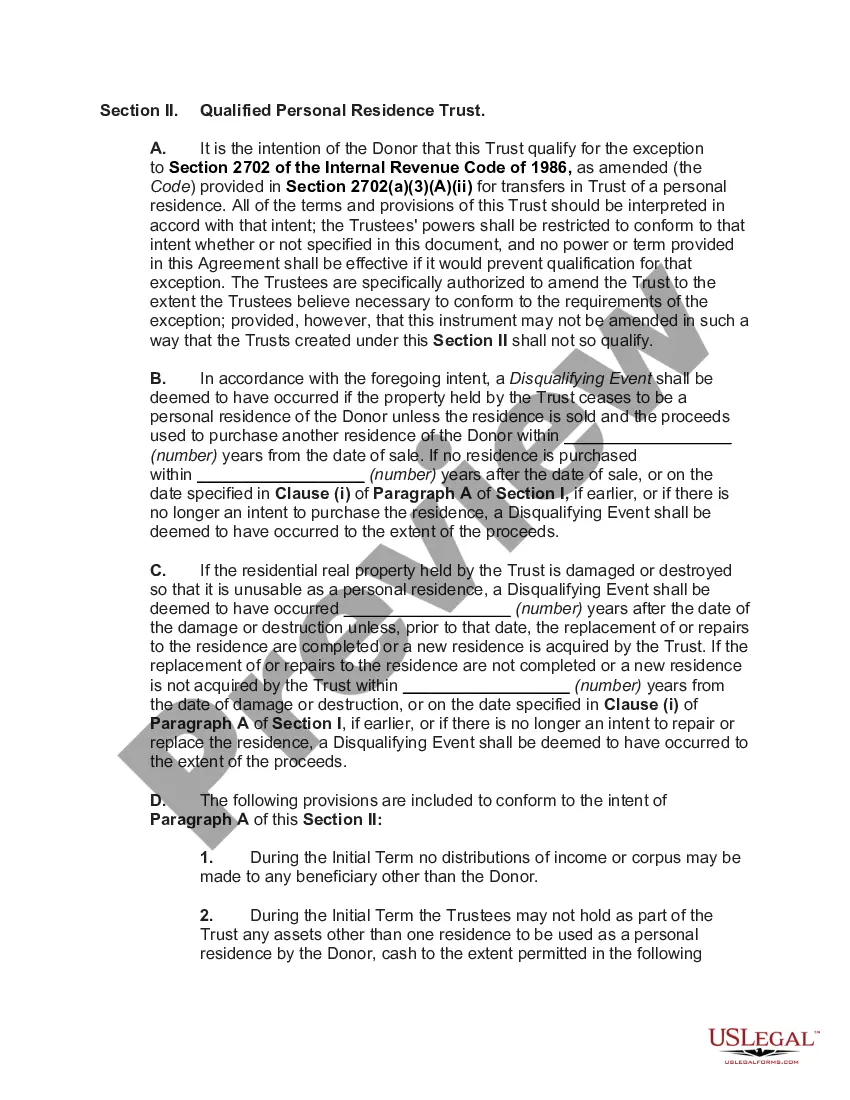
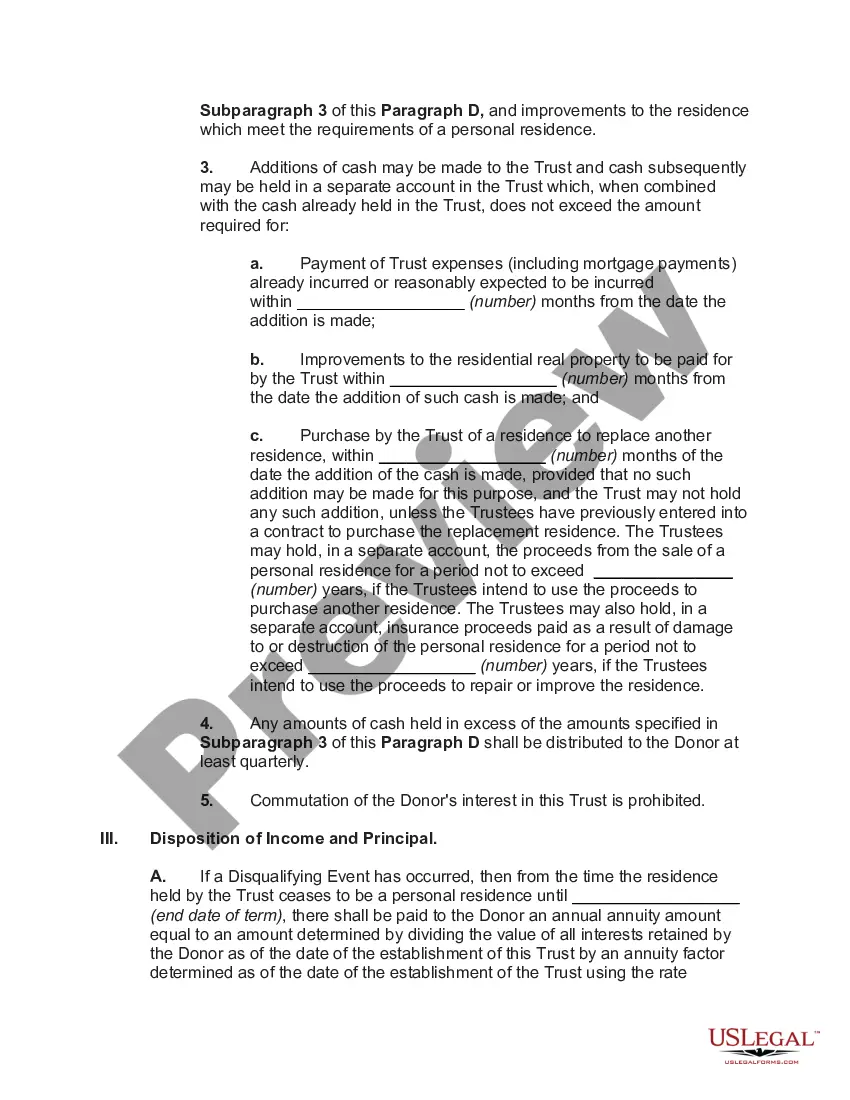
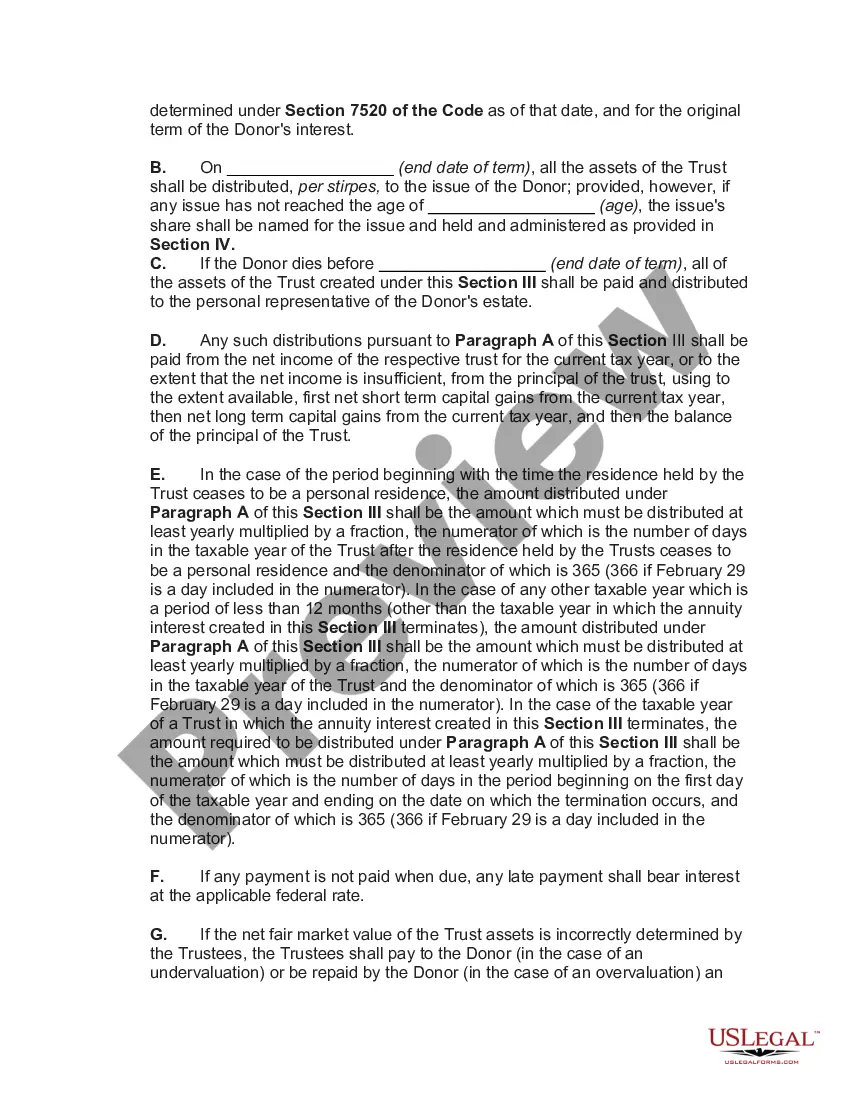
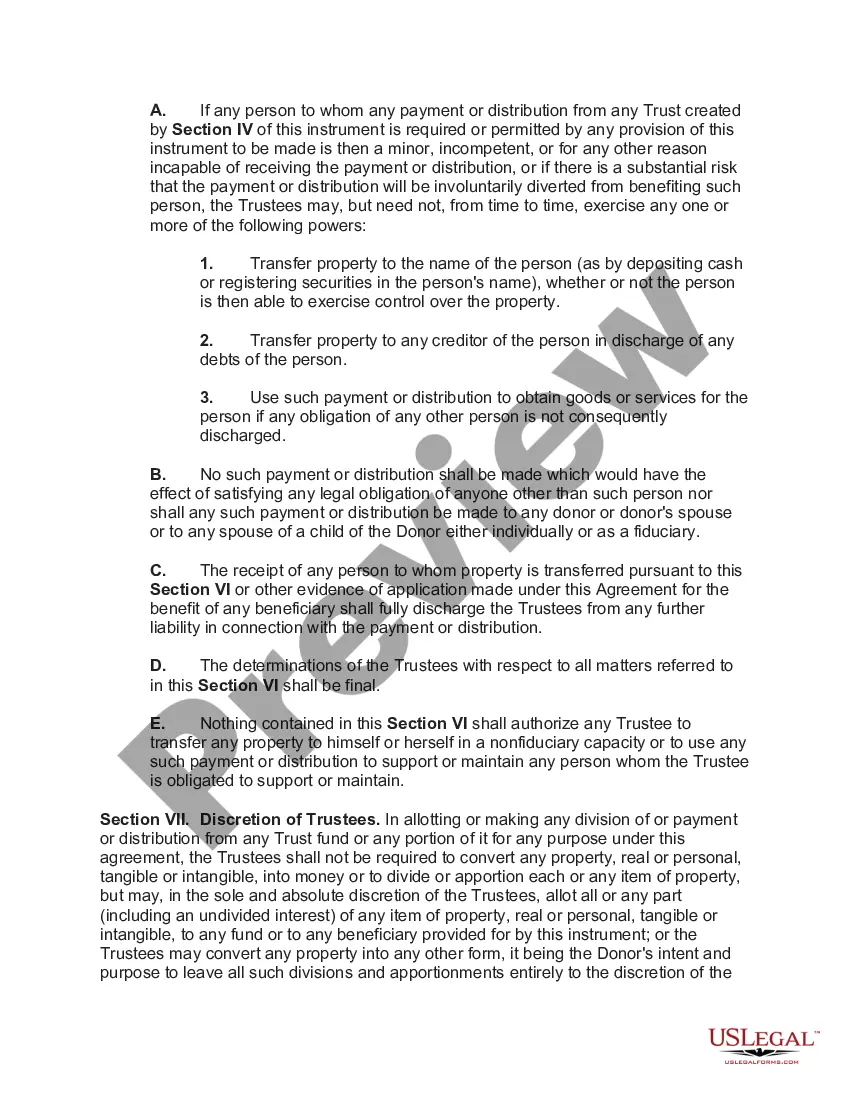
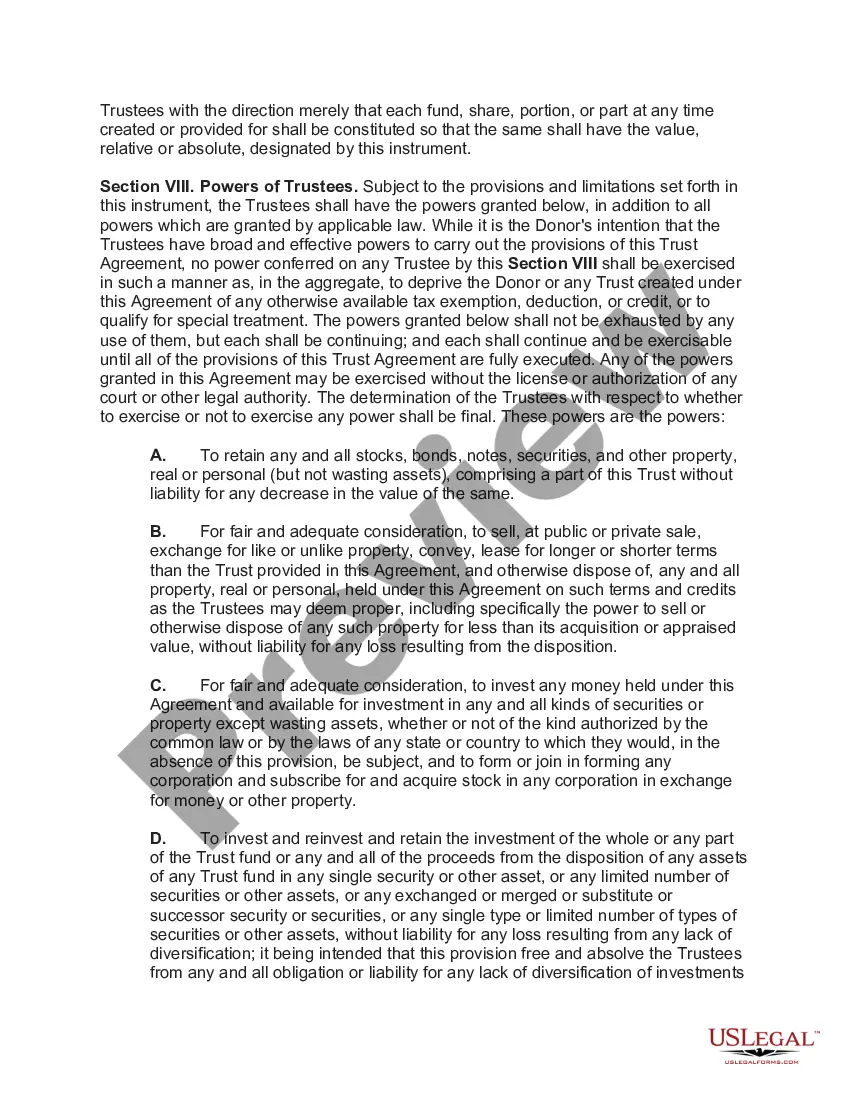

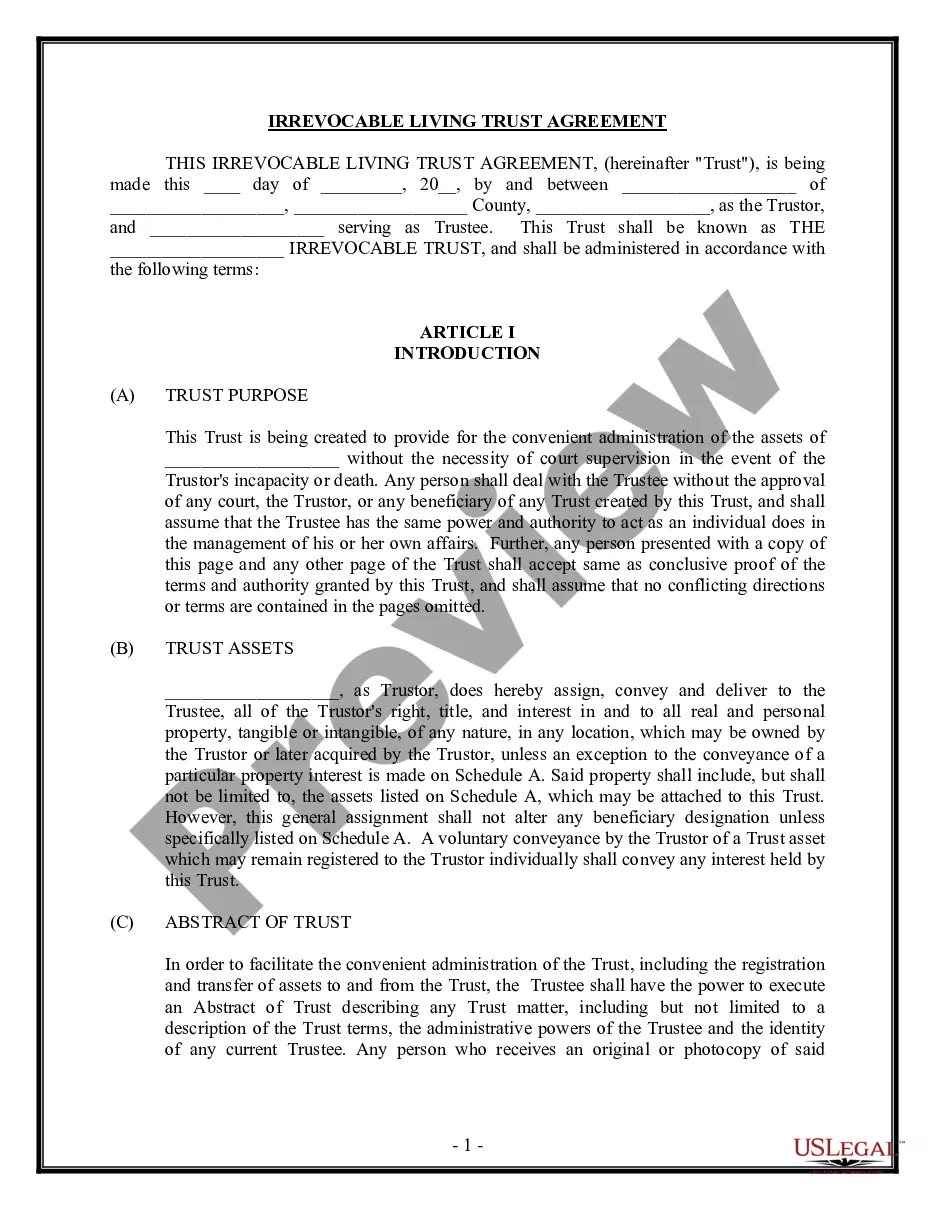
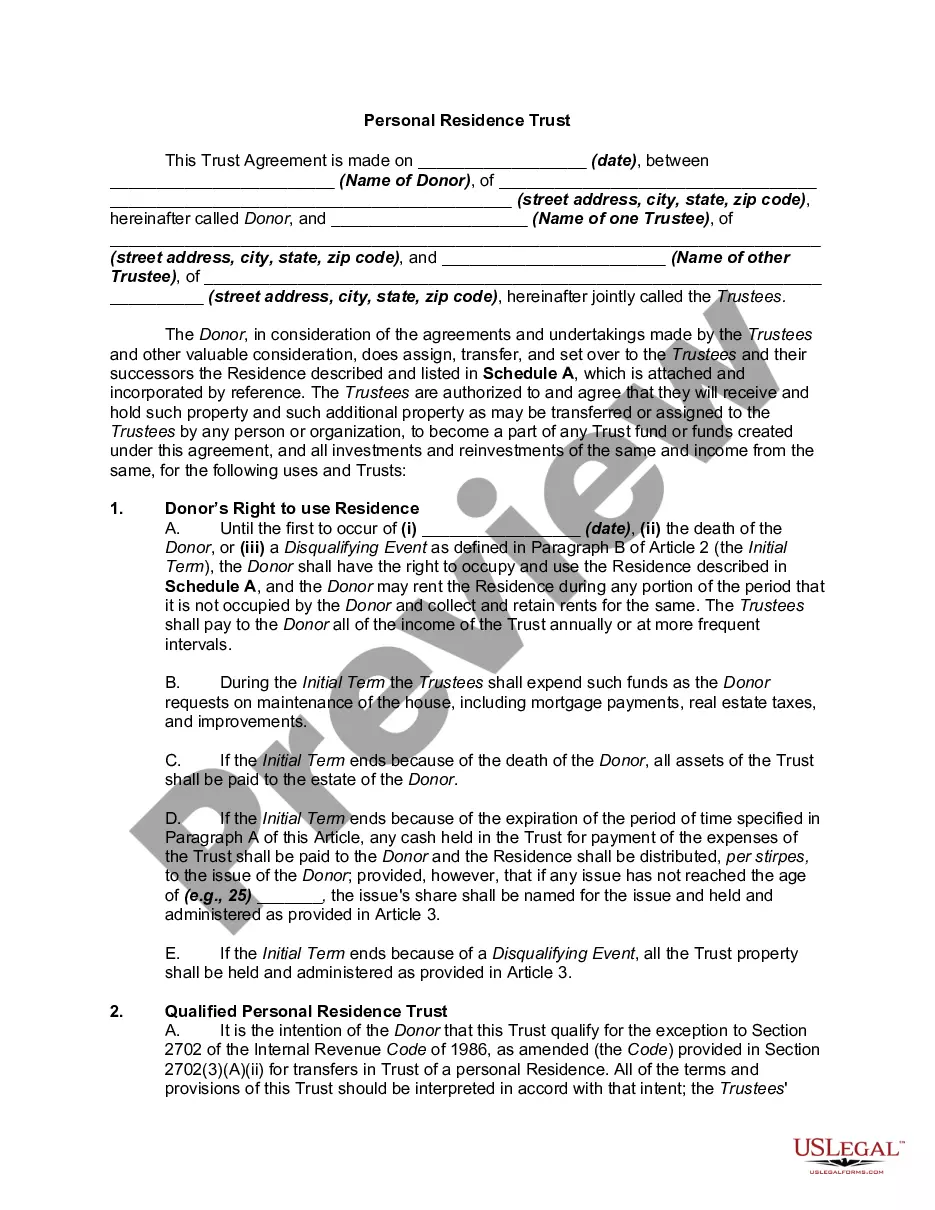
Get your form ready online
Our built-in tools help you complete, sign, share, and store your documents in one place.
Make edits, fill in missing information, and update formatting in US Legal Forms—just like you would in MS Word.
Download a copy, print it, send it by email, or mail it via USPS—whatever works best for your next step.
Sign and collect signatures with our SignNow integration. Send to multiple recipients, set reminders, and more. Go Premium to unlock E-Sign.
If this form requires notarization, complete it online through a secure video call—no need to meet a notary in person or wait for an appointment.
We protect your documents and personal data by following strict security and privacy standards.

Make edits, fill in missing information, and update formatting in US Legal Forms—just like you would in MS Word.

Download a copy, print it, send it by email, or mail it via USPS—whatever works best for your next step.

Sign and collect signatures with our SignNow integration. Send to multiple recipients, set reminders, and more. Go Premium to unlock E-Sign.

If this form requires notarization, complete it online through a secure video call—no need to meet a notary in person or wait for an appointment.

We protect your documents and personal data by following strict security and privacy standards.
Looking for another form?









How to fill out Qualified Personal Residence Trust?
- If you're a returning user, log into your US Legal Forms account and click the Download button for your desired form. Confirm that your subscription is active; if not, renew it as per your subscription plan.
- For first-time users, start by reviewing the form preview and description to ensure it meets your needs and is compliant with local law.
- Search for alternative templates if you find discrepancies. Use the Search tab at the top to locate the perfect document for your requirements.
- Select the desired document and click the Buy Now button to choose a subscription plan. You'll need to create an account for access to the full resources available.
- Complete your purchase using a credit card or PayPal to secure your subscription.
- Once payment is confirmed, download the form to your device. You can access it later anytime in the My Forms menu of your profile.
In conclusion, using US Legal Forms streamlines your estate planning process by offering a vast library of resources and expert assistance. By following these steps, you can efficiently create a living trust with will that protects your assets and fulfills your wishes.
Ready to start? Visit US Legal Forms today and get access to all the resources you need for your legal documentation.
Form popularity
FAQ
Choosing to create a living trust with a will can have its drawbacks, especially when it comes to your home. One key concern is the potential for higher upfront costs. Setting up a living trust often involves legal fees and potentially ongoing administrative costs. Additionally, placing your house in trust might limit your control over the property, as you’ll need to follow the terms of the trust. However, using platforms like US Legal Forms can simplify the process, providing templates and guidance to navigate the complexities effectively.
The best way to set up a living trust with a will is to start with clear goals about how you want your assets distributed. Begin by gathering all necessary documents and information about your property and beneficiaries. It's often advisable to consult with a legal professional who can guide you through state-specific regulations. Additionally, using the US Legal Forms platform can help simplify the process by providing templates and resources tailored for creating a comprehensive living trust with a will.
Generally, a will does not override a living trust if assets are properly placed within the trust. When you establish a living trust with will, the trust holds primary authority over the assets within it. However, a will can address property not included in the trust, ensuring all your wishes are fulfilled. Using platforms like uslegalforms can help streamline this process and safeguard your estate.
Certain documents and legal instruments might take precedence over a will, including a living trust with will. For instance, if you have designated beneficiaries on your life insurance or retirement accounts, those designations remain in effect, regardless of your will's instructions. Therefore, it's crucial to coordinate these documents to eliminate confusion.
In most cases, a living trust with will works together to manage your estate. A living trust can take precedence over a will when it comes to assets placed within it. However, any assets not included in the trust may still be directed by your will. Clearly outlining your wishes in both documents ensures that your preferences are honored.
Choosing between a living trust and a will depends on your specific needs. A living trust with will often provides more benefits, such as avoiding probate and offering more control over your assets during your lifetime. However, if you seek a straightforward way to distribute your possessions after death, a will might suffice. It's wise to evaluate your situation carefully.
Determining whether a will or a living trust is better depends on your personal circumstances and estate planning goals. A living trust with will offers benefits, including avoiding probate and providing more privacy when settling your estate. While a will is straightforward and may suffice for smaller estates, a living trust could provide more flexibility and control over your assets. Explore options on US Legal Forms to find the right solution that suits your unique needs.
Writing a living trust with will involves outlining your assets and specifying how they should be managed during your lifetime and distributed after your death. Start by gathering necessary information like property, investments, and debts, then use a clear template from US Legal Forms to help draft the necessary documents. Ensure you name a trustworthy trustee who can manage the trust and execute your plan according to your wishes. Always review the final documents with legal counsel to ensure completeness.
One of the biggest mistakes parents often make is not clearly defining their wishes when creating a living trust with will. This lack of clarity can lead to confusion and disputes among heirs after their passing. Additionally, failing to fund the trust properly means that assets may not be transferred as intended. It's essential to use a reliable platform like US Legal Forms to guide you through the process and ensure your wishes are accurately documented.