Qdot For My Area
Description
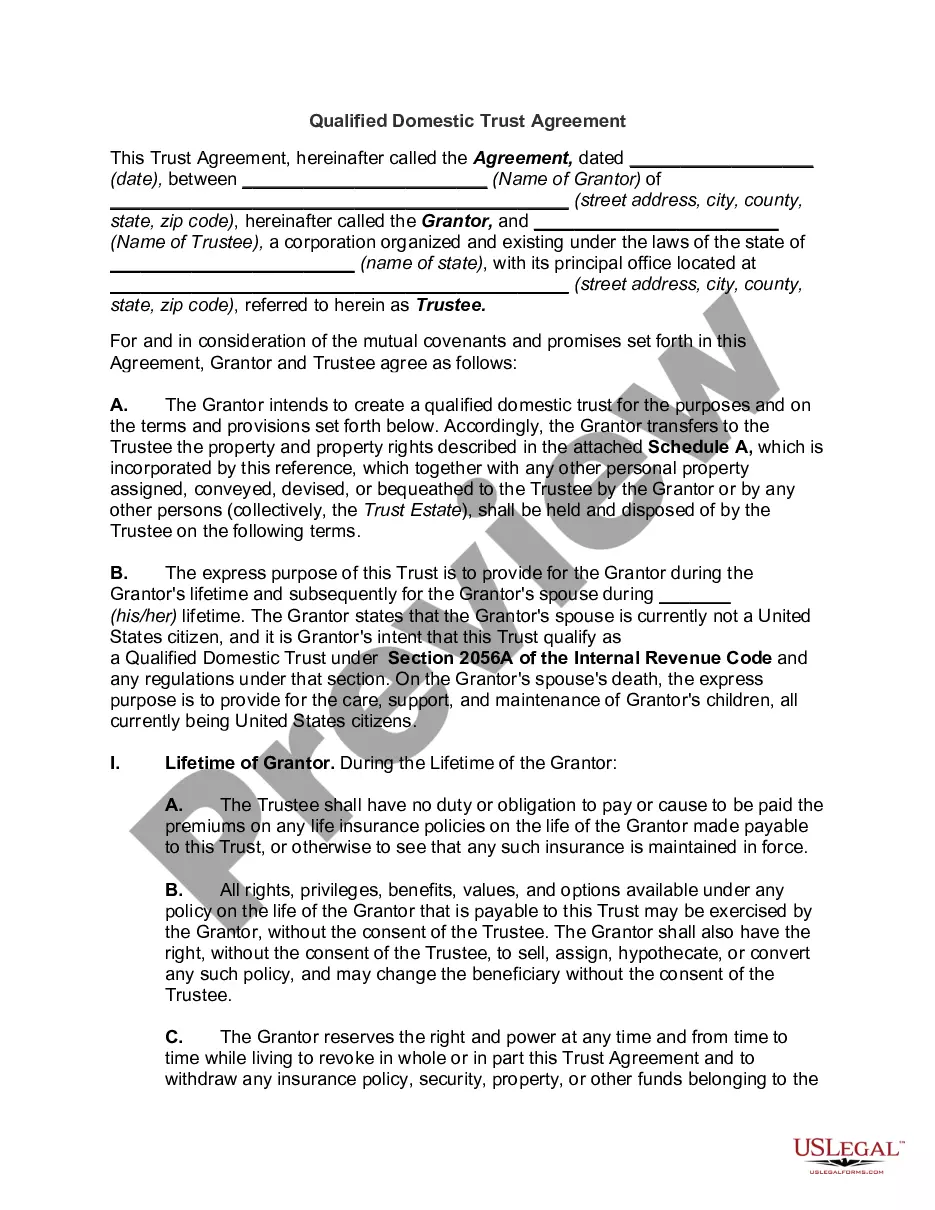
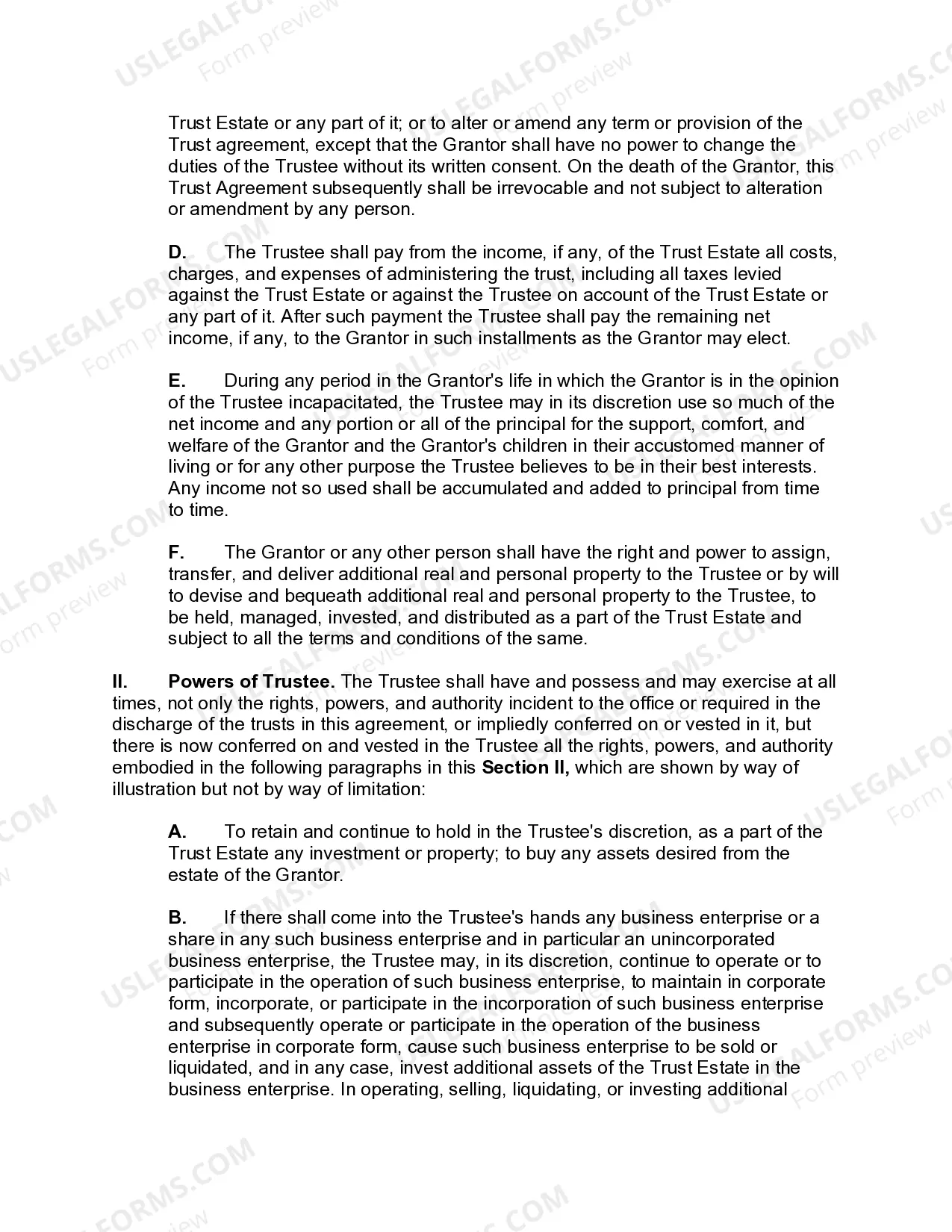
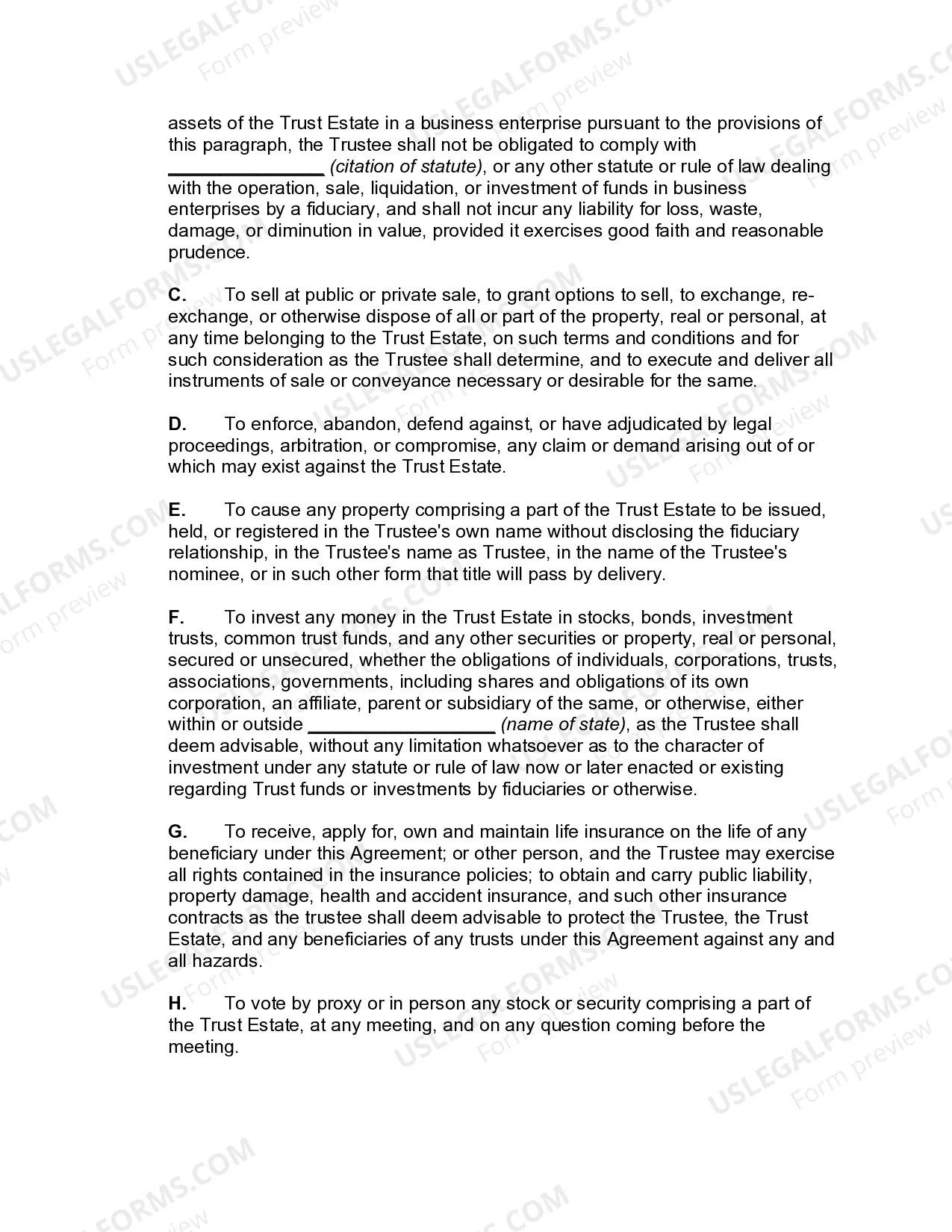
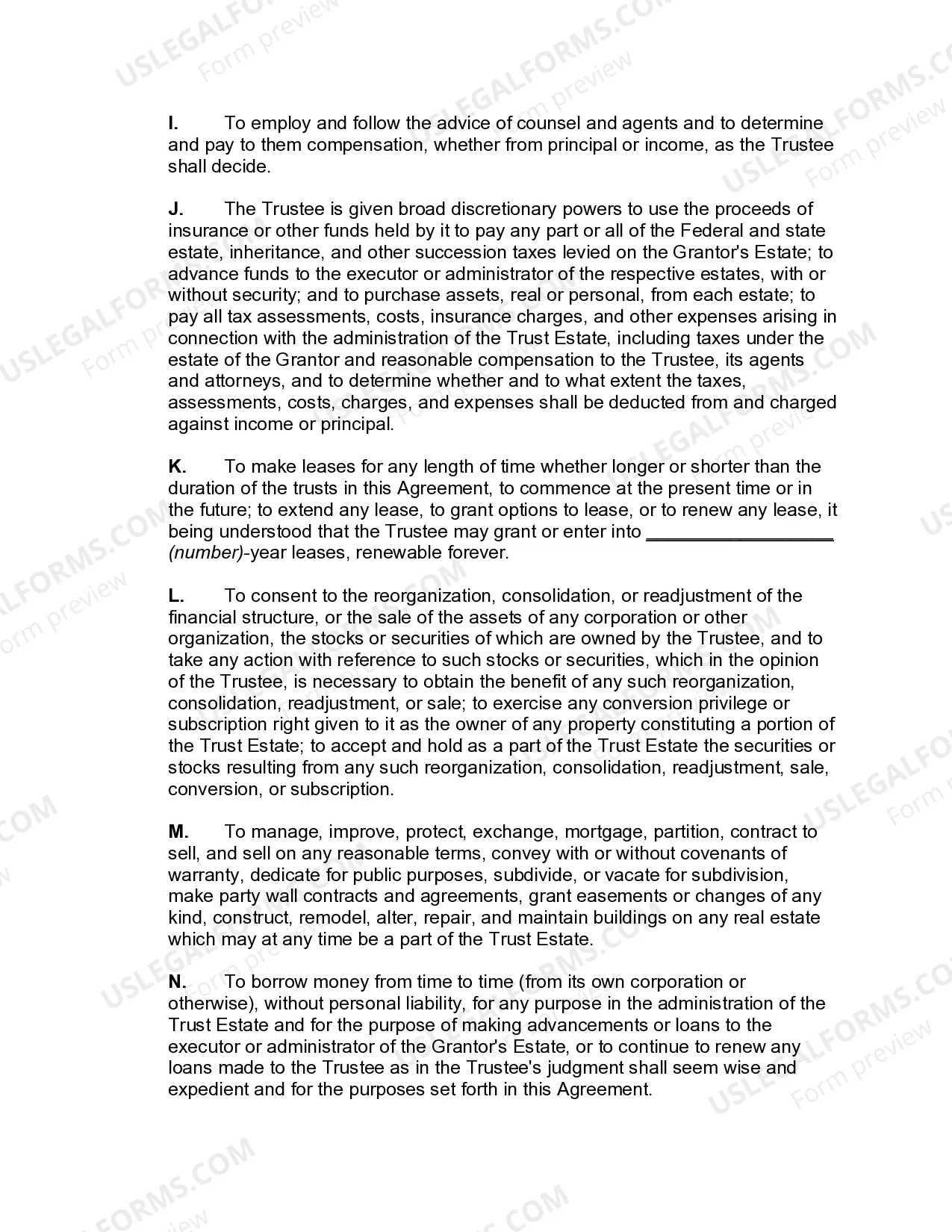
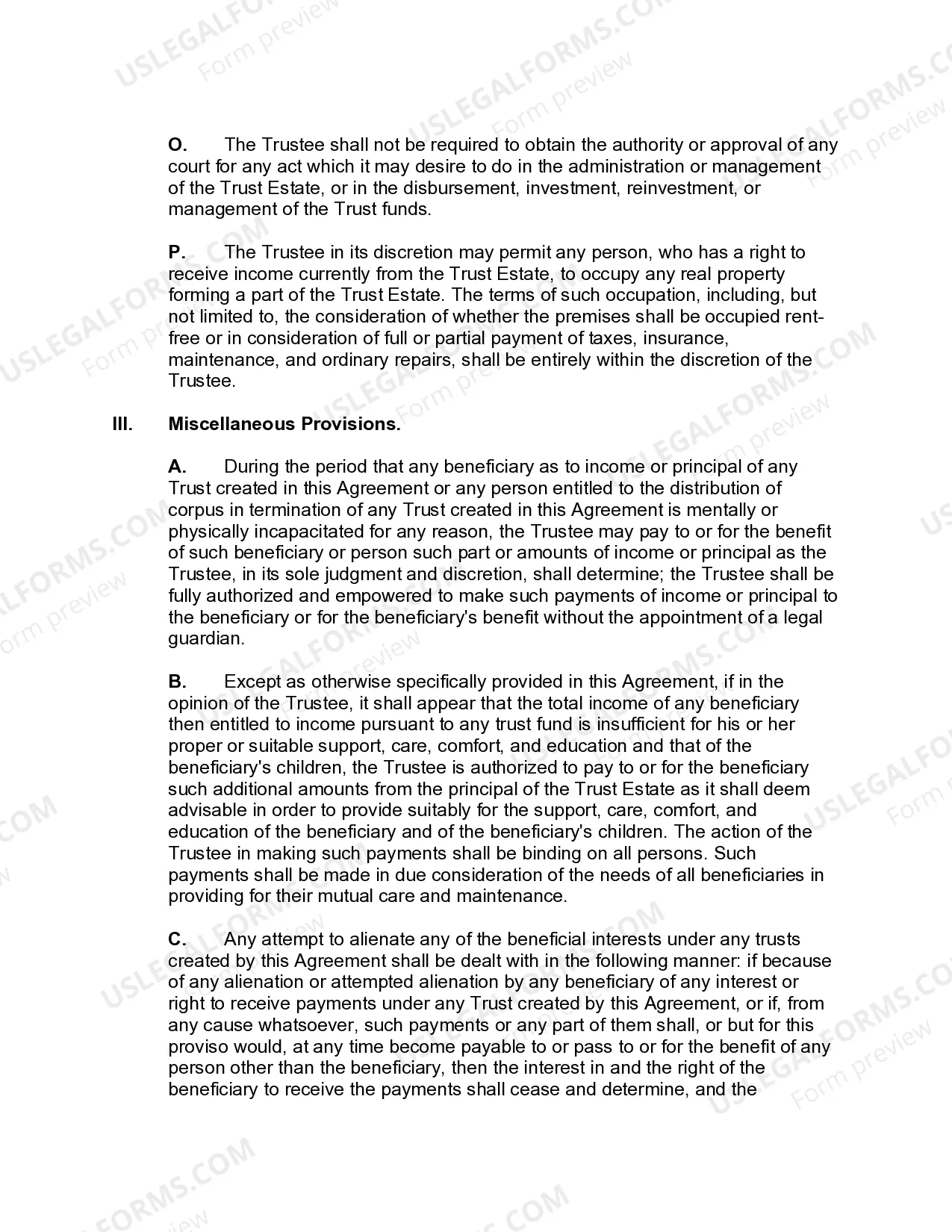
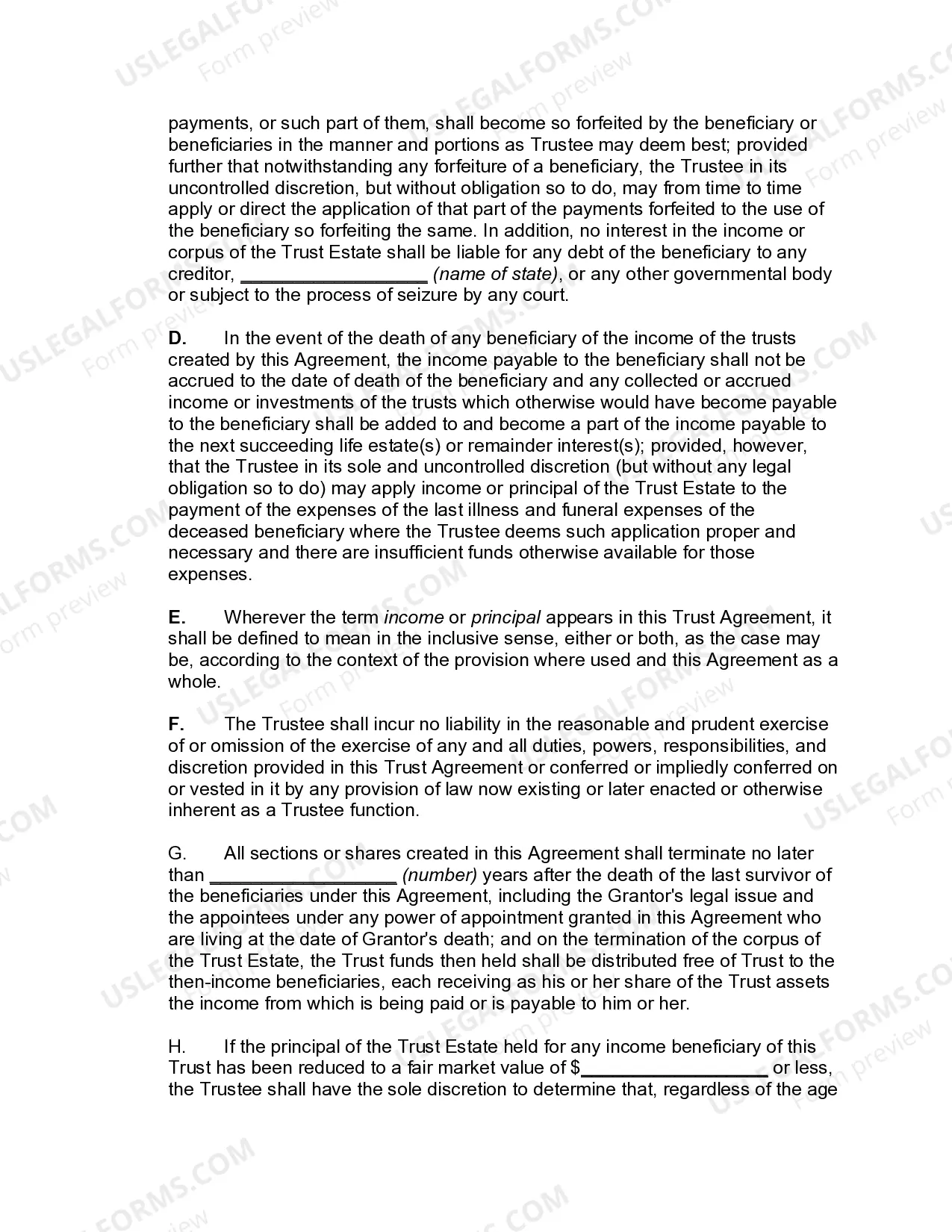
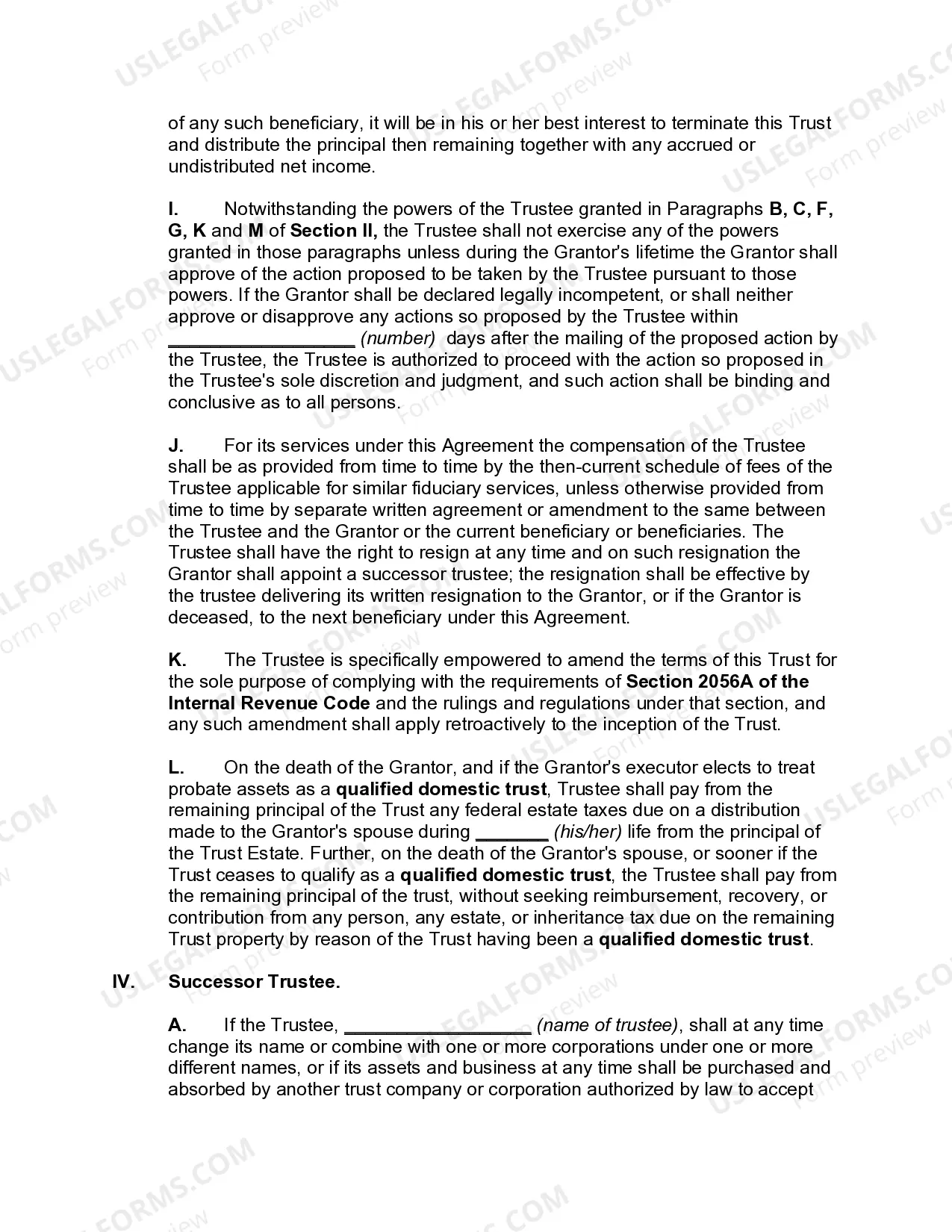
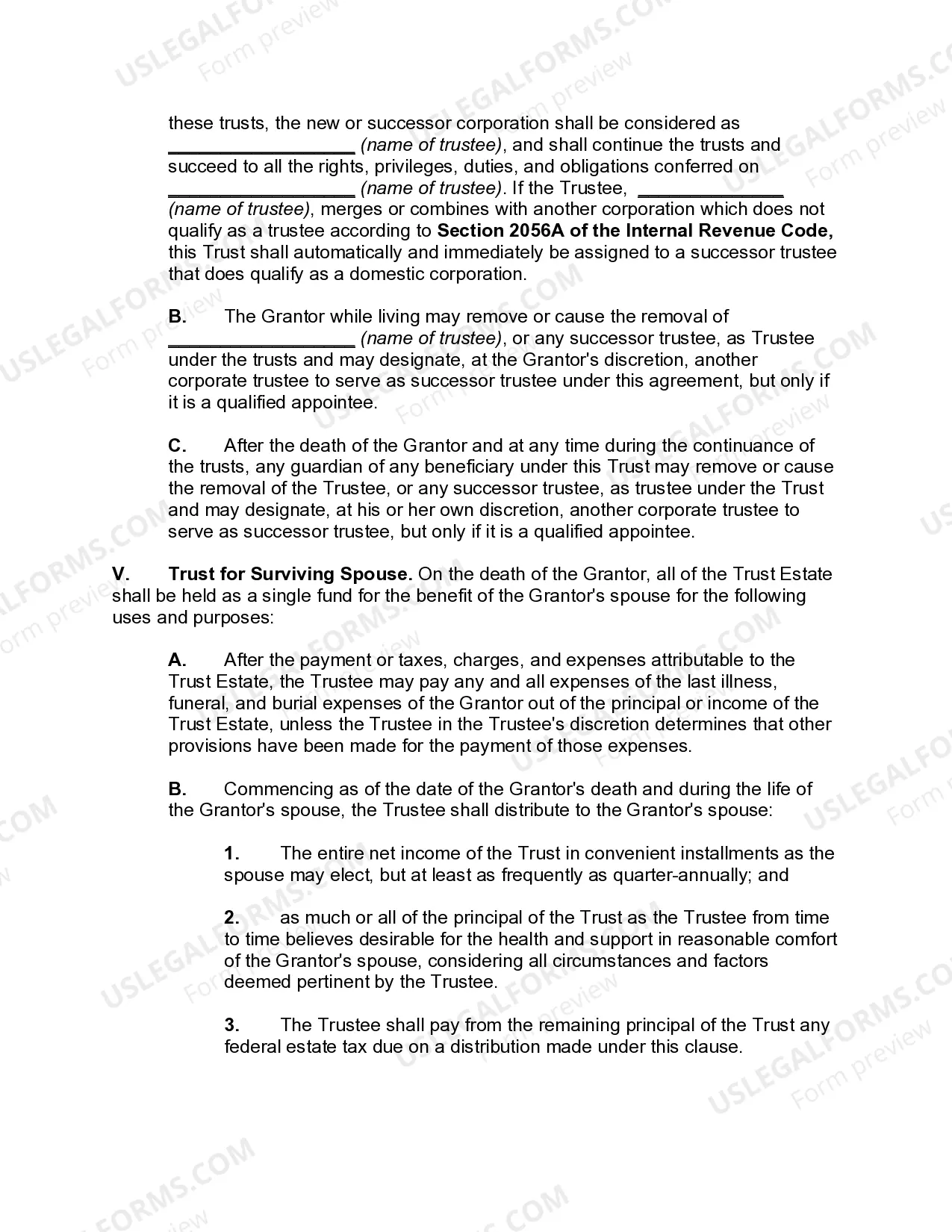


Get your form ready online
Our built-in tools help you complete, sign, share, and store your documents in one place.
Make edits, fill in missing information, and update formatting in US Legal Forms—just like you would in MS Word.
Download a copy, print it, send it by email, or mail it via USPS—whatever works best for your next step.
Sign and collect signatures with our SignNow integration. Send to multiple recipients, set reminders, and more. Go Premium to unlock E-Sign.
If this form requires notarization, complete it online through a secure video call—no need to meet a notary in person or wait for an appointment.
We protect your documents and personal data by following strict security and privacy standards.

Make edits, fill in missing information, and update formatting in US Legal Forms—just like you would in MS Word.

Download a copy, print it, send it by email, or mail it via USPS—whatever works best for your next step.

Sign and collect signatures with our SignNow integration. Send to multiple recipients, set reminders, and more. Go Premium to unlock E-Sign.

If this form requires notarization, complete it online through a secure video call—no need to meet a notary in person or wait for an appointment.

We protect your documents and personal data by following strict security and privacy standards.
Looking for another form?



How to fill out Qualified Domestic Trust Agreement?
- Log into your US Legal Forms account. If you're a returning user, ensure your subscription is current. If not, renew it following your payment plan.
- Browse the extensive library and check form descriptions. Verify that the selected form meets your legal needs and adheres to your local jurisdiction.
- Need a different template? Utilize the Search function to find an accurate document that fits your criteria.
- Select the form you wish to purchase. Click the 'Buy Now' button and choose your preferred subscription plan to gain access.
- Complete your purchase process by entering your payment information, either via credit card or PayPal.
- Download your chosen form and save it to your device. You can access your documents anytime in the 'My Forms' section of your account.
In conclusion, using US Legal Forms through Qdot for my area simplifies the process of acquiring legal documents. With a vast collection of templates and expert assistance, you can ensure your documents are accurate and compliant with legal standards.
Start your journey today, and explore the practical benefits of using US Legal Forms for your legal needs!
Form popularity
FAQ
Yes, a non-U.S. citizen can serve as an executor of a U.S. estate, but there are specific regulations to consider. The executor must usually be willing to fulfill U.S. legal obligations and might need to post a bond, depending on state laws. If you're looking for clarity on this process, a Qdot for my area can guide you in understanding your rights and responsibilities. Additionally, USLegalForms offers tools and templates to streamline this task effectively.
Yes, a non-U.S. citizen can create a trust under U.S. law. This process often involves understanding tax implications and legal requirements specific to your circumstances. Utilizing a Qdot for my area can help you navigate these complexities smoothly. Additionally, platforms like USLegalForms provide valuable resources to establish a trust correctly, ensuring compliance and protection.
Yes, a non-citizen can create a Qdot, provided they meet specific criteria defined by tax regulations. The trust must be established to benefit a spouse who is not a U.S. citizen, ensuring the proper tax treatment. Using our platform, you can easily navigate the complexities of setting up a Qdot for my area, ensuring that your estate planning needs are met.
Yes, a Qdot is an irrevocable trust, meaning you cannot change its terms or revoke it once established. This characteristic ensures that the trust’s assets remain protected and are solely dedicated to the benefits defined within the trust. If you’re considering a Qdot for my area, it’s important to consult a qualified professional to ensure it aligns with your estate planning goals.
A Qdot, or Qualified Domestic Trust, is a trust designed to provide tax benefits to surviving spouses who are not U.S. citizens. The Qdot allows the transfer of assets without incurring immediate estate taxes, making it an essential estate planning tool. If you're exploring options related to Qdot for my area, this trust structure offers a strategic way to protect your assets and support your spouse.
You should consider using a Qdot when you want to provide benefits to your spouse while protecting your estate from estate taxes. A Qdot is especially useful if your spouse is not a U.S. citizen, as it allows you to take advantage of marital deductions. By implementing a Qdot for my area, you ensure compliance with IRS regulations, maximizing the benefits for both you and your loved ones.
Creating a Qdot for my area involves specific steps, starting with legal documentation to establish the trust. You must ensure that it meets IRS requirements, including designating a trustee who will manage the trust assets. Working with a professional like uslegalforms can simplify this process and ensure compliance with all legal standards, helping you achieve your estate planning goals.
While a QTIP trust offers advantages, there are downsides to consider, especially with a Qdot for my area. One key concern is the potential for estate tax liability when the surviving spouse passes away. Additionally, the required income distribution can limit how the trust’s assets are utilized, impacting long-term financial planning.
To avoid estate tax in the USA, consider various strategies such as utilizing the annual gift tax exclusion, establishing a Qdot for my area, or making charitable donations. Effective estate planning, including setting up trusts, can significantly reduce the taxable estate. Consulting with a legal expert can help tailor strategies to your unique situation and needs.
The unlimited marital deduction applies to property transferred between spouses, including community property and separate property. For a Qdot for my area, ensuring that both partners are legally married and properly documenting assets is critical. This deduction allows spouses to transfer wealth without incurring estate tax at the time of death, facilitating smoother transitions in estate planning.