Dot For Jobs
Description
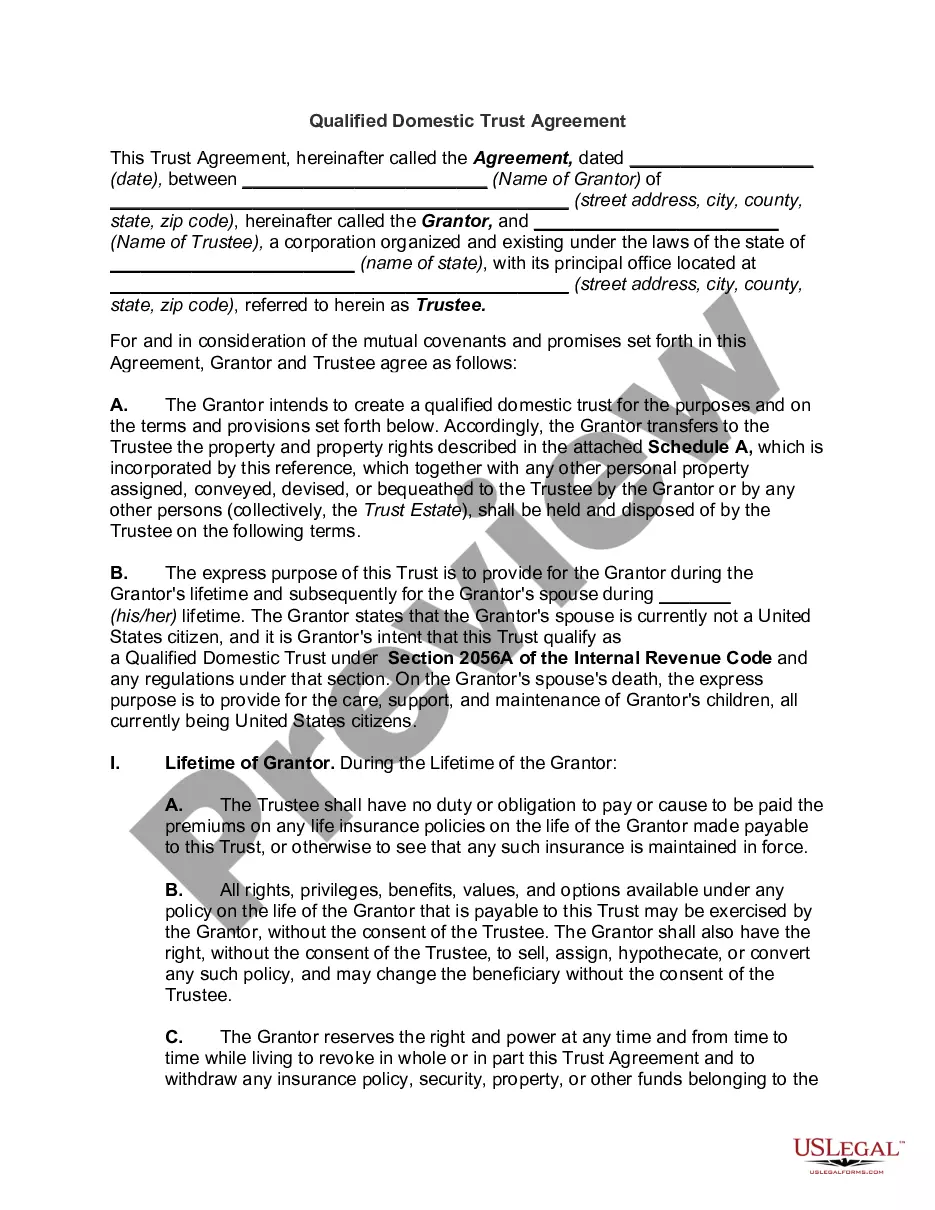
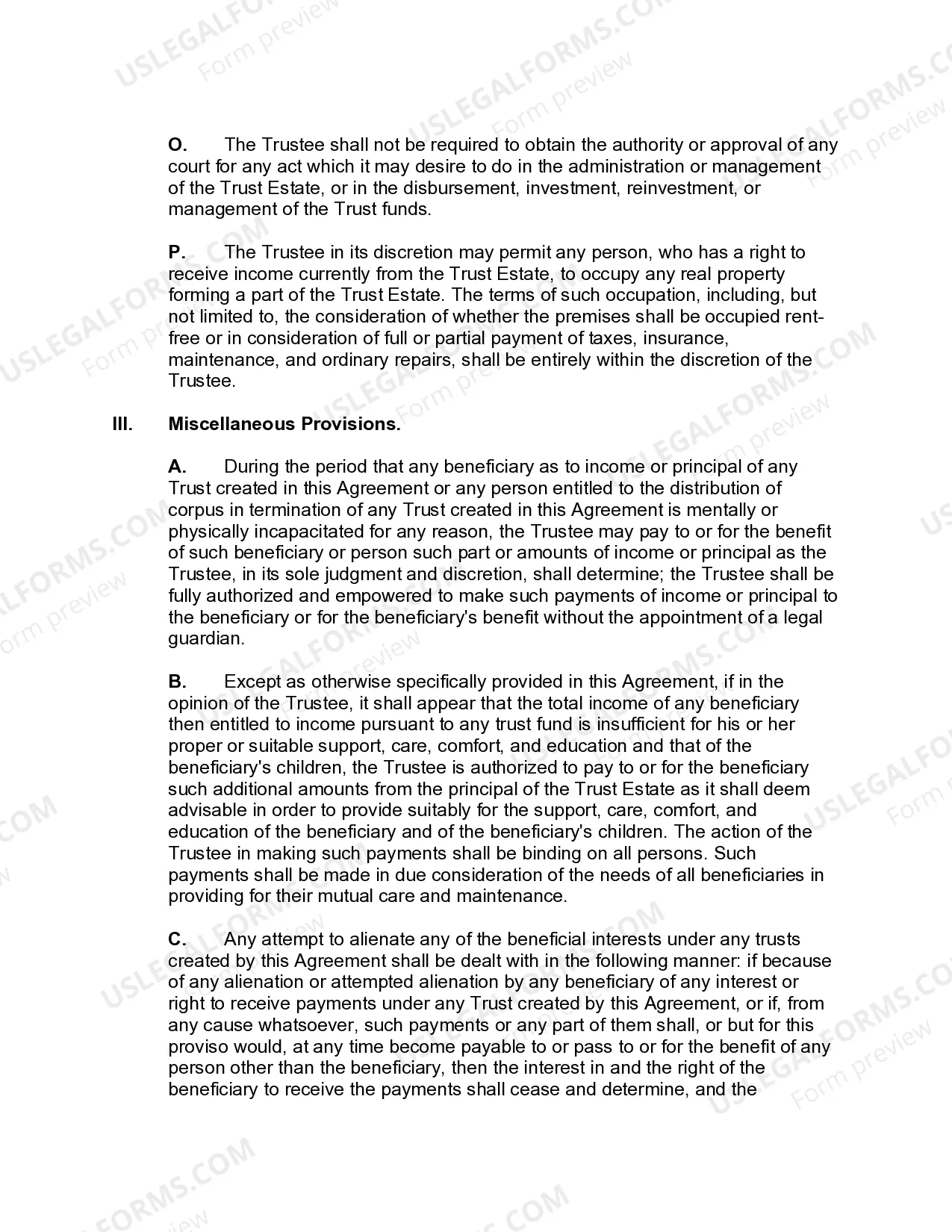
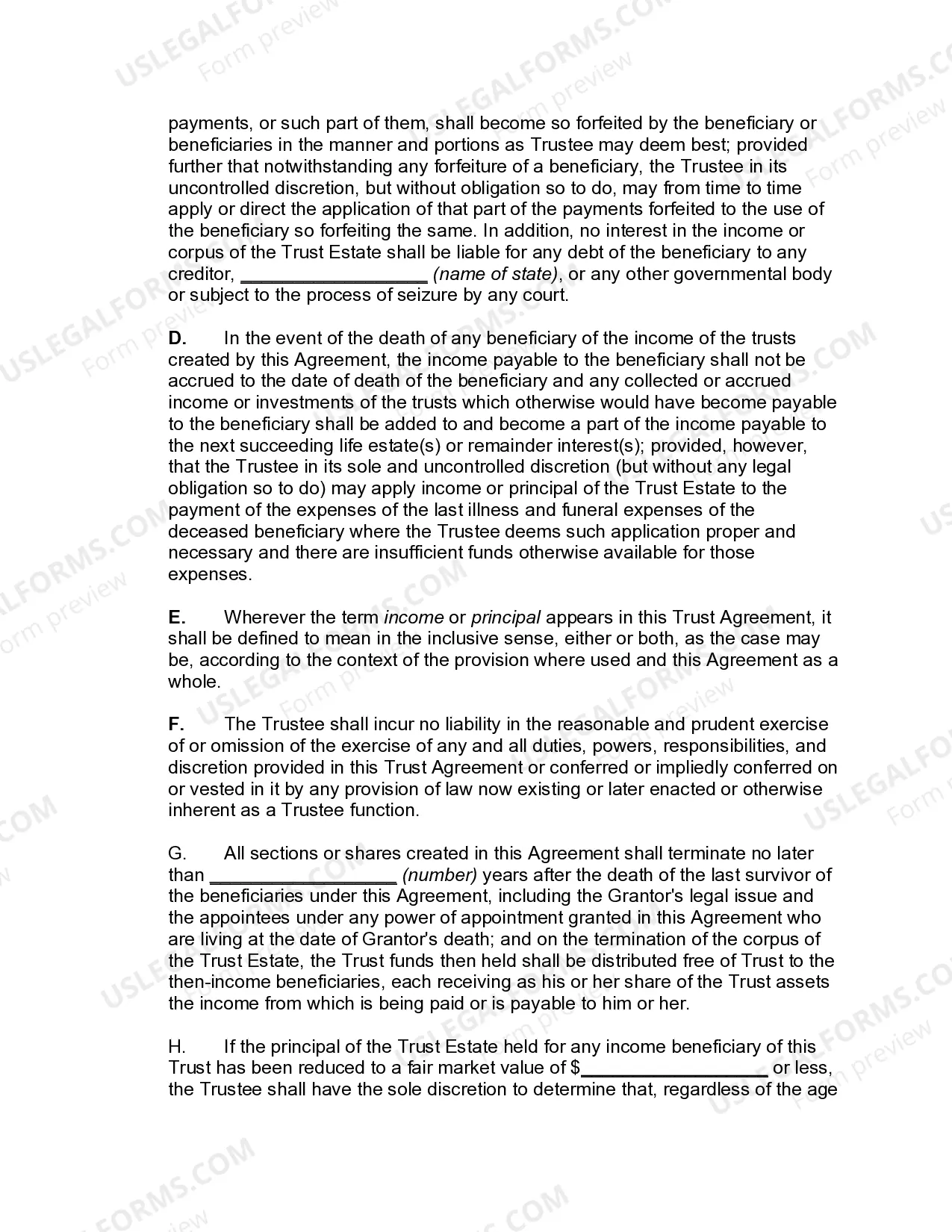
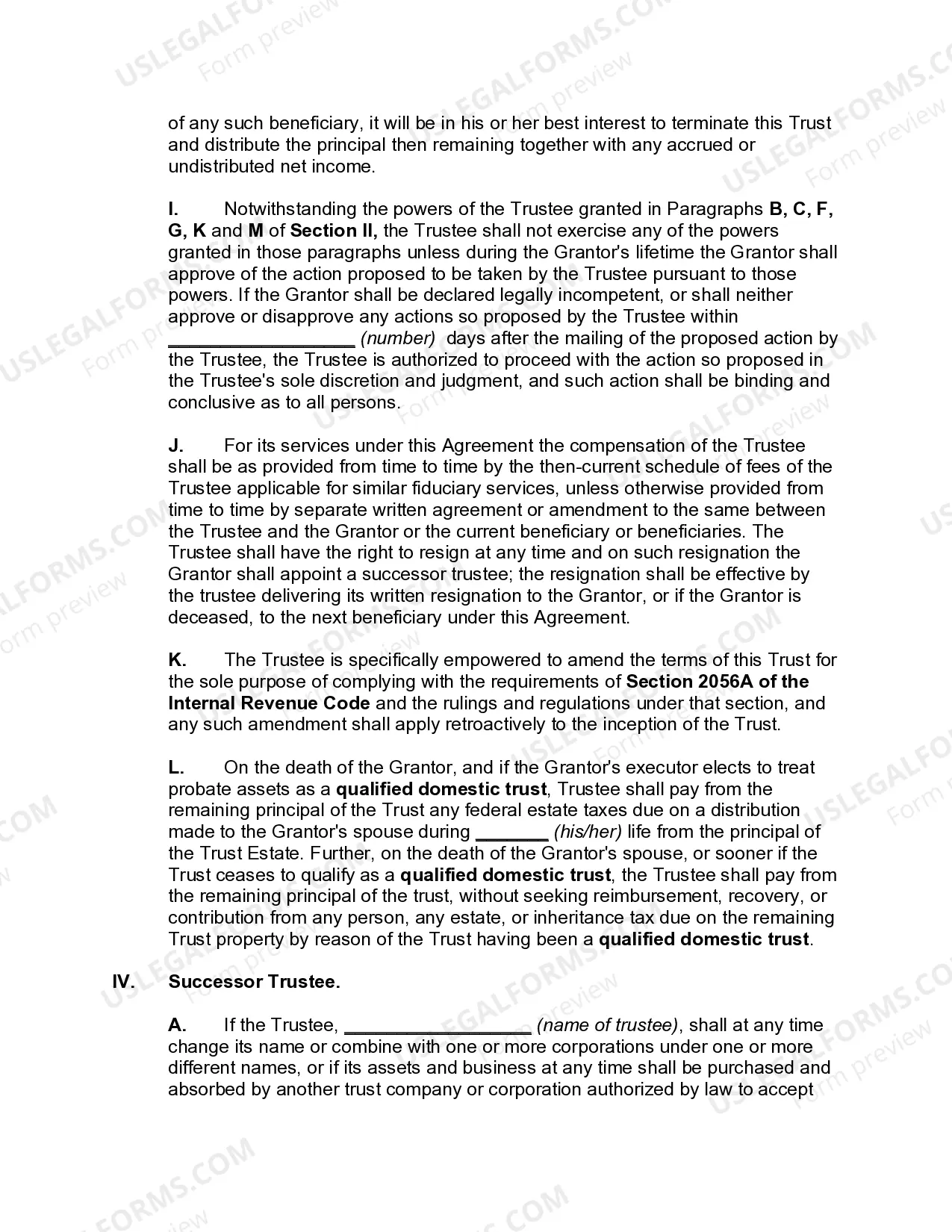
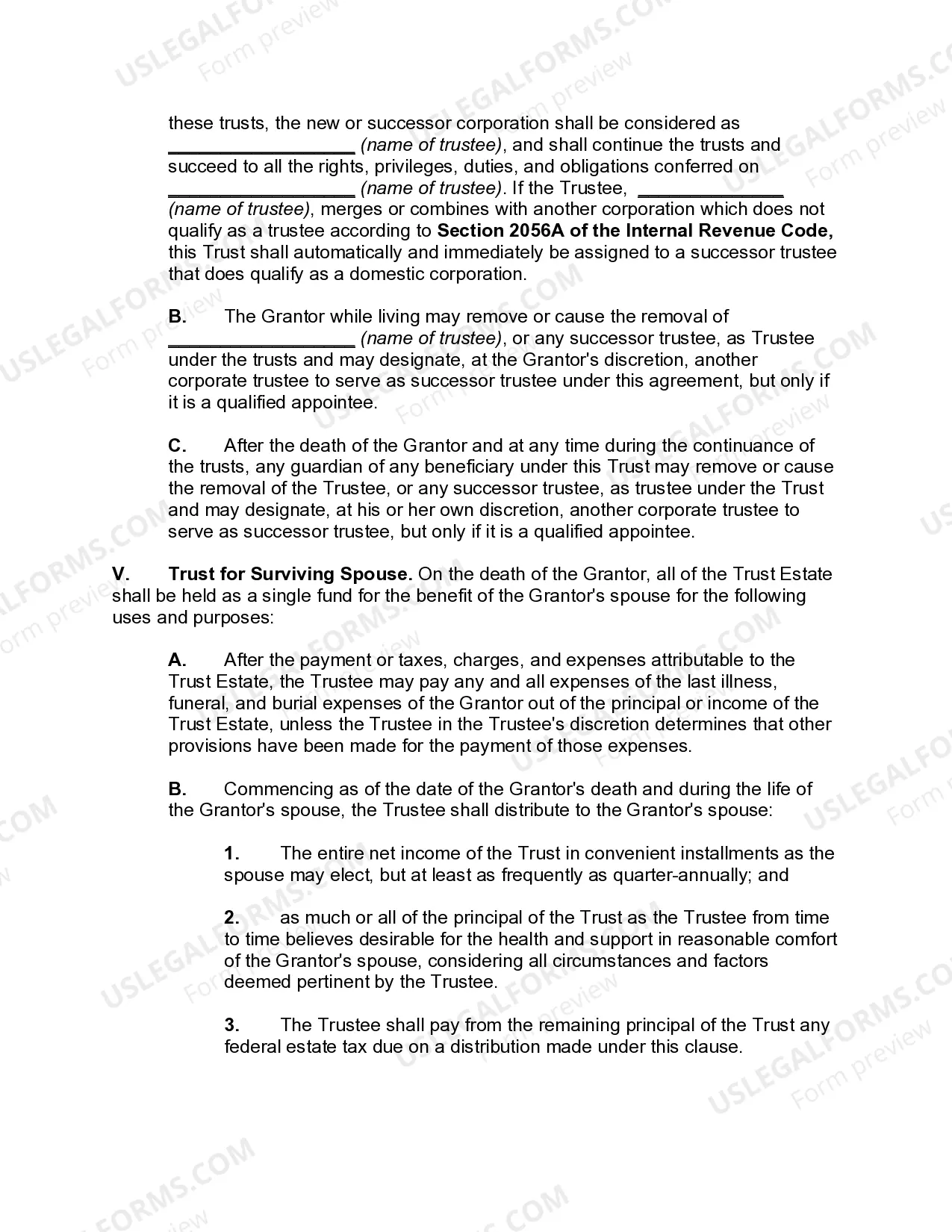

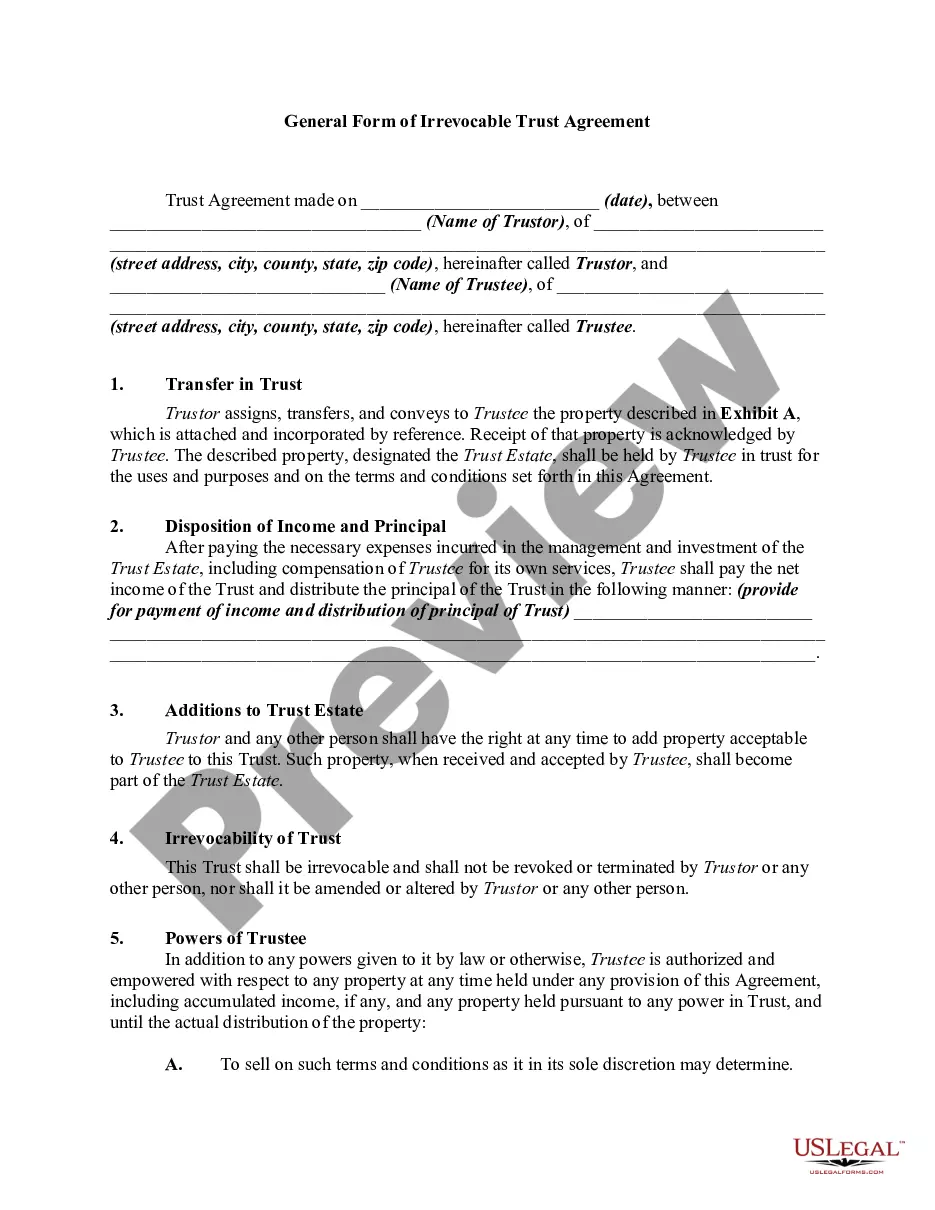
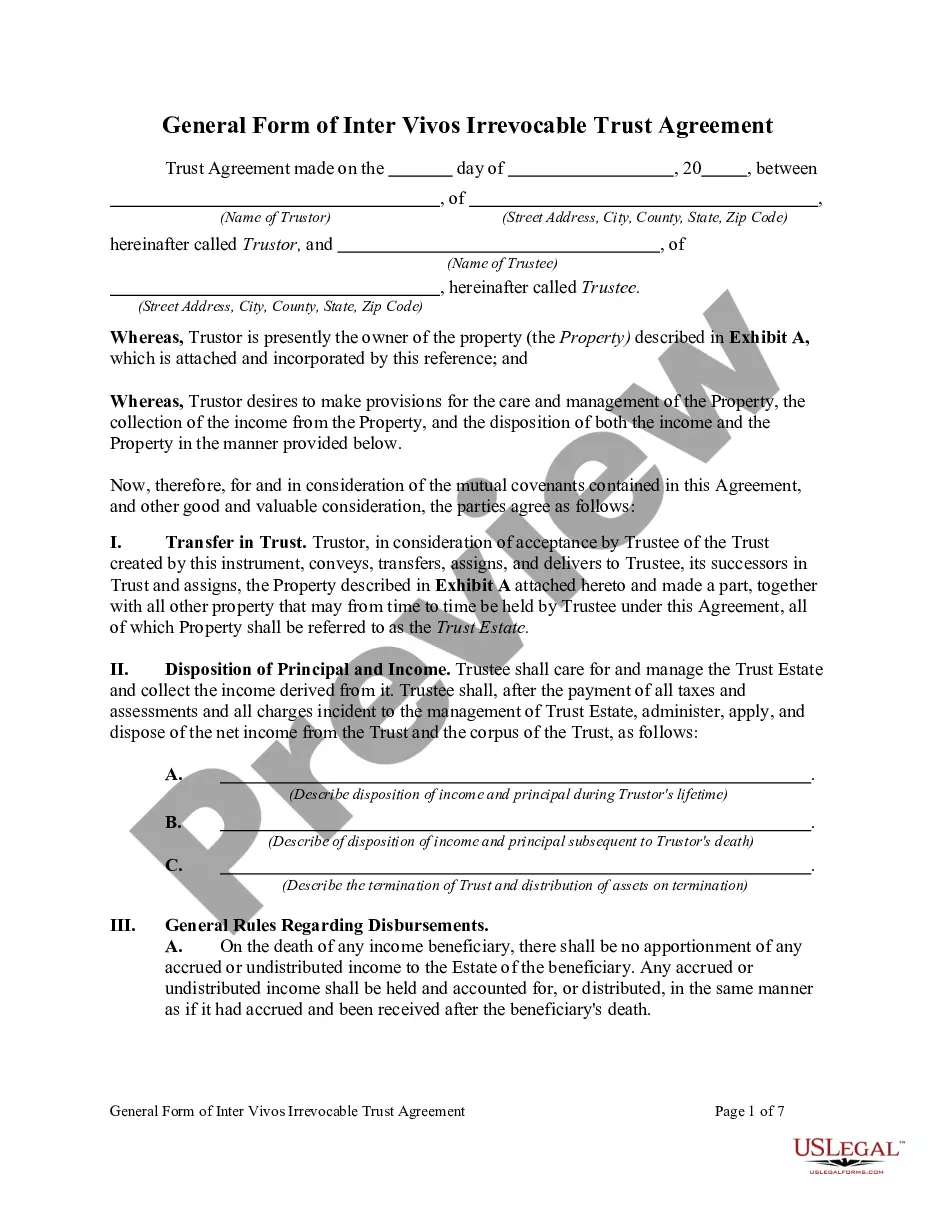
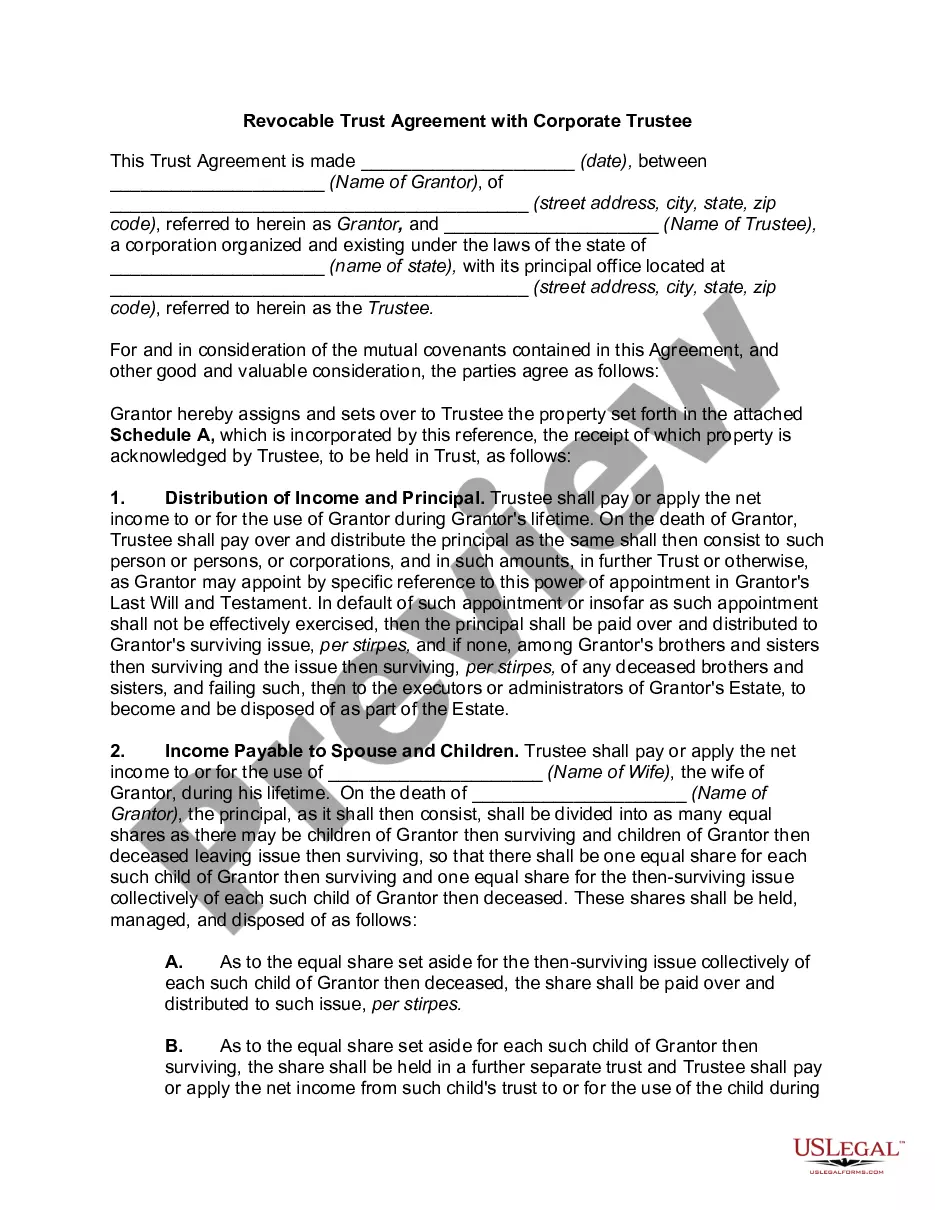
Get your form ready online
Our built-in tools help you complete, sign, share, and store your documents in one place.
Make edits, fill in missing information, and update formatting in US Legal Forms—just like you would in MS Word.
Download a copy, print it, send it by email, or mail it via USPS—whatever works best for your next step.
Sign and collect signatures with our SignNow integration. Send to multiple recipients, set reminders, and more. Go Premium to unlock E-Sign.
If this form requires notarization, complete it online through a secure video call—no need to meet a notary in person or wait for an appointment.
We protect your documents and personal data by following strict security and privacy standards.

Make edits, fill in missing information, and update formatting in US Legal Forms—just like you would in MS Word.

Download a copy, print it, send it by email, or mail it via USPS—whatever works best for your next step.

Sign and collect signatures with our SignNow integration. Send to multiple recipients, set reminders, and more. Go Premium to unlock E-Sign.

If this form requires notarization, complete it online through a secure video call—no need to meet a notary in person or wait for an appointment.

We protect your documents and personal data by following strict security and privacy standards.
Looking for another form?






How to fill out Qualified Domestic Trust Agreement?
- If you are an existing user, log in to your account to access previous forms. Confirm your subscription is active; if not, renew it according to your payment plan.
- If this is your first visit, begin by exploring the Preview mode and form descriptions. Ensure you select the correct form that fits your needs and complies with local jurisdiction.
- If you require a different document, utilize the Search feature to find the appropriate form that meets your requirements.
- To purchase the document, click the Buy Now button and select your preferred subscription plan. You will need to create an account to access the extensive library.
- Finalize your purchase by entering your payment details through credit card or PayPal.
- After completing the transaction, download your legal form to your device. You can find it anytime in the My Forms section of your profile.
With US Legal Forms, you can swiftly navigate the often complex world of legal documents, ensuring accuracy and compliance. Their robust collection and expert assistance empower users to tackle legal tasks with confidence.
Ready to get started? Dive into US Legal Forms today and discover how easy managing your legal paperwork can be!
Form popularity
FAQ
The primary requirement for obtaining a DOT number is that your vehicle must be involved in interstate commerce and meet certain weight specifications. Furthermore, you need to comply with federal safety regulations and provide proof of insurance. Ensuring that you meet these stipulations will pave the way for successfully acquiring your DOT number for jobs.
Certain individuals and vehicles are exempt from needing a DOT number for jobs. For example, drivers operating under specific weight limits, or those solely transporting personal property, may not require a DOT number. Additionally, vehicles used for farming activities often fall under exemptions. Always verify your specific situation to ensure compliance.
To obtain a DOT number, you must adhere to several key requirements. This involves ensuring your commercial vehicle meets all federal safety standards, obtaining necessary insurance, and providing needed documentation about your business and its operations. It's essential to familiarize yourself with these requirements to smoothly navigate the application process.
A truck requires a DOT number for jobs when its gross vehicle weight rating (GVWR) is 10,001 pounds or more. This includes the weight of the vehicle itself plus any cargo. Additionally, specialized vehicles, such as those transporting hazardous materials, may also be subject to DOT regulations regardless of weight. Understanding these requirements is key to ensuring compliance.
To receive a DOT number for jobs, you must first operate a commercial vehicle that meets specific criteria set by the Federal Motor Carrier Safety Administration (FMCSA). You'll need to provide details about your business, including ownership structure and operations, as well as proof of insurance. Compliance with safety regulations is essential, so make sure to gather all necessary information and documentation before applying.
Several factors can disqualify you from obtaining a DOT number for jobs. For instance, if you have a history of major traffic violations, such as DUIs or reckless driving, you may face disqualification. Additionally, not meeting the required safety standards or failing to provide necessary documents can also hinder your application. It is important to ensure you meet all criteria to successfully secure your DOT number.
Some individuals are exempt from DOT regulations, including those driving vehicles with a gross vehicle weight of 10,000 pounds or less and certain agricultural vehicles. However, these exemptions can vary based on specific circumstances and state regulations. If you fall in this category, it's essential to understand your responsibilities and rights. Knowing the exemptions can help you make informed decisions about your career in transportation.
Individuals who hold safety-sensitive positions within the transportation industry are subject to DOT testing, which includes drug and alcohol screenings. This testing ensures that all personnel involved in transportation operations are fit for duty and comply with safety regulations. If you're pursuing a career in any DOT-regulated job, you should be prepared for this aspect of employment. It's a critical component of maintaining safety in the field.
A 'dot for a job' refers to the Department of Transportation regulations that impact specific careers within the transportation industry. These regulations ensure safety standards are met and that employees are qualified for their roles, providing a framework that governs how jobs are performed. Understanding what a dot for a job means can help you navigate your career choices. If you are exploring job opportunities, ensuring they align with DOT regulations is key.
Some of the best-paying DOT jobs include commercial airline pilots, air traffic controllers, and freight transportation managers. These roles often require specialized skills and training but offer lucrative salaries for individuals who succeed in them. If you are considering a career path under DOT regulations, focusing on these high-paying opportunities may be beneficial. Researching your options can lead you to rewarding positions in the field.