Domestic Vs Foreign Trust
Description
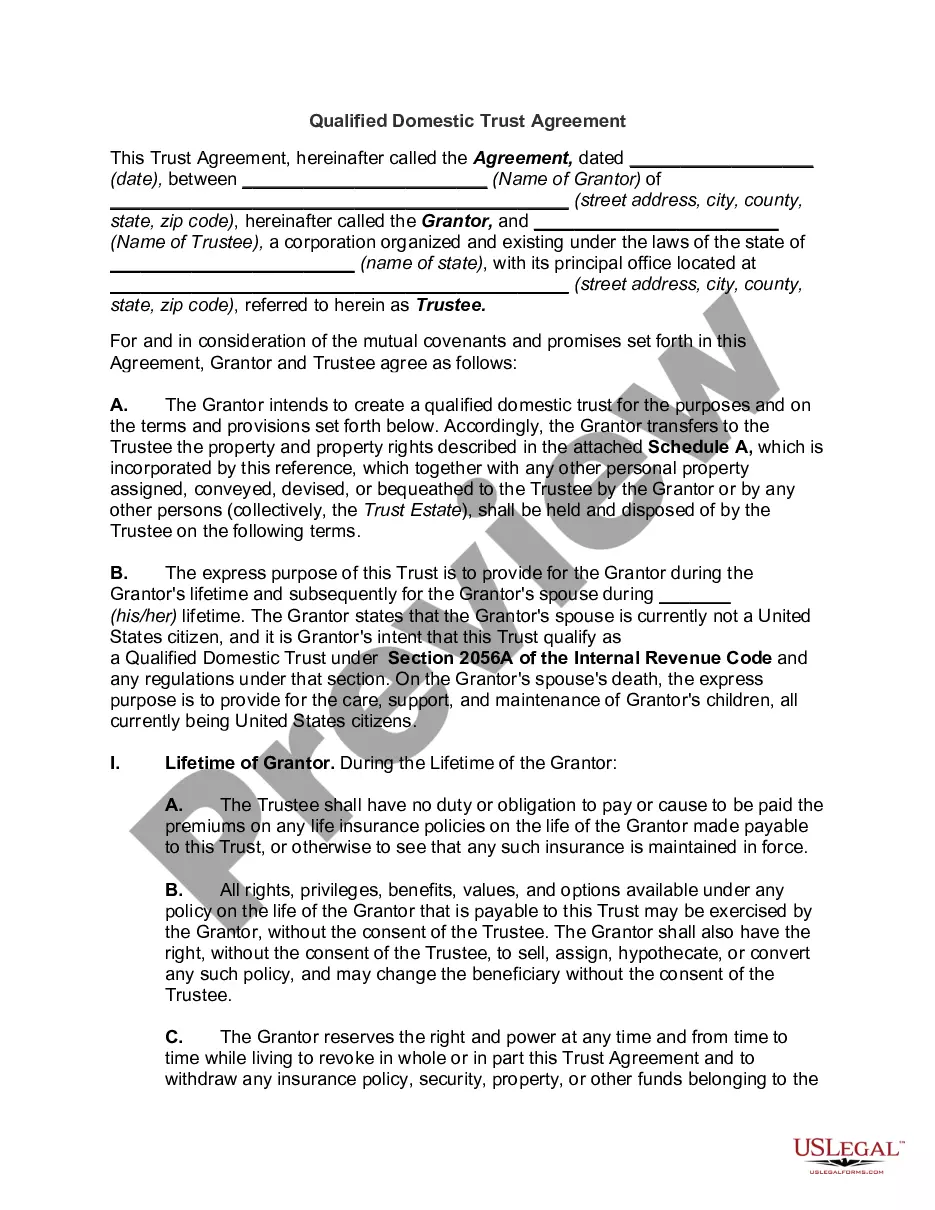
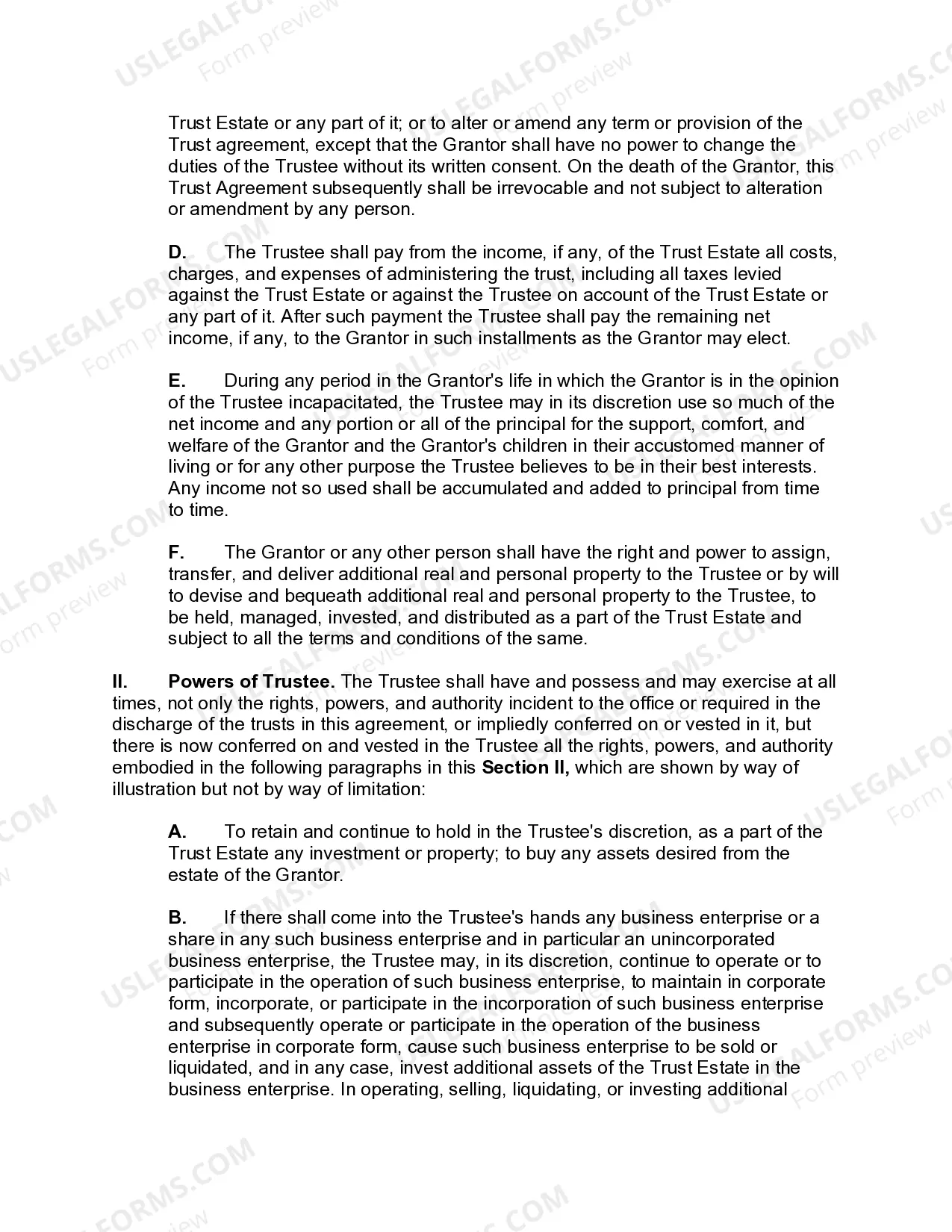
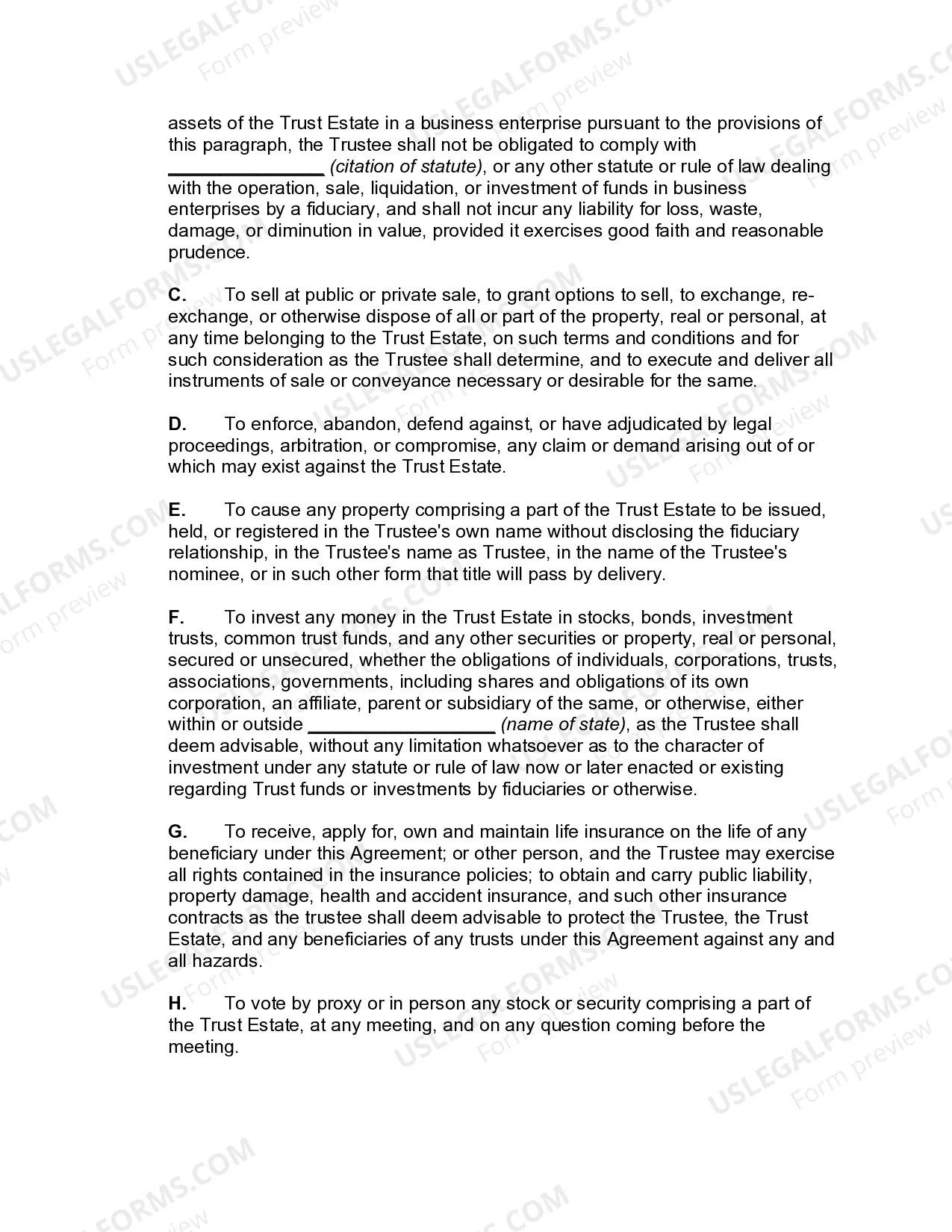
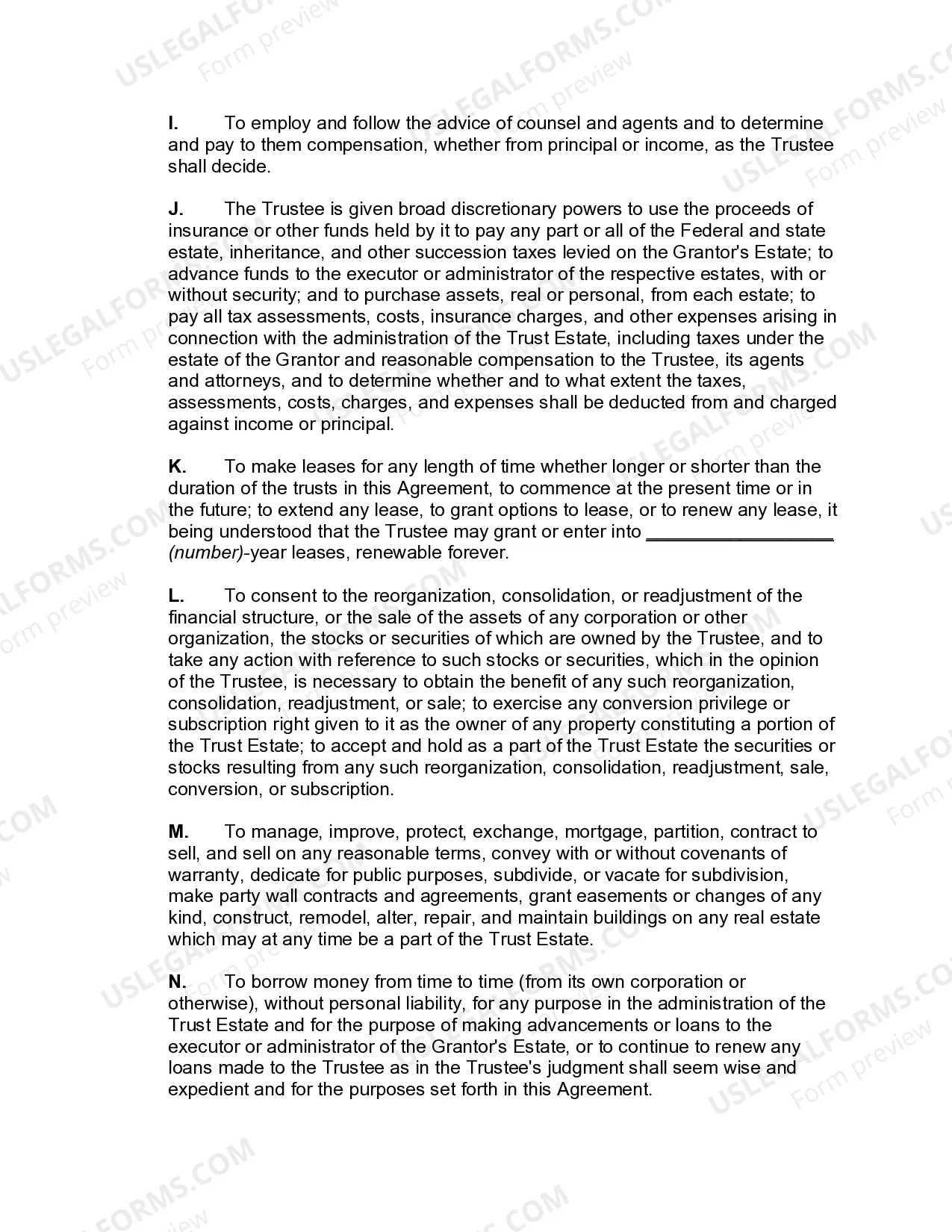
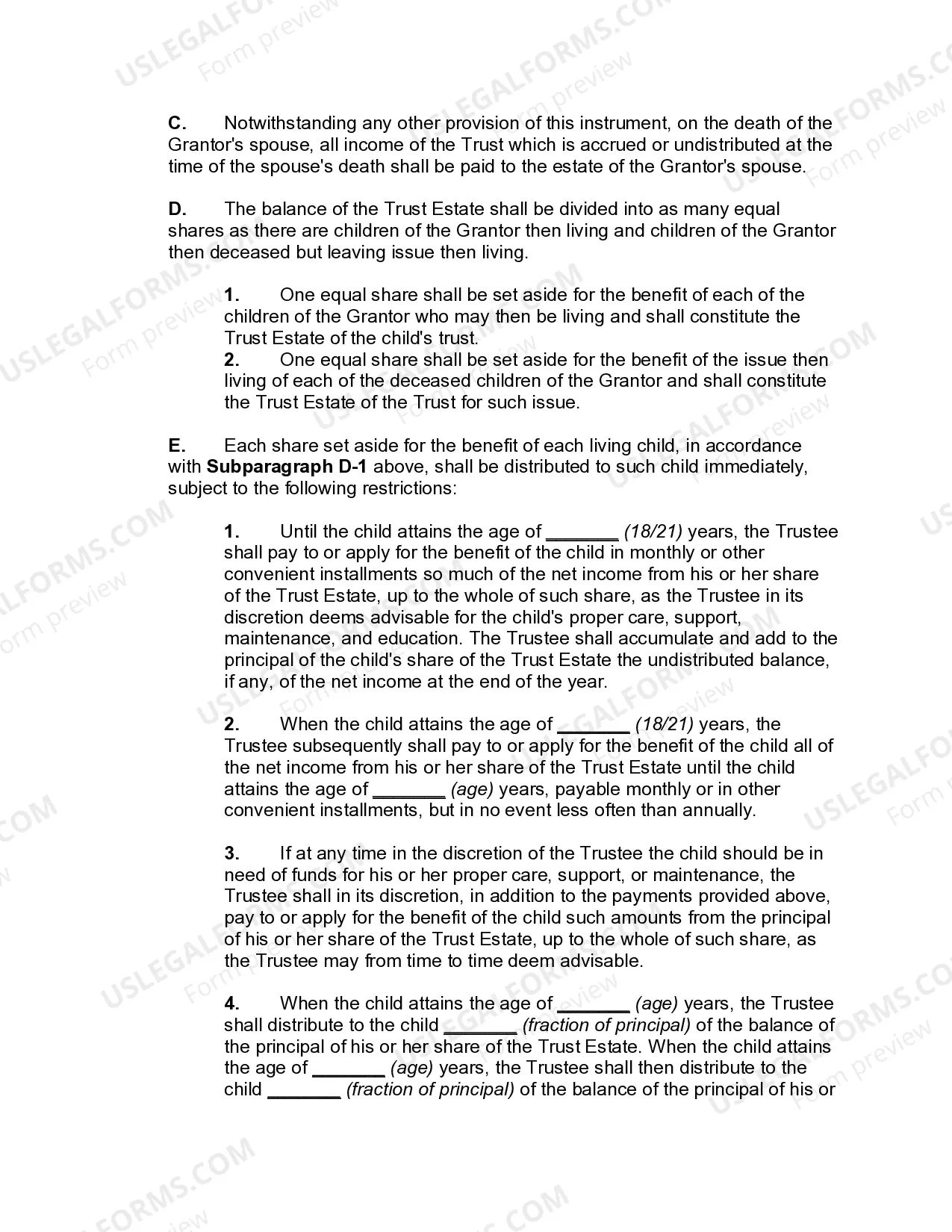
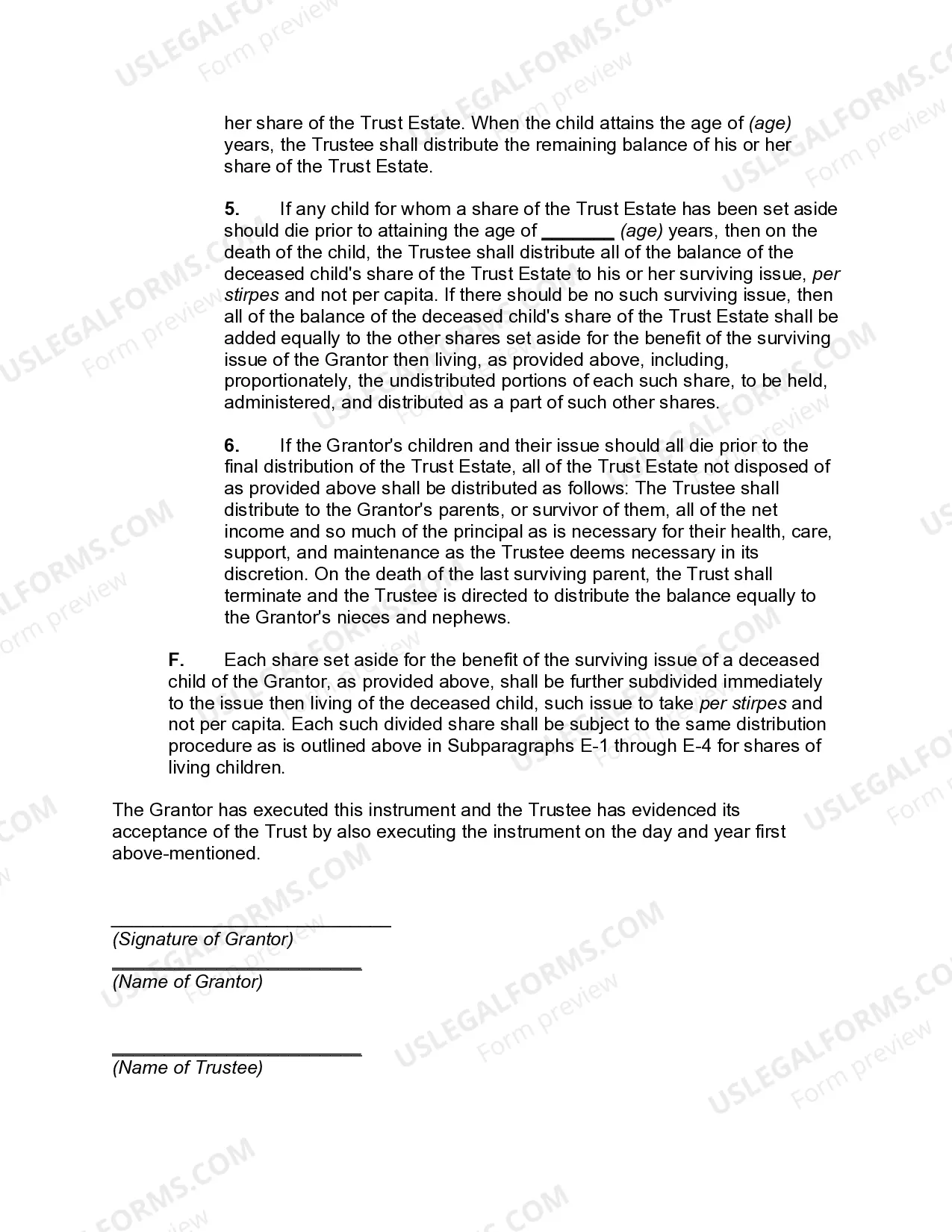

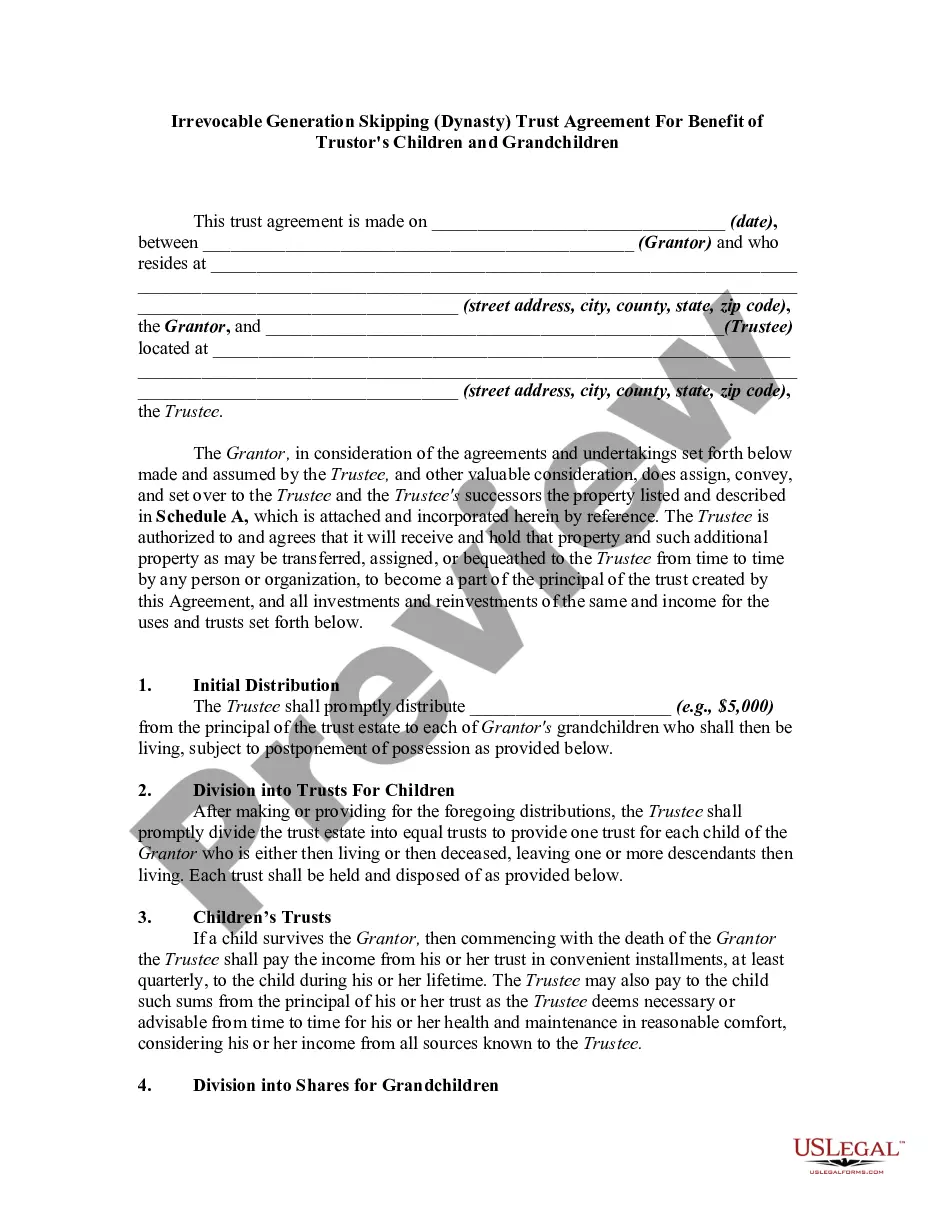

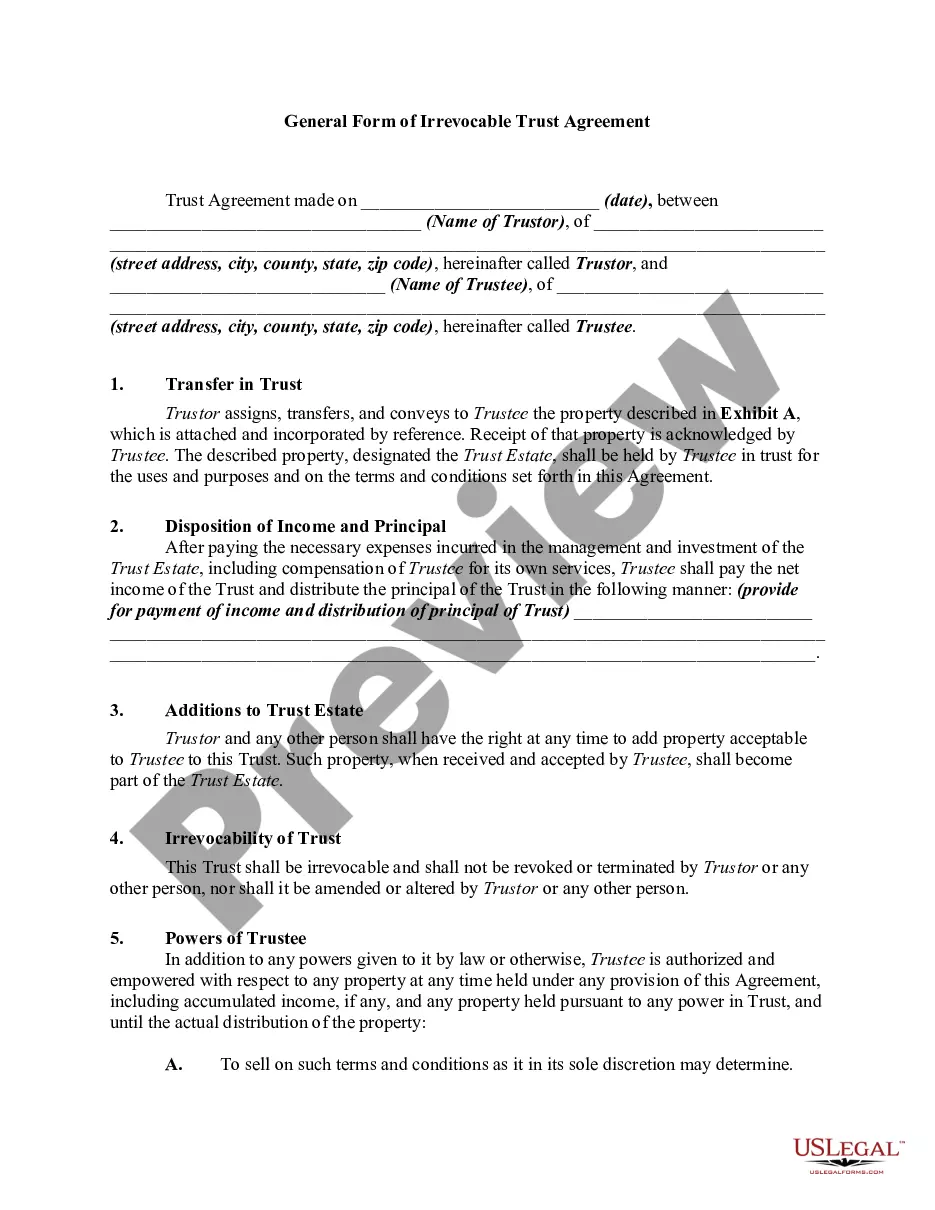
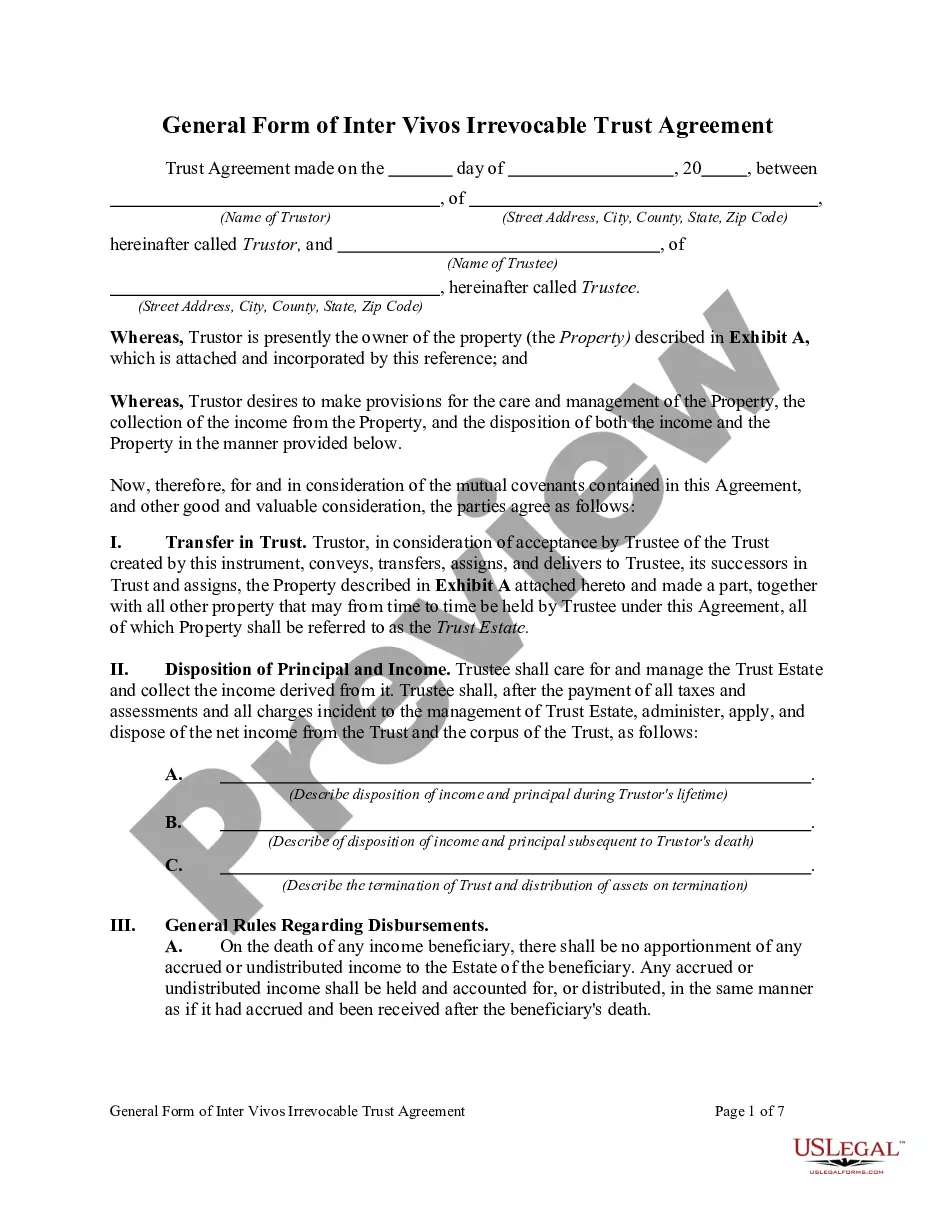
Get your form ready online
Our built-in tools help you complete, sign, share, and store your documents in one place.
Make edits, fill in missing information, and update formatting in US Legal Forms—just like you would in MS Word.
Download a copy, print it, send it by email, or mail it via USPS—whatever works best for your next step.
Sign and collect signatures with our SignNow integration. Send to multiple recipients, set reminders, and more. Go Premium to unlock E-Sign.
If this form requires notarization, complete it online through a secure video call—no need to meet a notary in person or wait for an appointment.
We protect your documents and personal data by following strict security and privacy standards.

Make edits, fill in missing information, and update formatting in US Legal Forms—just like you would in MS Word.

Download a copy, print it, send it by email, or mail it via USPS—whatever works best for your next step.

Sign and collect signatures with our SignNow integration. Send to multiple recipients, set reminders, and more. Go Premium to unlock E-Sign.

If this form requires notarization, complete it online through a secure video call—no need to meet a notary in person or wait for an appointment.

We protect your documents and personal data by following strict security and privacy standards.
Looking for another form?







How to fill out Qualified Domestic Trust Agreement?
Legal administration can be perplexing, even for proficient specialists. When searching for a Domestic Vs Foreign Trust and lacking the opportunity to dedicate time to find the accurate and current version, the processes can become challenging. A comprehensive online form repository could be a transformative solution for anyone aiming to navigate these circumstances efficiently.
US Legal Forms stands as an industry frontrunner in digital legal documents, offering over 85,000 state-specific legal forms accessible at any time.
Access a comprehensive resource library of articles, tutorials, guides, and materials pertinent to your situation and needs.
Conserve time and effort searching for the documents you require, and employ US Legal Forms’ sophisticated search and Review tool to find Domestic Vs Foreign Trust and download it. If you have a subscription, Log In to your US Legal Forms account, search for the form, and download it. Check the My documents tab to view the documents you have previously saved and manage your files as you prefer.
Locate the format you desire, and Download, complete, sign, print, and send your document. Take advantage of the US Legal Forms online library, supported by 25 years of expertise and reliability. Transform your everyday document management into a seamless and user-friendly process today.
- If this is your first experience with US Legal Forms, create an account to gain unlimited access to all the platform's advantages.
- Confirm this is the correct form by previewing it and reviewing its details.
- Verify that the template is accepted in your state or county.
- Click Buy Now when you are ready.
- Choose a monthly subscription plan.
- Obtain state- or county-specific legal and organizational documents.
- US Legal Forms accommodates all requirements you may have, from personal to business paperwork, all in a single platform.
- Utilize advanced tools to complete and manage your Domestic Vs Foreign Trust.
Form popularity
FAQ
The main form is the Form 3520-A ? which is used when a US person is an owner of a foreign trust. The other form is Form 3520, which is used when a person has ownership of a foreign trust, engages in certain transactions with the foreign trust, or receives a distribution from the foreign trust.
If it's governed by laws outside of the U.S., then it's a foreign Trust. As a reminder, a Trust is a legal entity into which the grantor transfers the legal title of property. They also name another party, the trustee, who will have the legal right to administer the property owned by the Trust.
What is a foreign trust? From a legal standpoint, a foreign trust is a trust over which a U.S. court is not able to exercise primary supervision or a trust over which U.S. persons don't have the authority to control substantially all decisions of the trust.
The TFSA has long been considered by many a foreign trust, necessitating the need for these filings. Failure to file these forms when required (or filing them after their due dates) can attract harsh penalties of USD $10,000 or more.
A person who is treated as the U.S. owner of a foreign trust will be subject to U.S. income tax on their portion of their pro rata share of the trust's income, regardless of whether the income is treated as a U.S. source or foreign source.