Beneficiaries Right Spouse Withholding
Description
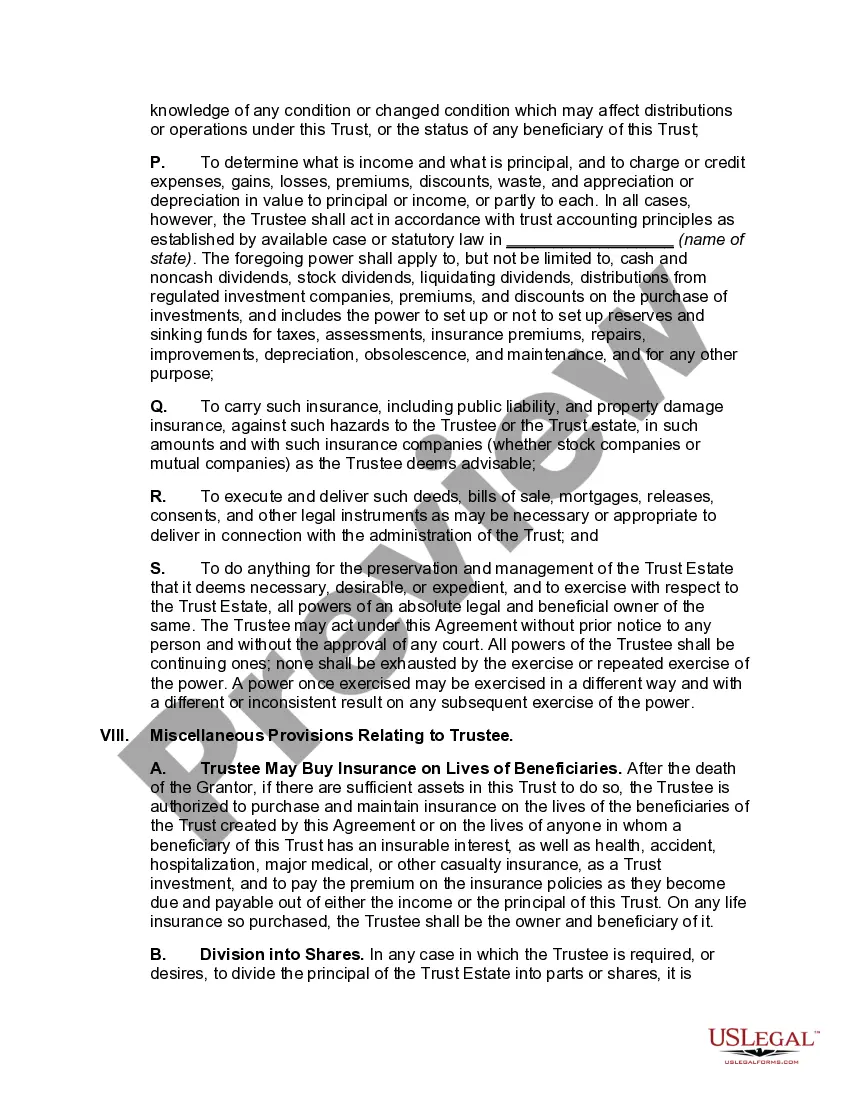
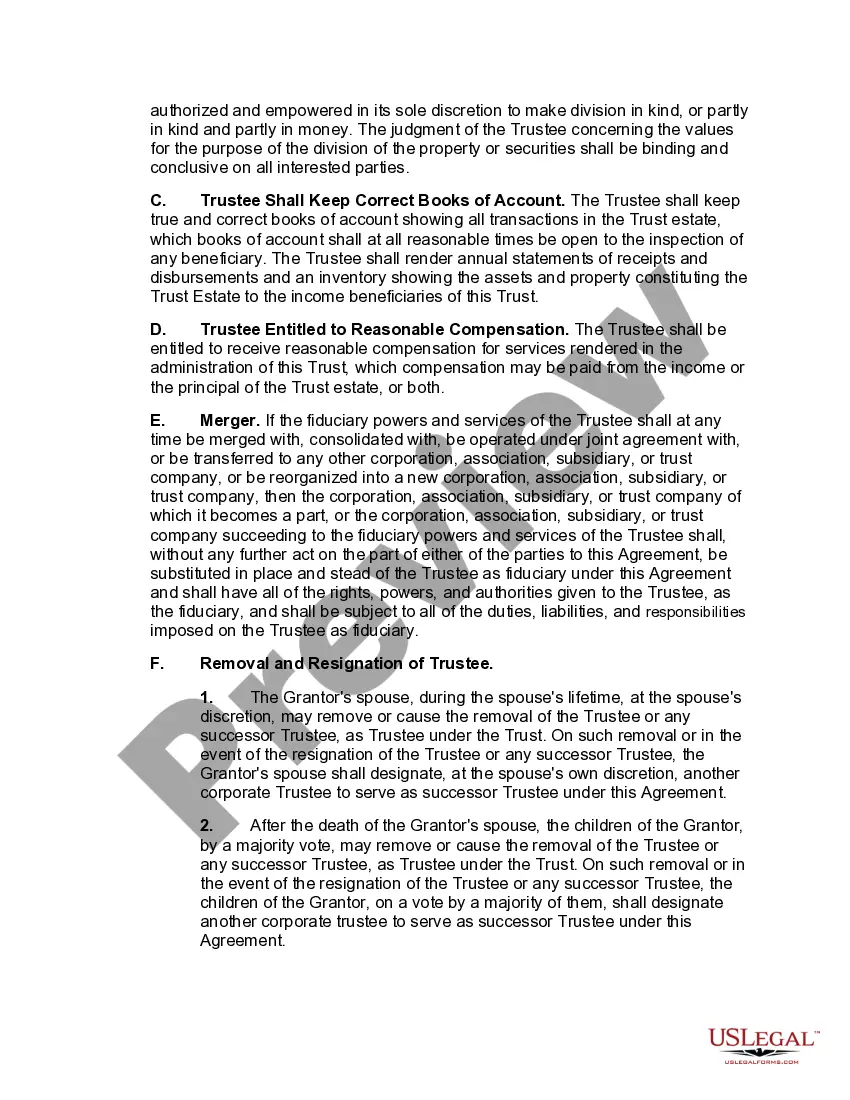

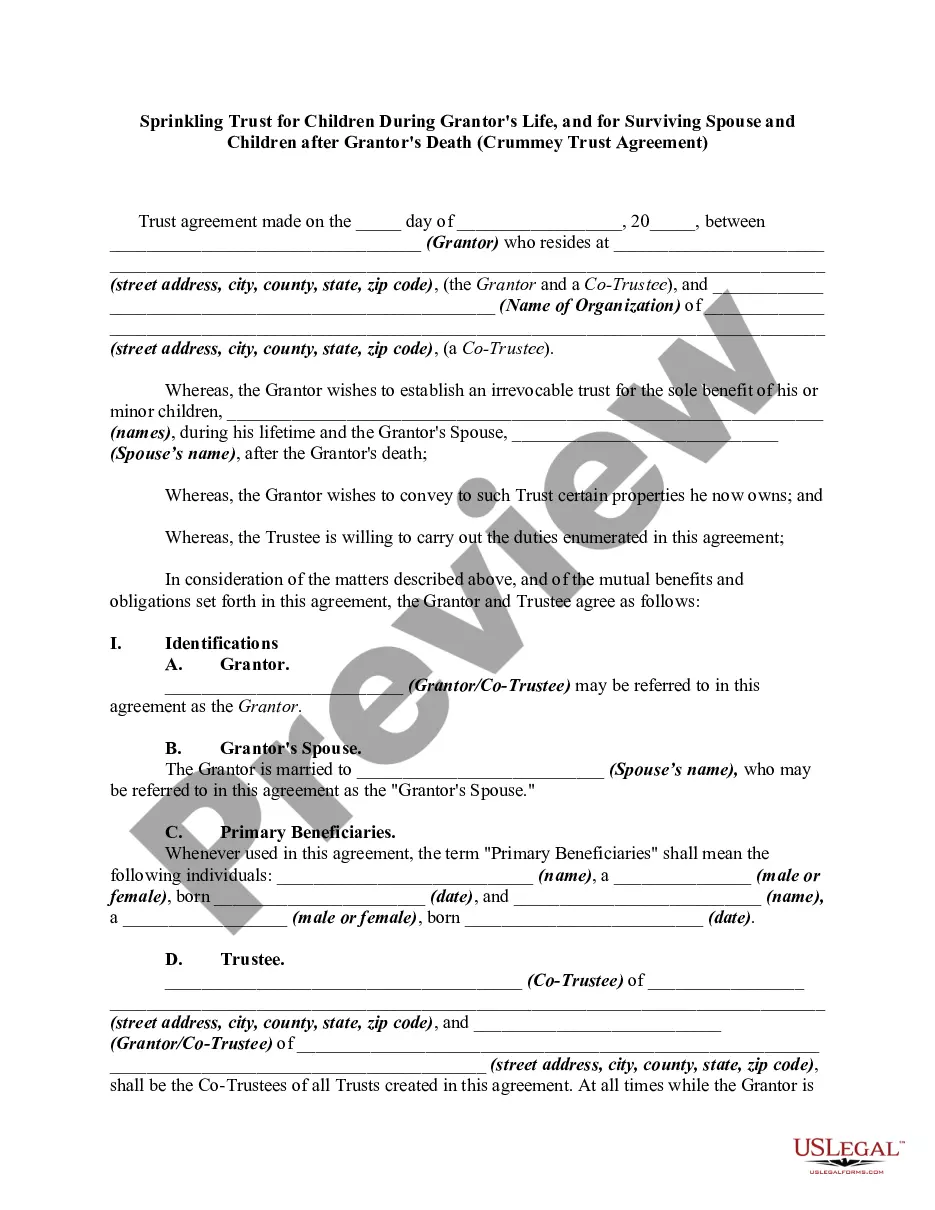
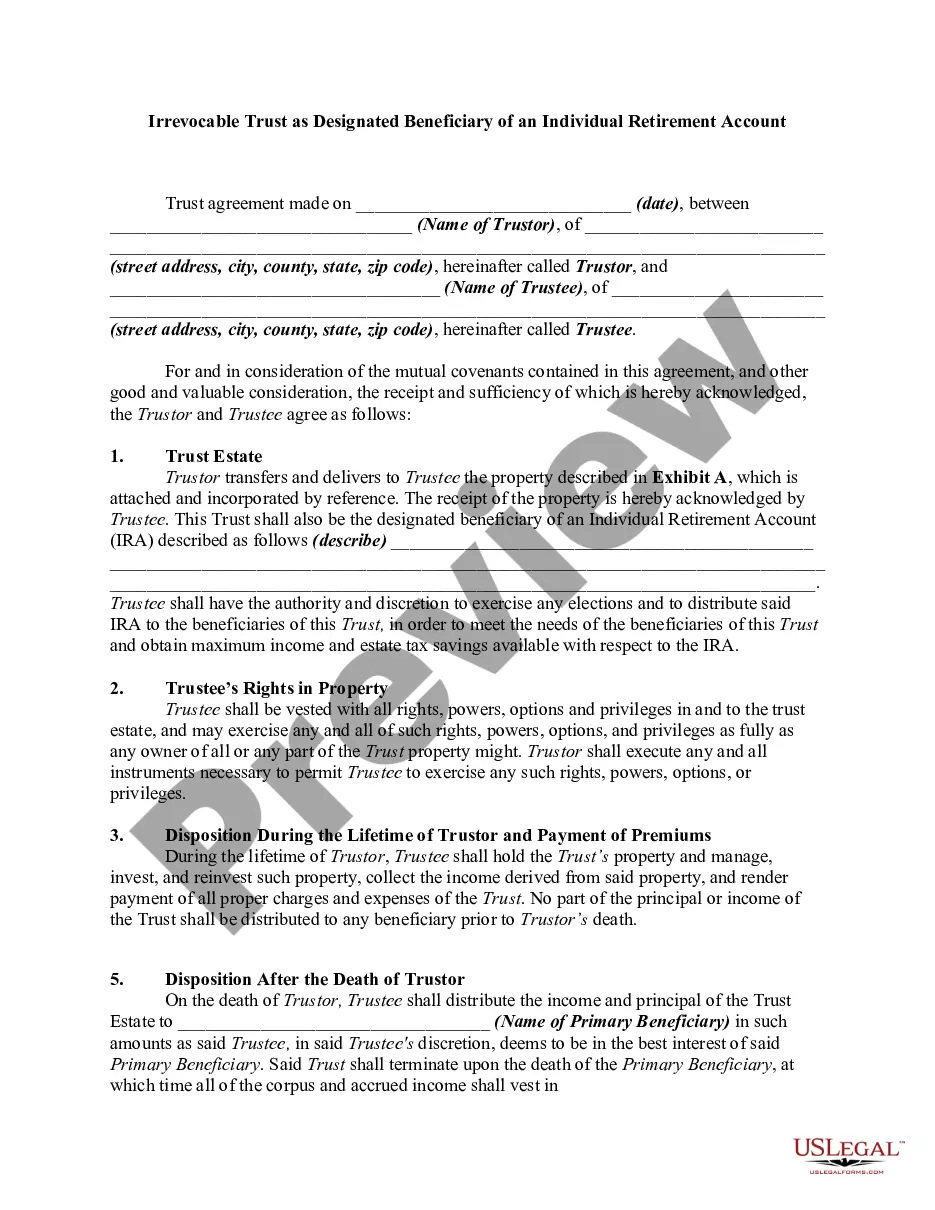
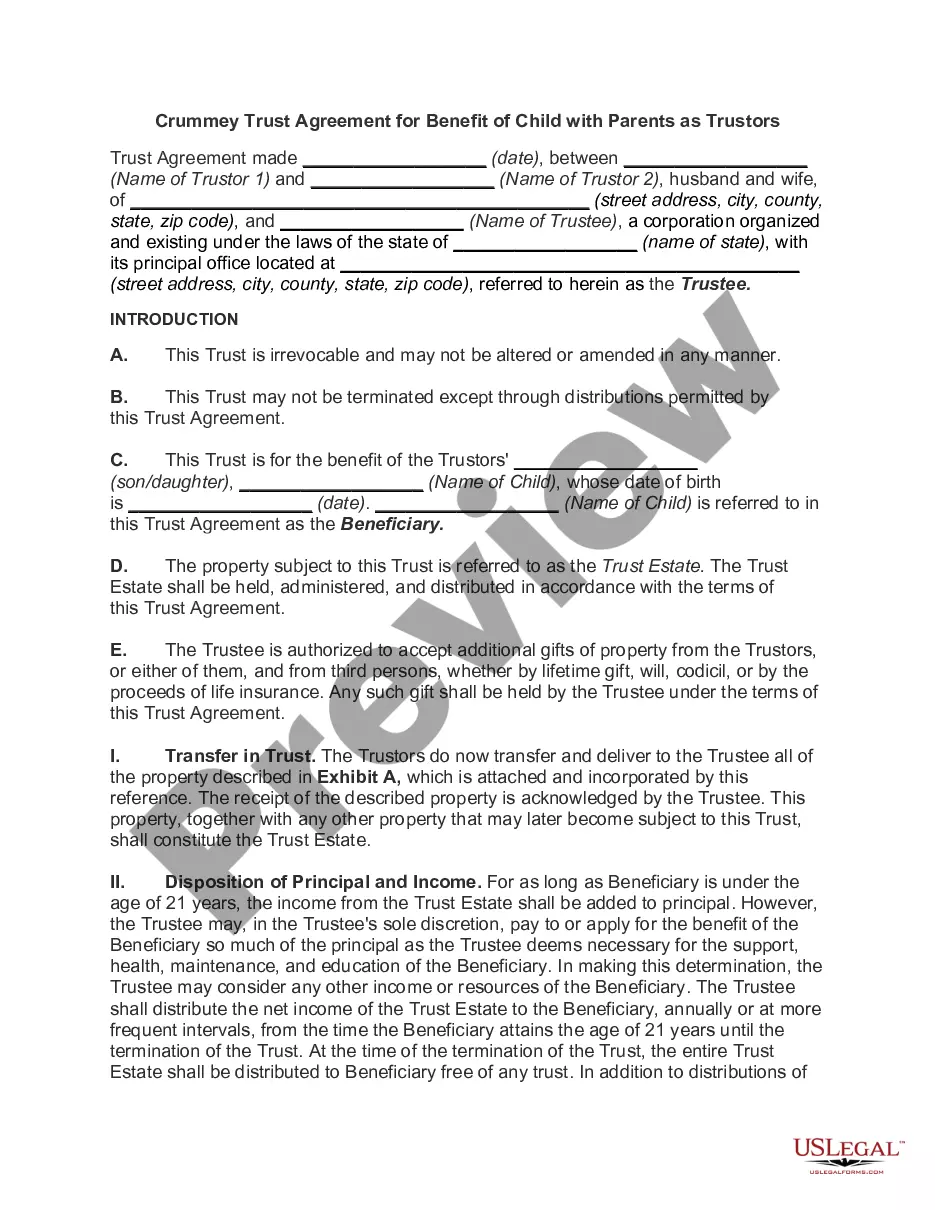
Get your form ready online
Our built-in tools help you complete, sign, share, and store your documents in one place.
Make edits, fill in missing information, and update formatting in US Legal Forms—just like you would in MS Word.
Download a copy, print it, send it by email, or mail it via USPS—whatever works best for your next step.
Sign and collect signatures with our SignNow integration. Send to multiple recipients, set reminders, and more. Go Premium to unlock E-Sign.
If this form requires notarization, complete it online through a secure video call—no need to meet a notary in person or wait for an appointment.
We protect your documents and personal data by following strict security and privacy standards.

Make edits, fill in missing information, and update formatting in US Legal Forms—just like you would in MS Word.

Download a copy, print it, send it by email, or mail it via USPS—whatever works best for your next step.

Sign and collect signatures with our SignNow integration. Send to multiple recipients, set reminders, and more. Go Premium to unlock E-Sign.

If this form requires notarization, complete it online through a secure video call—no need to meet a notary in person or wait for an appointment.

We protect your documents and personal data by following strict security and privacy standards.
Looking for another form?
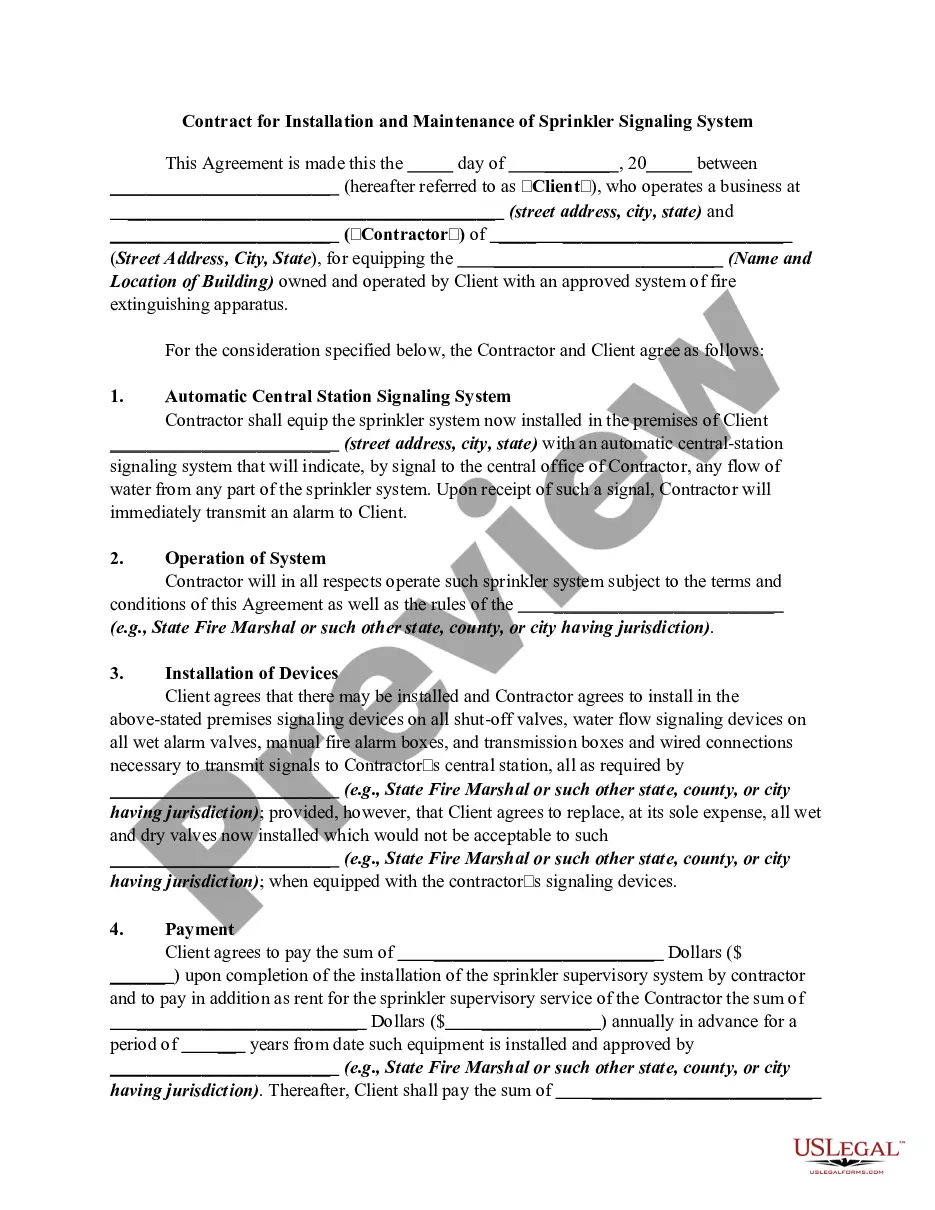







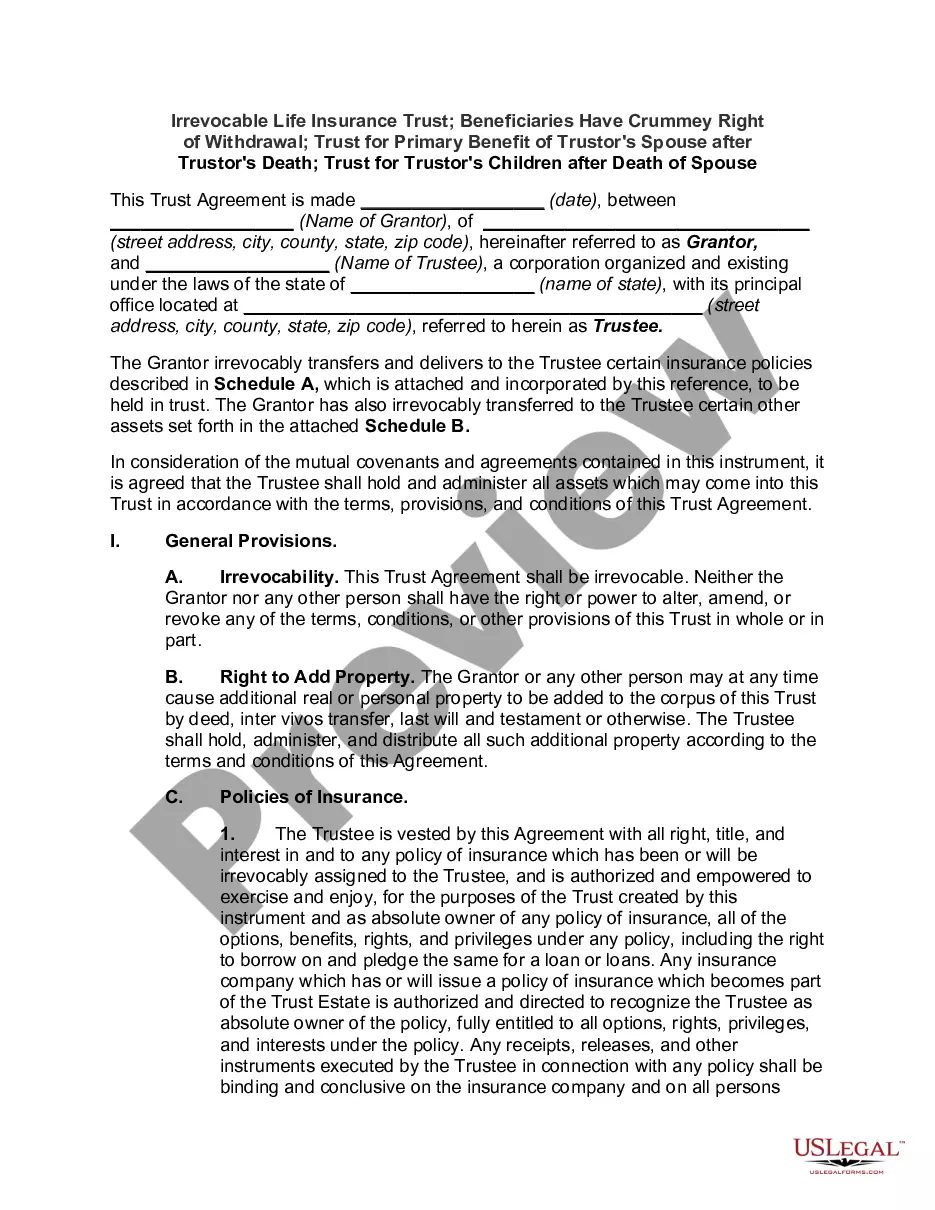
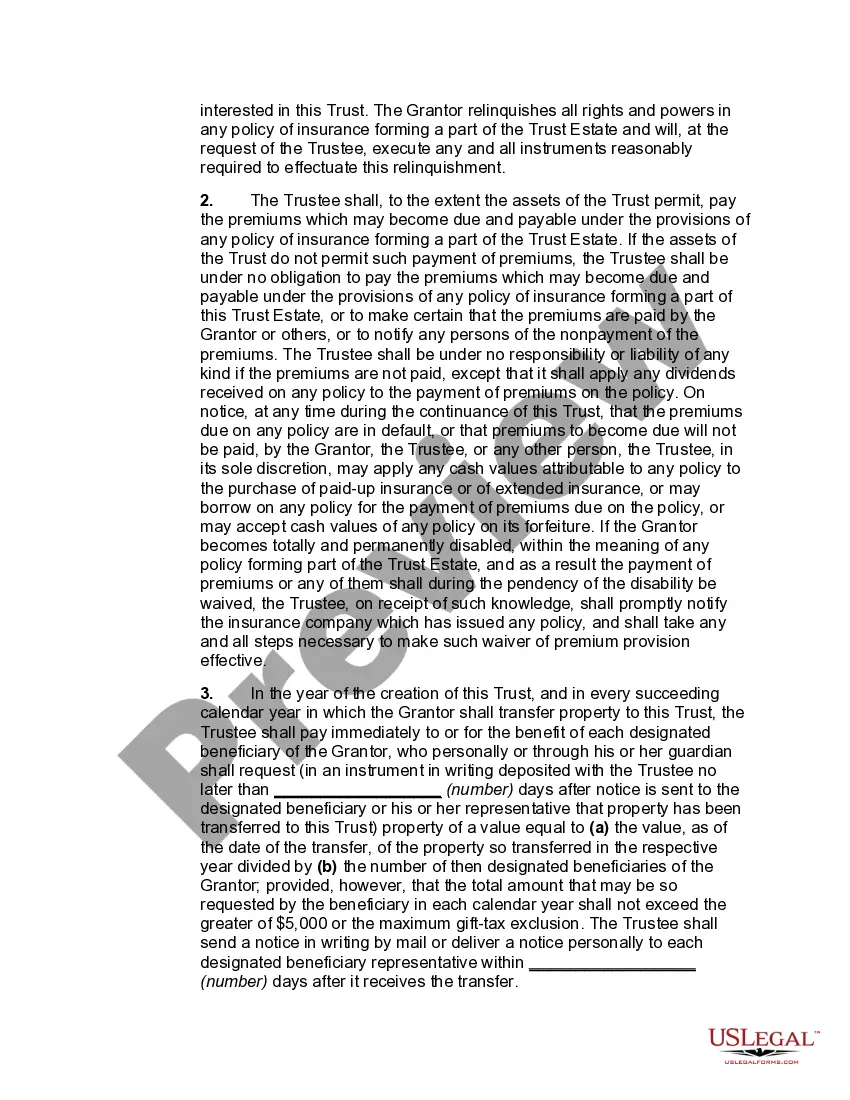
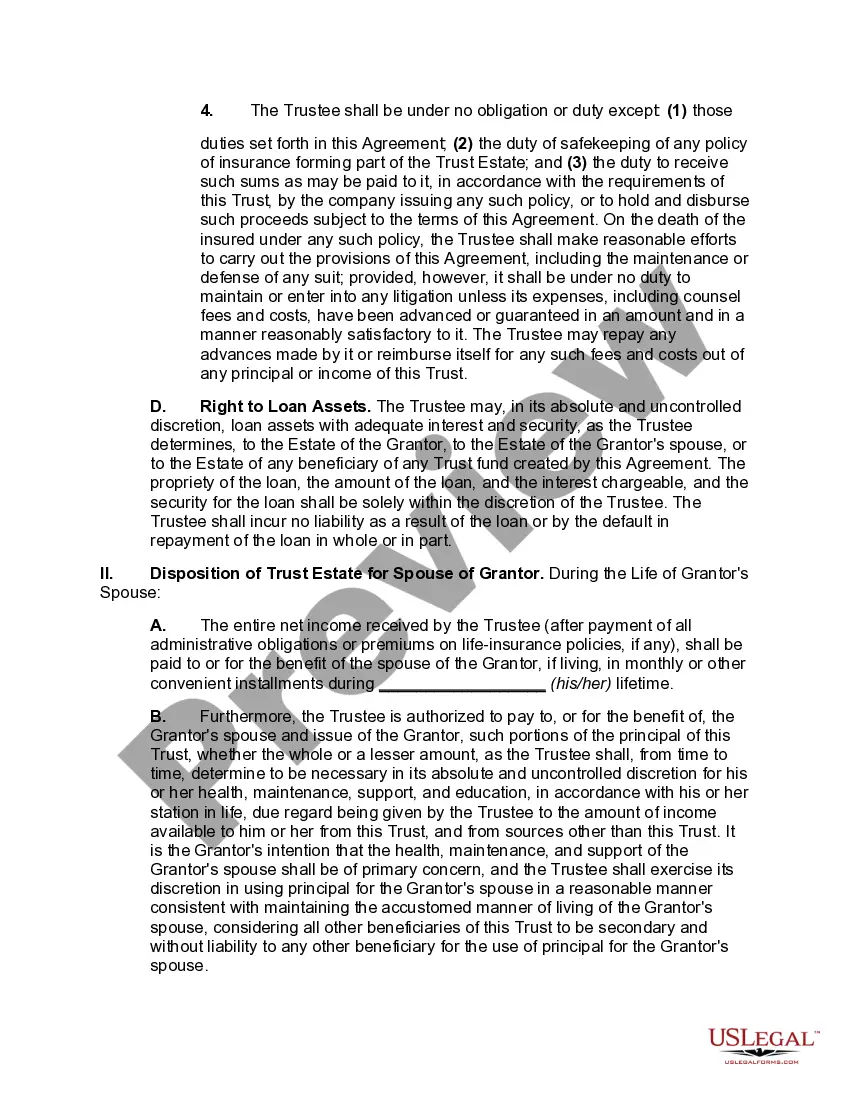
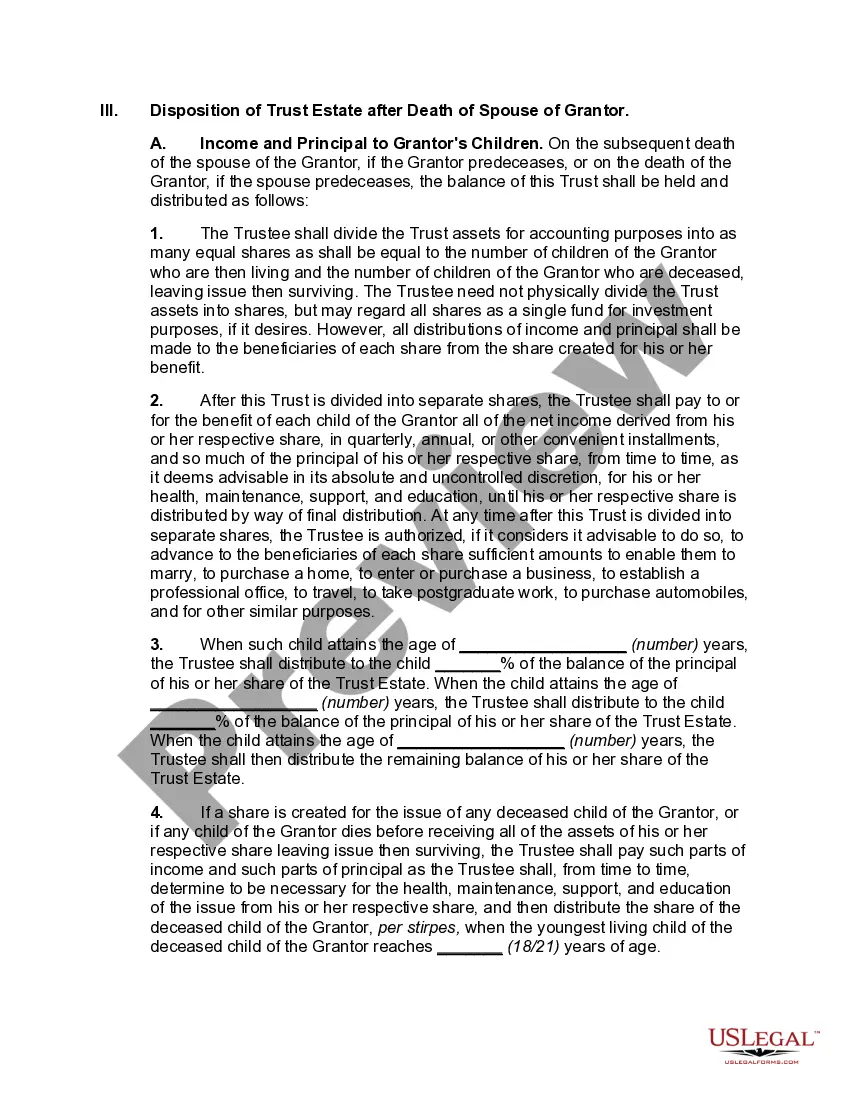
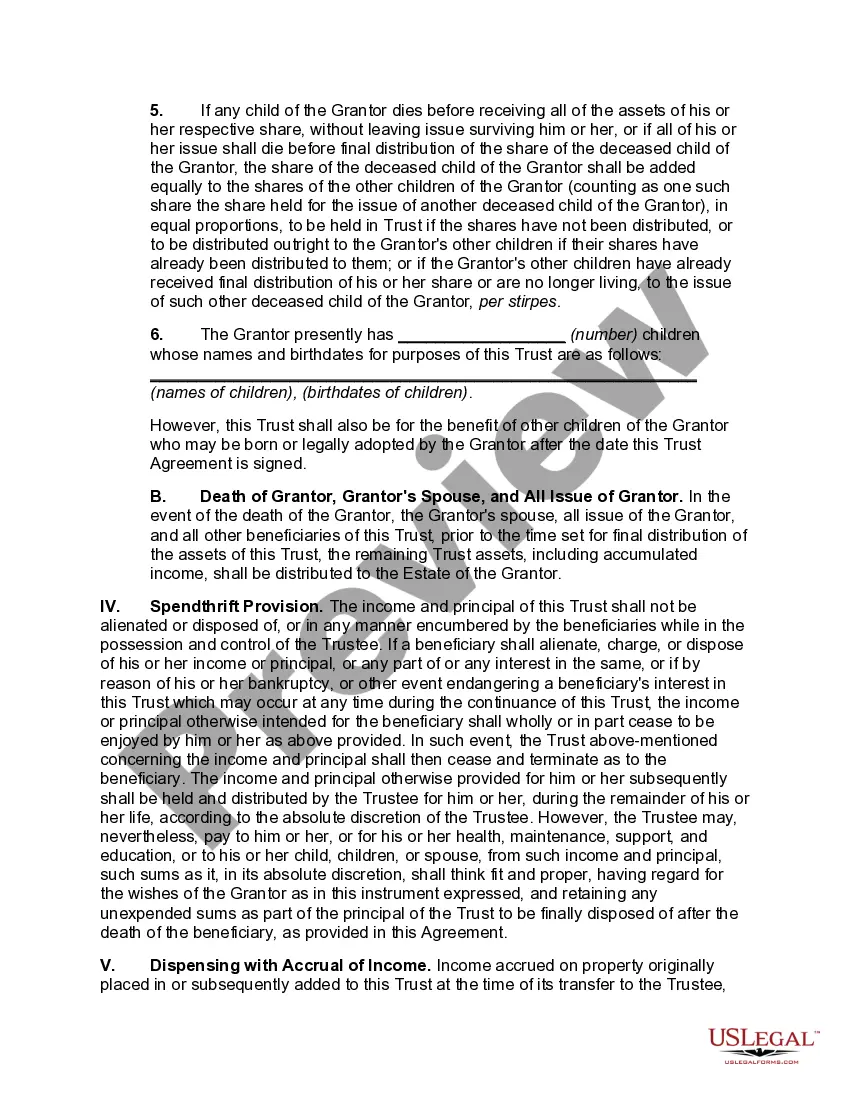
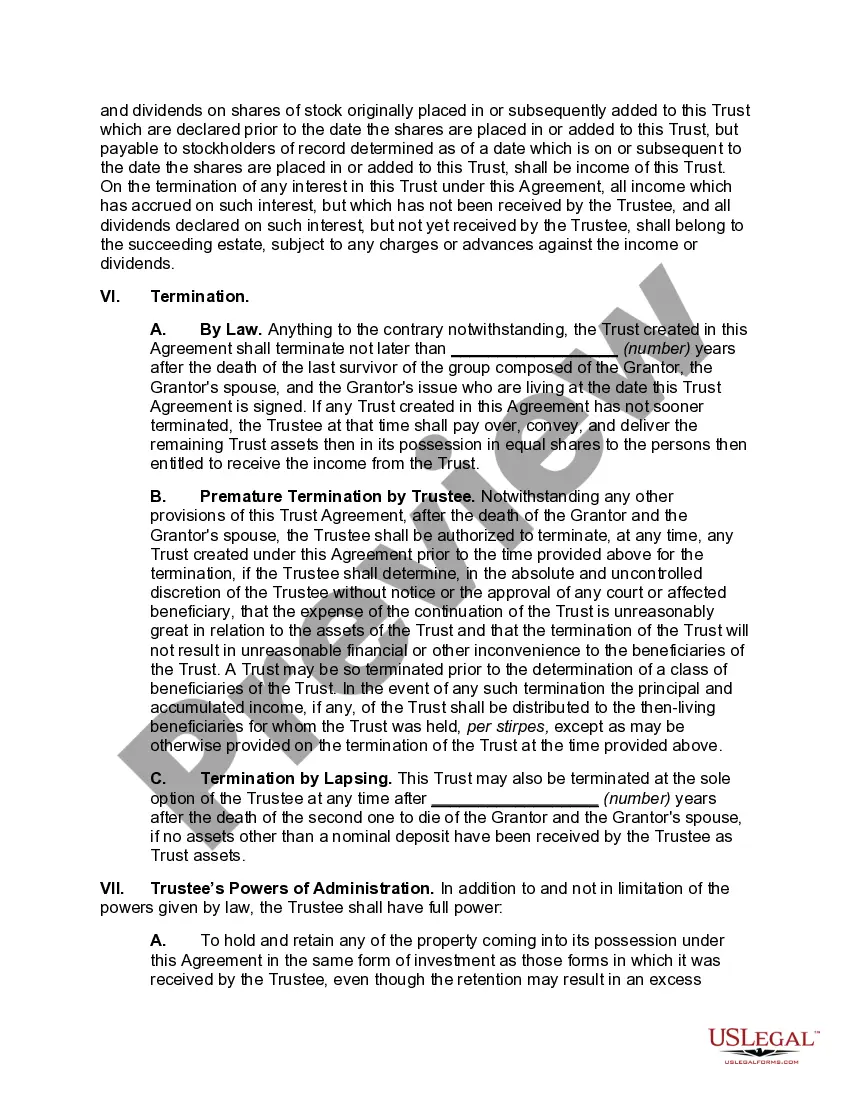
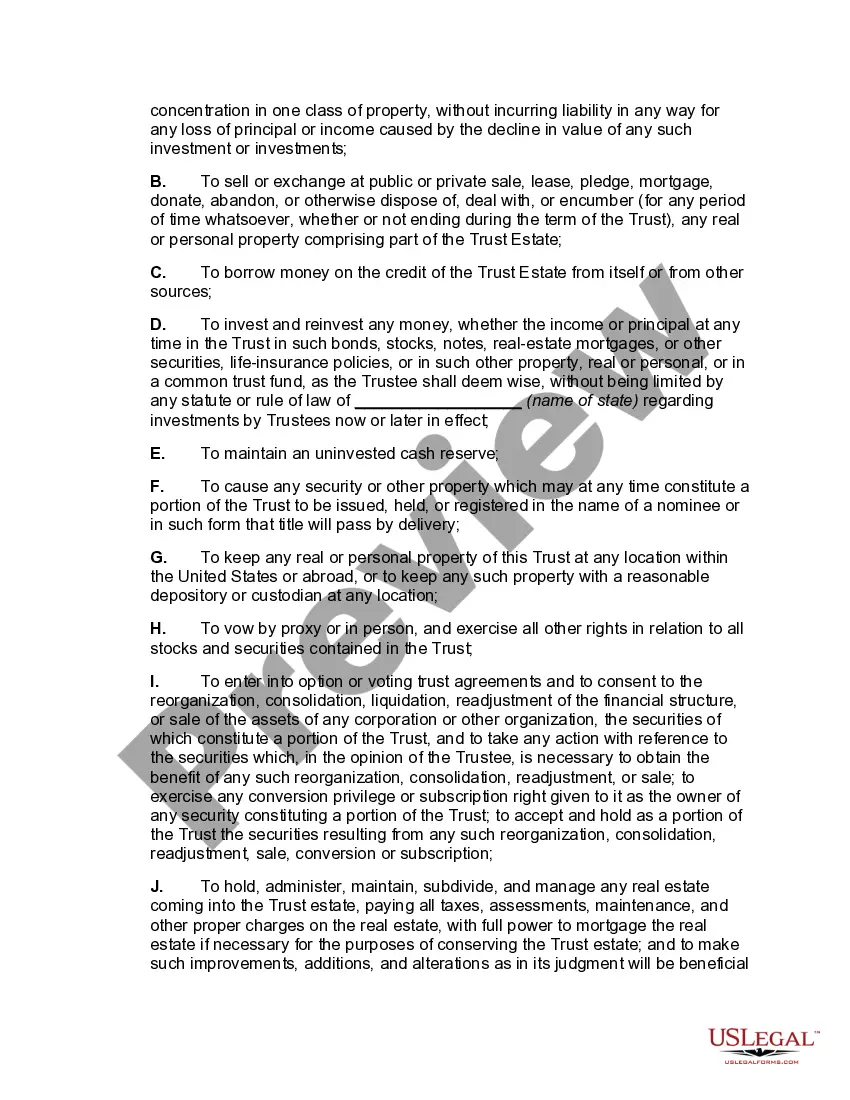
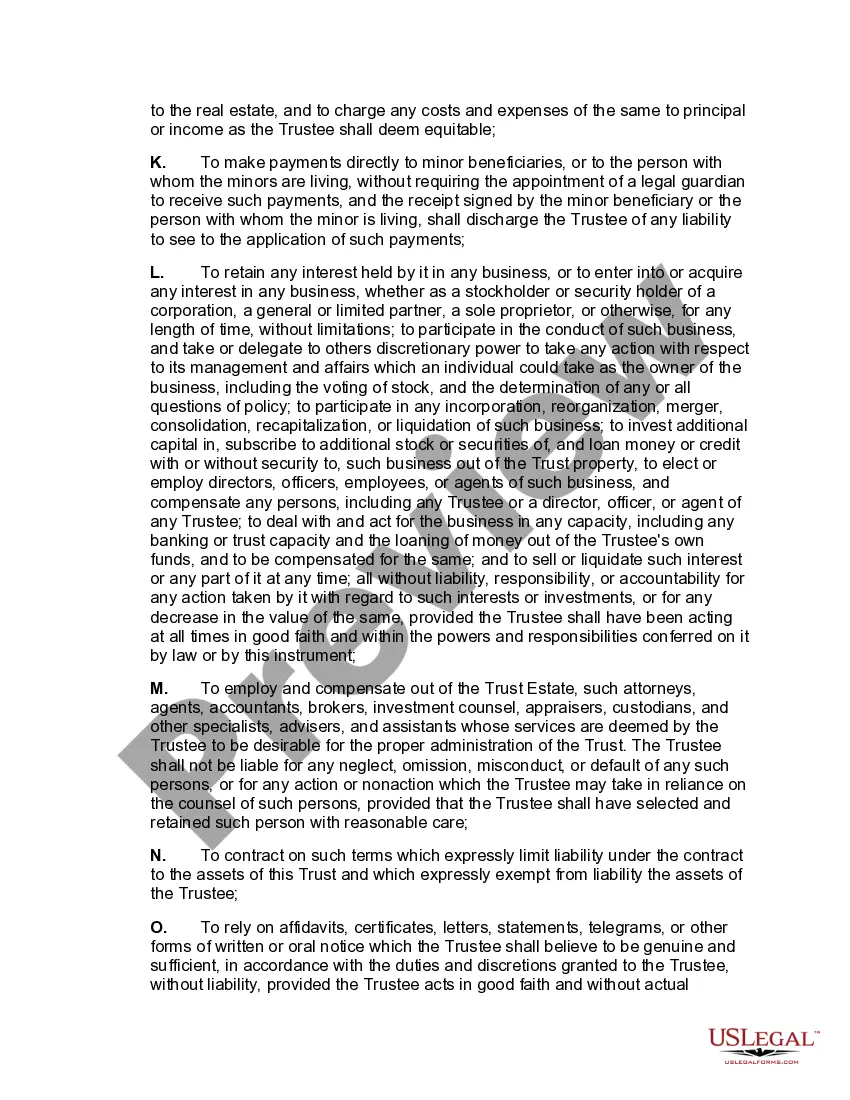
How to fill out Irrevocable Life Insurance Trust - Beneficiaries Have Crummey Right Of Withdrawal?
Legal administration can be daunting, even for seasoned professionals.
When you seek a Beneficiaries Right Spouse Withholding and lack the time to invest in locating the correct and updated version, the procedures can be taxing.
Access legal and organizational forms specific to your state or county.
US Legal Forms caters to any needs you may have, from personal to business paperwork, all in one location.
If it’s your first experience with US Legal Forms, create an account and gain unlimited access to all the benefits of the library. Here are the steps to follow after downloading the form you need: Validate this is the correct form by previewing it and reviewing its details. Ensure that the sample is accepted in your state or county. Select Buy Now when you are ready. Choose a subscription plan. Locate the format you want, and Download, complete, eSign, print, and deliver your documents. Take advantage of the US Legal Forms online directory, supported by 25 years of experience and reliability. Transform your everyday document management into a seamless and user-friendly process today.
- Utilize advanced tools to complete and manage your Beneficiaries Right Spouse Withholding.
- Access a valuable resource library of articles, guides, and materials pertinent to your situation and needs.
- Save time and effort finding the documents you require, and use US Legal Forms’ sophisticated search and Preview feature to locate Beneficiaries Right Spouse Withholding and obtain it.
- If you have a membership, Log In to your US Legal Forms account, search for the form, and download it.
- Check the My documents section to view the documents you have previously downloaded and manage your folders as desired.
- A comprehensive online form directory can be transformative for anyone wishing to navigate these situations effectively.
- US Legal Forms is a market leader in digital legal documents, offering over 85,000 state-specific legal forms accessible to you at any moment.
- With US Legal Forms, you can.
Form popularity
FAQ
A spousal beneficiary rollover is a transfer of fund assets to the surviving spouse of the deceased account holder. Funds are either rolled over into the spouse's account or the decedent's account is renamed with the surviving spouse as the new owner.
The Spouse Is the Automatic Beneficiary for Married People Under ERISA, if the owner of a retirement account is married when he or she dies, his or her spouse is automatically entitled to receive 50 percent of the money, regardless of what the beneficiary designation says.
Most beneficiary designations will require you to provide a person's full legal name and their relationship to you (spouse, child, mother, etc.). Some beneficiary designations also include information like mailing address, email, phone number, date of birth and Social Security number.
Funds invested in qualified plans governed by federal law?such as a 401(k)?automatically go to your spouse, even if you name another beneficiary on a form provided to you by your employer. The only way to circumvent this is if your spouse signs a written waiver agreeing to your choice of another beneficiary.
If you are a resident of certain states, you may be required to list your spouse as your primary beneficiary and designate him or her to receive at least 50 percent of the benefit. In some states, you can name someone else with your spouse's written permission.