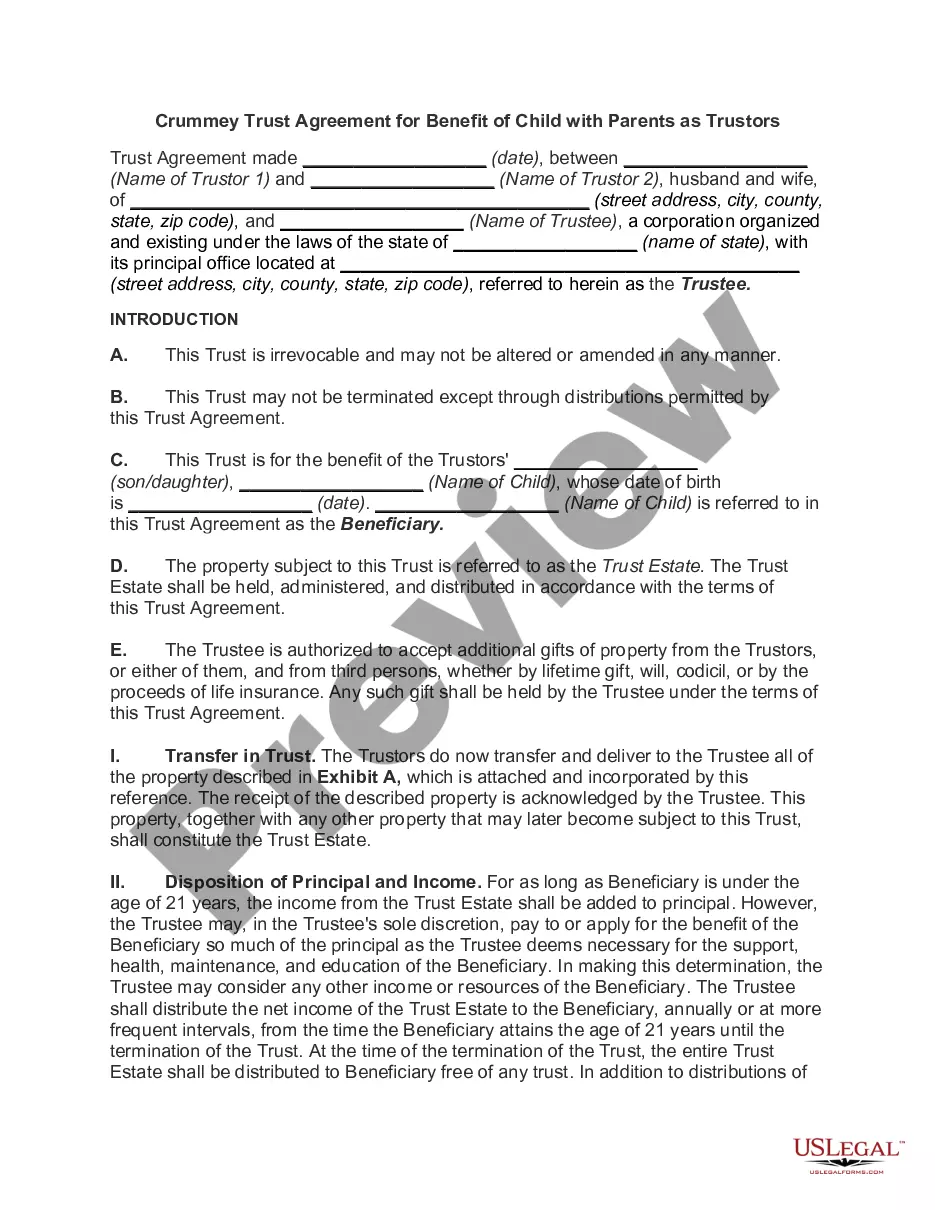
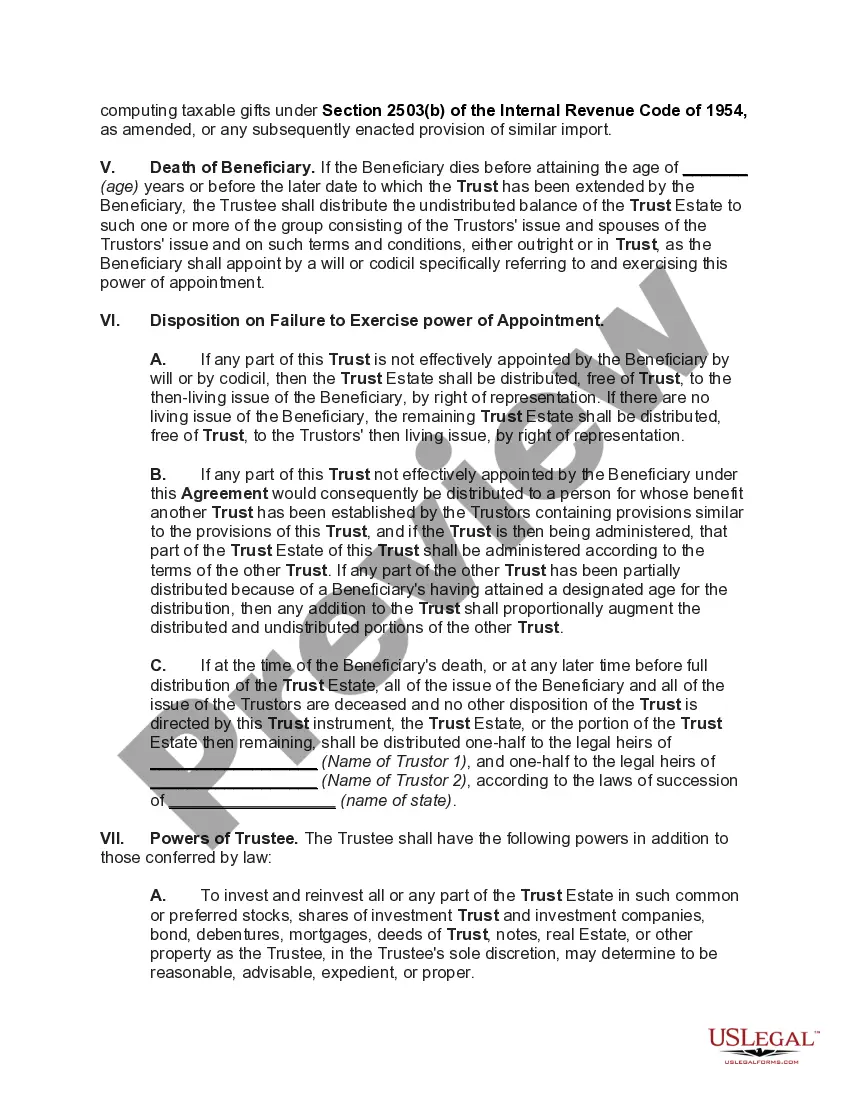
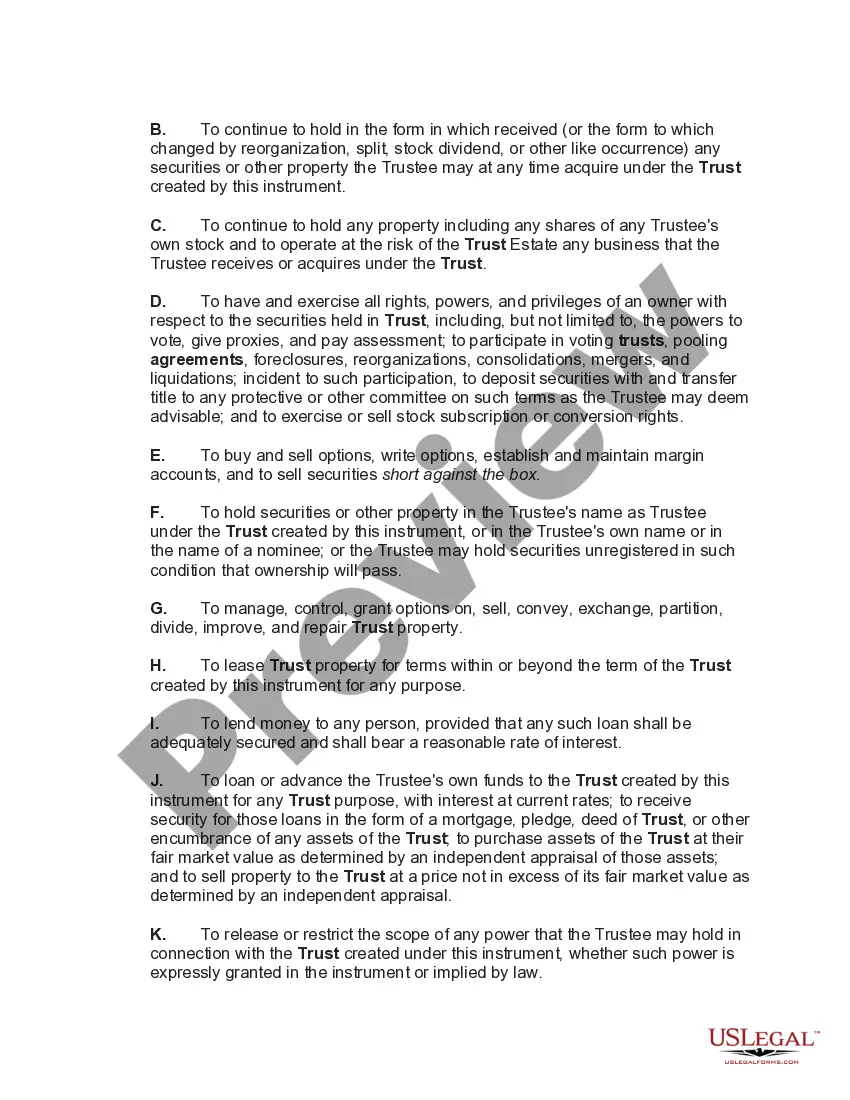
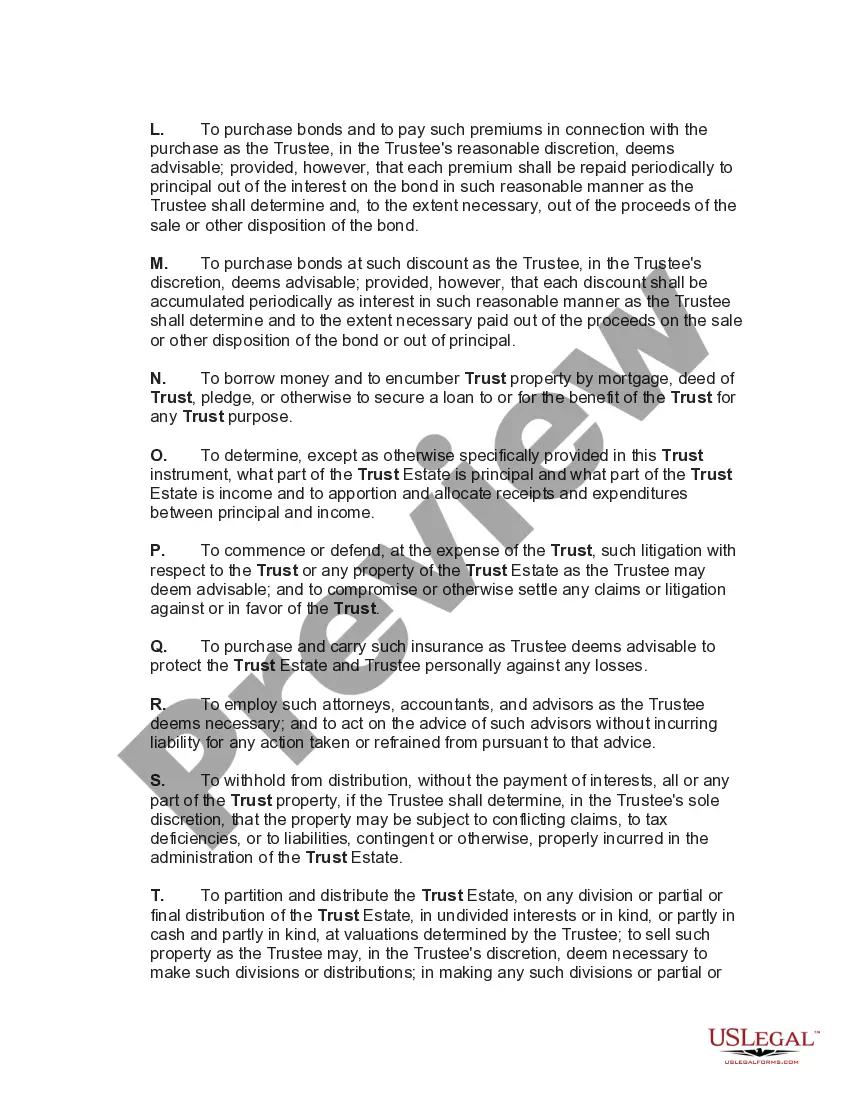
Crummey Agreement Form With Beneficiaries
Description

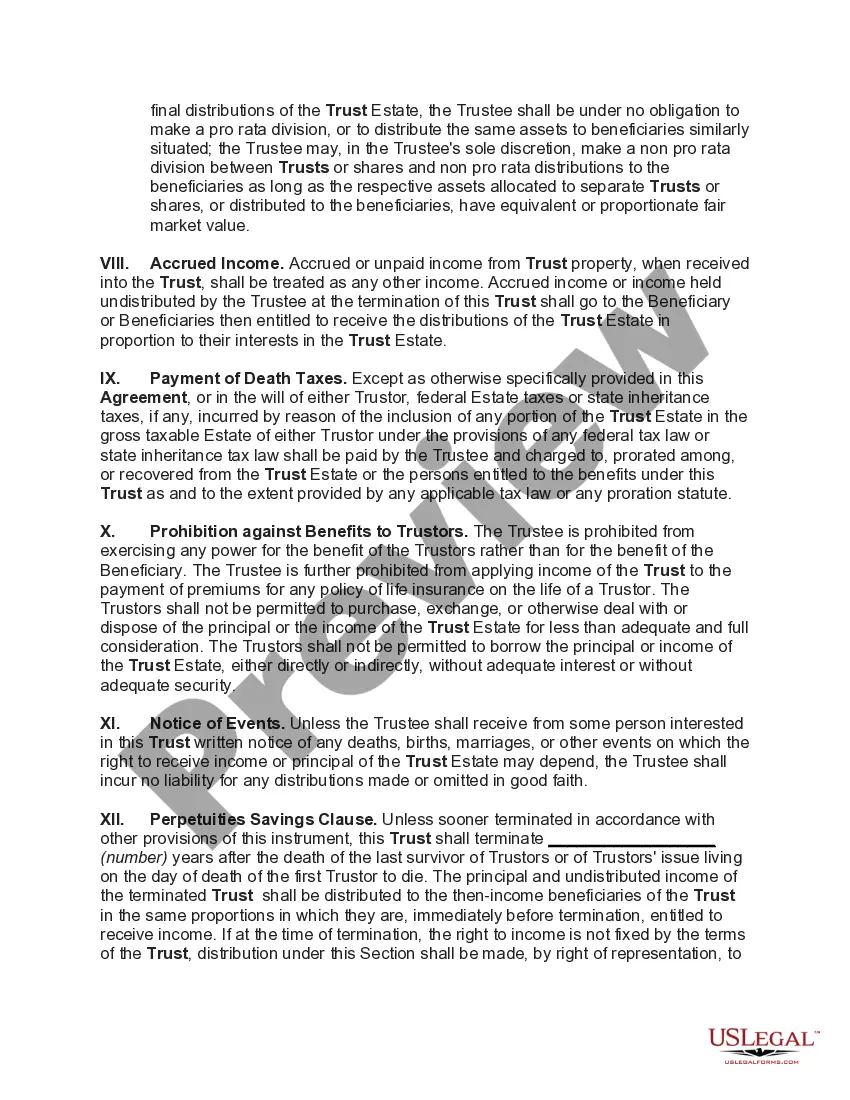
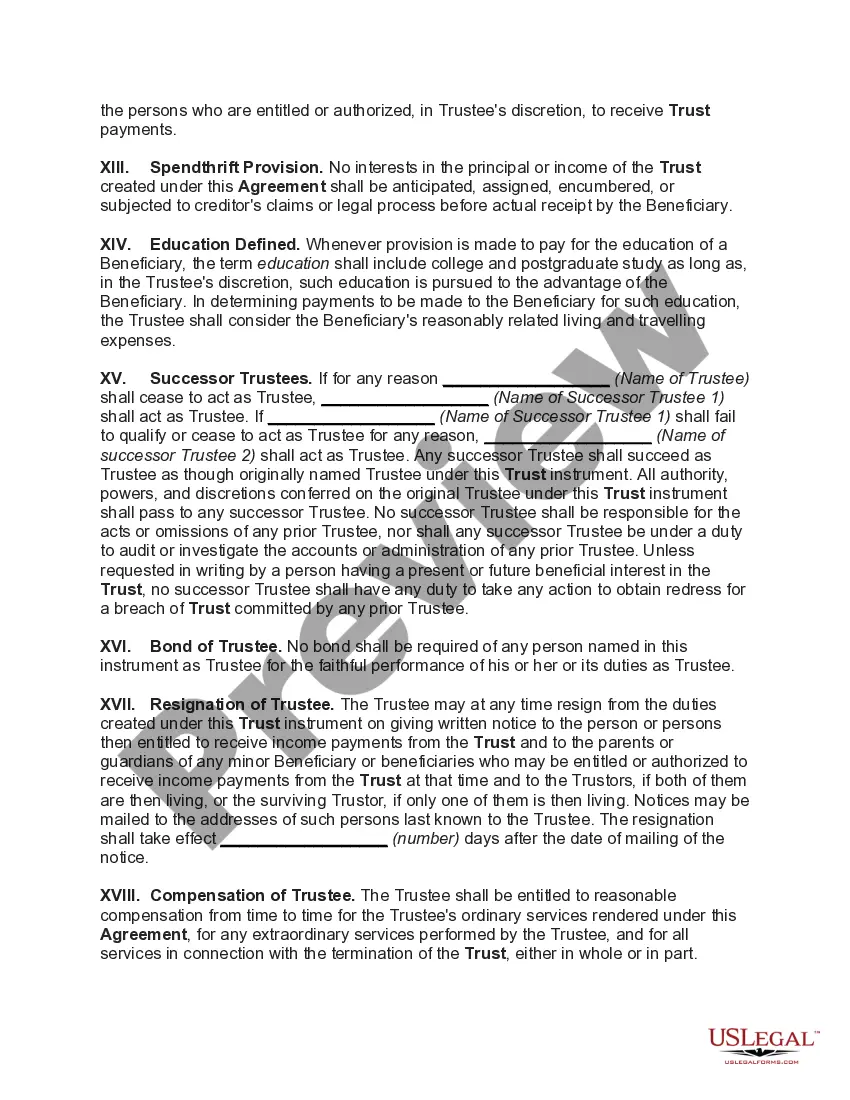
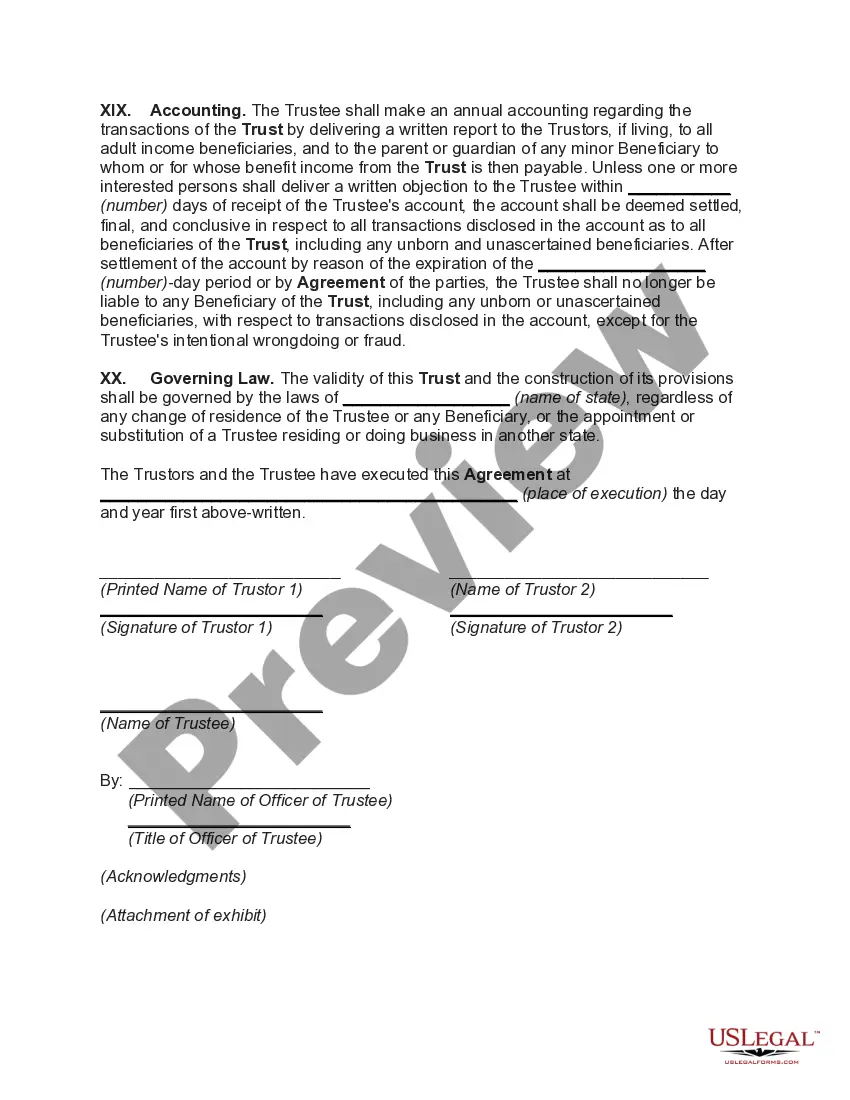
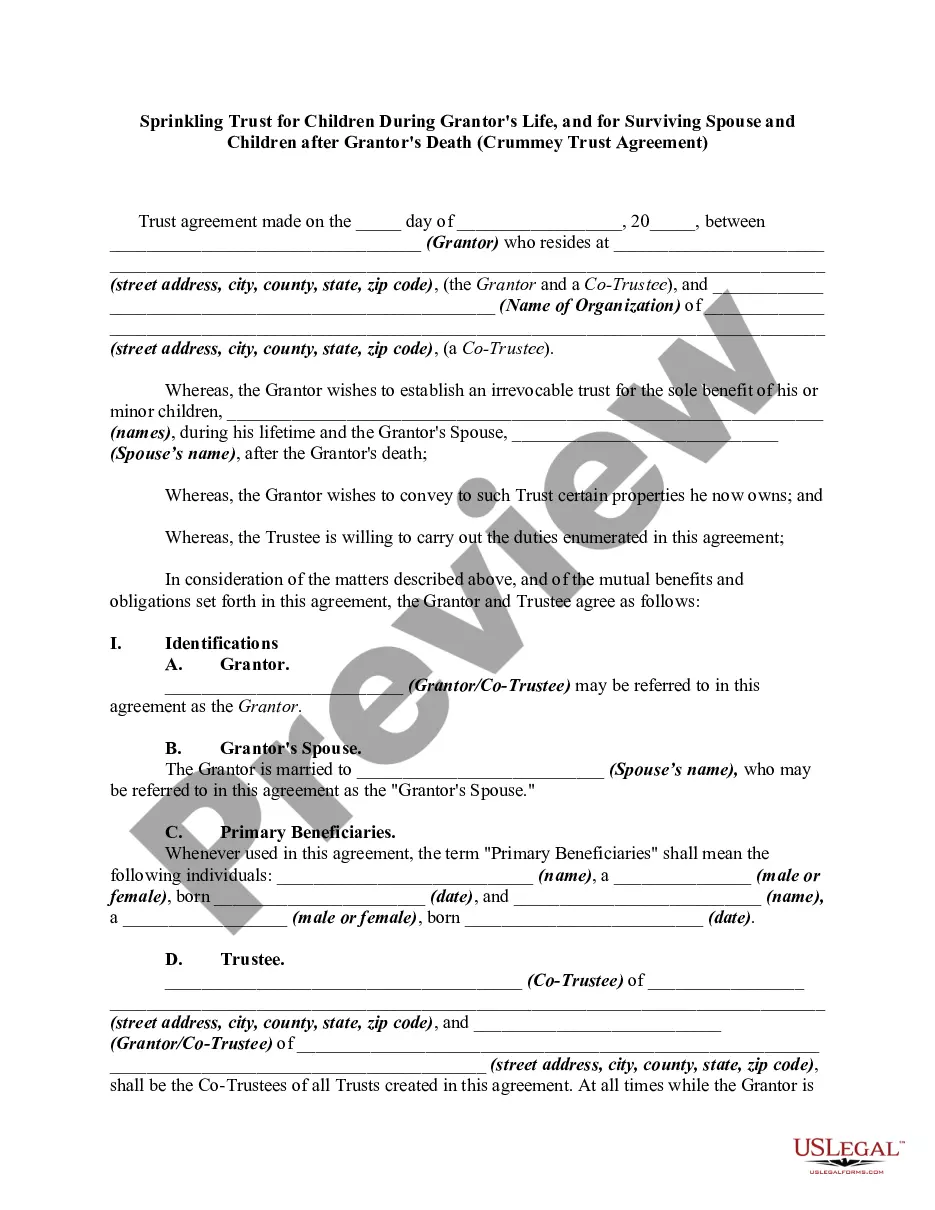
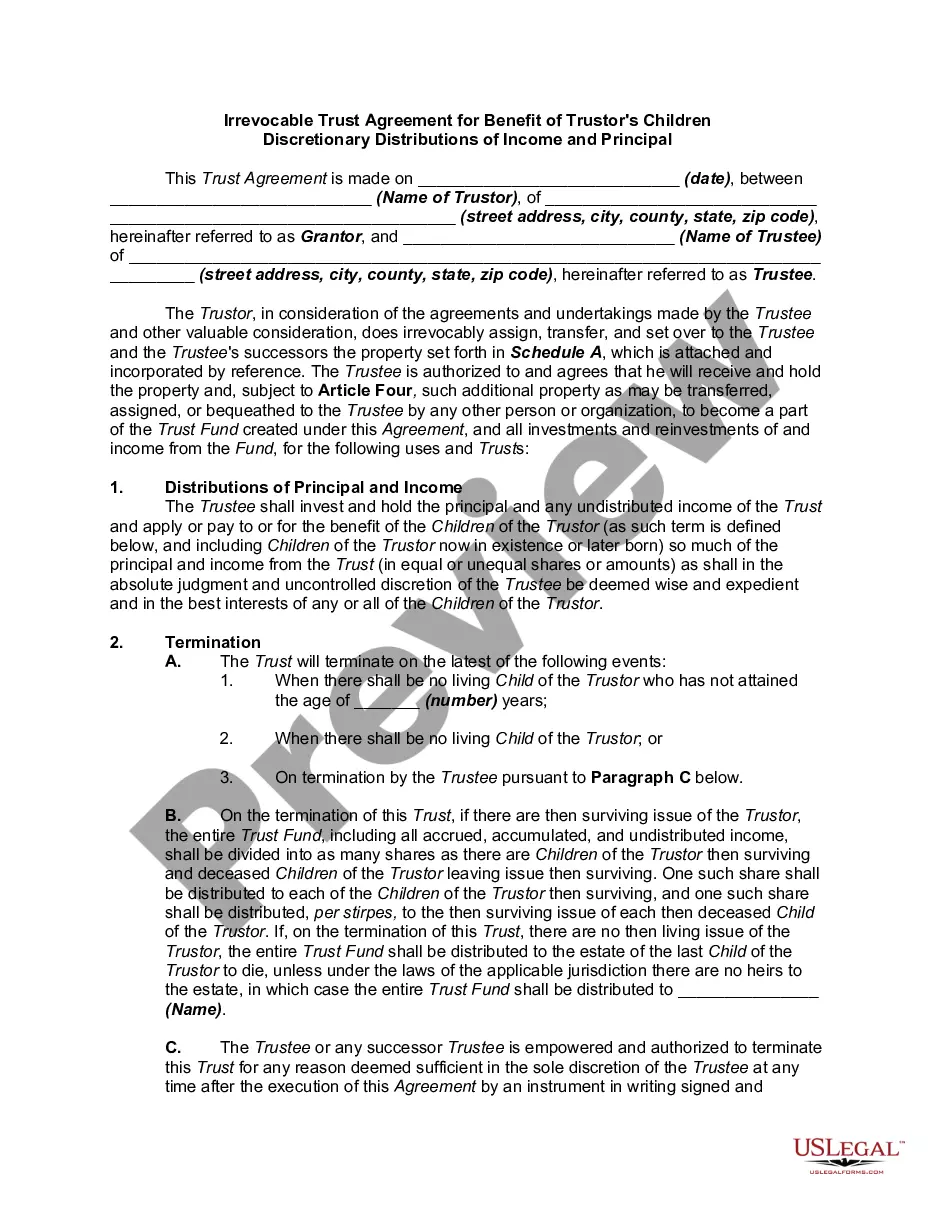
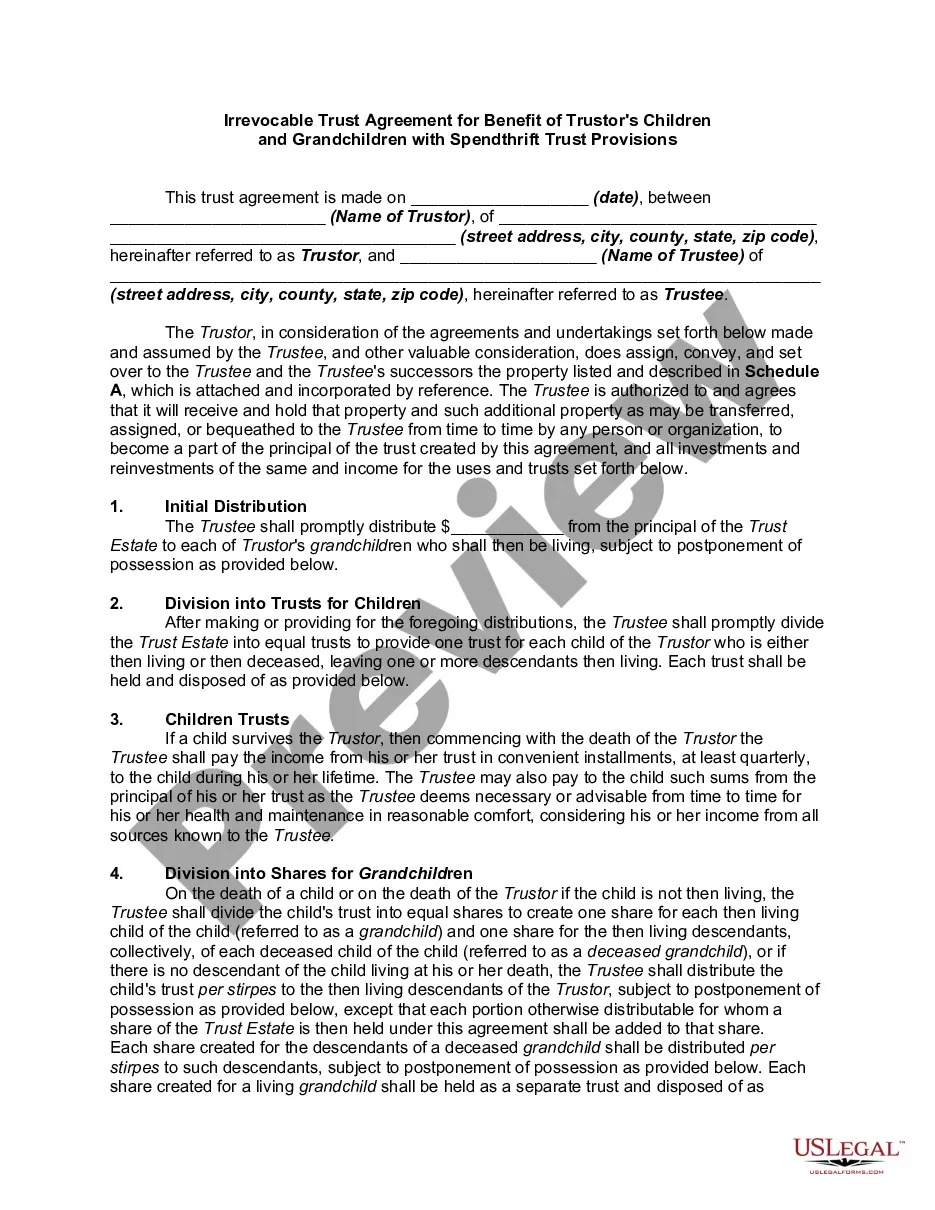
Get your form ready online
Our built-in tools help you complete, sign, share, and store your documents in one place.
Make edits, fill in missing information, and update formatting in US Legal Forms—just like you would in MS Word.
Download a copy, print it, send it by email, or mail it via USPS—whatever works best for your next step.
Sign and collect signatures with our SignNow integration. Send to multiple recipients, set reminders, and more. Go Premium to unlock E-Sign.
If this form requires notarization, complete it online through a secure video call—no need to meet a notary in person or wait for an appointment.
We protect your documents and personal data by following strict security and privacy standards.

Make edits, fill in missing information, and update formatting in US Legal Forms—just like you would in MS Word.

Download a copy, print it, send it by email, or mail it via USPS—whatever works best for your next step.

Sign and collect signatures with our SignNow integration. Send to multiple recipients, set reminders, and more. Go Premium to unlock E-Sign.

If this form requires notarization, complete it online through a secure video call—no need to meet a notary in person or wait for an appointment.

We protect your documents and personal data by following strict security and privacy standards.
Looking for another form?


How to fill out Crummey Trust Agreement For Benefit Of Child With Parents As Trustors?
Regardless if for professional objectives or personal issues, everyone must handle legal matters eventually in their lives.
Completing legal documents requires meticulous care, starting from choosing the right form template.
With an extensive US Legal Forms library available, you do not need to waste time searching for the appropriate template online. Utilize the library’s user-friendly navigation to find the correct form for any circumstance.
- Locate the template you require using the search bar or catalog navigation.
- Review the form’s description to confirm it aligns with your situation, state, and area.
- Select the form’s preview to view it.
- If it is the incorrect document, return to the search feature to find the Crummey Agreement Form With Beneficiaries example you require.
- Download the template if it fits your requirements.
- If you already possess a US Legal Forms account, simply click Log in to access previously saved documents in My documents.
- If you do not have an account yet, you can download the form by clicking Buy now.
- Choose the appropriate pricing option.
- Fill out the profile registration form.
- Choose your payment method: use a credit card or PayPal account.
- Select the document format you desire and download the Crummey Agreement Form With Beneficiaries.
- Once it is downloaded, you can complete the form using editing software or print it and fill it out by hand.
Form popularity
FAQ
The 120-day rule typically pertains to the right of beneficiaries to withdraw contributions made under a Crummey agreement form. Beneficiaries usually have 120 days to take action after receiving a notice from the trustee. If they choose to withdraw funds within this period, they can avoid gift tax implications. Understanding this rule is vital for effective trust management and beneficiary relations.
To leave property to your living trust, name your trust as beneficiary for that property, using the trustee's name and the name of the trust. For example: John Doe as trustee of the John Doe Living Trust, dated January 1, 20xx.
Trusts that contain Crummey powers (hereinafter referred to as "withdrawal power" or "Crummey power") have been popular since the Crummey case because of the following advantages: (i) a donor/grantor may gift without utilizing his/her lifetime gift tax exemption, (ii) the trust may have multiple beneficiaries, (iii) ...
However, when the beneficiary allows the withdrawal right to lapse there is no deemed gift so long as the Crummey power does not exceed the greater of $5,000 or 5 percent of the value of the trust property (commonly referred to as the 5 and 5 exception).
Crummey Powers give a beneficiary the temporary right, usually 30 to 60 days, to withdraw the funds immediately after you contribute a gift to the trust. If the beneficiary does not exercise that right, the right lapses and the property becomes a permanent part of the trust.
The primary disadvantage of naming a trust as beneficiary is that the retirement plan's assets will be subjected to required minimum distribution (RMD) payouts, which are calculated based on the life expectancy of the oldest beneficiary.