Patent Rules 2016
Description
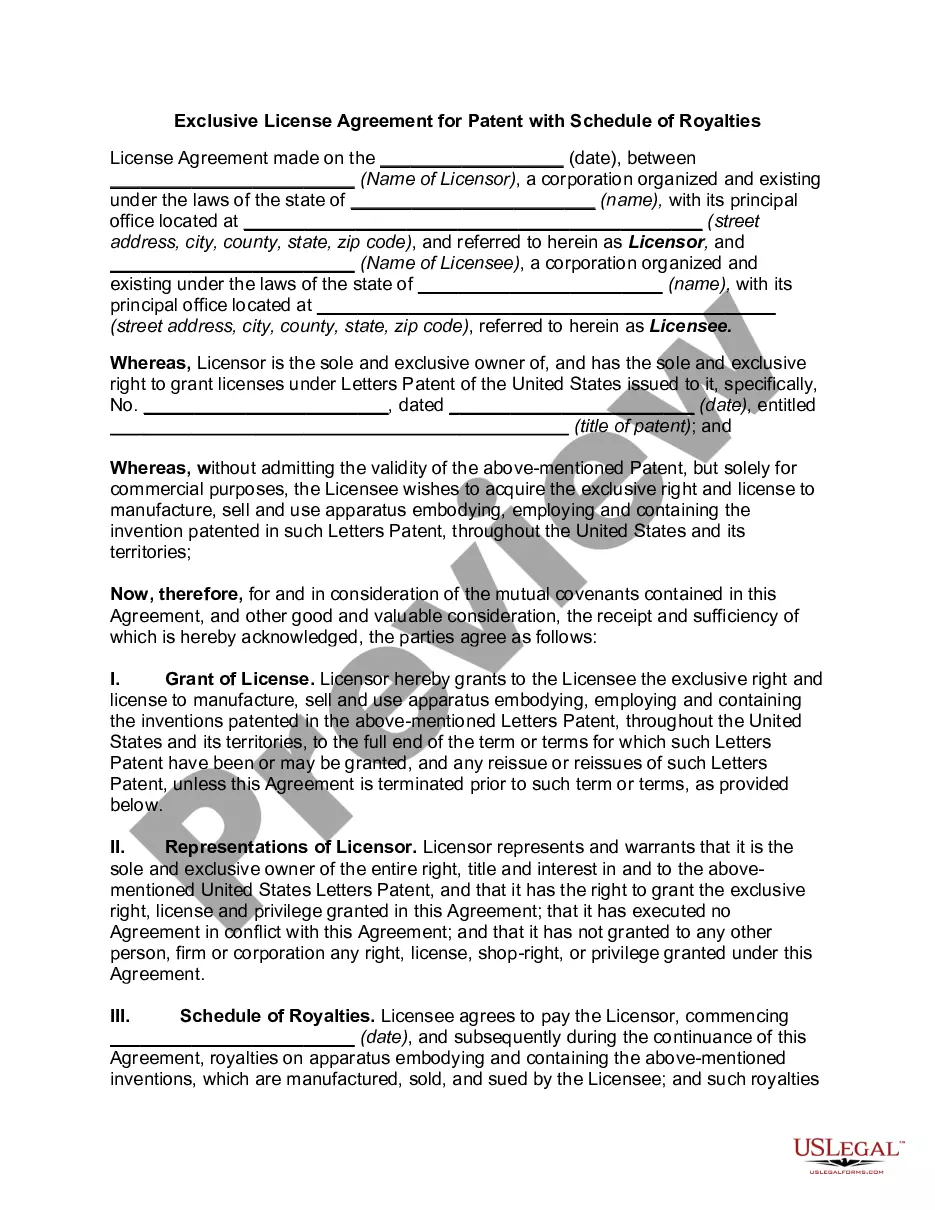
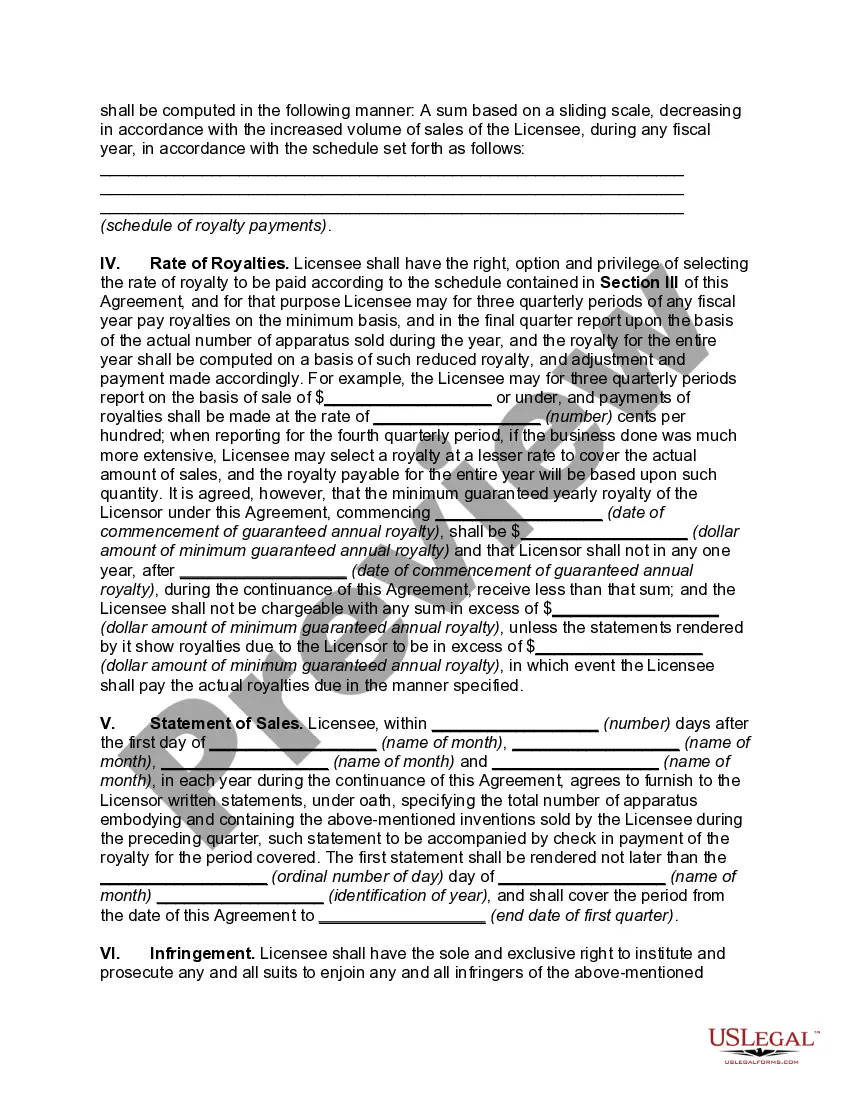
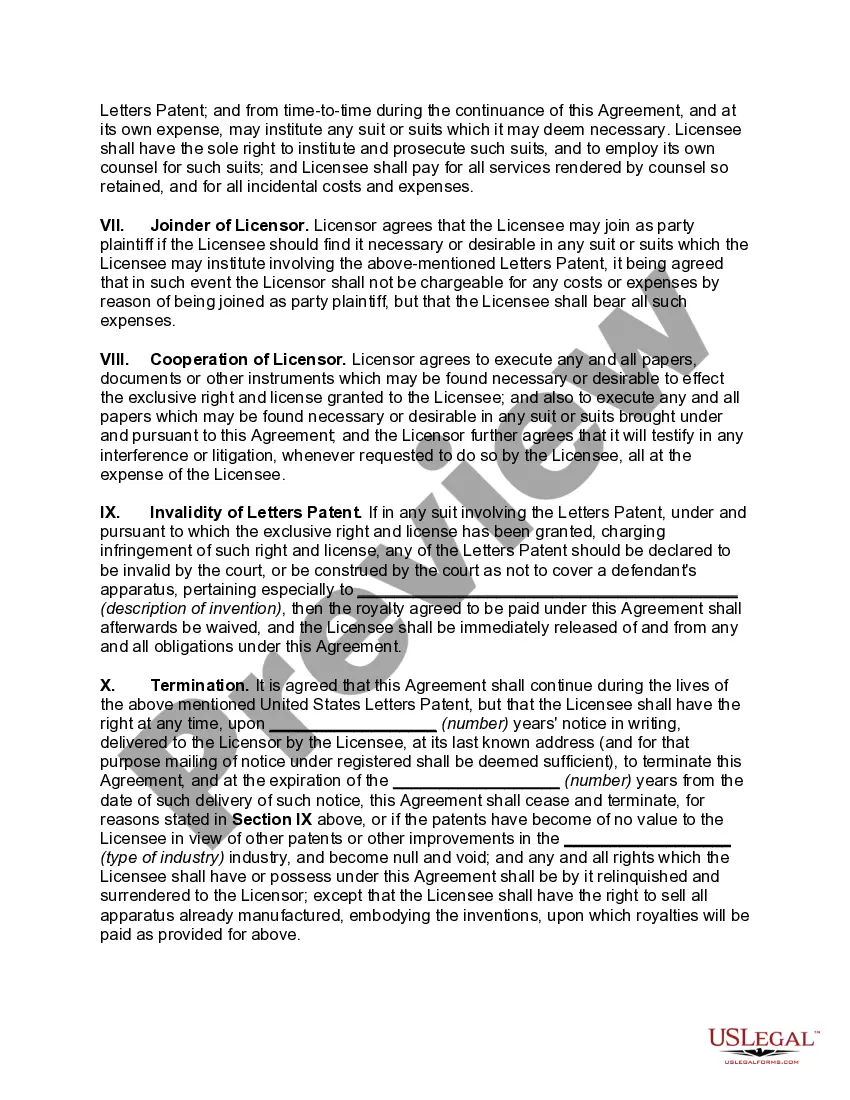
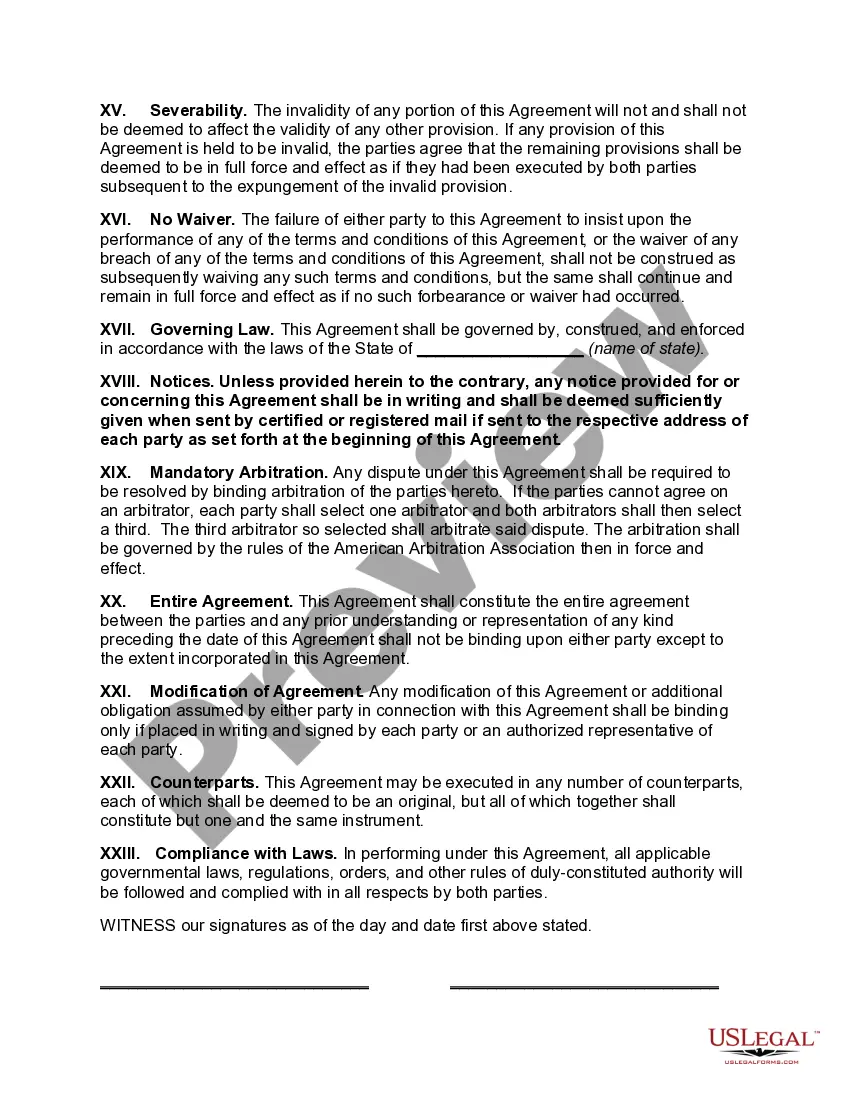
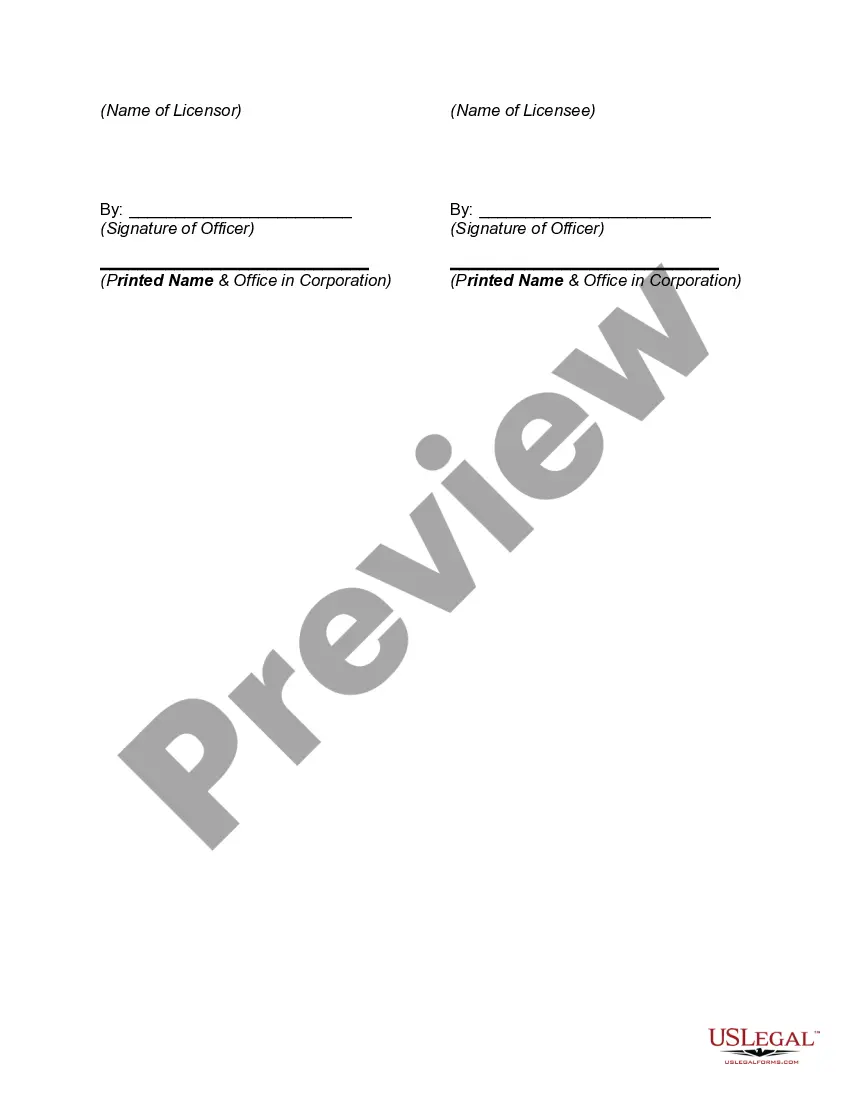
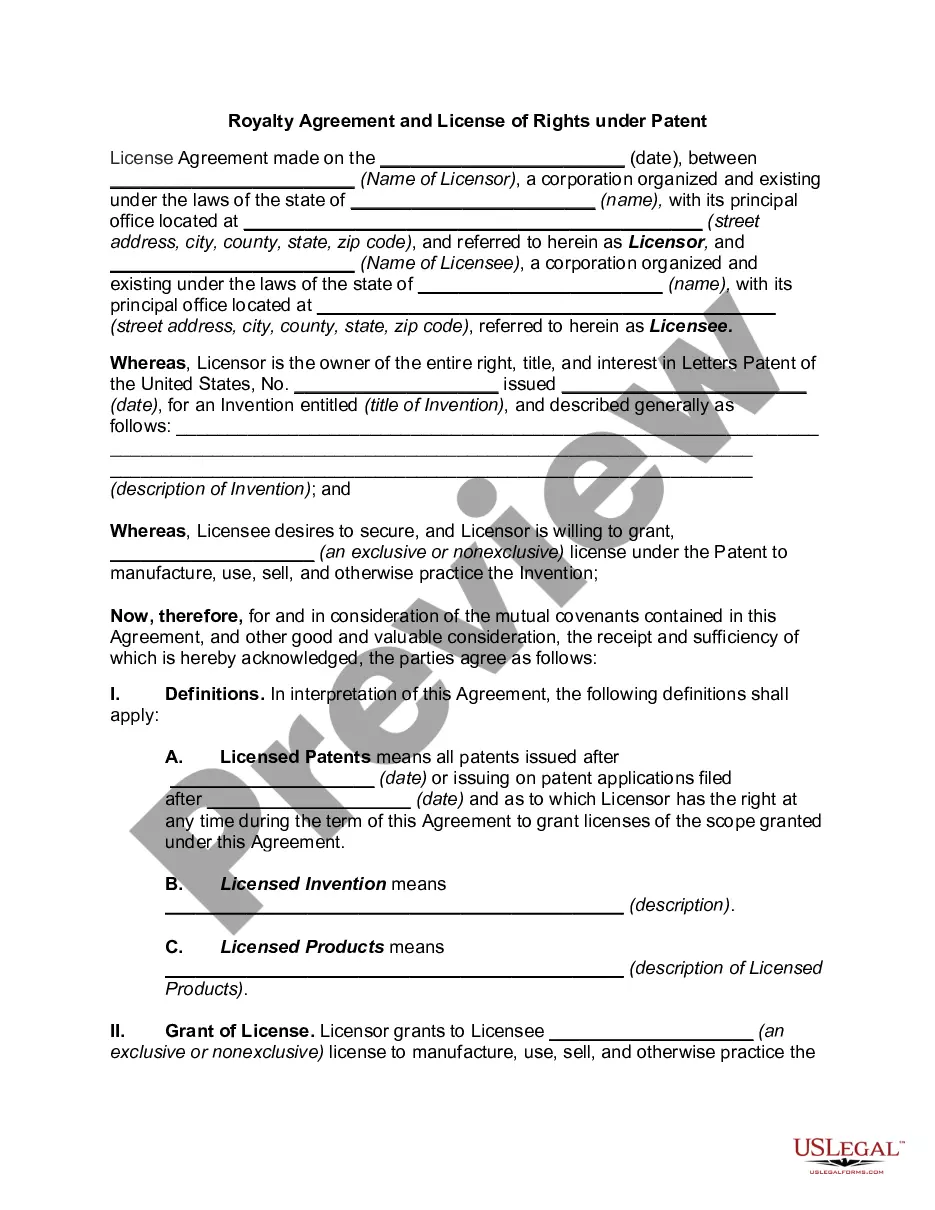
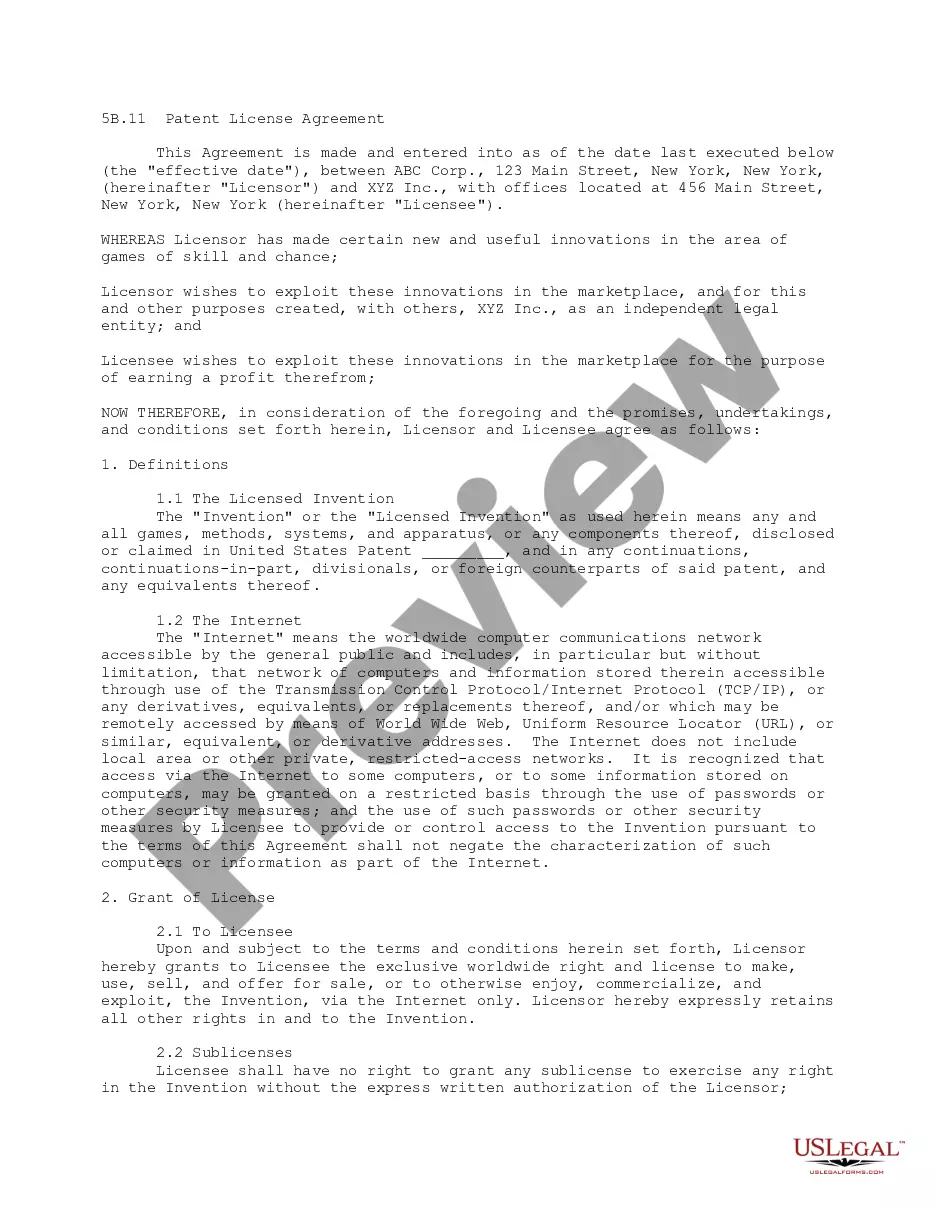
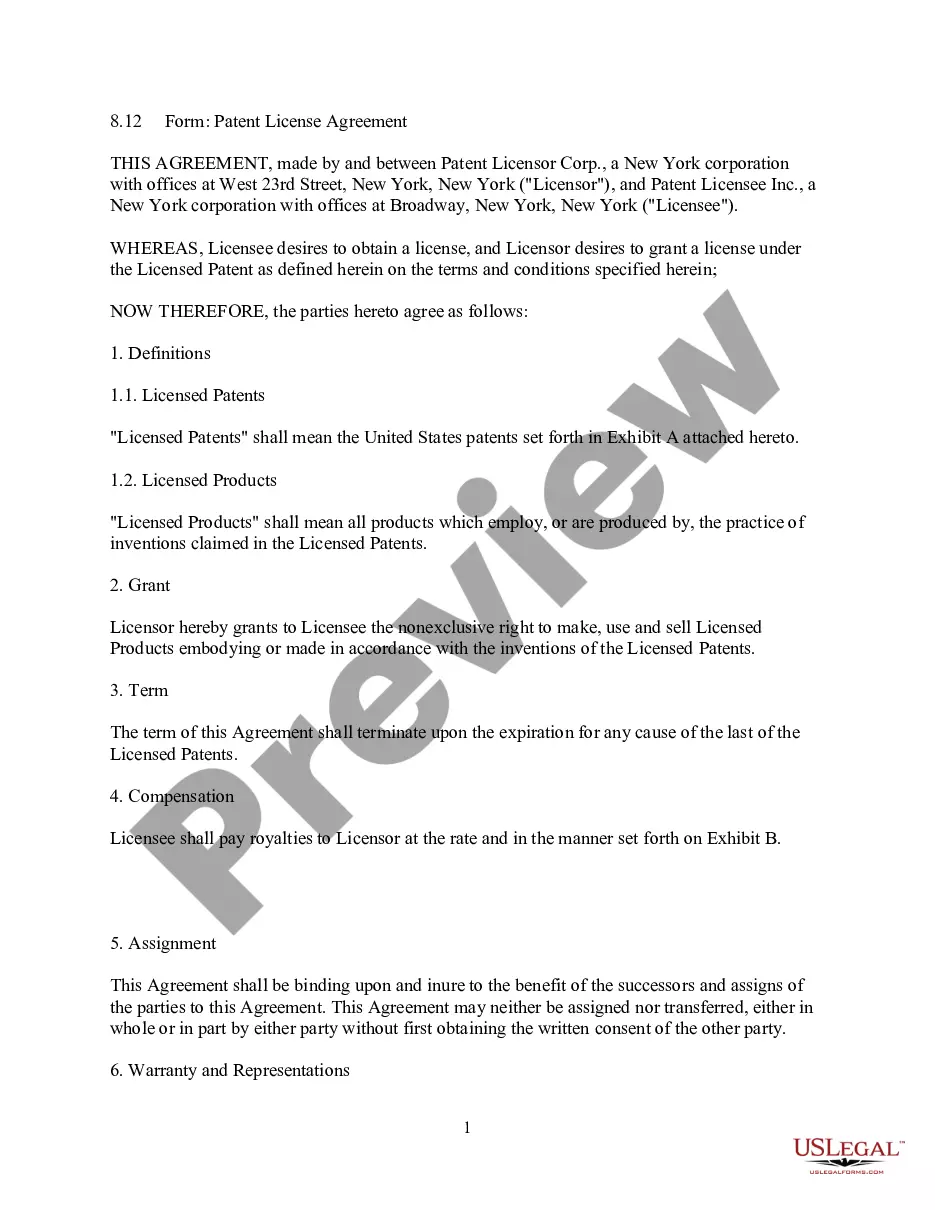
Get your form ready online
Our built-in tools help you complete, sign, share, and store your documents in one place.
Make edits, fill in missing information, and update formatting in US Legal Forms—just like you would in MS Word.
Download a copy, print it, send it by email, or mail it via USPS—whatever works best for your next step.
Sign and collect signatures with our SignNow integration. Send to multiple recipients, set reminders, and more. Go Premium to unlock E-Sign.
If this form requires notarization, complete it online through a secure video call—no need to meet a notary in person or wait for an appointment.
We protect your documents and personal data by following strict security and privacy standards.

Make edits, fill in missing information, and update formatting in US Legal Forms—just like you would in MS Word.

Download a copy, print it, send it by email, or mail it via USPS—whatever works best for your next step.

Sign and collect signatures with our SignNow integration. Send to multiple recipients, set reminders, and more. Go Premium to unlock E-Sign.

If this form requires notarization, complete it online through a secure video call—no need to meet a notary in person or wait for an appointment.

We protect your documents and personal data by following strict security and privacy standards.
Looking for another form?
How to fill out Exclusive License Agreement For Patent With Schedule Of Royalties?
Legal document managing might be overwhelming, even for skilled professionals. When you are interested in a Patent Rules 2016 and do not get the a chance to devote searching for the right and updated version, the operations could be demanding. A strong online form library might be a gamechanger for anyone who wants to take care of these situations successfully. US Legal Forms is a market leader in web legal forms, with over 85,000 state-specific legal forms available to you at any moment.
With US Legal Forms, it is possible to:
- Access state- or county-specific legal and organization forms. US Legal Forms covers any demands you could have, from personal to organization paperwork, all in one spot.
- Utilize innovative tools to complete and control your Patent Rules 2016
- Access a resource base of articles, guides and handbooks and materials related to your situation and requirements
Save effort and time searching for the paperwork you will need, and use US Legal Forms’ advanced search and Preview feature to get Patent Rules 2016 and get it. If you have a monthly subscription, log in to your US Legal Forms profile, look for the form, and get it. Take a look at My Forms tab to see the paperwork you previously saved and to control your folders as you can see fit.
Should it be your first time with US Legal Forms, register an account and obtain unlimited use of all advantages of the platform. Listed below are the steps for taking after accessing the form you want:
- Confirm this is the correct form by previewing it and looking at its description.
- Ensure that the sample is recognized in your state or county.
- Select Buy Now once you are all set.
- Select a subscription plan.
- Pick the formatting you want, and Download, complete, eSign, print and deliver your document.
Benefit from the US Legal Forms online library, supported with 25 years of experience and stability. Change your day-to-day document management in to a easy and user-friendly process right now.
Form popularity
FAQ
Here are the steps required to apply for a patent: Step 01: Invention disclosure. ... Step 02: Patentability search. ... Step 03: Decision to file an application for patent. ... Step 04: Patent drafting. ... Step 05: Filing the patent application. ... Step 06: Request for examination. ... Step 07: Responding to objections (if any)
A patent application often includes the following primary sections: Invention Title. The title's objective is to provide a clear understanding of the invention or idea. ... Prior Art: Context and Novelty. ... Invention Summary. ... Drawings and Descriptions. ... Detailed Description. ... Claims. ... Scope. ... Characteristics.
Step 1: Get ready to apply. Contact Patents. ... Step 2: File your application. Filing a patent application on your own. ... Step 3: Application prosecution. Filing a patent application on your own. ... Step 4: Receive your patent. Inventors Assistance Center. ... Step 5: Maintain legal protection of your patent. Pay your maintenance fees.
You can draft and file the provisional application yourself using the USPTO's online web portal or use an online service to create and file a patent application for you. If you file patent yourself, ask a lawyer to gently review it before your file it.
The first to file rule asserts that the first party to file a lawsuit is awarded their home location for a trial or legal proceeding. 1? The first to file rule also applies to patent applications, awarding the first person to file a patent the right to claim the intellectual property to it.