Letter Of Testimony For Immigration
Description
Get your form ready online
Our built-in tools help you complete, sign, share, and store your documents in one place.
Make edits, fill in missing information, and update formatting in US Legal Forms—just like you would in MS Word.
Download a copy, print it, send it by email, or mail it via USPS—whatever works best for your next step.
Sign and collect signatures with our SignNow integration. Send to multiple recipients, set reminders, and more. Go Premium to unlock E-Sign.
If this form requires notarization, complete it online through a secure video call—no need to meet a notary in person or wait for an appointment.
We protect your documents and personal data by following strict security and privacy standards.

Make edits, fill in missing information, and update formatting in US Legal Forms—just like you would in MS Word.

Download a copy, print it, send it by email, or mail it via USPS—whatever works best for your next step.

Sign and collect signatures with our SignNow integration. Send to multiple recipients, set reminders, and more. Go Premium to unlock E-Sign.

If this form requires notarization, complete it online through a secure video call—no need to meet a notary in person or wait for an appointment.

We protect your documents and personal data by following strict security and privacy standards.
Looking for another form?
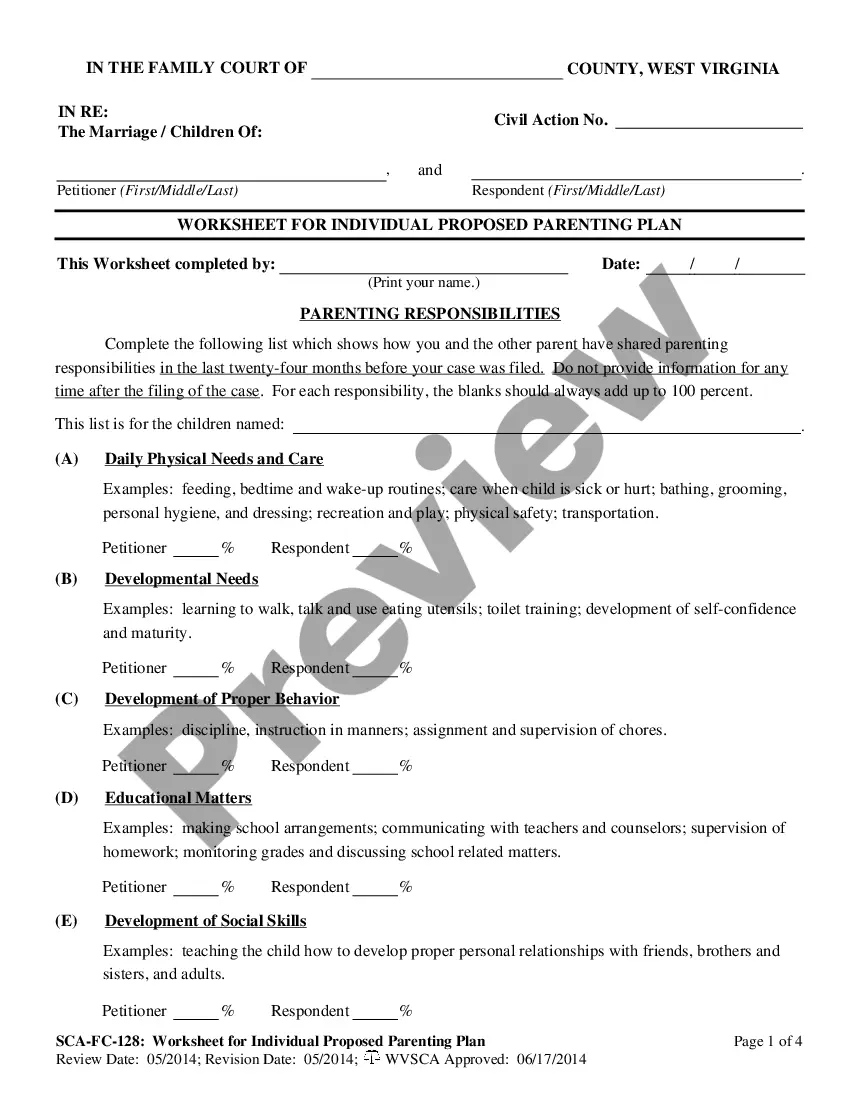


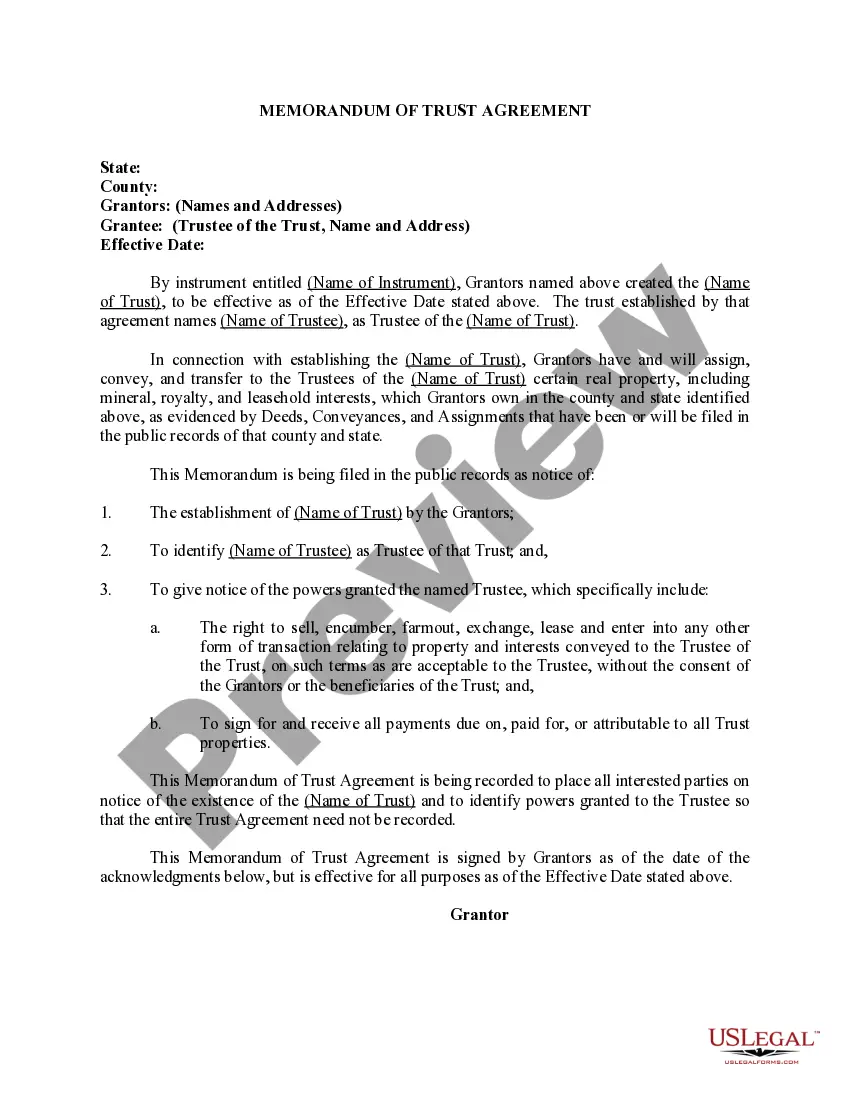
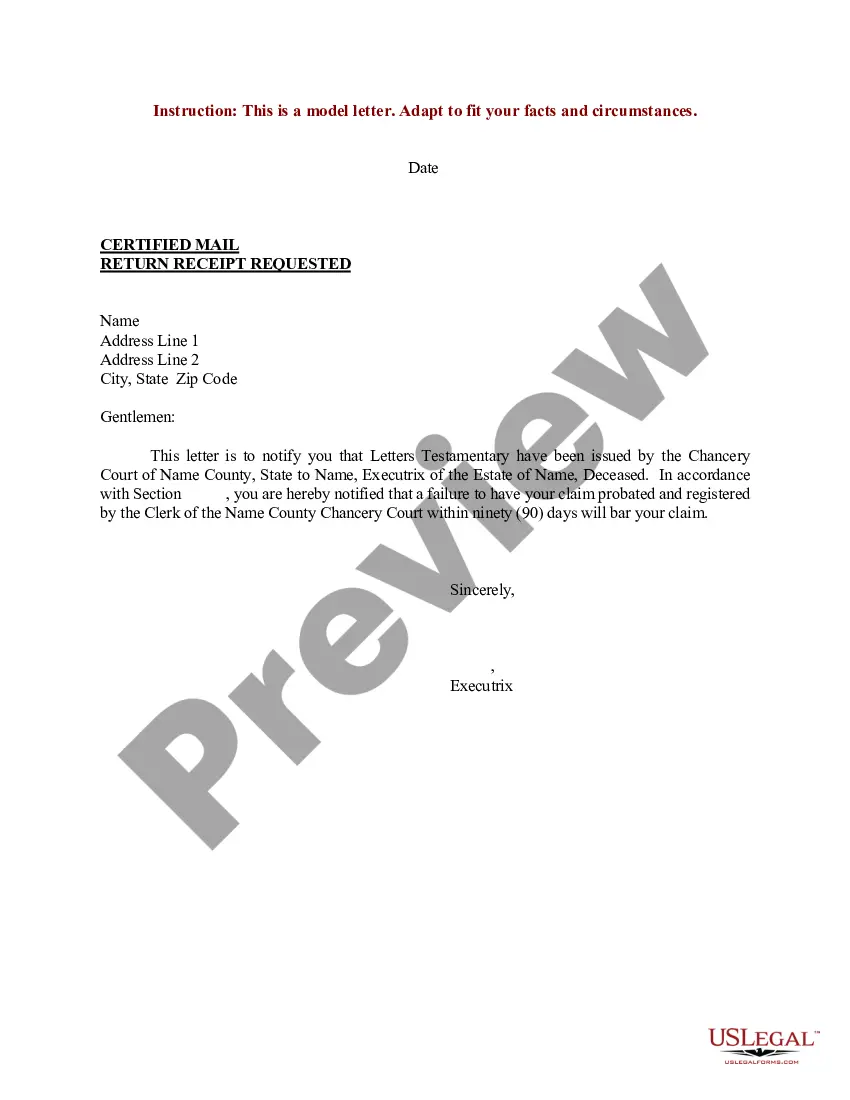
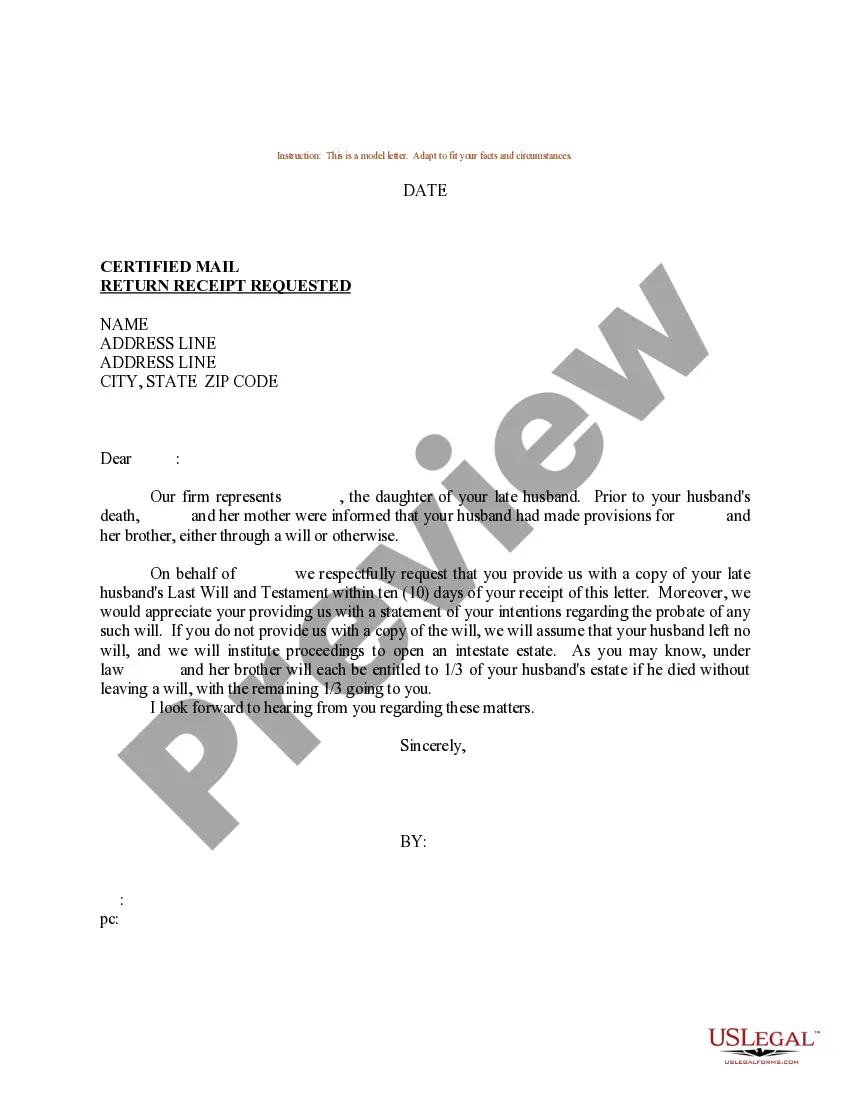
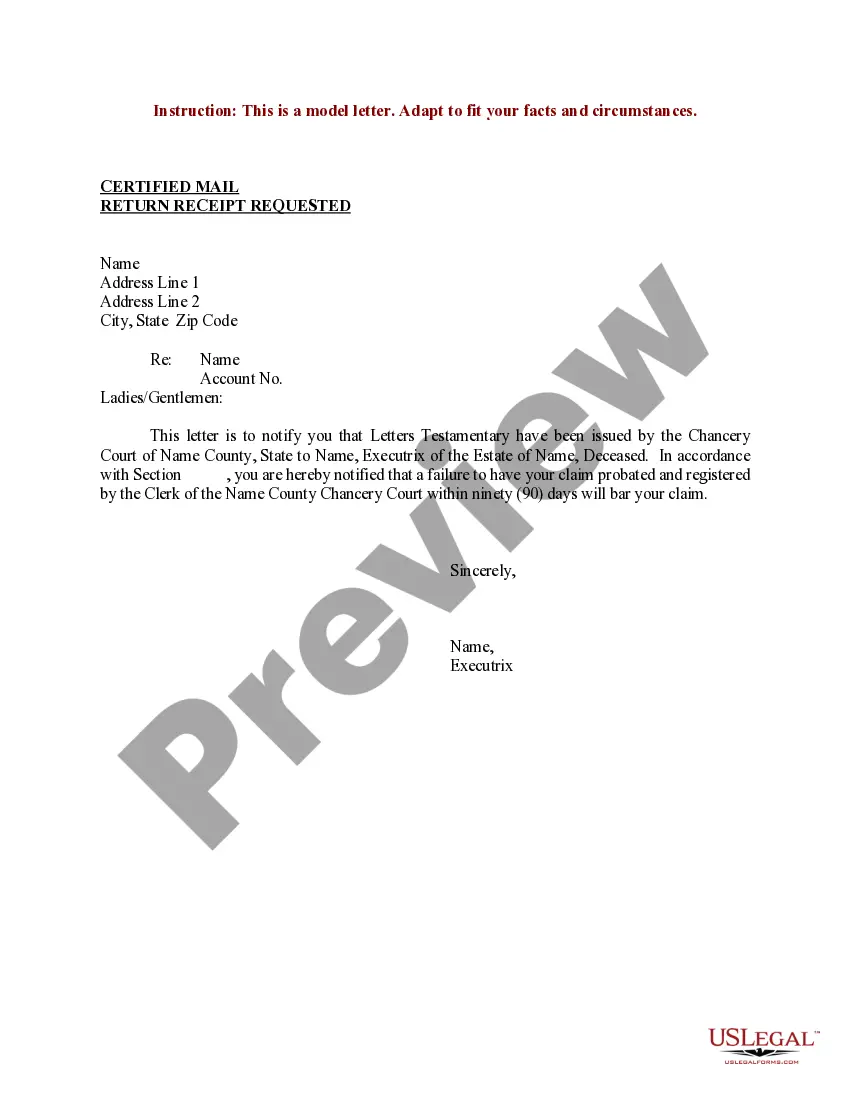
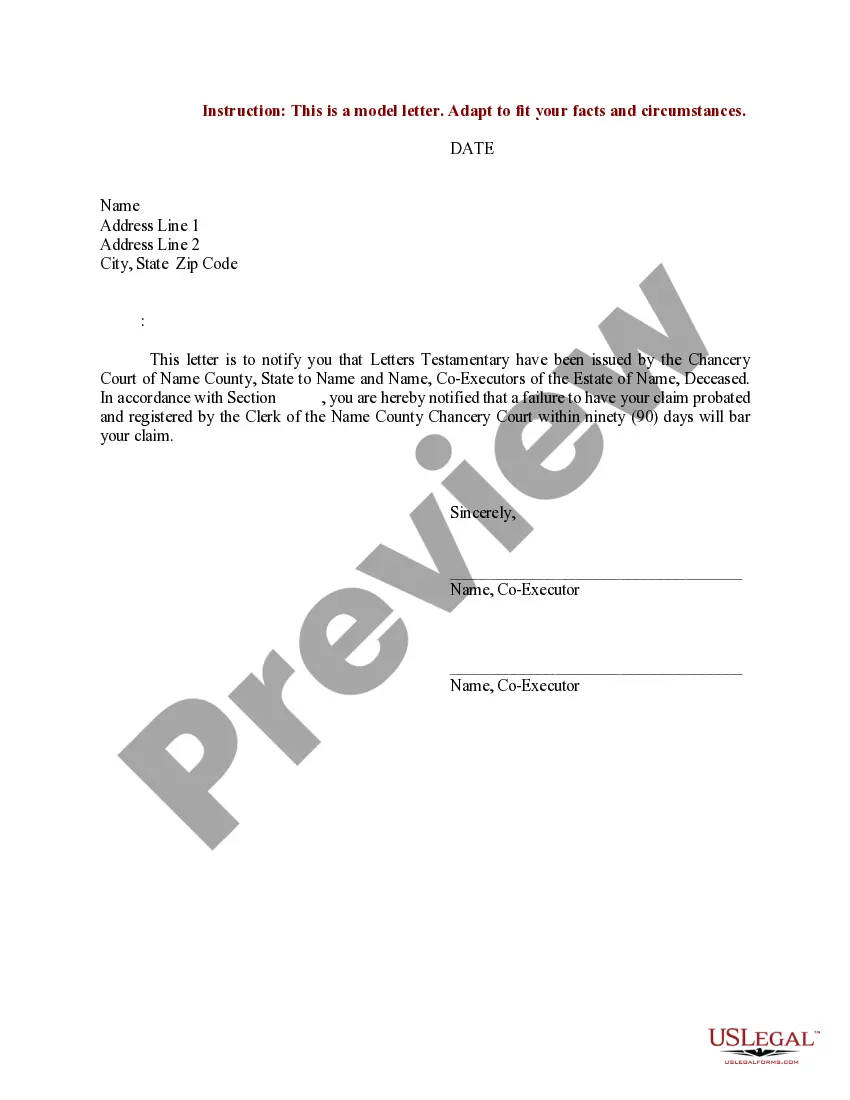
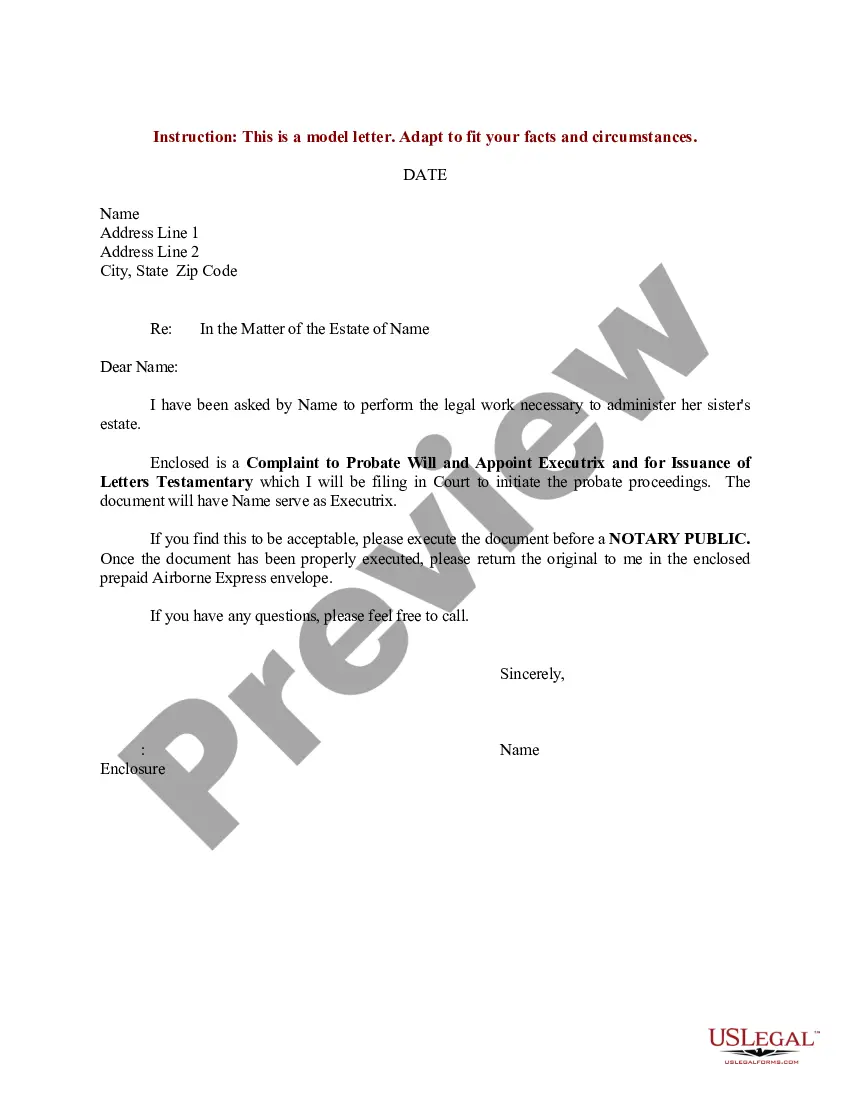
How to fill out Sample Letter For Sample Letters Testamentary?
There’s no longer a necessity to squander hours searching for legal documents to fulfill your local state stipulations.
US Legal Forms has gathered all of them in one location and simplified their accessibility.
Our website provides over 85,000 templates for any business and personal legal situations categorized by state and area of application.
Utilize the form description and preview options if available. Use the search bar above to look for another template if the current one doesn't suit your needs.
- All forms are expertly drafted and validated for authenticity, so you can feel confident in acquiring an updated Letter Of Testimony For Immigration.
- If you are acquainted with our service and already possess an account, ensure your subscription is active before retrieving any templates.
- Log In to your account, select the document, and click Download.
- You can also access all saved documentation at any moment needed by opening the My documents tab in your profile.
- If you haven't used our service previously, completing the process will require a few additional steps.
- Here’s how new users can obtain the Letter Of Testimony For Immigration from our repository.
- Examine the page content thoroughly to confirm it contains the sample you need.
Form popularity
FAQ
To write a formal letter to USCIS, begin with your contact information followed by the date and the agency's details. Use a clear and professional tone, stating your purpose upfront. Including a letter of testimony for immigration can enhance your formal letter by providing essential context that supports your application, ensuring that your request is taken seriously.
When writing an explanation letter to an immigration officer, focus on clarity and professionalism. Address the officer respectfully and explain your situation in a straightforward manner. Including a letter of testimony for immigration provides necessary context and demonstrates your willingness to cooperate, thereby helping to create a more favorable view of your case.
To write a letter of explanation, start with a clear and concise introduction stating the purpose of the letter. Follow by providing necessary details related to the topic, ensuring you include important context. Incorporating a letter of testimony for immigration into your explanation can significantly enhance your credibility and allow immigration officials to see the bigger picture of your circumstances.
Writing a letter of forgiveness for immigration requires sincerity and clarity. Begin by addressing your remorse for past actions and explain how you have changed. Including a letter of testimony for immigration can help convey your intentions and support your request for leniency in a compassionate way, making sure to highlight any positive contributions you can make moving forward.
A USCIS explanation letter serves to clarify any discrepancies or additional details in your application for immigration. This type of letter often aims to provide context for your situation, which can greatly assist in the decision-making process by immigration officials. Furthermore, crafting a well-structured letter of testimony for immigration can strengthen your case and demonstrate your commitment to transparency.
To write an immigration character letter, start by identifying your relationship with the individual and your understanding of their character. Include specific anecdotes that showcase their positive traits and contributions to the community. This personal touch will enhance the effectiveness of the letter of testimony for immigration and provide a compelling case for the individual's moral character.
When writing a letter of forgiveness for immigration, clearly present your request for forgiveness with empathy and understanding. Explain the actions that have led to the request and show commitment to making amends. This heartfelt approach will reinforce the credibility of your letter of testimony for immigration and can help persuade immigration officials.
To write a letter of forgiveness, start by addressing the individual respectfully and stating your intention clearly. Acknowledge the situation that led to the need for forgiveness, and express your feelings honestly. End on a positive note, reiterating hope for the future and the importance of moving forward together, complementing the essence of a letter of testimony for immigration.
When asking for forgiveness in an immigration context, it is crucial to express genuine remorse and understanding for past actions. Clearly articulate the circumstances surrounding the situation, and emphasize the steps taken for personal improvement. This sincerity will enhance a letter of testimony for immigration, strengthening the case for forgiveness.
Examples of good moral character can include acts of community service, consistent employment, and positive contributions to society. Individuals may also demonstrate good moral character by showing accountability for past actions and a commitment to personal growth. Incorporating these examples in a letter of testimony for immigration can help paint a clearer picture of the individual’s integrity.