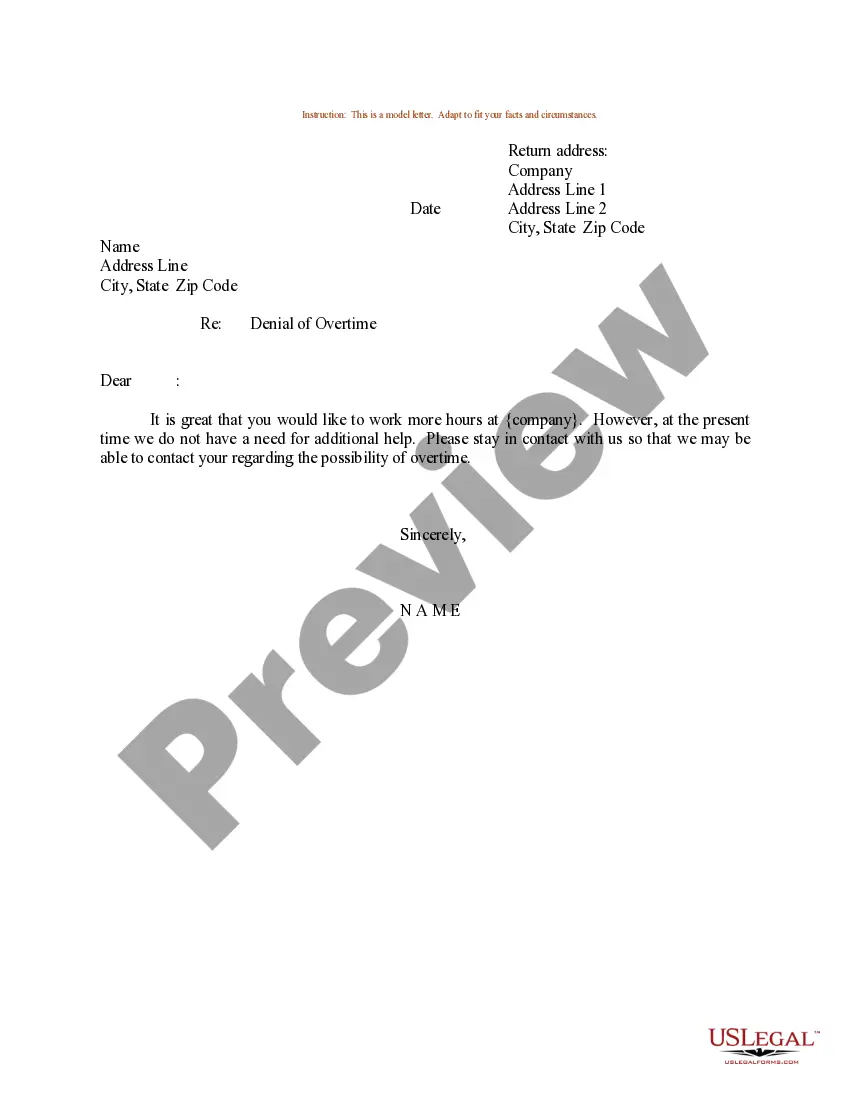
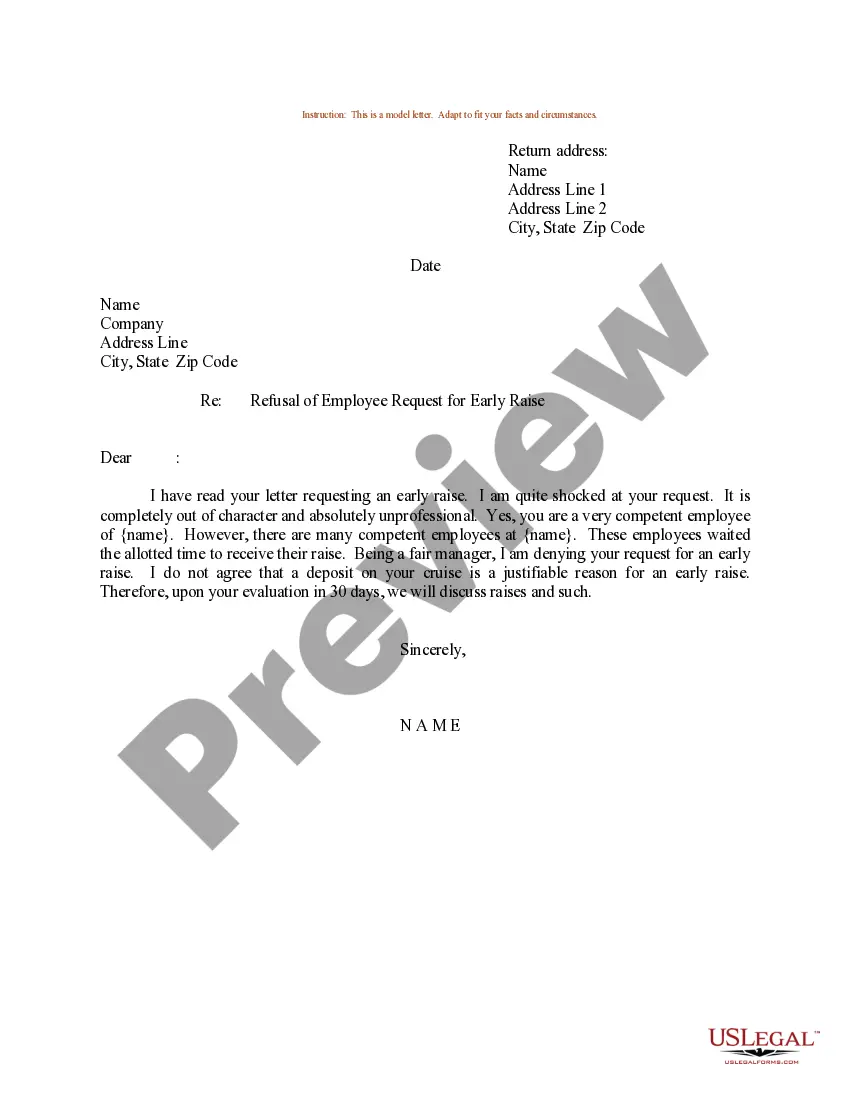
No Overtime Letter To Employees Format
Description
Get your form ready online
Our built-in tools help you complete, sign, share, and store your documents in one place.
Make edits, fill in missing information, and update formatting in US Legal Forms—just like you would in MS Word.
Download a copy, print it, send it by email, or mail it via USPS—whatever works best for your next step.
Sign and collect signatures with our SignNow integration. Send to multiple recipients, set reminders, and more. Go Premium to unlock E-Sign.
If this form requires notarization, complete it online through a secure video call—no need to meet a notary in person or wait for an appointment.
We protect your documents and personal data by following strict security and privacy standards.

Make edits, fill in missing information, and update formatting in US Legal Forms—just like you would in MS Word.

Download a copy, print it, send it by email, or mail it via USPS—whatever works best for your next step.

Sign and collect signatures with our SignNow integration. Send to multiple recipients, set reminders, and more. Go Premium to unlock E-Sign.

If this form requires notarization, complete it online through a secure video call—no need to meet a notary in person or wait for an appointment.

We protect your documents and personal data by following strict security and privacy standards.
Looking for another form?


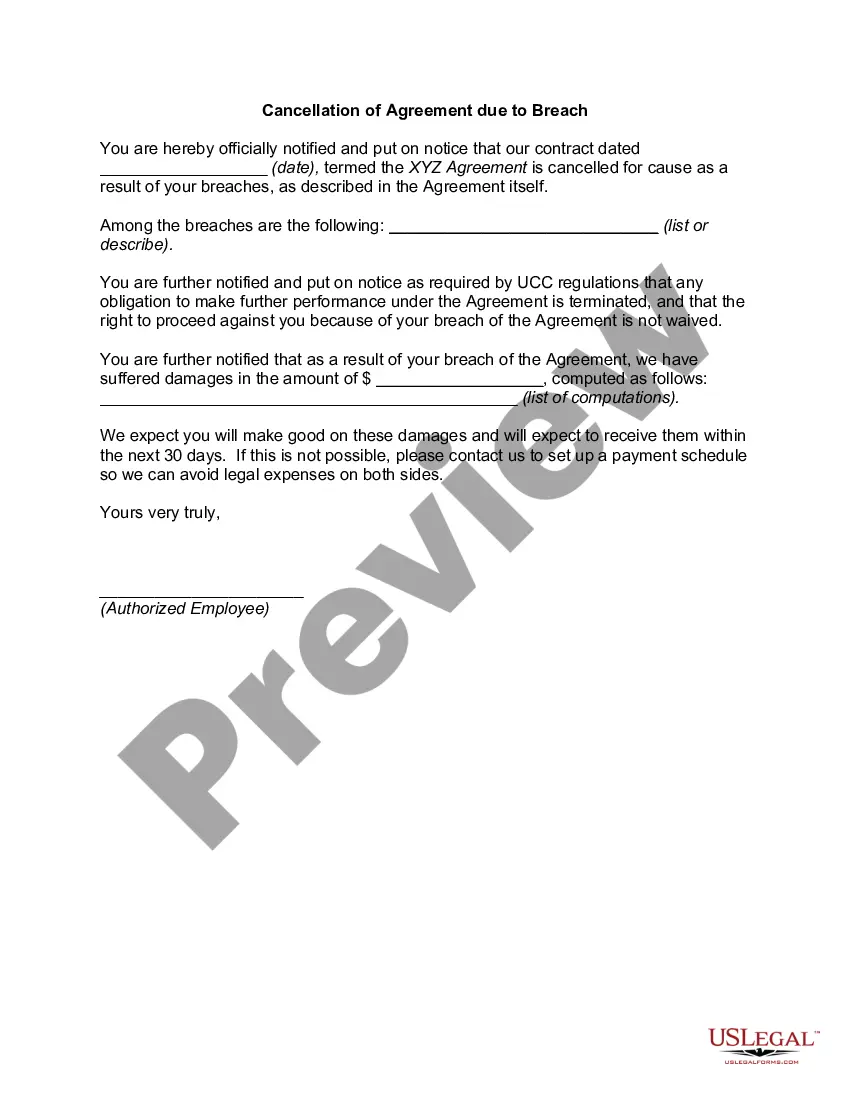


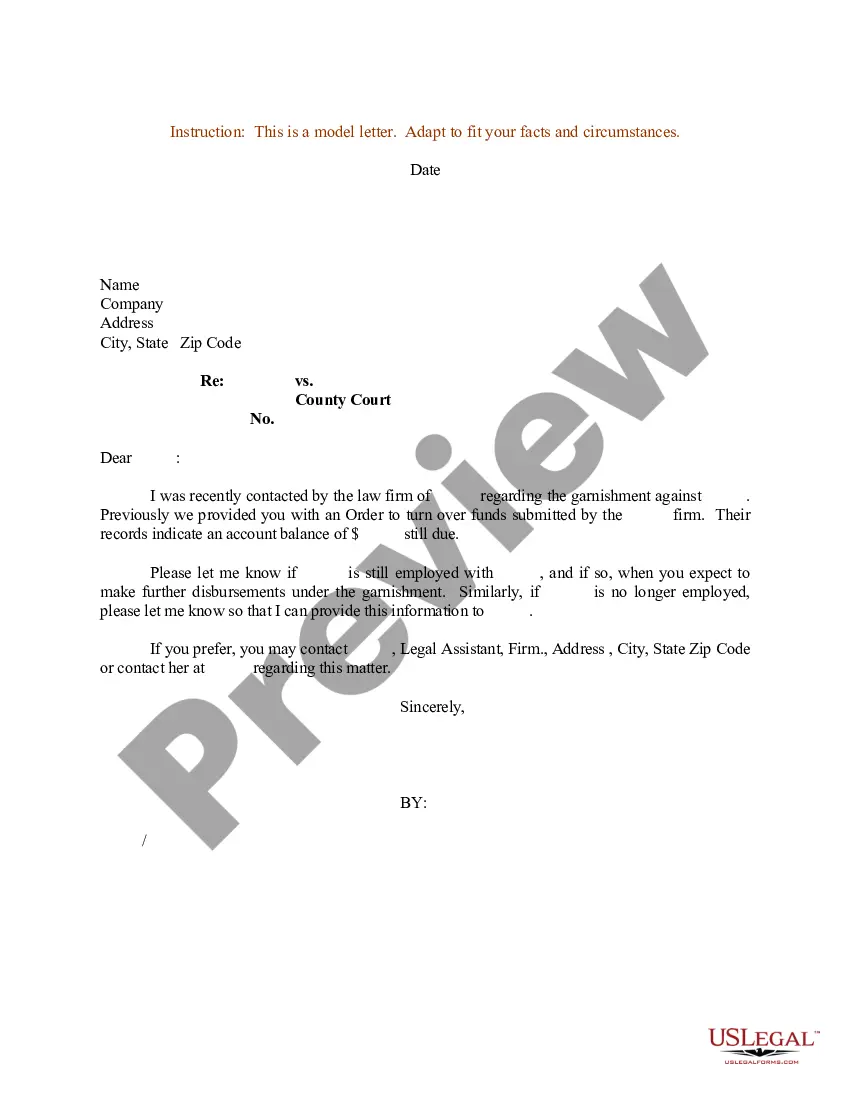
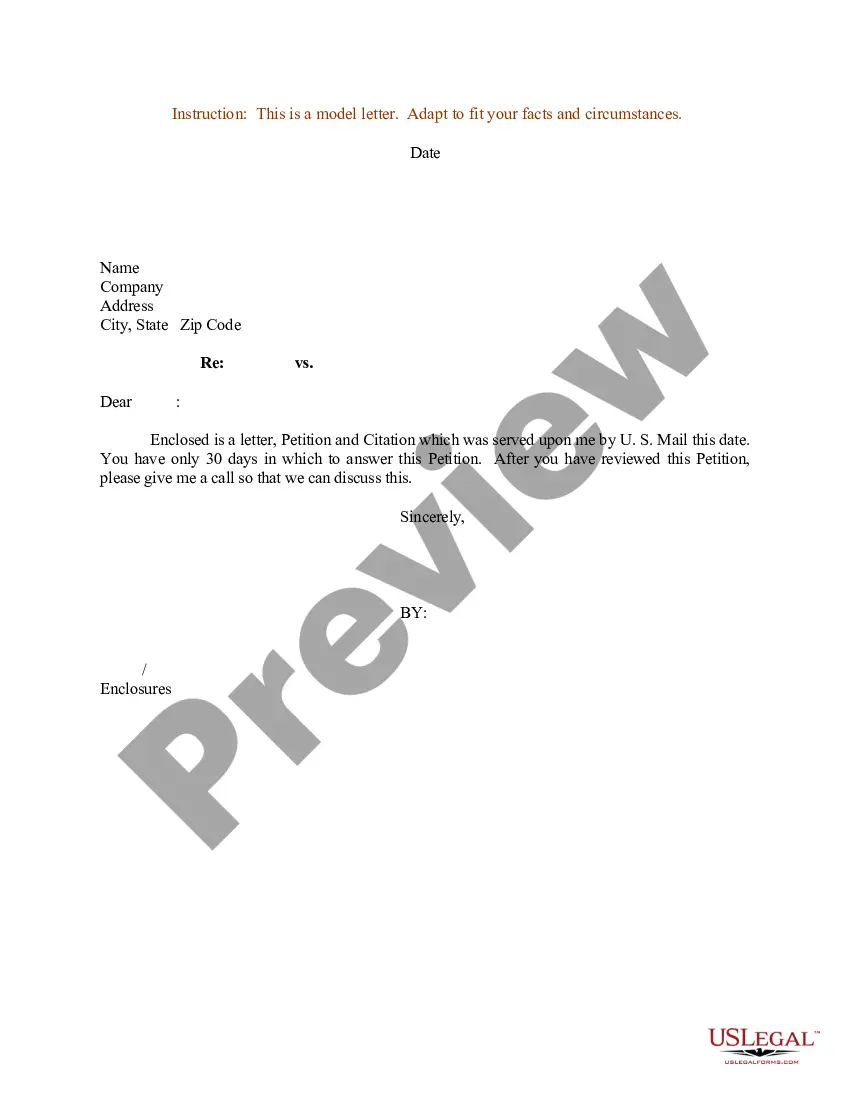
How to fill out Sample Letter For Denial Of Overtime?
Finding a reliable source to obtain the latest and pertinent legal templates is a significant part of navigating bureaucracy.
Selecting the appropriate legal documents requires precision and carefulness, which is why it is vital to obtain samples of No Overtime Letter To Employees Format solely from trustworthy providers, such as US Legal Forms.
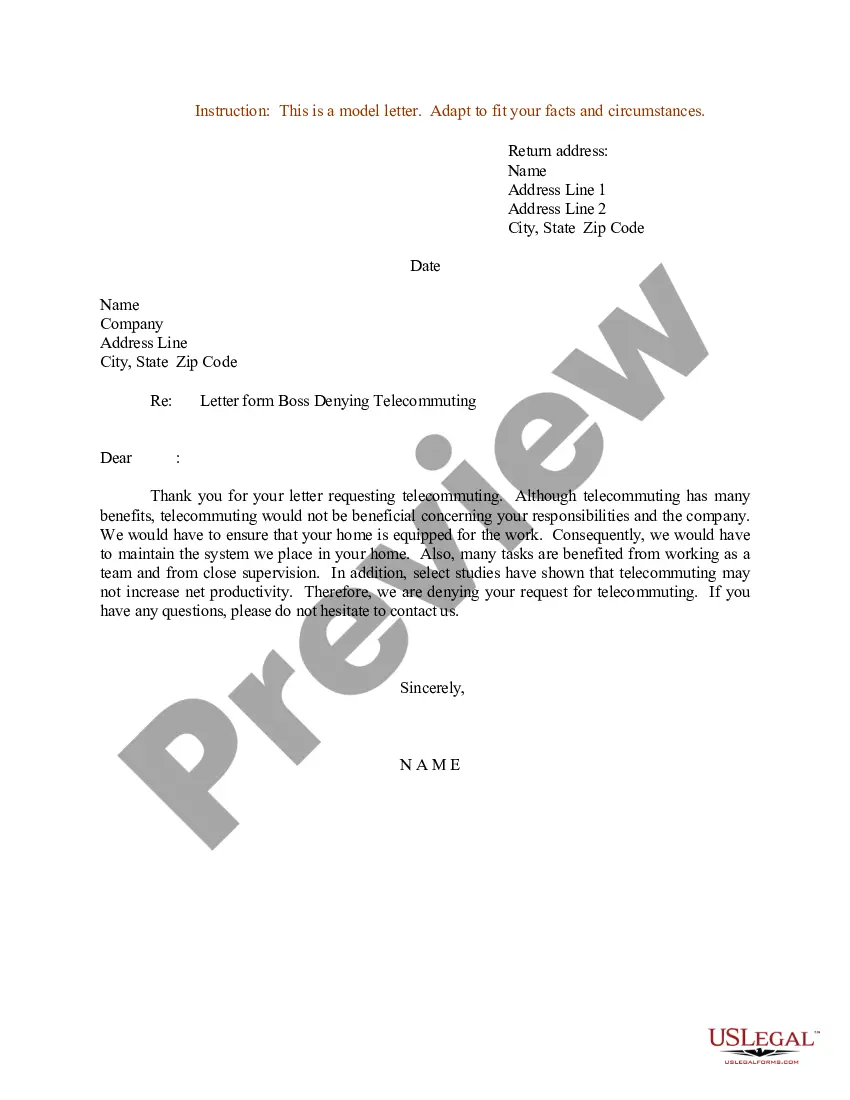
Once you have the document on your device, you can modify it with the editor or print and complete it manually. Say goodbye to the hassle that comes with legal paperwork. Discover the vast collection of US Legal Forms to locate legal samples, assess their relevance to your circumstances, and download them immediately.
- Utilize the catalog navigation or search bar to locate your template.
- Examine the document’s details to confirm it meets your state's and region's criteria.
- Review the form preview, if available, to ensure the template is what you seek.
- Return to the search to find the correct template if the No Overtime Letter To Employees Format does not meet your expectations.
- If you are confident about the form's relevance, proceed to download it.
- If you have an account, click Log in to verify and access your chosen templates in My documents.
- If you do not possess an account yet, click Buy now to acquire the template.
- Select the pricing option that fits your requirements.
- Continue with the registration to finalize your purchase.
- Complete your transaction by choosing a payment method (credit card or PayPal).
- Select the file format for downloading No Overtime Letter To Employees Format.
Form popularity
FAQ
To address unauthorized overtime, gather evidence, such as emails or timesheets, showing scheduled hours. Speak with your supervisor or HR to discuss the situation and clarify policies. Make sure to express your concerns constructively. For a formal complaint, you can utilize a no overtime letter to employees format to document your observations.
In most cases, employers should provide reasonable notice for mandatory overtime, often 24 to 72 hours ahead of the extra shift. However, this may vary based on company policies and labor laws. Familiarize yourself with your organization’s guidelines to understand your rights. If you feel notice is inadequate, consider drafting a no overtime letter to employees format to express your concerns.
Saying no to overtime involves being clear and respectful in your communication. State your reasons directly but politely, and reinforce your commitment to maintaining your regular work hours. If necessary, utilize a no overtime letter to employees format for a formal approach, ensuring your message is documented.
Addressing excessive overtime starts with discussing your workload with your supervisor. Be open about how overtime impacts your performance and well-being. Present data regarding your working hours and their effects on productivity. You might consider providing a no overtime letter to employees format to officially express your concerns.
To decline mandatory overtime politely, communicate directly with your manager. Express your concerns clearly and mention any personal commitments or reasons for your inability to work extra hours. You can also suggest alternative solutions, such as flexible scheduling. Using a no overtime letter to employees format can help formalize your request.
To inform your boss that you cannot work overtime, consider writing a clear and polite note or email. Use a no overtime letter to employees format to convey your message professionally. Include your reasons, if appropriate, and express your commitment to fulfilling your regular responsibilities. Open communication can foster understanding and make it easier for your employer to accommodate your needs.
Yes, an employer can decline overtime requests, provided they comply with federal and state labor laws. Employers must clearly communicate their policies regarding overtime to employees, which includes using a no overtime letter to employees format when necessary. This ensures transparency and sets expectations for workload. Ultimately, it's important for employers to maintain a fair work environment while adhering to legal requirements.
While it's generally not legal for an employer to fire you solely for refusing overtime, the specifics can vary based on your employment status and company policies. It's essential to understand your rights and the terms outlined in your contract. If necessary, you might consider sending a well-articulated no overtime letter to employees format to document your stance. This approach can help protect your interests and clarify your position.
Yes, you can refuse overtime, but it often depends on your company's policies and your employment contract. Make sure to review any guidelines related to overtime requests. If you feel comfortable, you can express your preferences in a no overtime letter to employees format to address your concerns formally. Clear communication can foster a better understanding of your work-life balance.
To notify payroll about missing overtime, you should start your email by clearly stating that you are reaching out regarding unpaid overtime. Include specific details such as the dates of the missed overtime and the hours you worked. You can also attach any relevant documents, like time sheets, to support your request. Utilizing a clear structure in your email can help expedite the resolution process.