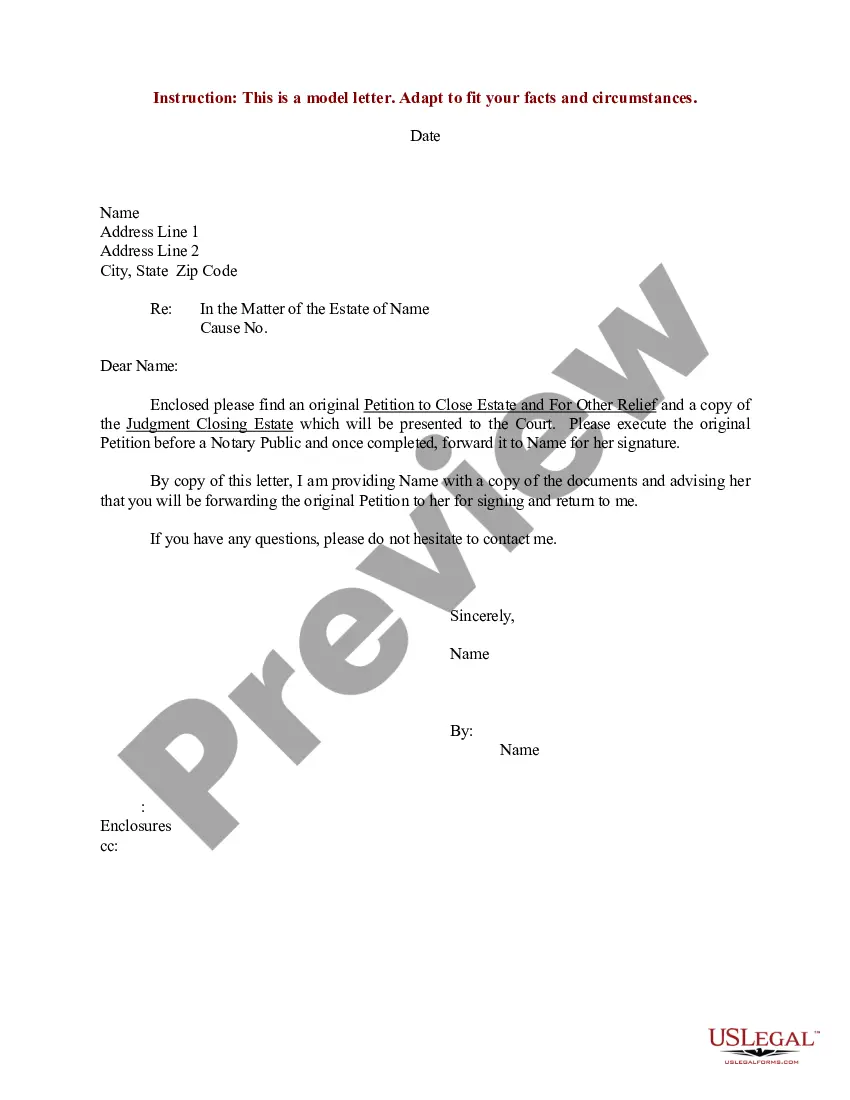
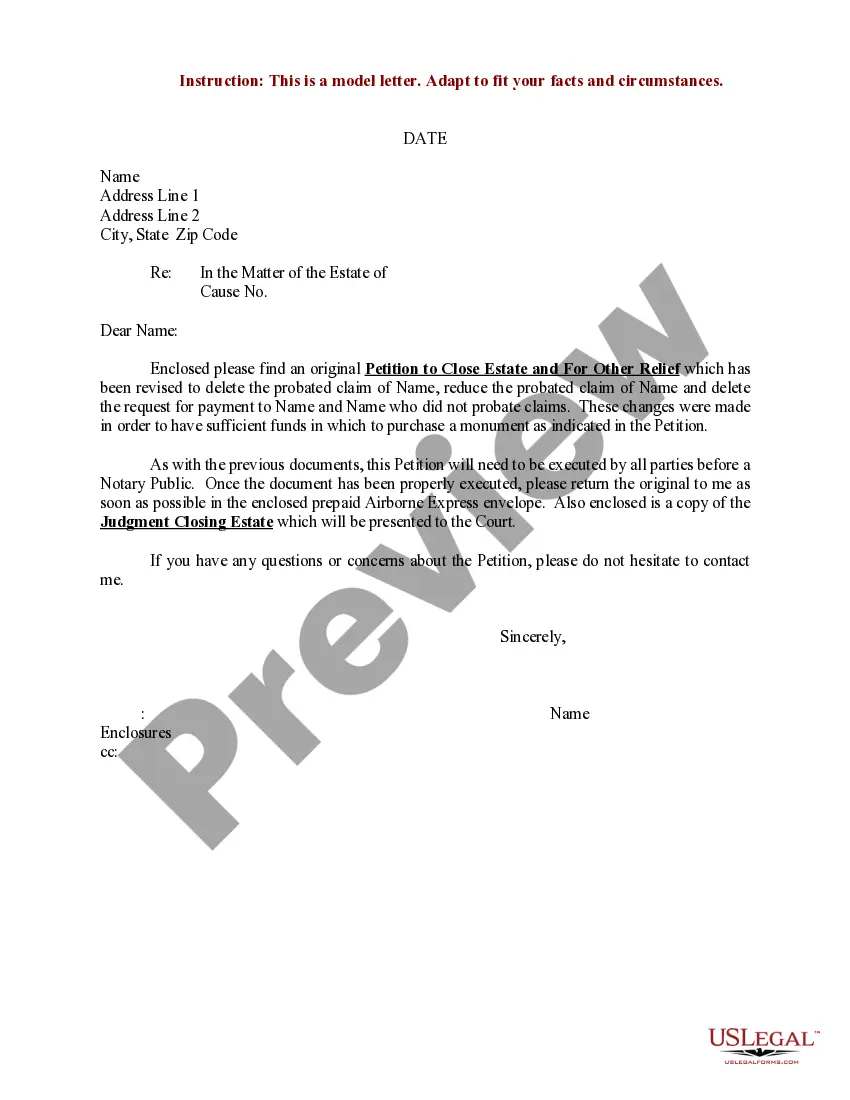
Petition For Relief Of Judgment
Description
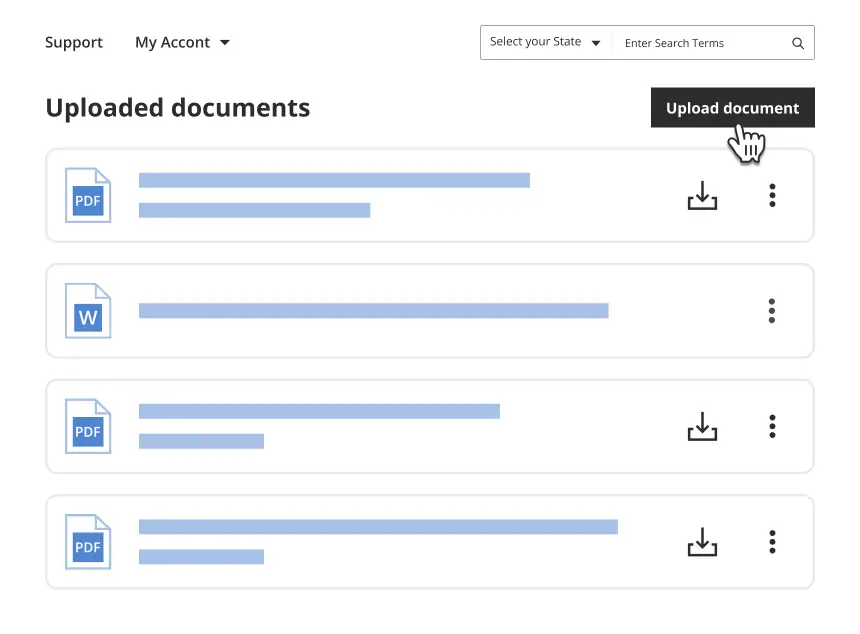
Get your form ready online
Our built-in tools help you complete, sign, share, and store your documents in one place.
Make edits, fill in missing information, and update formatting in US Legal Forms—just like you would in MS Word.
Download a copy, print it, send it by email, or mail it via USPS—whatever works best for your next step.
Sign and collect signatures with our SignNow integration. Send to multiple recipients, set reminders, and more. Go Premium to unlock E-Sign.
If this form requires notarization, complete it online through a secure video call—no need to meet a notary in person or wait for an appointment.
We protect your documents and personal data by following strict security and privacy standards.
Make edits, fill in missing information, and update formatting in US Legal Forms—just like you would in MS Word.
Download a copy, print it, send it by email, or mail it via USPS—whatever works best for your next step.
Sign and collect signatures with our SignNow integration. Send to multiple recipients, set reminders, and more. Go Premium to unlock E-Sign.

If this form requires notarization, complete it online through a secure video call—no need to meet a notary in person or wait for an appointment.
We protect your documents and personal data by following strict security and privacy standards.
Looking for another form?
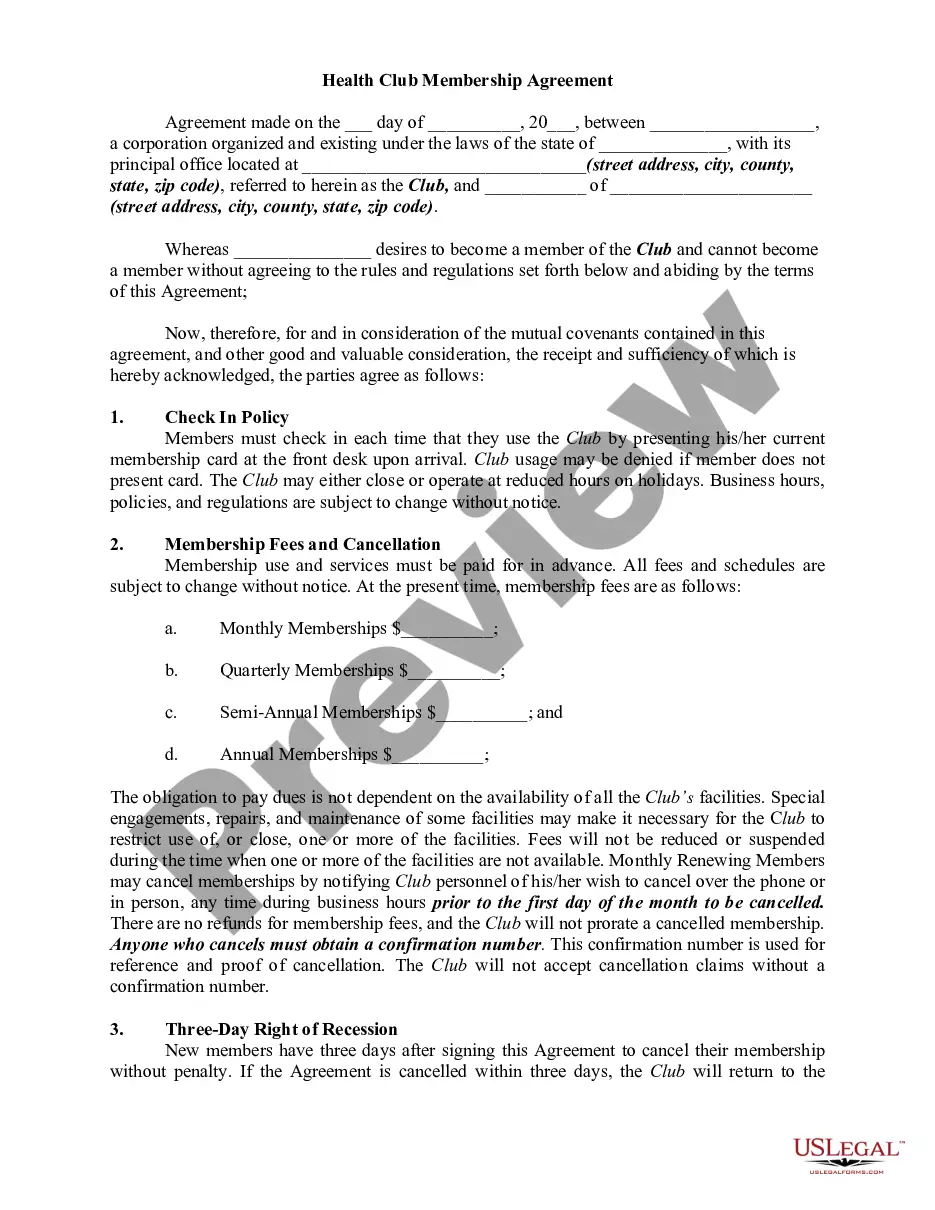
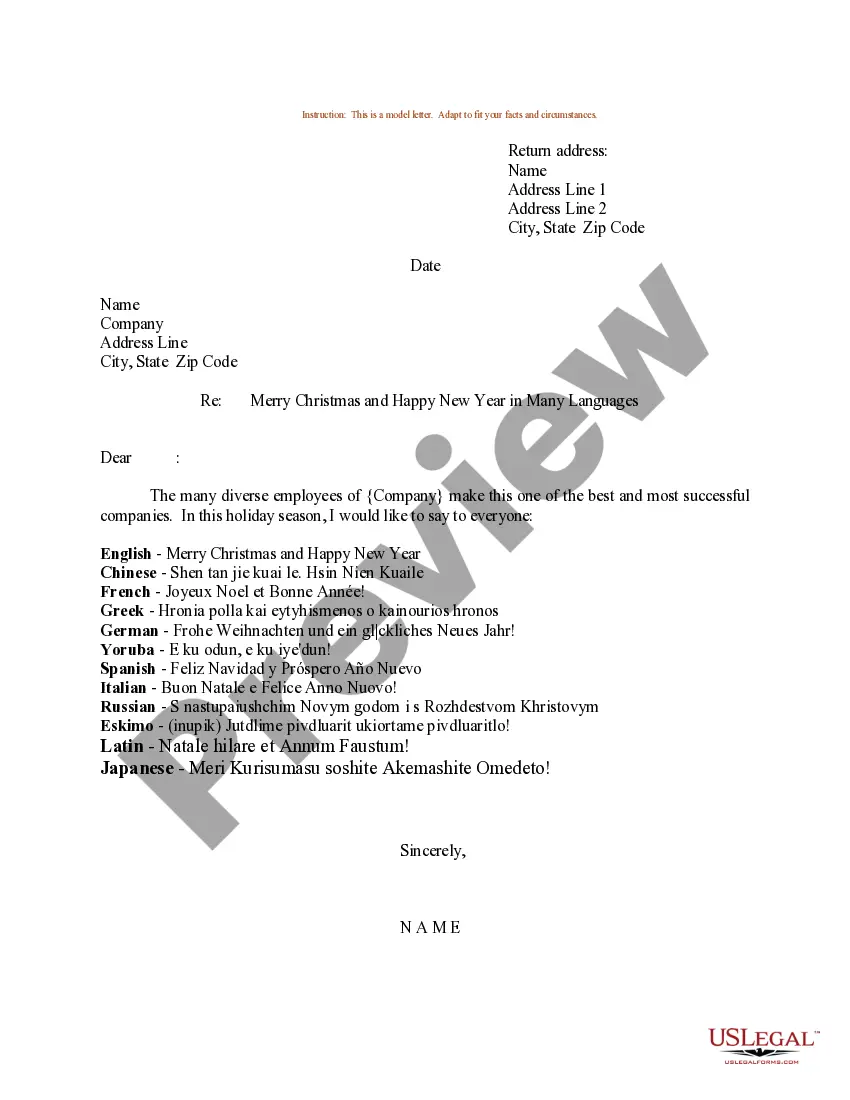
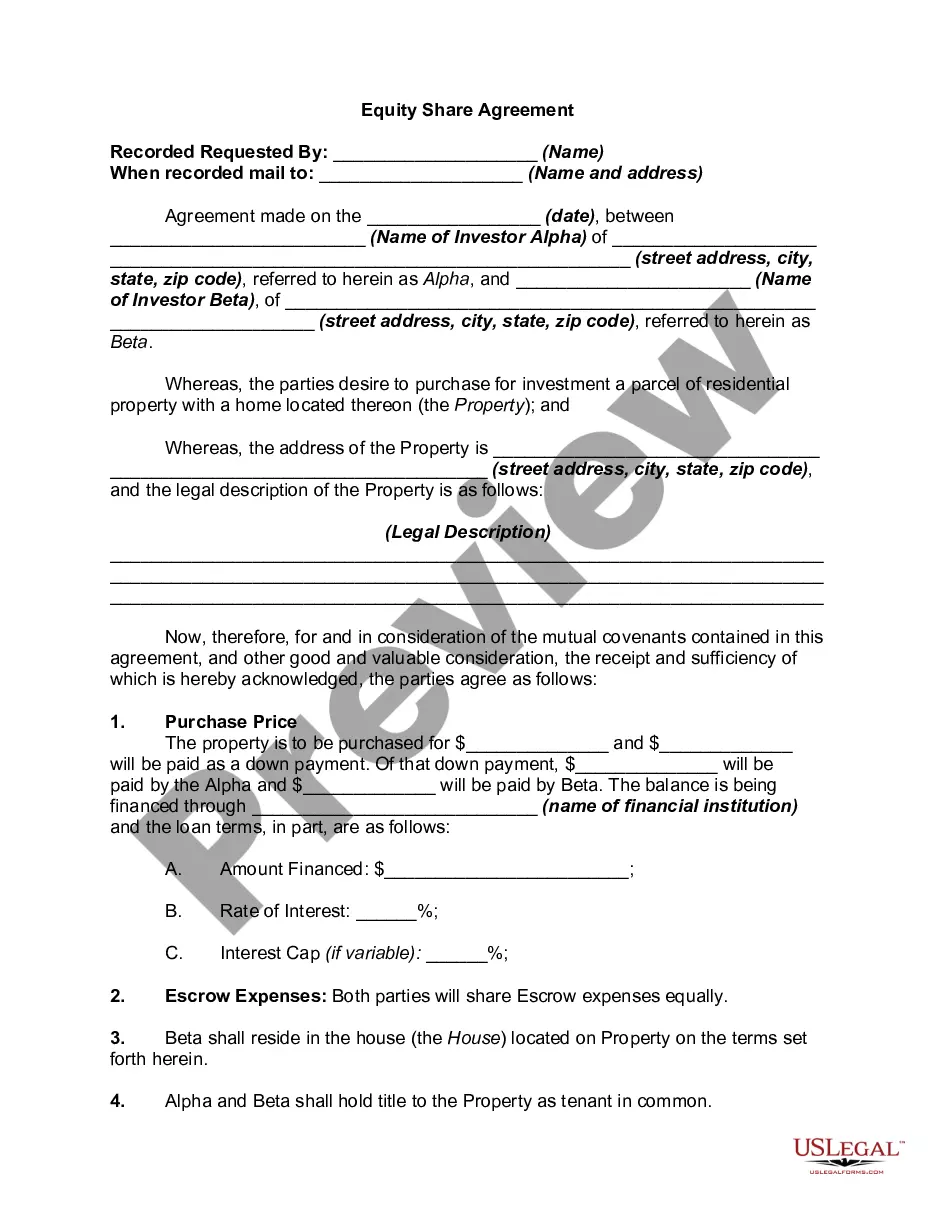
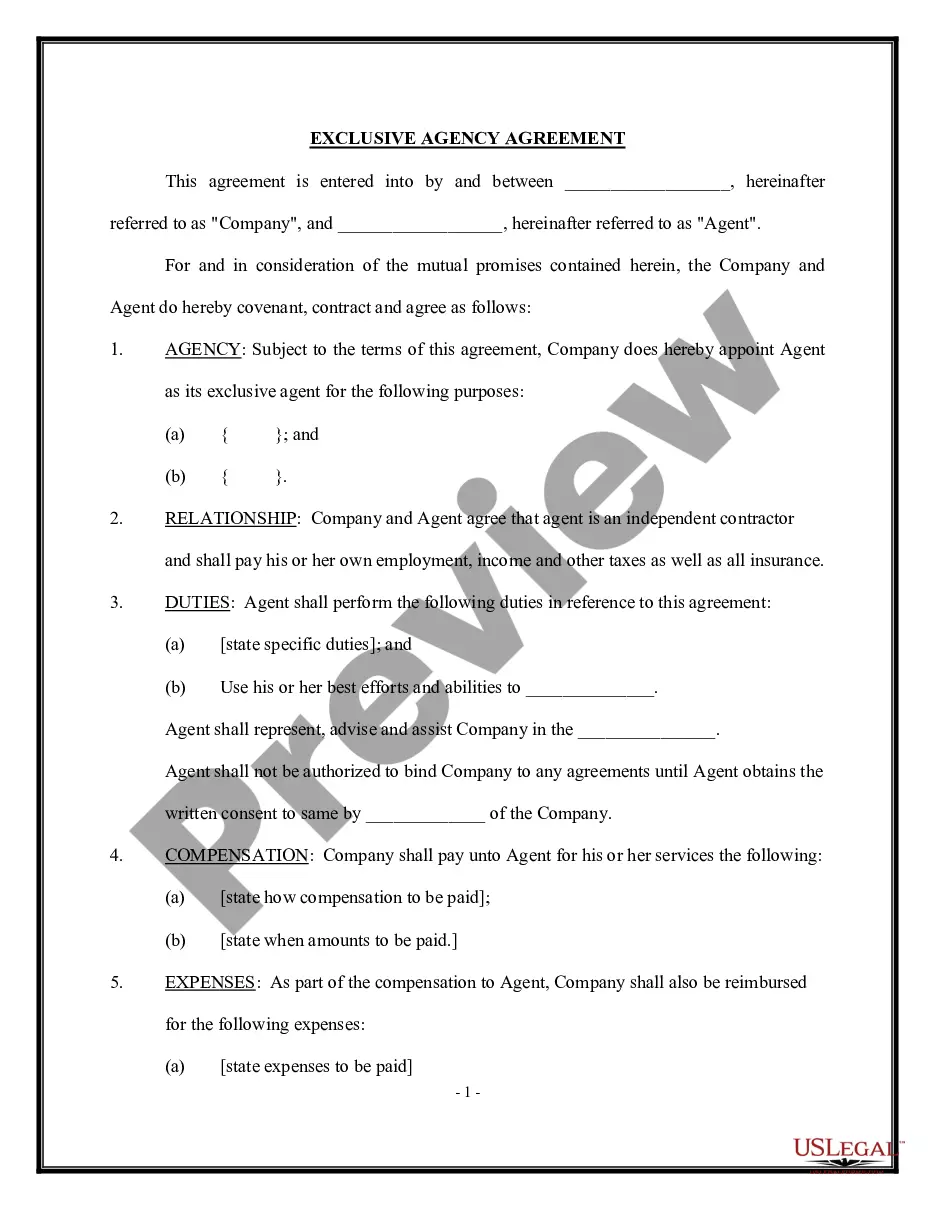
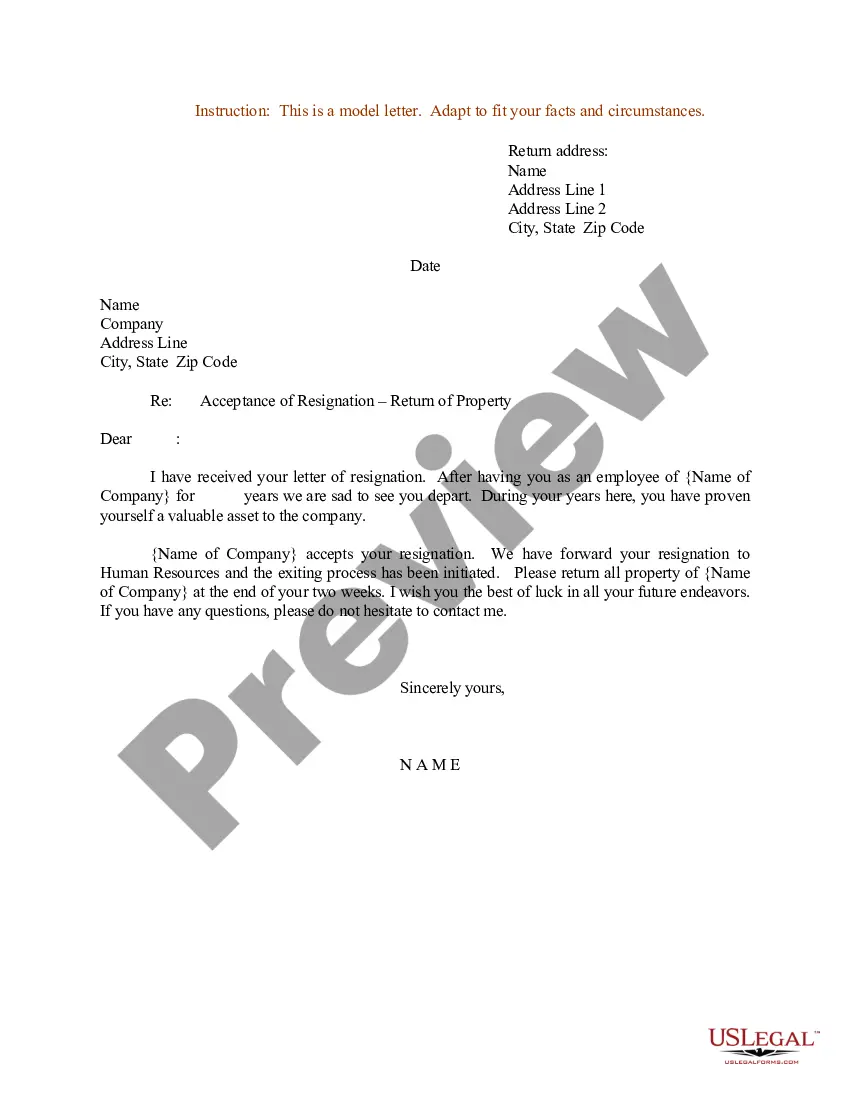
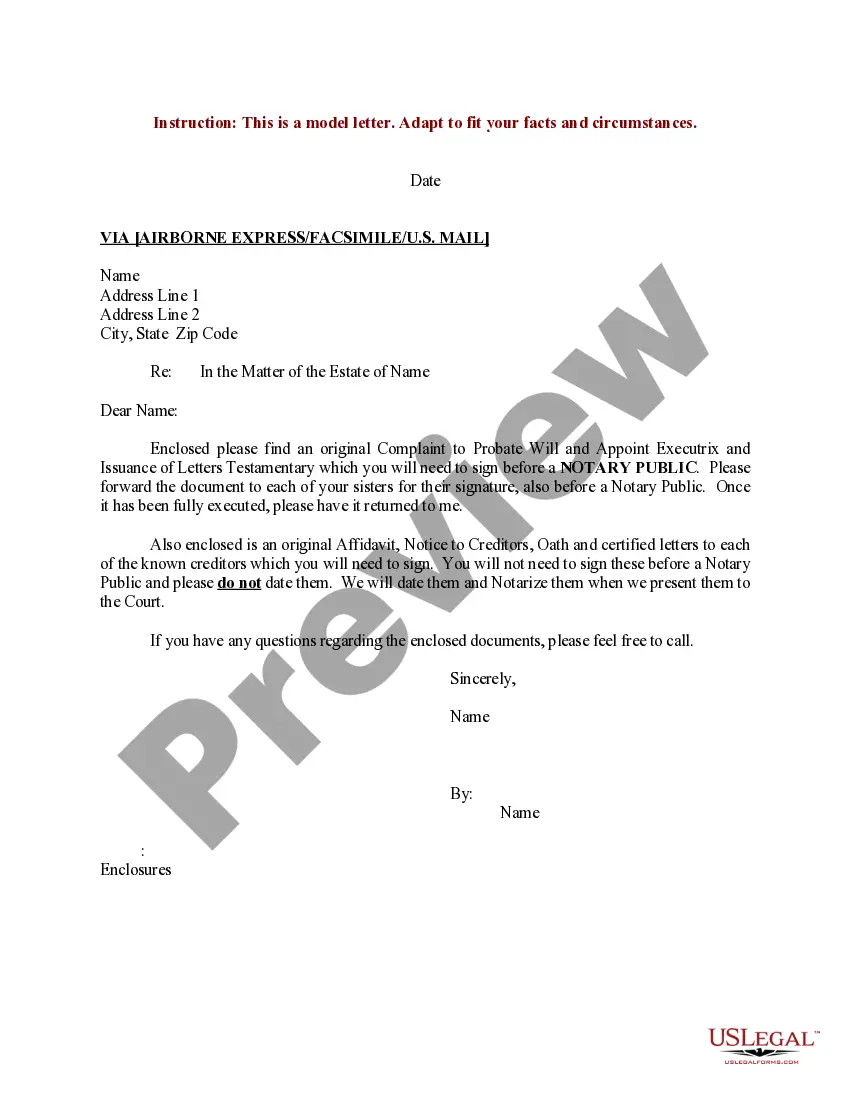
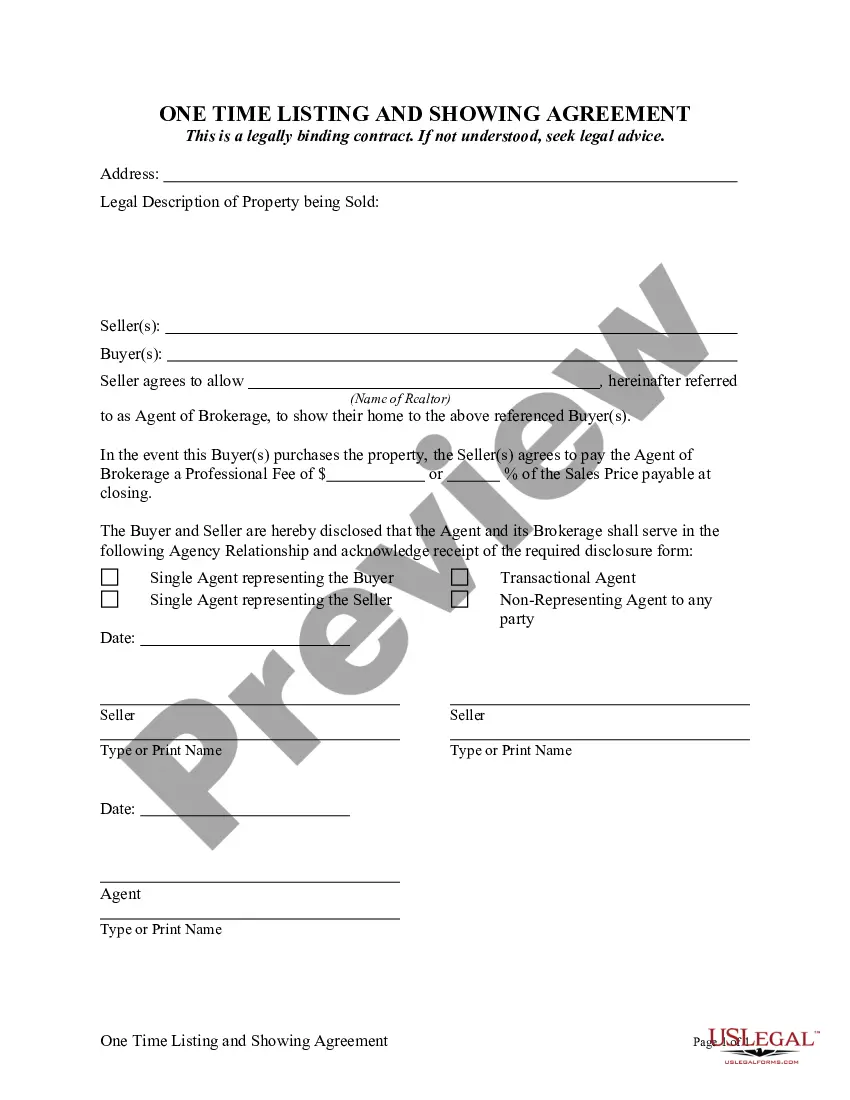
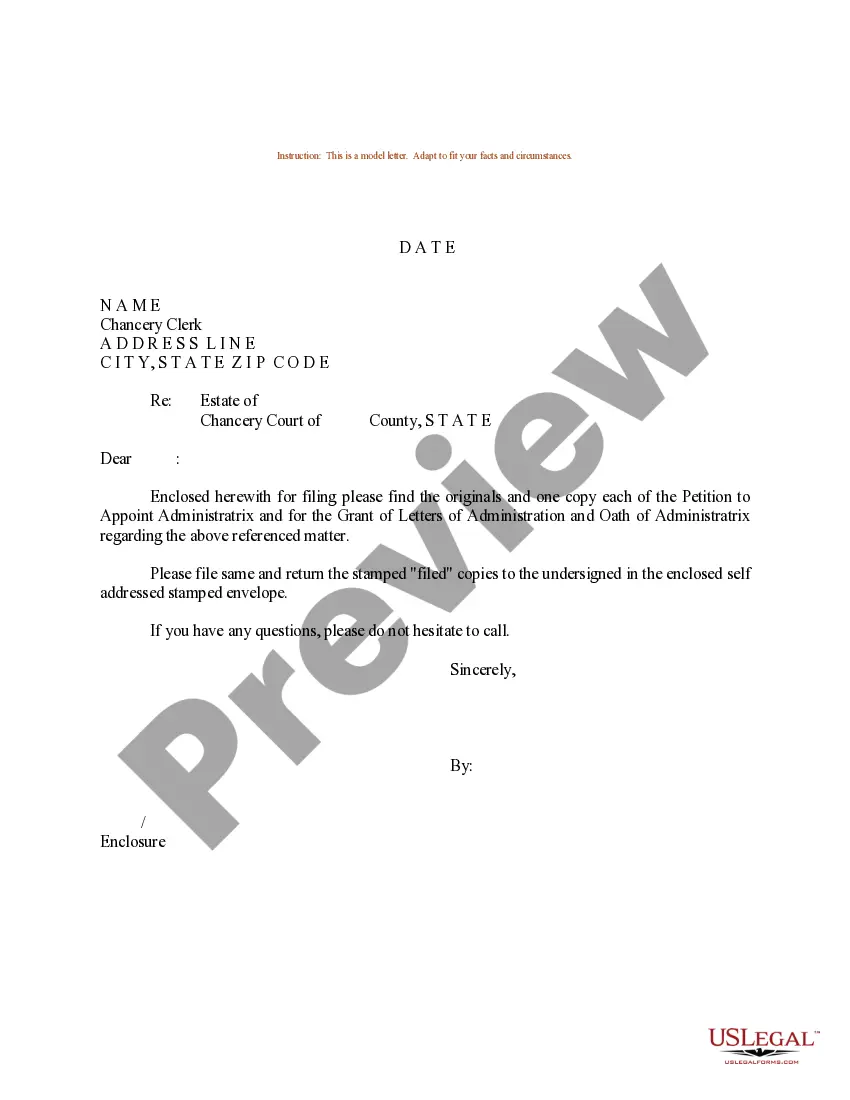
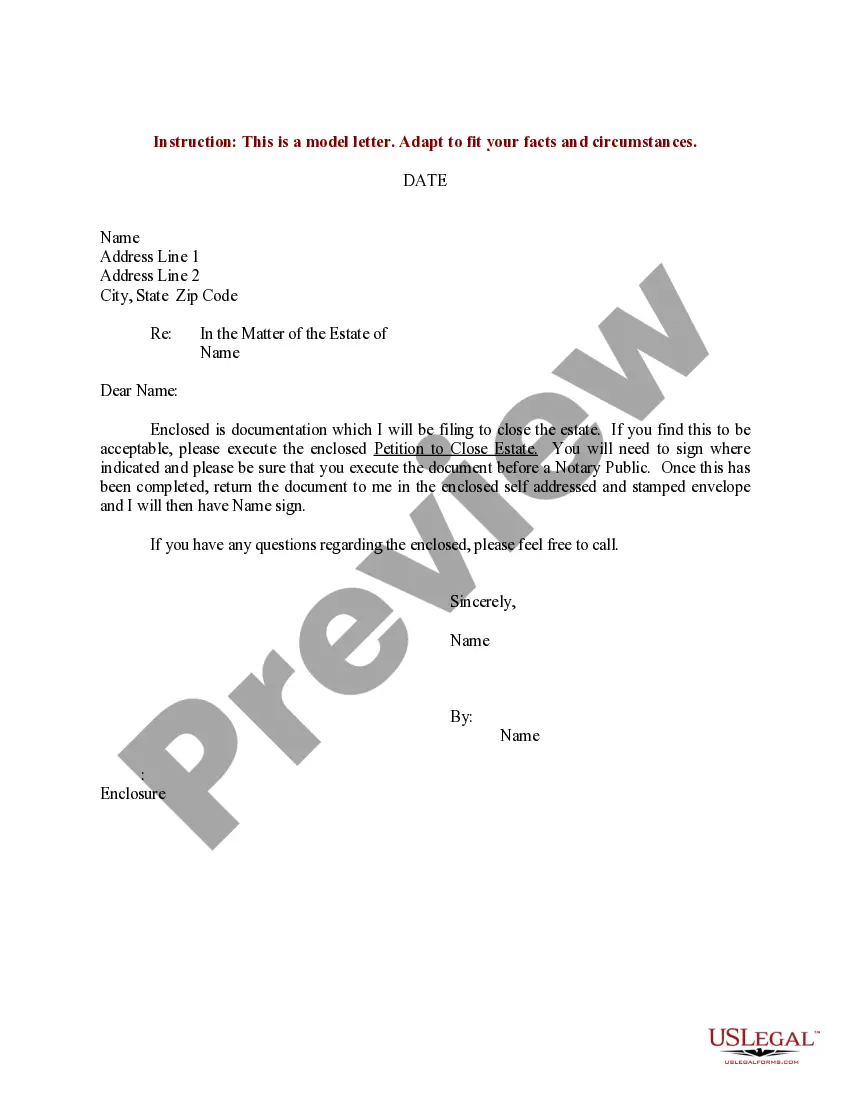
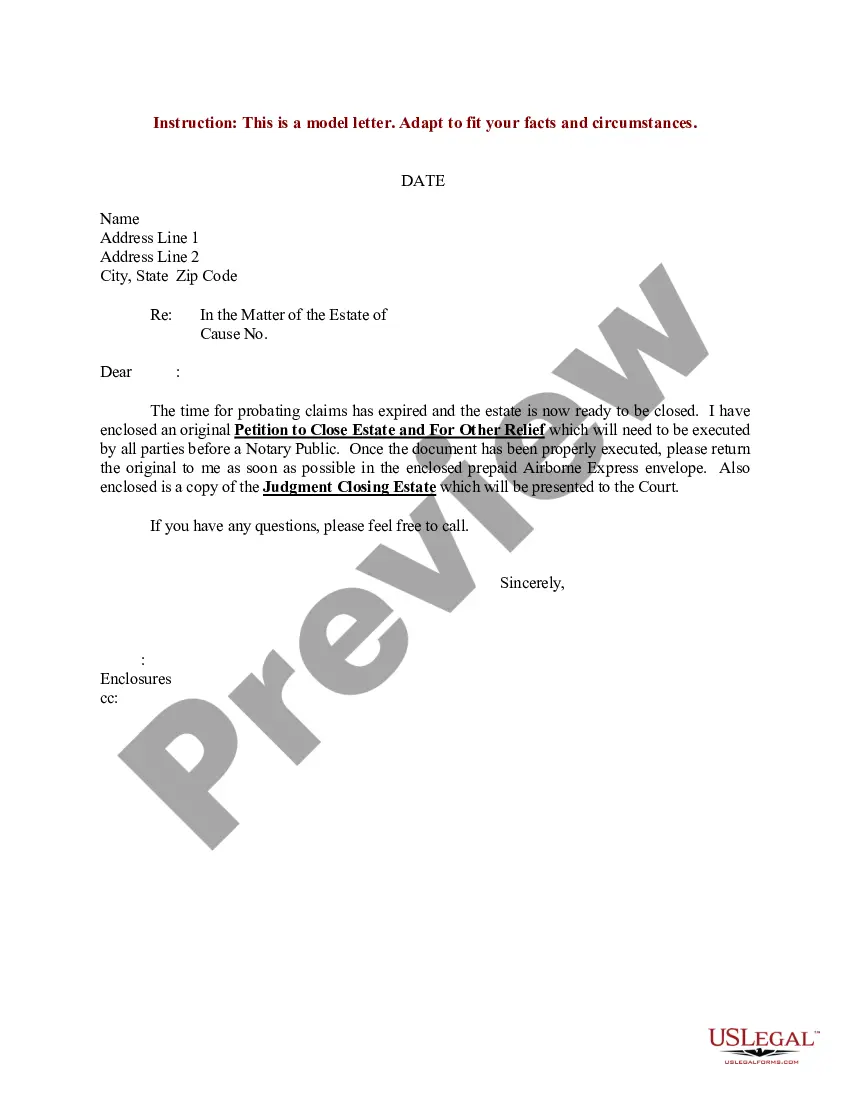
How to fill out Sample Letter For Execution Of Petition To Close Estate And For Other Relief?
Utilizing legal forms that comply with federal and municipal regulations is essential, and the web provides numerous options to choose from.
But what’s the purpose of spending time searching for the appropriate Petition For Relief Of Judgment example online when the US Legal Forms digital library already has such documents gathered in one location.
US Legal Forms is the largest online legal repository boasting over 85,000 editable templates crafted by attorneys for various business and personal matters.
If you are unfamiliar with our site, follow these steps: Analyze the template using the Preview option or through the text description to confirm it meets your needs. Search for an alternative template using the tool at the top of the page if necessary. Click Buy Now when you’ve found the right form and select a subscription plan. Create an account or Log In and make a payment with PayPal or a credit card. Select the appropriate format for your Petition For Relief Of Judgment and download it. All documents you find through US Legal Forms are reusable. To re-download and fill out previously purchased forms, visit the My documents section in your account. Enjoy the most comprehensive and user-friendly legal document service!
- They are easy to navigate with all documents categorized by state and intended use.
- Our experts keep abreast of legal updates, ensuring that your forms are current and conforming when acquiring a Petition For Relief Of Judgment from our platform.
- Obtaining a Petition For Relief Of Judgment is quick and straightforward for both existing and new users.
- If you already possess an account with an active subscription, sign in and download the document sample you need in your chosen format.
Form popularity
FAQ
When filing a petition for relief of judgment, there are several important steps to follow. Start by drafting a clear and concise petition outlining your reasons for seeking relief. After that, file your petition with the appropriate court, serving copies to all involved parties. Finally, be prepared for a hearing where you may need to present your case. Utilizing platforms like US Legal Forms can significantly streamline these steps, providing templates and resources that simplify the process.
Filling a petition form for relief of judgment involves several key steps. First, gather all relevant information, including details about the original judgment and your reasons for seeking relief. Next, access a reliable online resource, such as US Legal Forms, where you can find a well-structured template. This can simplify the process, ensuring you have all the necessary components to present your case clearly and effectively.
Asking for relief in court means seeking a legal remedy for a specific issue that impacts your rights or interests. When you file a petition for relief of judgment, you are formally requesting the court to grant specific actions or decisions that address your concerns. This legal request can significantly affect the outcome of your case, leading to a more favorable situation.
A petition to revive judgment is a request made to the court to bring a previously dormant judgment back to active status. This action typically occurs when a judgment has not been enforced within a specified timeframe. Filing a petition for relief of judgment in this context allows individuals to ensure they can still pursue what they're owed or enforce a prior ruling.
In a court case, relief generally refers to the outcomes a party seeks to achieve through legal proceedings. When individuals file a petition for relief, they are asking the court for a remedy that addresses their specific grievances, whether it's overturning a judgment or modifying the terms of an enforcement action. The ultimate goal is to restore fairness and justice to the situation.
Relief from judgment is a term that describes the court's ability to grant a party a second chance to challenge a judgment. By filing a petition for relief from judgment, individuals aim to rectify a situation where they believe their legal rights were compromised. This could lead to the correction of errors or a complete reevaluation of the case.
Relief from judgment refers to the legal process of asking the court to overturn or modify a judgment it previously issued. This can occur for various reasons, such as new evidence emerging or proving that the original judgment was unfair. Filing a petition for relief from judgment helps individuals reclaim their rights and seek justice in their case.
If your petition for relief from judgment is denied, you may have the option to appeal the decision. This process involves asking a higher court to review the ruling and determine if the original decision was made correctly. It's essential to consult with a legal professional who can guide you through the appeal process and help you understand your options.
A motion for relief from judgment is a formal request to the court seeking to overturn or modify an existing judgment. This motion may be based on various grounds, including new evidence, fraud, or clerical mistakes. Initiating such a motion is a critical step when pursuing a petition for relief of judgment to address and rectify errors in the original ruling.
Common grounds for reconsideration often include the discovery of new evidence that was not previously available or errors made in the court’s findings. Additionally, if the court overlooked a crucial fact, this could be grounds for your petition for relief of judgment. Reconsideration allows the court to assess whether the decision made was just and fair.