Drug Policy Form Sample With Hair
Description
Get your form ready online
Our built-in tools help you complete, sign, share, and store your documents in one place.
Make edits, fill in missing information, and update formatting in US Legal Forms—just like you would in MS Word.
Download a copy, print it, send it by email, or mail it via USPS—whatever works best for your next step.
Sign and collect signatures with our SignNow integration. Send to multiple recipients, set reminders, and more. Go Premium to unlock E-Sign.
If this form requires notarization, complete it online through a secure video call—no need to meet a notary in person or wait for an appointment.
We protect your documents and personal data by following strict security and privacy standards.

Make edits, fill in missing information, and update formatting in US Legal Forms—just like you would in MS Word.

Download a copy, print it, send it by email, or mail it via USPS—whatever works best for your next step.

Sign and collect signatures with our SignNow integration. Send to multiple recipients, set reminders, and more. Go Premium to unlock E-Sign.

If this form requires notarization, complete it online through a secure video call—no need to meet a notary in person or wait for an appointment.

We protect your documents and personal data by following strict security and privacy standards.
Looking for another form?


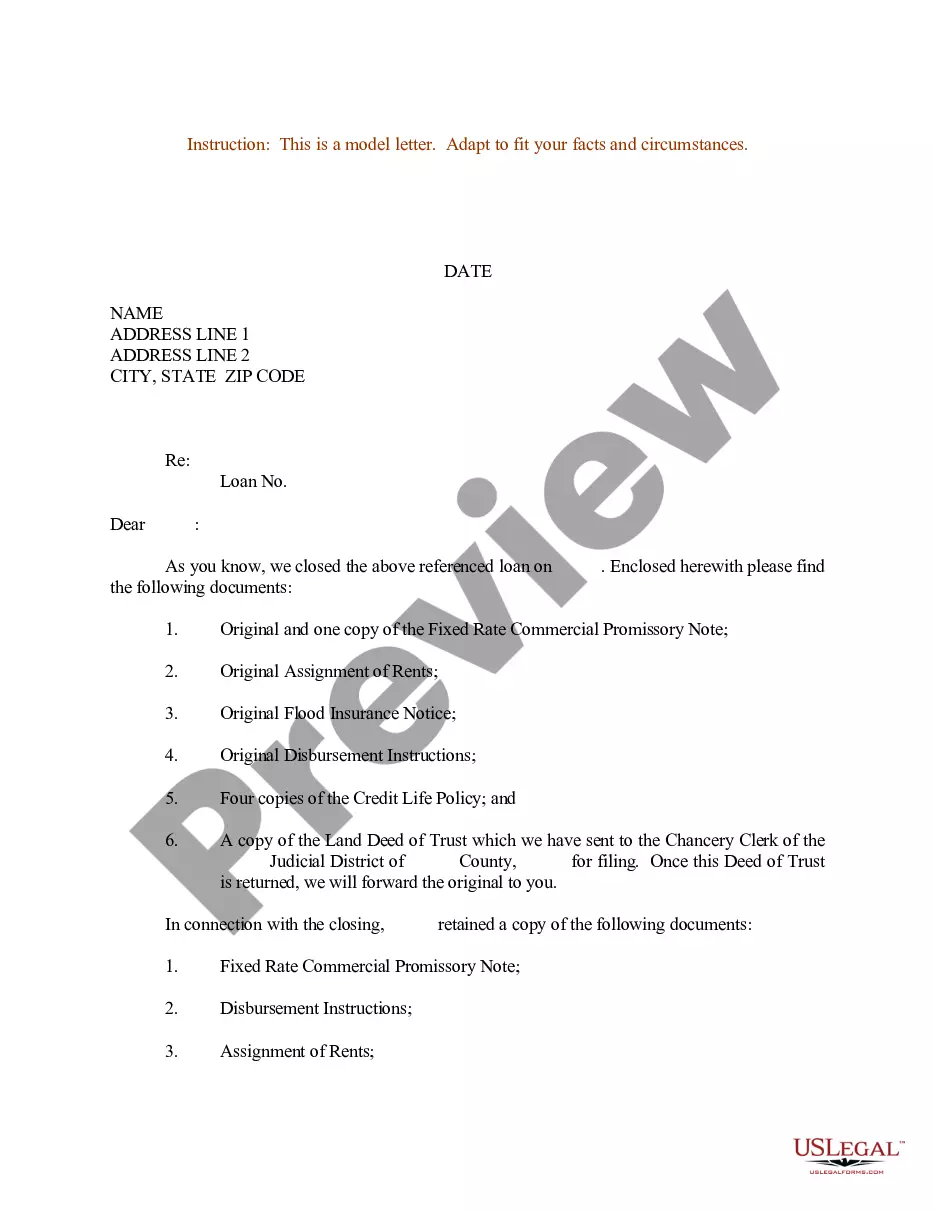



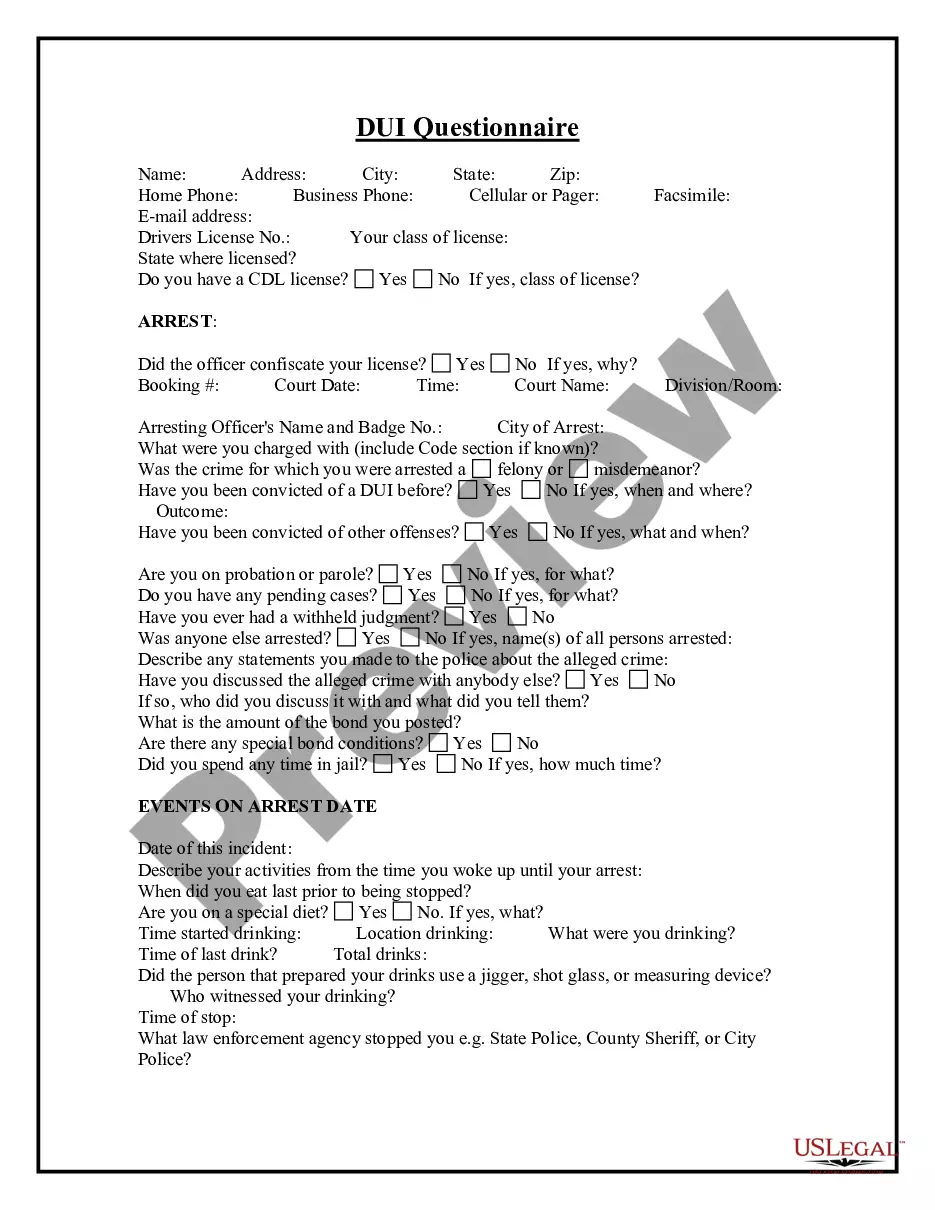


How to fill out Alcohol And Drug Free Workplace Policy?
Utilizing legal document samples that adhere to federal and local laws is essential, and the web provides numerous options to select from.
However, what's the benefit of spending time searching for the accurately prepared Drug Policy Form Sample With Hair online when the US Legal Forms online repository already compiles such templates in one location.
US Legal Forms is the largest online legal repository featuring over 85,000 customizable templates created by lawyers for various business and personal situations.
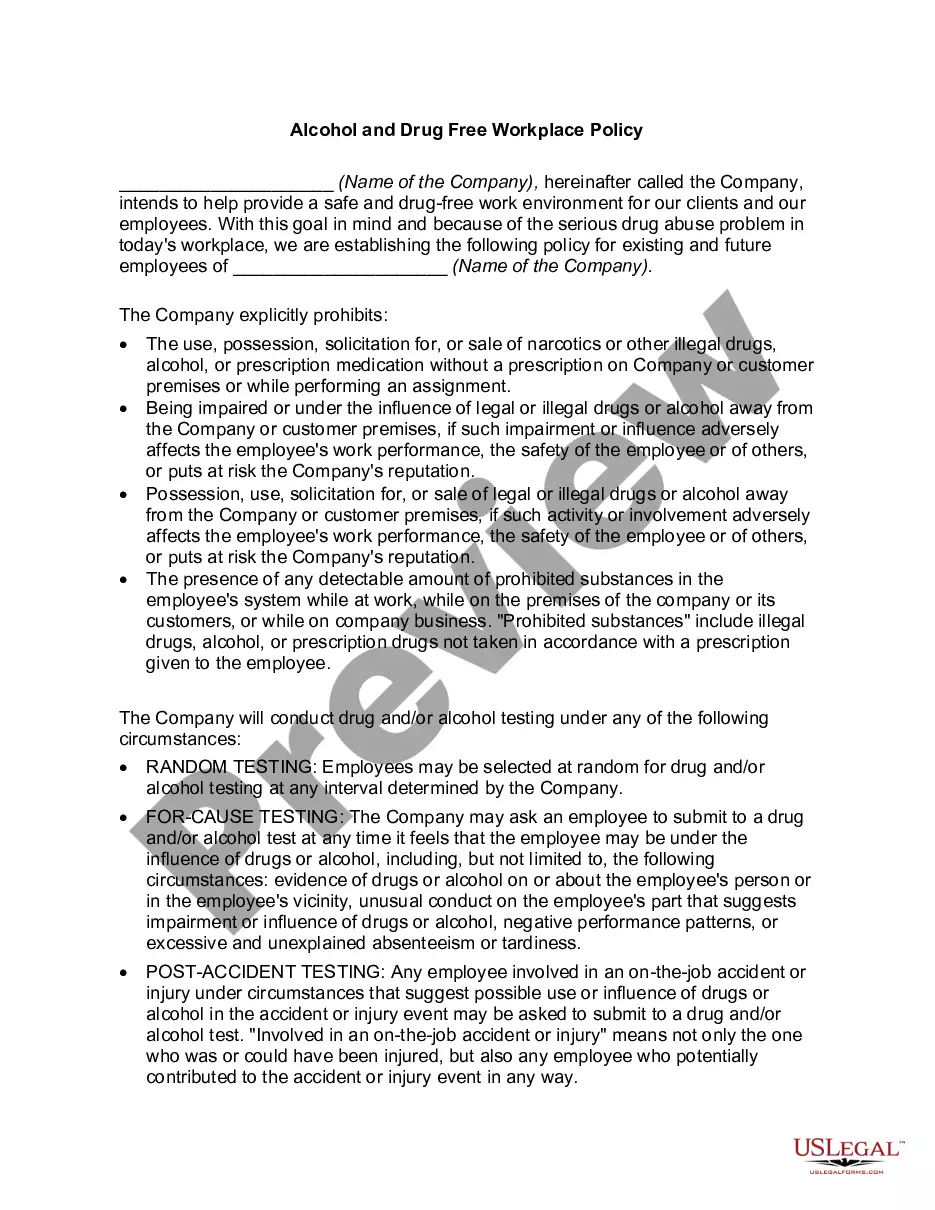
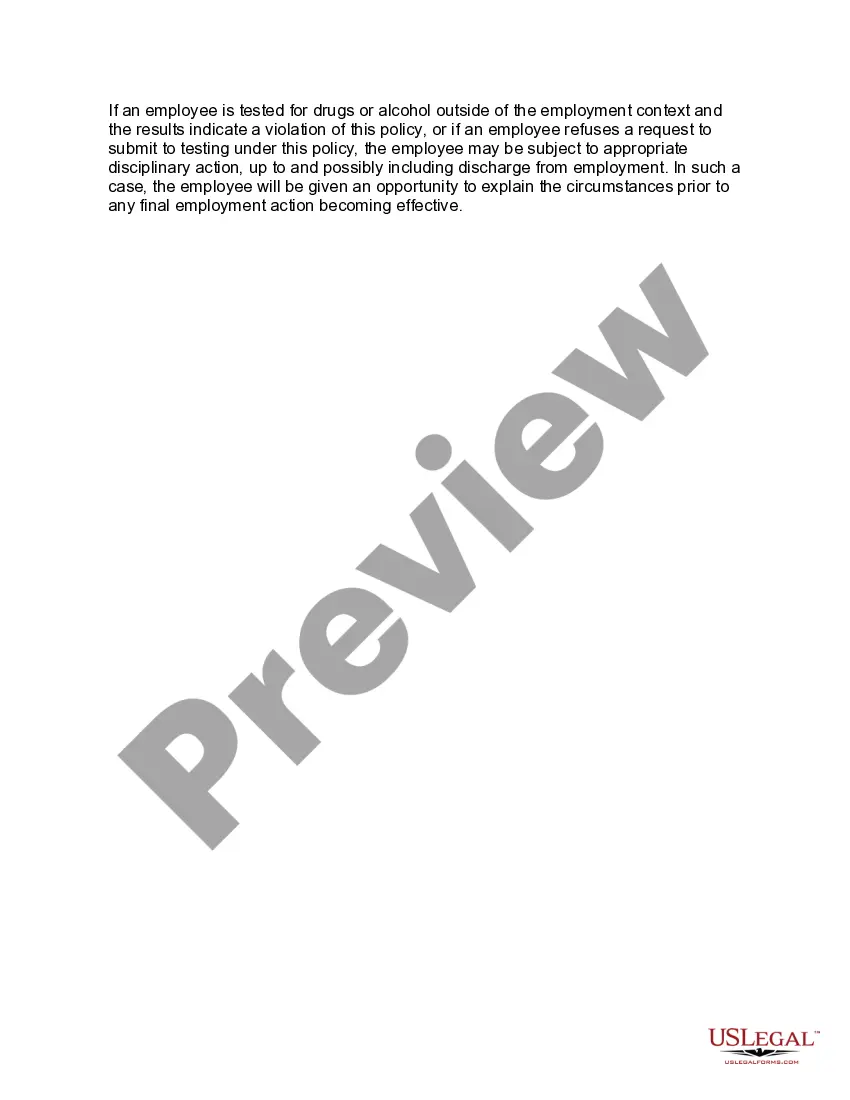
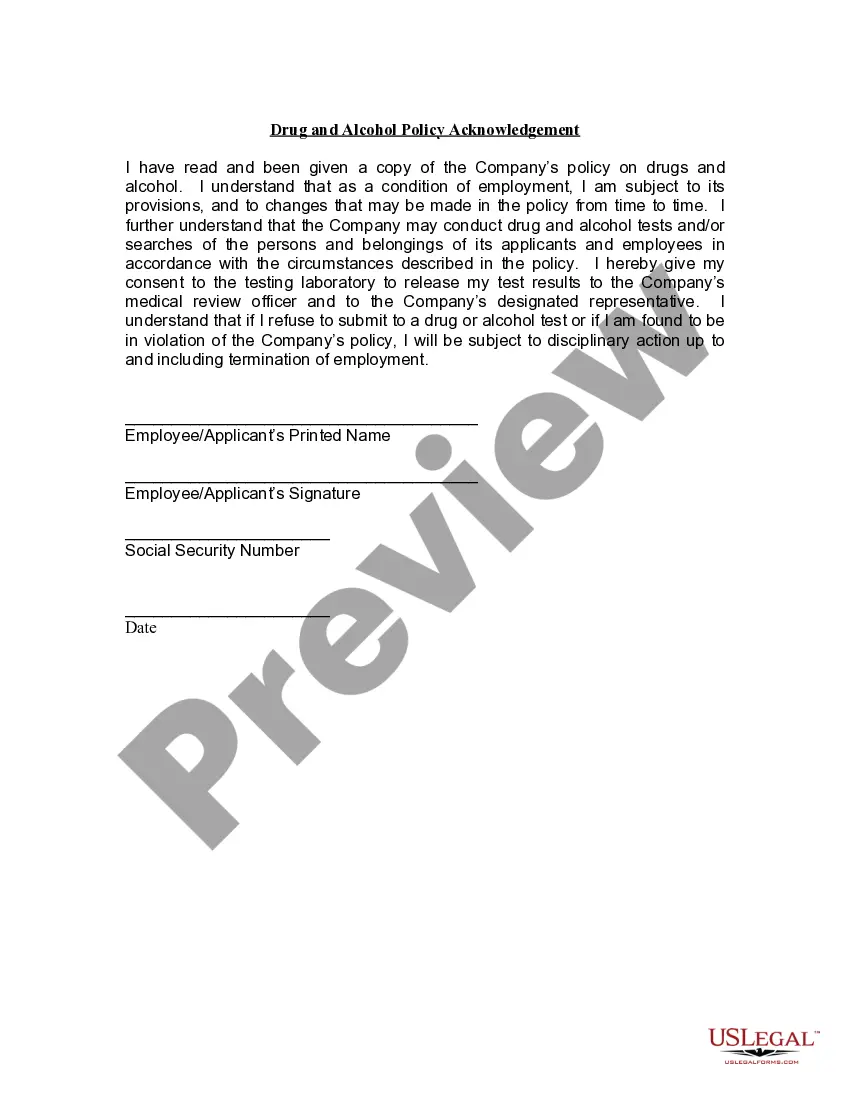
Review the template using the Preview feature or through the text description to verify it suits your requirements.
- They are easy to navigate with all documents organized by state and intended use.
- Our experts keep up with legal changes, ensuring your documents remain current and compliant when acquiring a Drug Policy Form Sample With Hair from our site.
- Getting a Drug Policy Form Sample With Hair is quick and easy for both existing and new users.
- If you have an account with an active subscription, Log In and download the template you need in your desired format.
- If you're new to our platform, follow the steps below.
Form popularity
FAQ
Filling out a drug test form requires attention to detail to ensure accurate information. Start by entering personal identification details, including name, date of birth, and contact information. Next, provide specifics about the test, such as the type of sample collected, which in this case is hair, and any other relevant details. Using a platform like uslegalforms can simplify this process, offering templates for a drug policy form sample with hair that are easy to complete.
To send a hair sample, place it securely in the provided specimen pouch and seal it properly. Make sure to fill out any required forms that accompany the sample, including the drug policy form sample with hair. Then, send it to the designated laboratory using a reliable shipping method to ensure it arrives safely and on time. Tracking the shipment can provide peace of mind during this process.
To take a hair sample for a drug test, first gather a clean pair of scissors and ensure your hands are clean. Cut a small section of hair close to the scalp, typically from the back of the head, to minimize visibility. Aim for a sample that is approximately 1.5 inches long, as this will provide an adequate history for analysis. This method aligns perfectly with the guidelines for a drug policy form sample with hair.
Before you begin collecting the hair sample, ensure that the hair specimen pouch is kept clean and secure. Check for any damage to the pouch, as this can compromise the integrity of the sample. It’s essential to write down the date and time of the collection on the pouch to maintain accurate records. This process is crucial for ensuring you have a reliable drug policy form sample with hair.
Hair drug testing can test for drugs and substances such as Benzodiazepines, Cannabis, Cocaine (incl. Crack Cocaine), Ecstasy (MDMA), Ketamine, Mephedrone (M-Cat), Methadone, Methamphetamine (incl. Amphetamine), and Opiates (incl. Heroin).
During a hair collection, the collector cuts approximately 100-120 strands of hair from the crown of the donor's head. The hair is cut as close to the scalp as possible, so only the strands of hair above the scalp are tested and not the actual hair follicle (the pocket below the scalp from which the hair strand grows).
Several strands of hair are cut close to the root near the back of the person's head. The strands are then placed in a collection vessel, labelled and tested for substances.
Hair is collected as close to the scalp as possible, near the hair's root, to provide information about recent drug use. A standard sample of hair is around 1.5 inches, although in some cases a longer sample may be collected for additional history of drug use and misuse.
Using your forefinger and thumb gather the hair together and slightly twist the hair together. This will make cutting the hair sample much easier and keep all the hair strand in the same direction. Try to cut the hair sample as close to the scalp as possible, using one fluid cut.