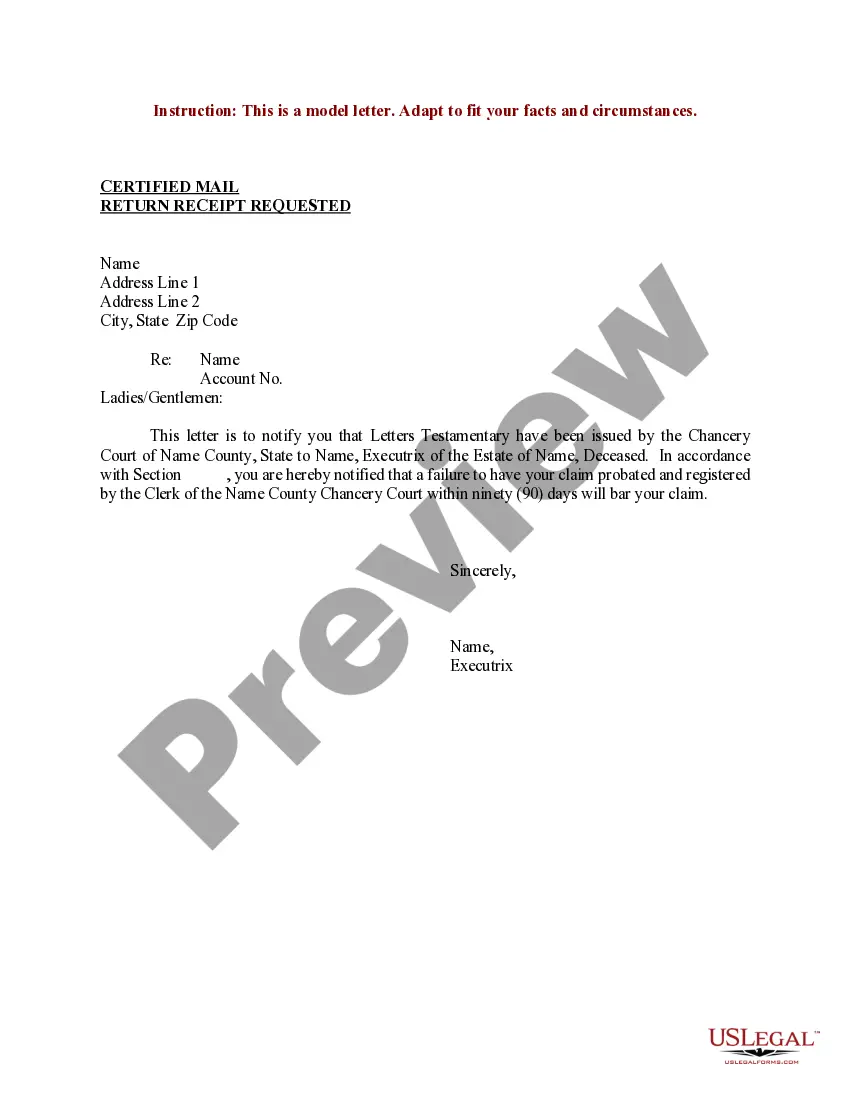
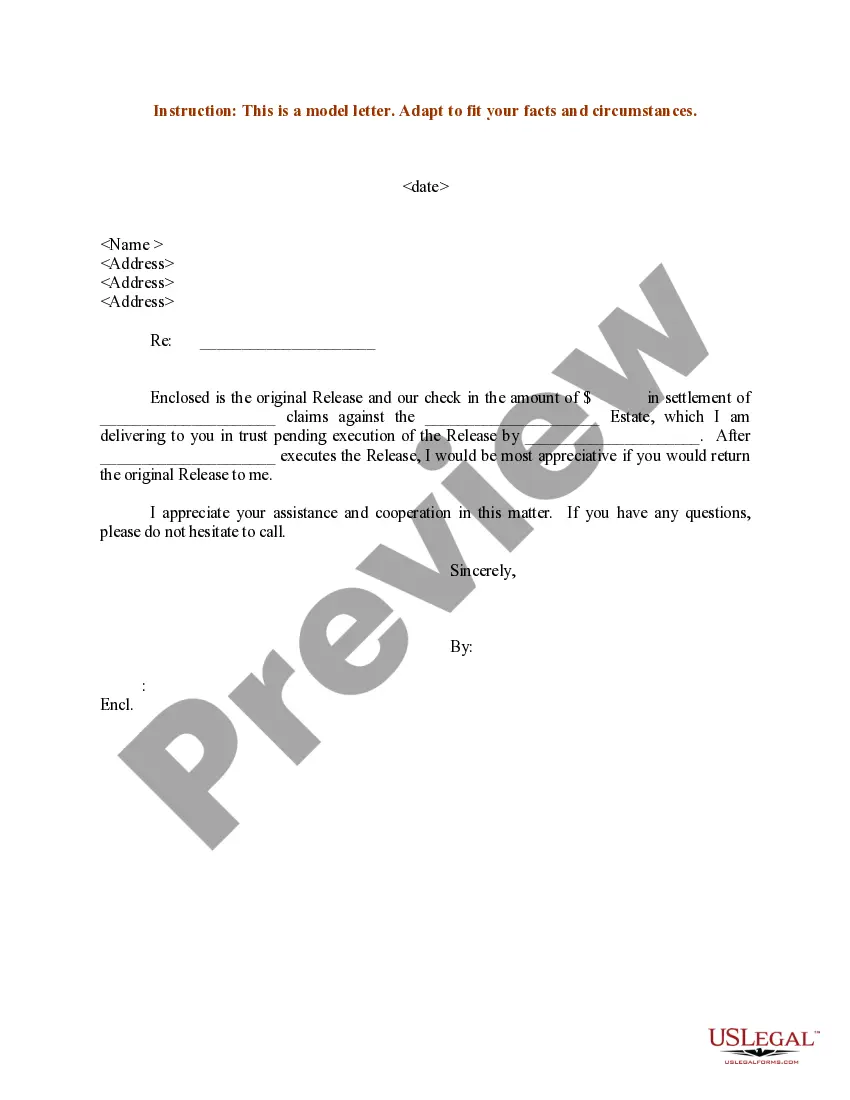
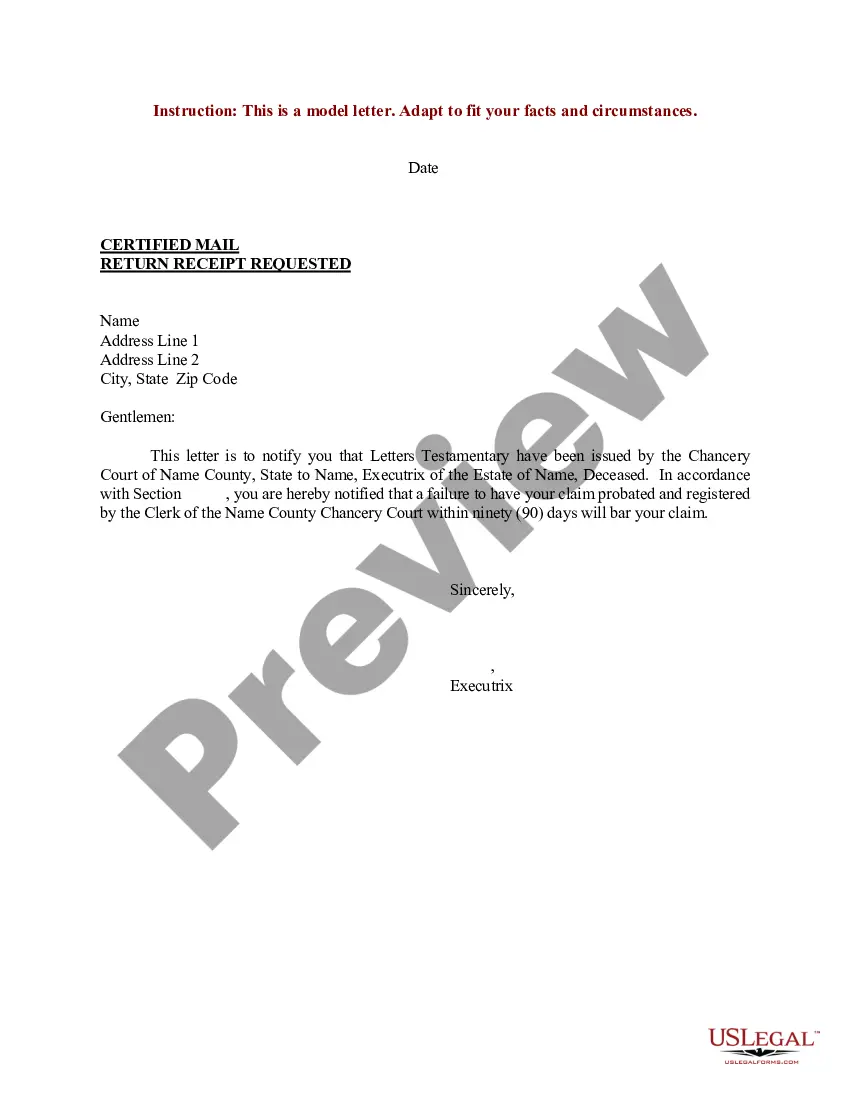
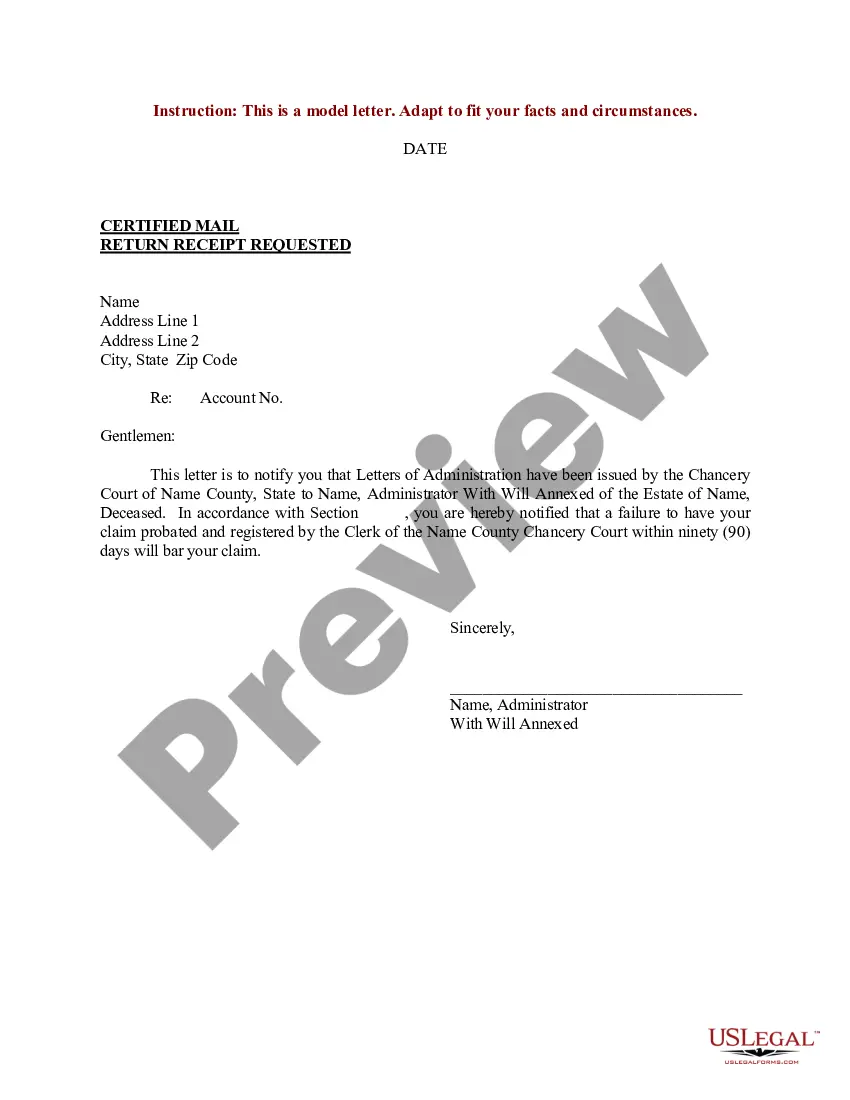
Letters Testamentary Form With Will Annexed
Description
Get your form ready online
Our built-in tools help you complete, sign, share, and store your documents in one place.
Make edits, fill in missing information, and update formatting in US Legal Forms—just like you would in MS Word.
Download a copy, print it, send it by email, or mail it via USPS—whatever works best for your next step.
Sign and collect signatures with our SignNow integration. Send to multiple recipients, set reminders, and more. Go Premium to unlock E-Sign.
If this form requires notarization, complete it online through a secure video call—no need to meet a notary in person or wait for an appointment.
We protect your documents and personal data by following strict security and privacy standards.

Make edits, fill in missing information, and update formatting in US Legal Forms—just like you would in MS Word.

Download a copy, print it, send it by email, or mail it via USPS—whatever works best for your next step.

Sign and collect signatures with our SignNow integration. Send to multiple recipients, set reminders, and more. Go Premium to unlock E-Sign.

If this form requires notarization, complete it online through a secure video call—no need to meet a notary in person or wait for an appointment.

We protect your documents and personal data by following strict security and privacy standards.
Looking for another form?
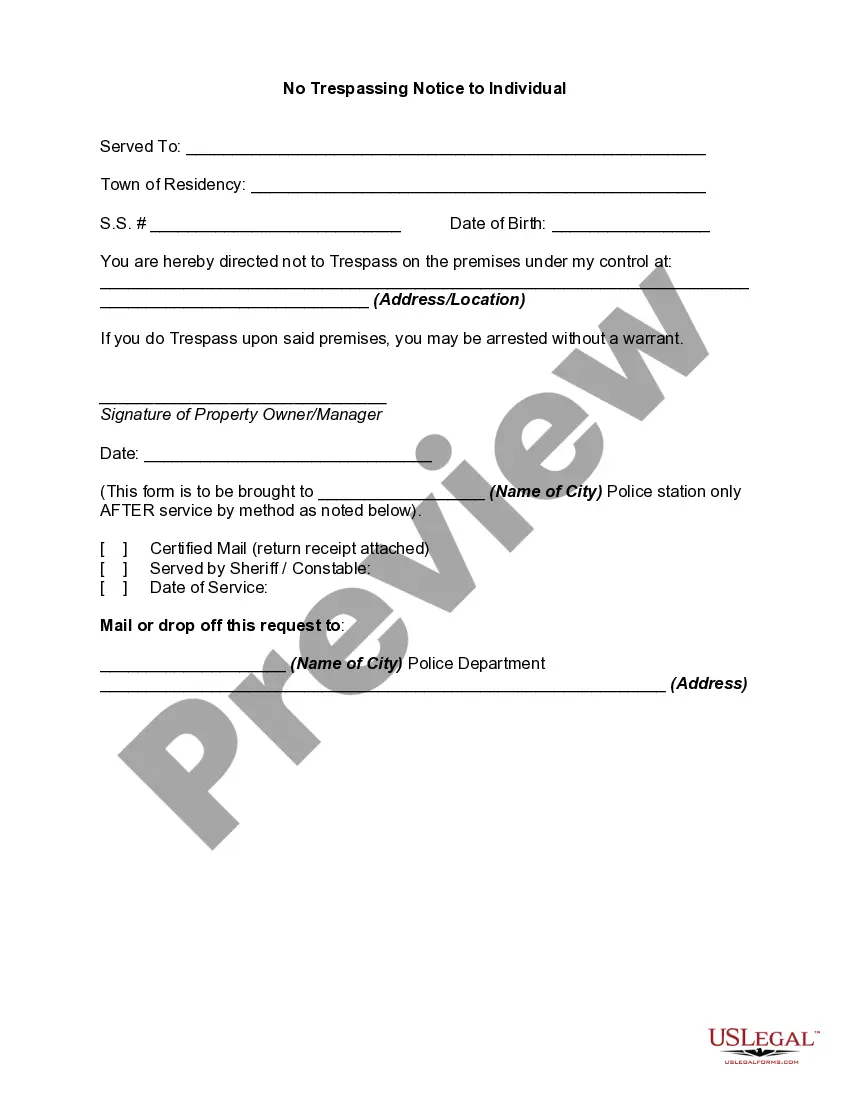
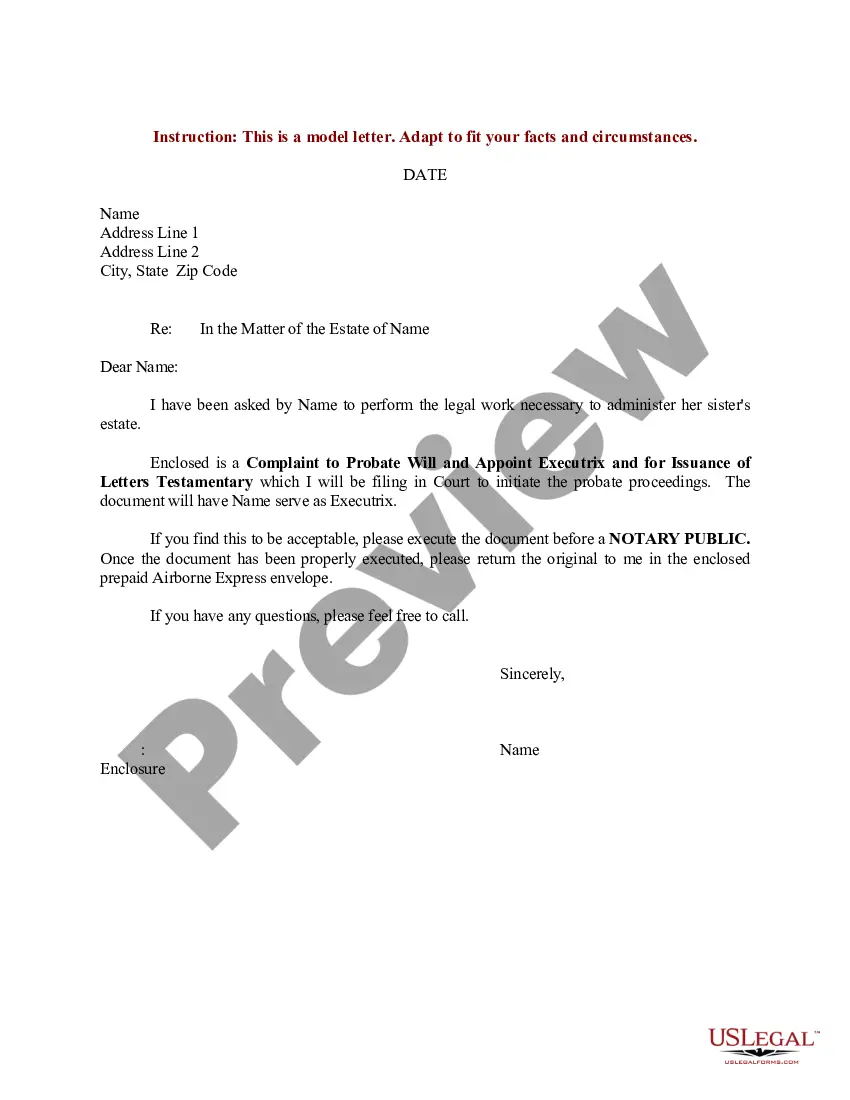
How to fill out Sample Letter For Letters Testamentary And Registration Of Claim?
Handling legal paperwork and processes can be a lengthy addition to your day.
Letters Testamentary Form With Will Annexed and similar documents often require you to search for them and comprehend how to complete them accurately.
Therefore, whether you are managing financial, legal, or personal issues, having a comprehensive and practical online directory of forms readily available will be extremely beneficial.
US Legal Forms is the premier online platform for legal templates, featuring over 85,000 state-specific forms and a plethora of resources that will assist you in completing your documents promptly.
Simply Log In to your account, search for Letters Testamentary Form With Will Annexed, and obtain it instantly from the My documents section. You can also access previously saved forms. Is it your first time using US Legal Forms? Register and create an account in just a few minutes to gain access to the form directory and Letters Testamentary Form With Will Annexed. Then, follow these steps to complete your form: Ensure you have the correct form by utilizing the Preview option and reviewing the form description. Click on Buy Now once ready, and select the monthly subscription plan that fits your needs. Choose Download and then fill out, eSign, and print the form. US Legal Forms has twenty-five years of expertise assisting users with their legal documents. Obtain the form you need today and simplify any procedure effortlessly.
- Explore the collection of suitable documents at your fingertips with just one click.
- US Legal Forms offers you state- and county-specific forms available for download at any time.
- Protect your document management processes with a high-quality service that allows you to prepare any form in minutes without additional or hidden charges.
Form popularity
FAQ
To avoid probate, consider using estate planning tools like trusts, which allow assets to transfer directly to beneficiaries. Additionally, you can designate beneficiaries on accounts and properties, ensuring they bypass probate altogether. It is also wise to consult resources like UsLegalForms to help you create an efficient estate plan that fits your needs.
The primary difference lies in the presence of a will. A letter of testamentary is issued when a will exists and designates an executor. In contrast, a letter of administration is for cases where no will is present, appointing an administrator to handle the estate. Understanding these differences is essential for effective estate management.
While it is technically possible to obtain a letter of testamentary without a lawyer, it is not advisable. The process requires knowledge of legal procedures and court filings that can be complex. Utilizing resources like UsLegalForms can streamline the process and provide the necessary forms, making it easier for you to navigate the requirements with confidence.
Proving an executor's authority without a will can be challenging. You may need to gather evidence showing the deceased's intentions during their lifetime. Additionally, involving the probate court is essential, as they can appoint an administrator to handle the estate. Utilizing the letters testamentary form with will annexed may help clarify authority if the will exists.
No, you cannot obtain a letter testamentary without initiating the probate process. A letter testamentary is a legal document issued by the probate court to empower an executor to manage the estate. Therefore, you must file the will and go through probate to receive this important document.
To apply for letters of testamentary, you must first prepare the relevant documents, including the deceased's will and identification. Submit an application to the probate court, along with the letters testamentary form with will annexed, which simplifies the necessary details. Always consider seeking guidance from a legal professional if you're unsure about any step in the application process.
Letters testamentary are issued when a deceased person left a will, while letters of administration are issued when there is no will. The key difference lies in the existence of a will; letters testamentary affirm the executor’s authority to act on behalf of the estate. If you're navigating this process, using the letters testamentary form with will annexed can clarify your duties and responsibilities.
Testamentary costs can vary based on your location and the complexity of the estate. Generally, these costs include court fees, attorney fees, and additional administrative expenses. By using a letters testamentary form with will annexed from US Legal Forms, you can streamline the process and potentially reduce costs associated with filling out forms incorrectly.
To file a letter of testamentary, you'll first need to gather the required documents, including the will and any necessary identification. Then, submit your application to the probate court in your jurisdiction that handles estates. If you need assistance, consider using a letters testamentary form with will annexed available on US Legal Forms, which simplifies the process significantly.
A letter of administration with will annexed is a legal document that authorizes an administrator to manage an estate when the deceased had a will but did not name an executor. This document serves as proof of the administrator’s authority to act on the estate's behalf. It helps ensure that the deceased's wishes are honored and that the assets are distributed according to the will. The letters testamentary form with will annexed is critical in such situations to solidify the administrative process.