Best Way To Respond To Unfounded Allegations For Defamation
Description
Get your form ready online
Our built-in tools help you complete, sign, share, and store your documents in one place.
Make edits, fill in missing information, and update formatting in US Legal Forms—just like you would in MS Word.
Download a copy, print it, send it by email, or mail it via USPS—whatever works best for your next step.
Sign and collect signatures with our SignNow integration. Send to multiple recipients, set reminders, and more. Go Premium to unlock E-Sign.
If this form requires notarization, complete it online through a secure video call—no need to meet a notary in person or wait for an appointment.
We protect your documents and personal data by following strict security and privacy standards.

Make edits, fill in missing information, and update formatting in US Legal Forms—just like you would in MS Word.

Download a copy, print it, send it by email, or mail it via USPS—whatever works best for your next step.

Sign and collect signatures with our SignNow integration. Send to multiple recipients, set reminders, and more. Go Premium to unlock E-Sign.

If this form requires notarization, complete it online through a secure video call—no need to meet a notary in person or wait for an appointment.

We protect your documents and personal data by following strict security and privacy standards.
Looking for another form?
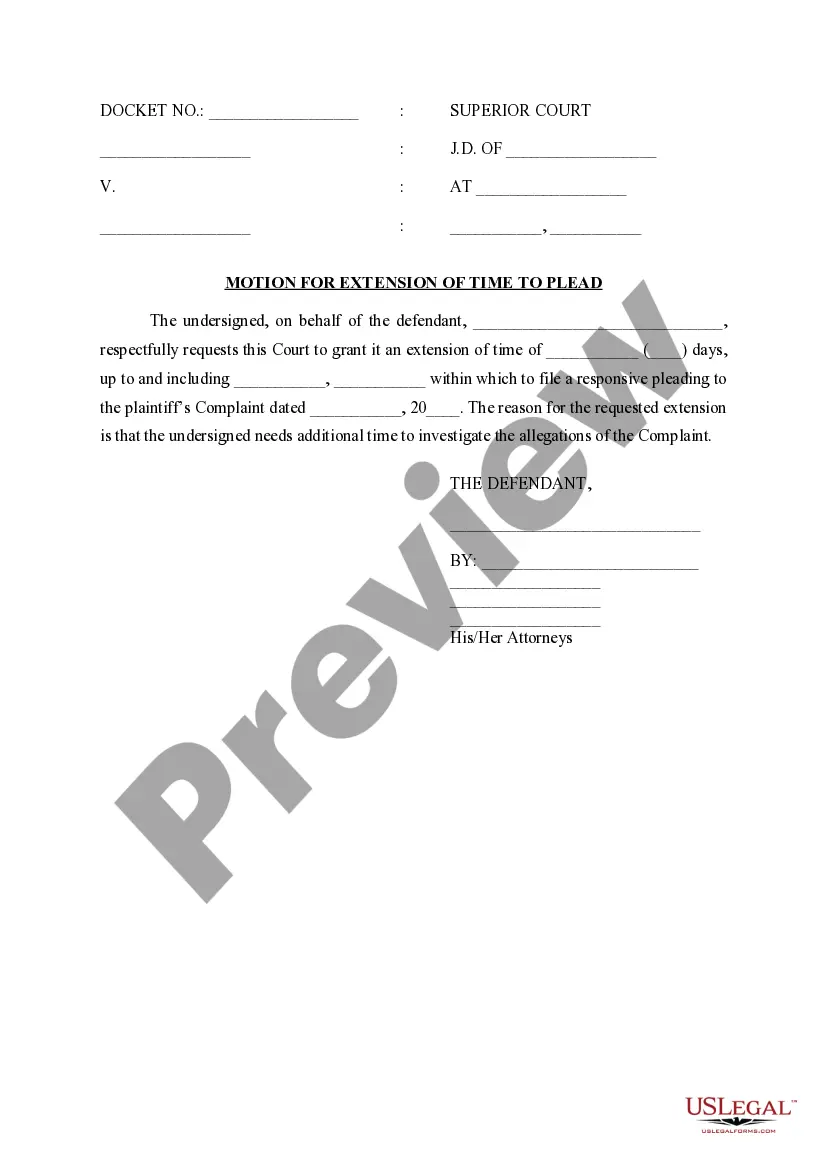
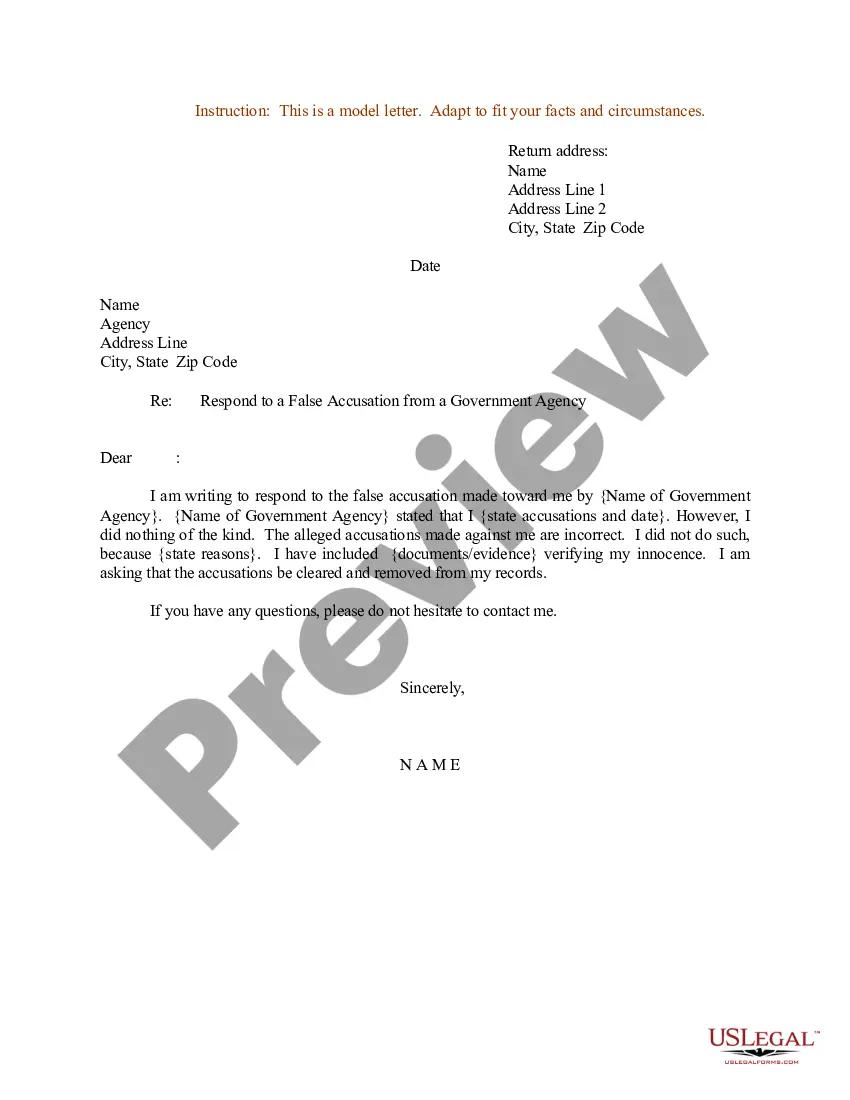
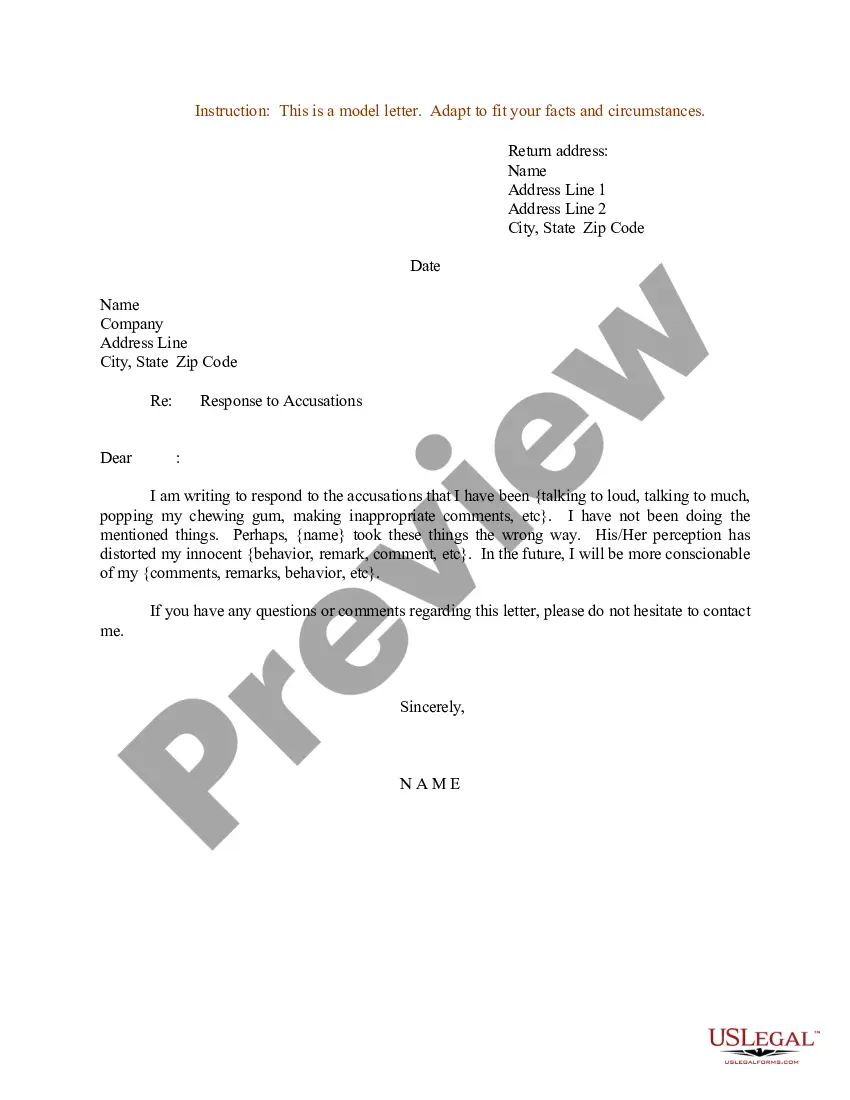
How to fill out Sample Letter For Responding To A False Accusation From A Government Agency?
Managing legal documents can be perplexing, even for experienced professionals.
If you're looking for an optimal approach to address baseless accusations of defamation and lack the time to thoroughly search for the appropriate and current version, the task can become challenging.
Access a valuable repository of articles, guides, and materials relevant to your situation and needs.
Save time and energy in finding the documents you require and take advantage of US Legal Forms' sophisticated search and Preview tool to locate your strategy for addressing unfounded defamation allegations.
Experience the US Legal Forms online library, backed by 25 years of expertise and trustworthiness. Transform your everyday document management into a seamless and user-friendly process today.
- If you have a subscription, Log In to your US Legal Forms account, search for the form, and retrieve it.
- Visit the My documents section to review the documents you've saved and organize your folders accordingly.
- If this is your first experience with US Legal Forms, create a free account and obtain unrestricted access to all the benefits of the library.
- After obtaining the required form, validate that it is the correct one by previewing it and reading its description.
- Ensure the template is accepted in your jurisdiction.
- Click Buy Now when you are ready to proceed.
- Select a monthly subscription option.
- Choose the format you prefer and Download, complete, sign, print and send your documents.
- Access state-specific or county-specific legal and organizational documents.
- US Legal Forms encompasses all your needs, from personal to corporate paperwork, all in one location.
- Utilize cutting-edge tools to complete and oversee your strategy for handling baseless allegations of defamation.
Form popularity
FAQ
Responding to defamation starts with understanding the claims made against you. The best way to respond to unfounded allegations for defamation is to address them head-on with facts and evidence. Collaborate with legal experts to evaluate your options and create a proactive response plan. Use communication tools wisely to clarify misunderstandings and protect your reputation.
Counteracting defamation requires a strategic approach. First, you should assess the impact of the statements made against you. The best way to respond to unfounded allegations for defamation is through public clarification, legal action, or outreach to those affected. Engaging legal support from platforms like US Legal Forms can help you create a tailored strategy and necessary documents to counteract the defamation effectively.
To defend against a defamation lawsuit, start by gathering all relevant evidence that supports your position. Establishing that the allegations are unfounded is crucial; the best way to respond to unfounded allegations for defamation is to show that the statements were true or did not harm your reputation. Consulting with a qualified attorney will guide you through the legal complexities. Stay calm and be prepared to articulate your side clearly.
The best way to respond to unfounded allegations for defamation involves demonstrating the truth of your statements. A strong defense rests on proving that your claims are factual or that they fall under protected categories, such as opinion or public interest. Engaging legal professionals can help you build this defense effectively. Always document evidence to support your case and work systematically to protect your reputation.
Counteracting false accusations requires a thoughtful approach. Begin by addressing the allegations directly, providing clear evidence to disprove them. The best way to respond to unfounded allegations for defamation is to communicate openly and create a positive narrative around your character. Utilizing platforms such as uslegalforms can help you access resources and templates that simplify your legal response.
To defend yourself effectively against false accusations, start by collecting all relevant evidence that supports your position. The best way to respond to unfounded allegations for defamation involves crafting a coherent narrative that highlights the truth. Consulting with an attorney who has experience in defamation cases can provide invaluable insights. Taking these steps can enhance your defense strategy.
Proving innocence against false accusations requires solid evidence and a clear presentation of facts. Gathering witnesses or documents that support your case is crucial. The best way to respond to unfounded allegations for defamation is to articulate your side clearly and confidently. Consider seeking professional assistance as it can enhance your chances of successfully resolving the issue.
The best defense against defamation allegations typically involves proving that the statements made were false and damaging. This might include showcasing evidence that contradicts the claims. Another useful approach is employing legal tools such as defamation laws that protect against false statements. Remember, having the right guidance can make this process smoother and more effective.
When false allegations arise, begin by documenting all relevant facts and communications. The best way to respond to unfounded allegations for defamation involves staying calm and composed while formulating a strategy. You might also consider reaching out to professionals who can aid in your defense, such as legal experts. This proactive approach can help you navigate the situation effectively.
Yes, defending yourself against false accusations is important. The best way to respond to unfounded allegations for defamation is to gather evidence that supports your case. It’s also wise to consult with a legal professional who specializes in defamation cases. By taking action, you can protect your reputation and clarify the truth.