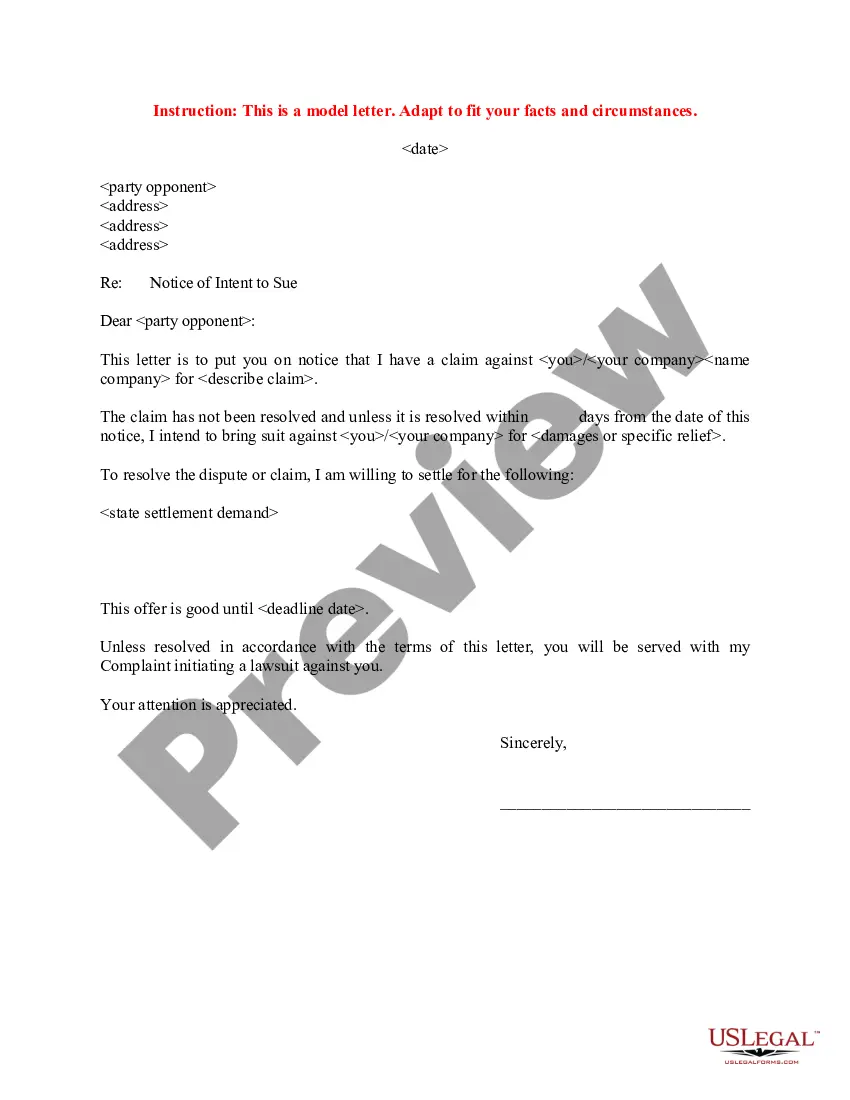
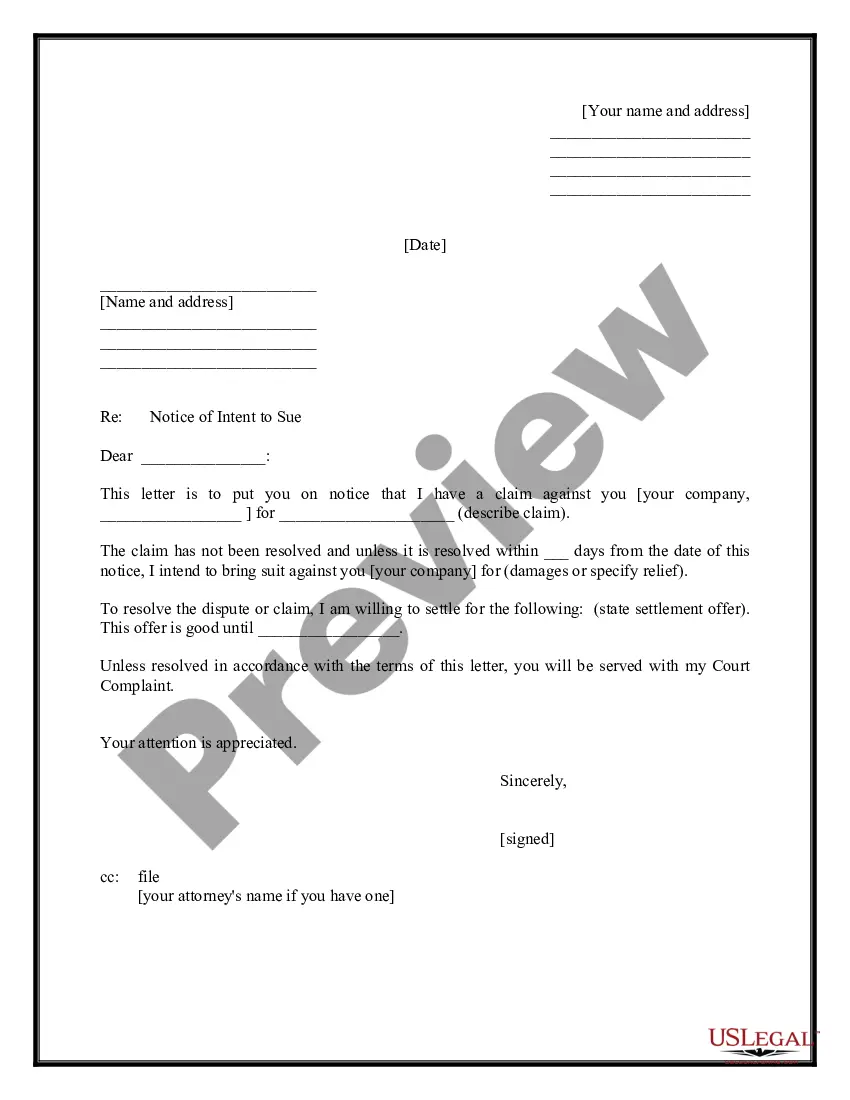
Intent To Sue Letter Template For Students
Description
Get your form ready online
Our built-in tools help you complete, sign, share, and store your documents in one place.
Make edits, fill in missing information, and update formatting in US Legal Forms—just like you would in MS Word.
Download a copy, print it, send it by email, or mail it via USPS—whatever works best for your next step.
Sign and collect signatures with our SignNow integration. Send to multiple recipients, set reminders, and more. Go Premium to unlock E-Sign.
If this form requires notarization, complete it online through a secure video call—no need to meet a notary in person or wait for an appointment.
We protect your documents and personal data by following strict security and privacy standards.

Make edits, fill in missing information, and update formatting in US Legal Forms—just like you would in MS Word.

Download a copy, print it, send it by email, or mail it via USPS—whatever works best for your next step.

Sign and collect signatures with our SignNow integration. Send to multiple recipients, set reminders, and more. Go Premium to unlock E-Sign.

If this form requires notarization, complete it online through a secure video call—no need to meet a notary in person or wait for an appointment.

We protect your documents and personal data by following strict security and privacy standards.
Looking for another form?
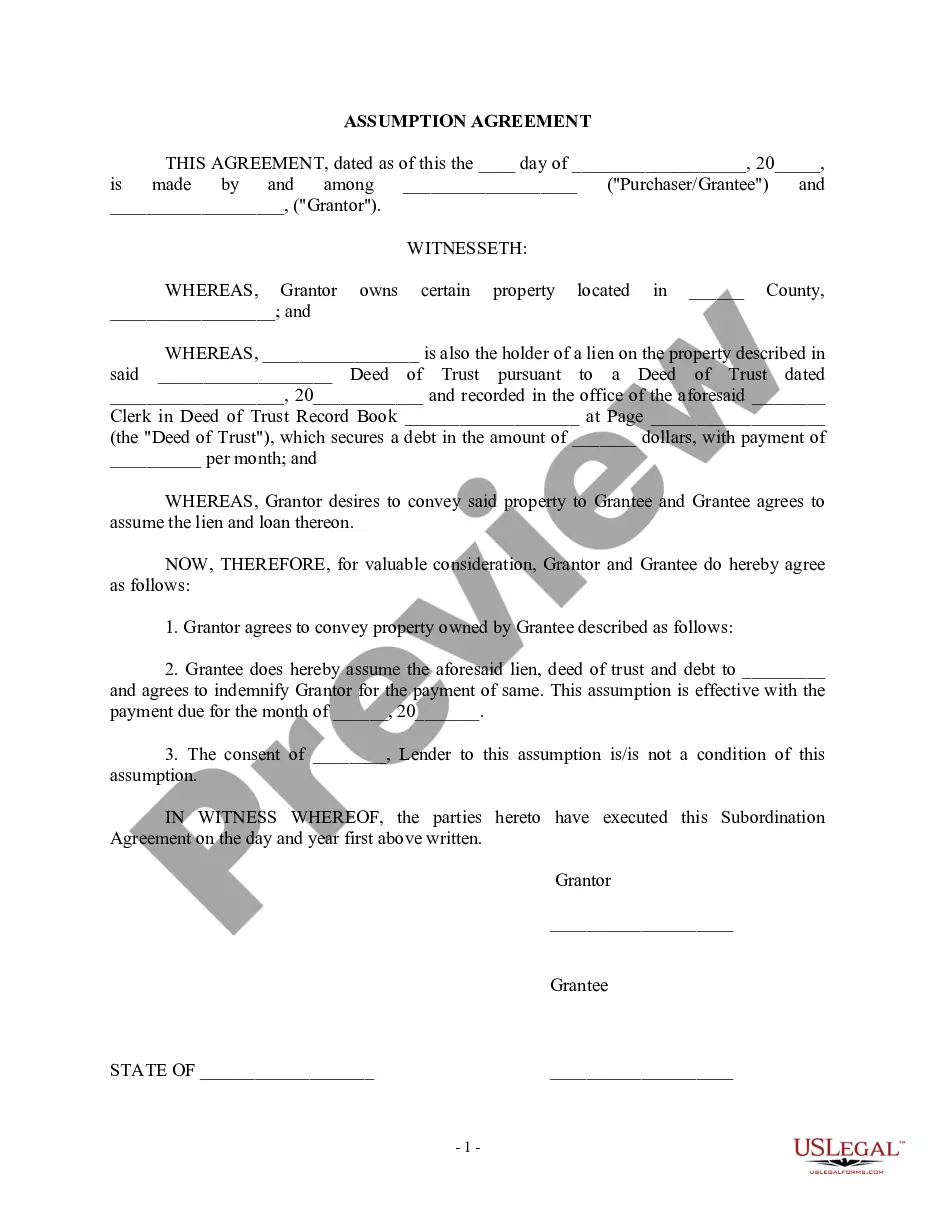


How to fill out Sample Letter Of Intent To Sue - With Settlement Demand?
Whether for professional objectives or personal issues, everyone must handle legal circumstances at some stage in their life.
Completing legal documents requires meticulous focus, beginning with selecting the correct template.
With a vast US Legal Forms repository available, you no longer need to waste time searching for the right template across the internet. Utilize the library's simple navigation to find the suitable template for any situation.
- Locate the template you need using the search option or catalog browsing.
- Review the information on the form to ensure it corresponds with your case, state, and locality.
- Click on the preview of the form to examine it.
- If it is the incorrect form, return to the search feature to locate the Intent To Sue Letter Template For Students sample required.
- Obtain the file if it satisfies your criteria.
- If you possess a US Legal Forms account, simply click Log in to access previously saved templates in My documents.
- In case you do not have an account yet, you can acquire the form by clicking Buy now.
- Select the appropriate pricing option.
- Fill out the account sign-up form.
- Choose your payment method: you can use a credit card or PayPal account.
- Select the desired file format and download the Intent To Sue Letter Template For Students.
- Once saved, you can fill out the form using editing software or print it to complete manually.
Form popularity
FAQ
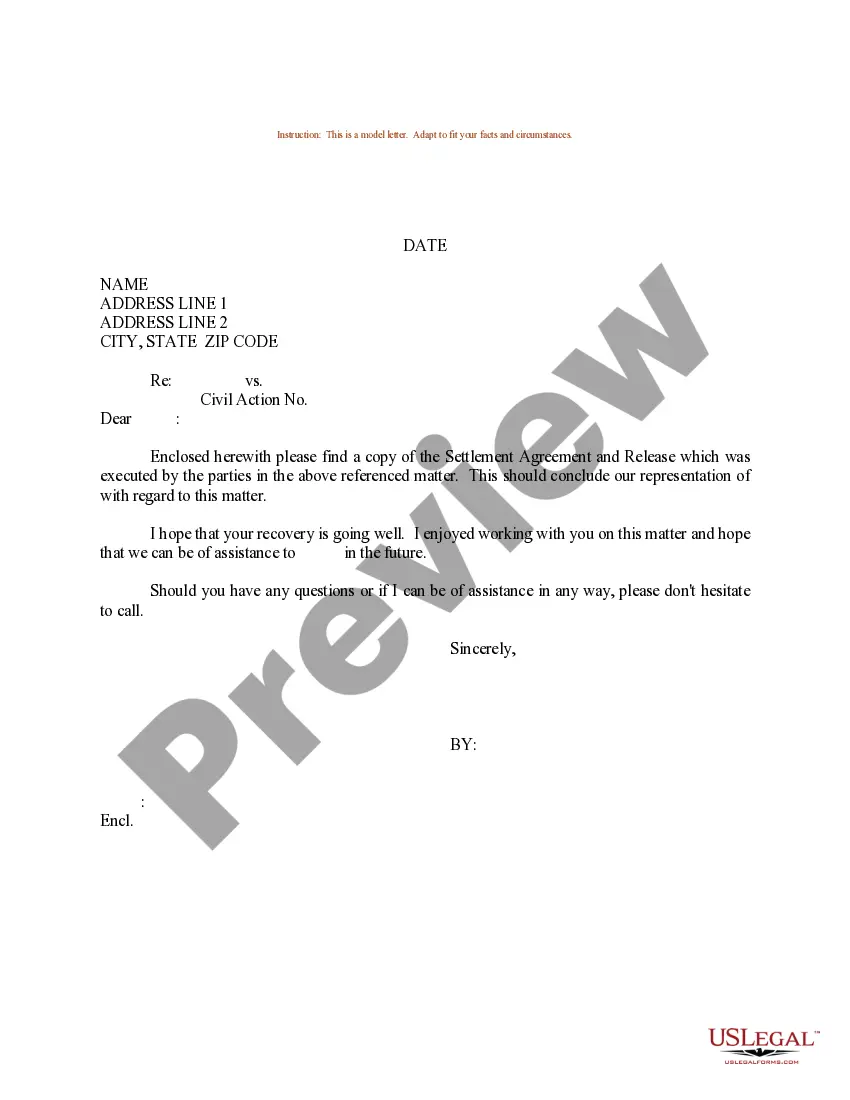
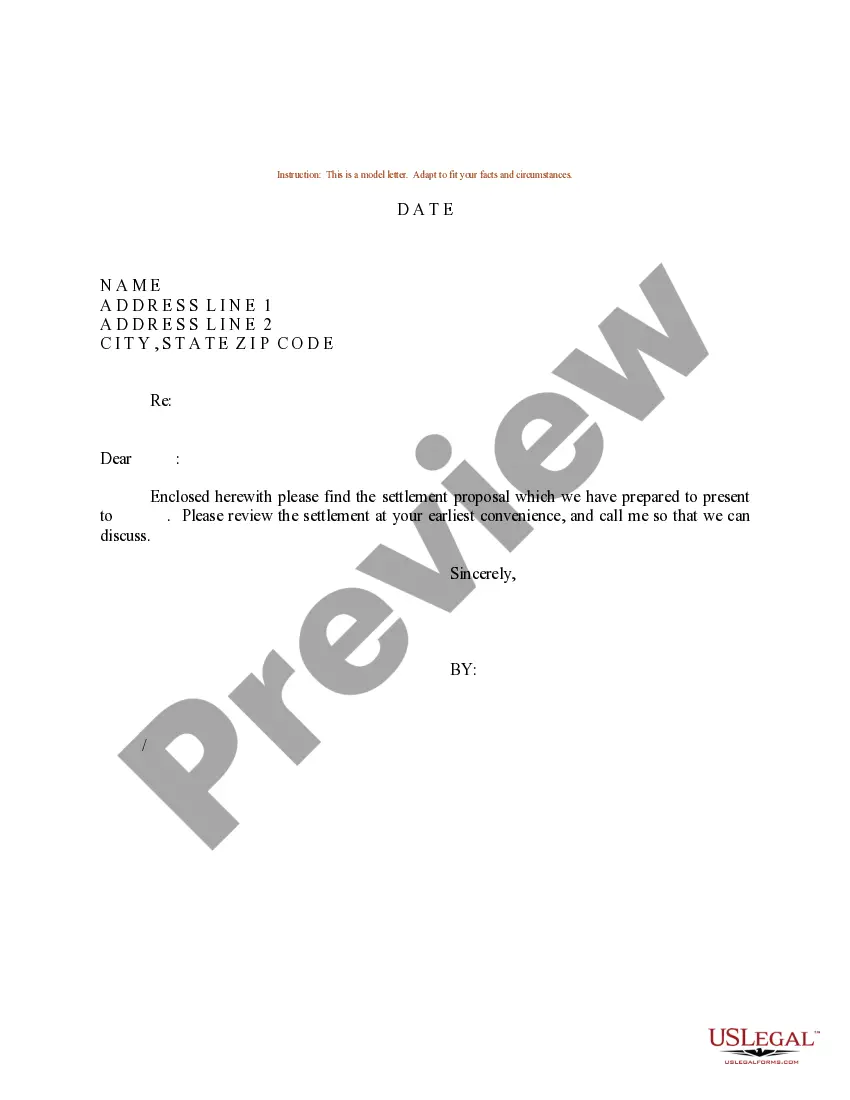
A Letter of Intent (LOI) is a useful tool for starting negotiations because it gives the parties information and time to consider a deal. A Demand Letter serves as a final reminder when someone breaches a contract, outlines potential consequences, and provides evidence for legal action.
How to write a demand letter Establish facts. Don't assume everyone knows the facts. ... Refer to evidence. If there's evidence (like a contract), you don't need to include it, but you should refer to it. ... Make a demand. Be specific as to what you want. ... Set a deadline and establish method of payment. ... Offer a consequence.
Please be advised that I demand payment of the invoiced amount plus an amount of $[amount] for late payment interest as agreed in our contract dated on select date within seven days of the date of this letter. Payment should be made by [describe how you'd like to be paid, including any bank details].
Here are five points to keep in mind when drafting a pre-litigation demand letter: Clearly state the nature of your demand. ... Stick to the facts and avoid inflammatory language. ... Consider the applicable ethical constraints. ... Follow the requirements of any applicable contracts or statutes.
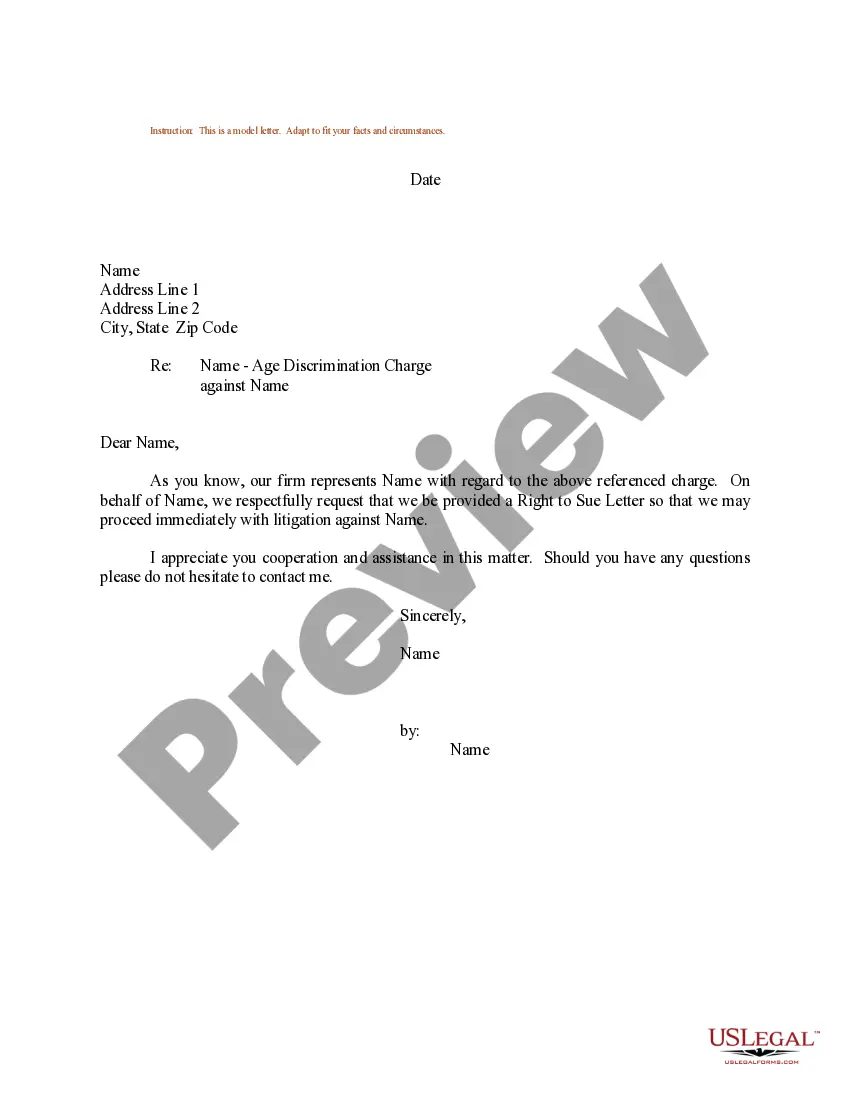
Key Elements to Include in Your Intent to Sue Letter A detailed description of your dispute. For example, is your dispute over property damage or a breach of contract? Identify who you intend to sue. For example, do you intend to sue an individual or a business? Statement of demand. ... Include a deadline.