Real Estate Requirements In Florida
Description

Get your form ready online
Our built-in tools help you complete, sign, share, and store your documents in one place.
Make edits, fill in missing information, and update formatting in US Legal Forms—just like you would in MS Word.
Download a copy, print it, send it by email, or mail it via USPS—whatever works best for your next step.
Sign and collect signatures with our SignNow integration. Send to multiple recipients, set reminders, and more. Go Premium to unlock E-Sign.
If this form requires notarization, complete it online through a secure video call—no need to meet a notary in person or wait for an appointment.
We protect your documents and personal data by following strict security and privacy standards.

Make edits, fill in missing information, and update formatting in US Legal Forms—just like you would in MS Word.

Download a copy, print it, send it by email, or mail it via USPS—whatever works best for your next step.

Sign and collect signatures with our SignNow integration. Send to multiple recipients, set reminders, and more. Go Premium to unlock E-Sign.

If this form requires notarization, complete it online through a secure video call—no need to meet a notary in person or wait for an appointment.

We protect your documents and personal data by following strict security and privacy standards.
Looking for another form?



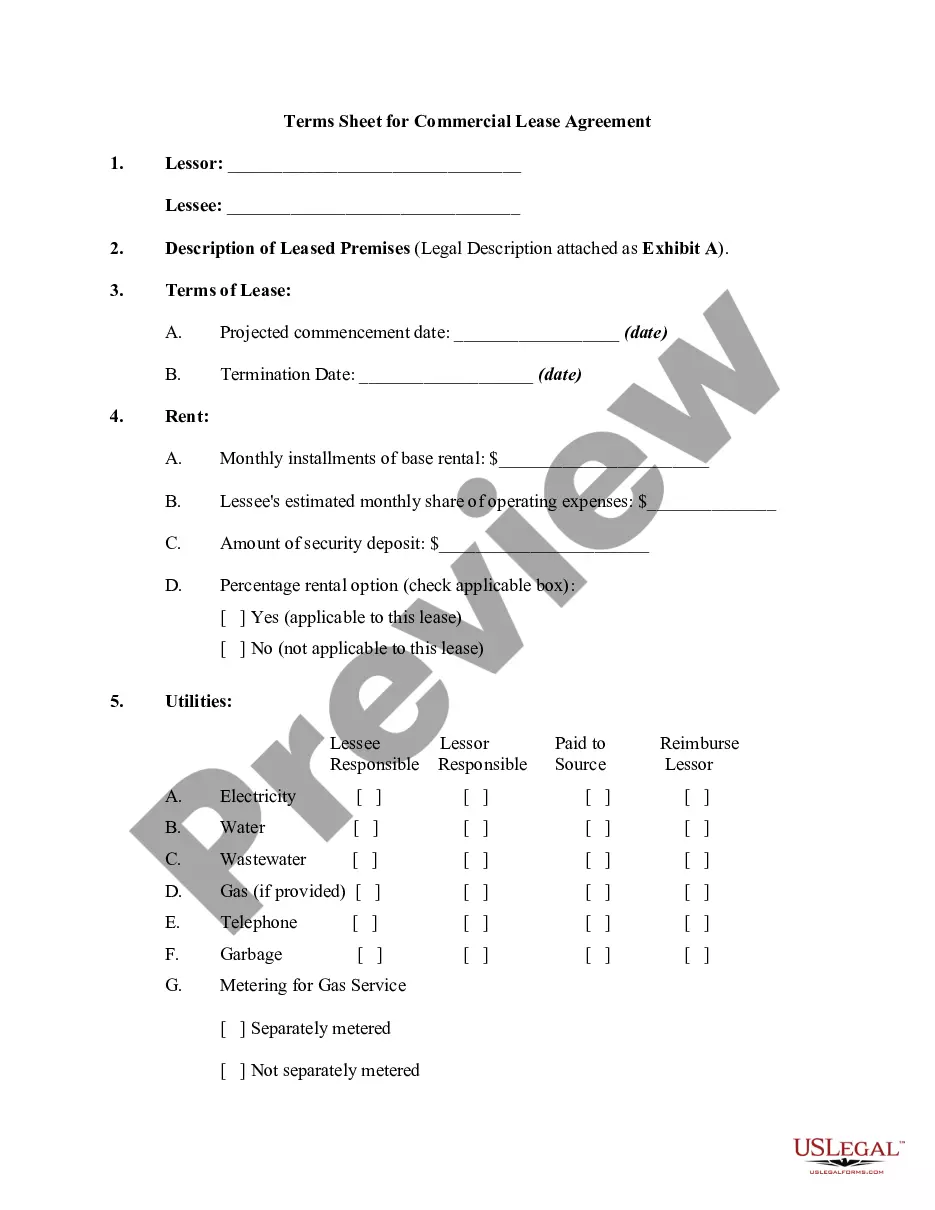





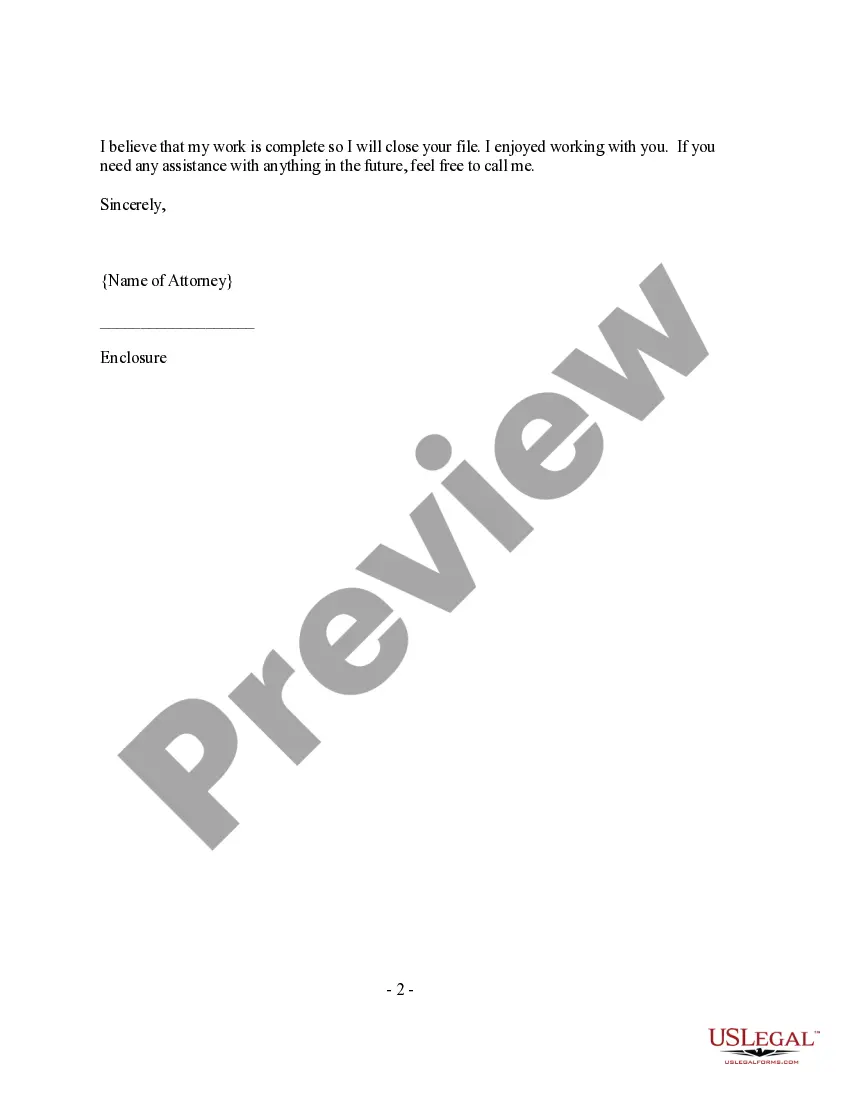
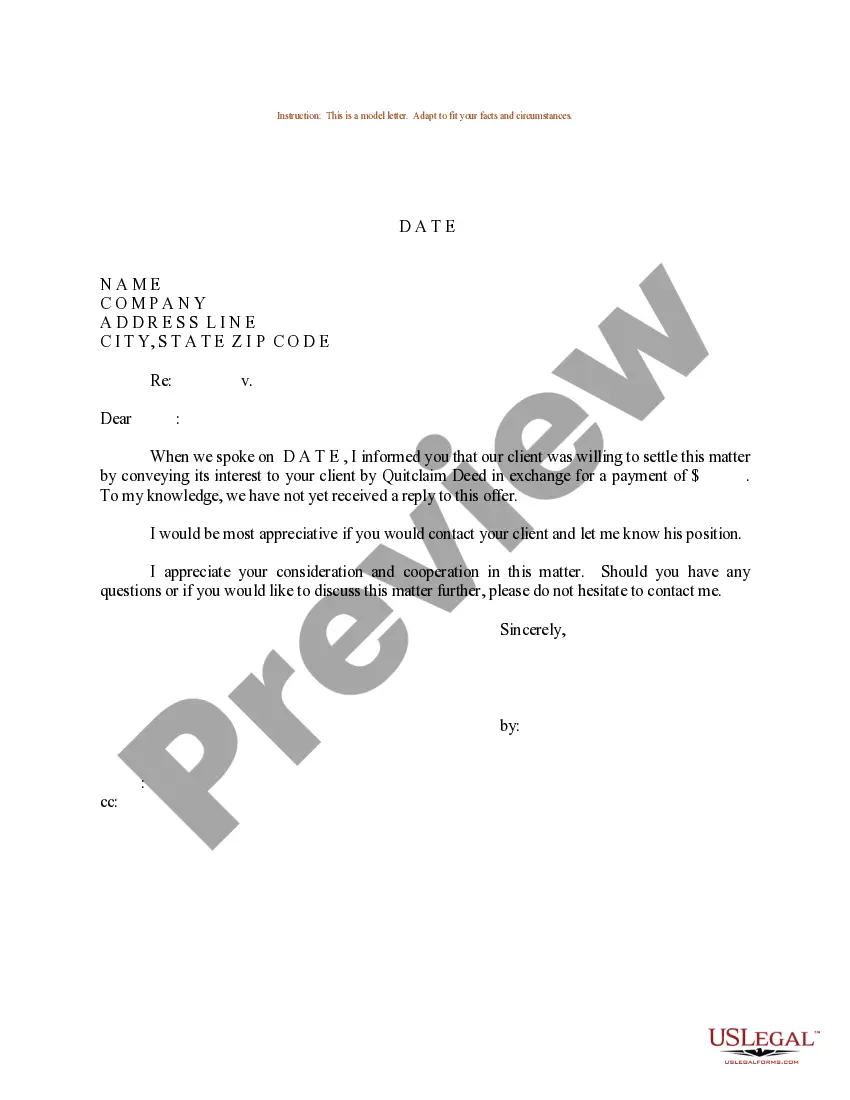
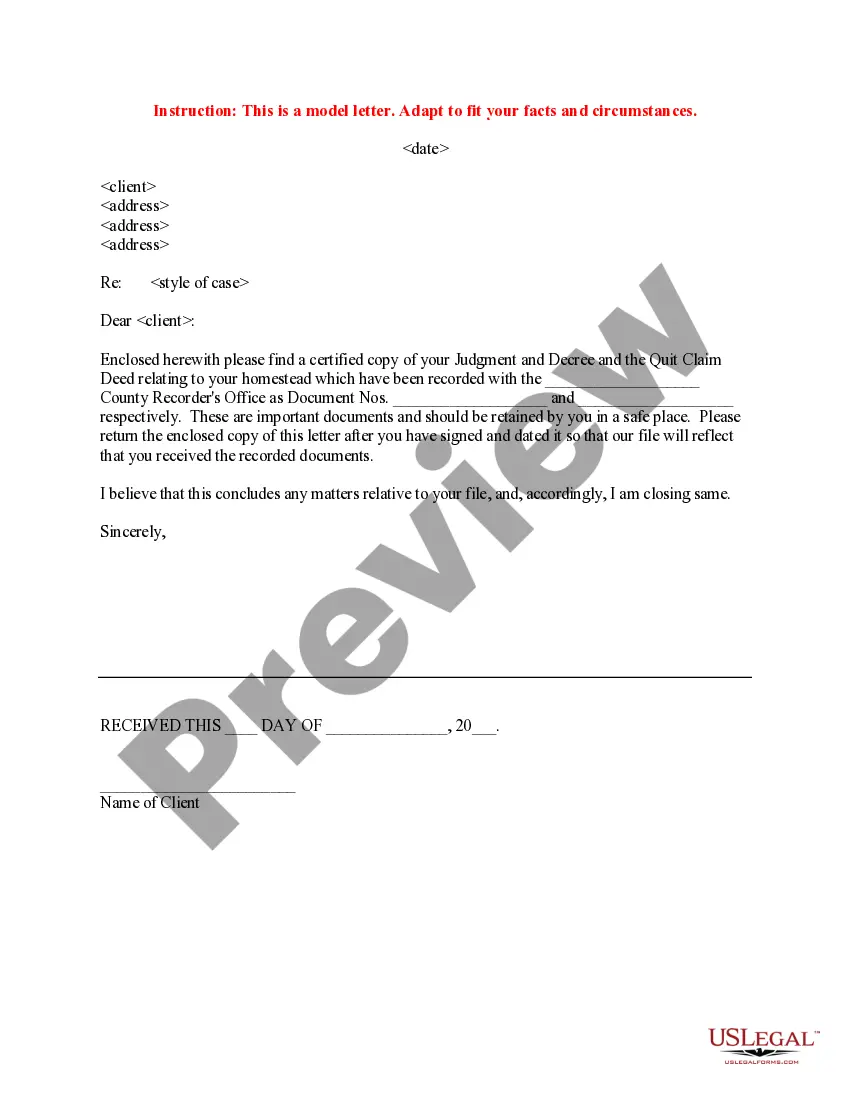
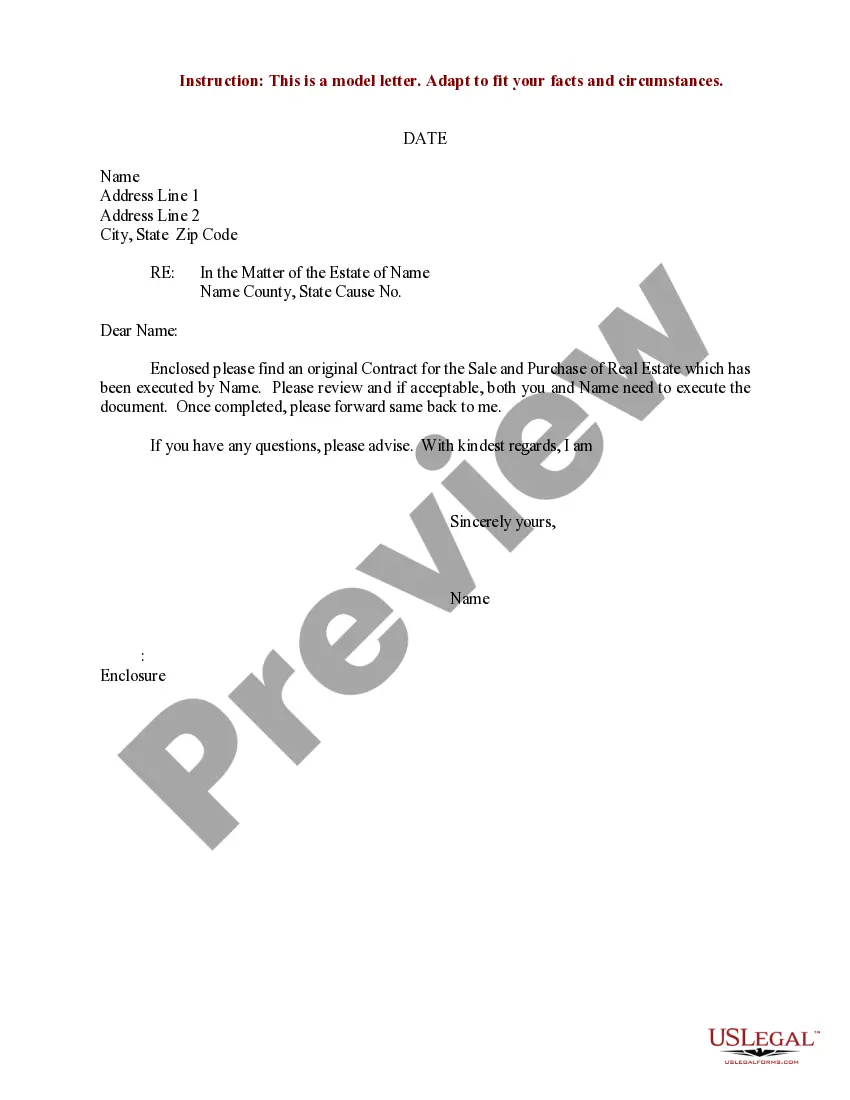
How to fill out Sample Letter To Client Regarding Real Estate Documents Related To Homestead?
It’s clear that you can’t become a legal expert instantaneously, nor can you understand how to swiftly prepare Real Estate Requirements In Florida without a specialized education.
Drafting legal documents is a labor-intensive endeavor that necessitates particular training and expertise. So why not entrust the preparation of the Real Estate Requirements In Florida to the experts.
With US Legal Forms, one of the most comprehensive legal document collections, you can discover anything from court filings to templates for internal business communication. We recognize how vital compliance and adherence to both federal and state regulations are.
You can regain access to your documents from the My documents tab at any time. If you’re an existing client, you can simply Log In and find and download the template from the same section.
Regardless of the purpose of your documents—whether financial, legal, or personal—our platform is equipped to assist you. Give US Legal Forms a try today!
- Locate the form you seek by utilizing the search bar at the top of the webpage.
- Preview it (if this option is available) and examine the supporting description to determine whether Real Estate Requirements In Florida is what you’re after.
- Start your search anew if you require a different template.
- Sign up for a free account and select a subscription plan to purchase the template.
- Click Buy now. Once the payment is processed, you can download the Real Estate Requirements In Florida, complete it, print it, and send or forward it by mail to the intended recipients or entities.
Form popularity
FAQ
Passing the Florida real estate exam can be challenging, but with proper preparation, it is achievable. The exam tests your knowledge of real estate laws and practices, which are part of the real estate requirements in Florida. Many candidates find that studying the material thoroughly and taking practice exams significantly boosts their confidence and chances of success.
To get a real estate license in Florida, you must fulfill several real estate requirements in Florida. These include completing a 63-hour pre-licensing course, passing the state exam, and submitting your fingerprints for a background check. Additionally, you need to submit your application and any applicable fees to the Florida Department of Business and Professional Regulation.
In Florida, you cannot take the real estate exam without completing the required pre-licensing classes. The real estate requirements in Florida include finishing a 63-hour course that covers essential topics. This education ensures you have the necessary knowledge before attempting the exam, which is vital for your success in the real estate field.
To obtain a real estate license in Florida, you must meet certain real estate requirements in Florida. First, you need to be at least 18 years old, hold a high school diploma or equivalent, and complete a 63-hour pre-licensing course. After finishing the course, you will need to pass the Florida real estate exam and submit your application to the Florida Department of Business and Professional Regulation.
You can become a real estate agent in Florida relatively quickly, often within three to six months. This timeframe includes completing the necessary education and passing the licensing exam. By efficiently managing your study schedule and focusing on the real estate requirements in Florida, you can expedite your journey to becoming a licensed agent. Using resources like US Legal Forms can also streamline the process of obtaining your license.
To obtain a real estate license in Florida, you must meet several key requirements. First, you need to complete 63 hours of approved pre-licensing education, followed by passing the state exam. Additionally, you must be at least 18 years old and have a high school diploma or equivalent. Understanding the real estate requirements in Florida thoroughly will help you navigate the licensing process more effectively.
Becoming a real estate agent in Florida typically takes between three to six months, depending on your pace in completing the required coursework and passing the licensing exam. To meet the real estate requirements in Florida, you must complete 63 hours of pre-licensing education and pass the state exam. After obtaining your license, you can start working with clients and building your career. Staying informed about industry trends will help you accelerate your success.
To achieve $100,000 in your first year in real estate, focus on building a strong client base and effective marketing strategies. Networking plays a crucial role, so attend local events and engage with potential buyers and sellers. Additionally, understanding the real estate requirements in Florida, such as completing your education and obtaining your license, will set a solid foundation for your success. Consider leveraging platforms like US Legal Forms to navigate the licensing process seamlessly.
To become a new home sales agent in Florida, you must possess a valid real estate license, along with specialized training in new home sales. Many employers prefer candidates who have experience in sales and customer service. Familiarizing yourself with the real estate requirements in Florida will help you stand out in this competitive field. Consider using US Legal Forms for resources on training options and requirements.
Recent updates to real estate requirements in Florida include enhanced training on ethical practices and new disclosures for home buyers. Realtors are now required to complete continuing education courses more frequently to stay updated with industry changes. Additionally, there are stricter penalties for non-compliance, reinforcing the importance of adhering to regulations. Staying informed about these rules is vital for every realtor.