Homestead Homes
Description

Get your form ready online
Our built-in tools help you complete, sign, share, and store your documents in one place.
Make edits, fill in missing information, and update formatting in US Legal Forms—just like you would in MS Word.
Download a copy, print it, send it by email, or mail it via USPS—whatever works best for your next step.
Sign and collect signatures with our SignNow integration. Send to multiple recipients, set reminders, and more. Go Premium to unlock E-Sign.
If this form requires notarization, complete it online through a secure video call—no need to meet a notary in person or wait for an appointment.
We protect your documents and personal data by following strict security and privacy standards.

Make edits, fill in missing information, and update formatting in US Legal Forms—just like you would in MS Word.

Download a copy, print it, send it by email, or mail it via USPS—whatever works best for your next step.

Sign and collect signatures with our SignNow integration. Send to multiple recipients, set reminders, and more. Go Premium to unlock E-Sign.

If this form requires notarization, complete it online through a secure video call—no need to meet a notary in person or wait for an appointment.

We protect your documents and personal data by following strict security and privacy standards.
Looking for another form?





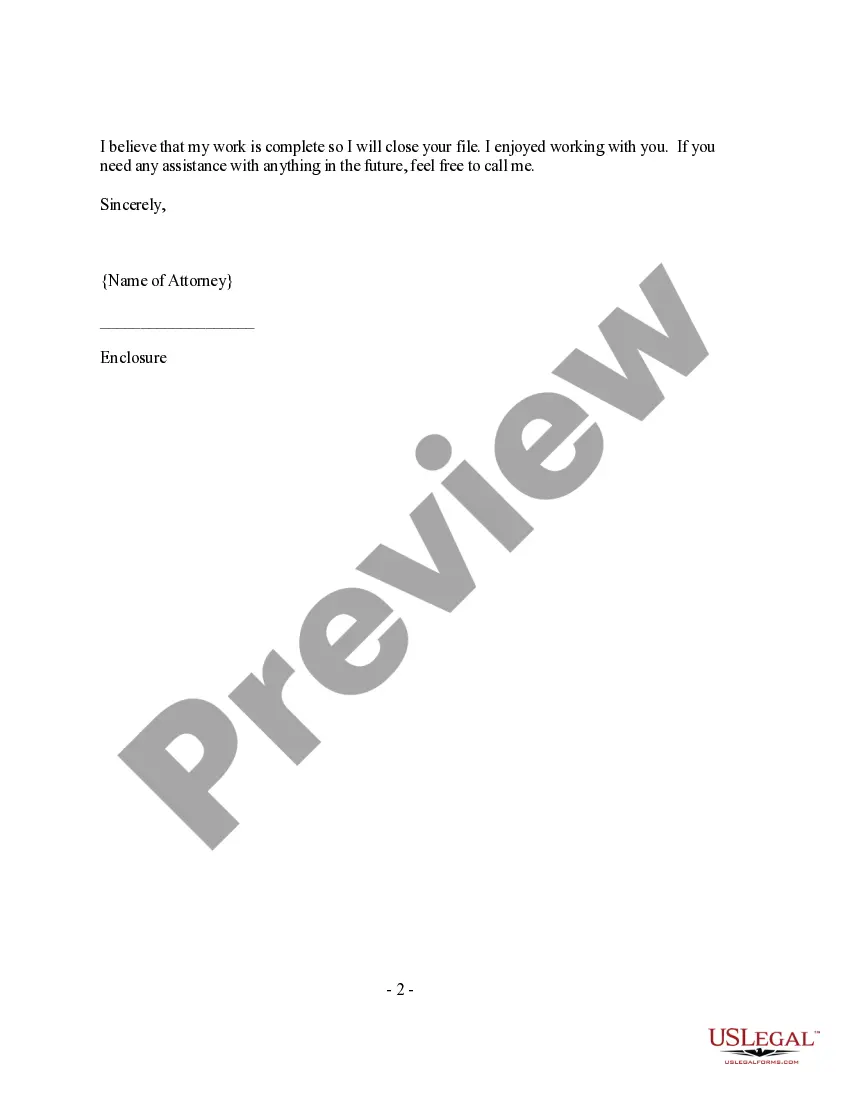
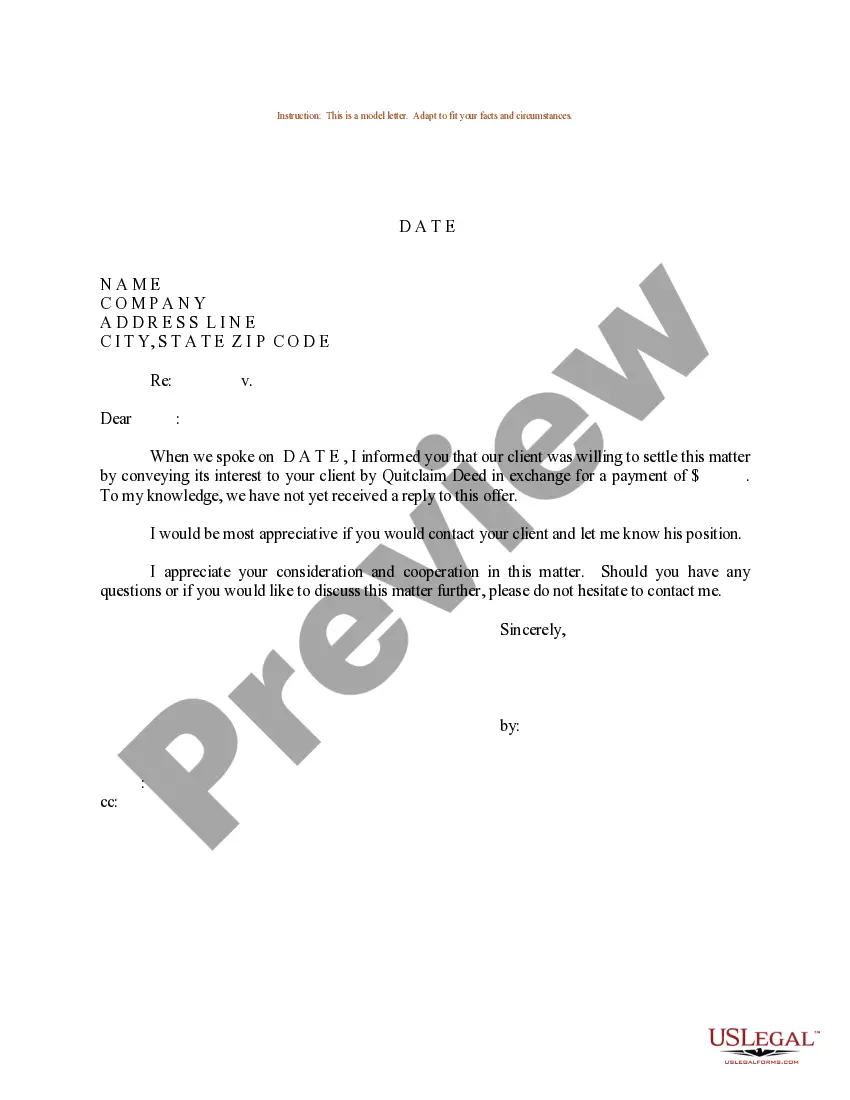
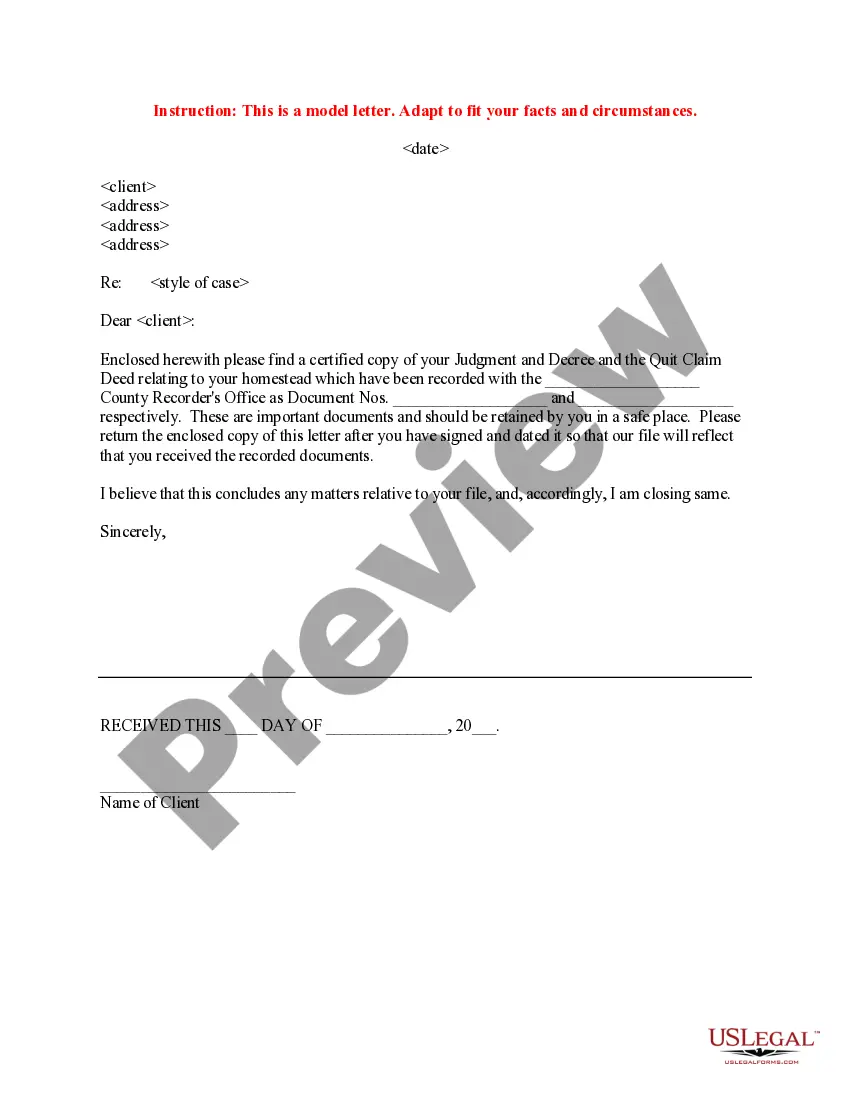
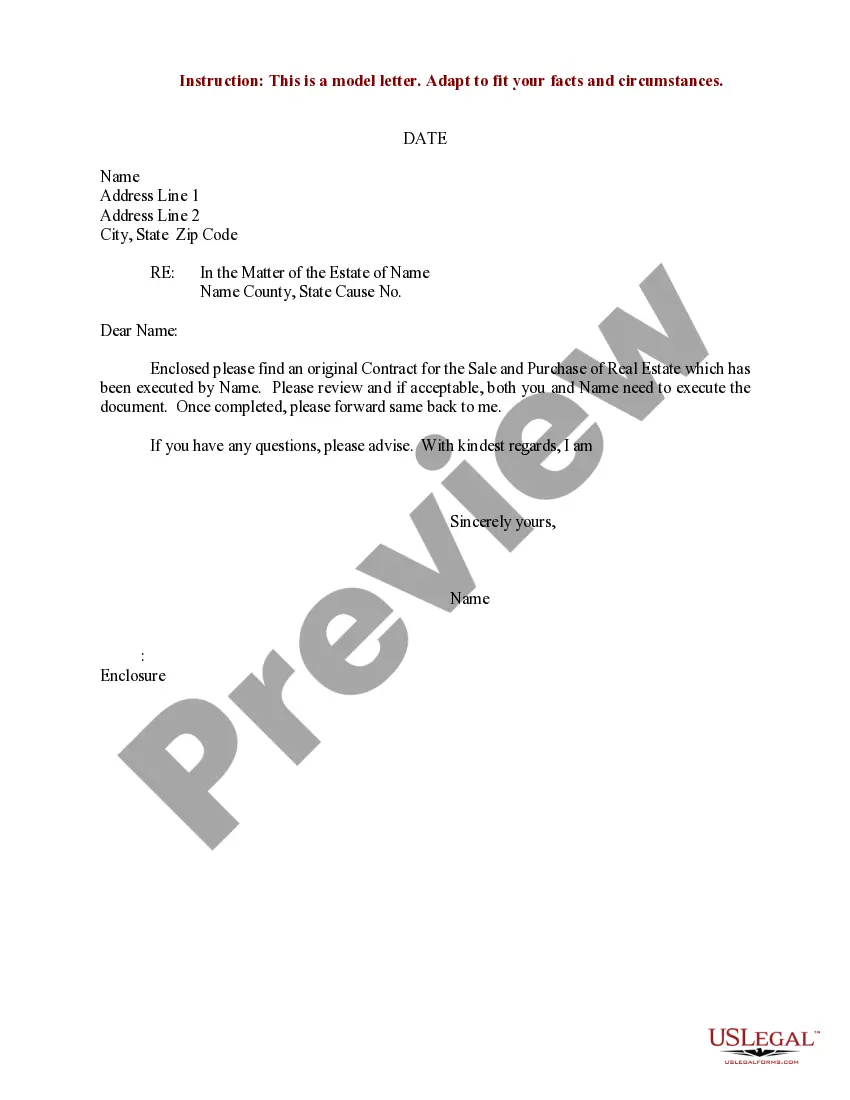
How to fill out Sample Letter To Client Regarding Real Estate Documents Related To Homestead?
- Log in to your US Legal Forms account if you're a returning user. Make sure your subscription is active to access the necessary templates.
- Review the preview mode and description of the form to confirm it fits your requirements and complies with local laws.
- Search for alternate templates if your initial choice doesn’t seem to fit your needs. Utilize the search function for precision.
- Purchase the appropriate document by clicking on the Buy Now button. Select a subscription plan that aligns with your needs and register an account for access.
- Complete the payment process using your credit card or PayPal account for the subscription.
- Download your chosen form and save it on your device. You can conveniently access it later in the My Forms section of your profile.
In conclusion, US Legal Forms empowers you with a vast array of legal templates, ensuring easy and quick access to essential documents for your Homestead homes. With expert assistance available, you will complete your legal preparations accurately.
Start today by visiting US Legal Forms and gain access to their extensive library!
Form popularity
FAQ
Filing for a homestead exemption in California is straightforward. You need to complete the required forms available through your county assessor's office and submit them by the deadline. Utilizing resources like US Legal Forms can simplify this process, ensuring all necessary details are accurate and timely.
To qualify for the homestead credit, you must be a homeowner who occupies the property and has filed for a homestead exemption. The credit provides tax relief, making it easier to manage expenses related to your homestead home. Exploring this option could be beneficial for your financial situation.
The new homestead exemption in California offers increased protection for your home value against creditors. As of January 2021, the exemption amount is up to $600,000, or more in certain areas, depending on your situation. This change provides added security for homeowners in their homestead homes.
In California, a homestead home qualifies if it is a residential property where you live most of the time. This includes single-family houses, mobile homes, and certain condos. Understanding what qualifies can help you protect your home from creditors.
To qualify for homestead homes in California, you must own the property and occupy it as your primary residence. Additionally, the property cannot exceed a certain value, which varies based on the county. Ensure you meet these criteria to enjoy the benefits of homesteading.
Living in a homestead offers numerous benefits, including access to fresh food, financial savings, and a sustainable lifestyle. Homestead homes allow you to enjoy a greater degree of independence and creativity, enabling you to tailor your environment to your needs. Additionally, this lifestyle fosters community connections and promotes mental well-being through involvement with nature.
Homestead living embodies a lifestyle dedicated to self-sufficiency and connecting with nature. It often involves growing your own food, raising animals, and living sustainably. Many individuals are drawn to homestead homes for their personal freedom and the ability to create a nurturing environment away from urban congestion.
A homestead refers to a property where individuals live and often produce their own food, whereas a farmhouse specifically denotes the house itself, usually located on a farm. Homestead homes integrate various structures, including the house, barns, and gardens, while a farmhouse focuses mainly on the dwelling's characteristics. Understanding these definitions helps in choosing the right lifestyle for you.
In Minnesota, a homestead is a property where you reside and that you own or have a qualifying interest in. To qualify, you must occupy the home as your primary residence and apply for homestead status, which provides property tax reductions. If you are considering homestead homes in Minnesota, ensure you meet the residency requirements and submit the appropriate application.
While homesteading offers many rewards, it also comes with challenges. Homestead homes often require significant time and effort to maintain, as owners must handle gardening, animal care, and upkeep. Additionally, financial investment in tools, supplies, and property can be substantial, so it’s essential to weigh these factors before committing to this lifestyle.