Attorney For Deposition
Description
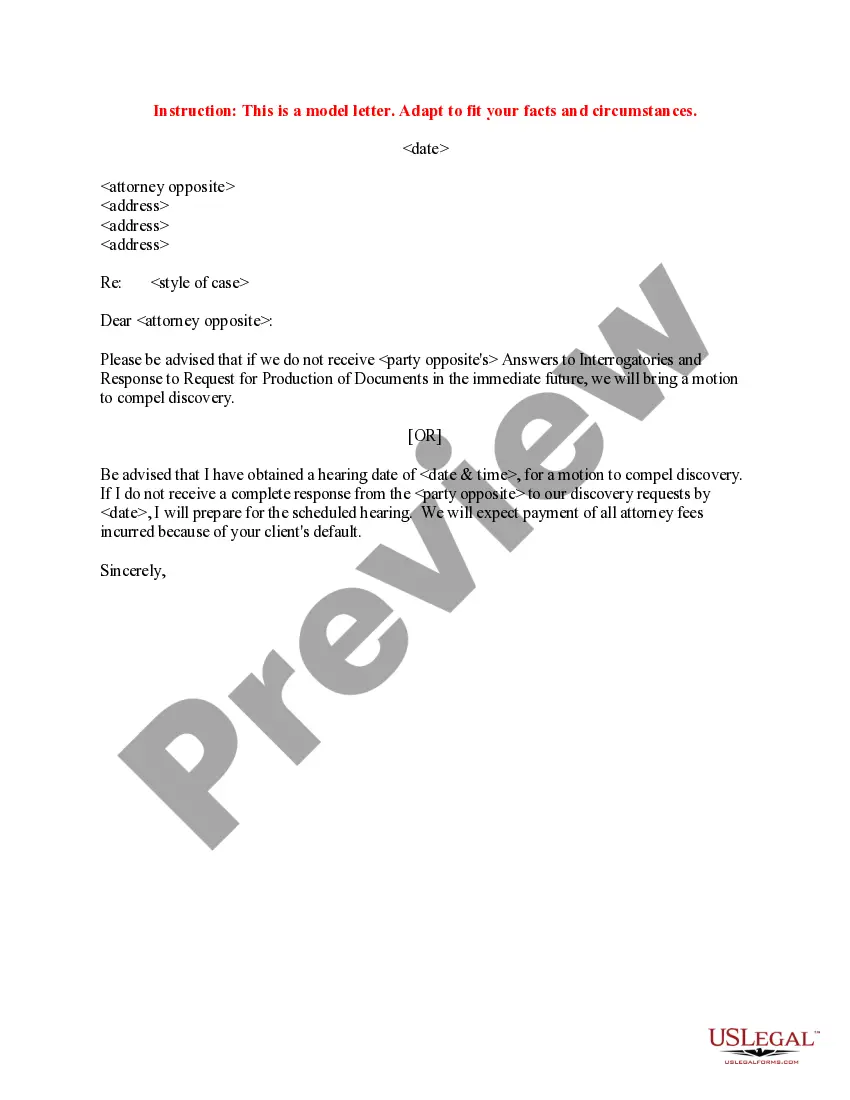
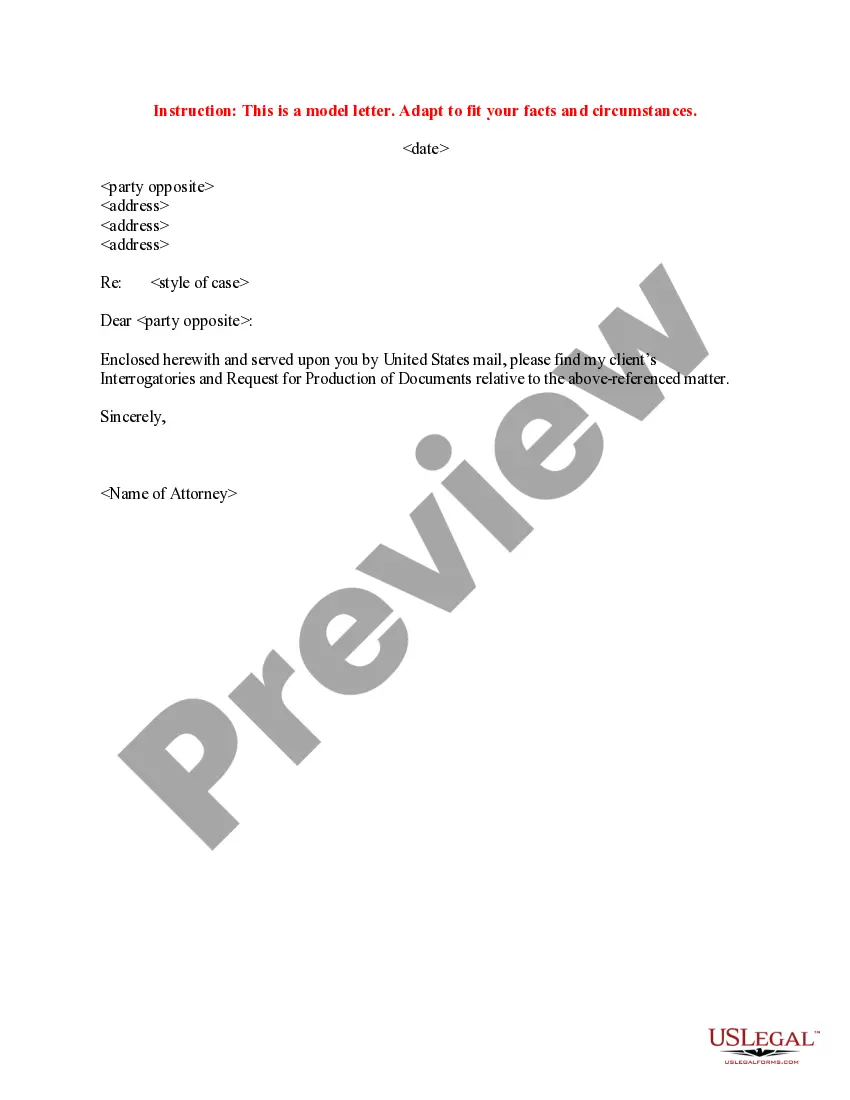
Get your form ready online
Our built-in tools help you complete, sign, share, and store your documents in one place.
Make edits, fill in missing information, and update formatting in US Legal Forms—just like you would in MS Word.
Download a copy, print it, send it by email, or mail it via USPS—whatever works best for your next step.
Sign and collect signatures with our SignNow integration. Send to multiple recipients, set reminders, and more. Go Premium to unlock E-Sign.
If this form requires notarization, complete it online through a secure video call—no need to meet a notary in person or wait for an appointment.
We protect your documents and personal data by following strict security and privacy standards.

Make edits, fill in missing information, and update formatting in US Legal Forms—just like you would in MS Word.

Download a copy, print it, send it by email, or mail it via USPS—whatever works best for your next step.

Sign and collect signatures with our SignNow integration. Send to multiple recipients, set reminders, and more. Go Premium to unlock E-Sign.

If this form requires notarization, complete it online through a secure video call—no need to meet a notary in person or wait for an appointment.

We protect your documents and personal data by following strict security and privacy standards.
Looking for another form?





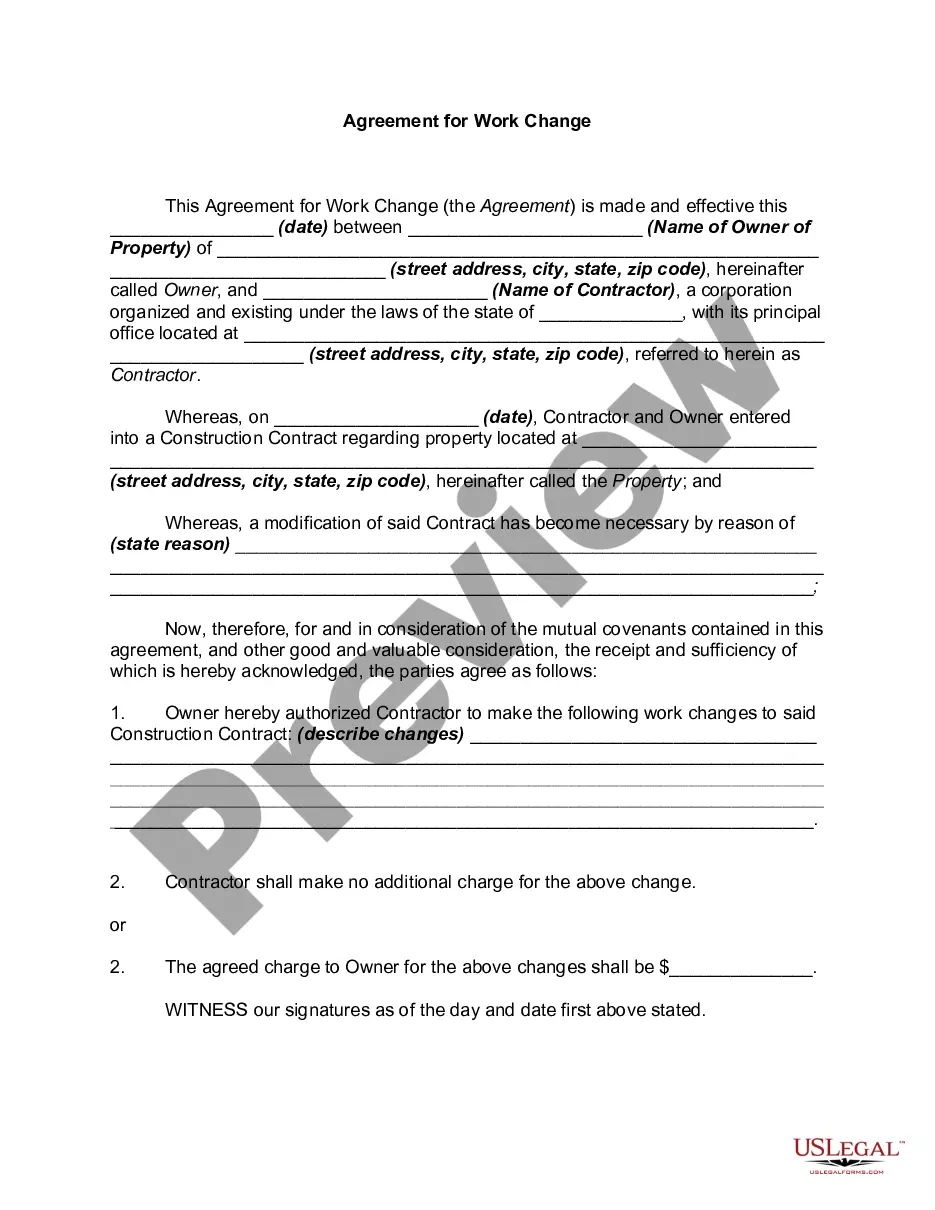
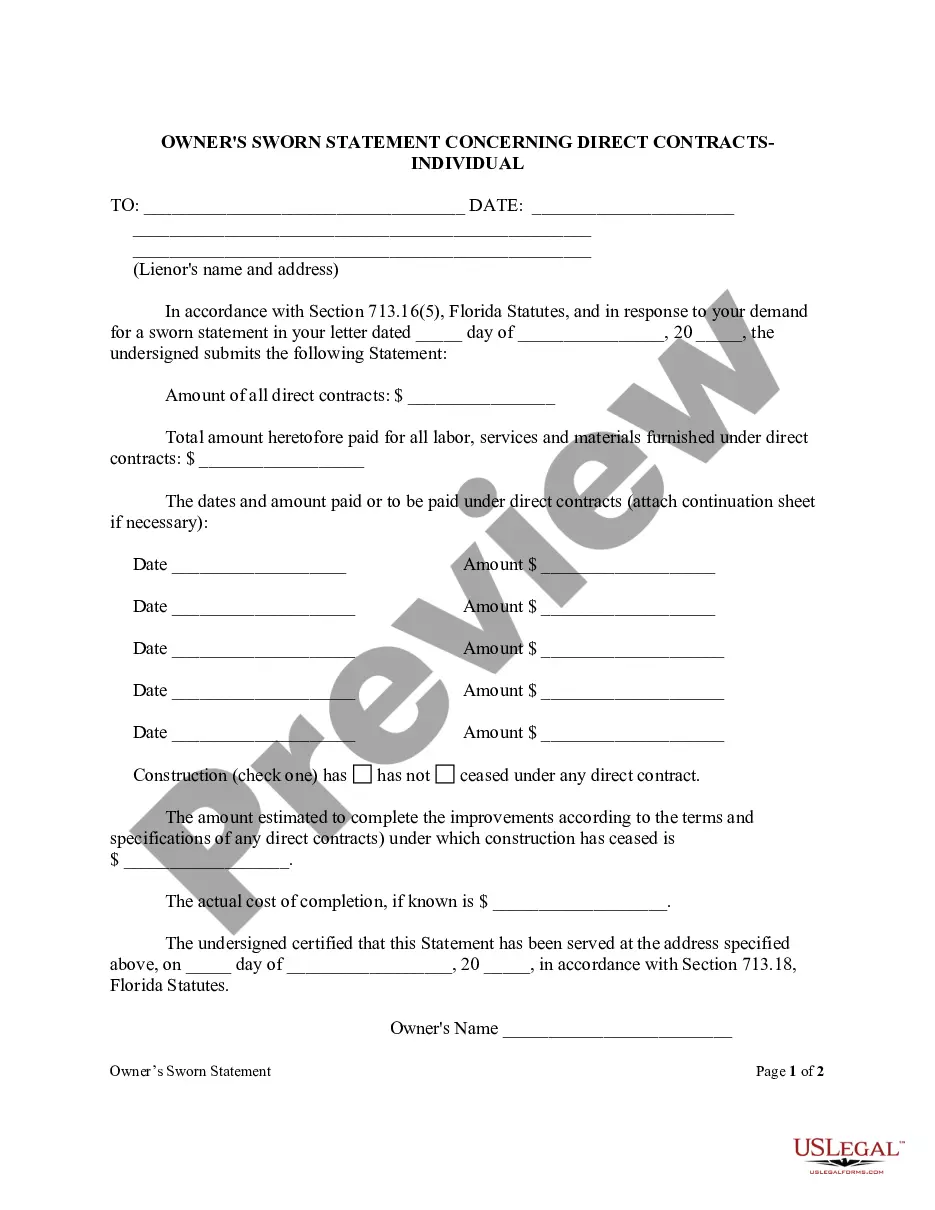
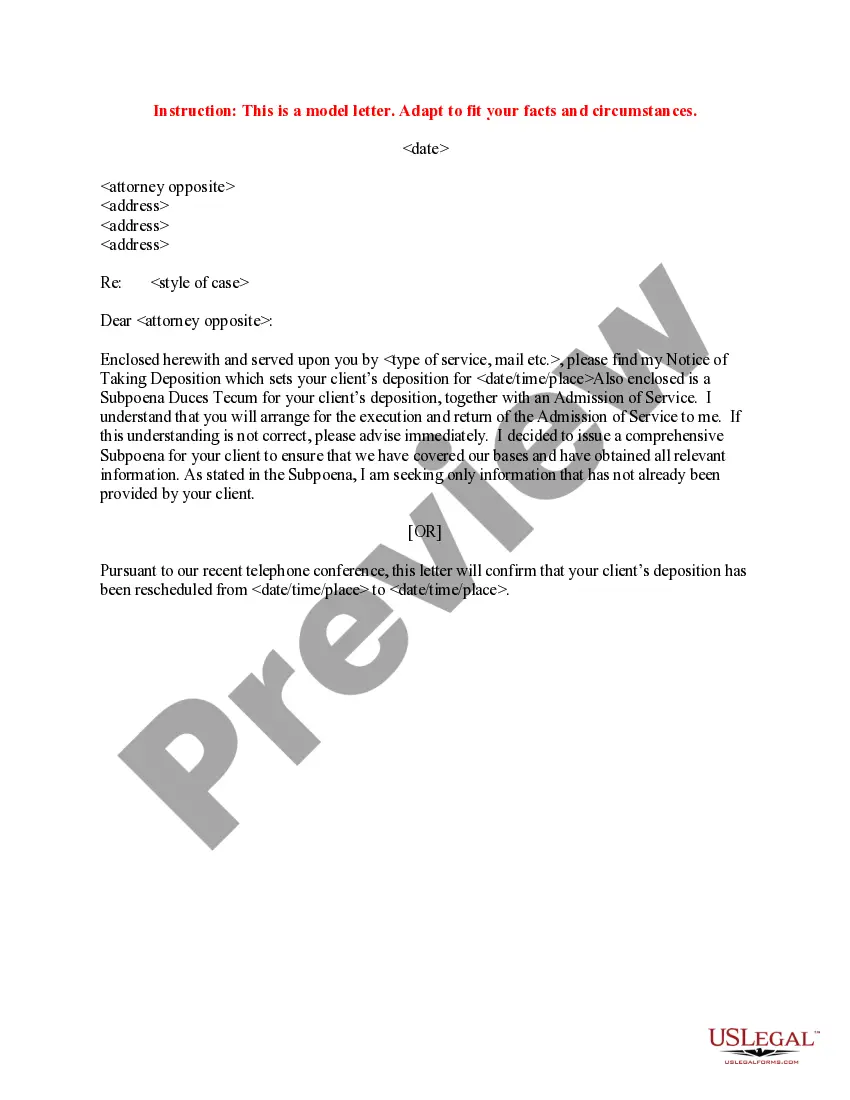
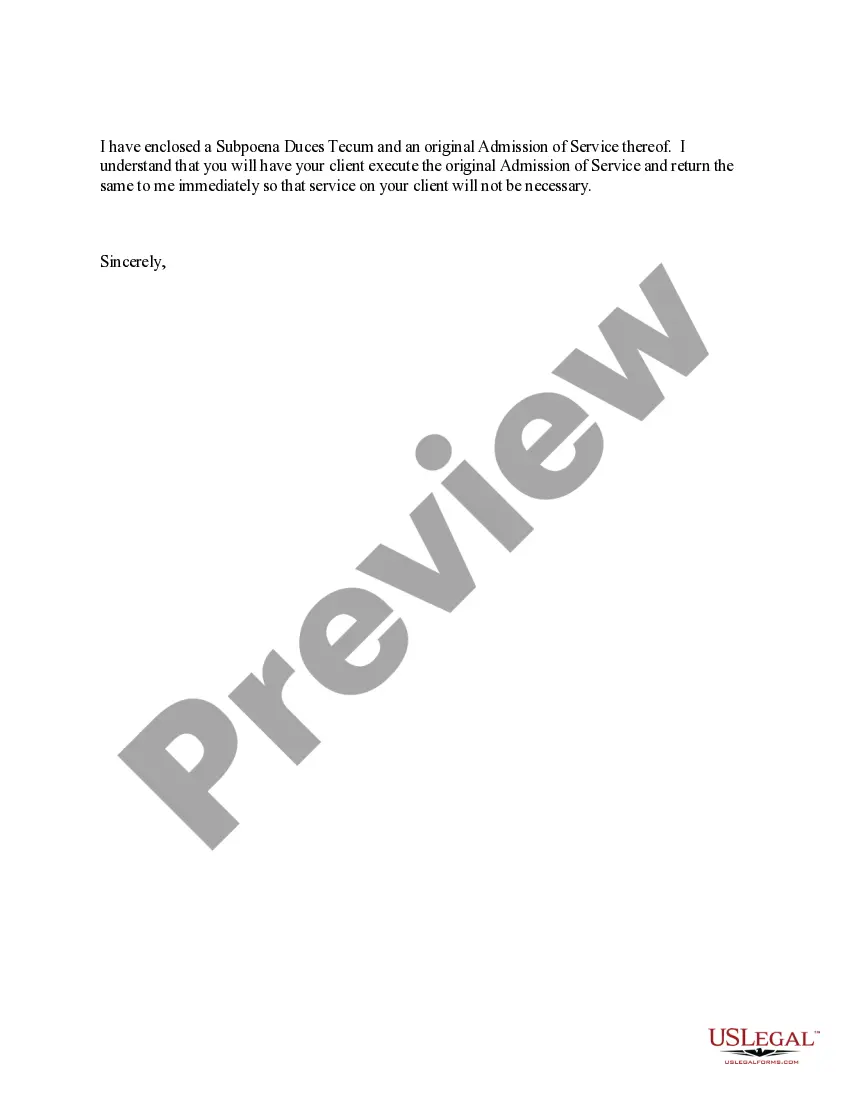
How to fill out Discovery - Sample Letter To Opposing Counsel Regarding Deposition And Subpoena Duces Tecum?
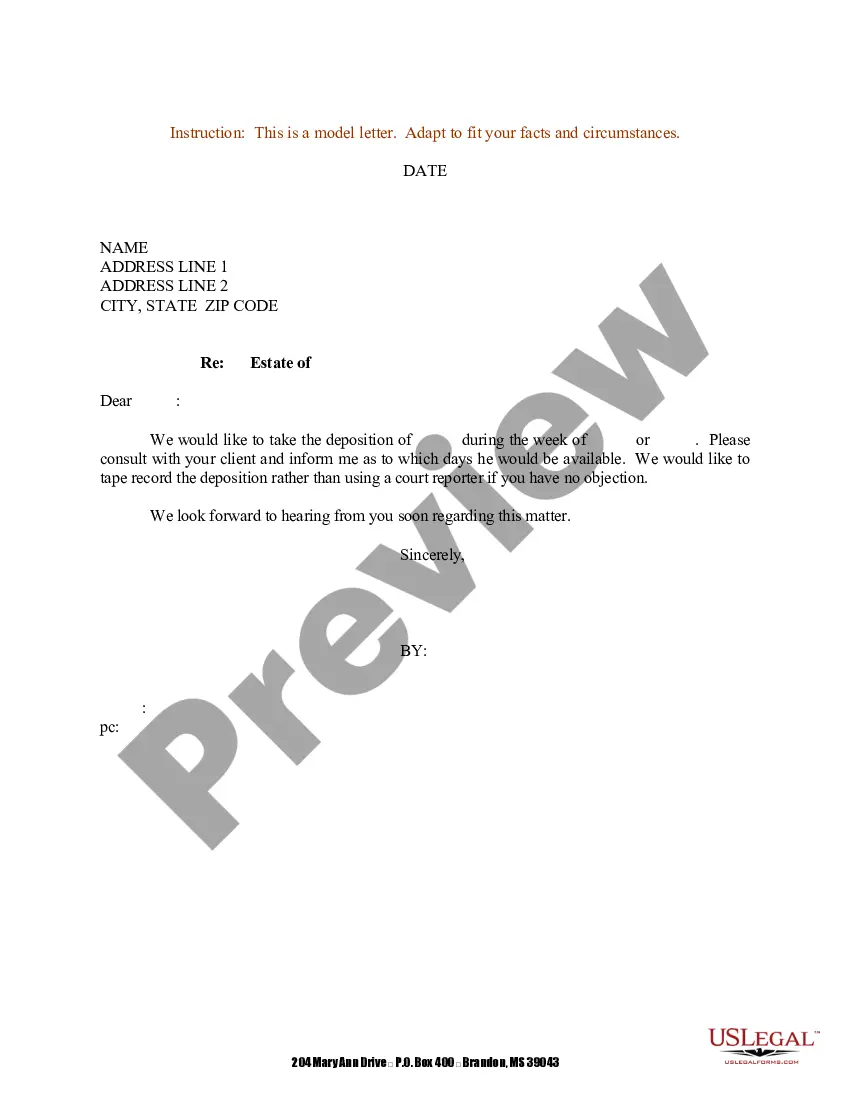
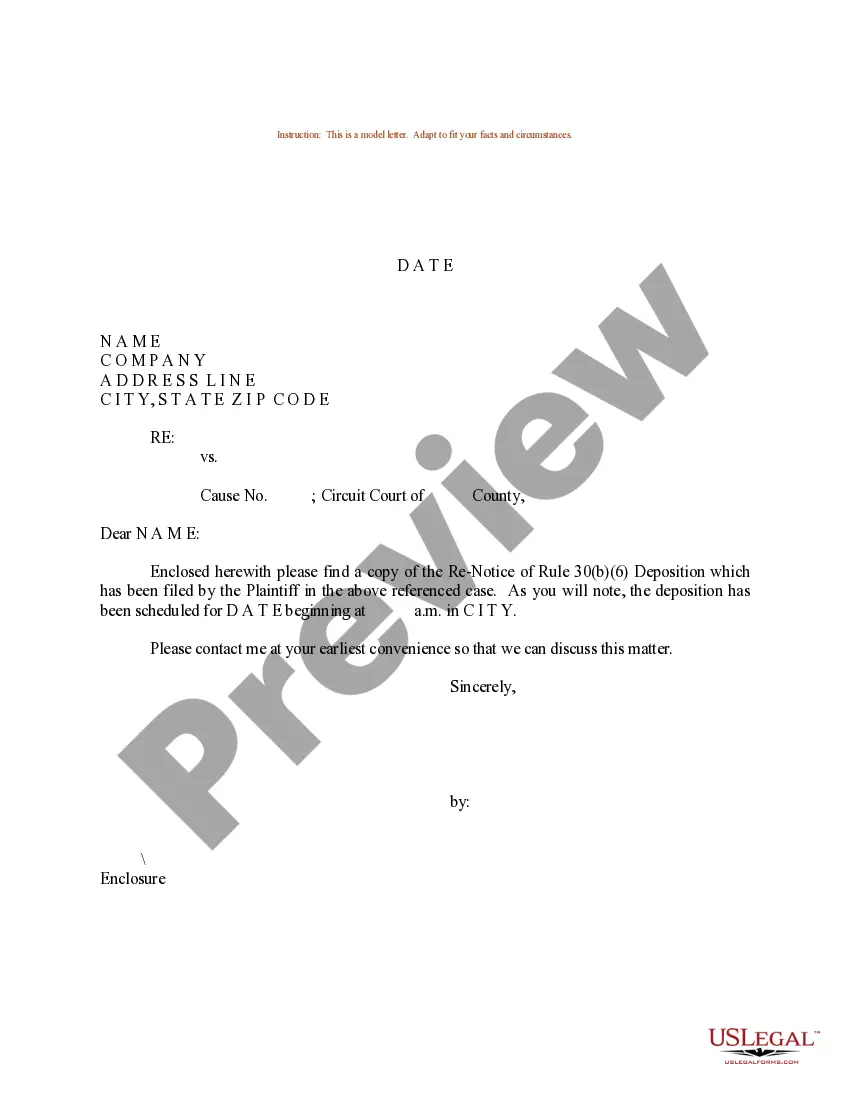
The Lawyer For Testimony you observe on this page is a versatile legal template created by expert attorneys in accordance with federal and local laws and regulations.
For over 25 years, US Legal Forms has supplied individuals, organizations, and legal practitioners with more than 85,000 authenticated, state-specific documents for any business and personal situation. It’s the quickest, simplest, and most reliable way to acquire the paperwork you require, as the service ensures bank-level data protection and anti-malware safeguards.
Select the format you prefer for your Lawyer For Testimony (PDF, DOCX, RTF) and download the sample onto your device.
- Explore the document you require and examine it.
- Review the file you searched and preview it or check the form description to confirm it meets your requirements. If it doesn’t, use the search bar to find the right one. Click Buy Now once you’ve located the template you desire.
- Register and sign in.
- Choose the pricing plan that fits you and create an account. Utilize PayPal or a credit card for a quick payment. If you already possess an account, Log In and verify your subscription to proceed.
- Acquire the editable template.
Form popularity
FAQ
How to Handle a Deposition: Advice from an OMIC Defense Attorney Tell the truth. ... Think before you speak. ... Answer the question. ... Do not volunteer information. ... Do not answer a question you do not understand. ... Talk in full, complete sentences. ... You only know what you have seen or heard. ... Do not guess.
In fact, one of the primary reasons that lawyers conduct depositions is to secure a witness's testimony if they expect that witness to change their story before court. If a witness changes their testimony after giving a deposition, the deposition serves as evidence that the witness may not be truthful.
Deposition DO's: Deposition DO's: Be prepared with the facts. Witnesses can prepare to win or prepare to fail. Tell the truth. Do not lie. ... Take your time. A calm approach gives you more poise and control. Answer ?yes? or ?no? if that fits the question. ... Answer one question at time. ... Anticipate questions. ... Request a break.
Speaking in Absolutes Using terms like ?never? and ?always? in your deposition answers may do more harm than good. Answering questions with these terms may make it sound like you are being definitive about various topics.