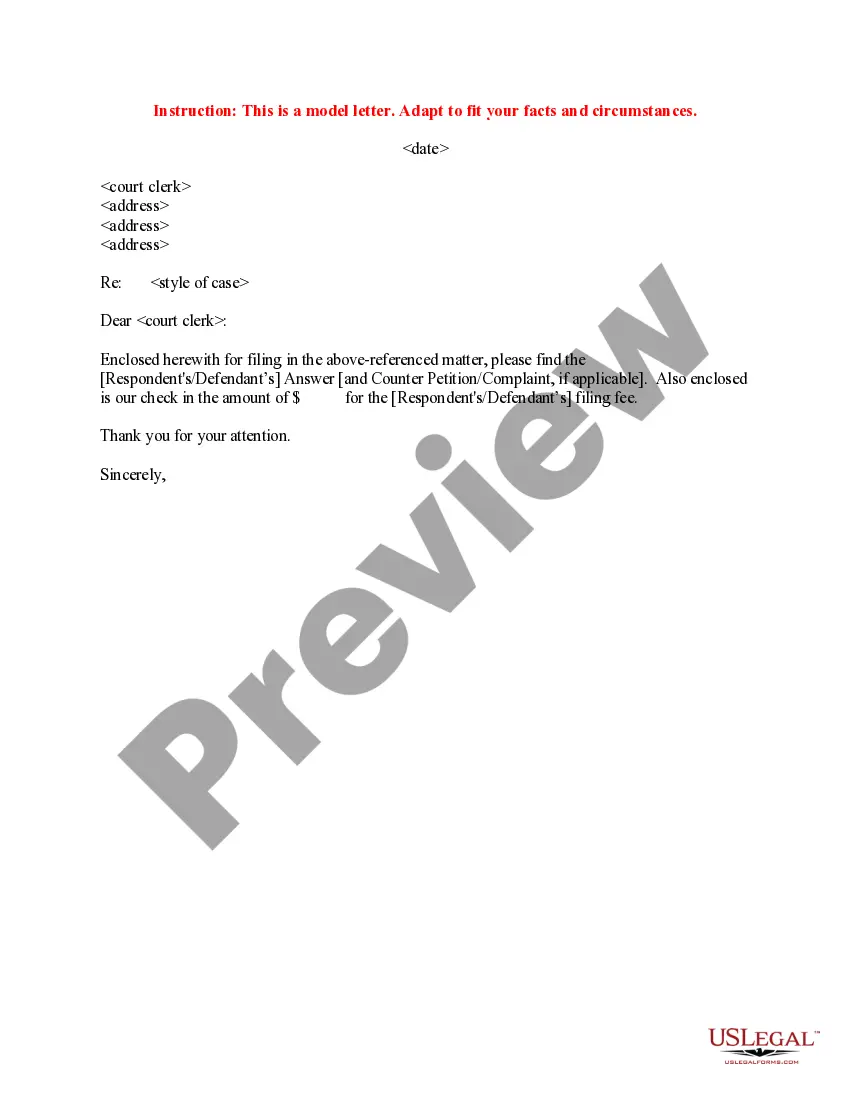
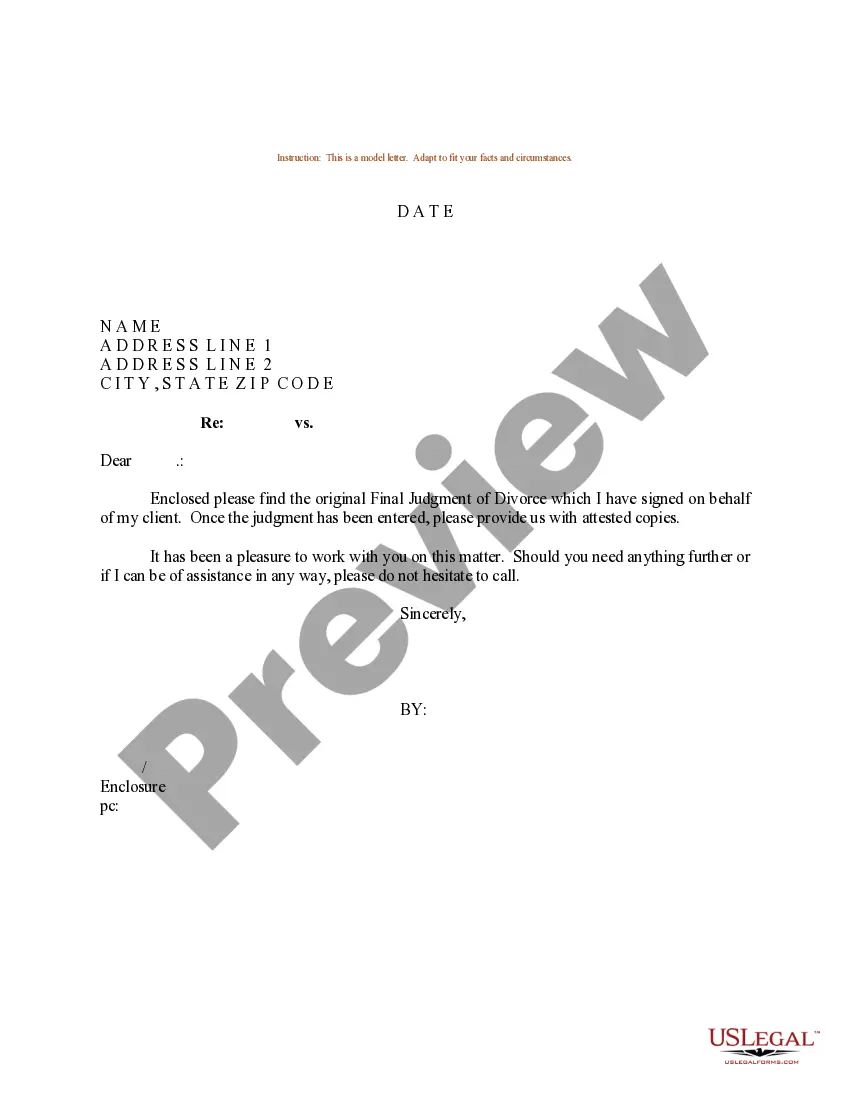
Character Letter For Court For Employee
Description
Get your form ready online
Our built-in tools help you complete, sign, share, and store your documents in one place.
Make edits, fill in missing information, and update formatting in US Legal Forms—just like you would in MS Word.
Download a copy, print it, send it by email, or mail it via USPS—whatever works best for your next step.
Sign and collect signatures with our SignNow integration. Send to multiple recipients, set reminders, and more. Go Premium to unlock E-Sign.
If this form requires notarization, complete it online through a secure video call—no need to meet a notary in person or wait for an appointment.
We protect your documents and personal data by following strict security and privacy standards.

Make edits, fill in missing information, and update formatting in US Legal Forms—just like you would in MS Word.

Download a copy, print it, send it by email, or mail it via USPS—whatever works best for your next step.

Sign and collect signatures with our SignNow integration. Send to multiple recipients, set reminders, and more. Go Premium to unlock E-Sign.

If this form requires notarization, complete it online through a secure video call—no need to meet a notary in person or wait for an appointment.

We protect your documents and personal data by following strict security and privacy standards.
Looking for another form?

Form popularity
FAQ
Individuals who have a close relationship with the employee are best suited to write a character letter for court for an employee. This can include supervisors, colleagues, or long-term friends. The more credible and relevant the source, the more impactful the letter will be. If you need guidance, platforms like USLegalForms can provide templates and resources to help streamline the writing process.
The risks of writing a character letter for court for an employee include potential backlash if the employee does not perform as expected after the trial. Additionally, if the employee engages in misconduct, your reputation could be at stake. Therefore, it is important to think carefully about your relationship and the information you provide in the letter.
Writing a character letter for court for an employee is not inherently bad. However, it is crucial to ensure that the letter reflects your honest opinion and is based on factual experiences. Misrepresenting someone's character can lead to legal or ethical issues. Always approach this task with care and sincerity.
Yes, you can write a character letter for court for an employee. It is a way to express your beliefs about the person's character and integrity. When writing, focus on specific examples that illustrate the individual's positive traits. This personal touch can make the letter more impactful.
To highlight someone's honesty and integrity, provide specific instances where they demonstrated these values in the workplace. Describe situations where they made ethical decisions or took responsibility for their actions. This kind of detail will enhance the character letter for court for employee and underscore the person's trustworthy nature.
Writing a character letter can carry some personal risk, especially if the letter includes inaccurate information or if the employee's actions do not support your statements. If you attest to their character, be mindful that your reputation might be linked to theirs. Thus, it is important to provide an honest assessment in the character letter for court for employee.
To write a character reference for a staff member, begin with a formal greeting and introduction of yourself. Then, detail the employee's skills, providing examples of their contributions to the team. Conclude with a strong endorsement supporting their positive character, reflecting the qualities needed in a character letter for court for employee.
A good character reference for an employee might include statements about their dependability, teamwork, and problem-solving abilities. For instance, you could mention how they successfully led a project that increased team productivity. Such real-life examples reinforce the message of the character letter for court for employee and establish credibility.
When writing a character reference for an employee, start by stating your relationship and the length of time you have known them. Describe their professional skills, work habits, and character traits with concrete examples. Ensure the letter is clear and concise, while emphasizing the individual's strengths relevant to the character letter for court for employee.
A good character reference should highlight the positive attributes of the individual, focusing on their work ethic, reliability, and moral values. It should provide specific examples of their contributions and how they have impacted the workplace positively. This context helps strengthen the character letter for court for employee and presents a compelling case.