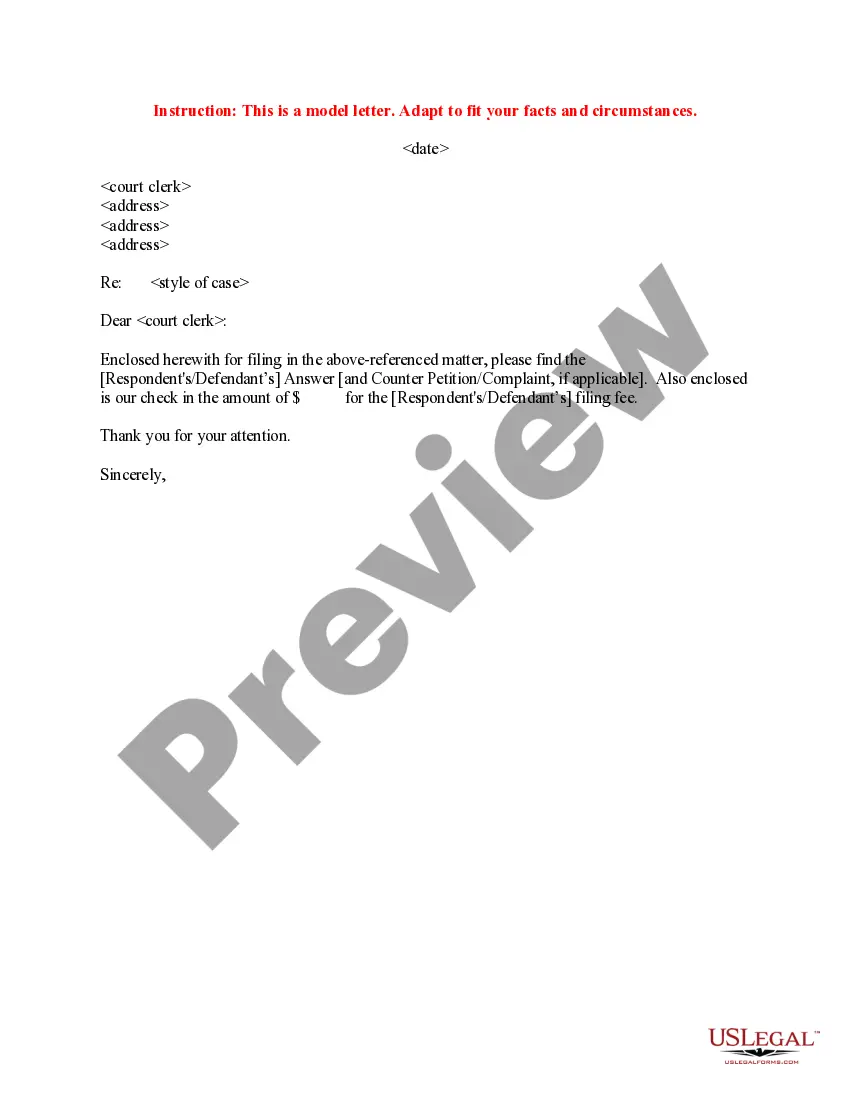
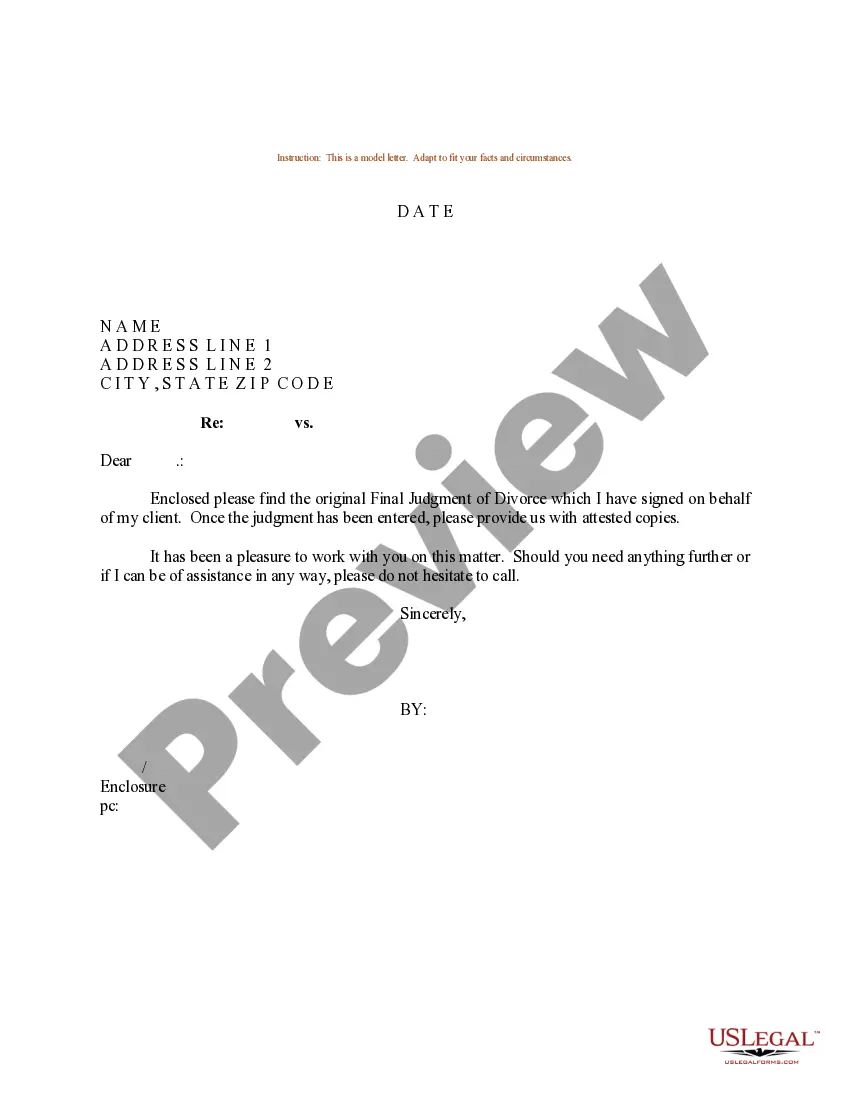
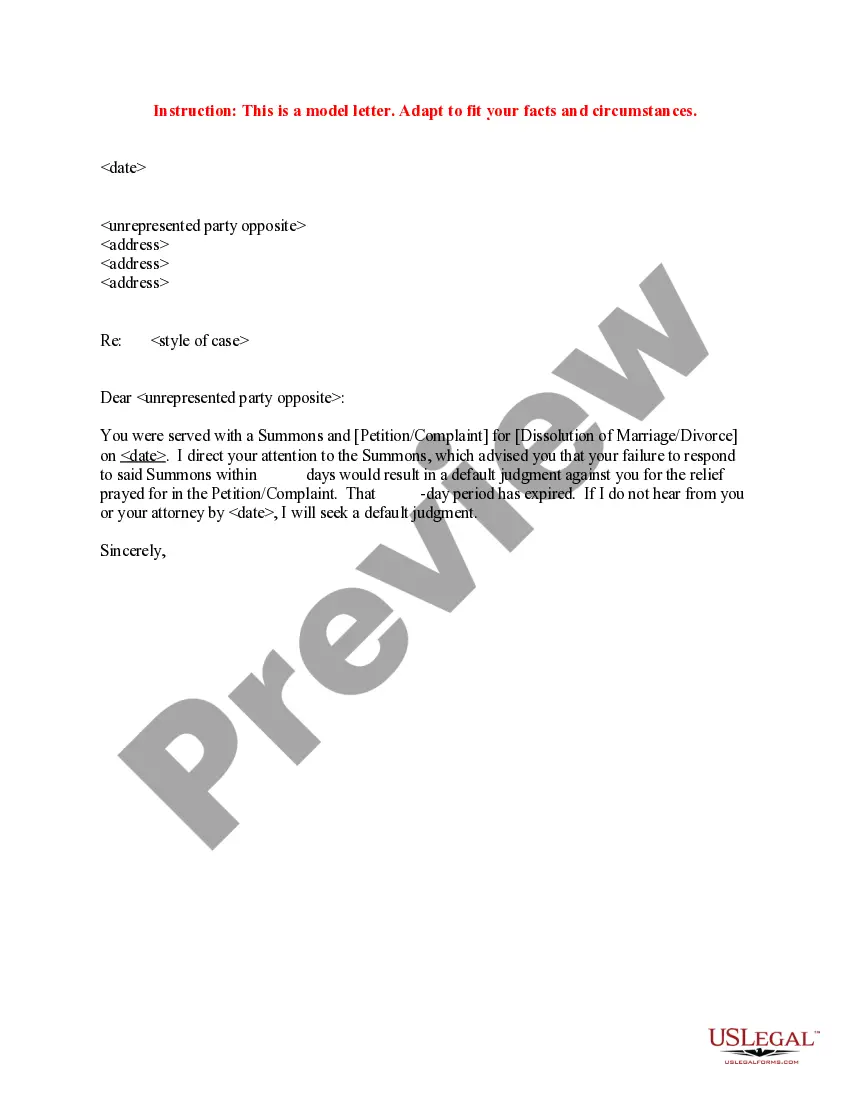
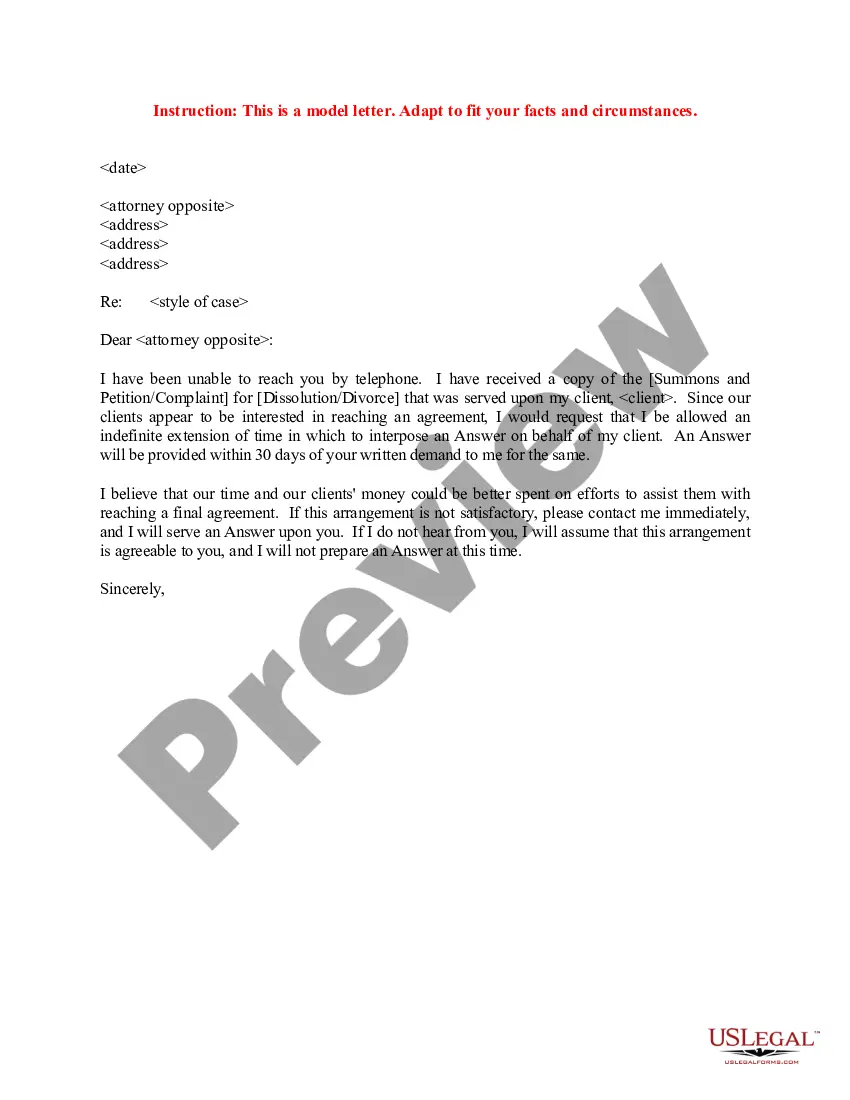
Answer To Court Summons Template
Description
Get your form ready online
Our built-in tools help you complete, sign, share, and store your documents in one place.
Make edits, fill in missing information, and update formatting in US Legal Forms—just like you would in MS Word.
Download a copy, print it, send it by email, or mail it via USPS—whatever works best for your next step.
Sign and collect signatures with our SignNow integration. Send to multiple recipients, set reminders, and more. Go Premium to unlock E-Sign.
If this form requires notarization, complete it online through a secure video call—no need to meet a notary in person or wait for an appointment.
We protect your documents and personal data by following strict security and privacy standards.

Make edits, fill in missing information, and update formatting in US Legal Forms—just like you would in MS Word.

Download a copy, print it, send it by email, or mail it via USPS—whatever works best for your next step.

Sign and collect signatures with our SignNow integration. Send to multiple recipients, set reminders, and more. Go Premium to unlock E-Sign.

If this form requires notarization, complete it online through a secure video call—no need to meet a notary in person or wait for an appointment.

We protect your documents and personal data by following strict security and privacy standards.
Looking for another form?
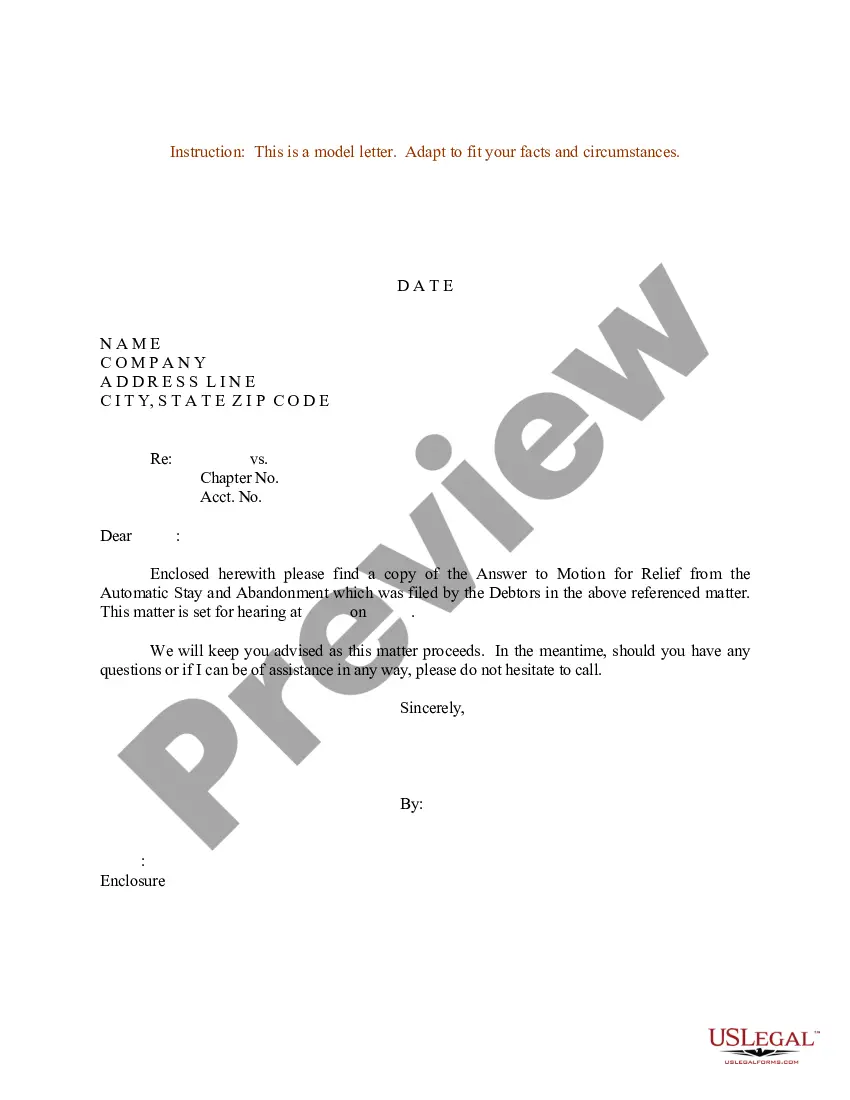


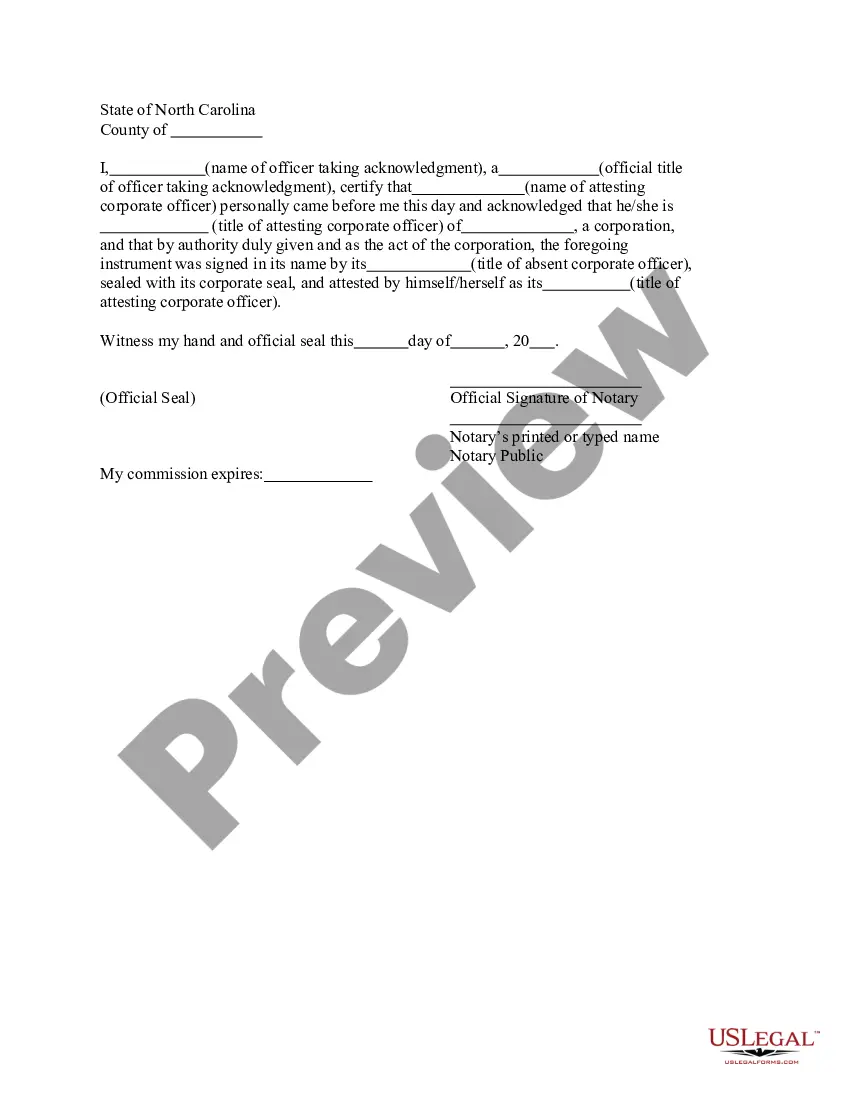
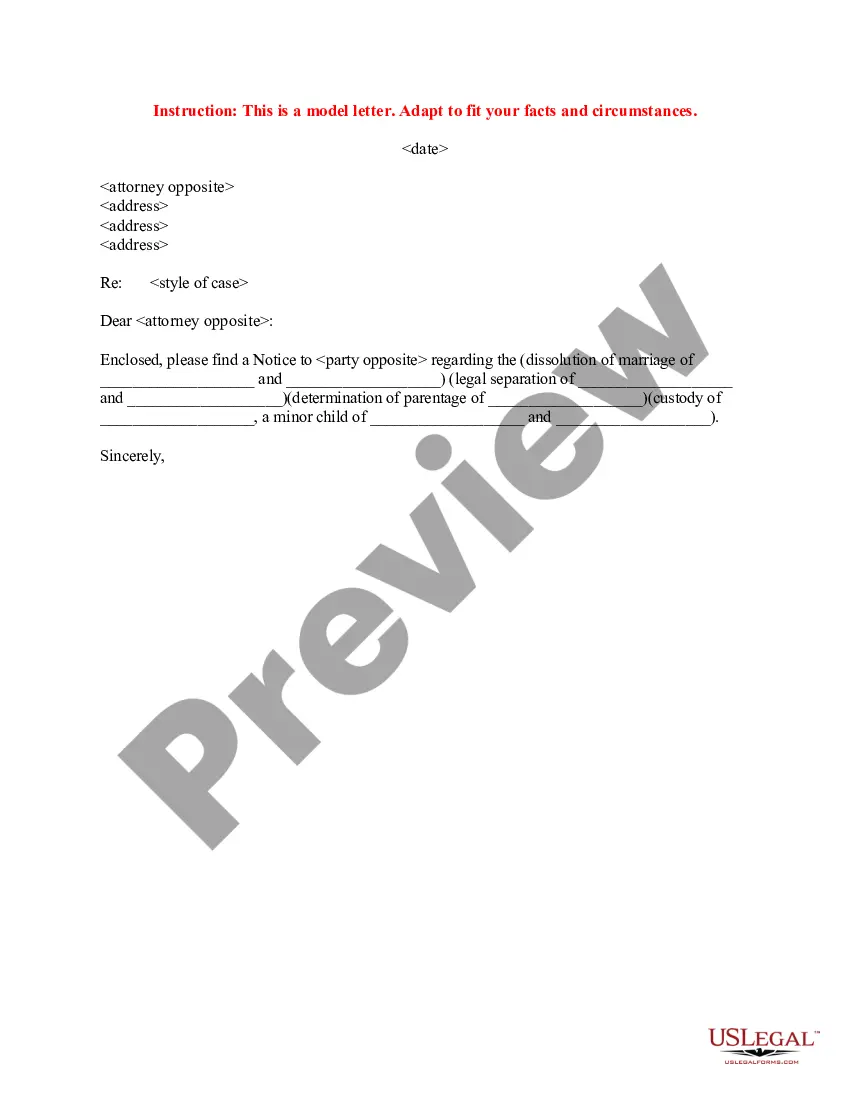
How to fill out Sample Letter To Court Clerk Regarding Filing Answer - Cover Letter?
Regardless of whether it is for commercial reasons or personal matters, everyone must confront legal issues at some stage in their lives. Completing legal paperwork necessitates meticulous attention, commencing with selecting the correct form template. For example, if you choose an incorrect version of the Response to Court Summons Template, it will be rejected upon submission. Thus, it is crucial to have a reliable source for legal documents such as US Legal Forms.
If you need to acquire a Response to Court Summons Template sample, follow these simple steps.
With a vast US Legal Forms catalog available, you do not need to waste time searching for the correct sample online. Take advantage of the library’s user-friendly navigation to find the suitable template for any circumstance.
- Obtain the sample you need by utilizing the search bar or catalog navigation.
- Review the form’s details to ensure it aligns with your circumstances, state, and area.
- Click on the form’s preview to examine it.
- If it is not the correct form, return to the search function to locate the Response to Court Summons Template sample you need.
- Retrieve the file if it meets your specifications.
- If you possess a US Legal Forms account, click Log in to access previously saved templates in My documents.
- If you do not have an account yet, you can download the form by clicking Buy now.
- Select the appropriate pricing option.
- Complete the account registration form.
- Choose your payment method: use a credit card or PayPal account.
- Select the document format you desire and download the Response to Court Summons Template.
- Once it is downloaded, you can complete the form using editing software or print it and finish it by hand.
Form popularity
FAQ
In Civil Law, an ?answer? is the first formal response given by the defense to a complaint filed with the court by the plaintiff. This opening written statement will admit or deny the allegations, or demand more information about the claims of wrongdoing.
When drafting an answer, one must: (1) follow the local, state, and federal court rules; (2) research the legal claims in the adversary's complaint; (3) respond to the adversary's factual allegations; and (4) assert affirmative defenses, counterclaims, cross-claims, or third-party claims, if applicable.
Affirmative defense?Examples On [Date], after making the contract and the alleged breach, and before this action was commenced, defendant paid to the plaintiff the sum of [specify amount], which was accepted by the plaintiff in full satisfaction and discharge of the damages claimed in the petition.
In law, an answer refers to a defendant's first formal written statement to a plaintiff's initial petition or complaint. This opening written statement will admit or deny the allegations, or demand more information about the claims of wrongdoing.