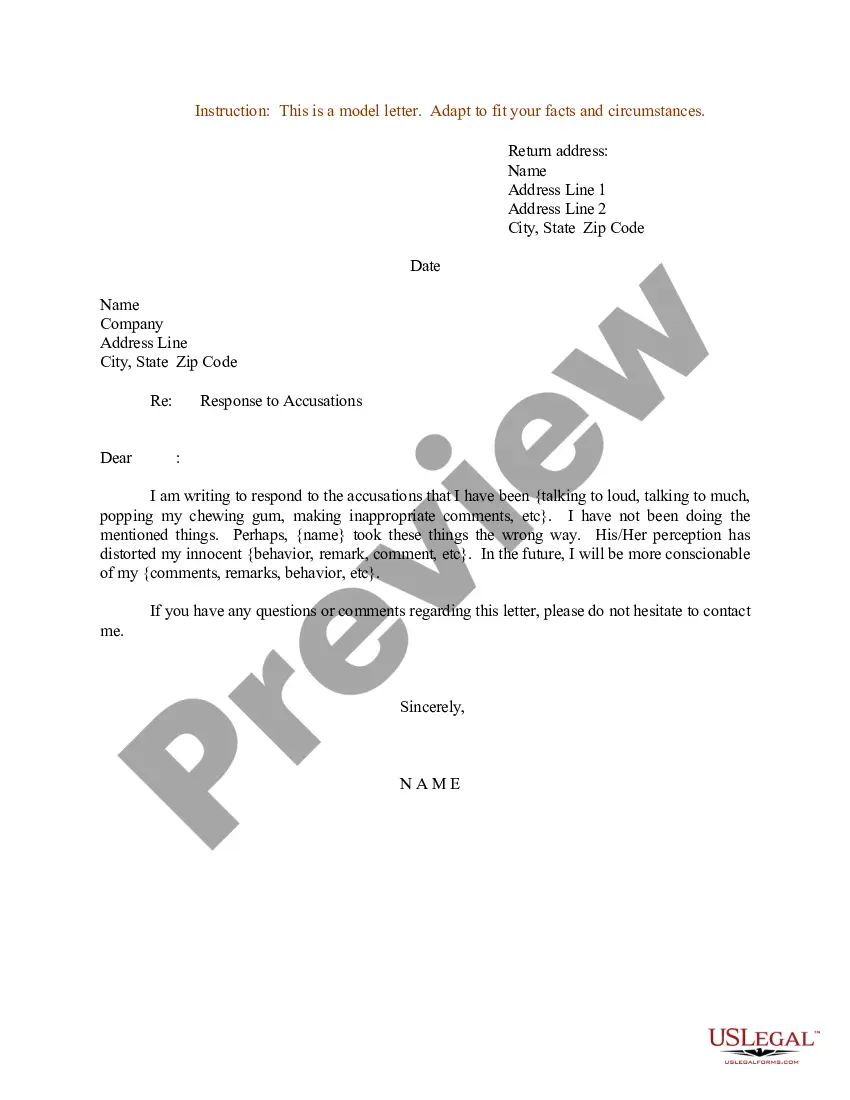
Sample Letter For Charges
Description
Get your form ready online
Our built-in tools help you complete, sign, share, and store your documents in one place.
Make edits, fill in missing information, and update formatting in US Legal Forms—just like you would in MS Word.
Download a copy, print it, send it by email, or mail it via USPS—whatever works best for your next step.
Sign and collect signatures with our SignNow integration. Send to multiple recipients, set reminders, and more. Go Premium to unlock E-Sign.
If this form requires notarization, complete it online through a secure video call—no need to meet a notary in person or wait for an appointment.
We protect your documents and personal data by following strict security and privacy standards.

Make edits, fill in missing information, and update formatting in US Legal Forms—just like you would in MS Word.

Download a copy, print it, send it by email, or mail it via USPS—whatever works best for your next step.

Sign and collect signatures with our SignNow integration. Send to multiple recipients, set reminders, and more. Go Premium to unlock E-Sign.

If this form requires notarization, complete it online through a secure video call—no need to meet a notary in person or wait for an appointment.

We protect your documents and personal data by following strict security and privacy standards.
Looking for another form?
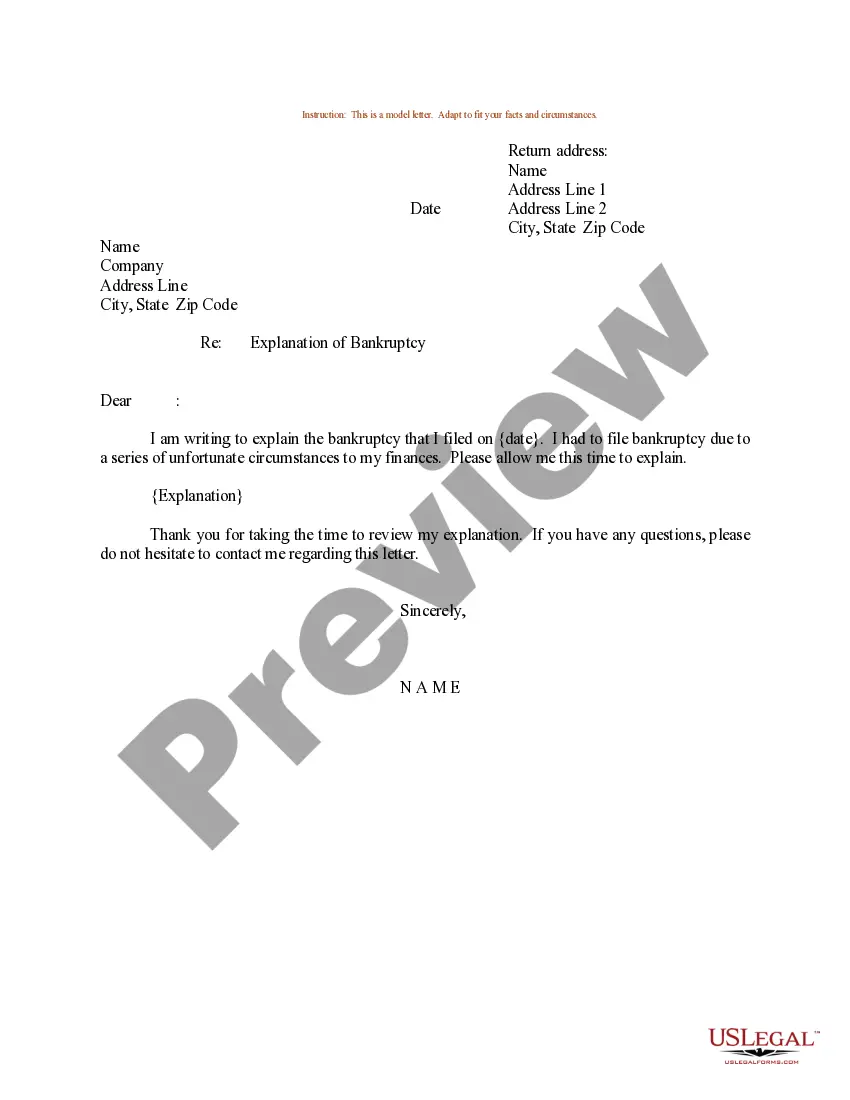
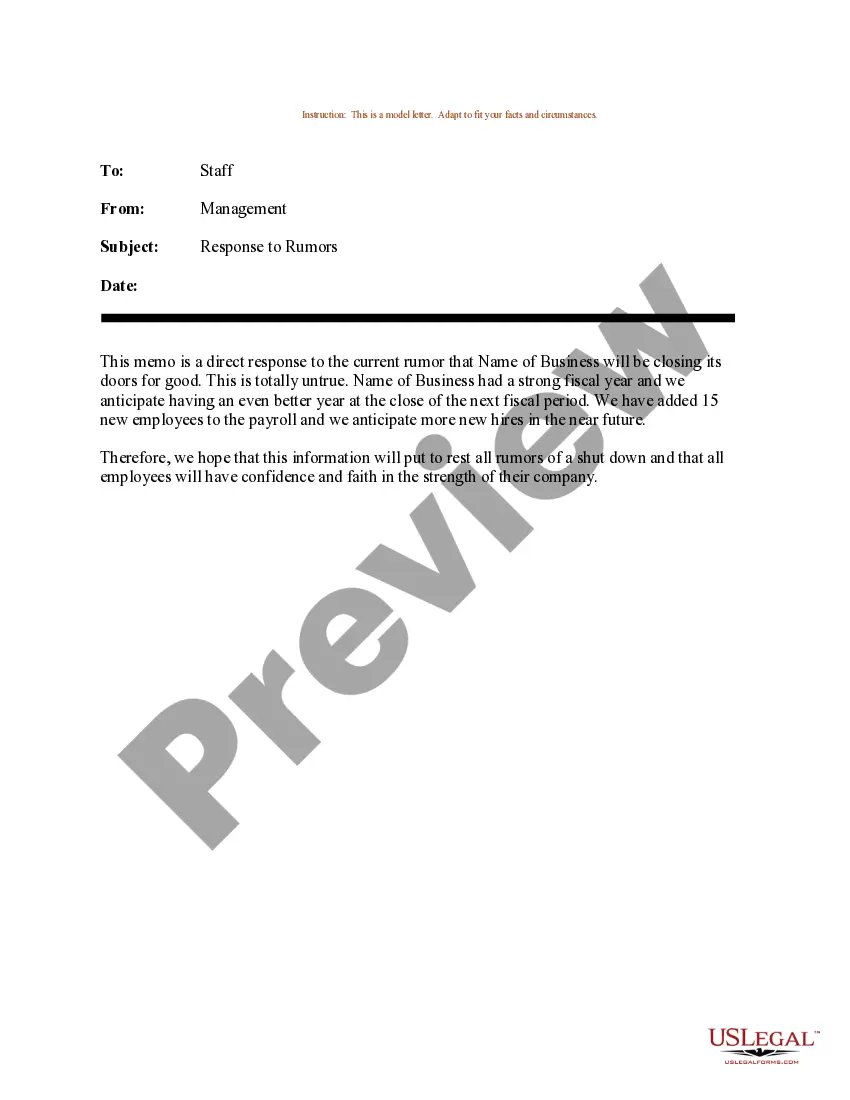
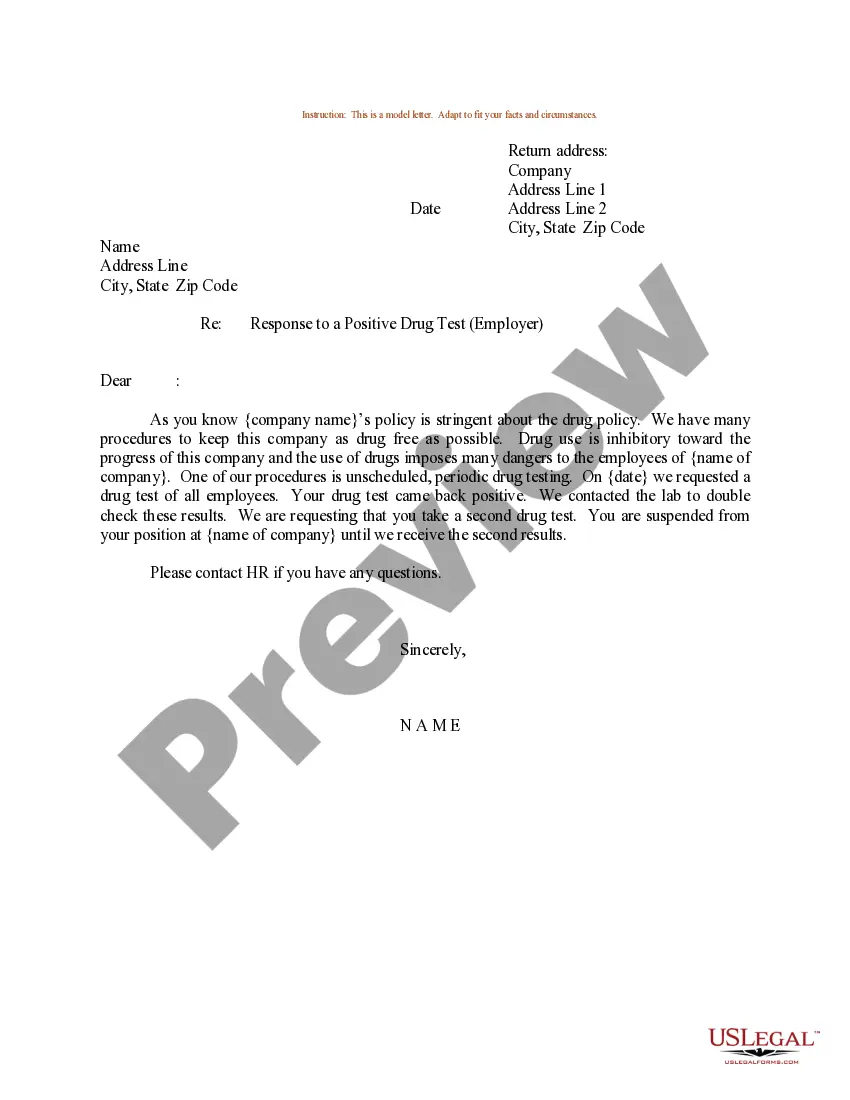
How to fill out Sample Letter For Response To Accusations?
The Example Document For Fees you observe on this page is a reusable official model crafted by experienced attorneys in accordance with federal and local laws.
For over 25 years, US Legal Forms has offered individuals, enterprises, and legal practitioners more than 85,000 validated, state-specific templates for any business and personal need. It’s the fastest, easiest, and most dependable method to acquire the documents you require, as the service assures the highest level of data protection and anti-malware safeguards.
Redownload your files whenever necessary. Access the My documents section in your profile to retrieve any previously purchased templates. Register with US Legal Forms to have verified legal templates for all of life’s scenarios at your fingertips.
- Search for the document you require and examine it.
- Browse through the example you queried and preview it or review the form summary to ensure it meets your requirements. If it does not, use the search feature to find the appropriate one. Click Buy Now once you have found the template you need.
- Register and Log In.
- Select the pricing option that fits you and create an account. Use PayPal or a credit card for a swift payment. If you already possess an account, Log In and verify your subscription to proceed.
- Obtain the editable template.
- Choose the format you desire for your Example Document For Fees (PDF, Word, RTF) and download the sample to your device.
- Complete and sign the document.
- Print the template to finalize it by hand. Alternatively, utilize an online multifunctional PDF editor to swiftly and accurately fill out and sign your form electronically.
Form popularity
FAQ
Writing a powerful complaint letter involves being direct and factual about your concerns. Begin by outlining the specific issue and referencing any supporting documents or agreements. A sample letter for charges can serve as a useful template to ensure your letter is professional and effective. End with a clear request for resolution, and provide your contact information for follow-up.
To write a legal dispute letter, start with a clear statement of the issue at hand. Include relevant details such as dates, names, and any previous communications. It’s helpful to refer to a sample letter for charges to guide your structure and tone. Finally, conclude by stating your desired outcome and any actions you expect from the recipient.
When writing to your bank to request a waiver of charges, begin with a polite introduction and state your request clearly. Provide any necessary details, such as your account number and the specific charges in question. It's helpful to mention your positive banking history, if applicable. You might find a sample letter for charges useful, as it can help you structure your request effectively.
To write a dispute letter effectively, start by clearly stating the reason for your dispute. Include relevant details, such as dates and transaction numbers, to support your case. Use a respectful and professional tone throughout the letter. For a concrete example, consider using a sample letter for charges to guide your writing.
The first line of a request letter should include a polite greeting, followed by a clear statement of your request. This sets the tone for the letter and immediately informs the reader of your intentions. For instance, you might say, 'I am writing to kindly request information regarding...' Utilizing a sample letter for charges can help you craft the perfect opening line.
When writing a letter to waive penalty charges, start by addressing the recipient formally. Explain the circumstances that led to the charges, being honest and concise. Clearly request the waiver and provide any supporting information that could strengthen your case. A sample letter for charges can serve as a helpful guide to ensure your letter is professional and persuasive.
To write a polite request, begin with a courteous greeting. Clearly state your purpose and provide context so the reader understands your intentions. Use a respectful tone throughout the letter, and express appreciation for their consideration. For a well-structured letter, refer to a sample letter for charges that showcases effective communication.
To write a legal letter of demand, start by clearly stating the purpose of your letter. You should outline the specific charges and the amount owed, ensuring you include any relevant dates and details. Using a well-structured sample letter for charges can help you format your letter correctly and include all necessary information. Finally, be sure to indicate a deadline for payment and mention possible legal actions if the matter is not resolved.
While you can write a demand letter without legal help, having a lawyer can enhance its effectiveness. A legal expert can ensure that your sample letter for charges meets all necessary legal standards and accurately conveys your demands. Additionally, they can provide guidance on the legal implications of your situation, making the process smoother. Using platforms like US Legal Forms can also provide you with templates and resources to create a professional demand letter.
Hiring a lawyer to write a demand letter can be a wise decision, especially if your situation is complex. A legal professional can provide expertise and ensure that your rights are protected, as they understand the nuances of the law. Utilizing a sample letter for charges can also aid in the process, but professional advice may enhance the effectiveness of your demand.