Discovery Request Sample With No Experience
Description
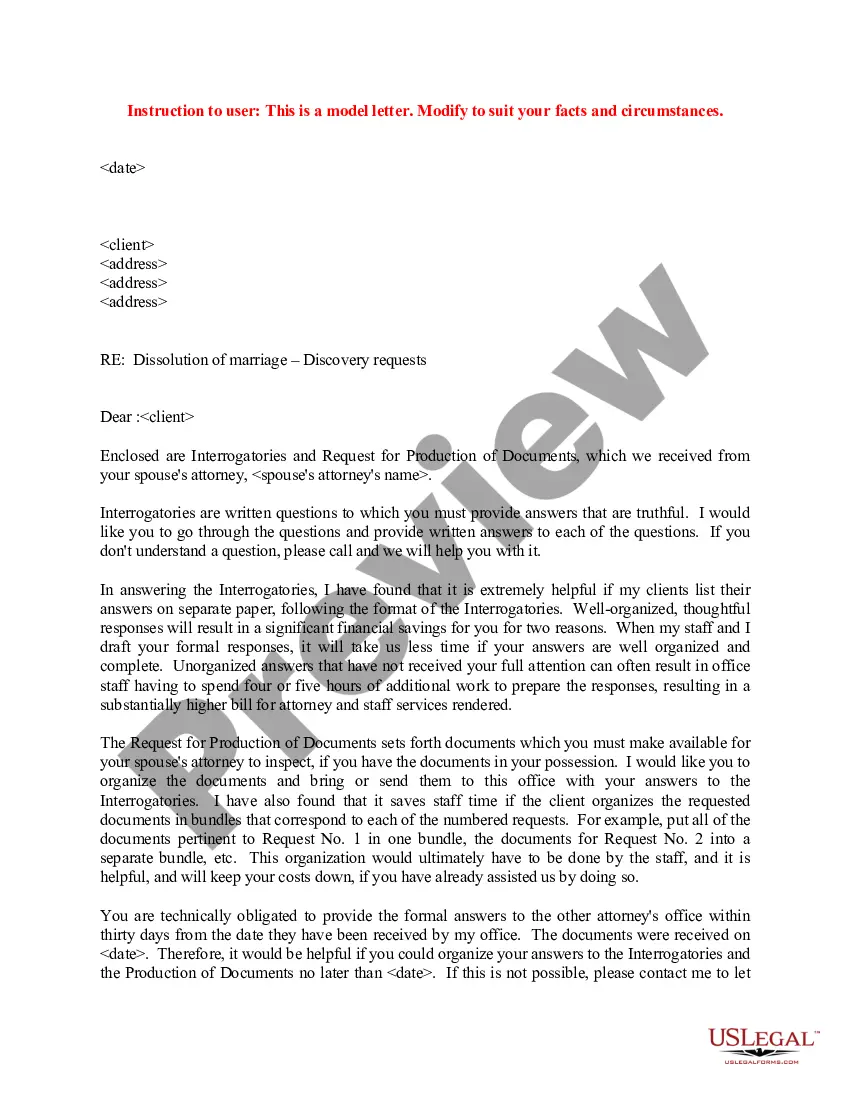
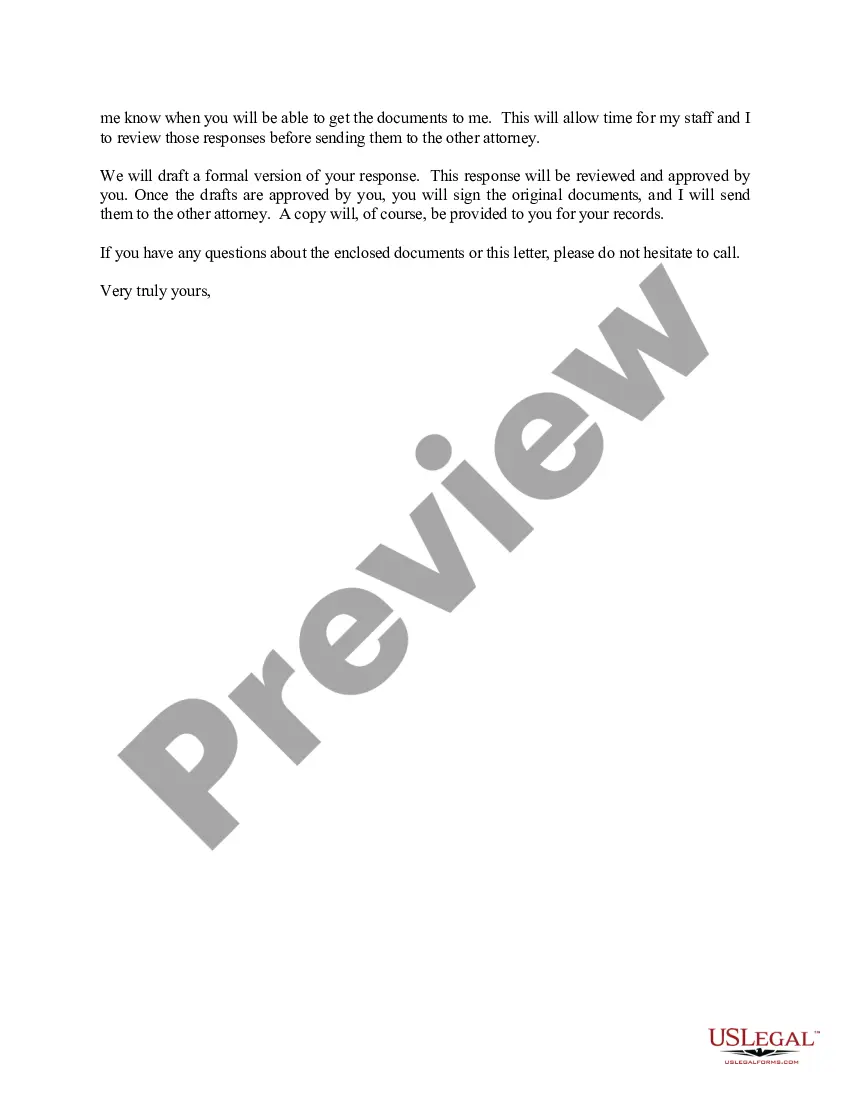

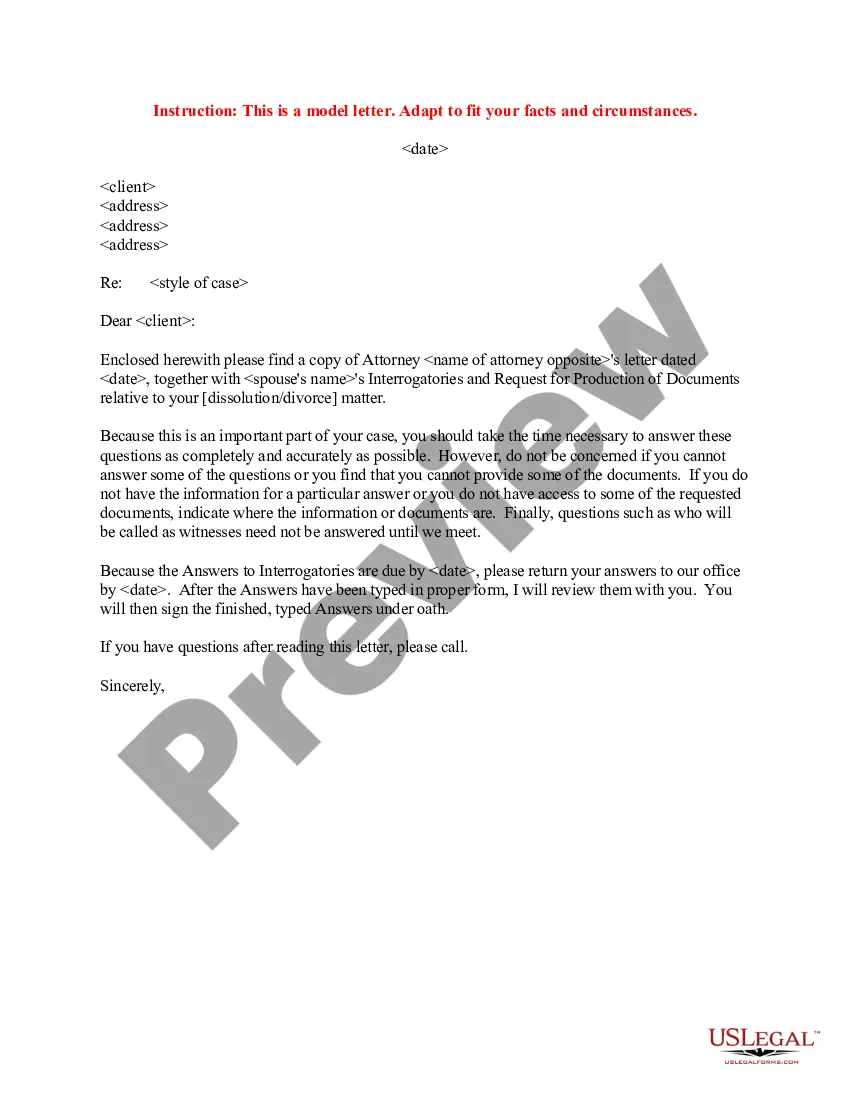
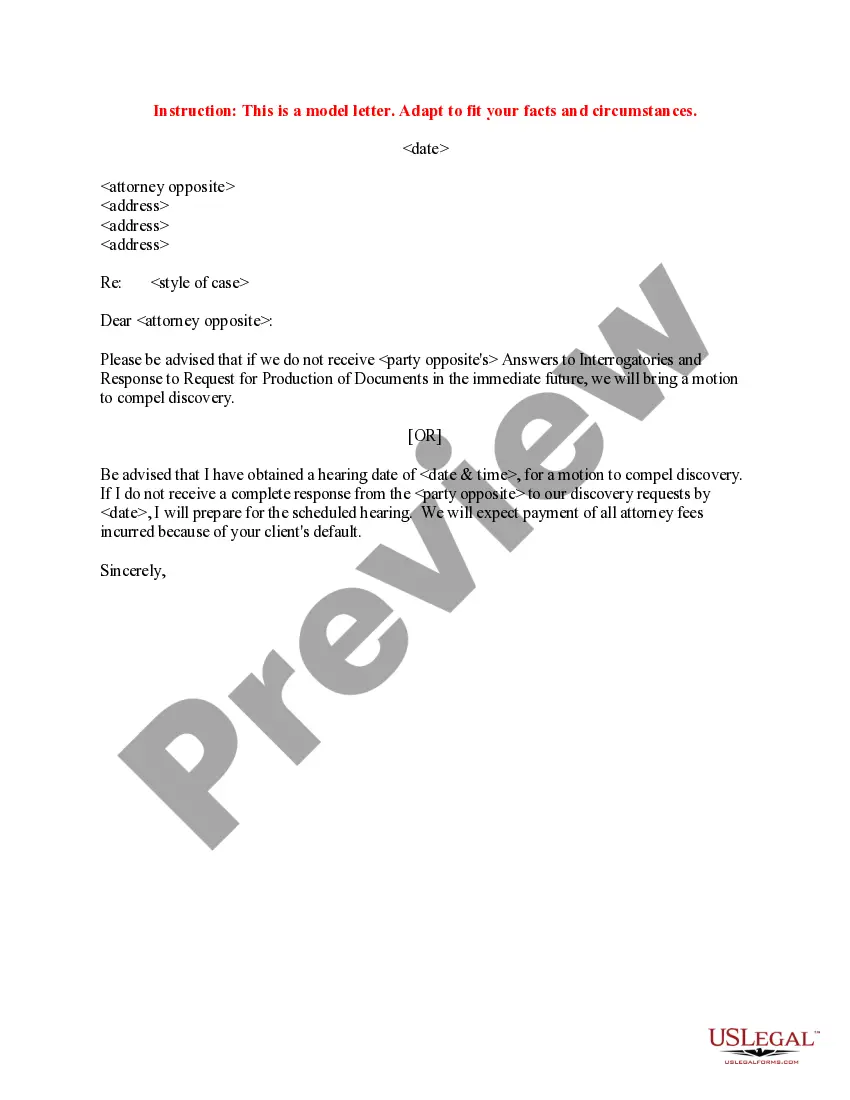
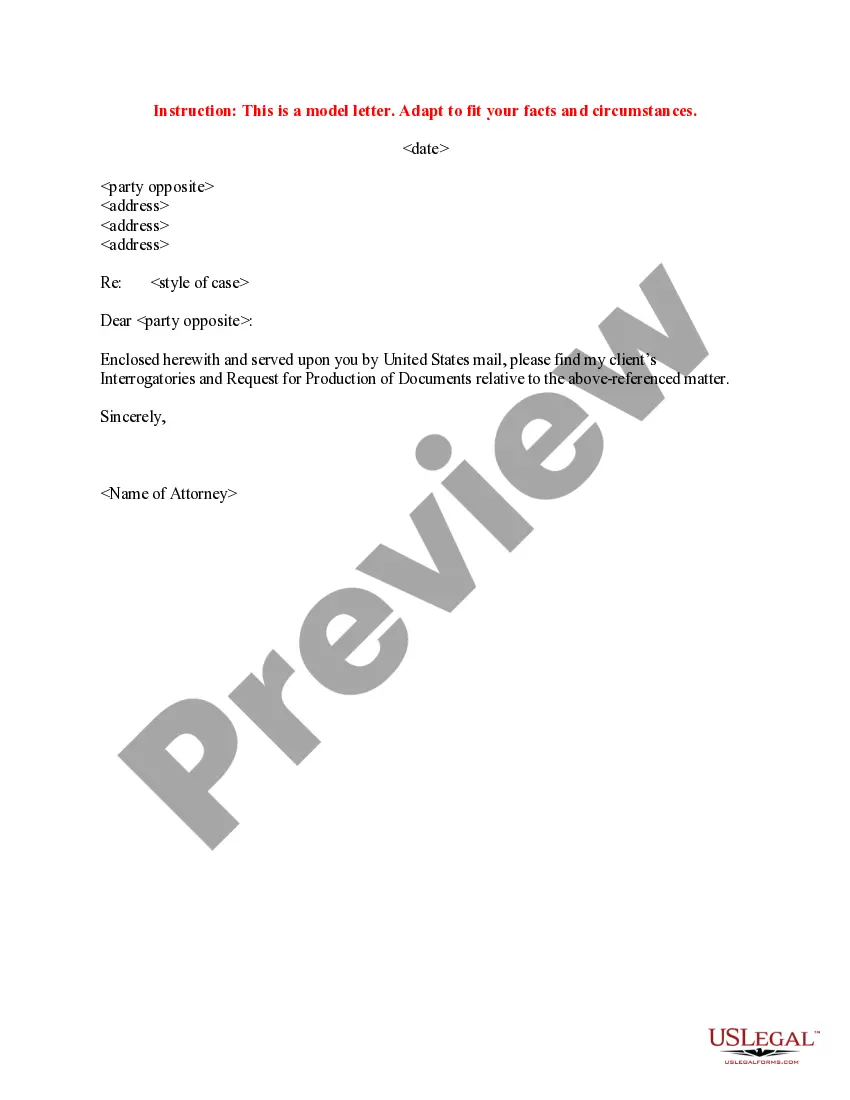
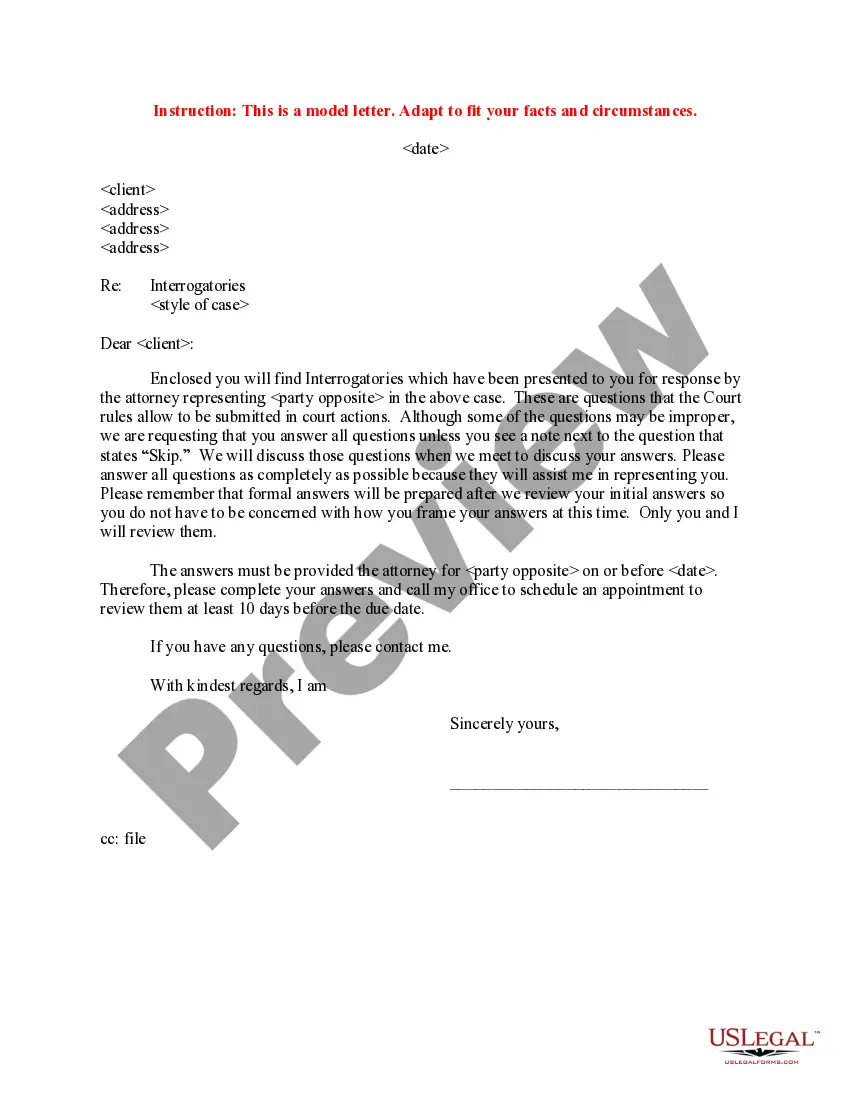
Get your form ready online
Our built-in tools help you complete, sign, share, and store your documents in one place.
Make edits, fill in missing information, and update formatting in US Legal Forms—just like you would in MS Word.
Download a copy, print it, send it by email, or mail it via USPS—whatever works best for your next step.
Sign and collect signatures with our SignNow integration. Send to multiple recipients, set reminders, and more. Go Premium to unlock E-Sign.
If this form requires notarization, complete it online through a secure video call—no need to meet a notary in person or wait for an appointment.
We protect your documents and personal data by following strict security and privacy standards.

Make edits, fill in missing information, and update formatting in US Legal Forms—just like you would in MS Word.

Download a copy, print it, send it by email, or mail it via USPS—whatever works best for your next step.

Sign and collect signatures with our SignNow integration. Send to multiple recipients, set reminders, and more. Go Premium to unlock E-Sign.

If this form requires notarization, complete it online through a secure video call—no need to meet a notary in person or wait for an appointment.

We protect your documents and personal data by following strict security and privacy standards.
Looking for another form?

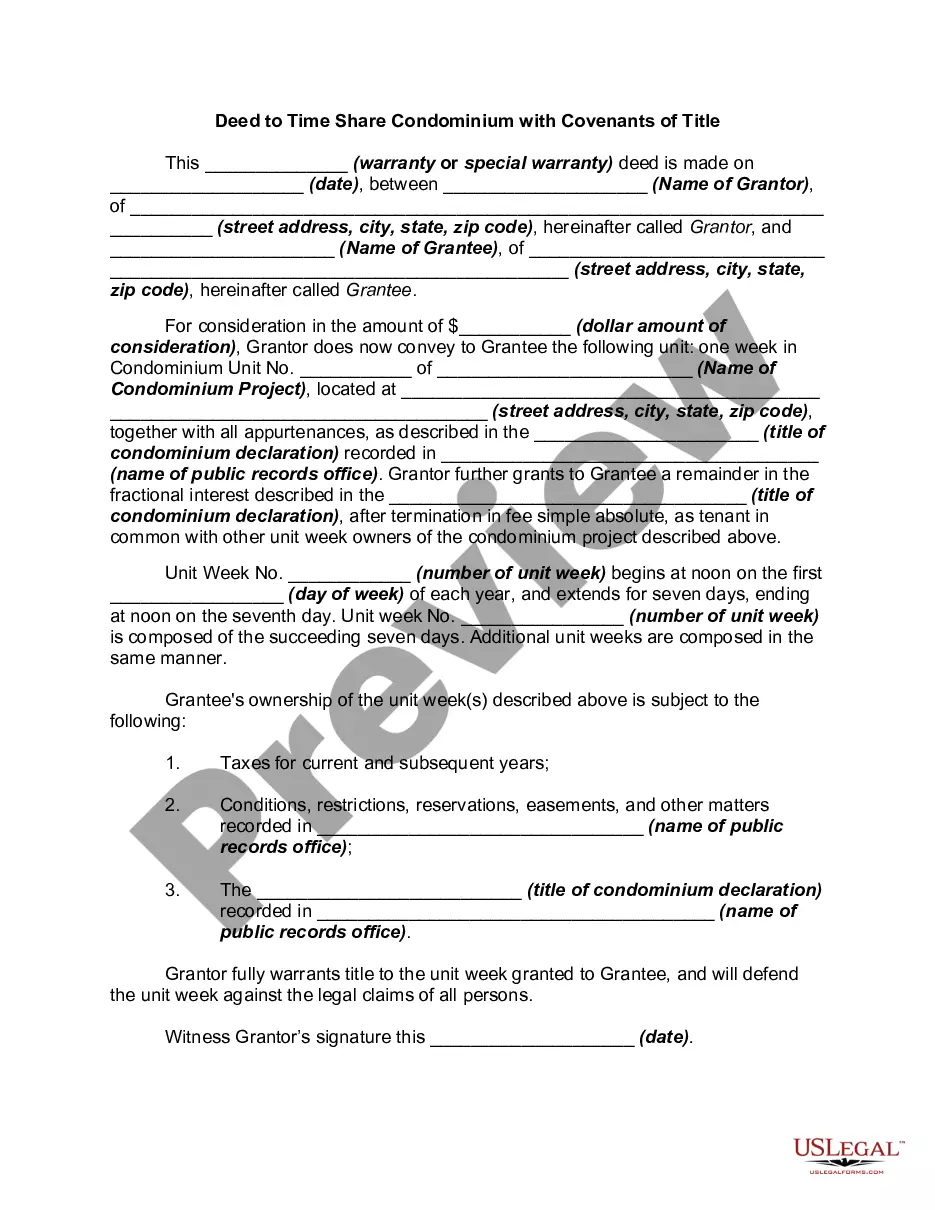
How to fill out Sample Letter To Client Instructing On Answering Discovery?
Legal documents sorting can be daunting, even for the most seasoned professionals.
When you seek a Discovery Request Template Without Experience and lack the time to invest in finding the appropriate and current version, the process can be overwhelming.
US Legal Forms caters to any requirements you may have, ranging from personal to business documents, all in one convenient location.
Employ advanced features to complete and manage your Discovery Request Template Without Experience.
Here are the steps to follow after acquiring the form you need: Verify that this is the correct form by previewing it and reviewing its description. Ensure that the template is recognized in your state or county. Click Buy Now when you are ready. Choose a subscription plan. Select the file format you prefer, and Download, complete, eSign, print, and send your documents. Take advantage of the US Legal Forms online library, supported by 25 years of experience and reliability. Transform your daily document management into a seamless and user-friendly process today.
- Access a wealth of articles, guidelines, and manuals that are pertinent to your situation and needs.
- Save time and effort searching for the documents you require, and utilize US Legal Forms’ sophisticated search and Review feature to find the Discovery Request Template Without Experience and obtain it.
- If you hold a monthly subscription, Log In to your US Legal Forms account, search for the form, and download it.
- Check your My documents tab to view the documents you have previously saved and to manage your folders as desired.
- If this is your first experience with US Legal Forms, create a free account and enjoy unlimited access to all the advantages of the library.
- A comprehensive online form repository could revolutionize the way you handle these situations.
- US Legal Forms stands out as a leading provider of online legal documents, offering over 85,000 state-specific legal forms available to you at any time.
- With US Legal Forms, you can access state- or county-specific legal and business documents.
Form popularity
FAQ
Discovery requests typically follow a common format that you can mirror. First, list instructions detailing the request for production. Be sure to mention Rule 34 and Rule 26(b), which outline the scope of the discovery request. It's also necessary to include a section with definitions.
Write out each fact you wish the other party to admit is true. When writing these facts, be as clear and concise as possible. Each request must be for a single fact; do not include multiple facts, compound questions, or subparts.
Read and answer the questions Read the question very carefully. Answer only the question that is asked, and avoid the temptation to over-explain your answer. If the question contains several parts, you may break your answer into parts as well. It is also possible that you might object to the question.
The options for Formal Written discovery are called Interrogatories ? Questions ? and Requests for Production of Documents and subpoenas for information or documents. There's also something called Requests for Admissions. These are more common in civil cases than domestic; but, can be used in any type of case.
Topics Covered: hide 1.1 # Don't ask what you already know. 1.2 # Don't Talk (too much) 1.3 # Don't pop the question, yet! 1.4 # Don't jump in without an agenda: 1.5 # Don't miss the pain points : 1.6 # Don't just call: 1.7 # Don't assume :