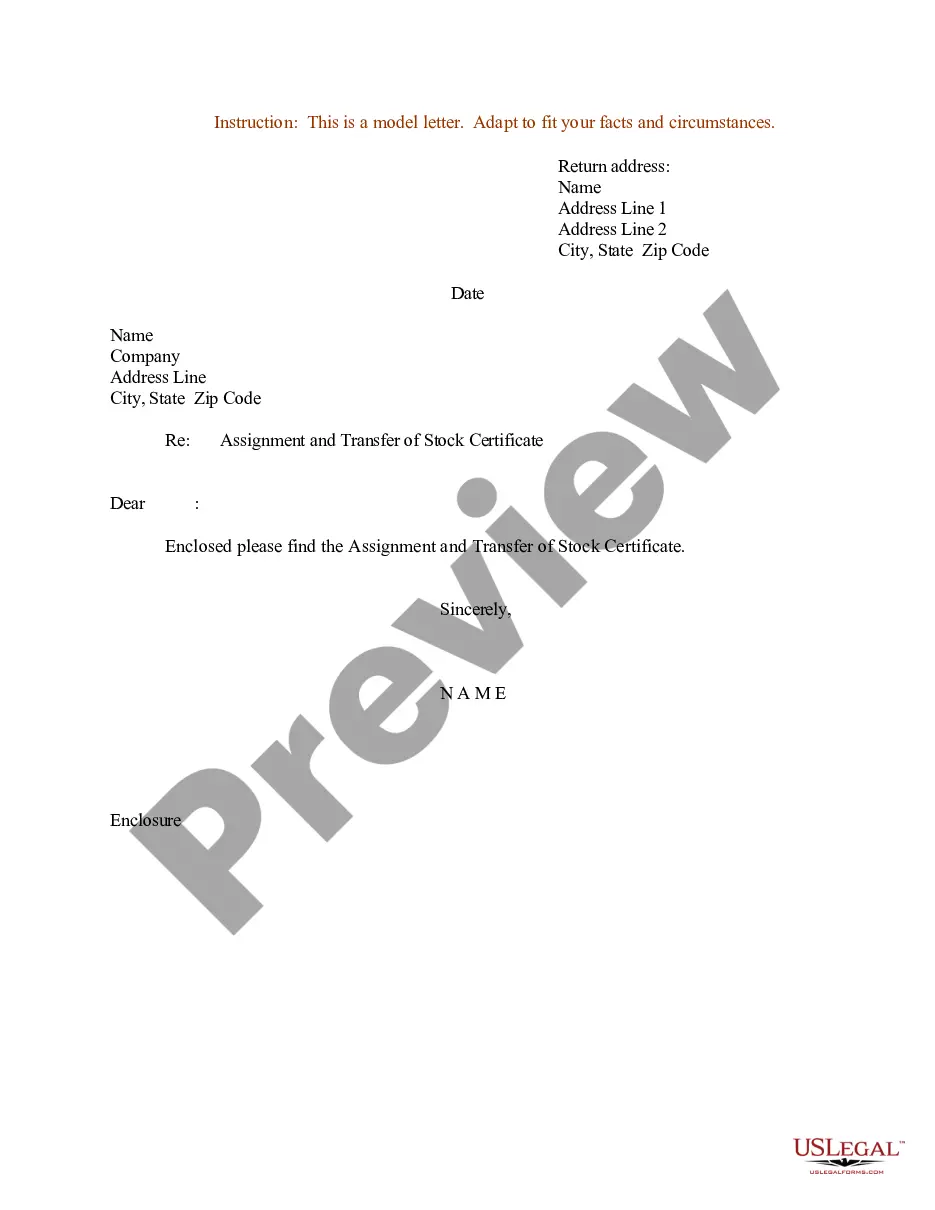
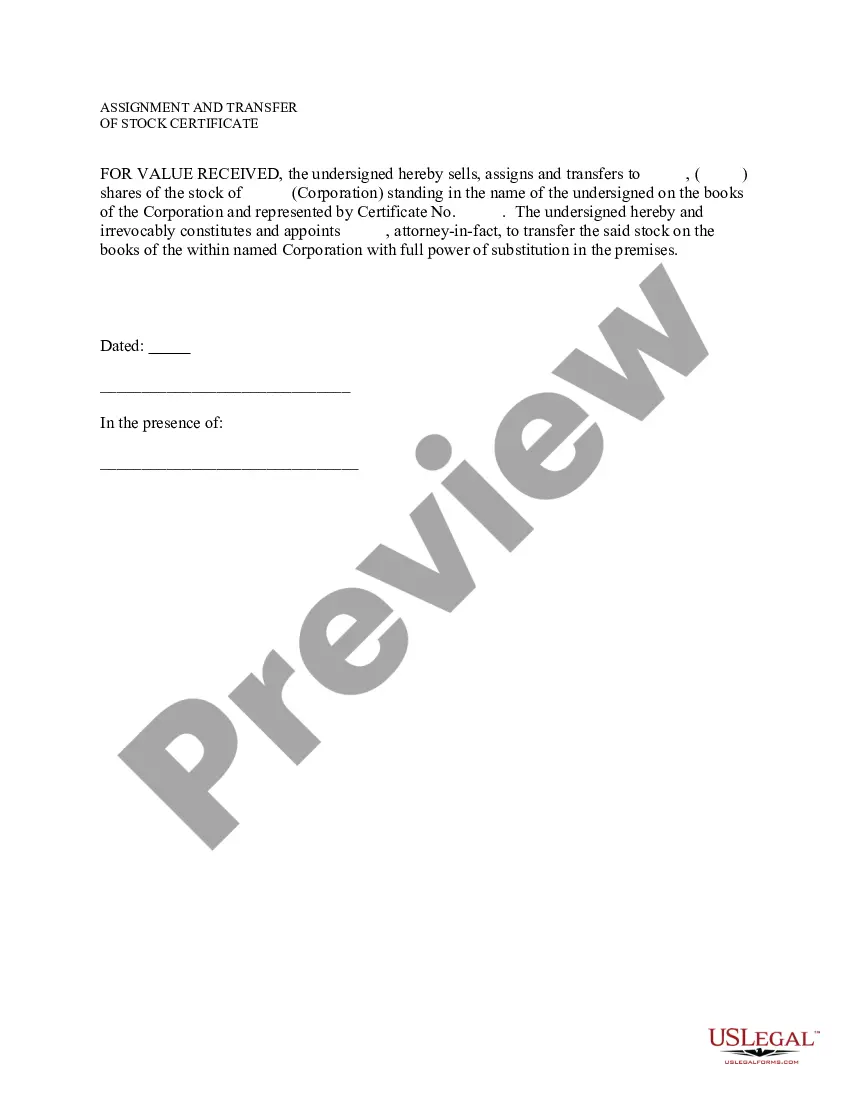
Stock Shares Transfer Form J30
Description
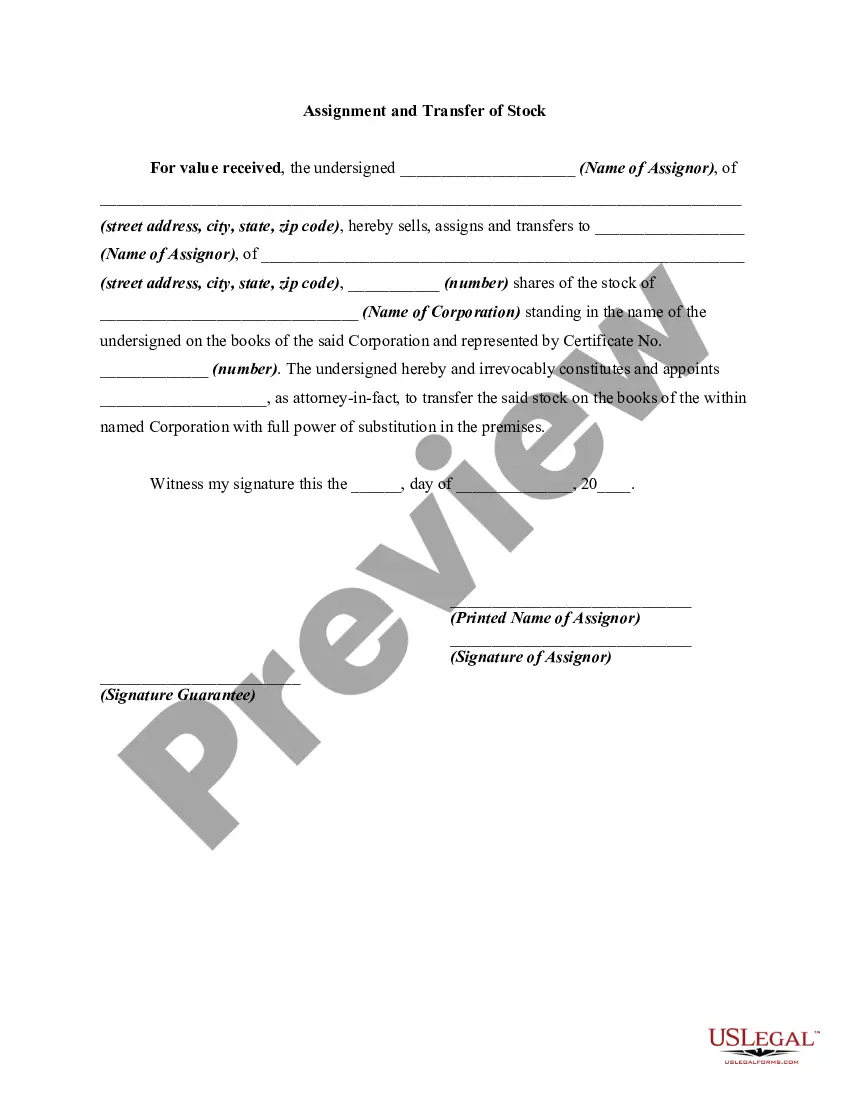

Get your form ready online
Our built-in tools help you complete, sign, share, and store your documents in one place.
Make edits, fill in missing information, and update formatting in US Legal Forms—just like you would in MS Word.
Download a copy, print it, send it by email, or mail it via USPS—whatever works best for your next step.
Sign and collect signatures with our SignNow integration. Send to multiple recipients, set reminders, and more. Go Premium to unlock E-Sign.
If this form requires notarization, complete it online through a secure video call—no need to meet a notary in person or wait for an appointment.
We protect your documents and personal data by following strict security and privacy standards.

Make edits, fill in missing information, and update formatting in US Legal Forms—just like you would in MS Word.

Download a copy, print it, send it by email, or mail it via USPS—whatever works best for your next step.

Sign and collect signatures with our SignNow integration. Send to multiple recipients, set reminders, and more. Go Premium to unlock E-Sign.

If this form requires notarization, complete it online through a secure video call—no need to meet a notary in person or wait for an appointment.

We protect your documents and personal data by following strict security and privacy standards.
Looking for another form?




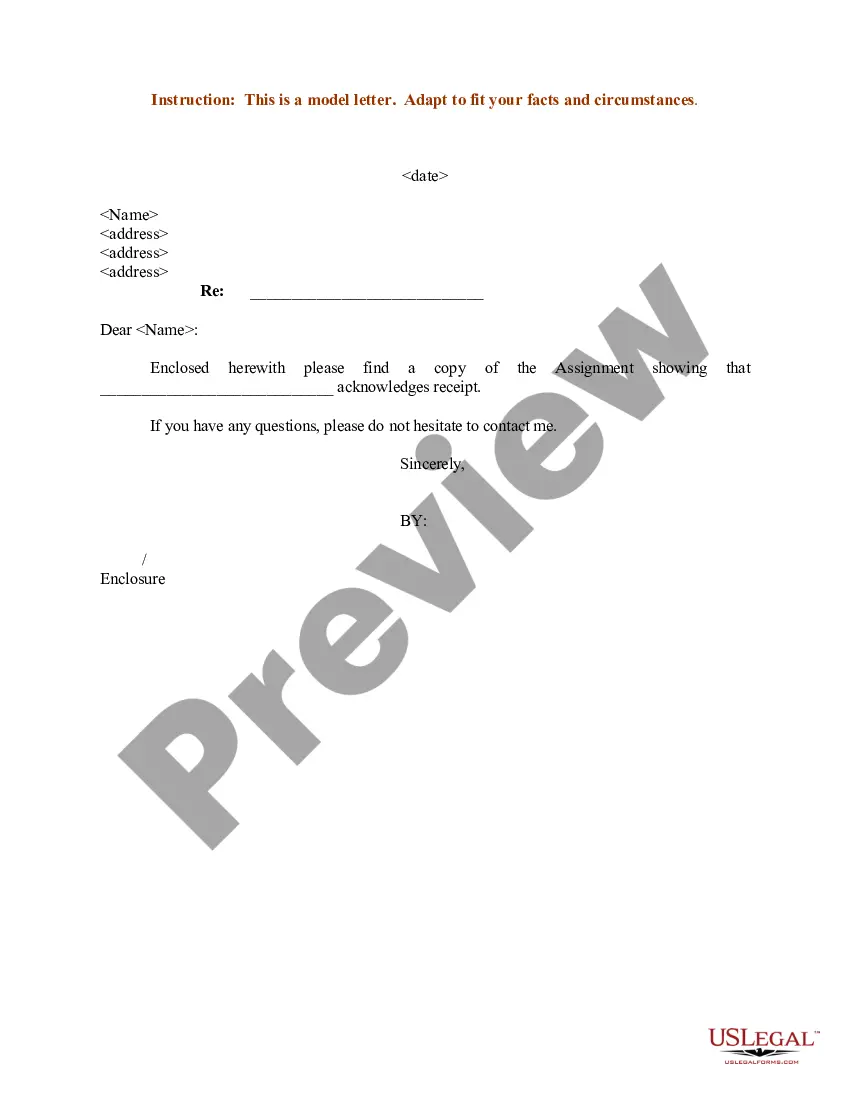
How to fill out Sample Letter For Assignment And Transfer Of Stock Certificate?
Regardless of whether for commercial reasons or personal issues, everyone must handle legal matters at some stage in their life.
Filling out legal documents requires meticulous care, starting from selecting the correct form example.
With an extensive US Legal Forms catalog available, you don’t have to waste time searching for the right template online. Utilize the library’s simple navigation to find the appropriate template for any circumstance.
- For instance, if you choose an incorrect version of the Stock Shares Transfer Form J30, it will be rejected upon submission.
- Thus, it is essential to have a reliable source of legal documents like US Legal Forms.
- If you need to obtain a Stock Shares Transfer Form J30 template, follow these straightforward steps.
- Locate the template you require using the search bar or catalog navigation.
- Review the form’s details to ensure it corresponds with your situation, state, and area.
- Click on the form’s preview to view it.
- If it is the wrong document, return to the search feature to find the Stock Shares Transfer Form J30 template you need.
- Obtain the template when it aligns with your needs.
- If you already possess a US Legal Forms account, simply click Log in to access previously saved templates in My documents.
- If you do not have an account yet, you can download the form by clicking Buy now.
- Select the suitable pricing option.
- Complete the account registration form.
- Choose your payment method: use a credit card or PayPal account.
- Select the document format you prefer and download the Stock Shares Transfer Form J30.
- Once it is downloaded, you can fill out the form using editing software or print it and complete it manually.
Form popularity
FAQ
Filling out a securities transfer form involves entering detailed information about the securities, including the names and addresses of the transferor and transferee. Ensure that you have the correct share details and signatures. This process is similar to completing a stock shares transfer form J30, so follow the guidelines carefully.
Completing the J30 stock transfer form requires you to fill in the details of both the seller and buyer, as well as the specifics of the shares being transferred. Make sure to provide accurate information to ensure a smooth transfer. Once completed, submit the form to the relevant authority for processing.
To send the J30 stock transfer form to HMRC, first ensure that you have filled it out correctly and included any necessary documents. You can submit it via post to the relevant HMRC address. Always use a reliable postal service and keep a copy of what you send for your records.
To report a transfer of shares, you will need to submit the completed stock shares transfer form J30 to the registrar or company. It's important to keep a record of the transaction for your personal files as well. You may also need to notify HMRC if the transfer affects your tax obligations.
To complete the stock transfer form J30, start by entering the name of the company and the details of the shares being transferred. Follow with the names and addresses of both the seller and buyer. Finally, sign the form and submit it to the relevant registrar, ensuring all information is correct to avoid delays.
Completing a share transfer involves filling out the stock shares transfer form J30 accurately. You must provide information about both the transferor and transferee, including names, addresses, and share details. Once completed, submit the form to the appropriate authority to finalize the transfer.
To transfer stock shares, you need to complete a stock shares transfer form J30, which gathers essential details about the shares and the new owner. After you fill out the form, submit it to the company's registrar along with any required documents. Always keep copies for your records and confirm the transfer is processed successfully.
You should send the J30 stock transfer form to the company's registered office or the relevant registrar. Ensure you include any required documentation and the appropriate payment, if applicable. It’s essential to check the company's guidelines for submitting the stock shares transfer form J30 for a smooth process.
The J10 form and the J30 form serve different purposes in stock transfers. While the J10 form is typically used for transferring shares in a different context, the J30 form specifically addresses the transfer of stock ownership. When you need to complete a stock shares transfer form, the J30 is the appropriate choice to ensure compliance with legal requirements.
Transferring stock can be a taxable event, depending on the circumstances involved. If you sell stock for a profit, you may incur capital gains tax. However, if you gift stock using the stock shares transfer form J30, you might not face immediate tax implications, but it's essential to consult with a tax professional for personalized guidance.