Nonprofit Corporation
Description
Get your form ready online
Our built-in tools help you complete, sign, share, and store your documents in one place.
Make edits, fill in missing information, and update formatting in US Legal Forms—just like you would in MS Word.
Download a copy, print it, send it by email, or mail it via USPS—whatever works best for your next step.
Sign and collect signatures with our SignNow integration. Send to multiple recipients, set reminders, and more. Go Premium to unlock E-Sign.
If this form requires notarization, complete it online through a secure video call—no need to meet a notary in person or wait for an appointment.
We protect your documents and personal data by following strict security and privacy standards.

Make edits, fill in missing information, and update formatting in US Legal Forms—just like you would in MS Word.

Download a copy, print it, send it by email, or mail it via USPS—whatever works best for your next step.

Sign and collect signatures with our SignNow integration. Send to multiple recipients, set reminders, and more. Go Premium to unlock E-Sign.

If this form requires notarization, complete it online through a secure video call—no need to meet a notary in person or wait for an appointment.

We protect your documents and personal data by following strict security and privacy standards.
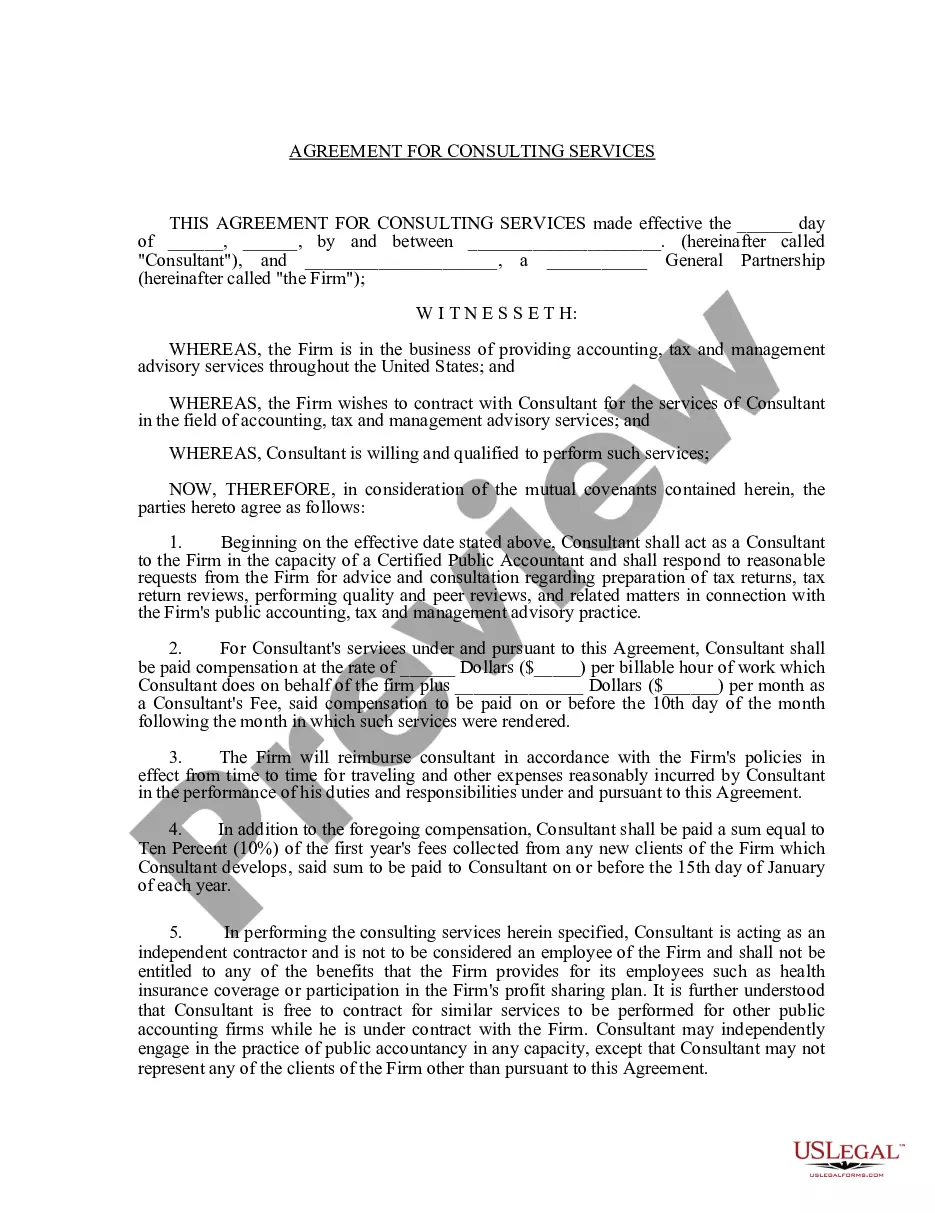
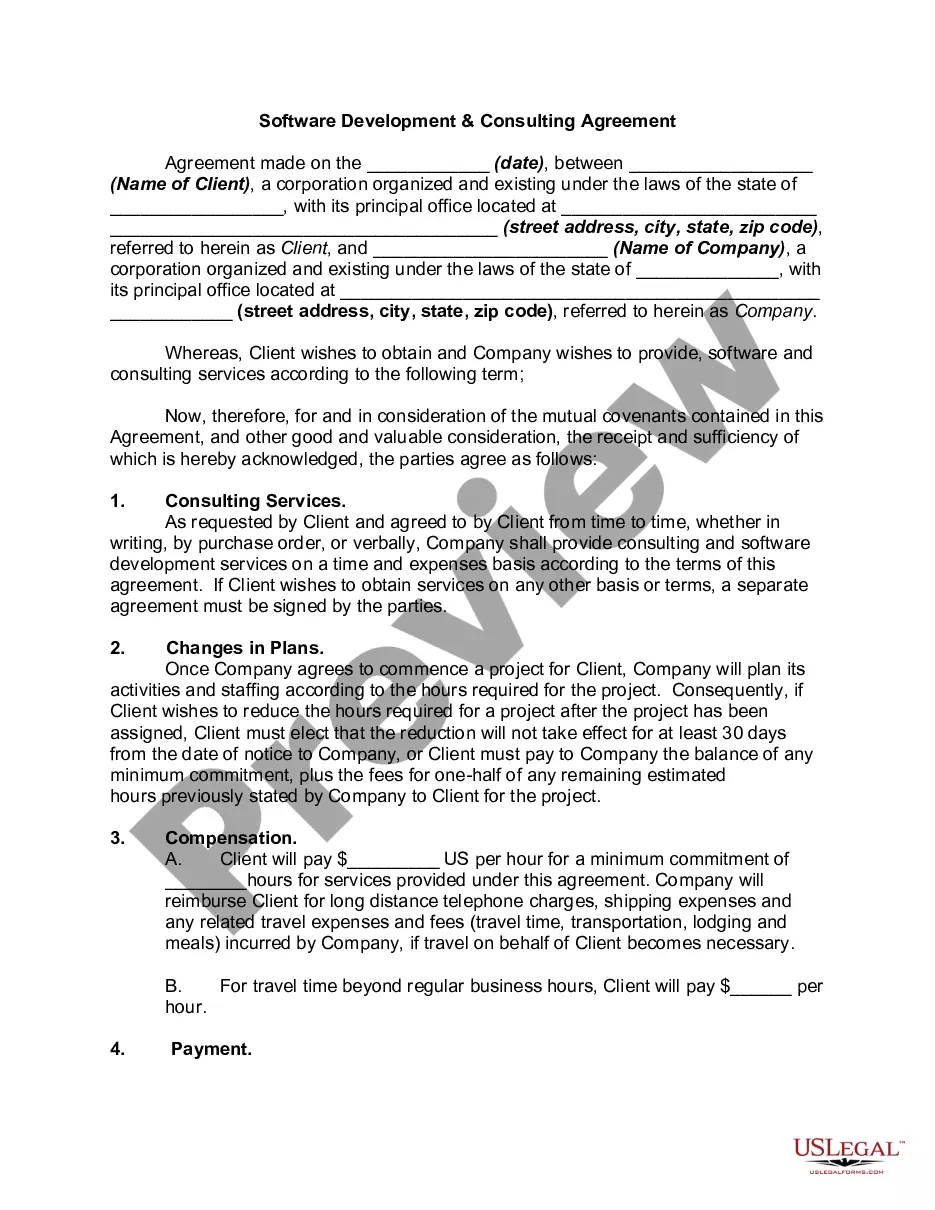
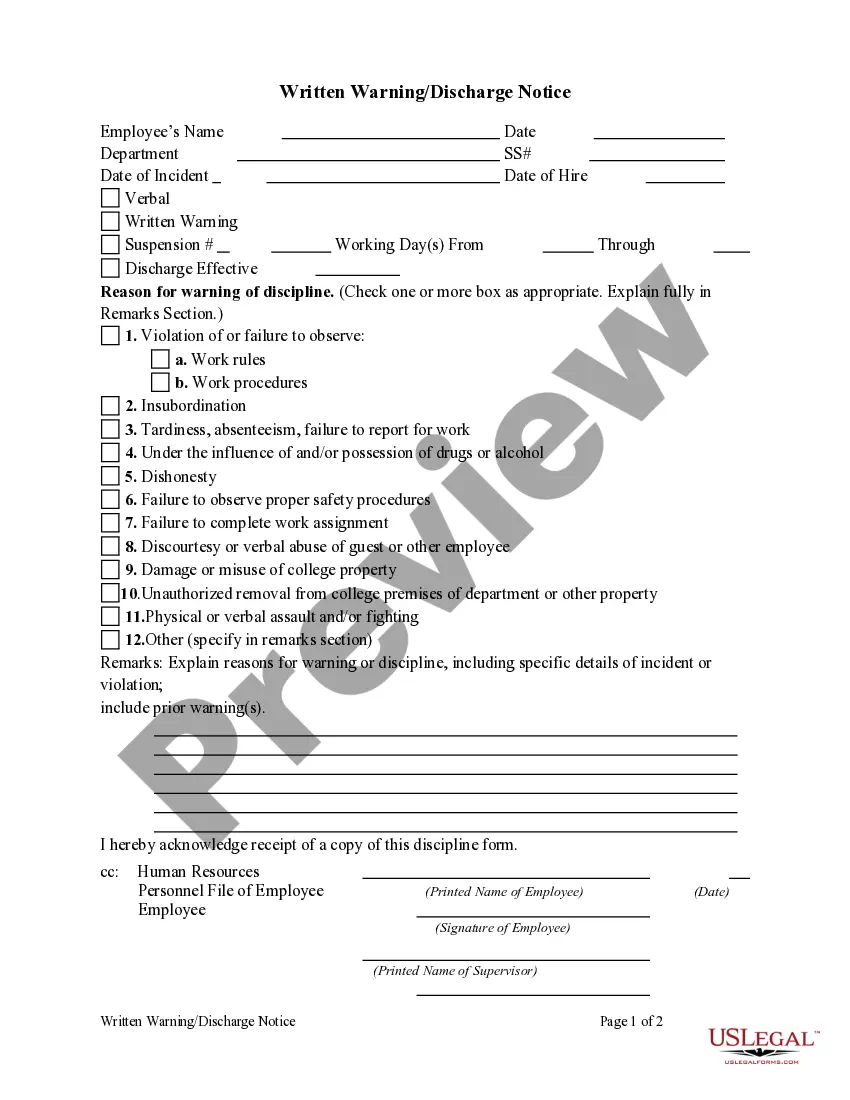
Looking for another form?
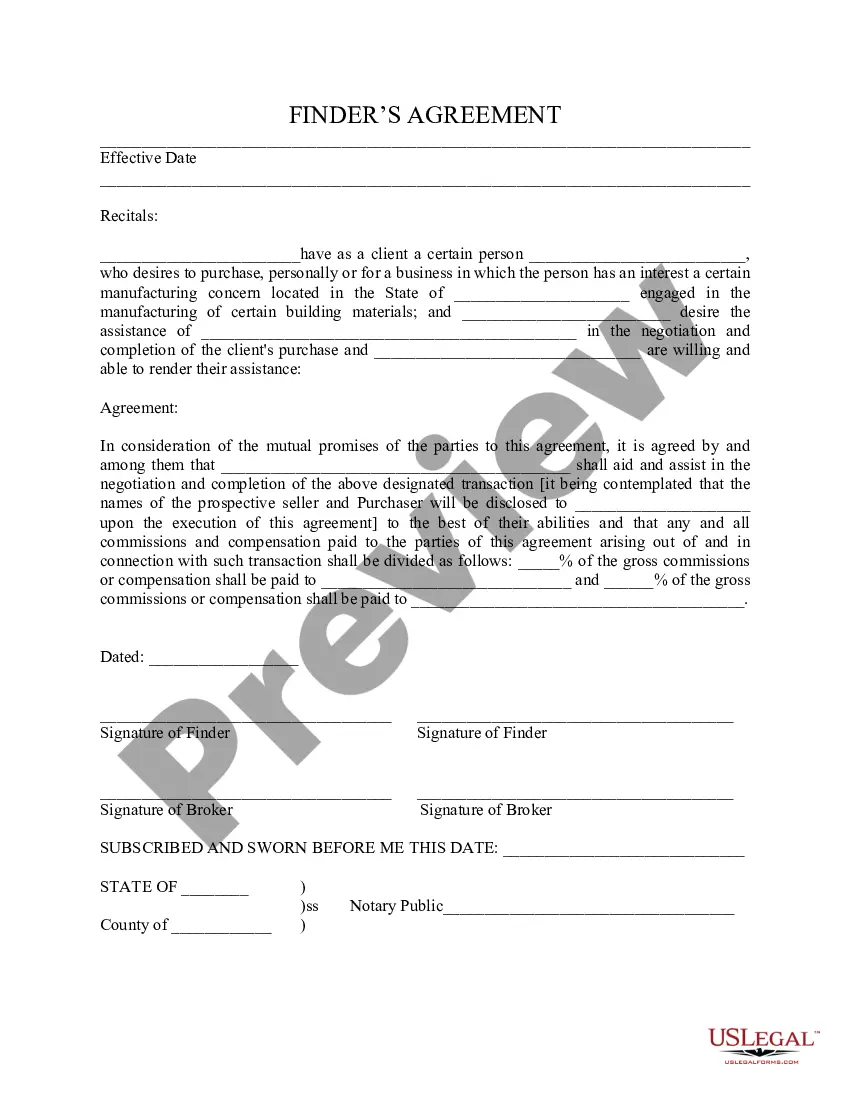
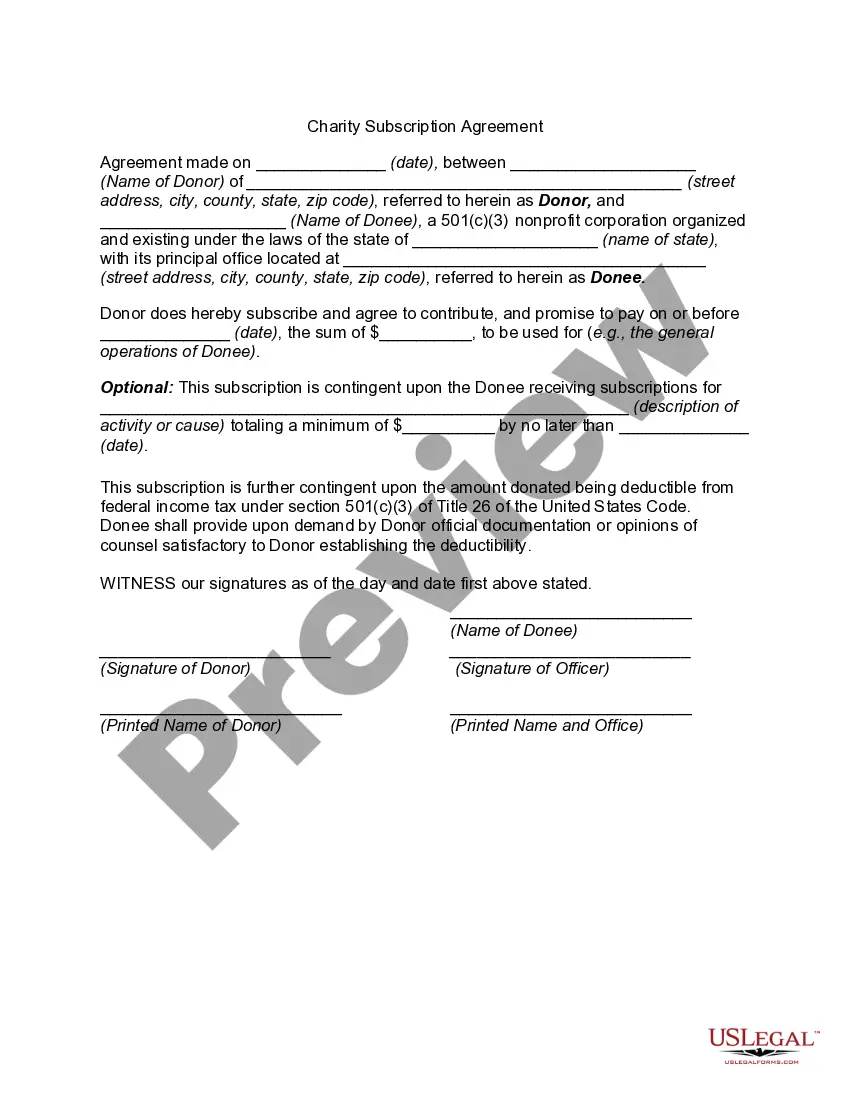

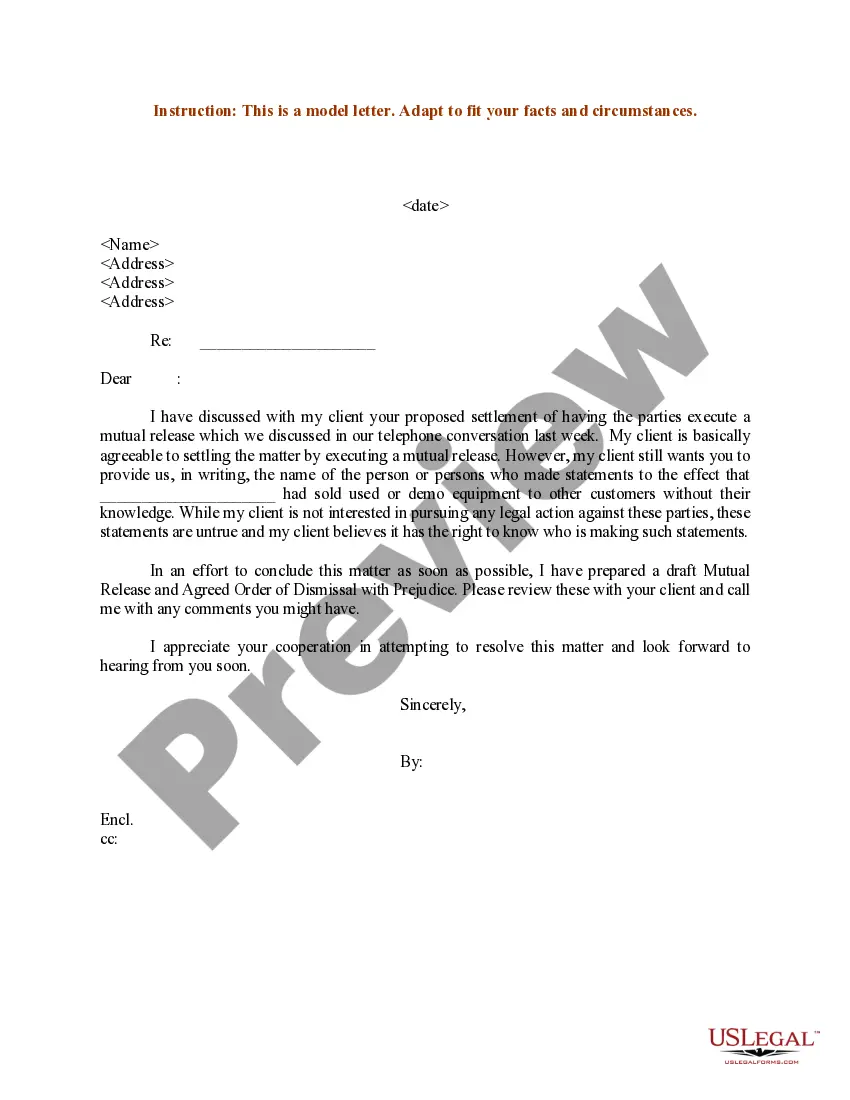



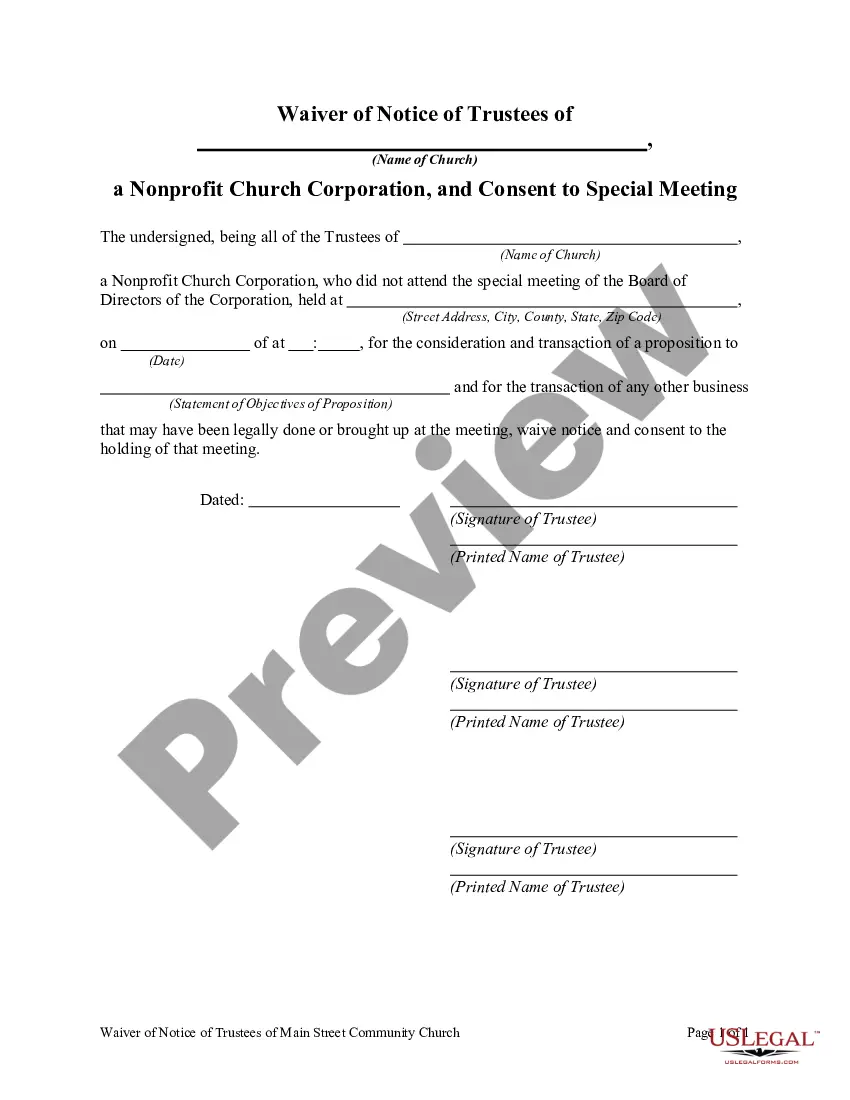
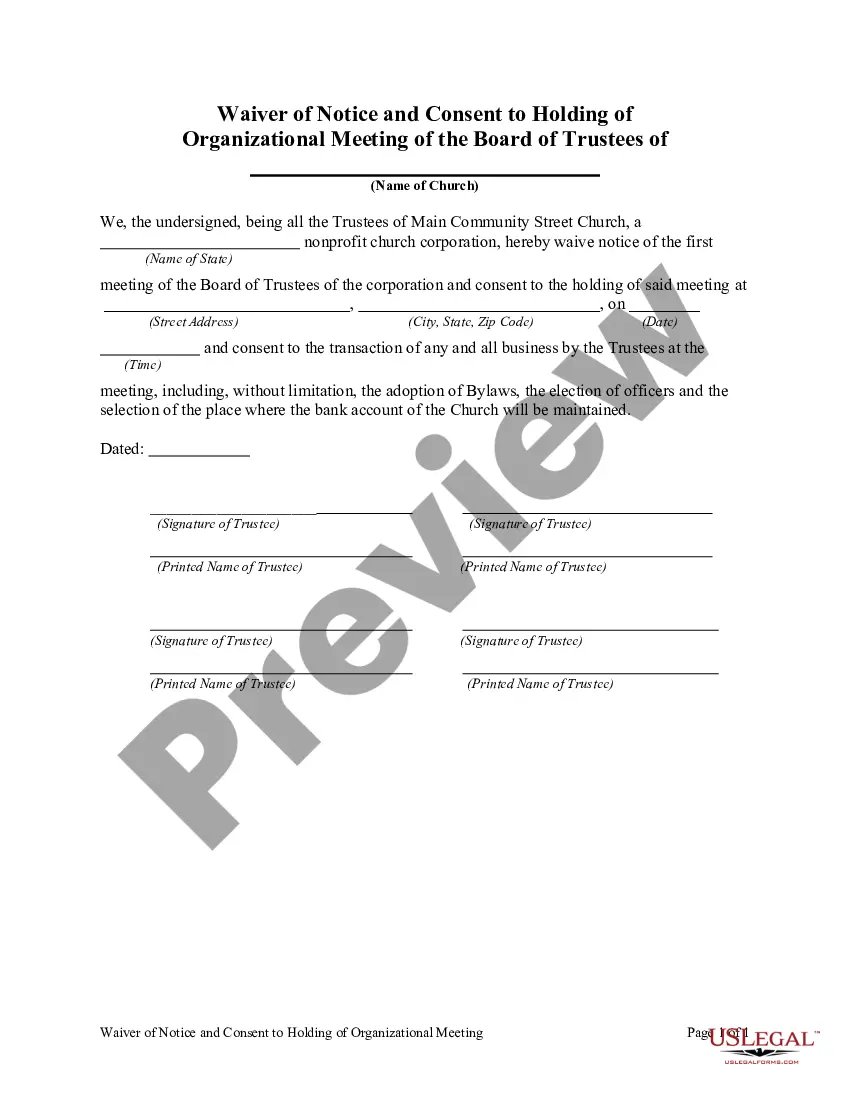
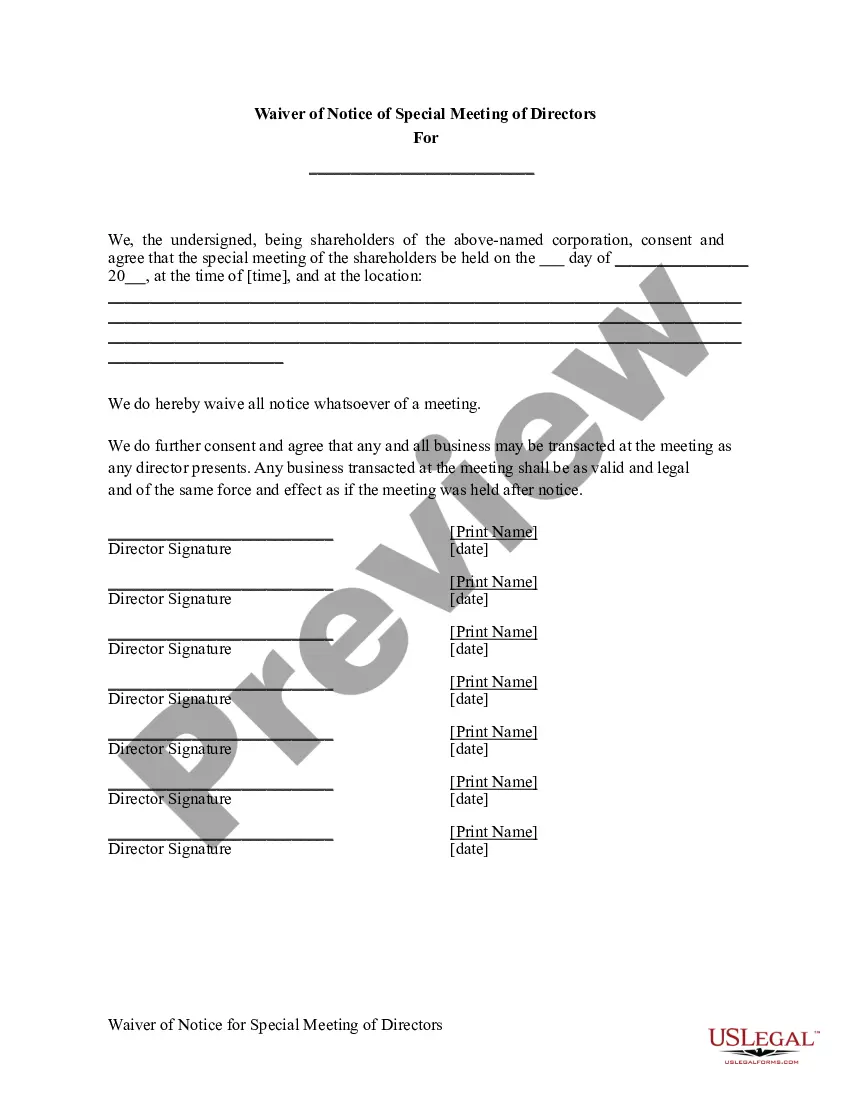
How to fill out Waiver Of Notice Of Trustees Of A Nonprofit Church Corporation And, Consent To Special Meeting?
- Log in to your US Legal Forms account if you're a returning user. Ensure your subscription is active; renew it if necessary.
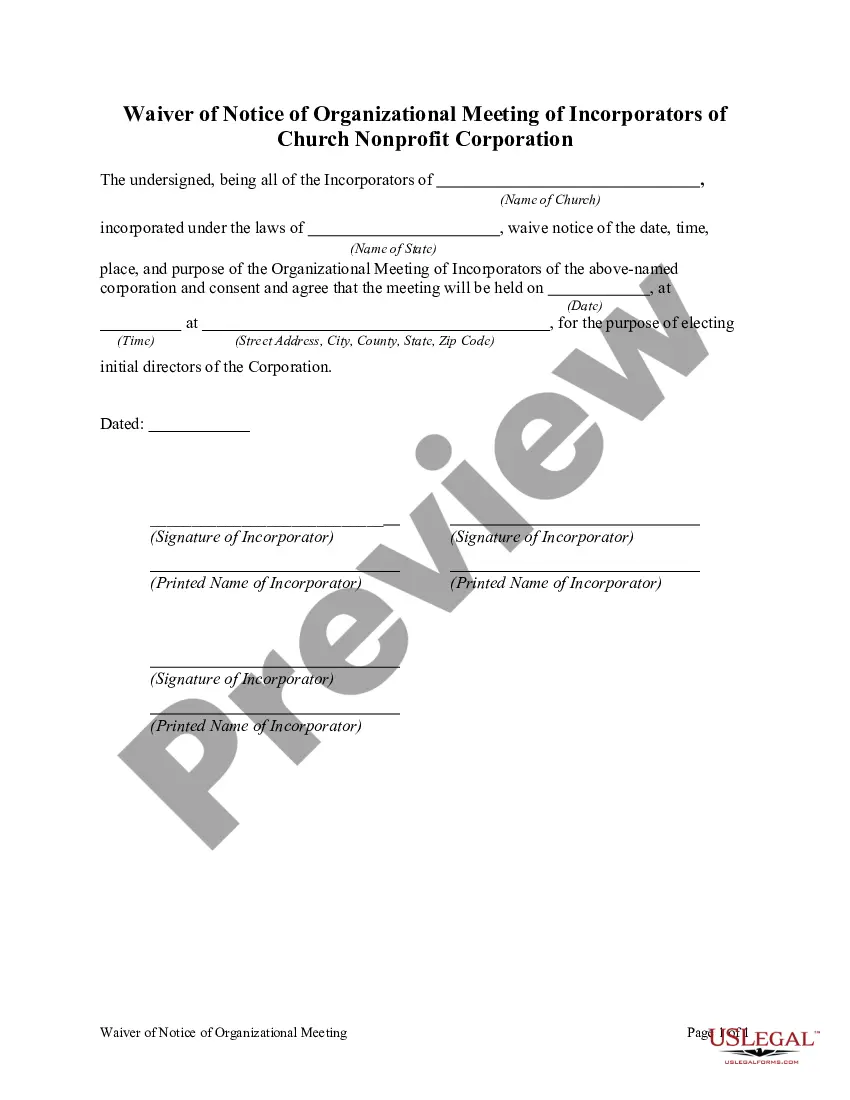
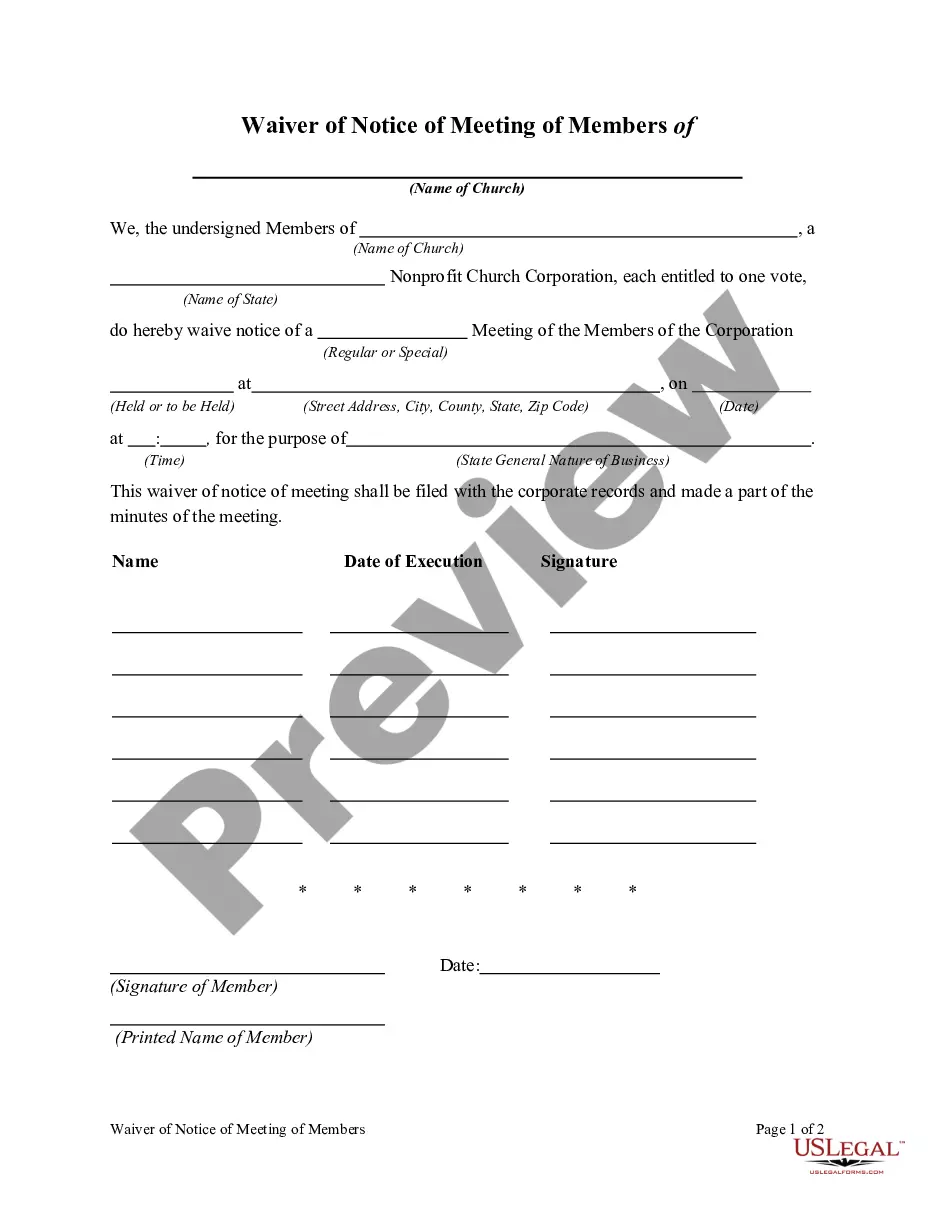
- Review the available templates in Preview mode. Confirm that you choose a form that aligns with your nonprofit's requirements and jurisdiction.
- If you encounter any discrepancies, utilize the Search feature to locate a more suitable template.
- Select and click the Buy Now button for your chosen form, then pick a subscription plan that meets your needs.
- Complete your purchase by entering your credit card details or using PayPal for a smoother transaction.
- After purchasing, download the form to your device. You can also access it later from the My Forms section in your profile.
By following these steps, you can efficiently acquire the necessary documents to establish your nonprofit corporation. US Legal Forms not only provides an extensive collection of legal forms but also offers support from experts if you need help filling them out correctly.
Start your journey today to create a successful nonprofit corporation with the right tools—visit US Legal Forms now!
Form popularity
FAQ
profit corporation and a 501c3 are not the same, though they are related concepts. The term 'nonprofit corporation' describes the legal entity formed for charitable, educational, or social purposes, whereas '501c3' refers specifically to a taxexempt status granted by the IRS. Only those nonprofit corporations that meet specific criteria can achieve 501c3 status. To navigate these complexities effectively, consider using US Legal Forms for clear guidance.
A nonprofit corporation is an organizational structure designed for activities that benefit the public, while a 501c3 is a specific tax designation granted by the IRS. Not all nonprofit corporations have 501c3 status, but those that do can receive tax-deductible donations and certain federal benefits. Essentially, while every 501c3 is a nonprofit corporation, not every nonprofit corporation is a 501c3. Understanding this distinction is crucial when planning your nonprofit's mission.
Filing for a not-for-profit organization involves several steps. First, you need to choose a suitable name for your nonprofit corporation and ensure it complies with state regulations. Then, you will need to prepare and file the necessary formation documents with your state government and apply for federal tax-exempt status. US Legal Forms offers resources to help guide you through these steps with ease.
Yes, you can refer to yourself as a nonprofit without having a 501c3 status. However, it's important to understand that without this designation, your organization won't be eligible for certain tax benefits. A nonprofit corporation operates on a mission-driven basis, but the 501c3 designation provides federal tax exemption, making fundraising easier. If you are planning to apply for 501c3 status, consider using US Legal Forms to simplify the process.
Many individuals and communities benefit from nonprofit corporations. Whether it is the direct support provided to those in need or the community enhancement through various programs, nonprofits play a crucial role. Volunteers, donors, and staff also gain personal satisfaction and fulfillment from contributing to a meaningful cause. Understanding these benefits can help you articulate the value of your mission to potential supporters.
The primary purpose of a nonprofit corporation is to serve a social, educational, or charitable mission rather than to generate profit. Nonprofits aim to benefit the community or support particular causes. This mission-driven approach allows them to engage with volunteers and donors who share similar values. Establishing a clear mission can significantly impact the effectiveness and reach of your nonprofit corporation.
Though the terms nonprofit and not-for-profit corporation are often used interchangeably, there are key differences. A nonprofit corporation typically engages in activities aimed at furthering a public benefit, whereas a not-for-profit organization may focus on mutual benefits for its members. Understanding these distinctions can help you better align your organization's goals. The choice can influence tax exemptions and overall structure.
When establishing a nonprofit, the choice between an LLC and a corporation depends on your organizational goals. A nonprofit corporation often offers advantages such as tax-exempt status, which LLCs do not provide. Moreover, forming a nonprofit corporation can enhance credibility with donors and grantors. Carefully evaluate your mission and consider consulting experts for the best decision.
A negative aspect of nonprofit corporations often includes the reliance on external funding sources, which can be unpredictable. As a nonprofit, you typically depend on donations and grants, placing your organization at risk during economic downturns. This funding uncertainty can lead to instability and operational challenges. Consider all funding avenues to diversify your income streams.
Being a nonprofit corporation has several disadvantages, including potential challenges in fundraising and reliance on donations. Nonprofits often face strict regulations that govern their operations, limiting flexibility. Furthermore, securing grants can be competitive, and some nonprofits experience difficulty in attracting volunteers due to misconceptions about their operations. Understanding these challenges can help you navigate them effectively.