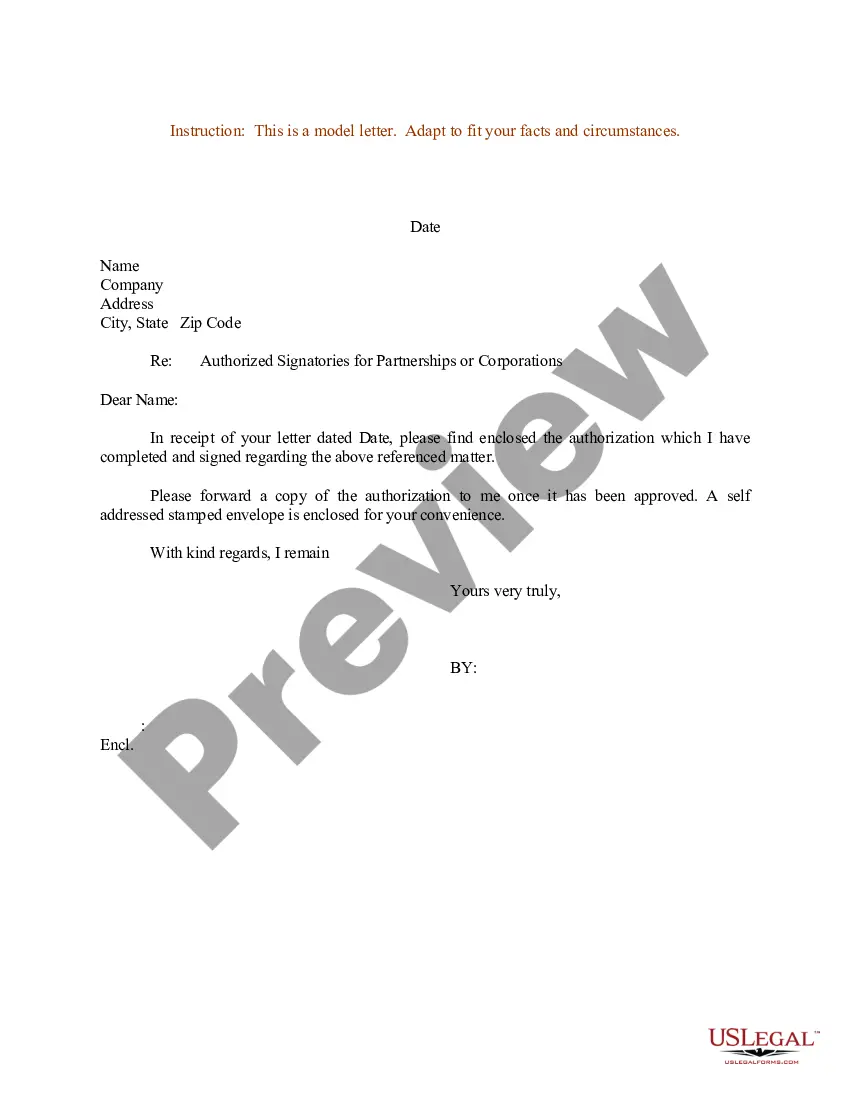
Authorized Letter To Claim
Description
Get your form ready online
Our built-in tools help you complete, sign, share, and store your documents in one place.
Make edits, fill in missing information, and update formatting in US Legal Forms—just like you would in MS Word.
Download a copy, print it, send it by email, or mail it via USPS—whatever works best for your next step.
Sign and collect signatures with our SignNow integration. Send to multiple recipients, set reminders, and more. Go Premium to unlock E-Sign.
If this form requires notarization, complete it online through a secure video call—no need to meet a notary in person or wait for an appointment.
We protect your documents and personal data by following strict security and privacy standards.

Make edits, fill in missing information, and update formatting in US Legal Forms—just like you would in MS Word.

Download a copy, print it, send it by email, or mail it via USPS—whatever works best for your next step.

Sign and collect signatures with our SignNow integration. Send to multiple recipients, set reminders, and more. Go Premium to unlock E-Sign.

If this form requires notarization, complete it online through a secure video call—no need to meet a notary in person or wait for an appointment.

We protect your documents and personal data by following strict security and privacy standards.
Looking for another form?
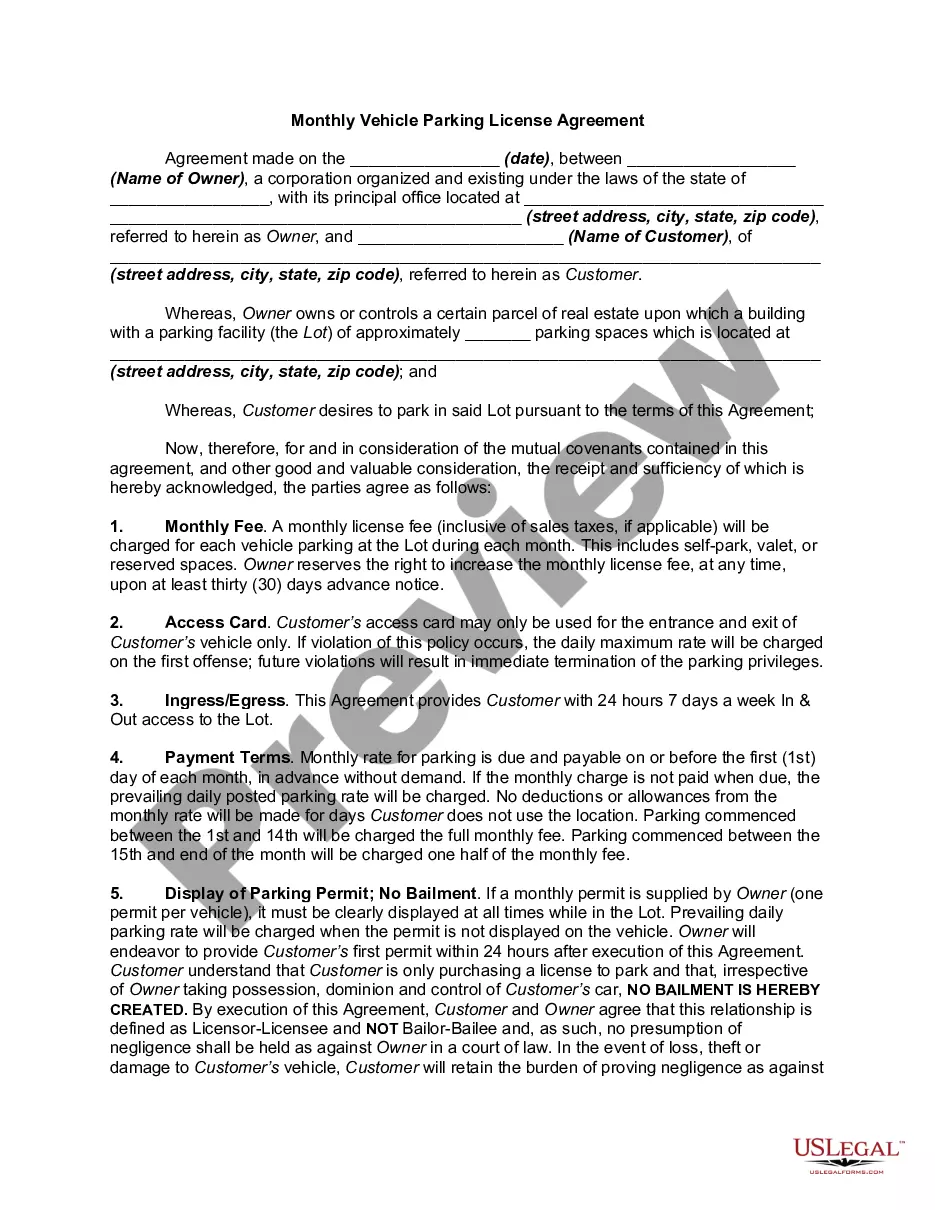
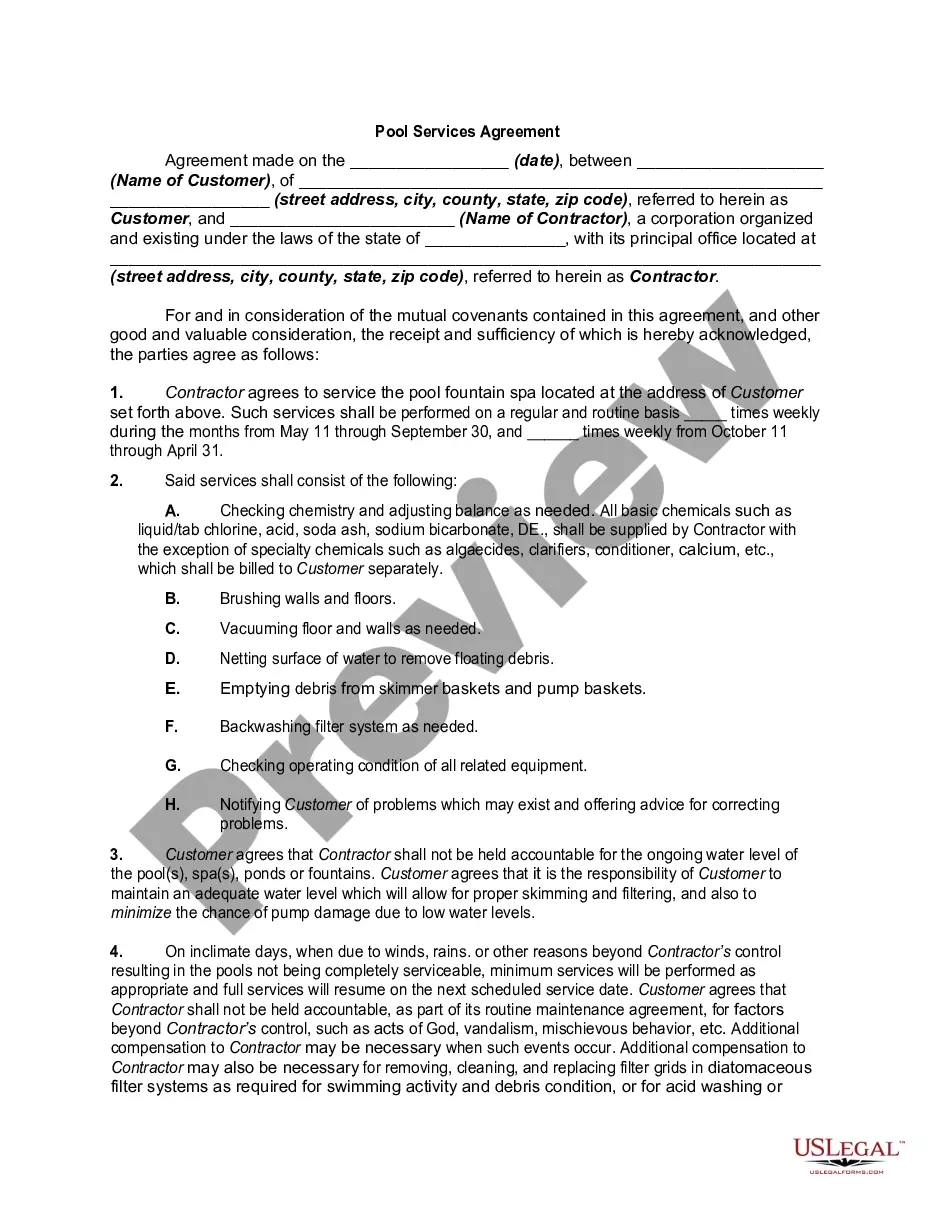
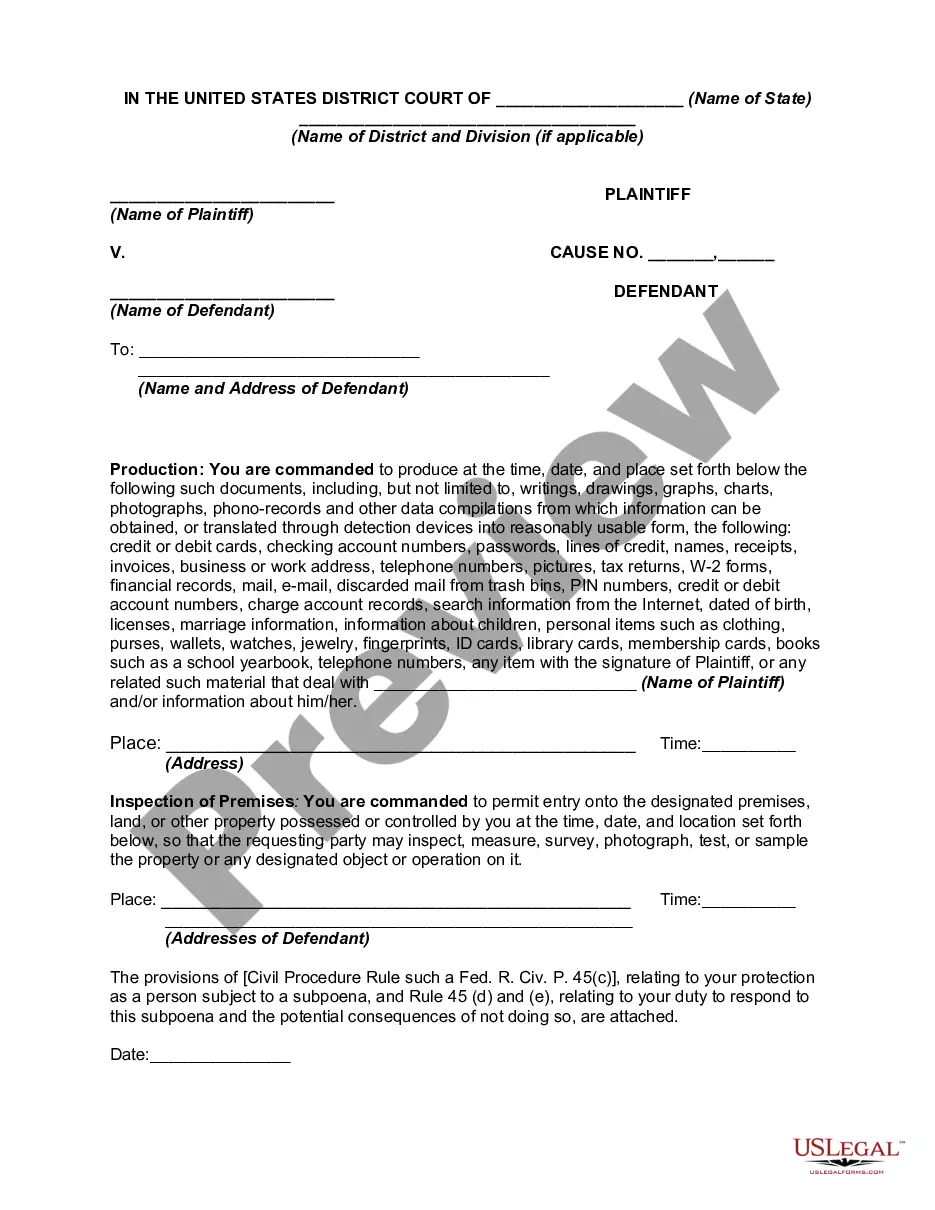

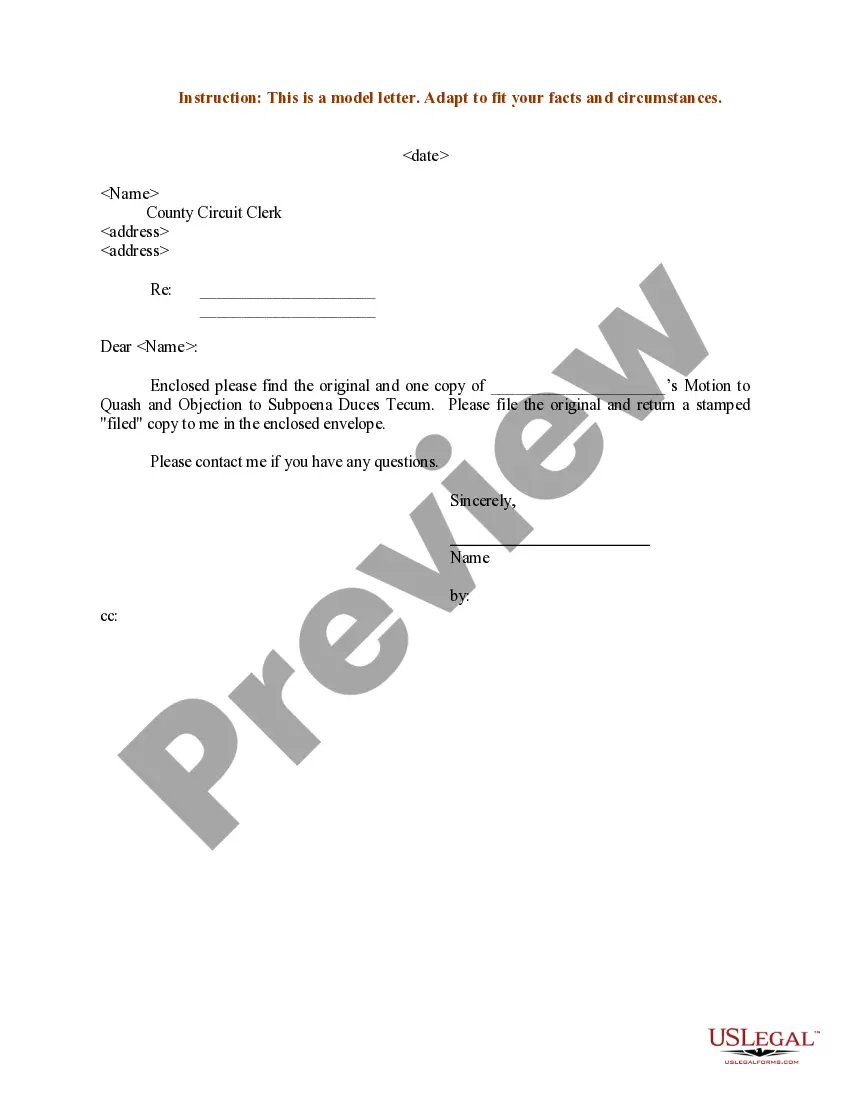
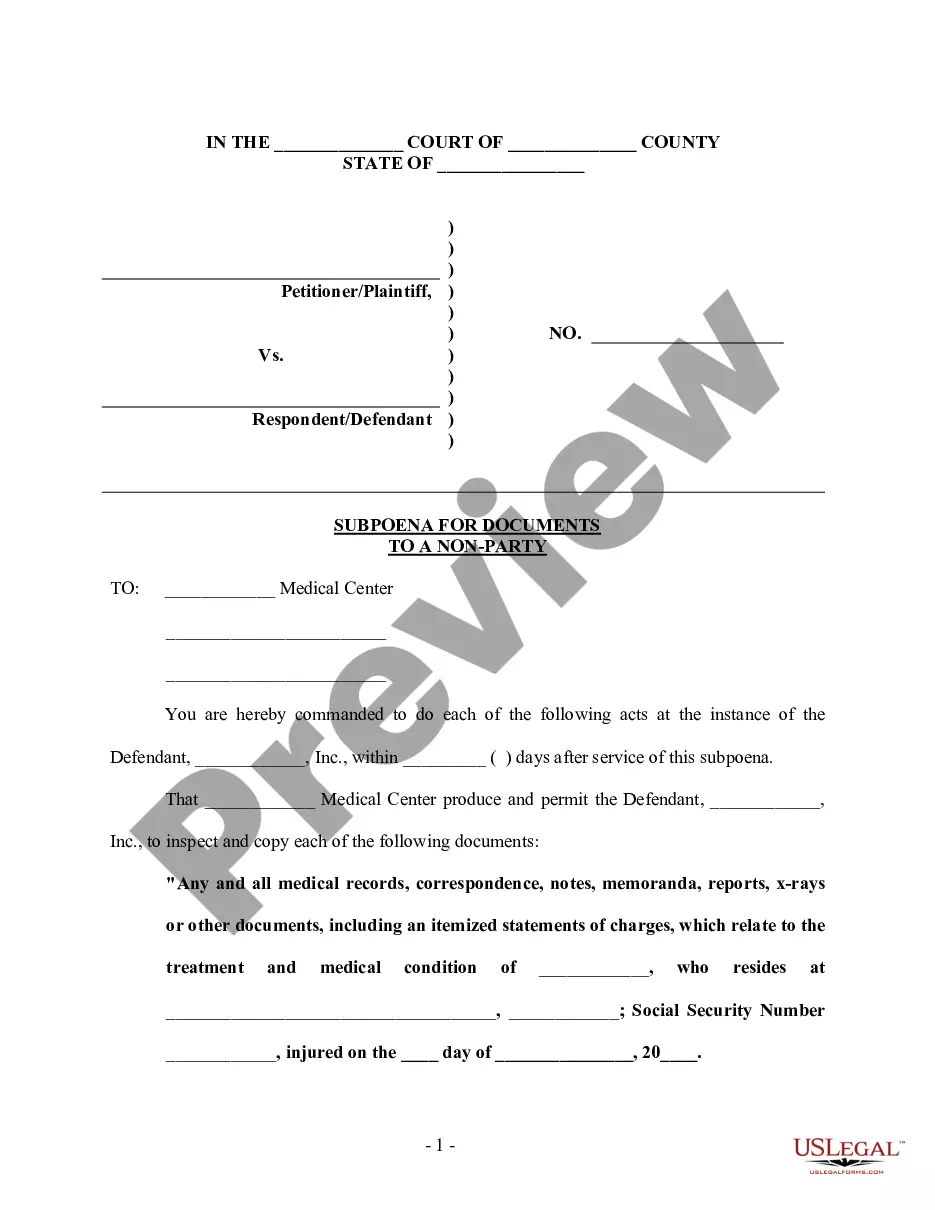
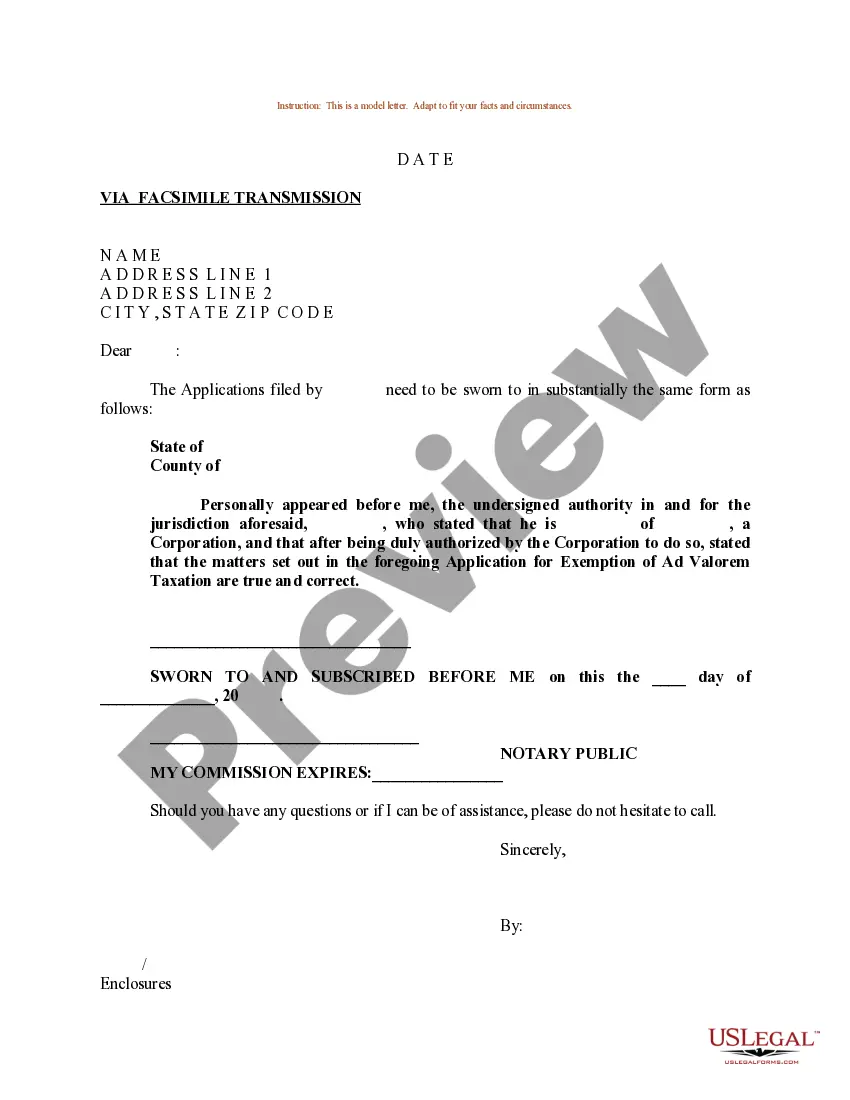
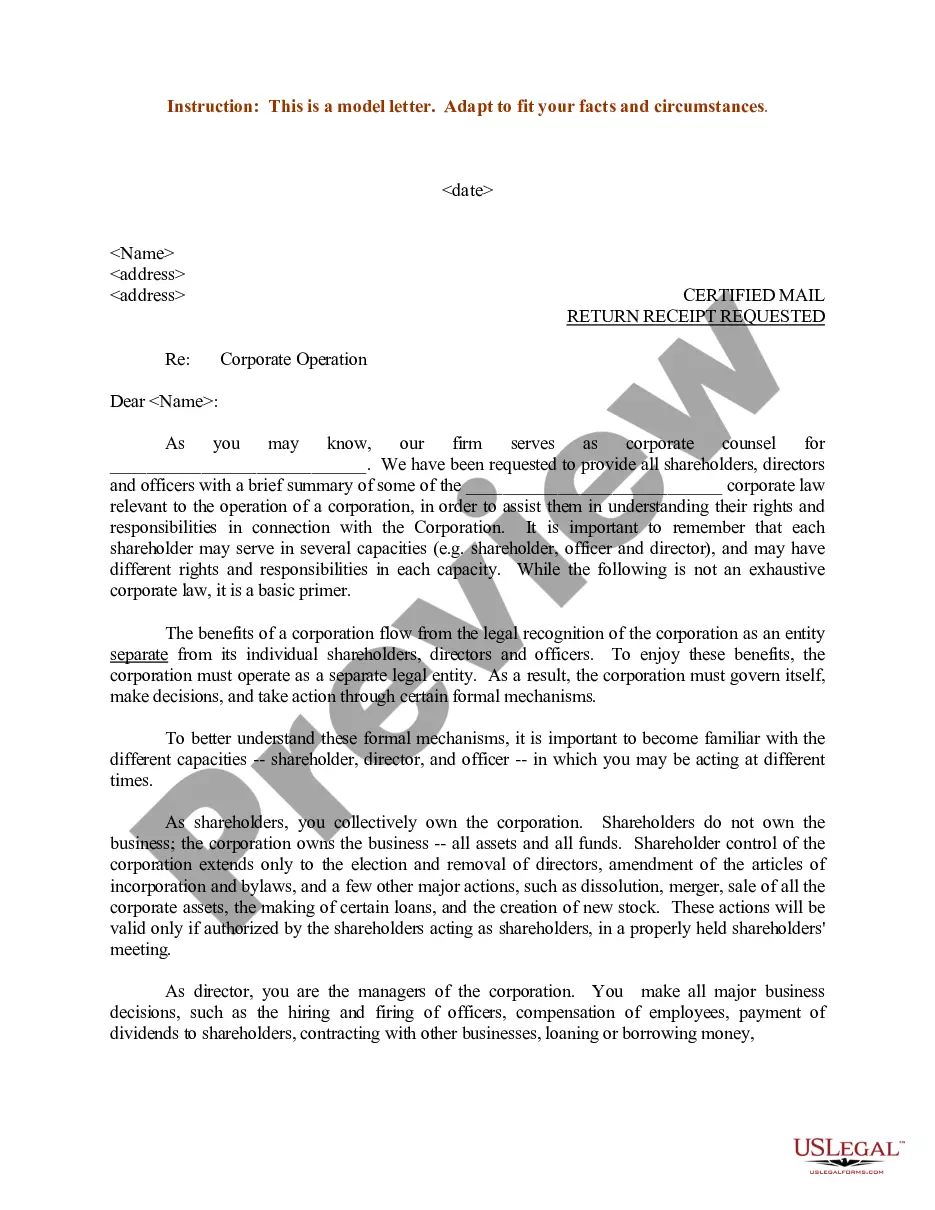
How to fill out Sample Letter For Authorized Signatories For Partnerships Or Corporations?
Managing legal documentation can be daunting, even for seasoned professionals.
When you're seeking an Authorized Letter To Claim and lack the opportunity to search for the appropriate and up-to-date version, the process can be stressful.
Access state- or county-specific legal and business documentation.
US Legal Forms fulfills all your requirements, from personal to corporate paperwork, all in one place.
If this is your first experience with US Legal Forms, sign up for a free account and gain unlimited access to all platform benefits.
- Utilize innovative tools to create and oversee your Authorized Letter To Claim.
- Access a valuable repository of articles, guides, and resources relevant to your situation and needs.
- Save time and effort searching for the documents you require, employing US Legal Forms’ sophisticated search and Review feature to find and download Authorized Letter To Claim.
- If you have a monthly subscription, Log In to your US Legal Forms account, search for the form, and download it.
- Visit the My documents tab to check the documents you've previously downloaded and manage your folders as desired.
- A comprehensive online form repository can be a game changer for anyone looking to navigate these circumstances proficiently.
- US Legal Forms stands out as a leading provider of online legal documentation, offering over 85,000 state-specific legal forms accessible at any time.
- With US Legal Forms, you can.
Form popularity
FAQ
A letter of claim is important because it formally initiates the claims process and provides a clear record of your request. This document helps to establish the context of your claim, which can be vital in disputes. An authorized letter to claim can reinforce your position and convey your seriousness in resolving the matter.
Do you need to notarize a Loan Agreement? First and foremost, understand that personal loan agreements fall into the classification of contracts. Technically, you don't have to notarize these documents. But if you want to make this document legally binding, then notarization is the best course of action.
Loan agreements typically include covenants, value of collateral involved, guarantees, interest rate terms and the duration over which it must be repaid. Default terms should be clearly detailed to avoid confusion or potential legal court action.
What a personal loan agreement should include Legal names and address of both parties. Names and address of the loan cosigner (if applicable). Amount to be borrowed. Date the loan is to be provided. Repayment date. Interest rate to be charged (if applicable). Annual percentage rate (if applicable).
In general, a personal loan contract is just as legally binding between friends or family as it would be with a bank. However, a contract between friends or family might be simpler or have fewer terms.
A loan agreement is any written document that memorializes the lending of money. Loan agreements can take several forms. The most basic loan agreement is commonly called an "IOU." These are typically used between friends or relatives for small amounts of money, and simply state the dollar amount that is owed.
The Do's for Lending to Friends and Family Lend Money Only to People You Trust. Limit Loans to What You Can Afford. Get It in Writing. Don't Lend More Than You Can Afford. Don't Let Guilt Drive Your Decision. Don't Lend Someone Your Credit.
Do you need to notarize a Loan Agreement? First and foremost, understand that personal loan agreements fall into the classification of contracts. Technically, you don't have to notarize these documents. But if you want to make this document legally binding, then notarization is the best course of action.
What should be in a personal loan contract? Names and addresses of the lender and the borrower. Information about the loan co-borrower or cosigner, if it's a joint personal loan. Loan amount and the method for disbursement (lump sum, installments, etc.) Date the loan was provided. Expected repayment date.