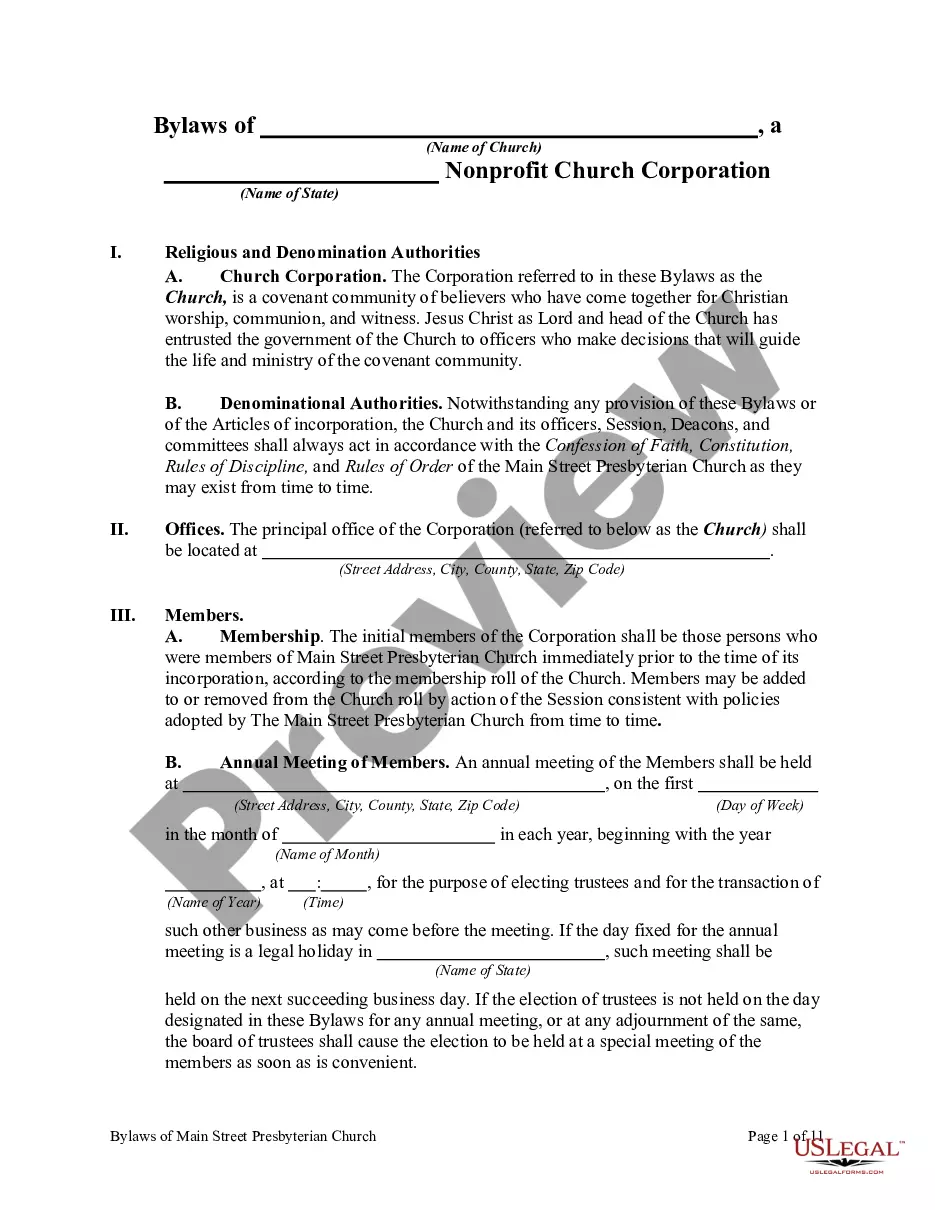
Do Churches Have Bylaws
Description
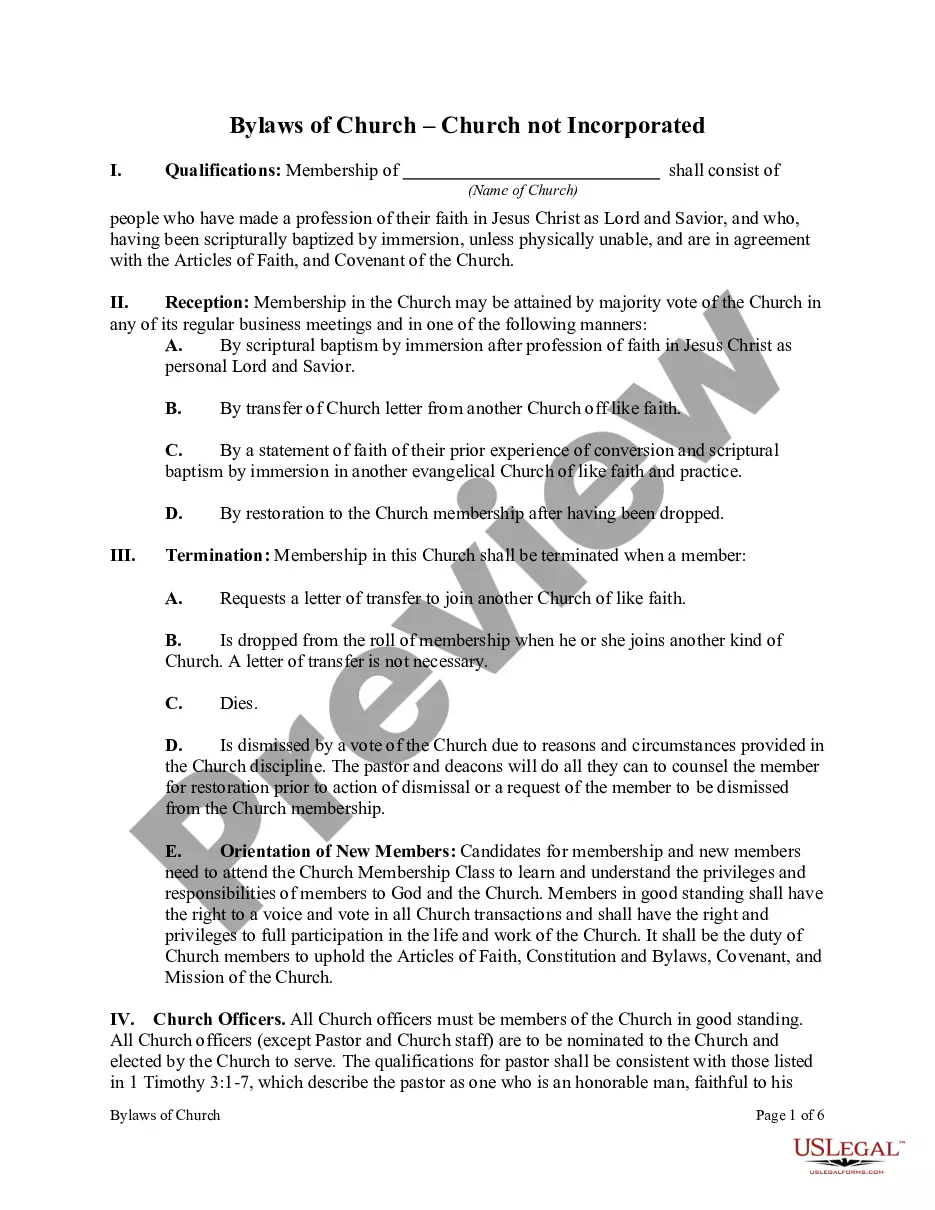
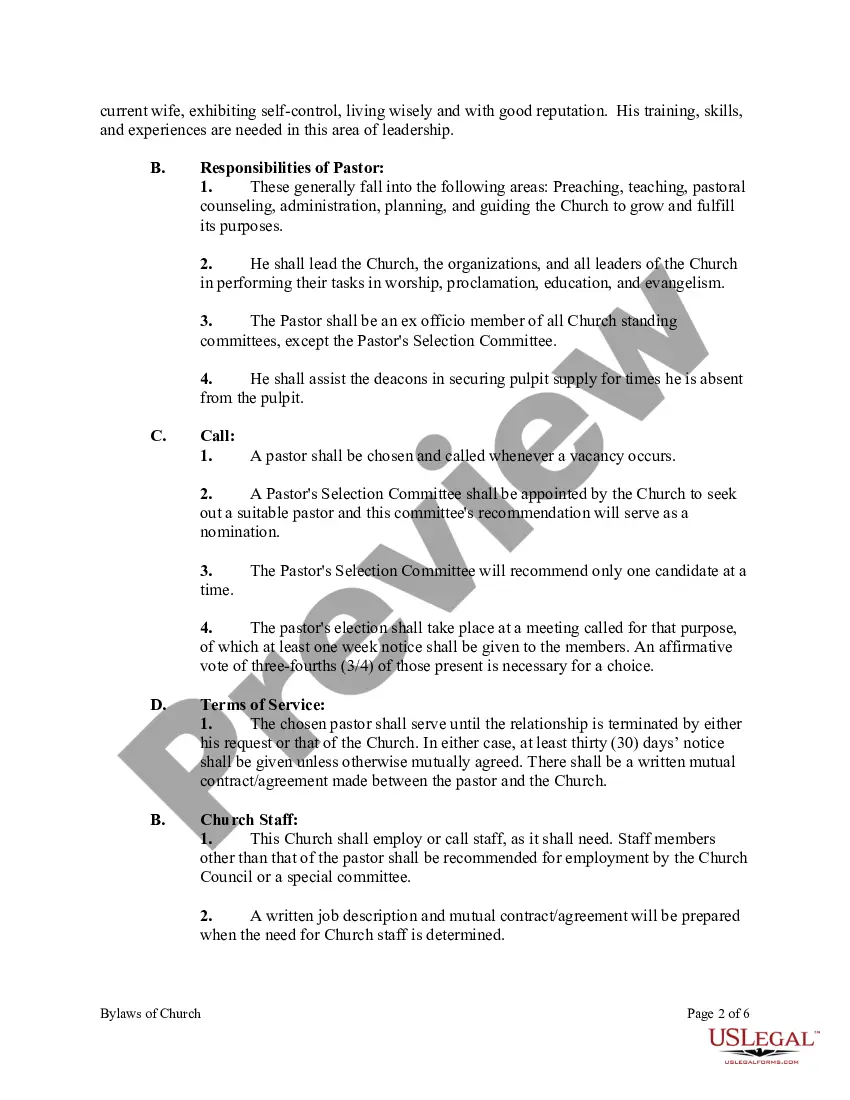
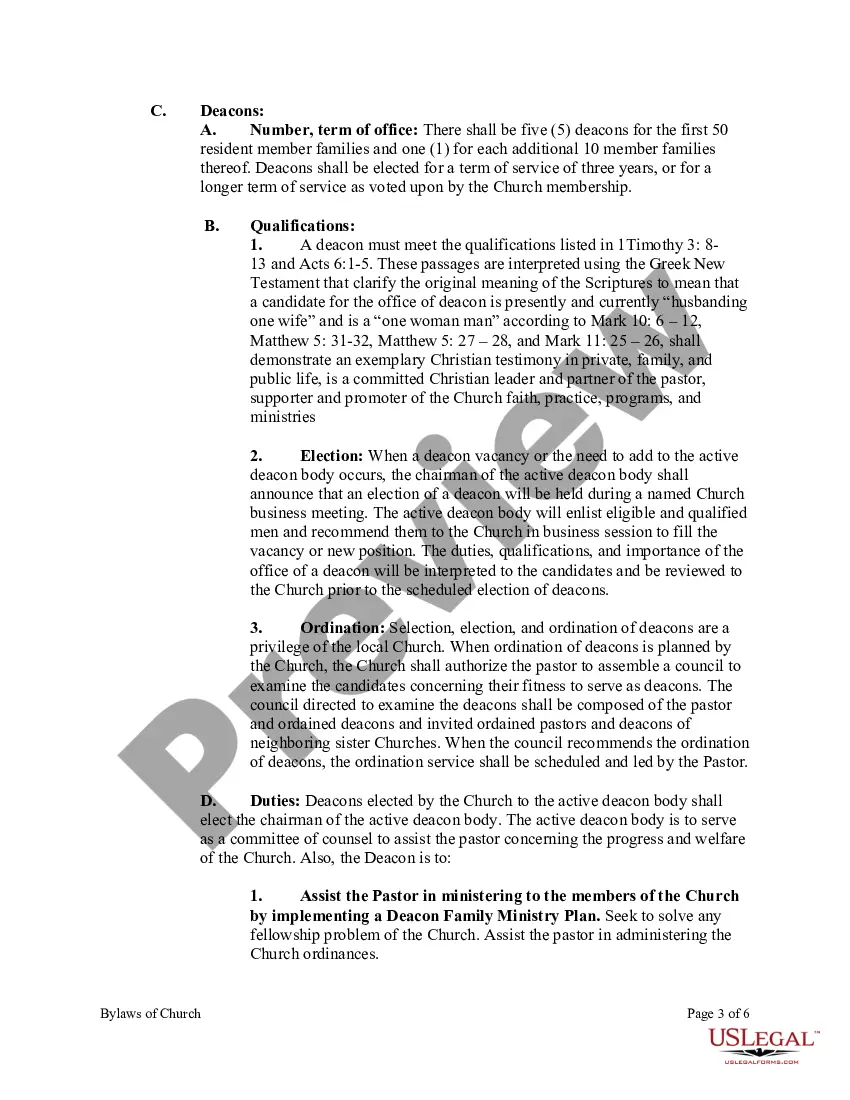
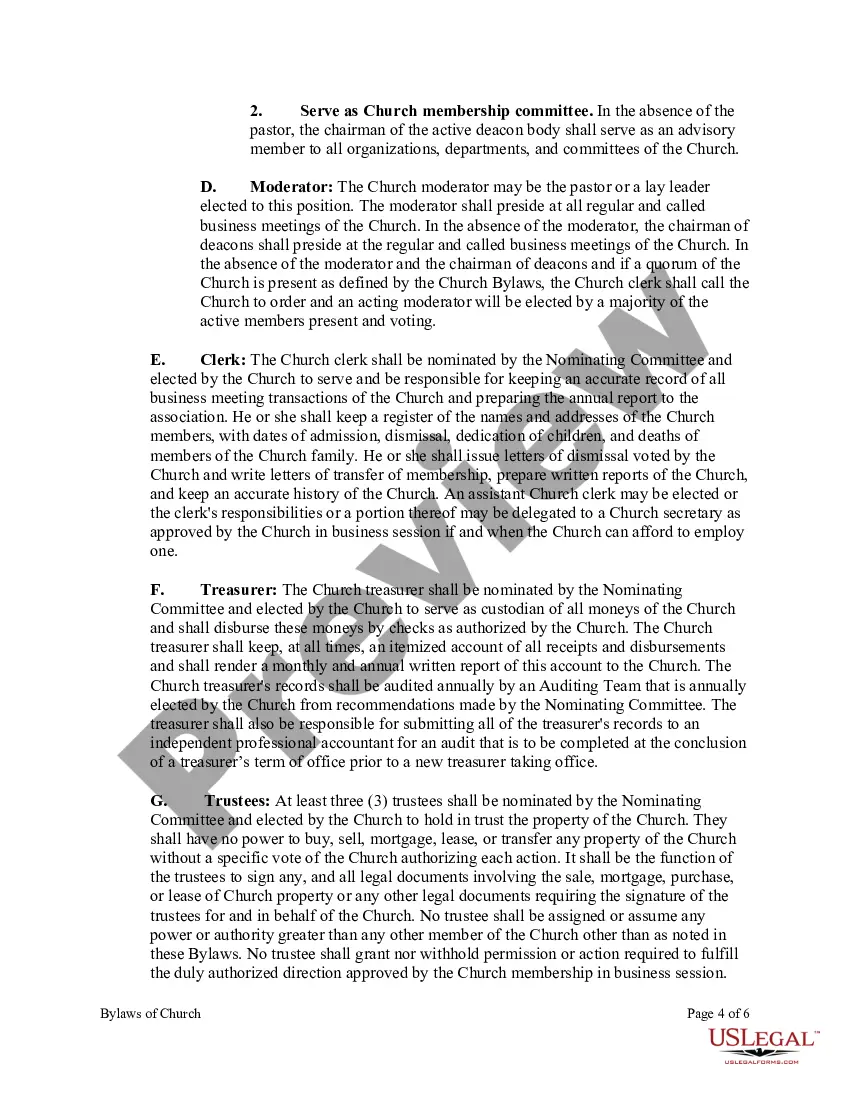
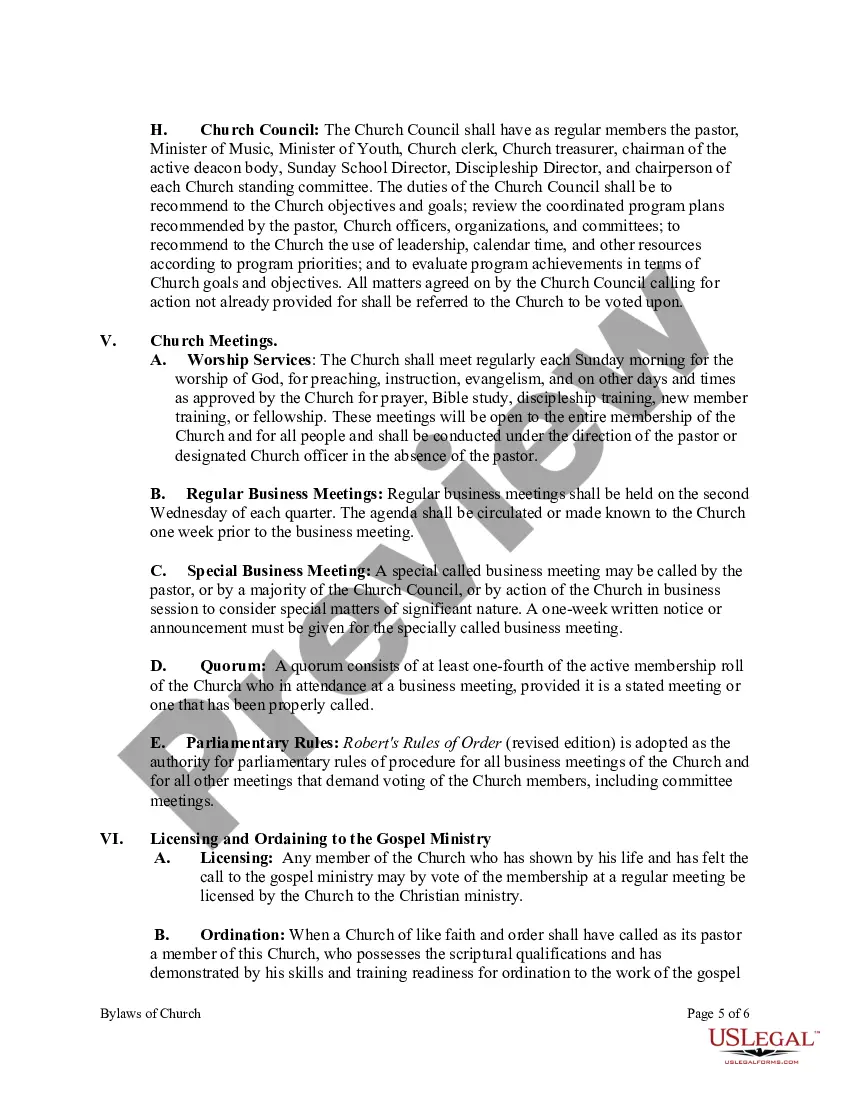
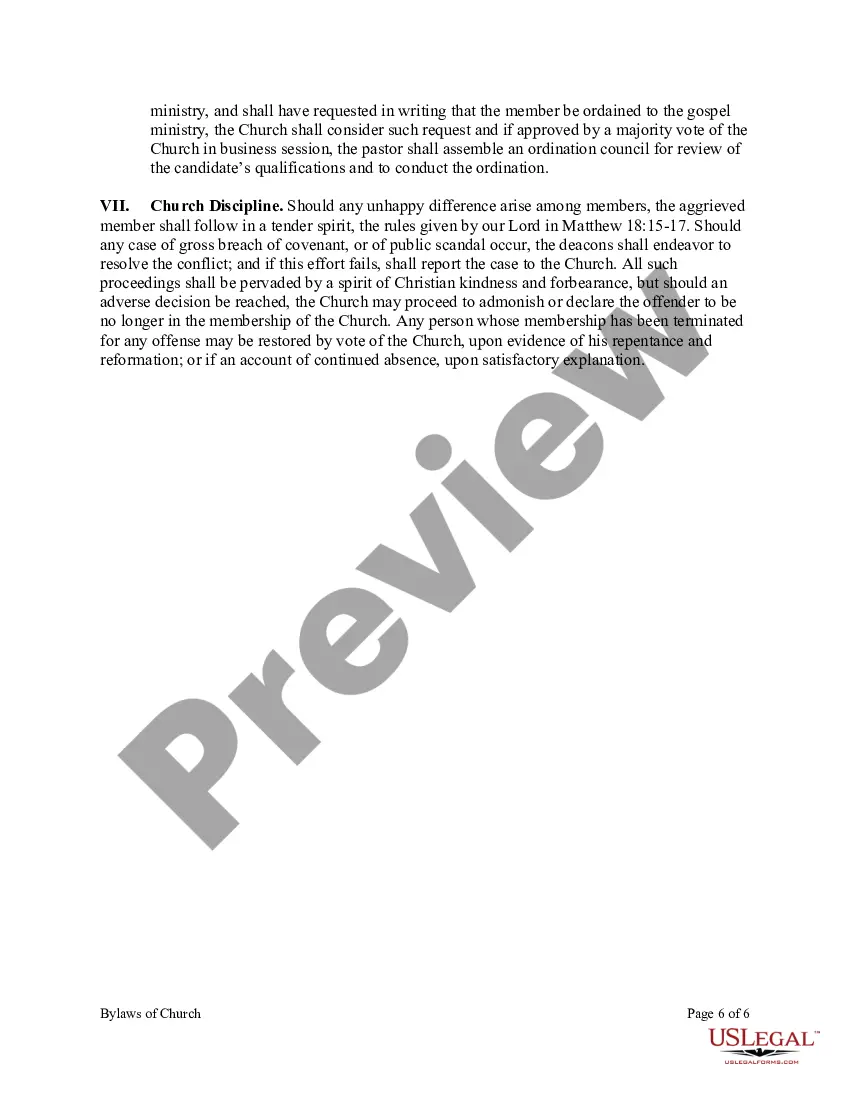
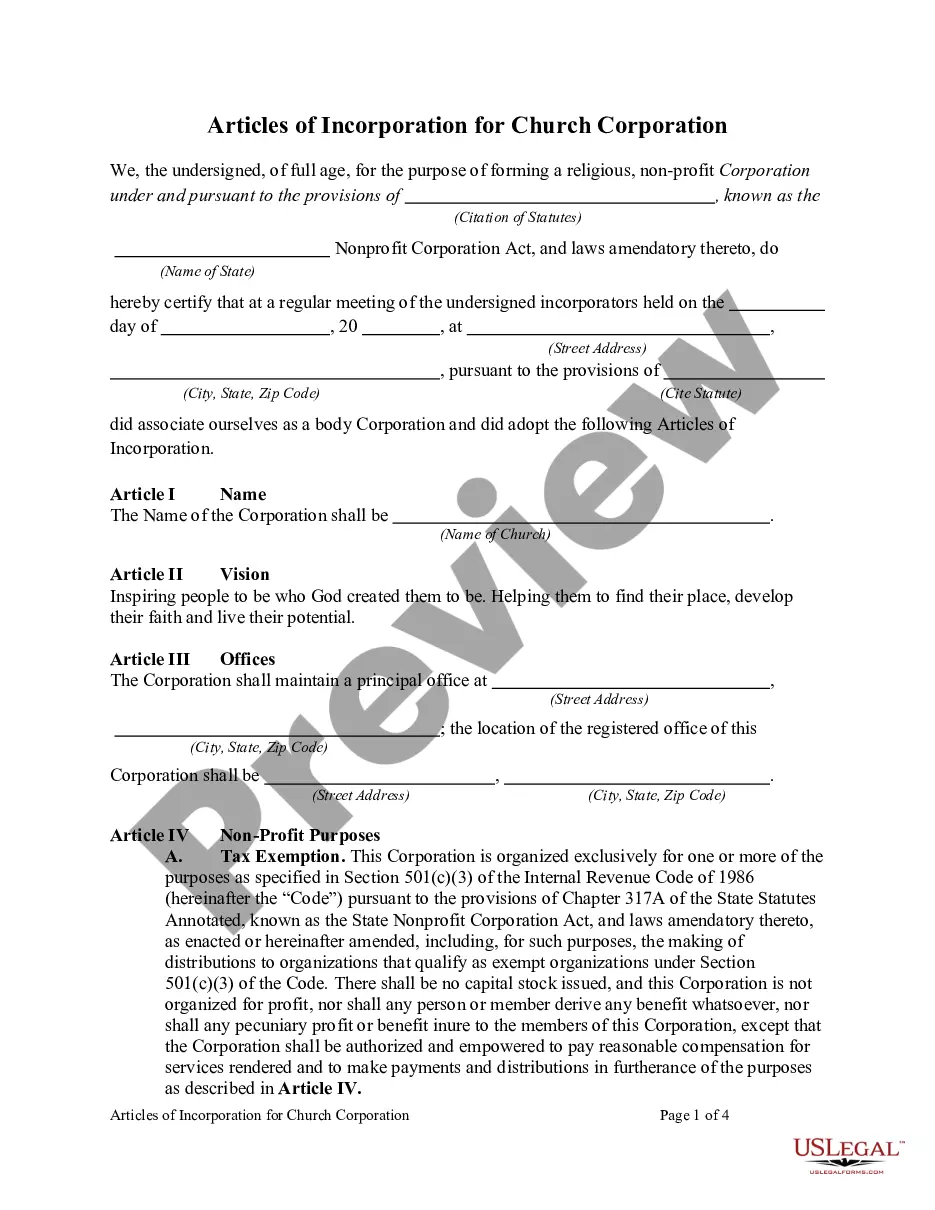
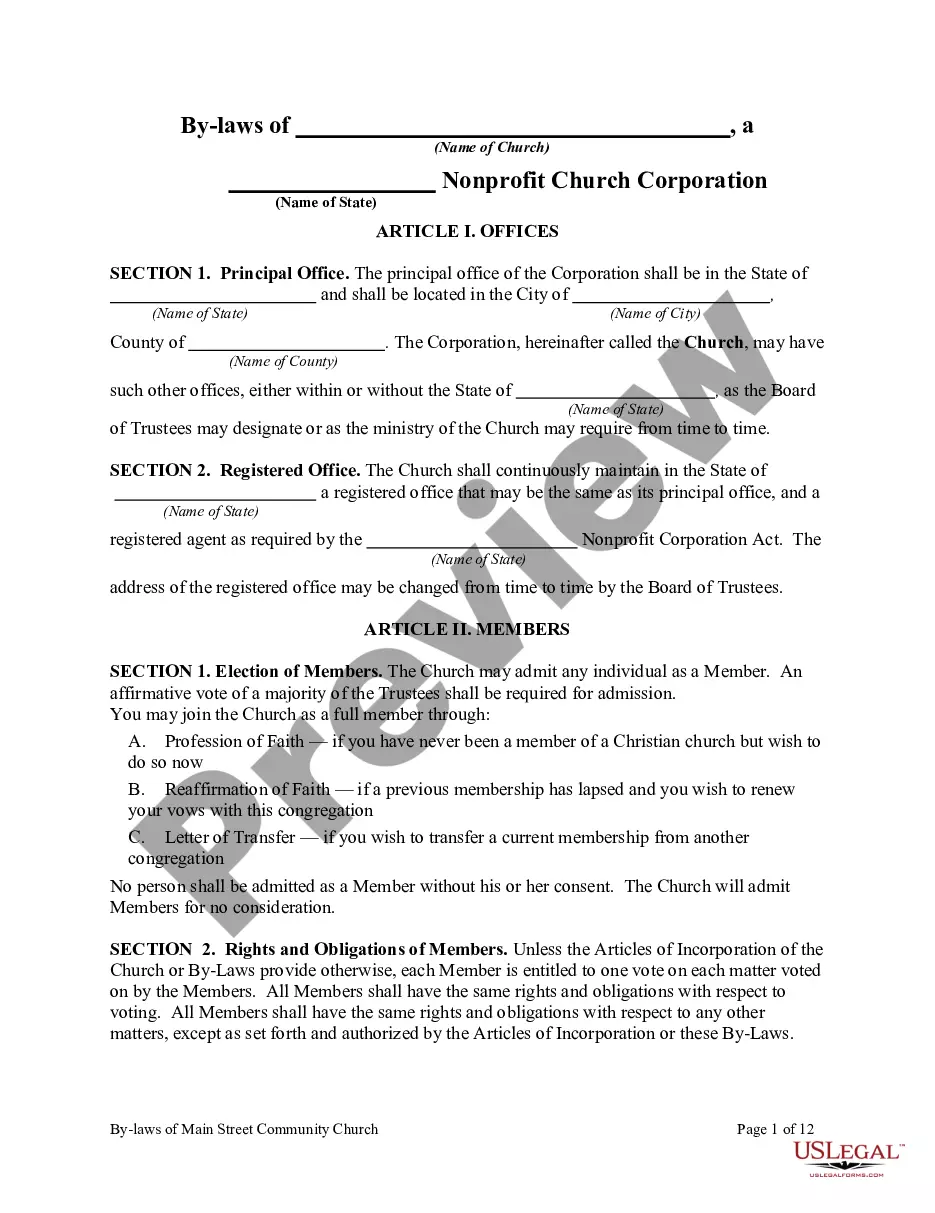
Get your form ready online
Our built-in tools help you complete, sign, share, and store your documents in one place.
Make edits, fill in missing information, and update formatting in US Legal Forms—just like you would in MS Word.
Download a copy, print it, send it by email, or mail it via USPS—whatever works best for your next step.
Sign and collect signatures with our SignNow integration. Send to multiple recipients, set reminders, and more. Go Premium to unlock E-Sign.
If this form requires notarization, complete it online through a secure video call—no need to meet a notary in person or wait for an appointment.
We protect your documents and personal data by following strict security and privacy standards.

Make edits, fill in missing information, and update formatting in US Legal Forms—just like you would in MS Word.

Download a copy, print it, send it by email, or mail it via USPS—whatever works best for your next step.

Sign and collect signatures with our SignNow integration. Send to multiple recipients, set reminders, and more. Go Premium to unlock E-Sign.

If this form requires notarization, complete it online through a secure video call—no need to meet a notary in person or wait for an appointment.

We protect your documents and personal data by following strict security and privacy standards.
Looking for another form?




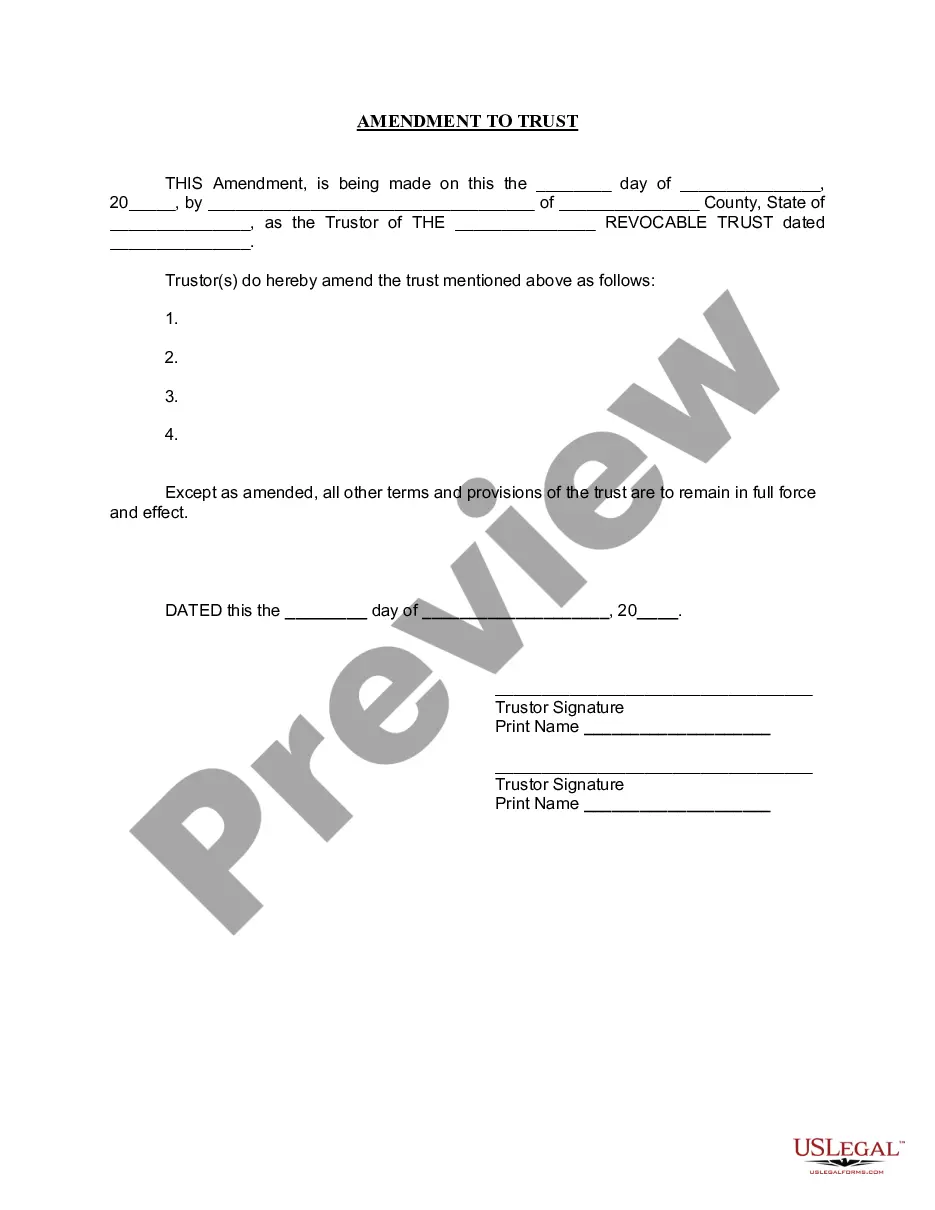

How to fill out Bylaws Of Church - Church Not Incorporated?
- Log in to your account at US Legal Forms if you're a returning user. Ensure your subscription is active for seamless access.
- If you're new, start by exploring the Preview mode. Review form descriptions to find the bylaws template that fits your church's needs and complies with local laws.
- If the right template isn’t available, utilize the Search tab to find alternative options until you find the correct one.
- Once you’ve selected your document, click on the Buy Now button and pick a subscription plan that works for you. Registration is required to gain full access.
- Complete your payment through a credit card or PayPal to finalize your subscription.
- Download the bylaws form directly to your device. You can also access it anytime through the My Forms section in your profile.
By leveraging the extensive collection of legal forms provided by US Legal Forms, you can ensure that your church operates within a clear and legal framework.
Start your process today and empower your church with the right bylaws. Visit US Legal Forms to explore their extensive library!
Form popularity
FAQ
Churches operate under specific laws, including federal, state, and local regulations that govern their activities. While churches have autonomy to create bylaws, they must also comply with laws relevant to their operations, including tax-exempt status regulations. Crafting bylaws can help clarify how your church will adhere to these laws while fulfilling its mission.
The Freedom of Access to Clinic Entrances (FACE) Act primarily protects access to reproductive health clinics, but many churches engage in advocacy related to these issues. While it does not directly protect churches, understanding its implications can help churches navigate their rights when addressing controversial topics. In any case, churches should consider having their bylaws clearly outline their stance on such matters.
A church adopts bylaws to establish governance and organization. Bylaws clarify leadership roles, procedures for meetings, and membership requirements, leading to smoother operations and transparency within the church. If you are uncertain about how to draft effective bylaws, consider utilizing US Legal Forms for guidance.
While churches are not legally required to have bylaws, creating them is highly beneficial. Bylaws provide a framework for governance, helping to outline the church's structure, leadership roles, and decision-making processes. Thus, understanding how to create effective bylaws can streamline church operations and clarify responsibilities.
Various laws protect churches, primarily the First Amendment and the Religious Freedom Restoration Act. These laws allow churches to operate without undue government interference and enable them to establish bylaws that reflect their beliefs. Understanding these protections ensures that your church can focus on its mission rather than legal hurdles.
The First Amendment protects churches in the United States. It guarantees freedom of religion and bars the government from interfering in religious practices. This amendment is essential for churches, as it supports their right to operate independently and establish bylaws that suit their mission.
The Americans with Disabilities Act (ADA) does apply to churches, especially if they are open to the public. Churches must ensure that their facilities are accessible to individuals with disabilities, which includes considerations for parking, entrances, and restrooms. Understanding your responsibilities under the ADA is crucial for fostering an inclusive environment while also considering the benefits of bylaws to guide church policies.
Creating church bylaws involves several key steps that require careful consideration and collaboration among members. Start by outlining the essential components, such as governance structure, membership criteria, and meeting protocols. It’s also important to ensure compliance with state regulations, as this will make the bylaws legally valid. For assistance in drafting comprehensive bylaws, consider using platforms like US Legal Forms, which provide templates and helpful resources tailored for churches.
Having bylaws serves the crucial purpose of guiding the operations of an organization, including churches. Bylaws detail how the church is run, covering everything from membership to meeting procedures. This legal document helps prevent misunderstandings and conflicts among members, by providing clear guidelines. Therefore, when you understand whether churches have bylaws, you recognize the benefits of order and clarity in governance.
Churches have board members to ensure that leadership is accountable and that decisions align with the church’s mission and values. Board members bring diverse skill sets and perspectives, enhancing the church's ability to serve its congregation effectively. They also help oversee financial matters and strategic planning, which are vital for the sustainability of the church. In essence, recognizing how churches have bylaws and board members helps in building a structured organization.