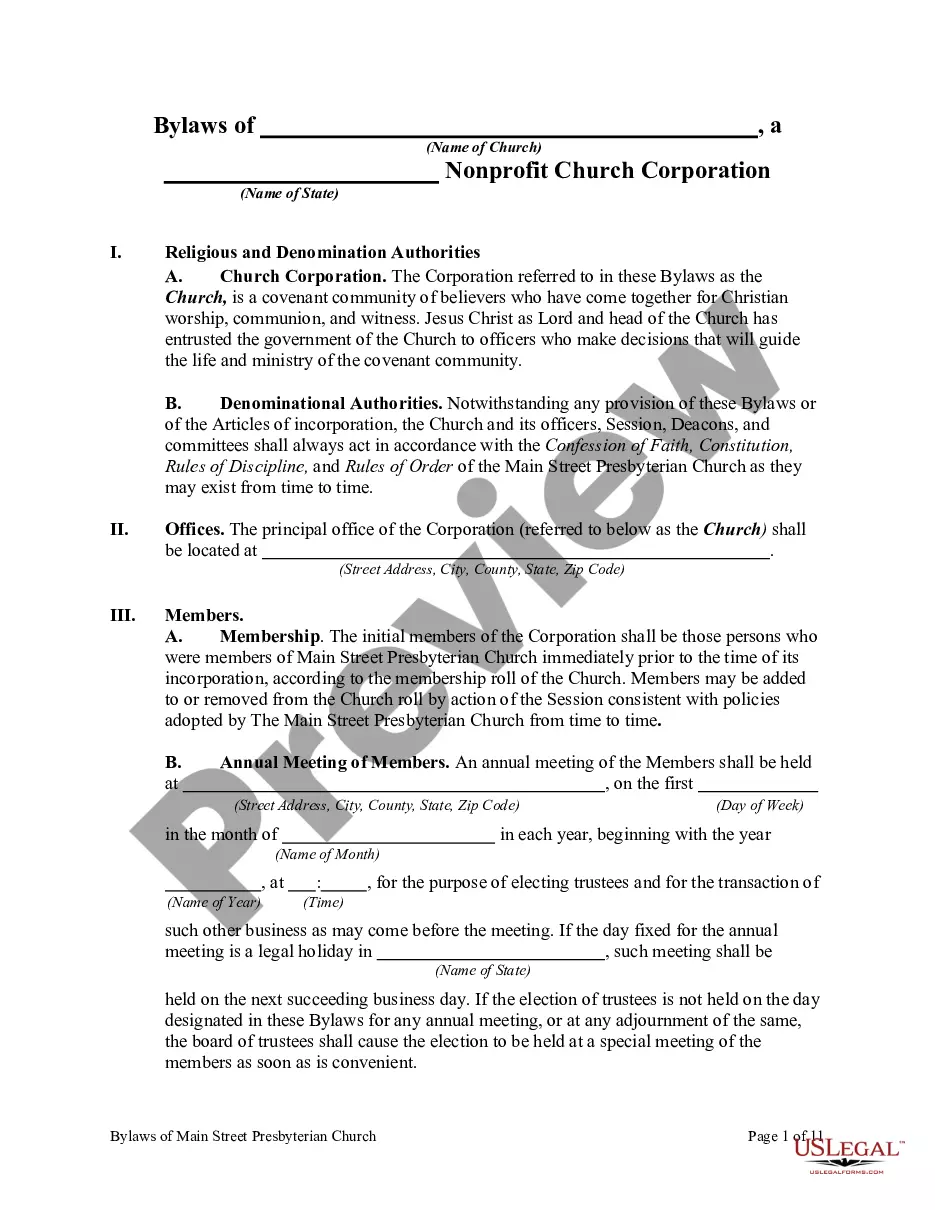
Church Bylaws With Membership
Description
Get your form ready online
Our built-in tools help you complete, sign, share, and store your documents in one place.
Make edits, fill in missing information, and update formatting in US Legal Forms—just like you would in MS Word.
Download a copy, print it, send it by email, or mail it via USPS—whatever works best for your next step.
Sign and collect signatures with our SignNow integration. Send to multiple recipients, set reminders, and more. Go Premium to unlock E-Sign.
If this form requires notarization, complete it online through a secure video call—no need to meet a notary in person or wait for an appointment.
We protect your documents and personal data by following strict security and privacy standards.

Make edits, fill in missing information, and update formatting in US Legal Forms—just like you would in MS Word.

Download a copy, print it, send it by email, or mail it via USPS—whatever works best for your next step.

Sign and collect signatures with our SignNow integration. Send to multiple recipients, set reminders, and more. Go Premium to unlock E-Sign.

If this form requires notarization, complete it online through a secure video call—no need to meet a notary in person or wait for an appointment.

We protect your documents and personal data by following strict security and privacy standards.
Looking for another form?









How to fill out Bylaws Of Church - Church Not Incorporated?
It’s clear that you cannot instantly transform into a legal specialist, nor can you quickly learn how to effectively draft Church Bylaws With Membership without possessing a specific expertise.
Developing legal documents is an extensive undertaking that demands specialized education and abilities.
So why not entrust the development of the Church Bylaws With Membership to the experts.
You can access your files again from the My documents tab at any moment. If you already have an account, you can easily Log In, and locate and download the document from that tab.
Regardless of the intention behind your paperwork—be it financial, legal, or personal—our platform has what you need. Experience US Legal Forms today!
- Utilize the search bar at the top of the page to find the document you require.
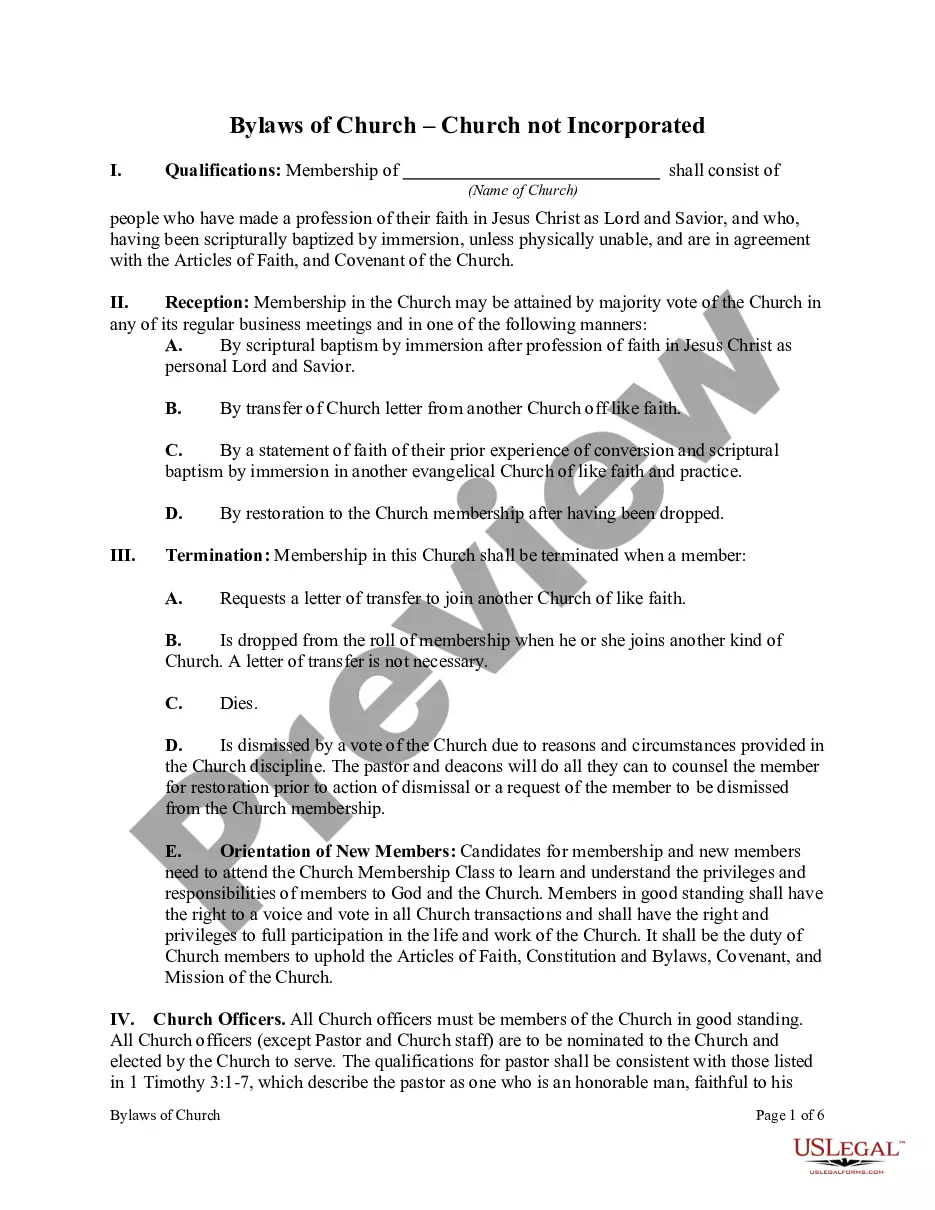
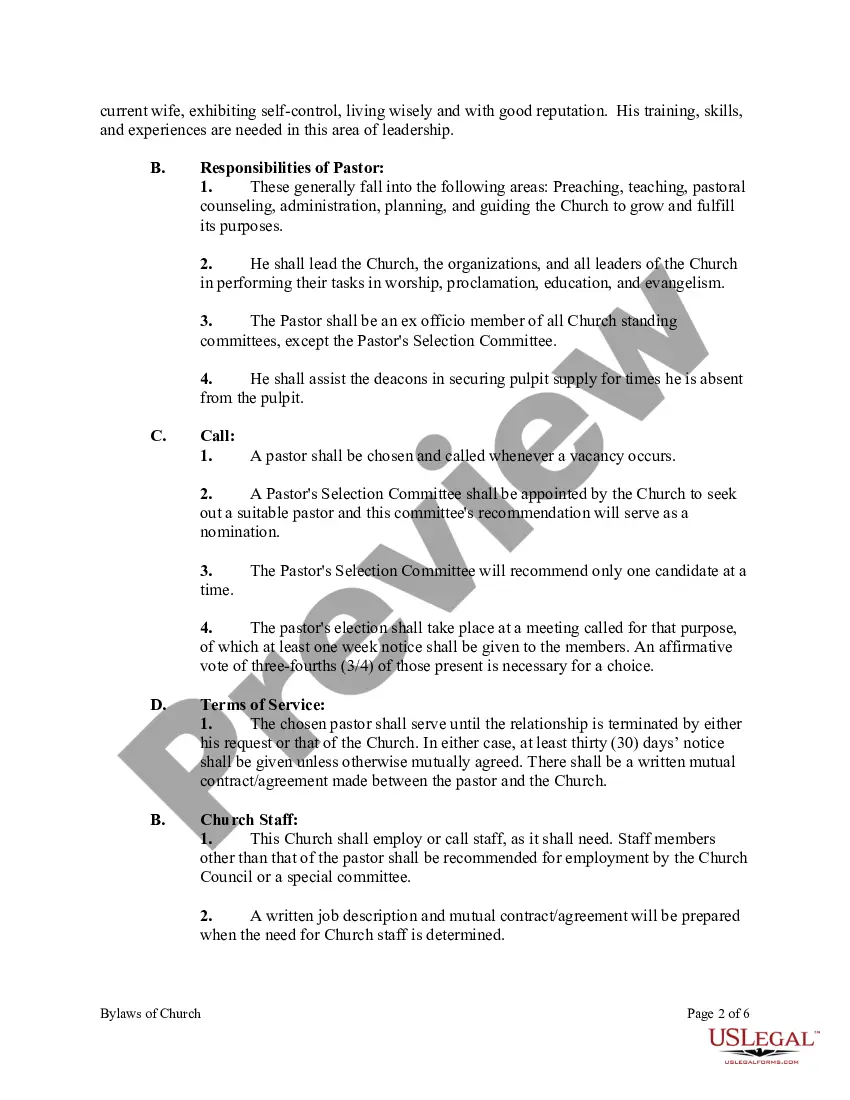
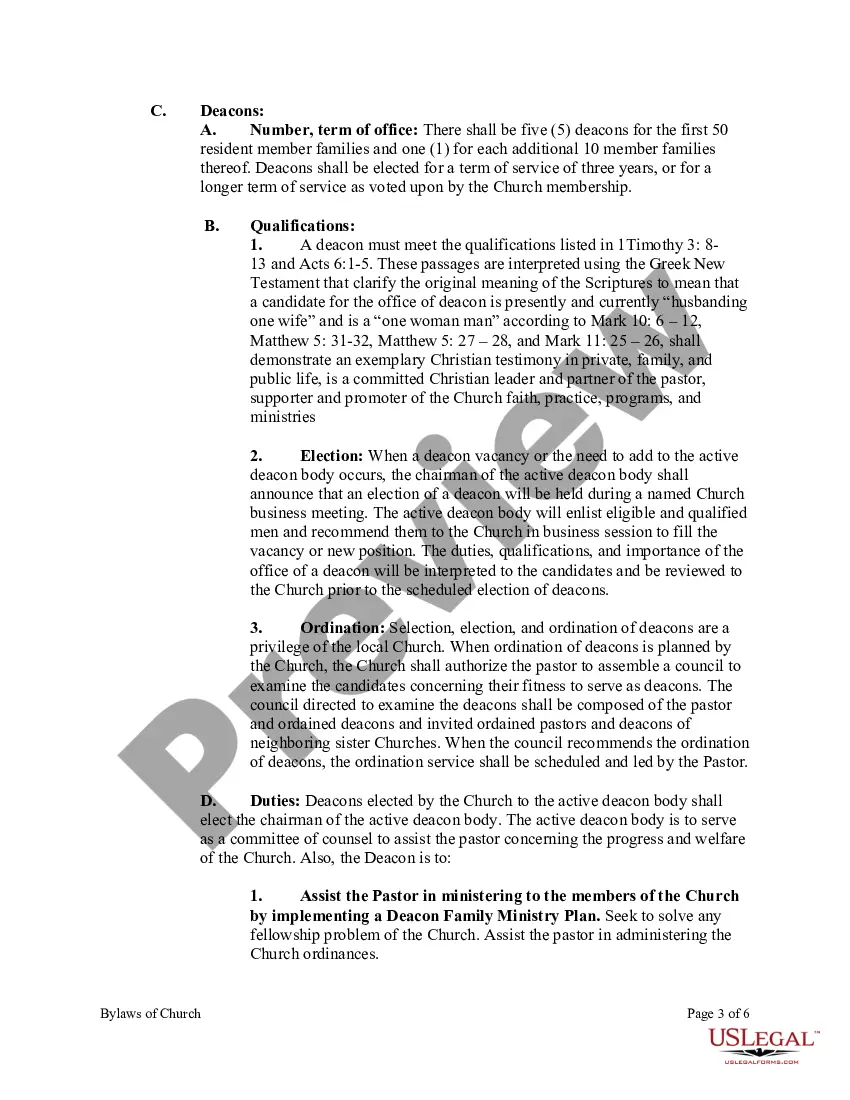
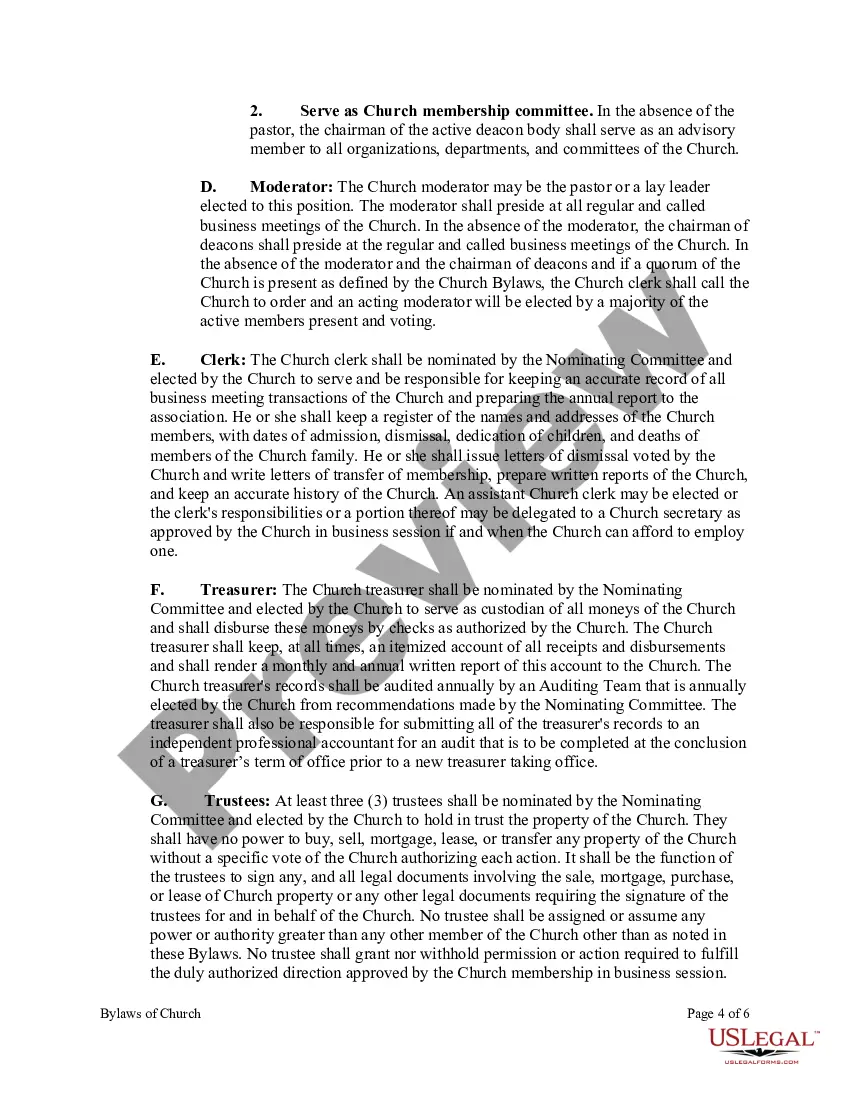
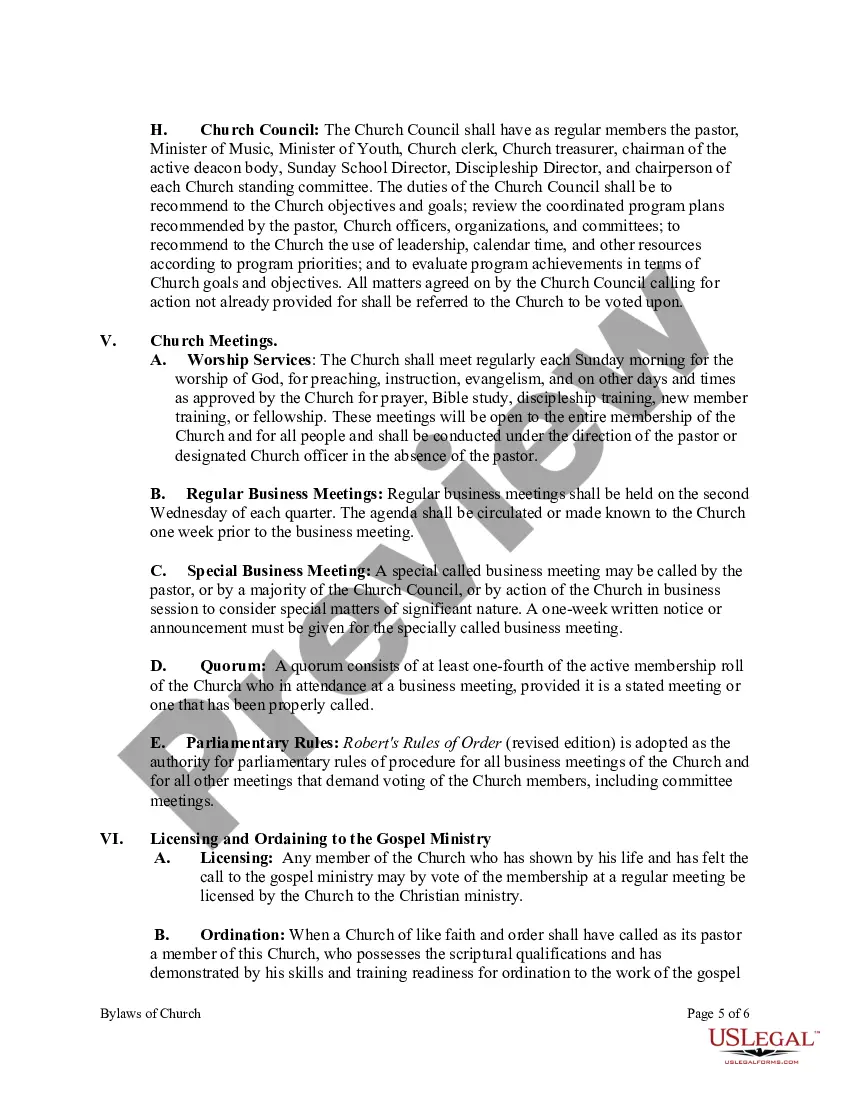
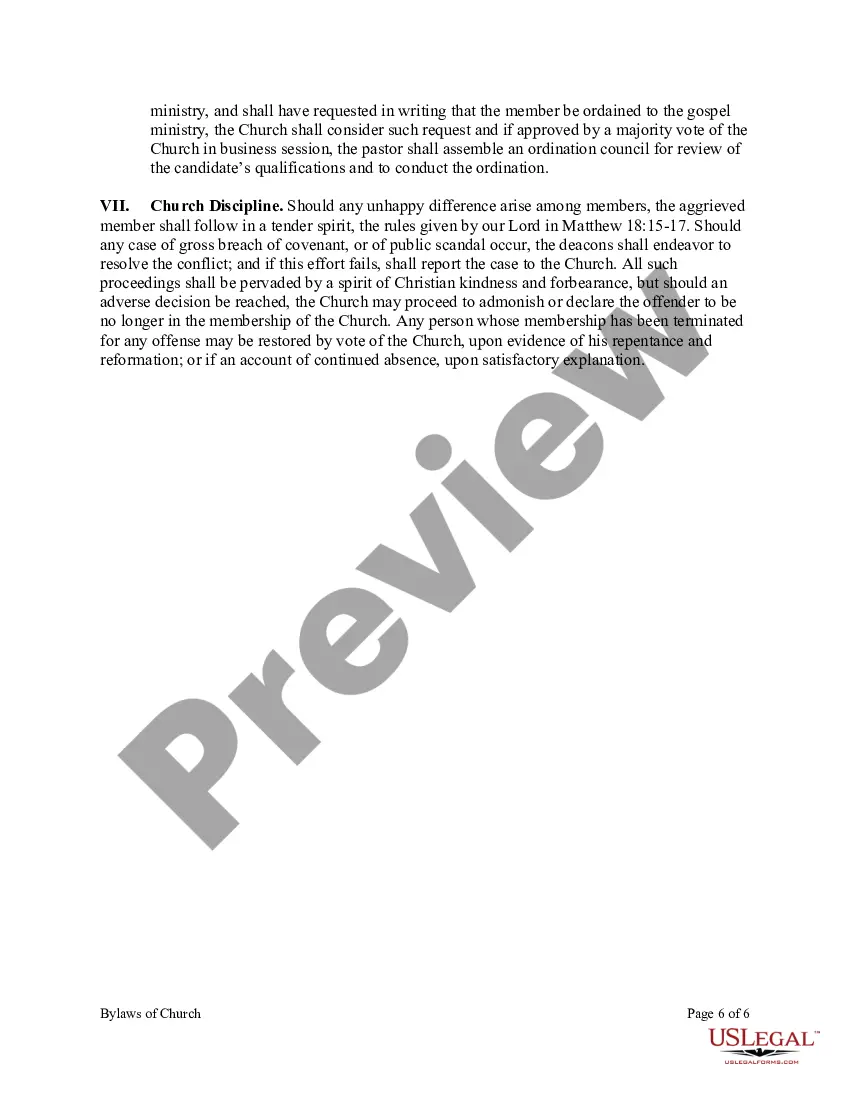
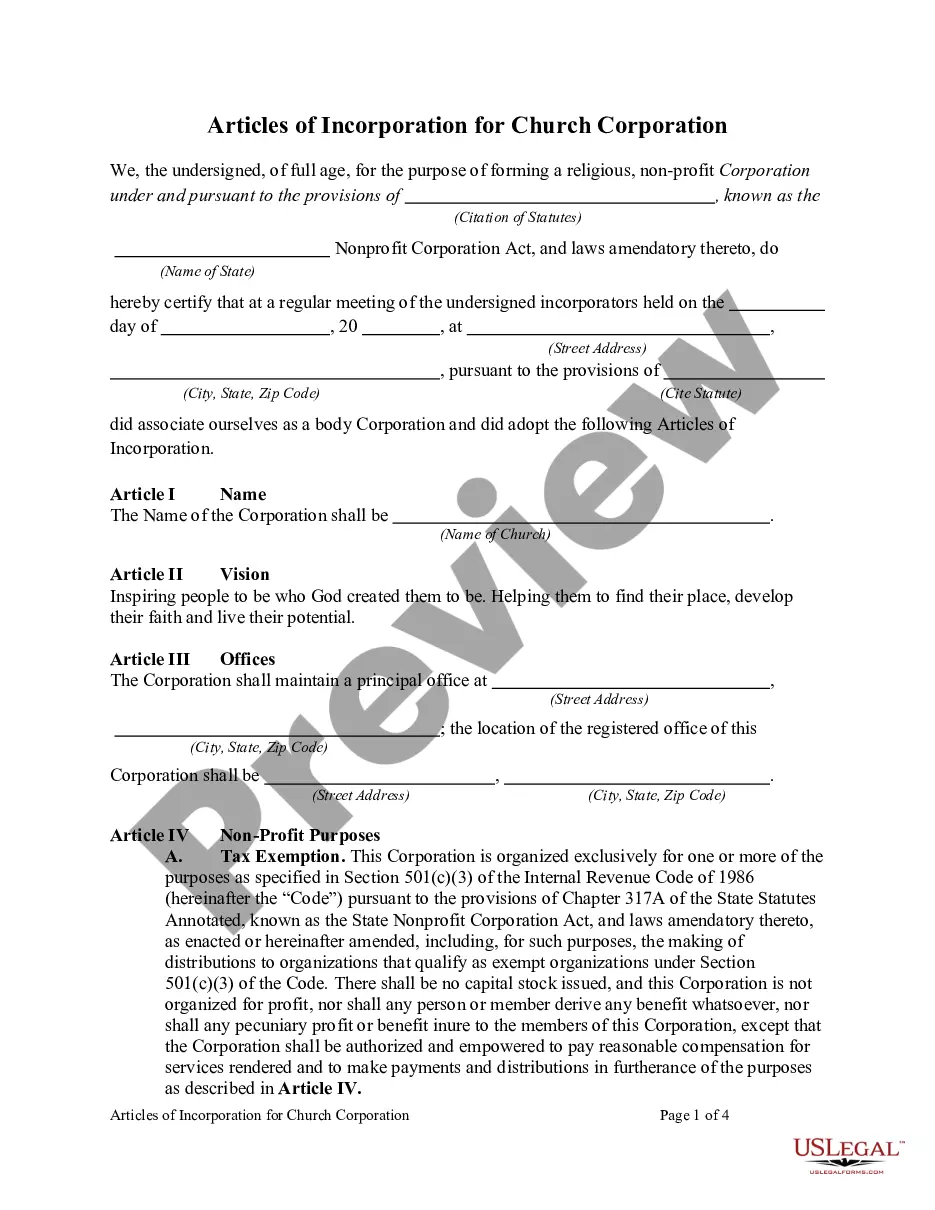
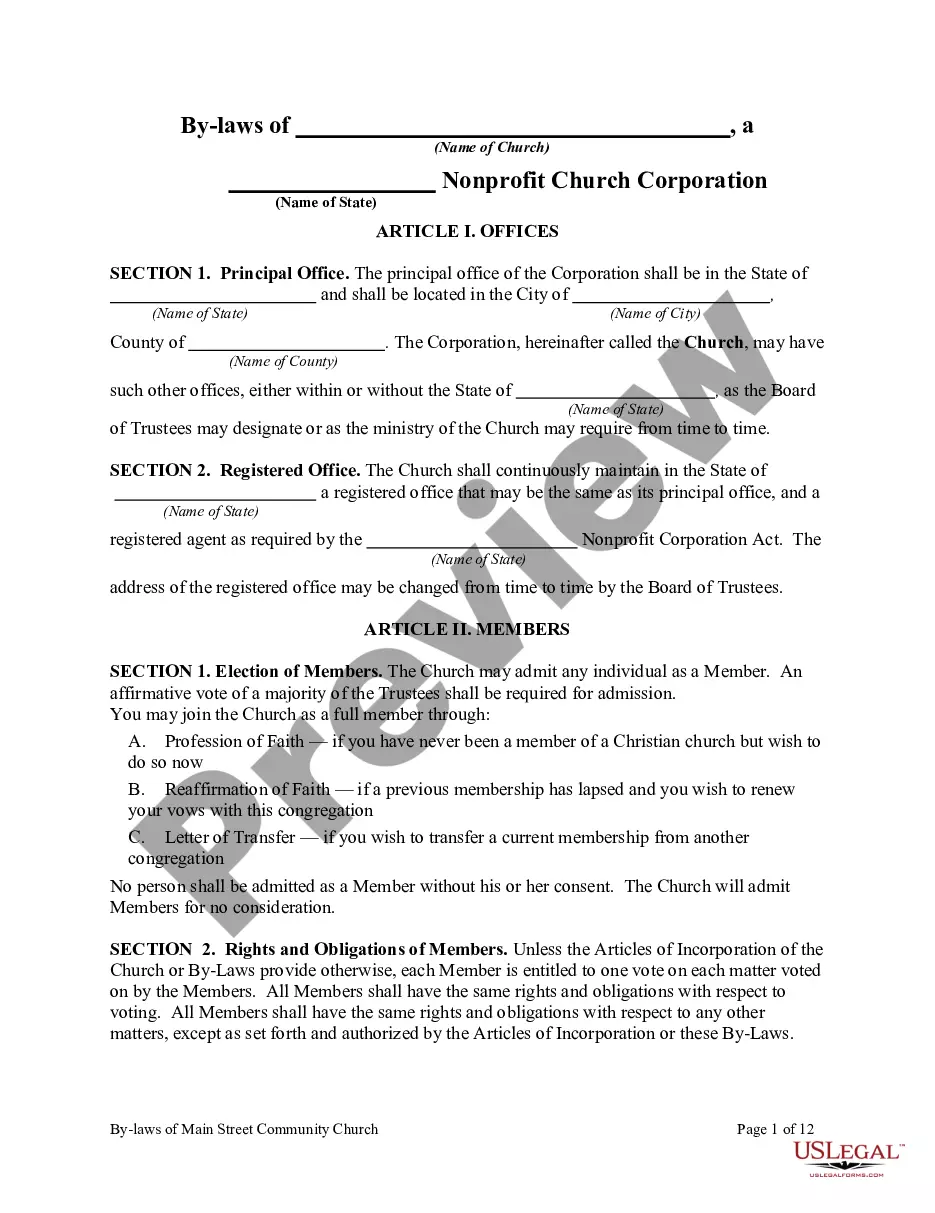
- If available, preview it and review the accompanying description to determine if Church Bylaws With Membership meets your needs.
- If you require a different document, restart your search.
- Create a complimentary account and choose a subscription plan to purchase the document.
- Click Buy now. After the payment is processed, you can download the Church Bylaws With Membership, fill it out, print it, and send it to the designated recipients or organizations.
Form popularity
FAQ
Formally denying a person membership in a church is known as 'exclusion' or 'denial of membership.' This term reflects the church's decision to not accept an individual into its community based on established guidelines. When churches define this process in their church bylaws with membership, they promote transparency and fairness, ensuring that all potential members understand the criteria for inclusion.
Yes, churches can deny membership based on criteria specified in their bylaws. This process often includes considerations such as personal beliefs, behavior, or other factors deemed relevant by the church leadership. By clearly stating these criteria in church bylaws with membership, churches can effectively manage expectations and maintain cohesion among their members.
Church membership is generally not considered legally binding in the same way as a contract; however, it can carry significant responsibilities and expectations. Members may be required to adhere to the church's rules outlined in the bylaws, which creates an implicit agreement. Understanding the nuances of church bylaws with membership helps clarify your obligations and rights, contributing to a stronger community.
Yes, a church can refuse entry to individuals based on specific criteria established in their bylaws. Many churches reserve the right to deny entry to maintain a safe and respectful environment. However, it is important that this process aligns with church bylaws with membership, ensuring the criteria are applied fairly and consistently.
While churches are not legally required to have bylaws, establishing them is highly advisable. Bylaws provide a framework for governance, outlining the roles of leadership and membership processes. Ultimately, church bylaws with membership can help prevent disputes and ensure everyone is on the same page about expectations and responsibilities within the church community.
Typically, the two requirements for membership in a church are a personal profession of faith and adherence to the church’s beliefs or doctrine. Most churches also require individuals to participate in a new member orientation or class. Understanding these requirements is essential, as church bylaws with membership often outline these conditions, ensuring clarity and consistency within the congregation.
An example of a church law could be a provision stating that all members must attend a certain number of services each month to maintain their membership status. This provision helps foster a sense of community and accountability among members. Church bylaws with membership often include various such laws that promote engagement and adherence to the values of the congregation.
To create effective bylaws, begin by researching existing bylaws from similar organizations to gather ideas. Clearly define your organization’s purpose, decision-making processes, and membership guidelines, making sure to communicate the roles of church leaders. You might consider utilizing platforms like uslegalforms to access templates and resources that simplify the creation of church bylaws with membership.
Creating bylaws for a church involves several important steps. Start by gathering input from church leadership and members to ensure that everyone's voice is heard. You should outline key elements such as membership criteria, meeting procedures, and governance structure, ensuring your bylaws align with your church's mission and beliefs.
While not every church is legally required to have bylaws, it is highly recommended for effective governance. Church bylaws with membership outline the structure and rules of operation, ensuring that both leadership and members understand their roles and responsibilities. Having clear bylaws can also help in resolving disputes and establishing procedures for decision-making.