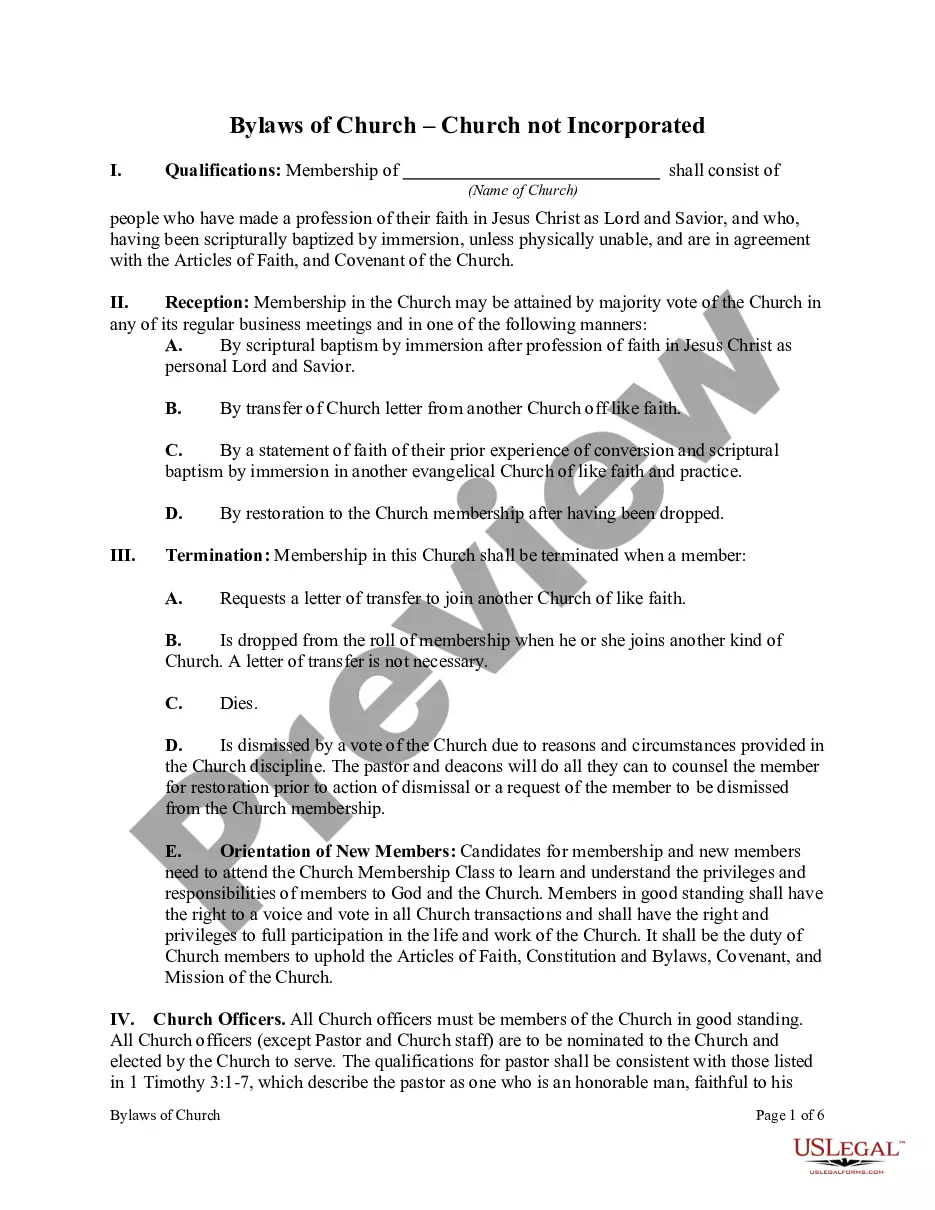
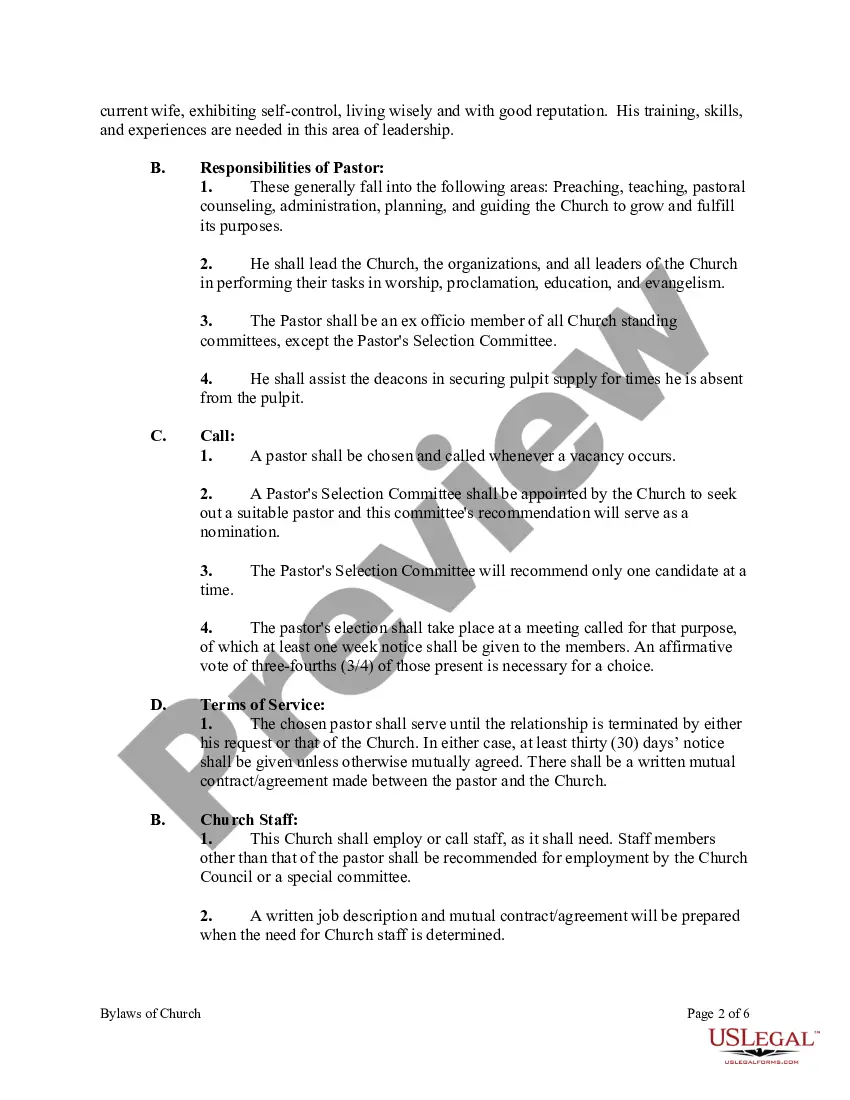
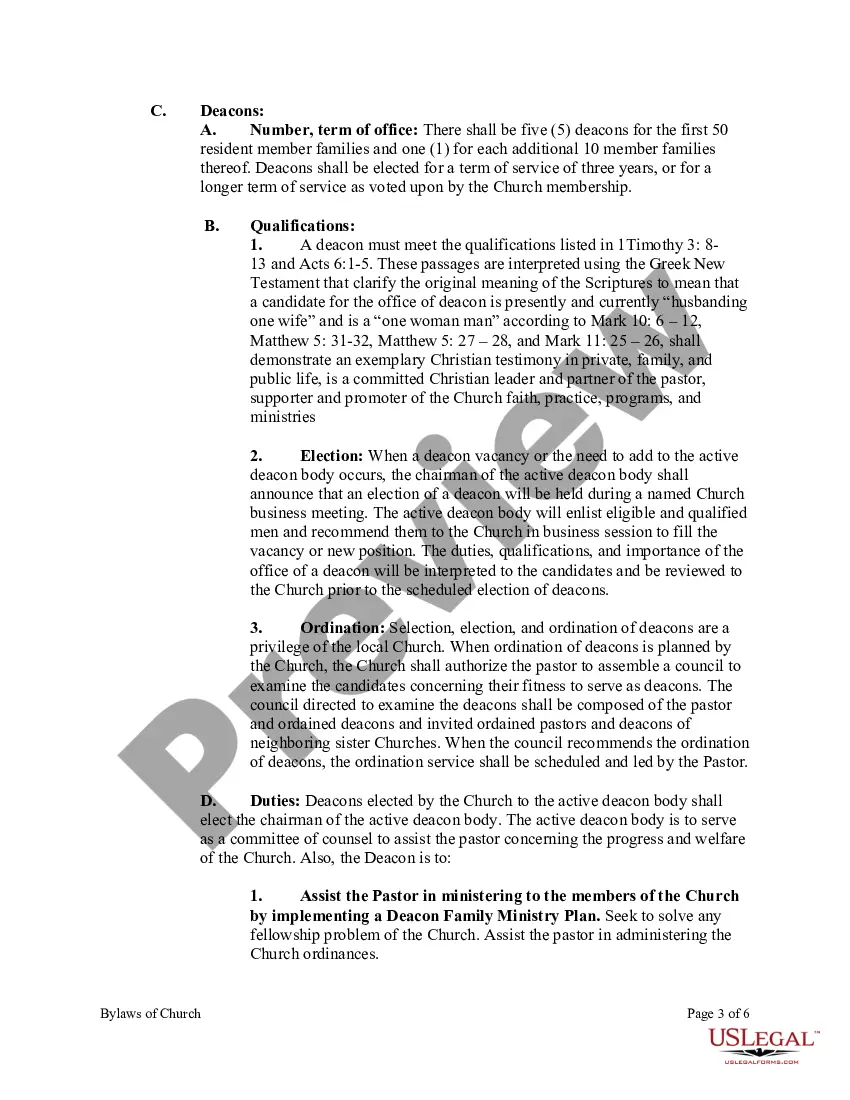
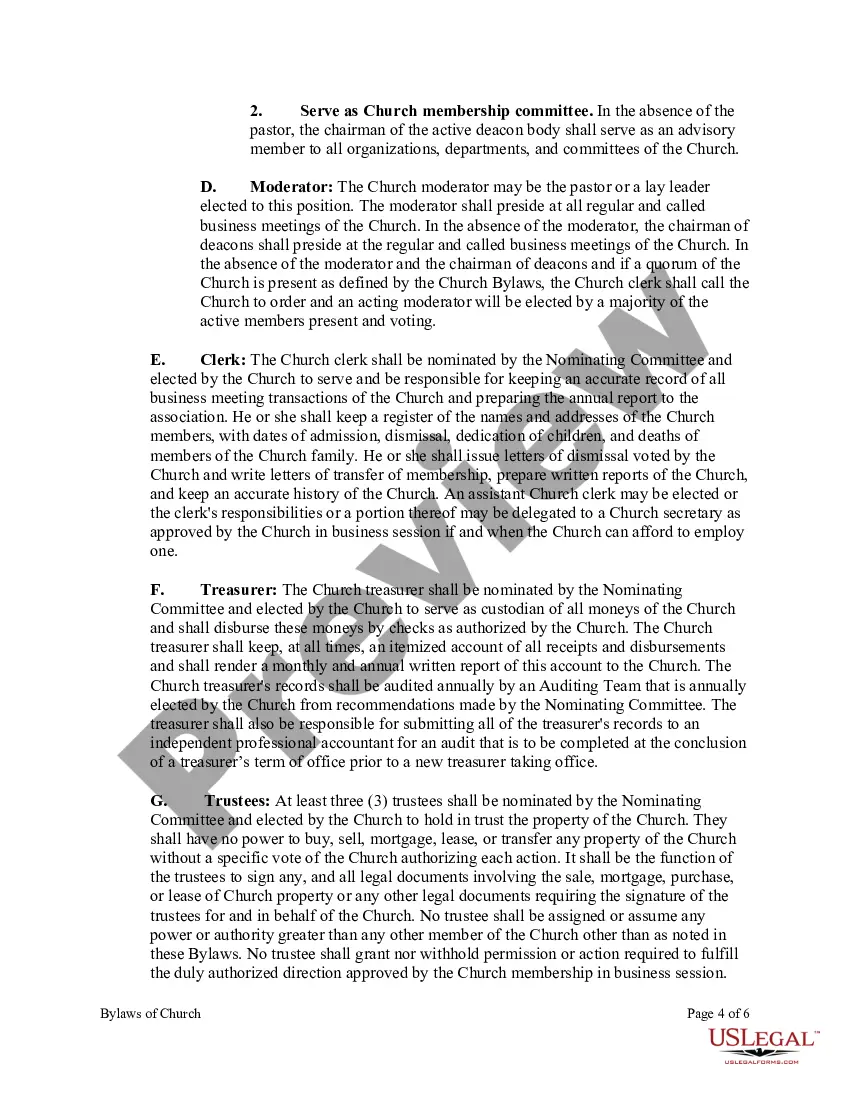
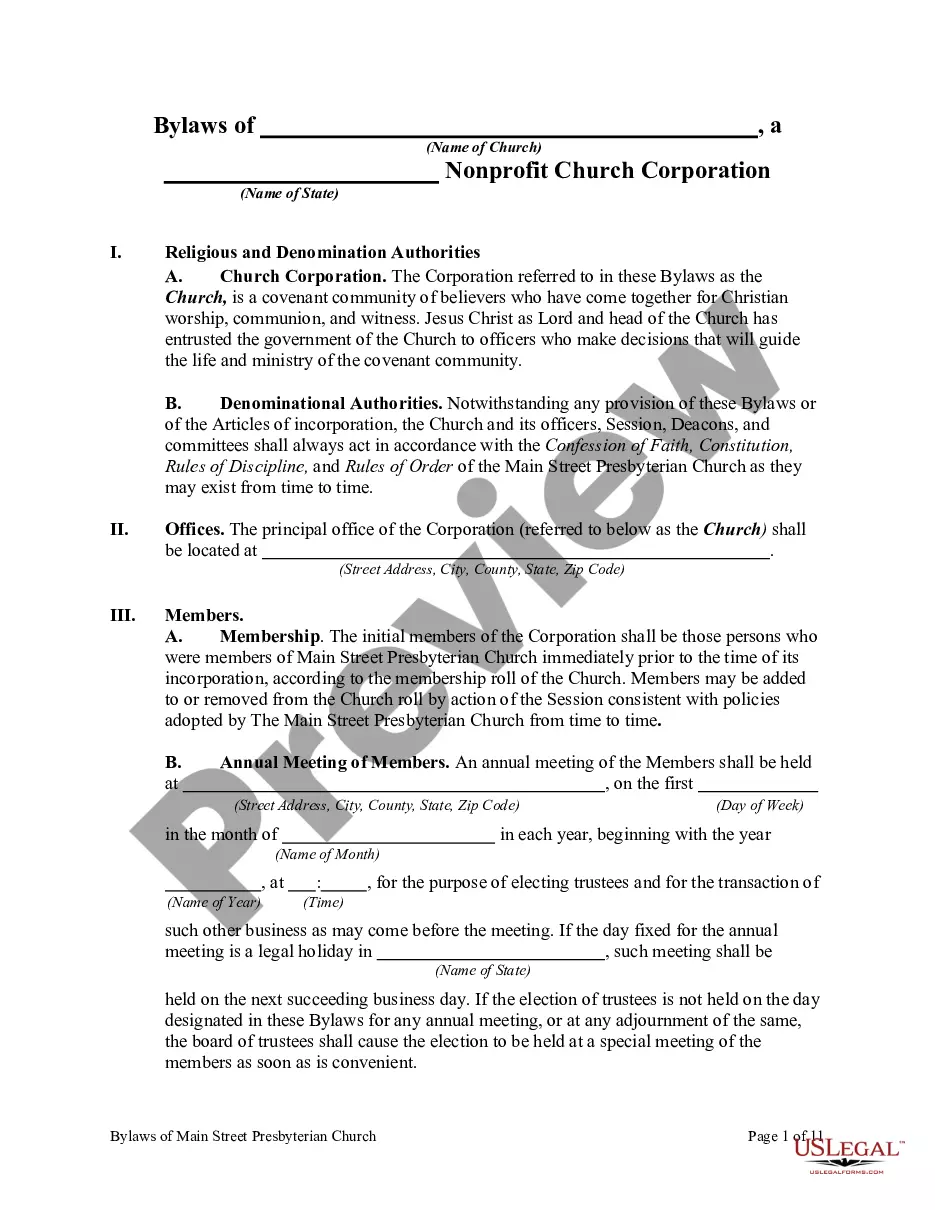
Bylaws For Non Denominational Church
Description
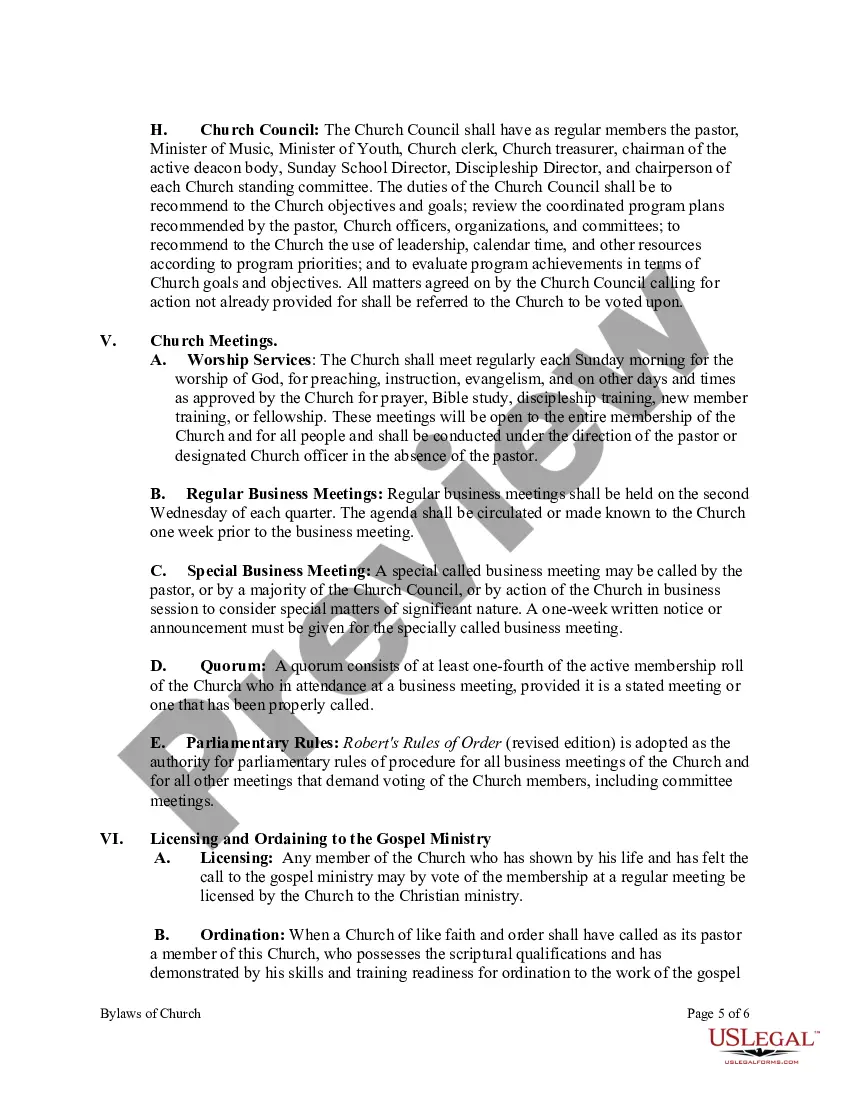
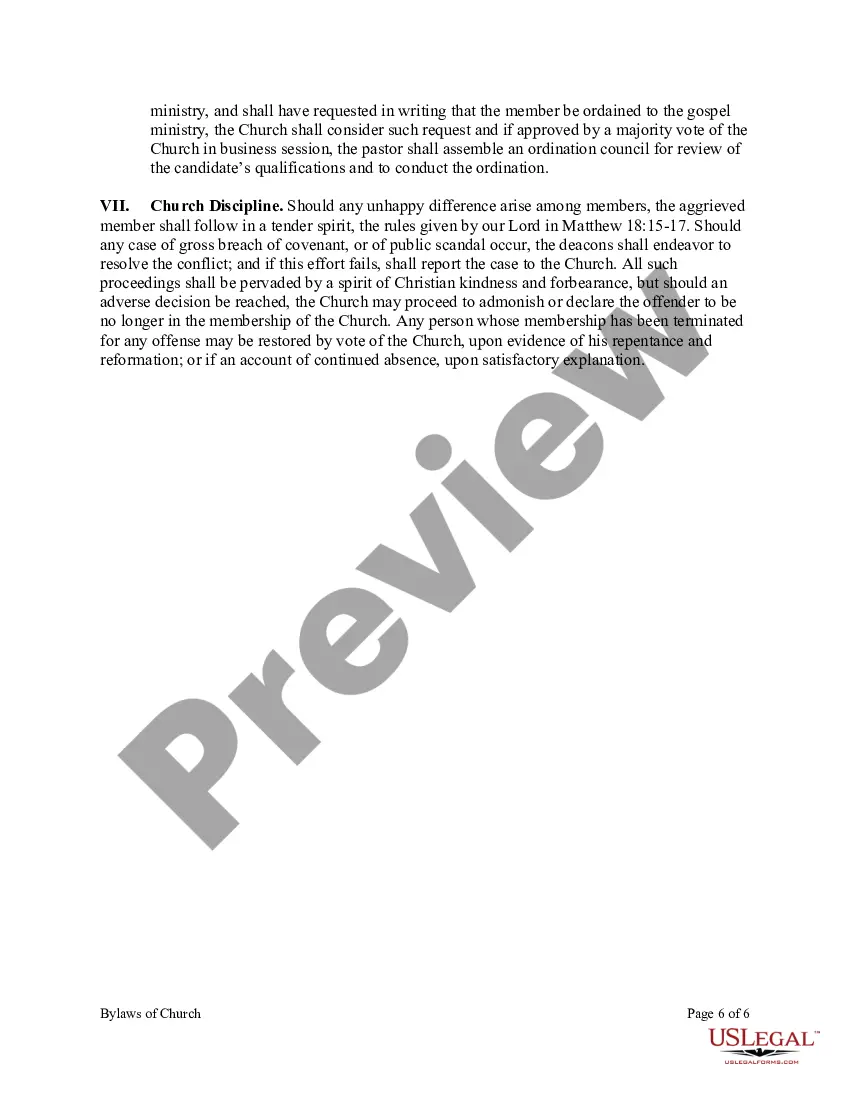
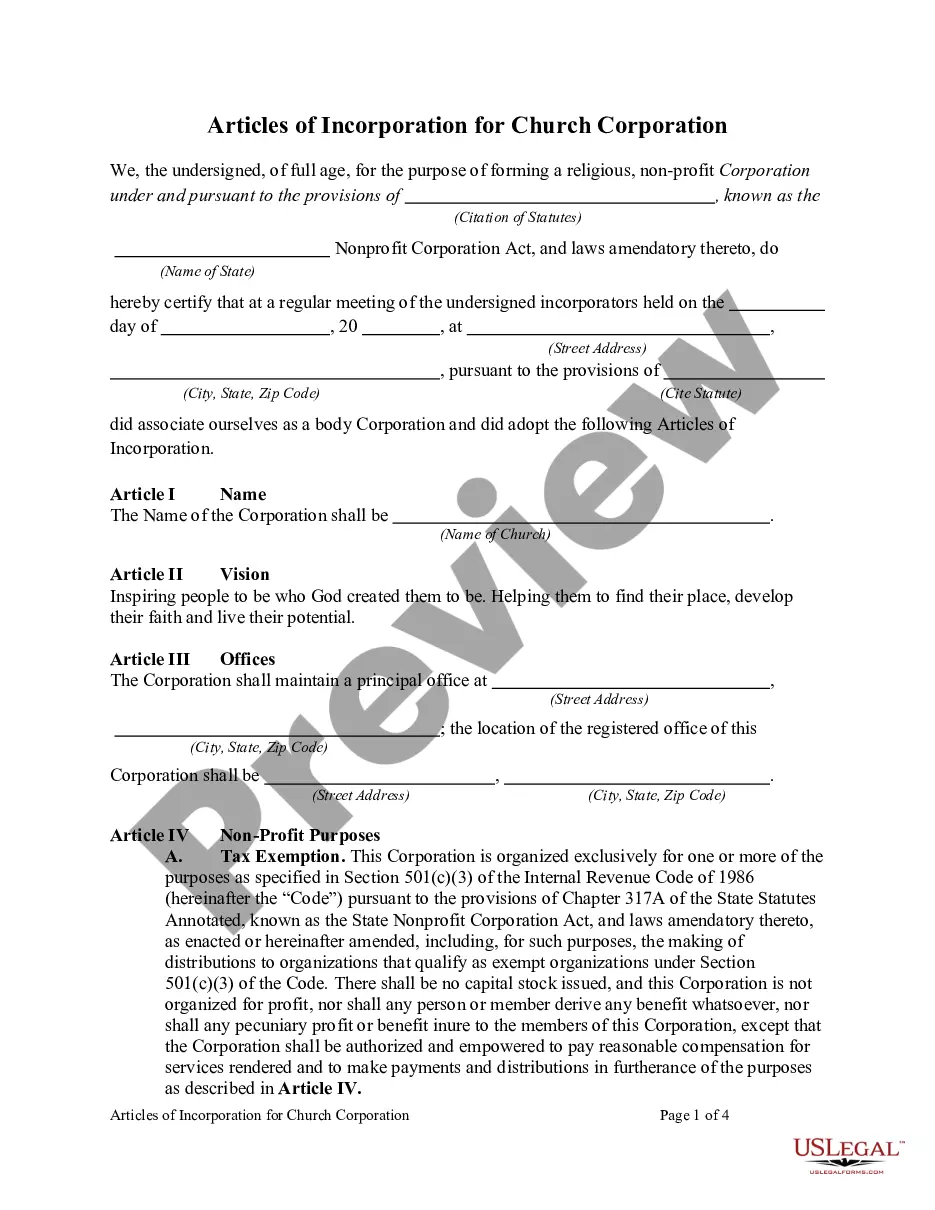
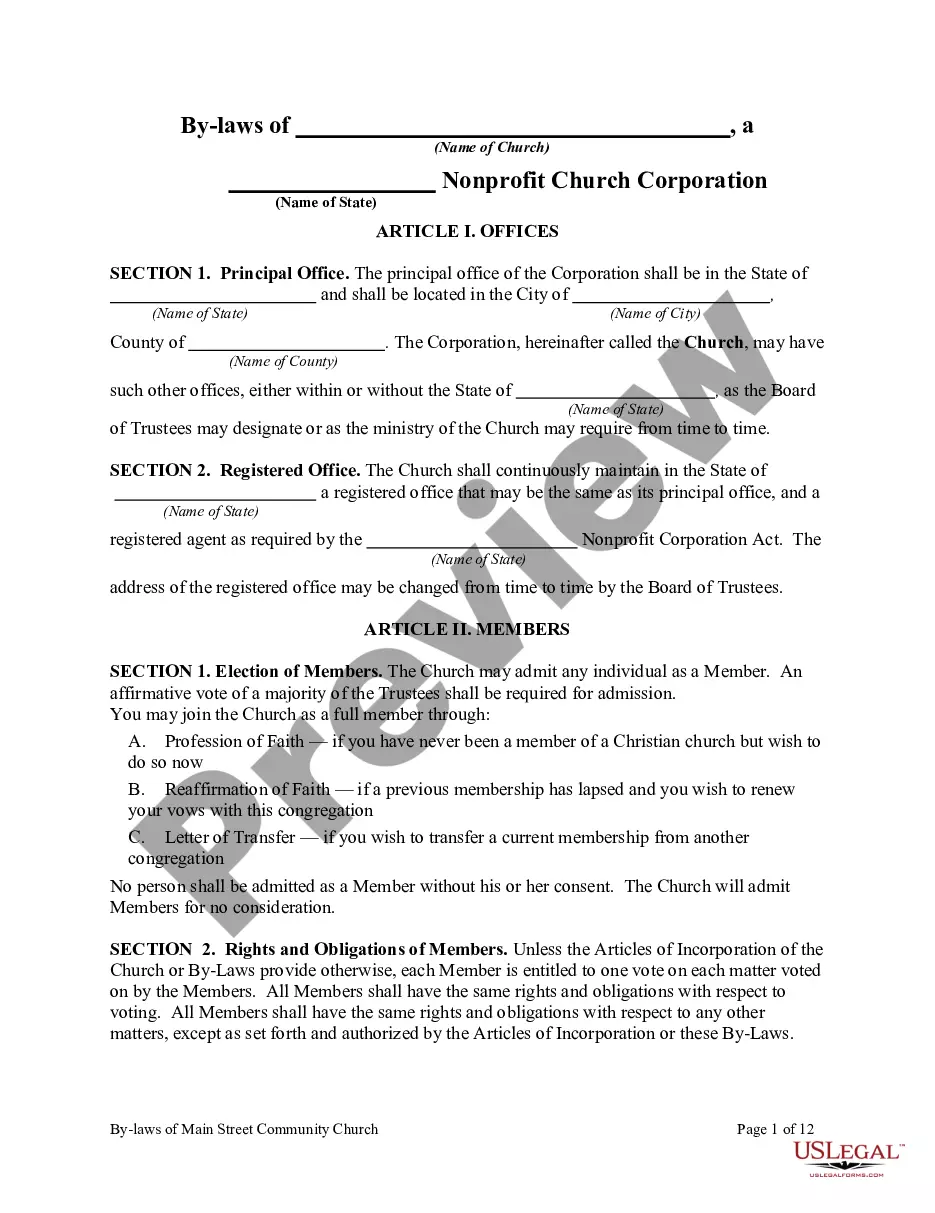
Get your form ready online
Our built-in tools help you complete, sign, share, and store your documents in one place.
Make edits, fill in missing information, and update formatting in US Legal Forms—just like you would in MS Word.
Download a copy, print it, send it by email, or mail it via USPS—whatever works best for your next step.
Sign and collect signatures with our SignNow integration. Send to multiple recipients, set reminders, and more. Go Premium to unlock E-Sign.
If this form requires notarization, complete it online through a secure video call—no need to meet a notary in person or wait for an appointment.
We protect your documents and personal data by following strict security and privacy standards.

Make edits, fill in missing information, and update formatting in US Legal Forms—just like you would in MS Word.

Download a copy, print it, send it by email, or mail it via USPS—whatever works best for your next step.

Sign and collect signatures with our SignNow integration. Send to multiple recipients, set reminders, and more. Go Premium to unlock E-Sign.

If this form requires notarization, complete it online through a secure video call—no need to meet a notary in person or wait for an appointment.

We protect your documents and personal data by following strict security and privacy standards.
Looking for another form?
How to fill out Bylaws Of Church - Church Not Incorporated?
Regardless of whether for corporate reasons or personal affairs, everyone eventually must handle legal matters at some point in their life.
Filling out legal documents necessitates meticulous focus, starting from choosing the appropriate form template.
Once it has downloaded, you can either fill out the form using editing software or print it and fill it out by hand. With an extensive US Legal Forms database available, you save time looking for the correct template online. Utilize the library’s straightforward navigation to obtain the right document for any situation.
- Locate the template you require by utilizing the search feature or catalog browsing.
- Review the form’s overview to ensure it corresponds with your situation, state, and region.
- Select the form’s preview to inspect it.
- If it is not the correct form, return to the search tool to find the Bylaws For Non Denominational Church template you seek.
- Download the document when it fits your needs.
- If you possess a US Legal Forms account, simply click Log in to retrieve previously stored documents in My documents.
- If you do not have an account yet, you can download the form by clicking Buy now.
- Select the suitable pricing option.
- Complete the account registration form.
- Choose your payment method: utilize a credit card or PayPal account.
- Select the document format you prefer and download the Bylaws For Non Denominational Church.
Form popularity
FAQ
To obtain or create an advance health care directive form: Contact your health care provider. Consult with private legal counsel. Refer to the Office of the Attorney General's website. Refer to Probate Code section 4701.
The AHCD allows you to make specific written instructions for your future health care in the event of any situation in which you can no longer speak for yourself. The AHCD replaces the Natural Death Act and is now recognized as the legal format for a living will in the state of California.
The Advance Health Care Directive (AHCD) Form helps you to make health care choices now in case you can't speak for yourself later on. You can use an AHCD do many things. Like say who you want to speak for you and what kind of care you want. AHCDs are ?advance? because you prepare one before health care choices.
UNIFORM HEALTH CARE DECISIONS ACT [4670 - 4743] ( Part 2 added by Stats. 1999, Ch. 658, Sec. 39. ) You have the right to give instructions about your own health care. You also have the right to name someone else to make health care decisions for you. This form lets you do either or both of these things.
The most common types of advance directives are the living will and the durable power of attorney for health care (sometimes known as the medical power of attorney). There are many advance directive formats.
Traditionally, there are two main kinds of advance directives: the living will and the Durable Power of Attorney for Healthcare. California also allows the use of a POLST (Physician's Orders For Life-Sustaining Treatment).
In California, an Advance Directive is made of up two parts, (1) Appointment of an Agent for Healthcare and (2) Individual Health Care Instructions. A person may choose to complete either one or both of these parts. Either part is legally binding by itself.
The law that establishes advance directives in California is the Health Care Decisions Act. It is based on the Uniform Law Comission's Uniform Health Care Decisions Act. It is in the California Probate Code, at Sections 4670 through 4806.