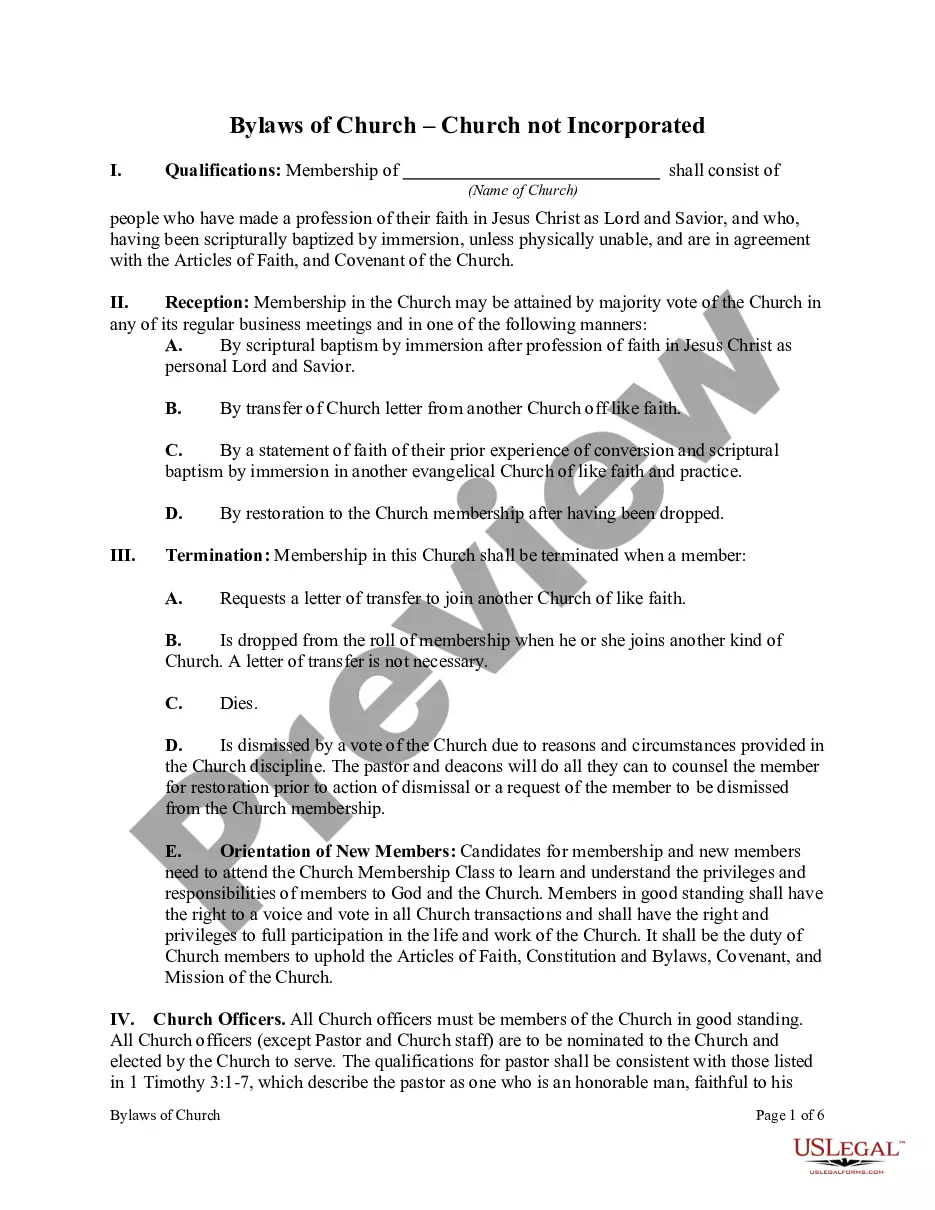
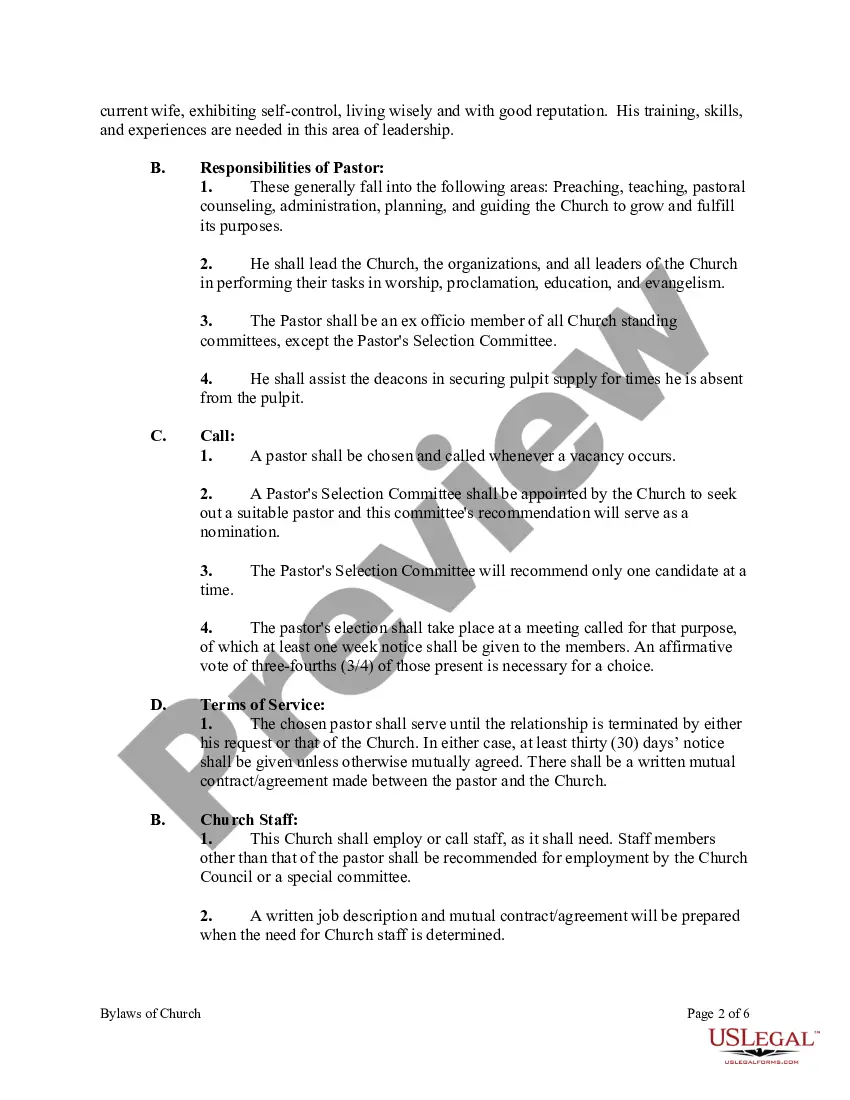
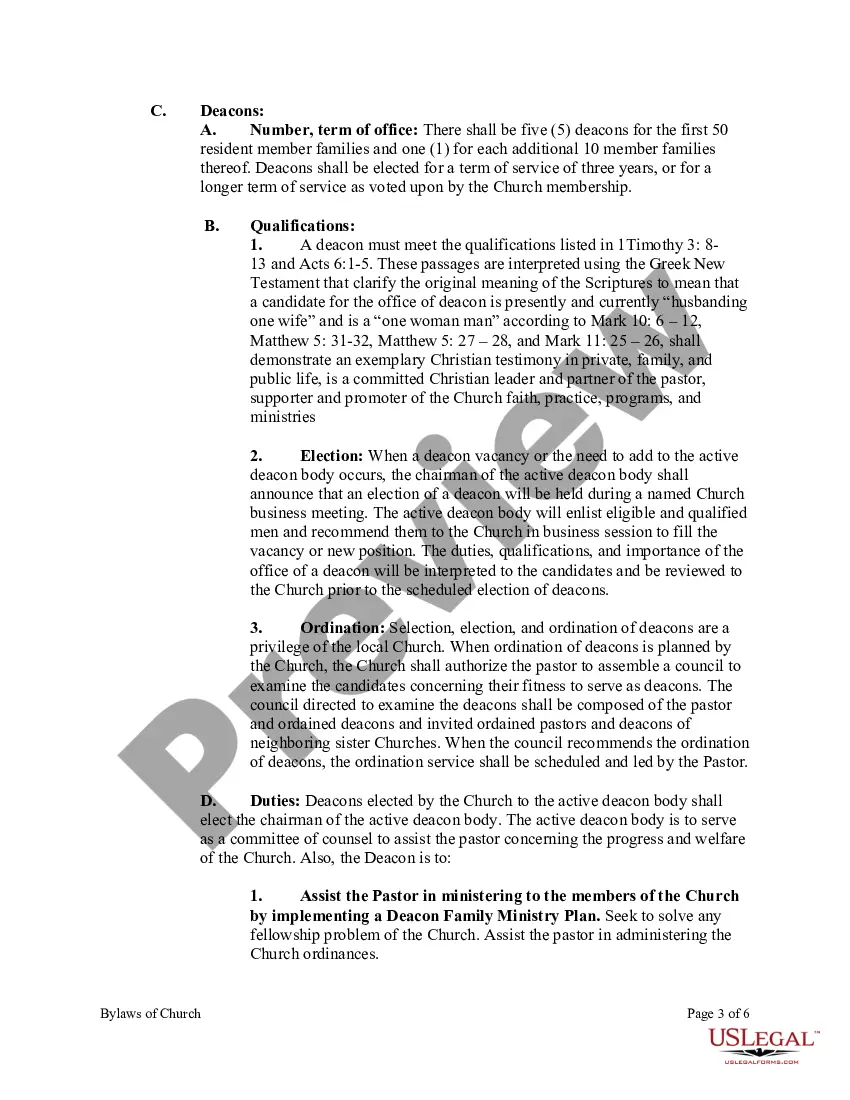
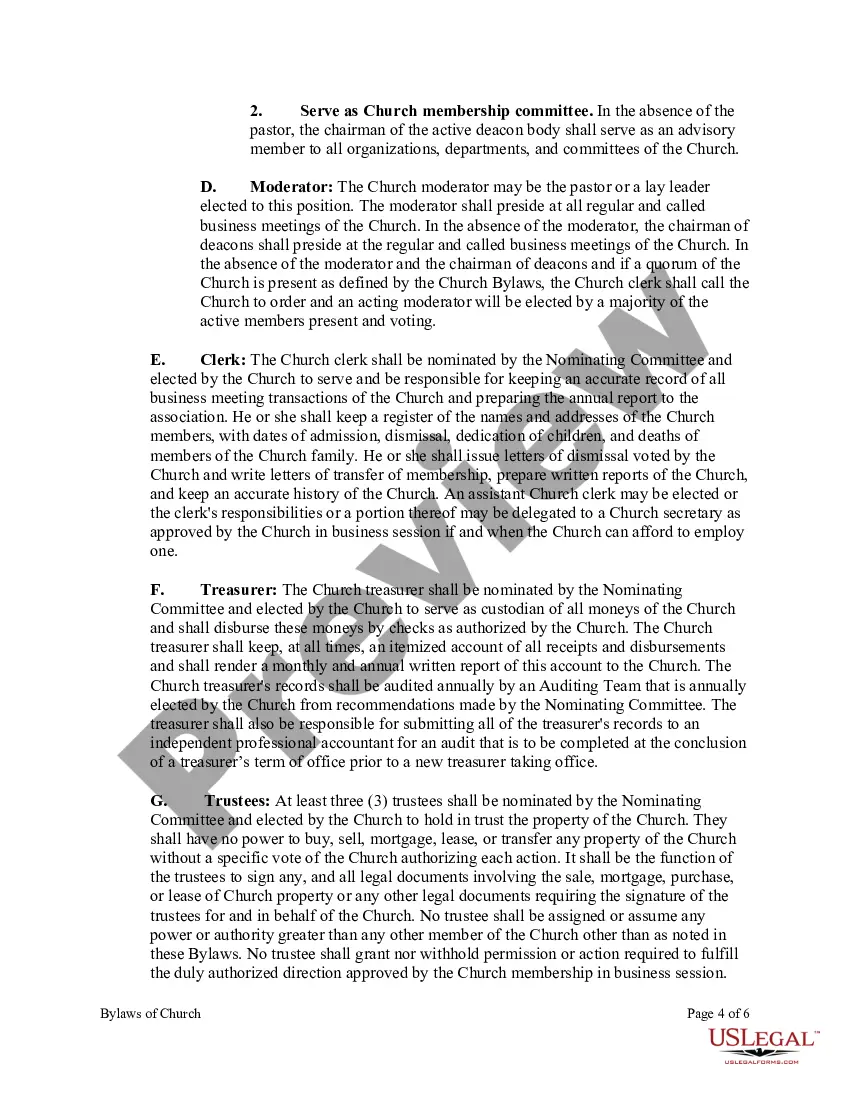
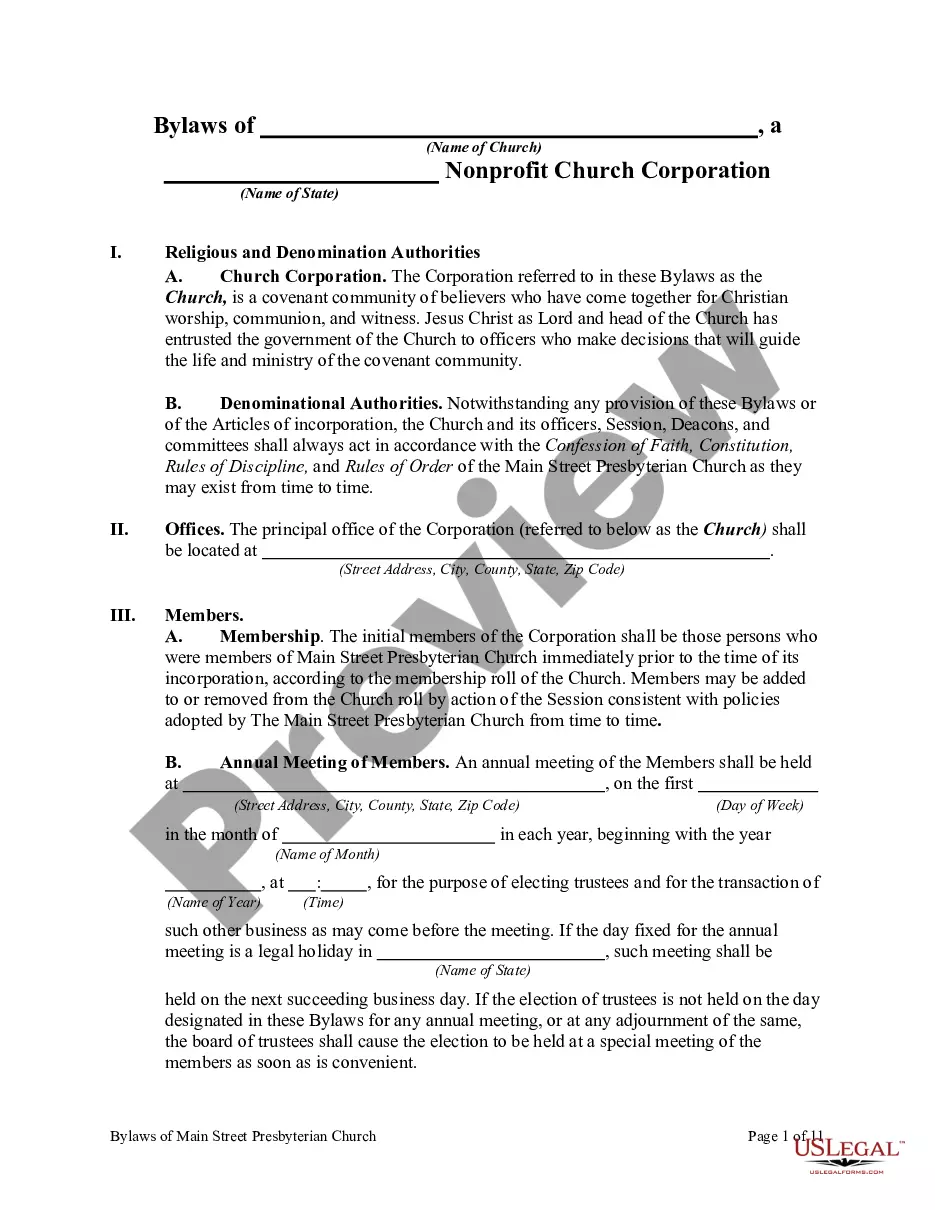
By Church
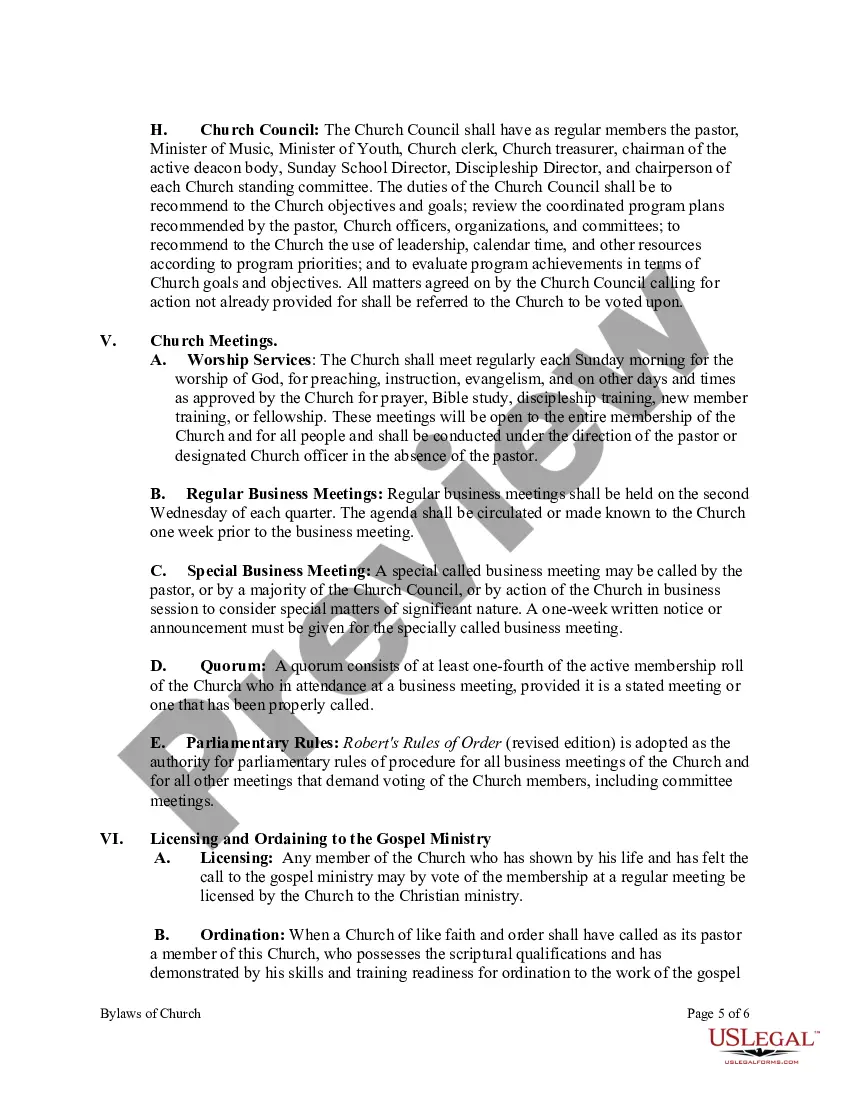
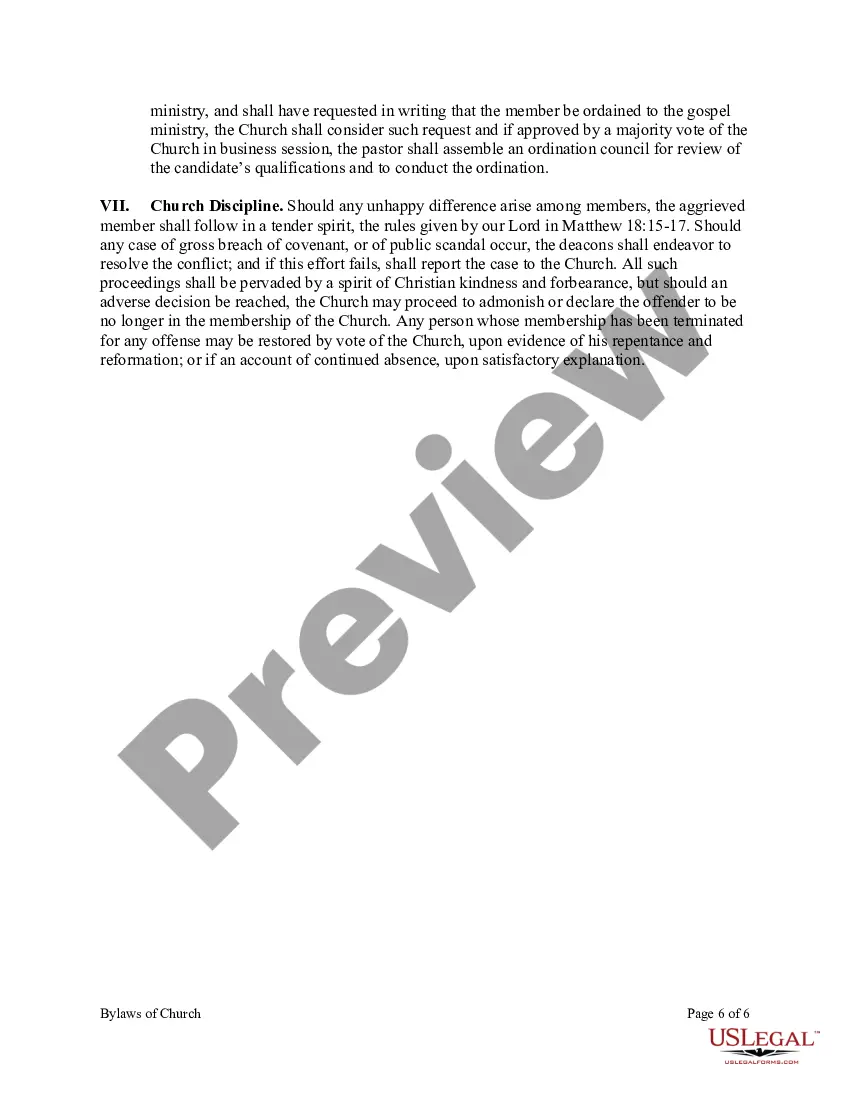
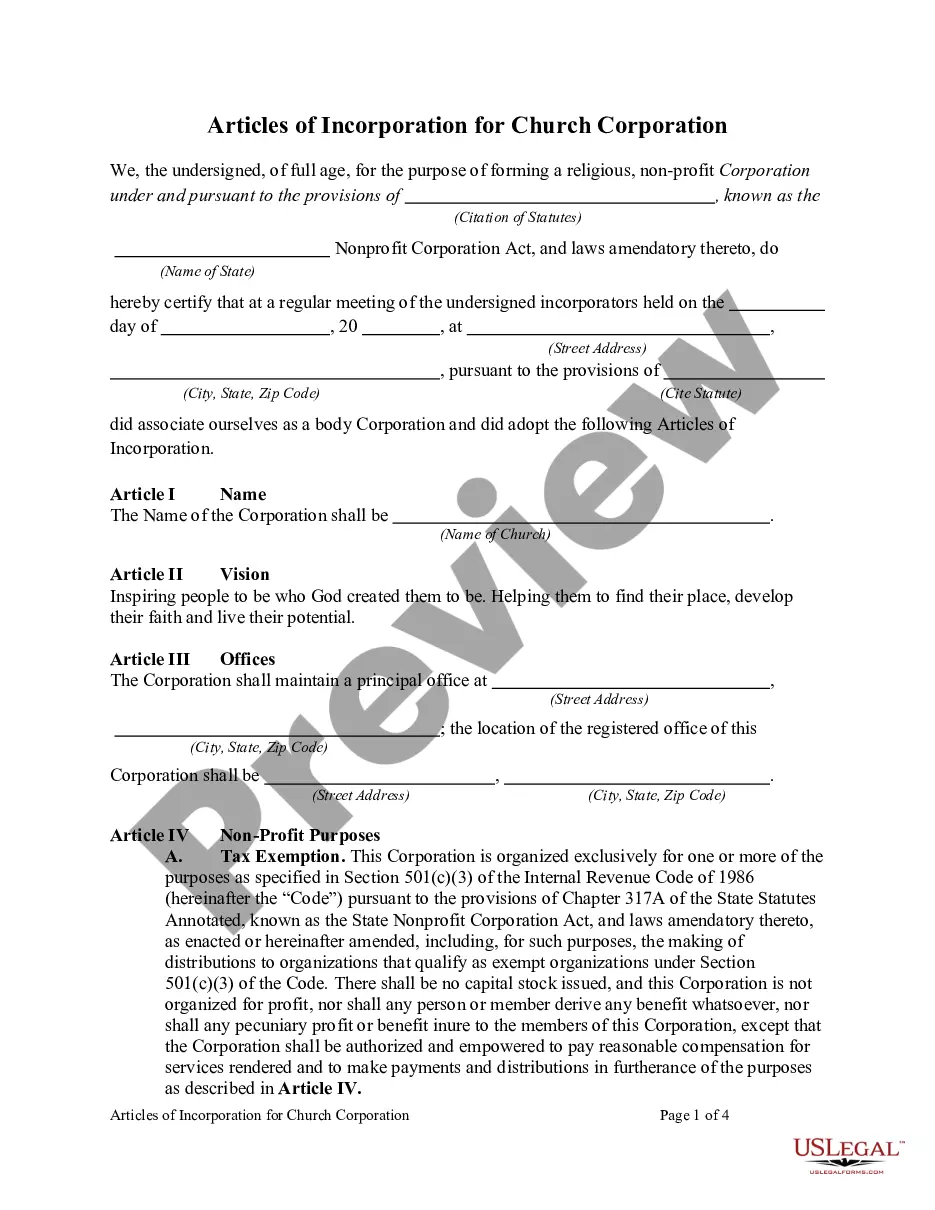
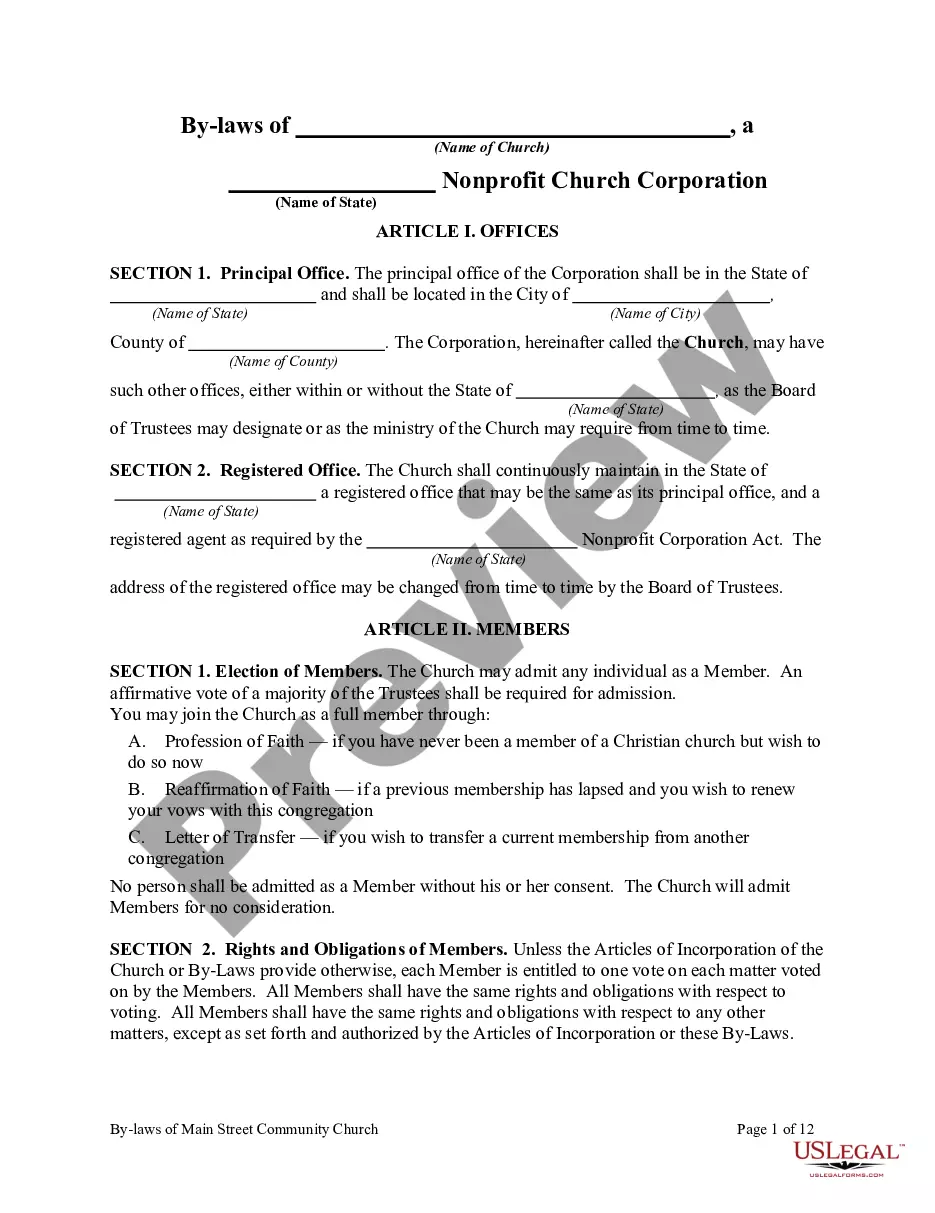
Description
Get your form ready online
Our built-in tools help you complete, sign, share, and store your documents in one place.
Make edits, fill in missing information, and update formatting in US Legal Forms—just like you would in MS Word.
Download a copy, print it, send it by email, or mail it via USPS—whatever works best for your next step.
Sign and collect signatures with our SignNow integration. Send to multiple recipients, set reminders, and more. Go Premium to unlock E-Sign.
If this form requires notarization, complete it online through a secure video call—no need to meet a notary in person or wait for an appointment.
We protect your documents and personal data by following strict security and privacy standards.

Make edits, fill in missing information, and update formatting in US Legal Forms—just like you would in MS Word.

Download a copy, print it, send it by email, or mail it via USPS—whatever works best for your next step.

Sign and collect signatures with our SignNow integration. Send to multiple recipients, set reminders, and more. Go Premium to unlock E-Sign.

If this form requires notarization, complete it online through a secure video call—no need to meet a notary in person or wait for an appointment.

We protect your documents and personal data by following strict security and privacy standards.
Looking for another form?






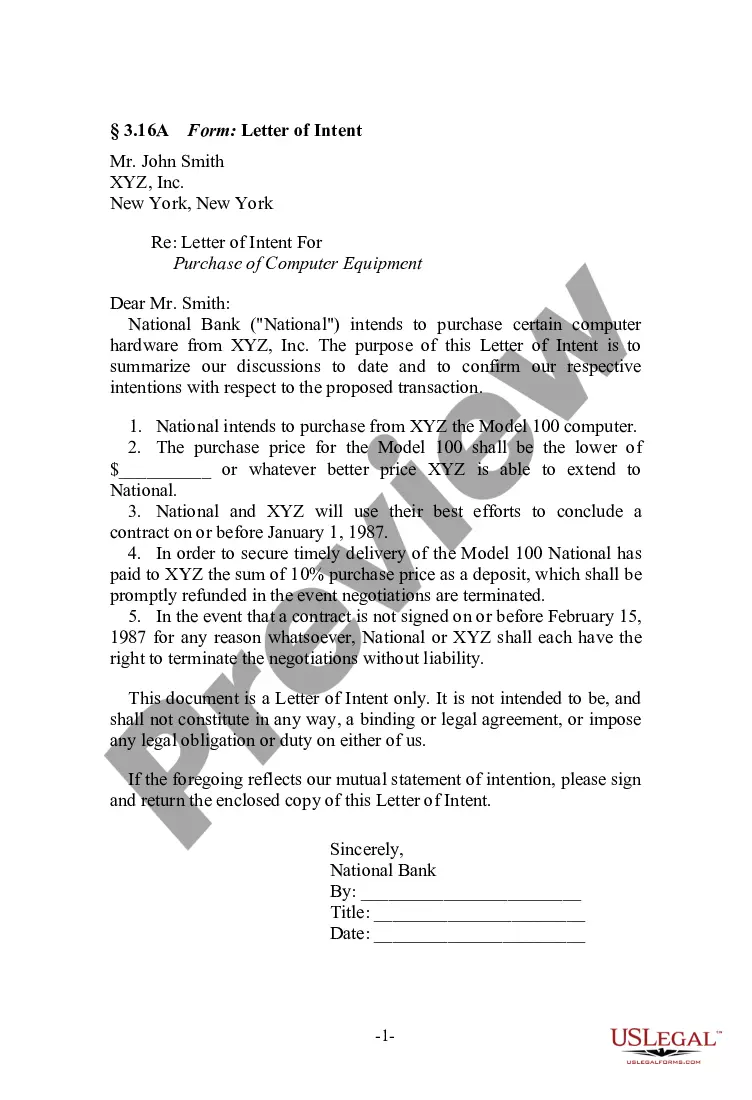

How to fill out Bylaws Of Church - Church Not Incorporated?
- If you're a returning user, log in to your account and check for your subscription status. If valid, navigate to the desired form and click 'Download' to save it on your device.
- For new users, start by browsing through the extensive library of over 85,000 forms. Check the preview and descriptions to ensure you've selected a form that fits your needs and adheres to your local laws.
- If you can't find the form you need, utilize the Search tab to locate the correct document. Once you find it, proceed to the next step.
- Select your desired document by clicking the 'Buy Now' button. Choose a subscription plan that works for you, and if you don't have an account yet, register to gain full access.
- Complete your purchase by entering your payment information via credit card or PayPal to finalize your subscription.
- After successful payment, download your form and save it on your device. You can access it at any time from the My Forms section in your profile.
US Legal Forms offers a vast collection of legal documents, ensuring that you can complete essential forms quickly and correctly. With a commitment to providing users with a robust resource, the extensive library and expert assistance ensure you’re never alone in your legal journey.
Start simplifying your legal requirements today! Explore US Legal Forms and experience the benefits of accessible legal documentation.
Form popularity
FAQ
Yes, churches are generally required to report specific activities and income to the IRS. While many smaller churches may not need to file Form 990, they still need to adhere to certain reporting guidelines. By church, organizations must ensure they stay informed about their obligations to maintain their tax-exempt status and avoid future problems.
The IRS typically focuses on high-income earners and those with complex tax situations, including self-employed individuals. By church, organizations that show discrepancies in their filed forms are also at risk. Maintaining clear and accurate financial records is essential for all taxpayers, including churches.
The IRS can take action against churches if they fail to comply with tax laws, such as not filing required forms or abusing tax-exempt status. By church, proper adherence to regulations is crucial to avoid scrutiny. Engaging with reliable tax resources can help ensure compliance and avoid IRS issues.
If you work for a church, you typically must file your personal income taxes just like any other job. Your church employer should provide you with a W-2 form showing your earnings. By church, employees must also account for any income received from side jobs, even if they are related to their church work.
Yes, churches can be audited by the IRS, although it is less common than individual audits. The IRS has criteria for selection, and certain high-income churches may attract attention. By church, it is essential to maintain accurate financial records to assist in case of an audit, ensuring transparency and compliance.
Yes, the IRS does review church donations, but the process is different than for other organizations. By church, donations are generally tax-deductible for contributors, and churches must provide proper documentation. Contributors should always keep their receipts and records to ensure they benefit from deductions on their taxes.
Churches must file Form 990 or Form 990-EZ if they meet certain income thresholds. Generally, smaller churches without significant revenues are exempt from this requirement. However, by church, organizations must keep records of their income and expenses to maintain their tax-exempt status. Ensuring compliance with IRS requirements helps churches avoid penalties.
If you are a church completing a W9, start with the full legal name, followed by the type of organization, typically marked as 'Church'. Fill in the church’s address and TIN accurately. Finally, ensure to sign the form, verifying that all the information provided is accurate and up-to-date.
The five P's of church, which are important to understand as you grow your community, include Purpose, Presence, People, Programs, and Property. These elements create a robust framework for church life and mission. By church, these principles guide leadership in fostering a vibrant and engaging congregational environment.
To fill out a W-9 by church, use the legal name of the church and identify it as a religious organization in the business type section. Fill in the church's address and TIN as required. It’s crucial to check the 'Exempt payee' box if applicable, then sign and date the form to validate its content.