The Contract Music
Description
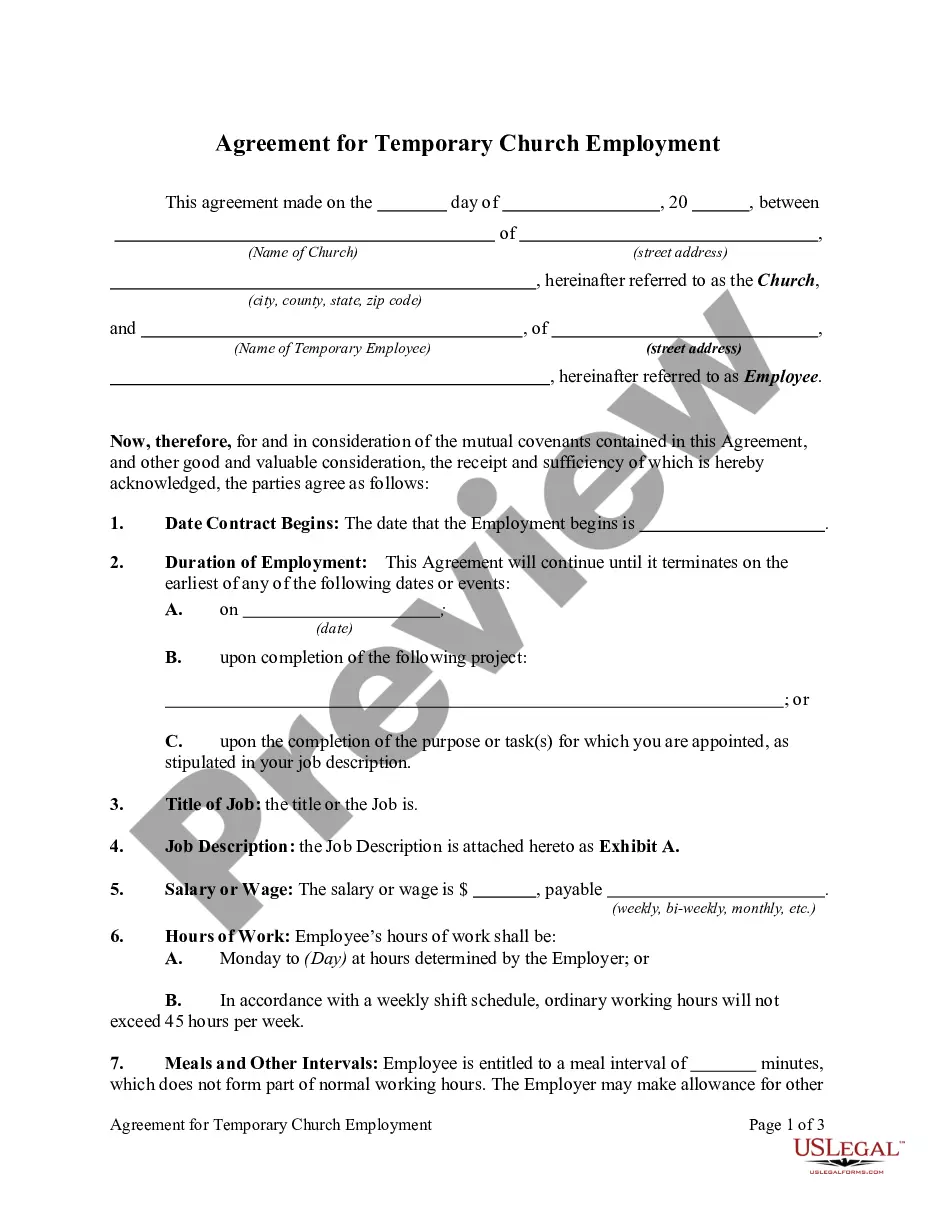
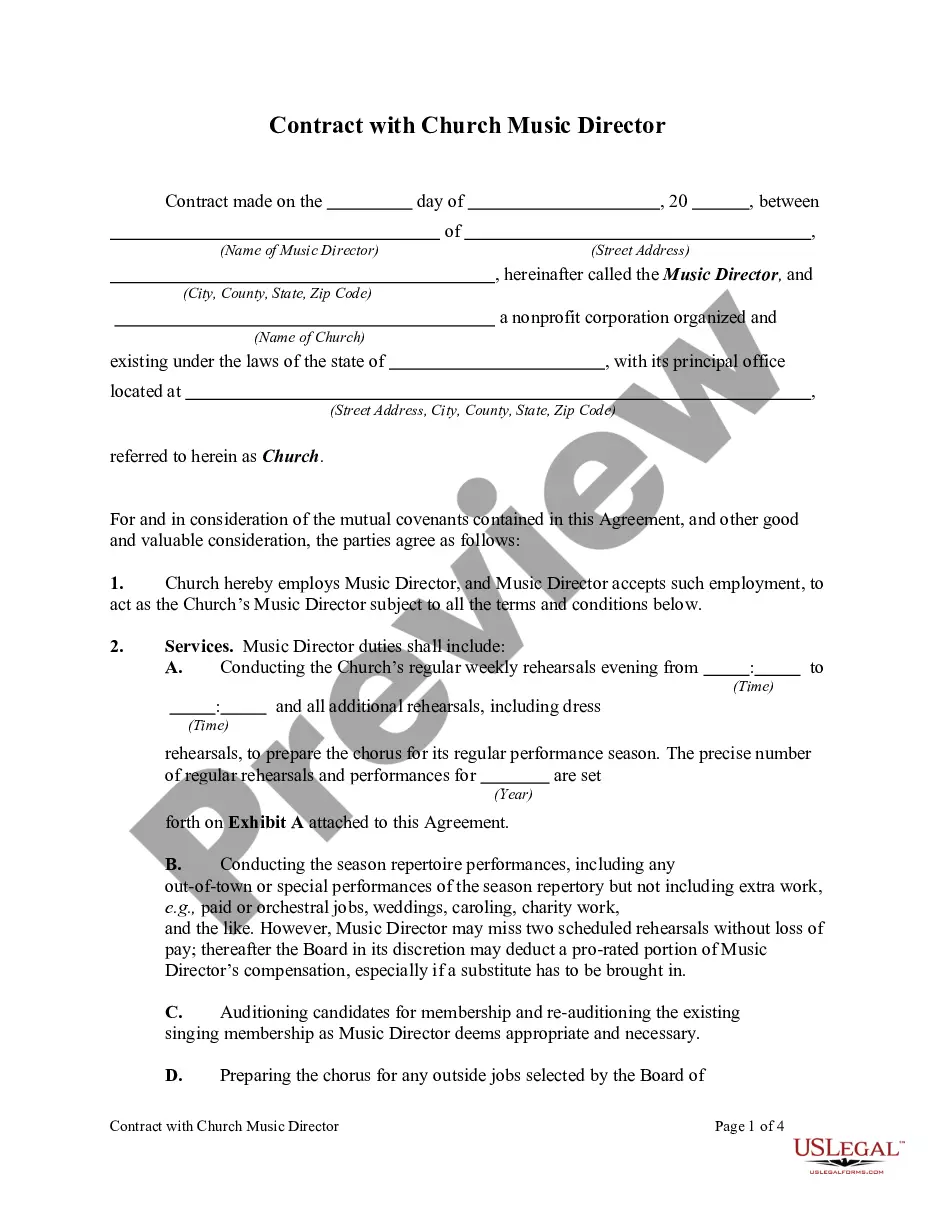
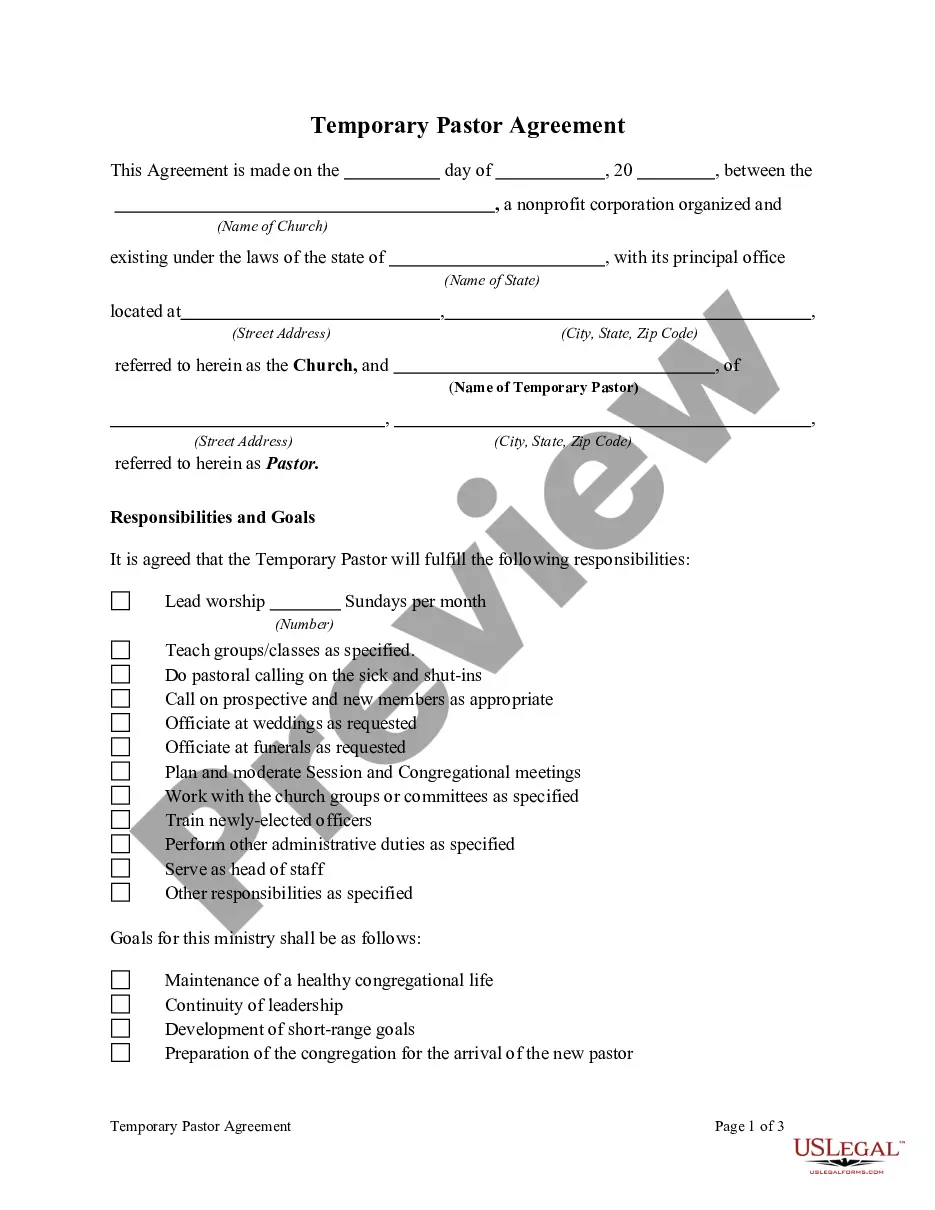
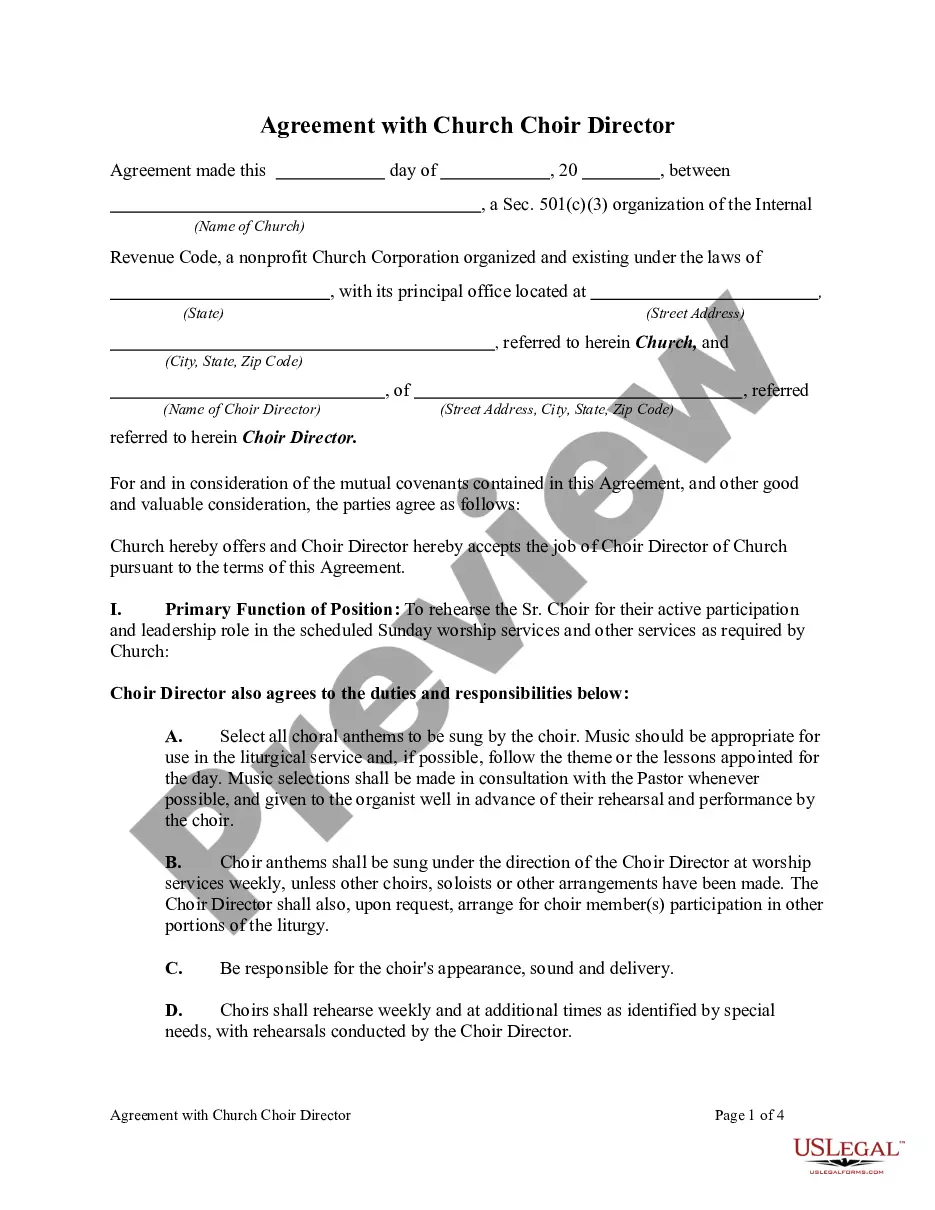
Get your form ready online
Our built-in tools help you complete, sign, share, and store your documents in one place.
Make edits, fill in missing information, and update formatting in US Legal Forms—just like you would in MS Word.
Download a copy, print it, send it by email, or mail it via USPS—whatever works best for your next step.
Sign and collect signatures with our SignNow integration. Send to multiple recipients, set reminders, and more. Go Premium to unlock E-Sign.
If this form requires notarization, complete it online through a secure video call—no need to meet a notary in person or wait for an appointment.
We protect your documents and personal data by following strict security and privacy standards.

Make edits, fill in missing information, and update formatting in US Legal Forms—just like you would in MS Word.

Download a copy, print it, send it by email, or mail it via USPS—whatever works best for your next step.

Sign and collect signatures with our SignNow integration. Send to multiple recipients, set reminders, and more. Go Premium to unlock E-Sign.

If this form requires notarization, complete it online through a secure video call—no need to meet a notary in person or wait for an appointment.

We protect your documents and personal data by following strict security and privacy standards.
Looking for another form?
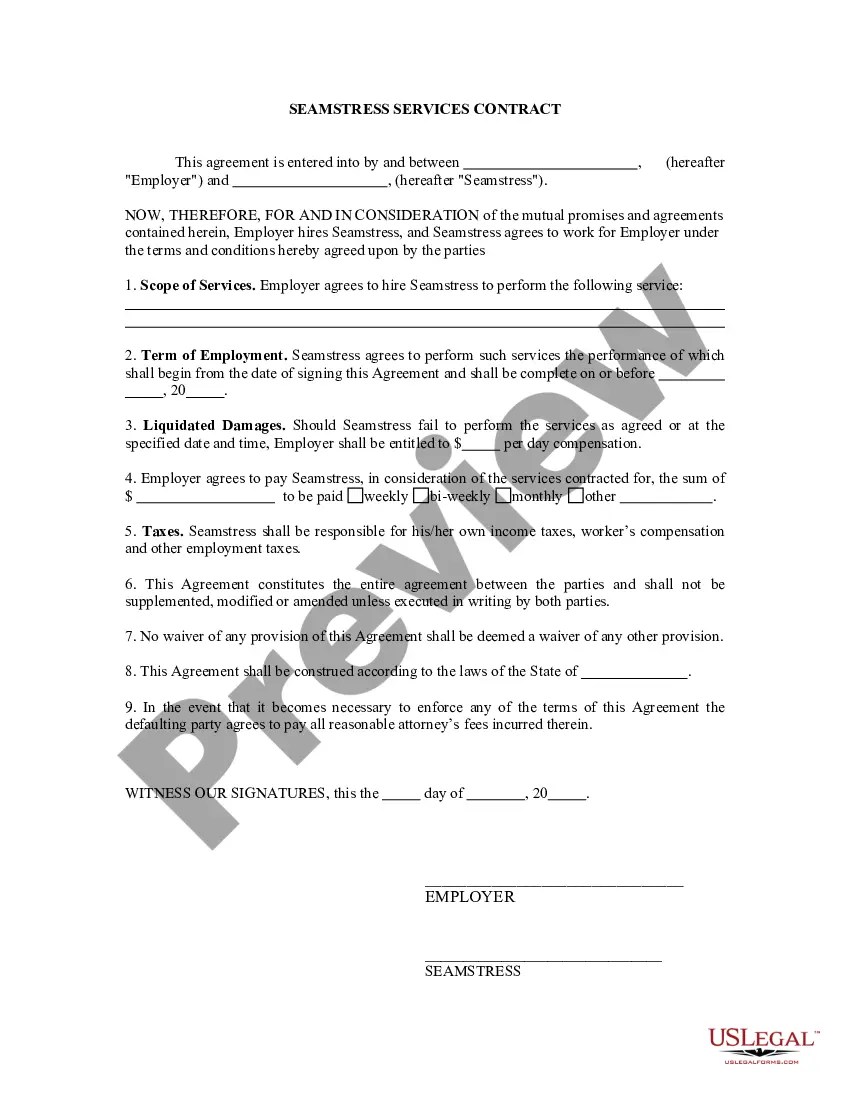






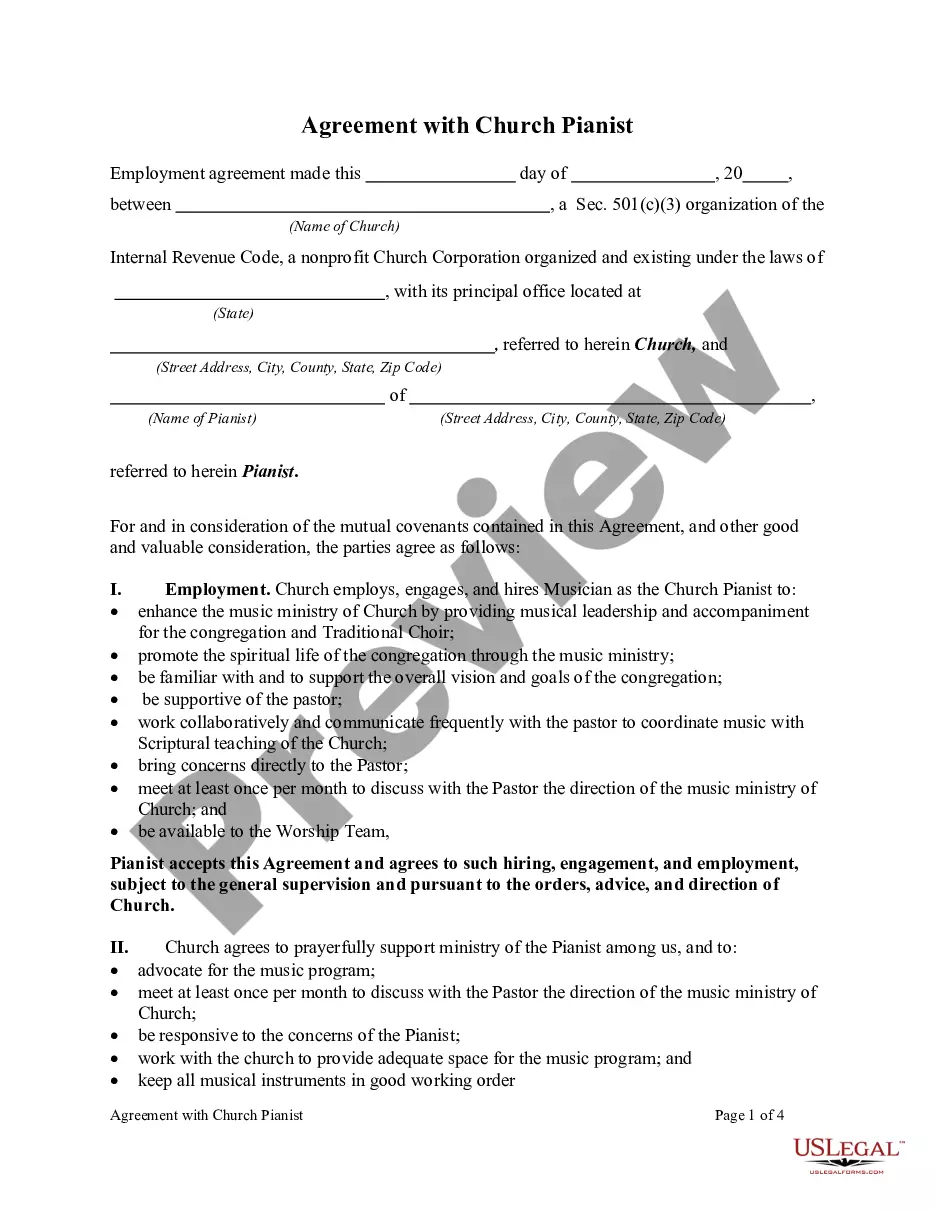
How to fill out Agreement With Church Pianist?
- Log in to your US Legal Forms account if you're a returning user and ensure your subscription is valid. Click the Download button to get your desired form.
- If you're new to our service, start by exploring the Preview mode and reviewing the form description. This ensures it meets your specific needs and local jurisdiction requirements.
- Use the search functionality if you need a different template. Finding the right form is crucial, so verify its accuracy before proceeding.
- Proceed to purchase your chosen document by clicking 'Buy Now'. Select your subscription plan and create an account to unlock full access.
- Complete your transaction by providing your payment details through credit card or PayPal.
- Finally, download your legal form and save it on your device. You can revisit your documents anytime via the 'My Forms' section in your profile.
By following these steps, you are well-equipped to secure and utilize legal documents relevant to the music industry with confidence.
US Legal Forms stands out with its vast collection of over 85,000 forms and access to premium experts for legal assistance. Start your journey today and make legal documentation simple!
Form popularity
FAQ
The 360 artist deal is a comprehensive contract where a record label invests in an artist across multiple revenue streams, such as music sales, touring, and merchandising. This model allows labels to share in various aspects of an artist's income, providing financial support in exchange for a share of overall earnings. Before entering such agreements, research the implications thoroughly. Properly navigating The contract music process can safeguard your artistic and financial interests.
A 720 deal contract solidifies the terms of a 720 deal between the artist and the label. This type of contract usually outlines the revenue sharing model and specifies how much the label receives from various income sources. Artists should carefully examine the implications of such agreements to ensure they are not sacrificing their financial future. Leveraging solutions like US Legal Forms can help clarify the complexities within these contracts.
A 720 deal refers to an agreement where artists commit to giving a percentage of their earnings, often from touring and other revenue streams, back to the label. This arrangement can sometimes lead to greater financial gains for the label at the artist's expense. It's essential for artists to understand the implications of a 720 deal before signing. Always consider discussing the terms related to The contract music with knowledgeable advisors to protect your interests.
To get your music heard by producers, start by networking within the industry and attending music events. Utilize social media to showcase your work and connect with industry professionals. Additionally, send well-crafted demos to producers, highlighting what makes your music unique. Remember, clarity about the contract music aspect of your work can also make you stand out.
Creating a music contract involves outlining the terms of the agreement clearly and concisely. Begin by specifying the roles of each party, the rights to the music, and the compensation involved. Utilize templates for The contract music to simplify the process and ensure you cover all essential elements. If you need assistance, platforms like US Legal Forms can provide resources to help you draft agreements confidently.
The 80 20 record deal is an arrangement where the artist retains a larger share of profits from their music sales. In this deal, the artist receives 80% of the income, while the record label takes 20%. This model can offer artists better financial security and clearer ownership of their work. Understanding the nuances of such deals is crucial in navigating the contract music industry.
The number of followers you need for a record deal varies greatly, but having a solid fan base typically helps. Many labels look for artists with at least 1,000 dedicated followers across social media platforms. It's not just about numbers; engagement and the ability to connect with your audience also matter. Remember, with the right approach and a strong understanding of the contract music landscape, you can present yourself as a viable artist, regardless of follower count.
Yes, you can buy yourself out of a music contract, provided the terms allow for such an action. This typically involves negotiating a financial settlement with the other party. Ensure you carefully review the contract to determine the buyout amount and any stipulations involved. Consulting with a legal expert can help you understand the implications and navigate this process smoothly.
To get out of a music contract, first investigate any provisions permitting cancellation. If the conditions do not favor you, reaching out for a conversation with the other party may pave the way for a mutual agreement. Always document any discussions or changes to terms to protect your interests. If necessary, seek legal counsel for more tailored advice.
Getting out of a music contract requires careful assessment of the document. Begin by checking for any escape clauses that might allow for termination. If such clauses are absent, you may need to negotiate with the other party or seek legal advice to explore potential grounds for termination. Platforms like US Legal Forms offer resources to navigate these situations more effectively.