Temporary Occupancy Agreement For Seller After Closing
Description
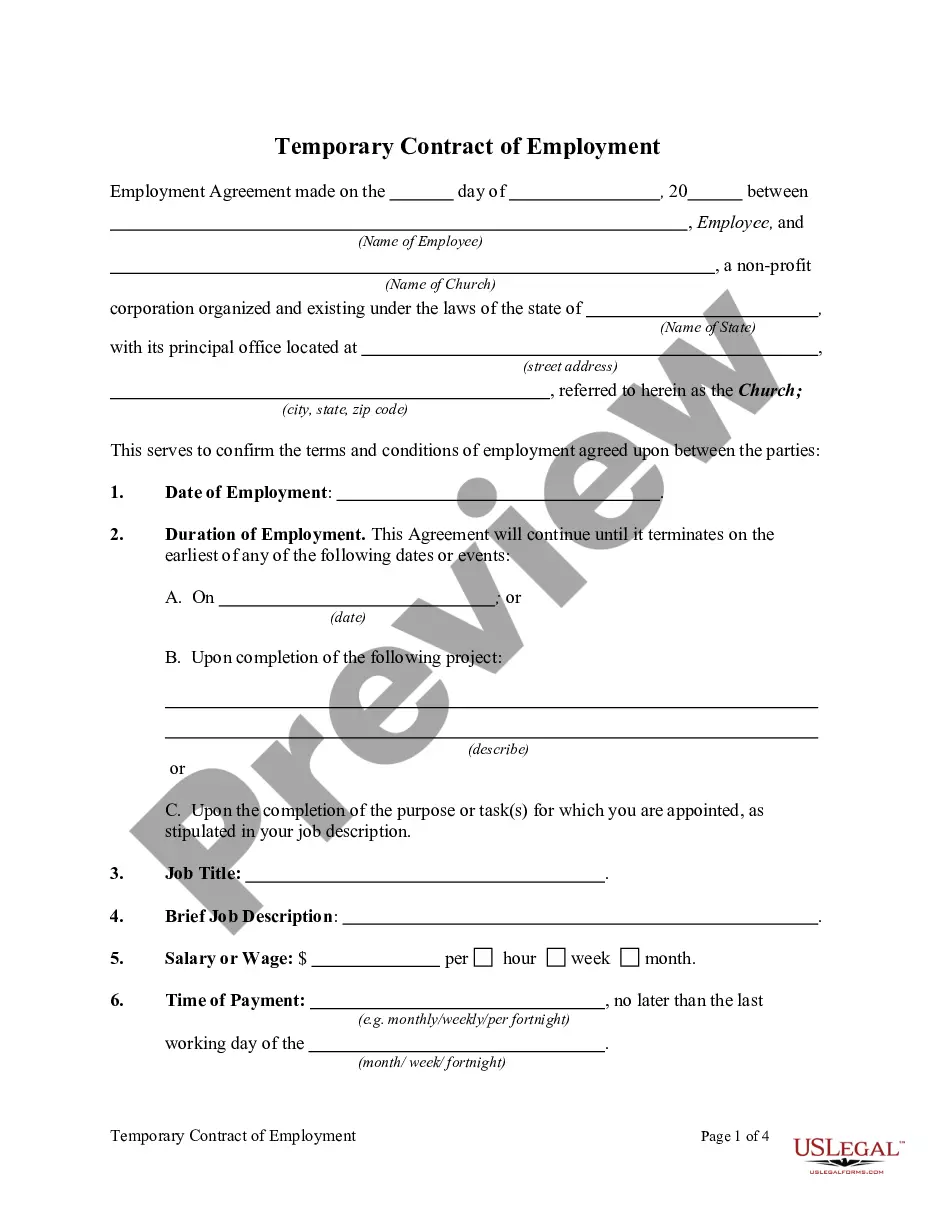
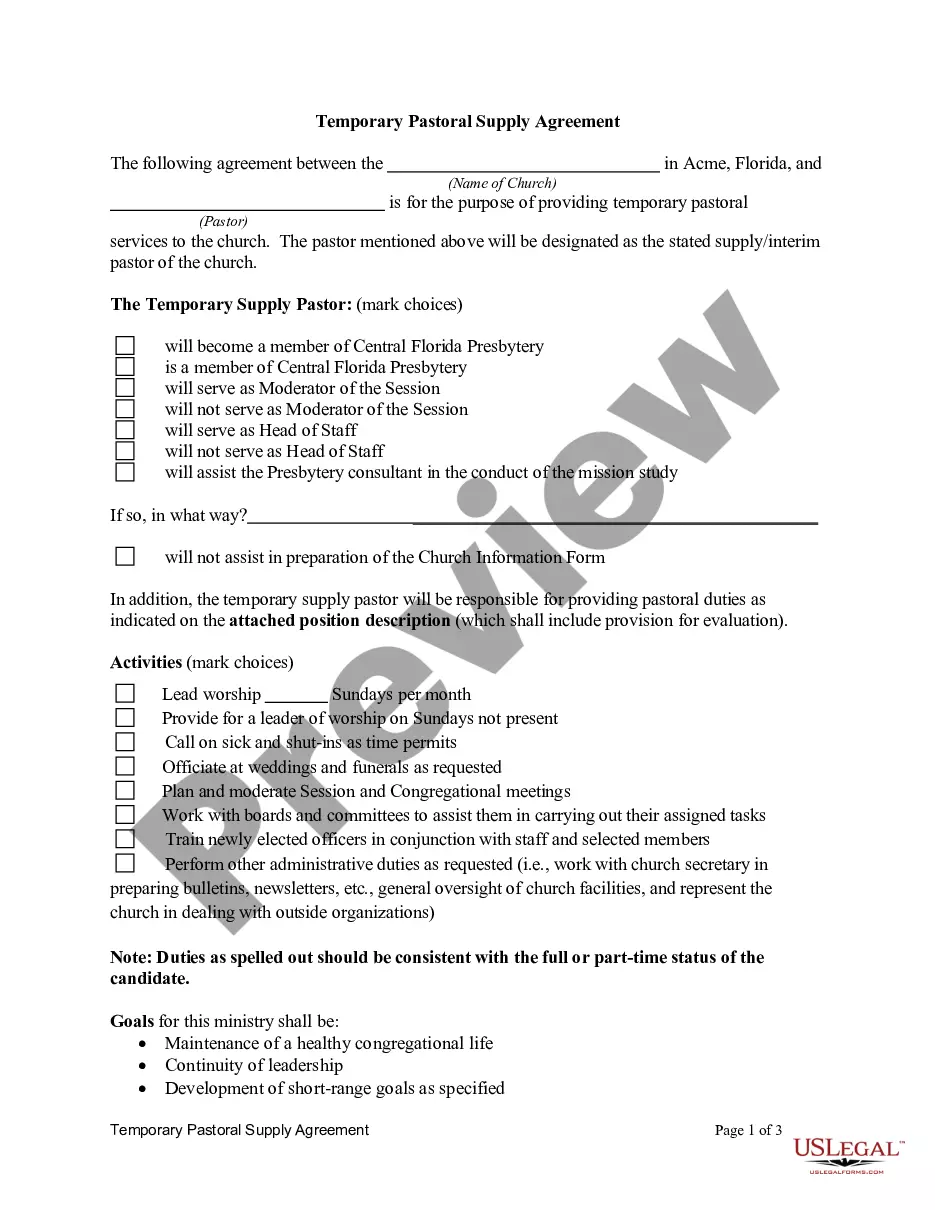
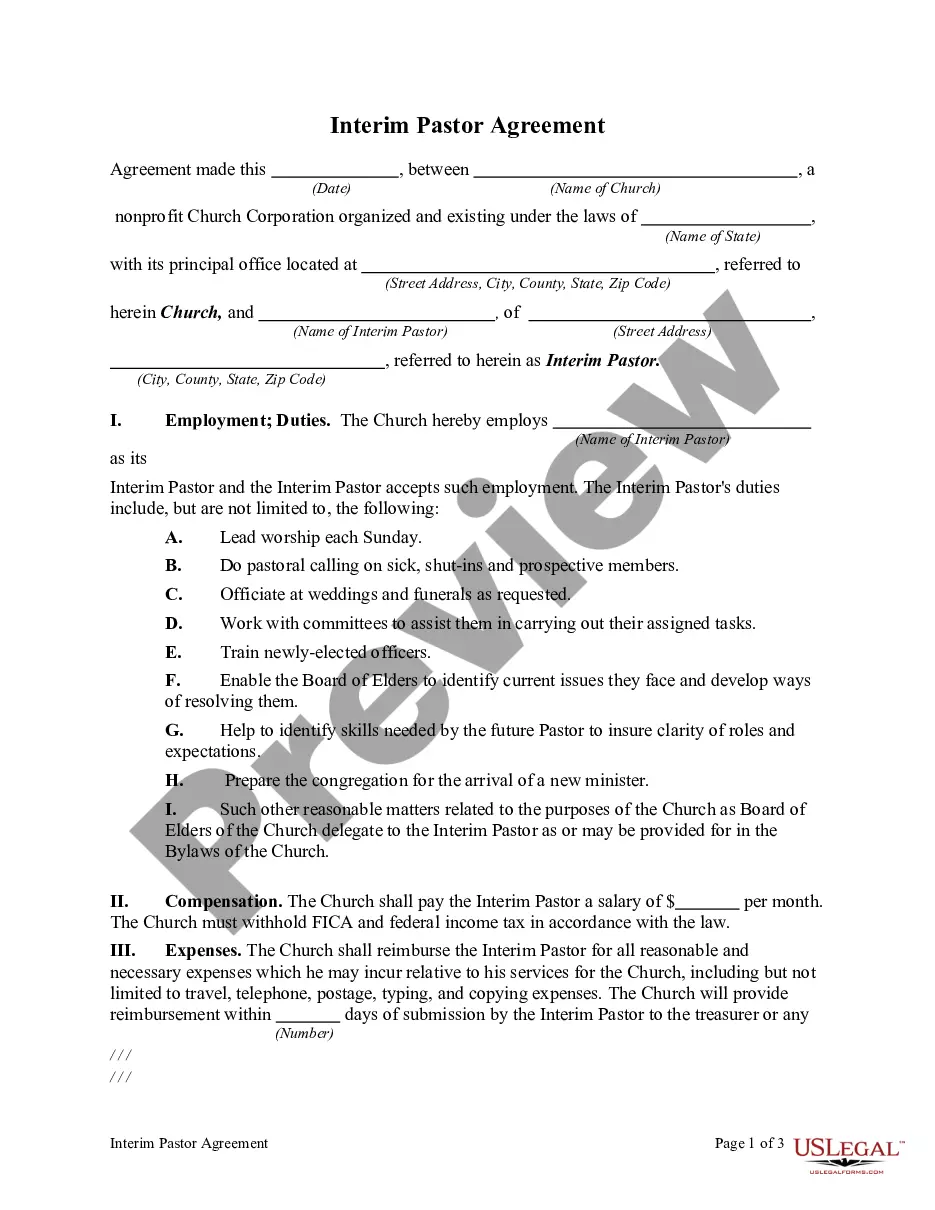
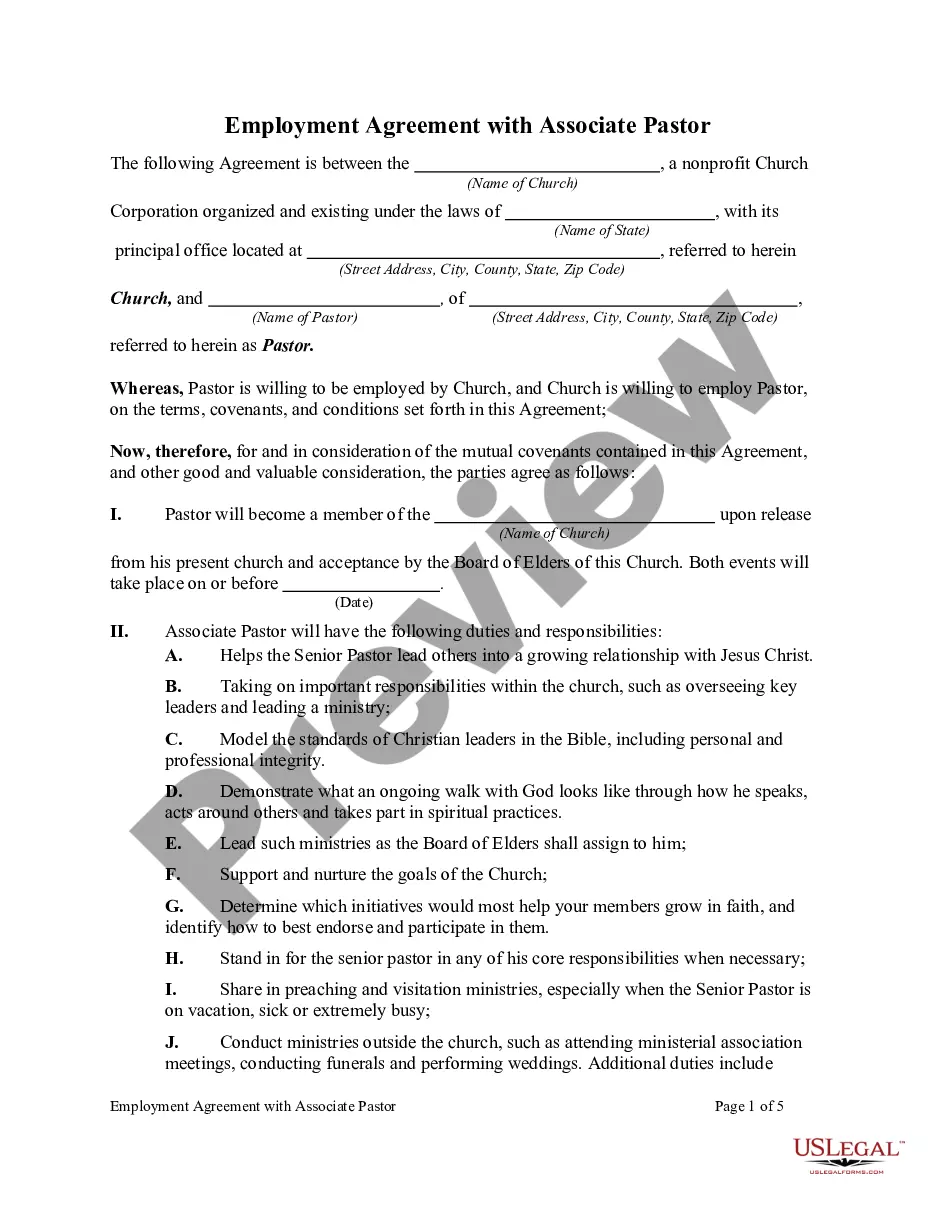
Get your form ready online
Our built-in tools help you complete, sign, share, and store your documents in one place.
Make edits, fill in missing information, and update formatting in US Legal Forms—just like you would in MS Word.
Download a copy, print it, send it by email, or mail it via USPS—whatever works best for your next step.
Sign and collect signatures with our SignNow integration. Send to multiple recipients, set reminders, and more. Go Premium to unlock E-Sign.
If this form requires notarization, complete it online through a secure video call—no need to meet a notary in person or wait for an appointment.
We protect your documents and personal data by following strict security and privacy standards.

Make edits, fill in missing information, and update formatting in US Legal Forms—just like you would in MS Word.

Download a copy, print it, send it by email, or mail it via USPS—whatever works best for your next step.

Sign and collect signatures with our SignNow integration. Send to multiple recipients, set reminders, and more. Go Premium to unlock E-Sign.

If this form requires notarization, complete it online through a secure video call—no need to meet a notary in person or wait for an appointment.

We protect your documents and personal data by following strict security and privacy standards.
Looking for another form?



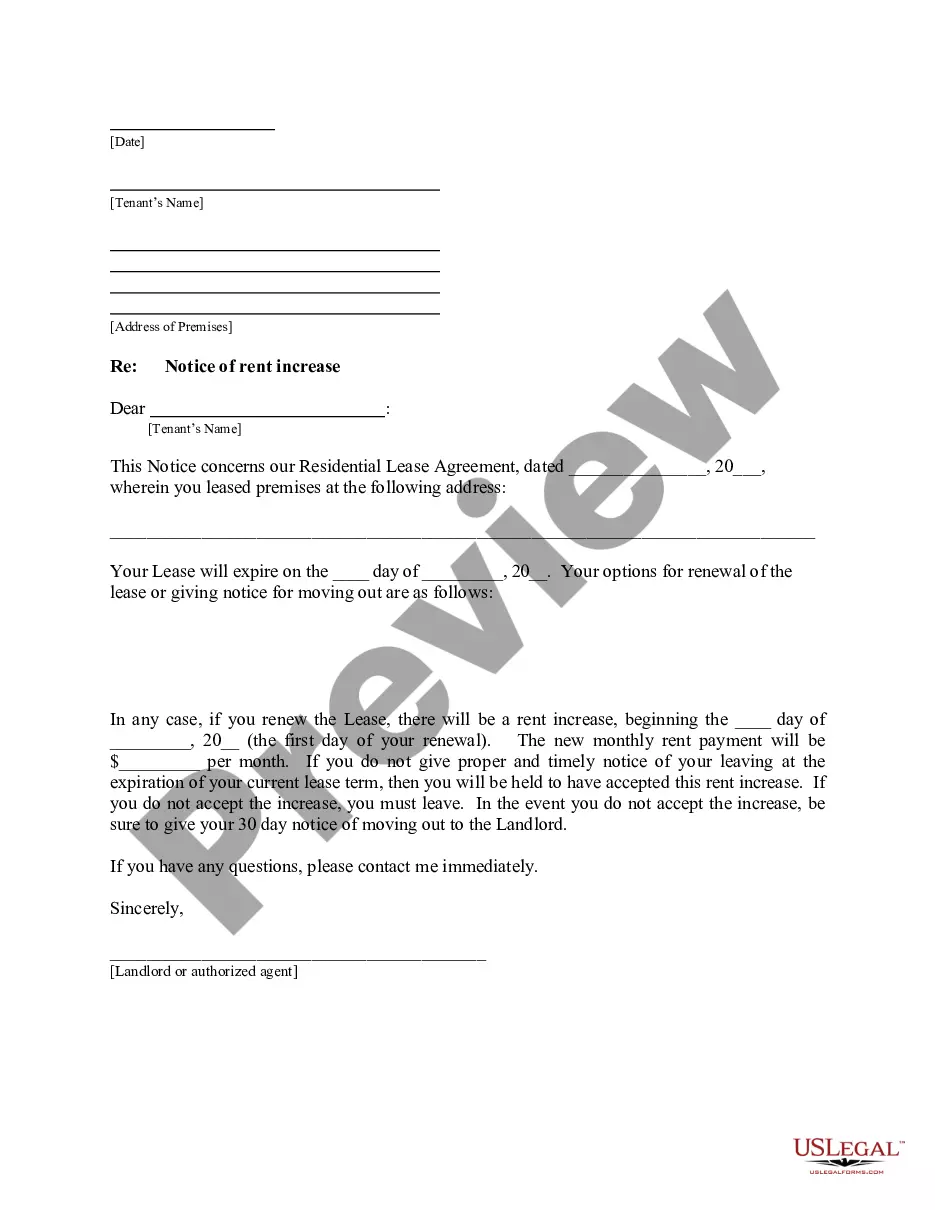
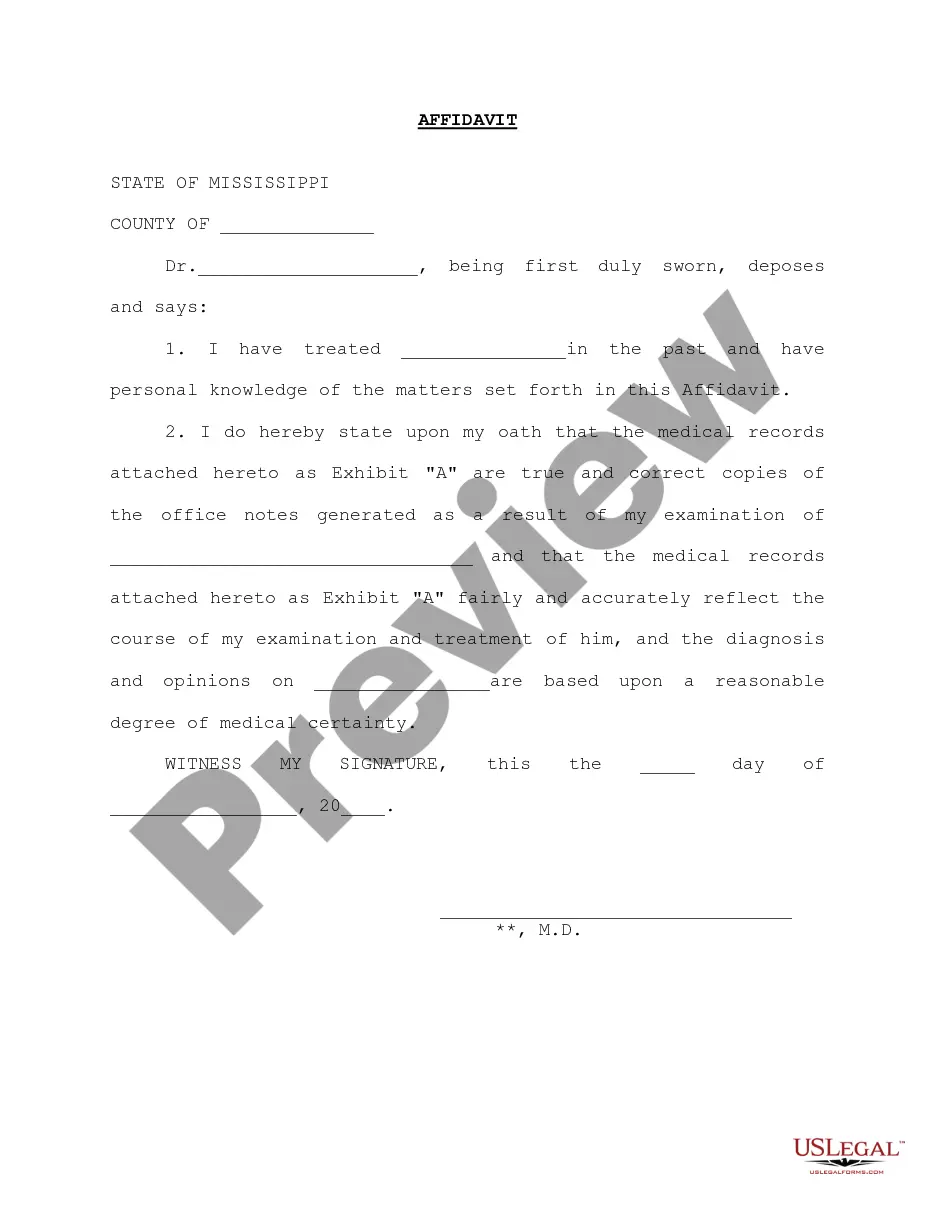

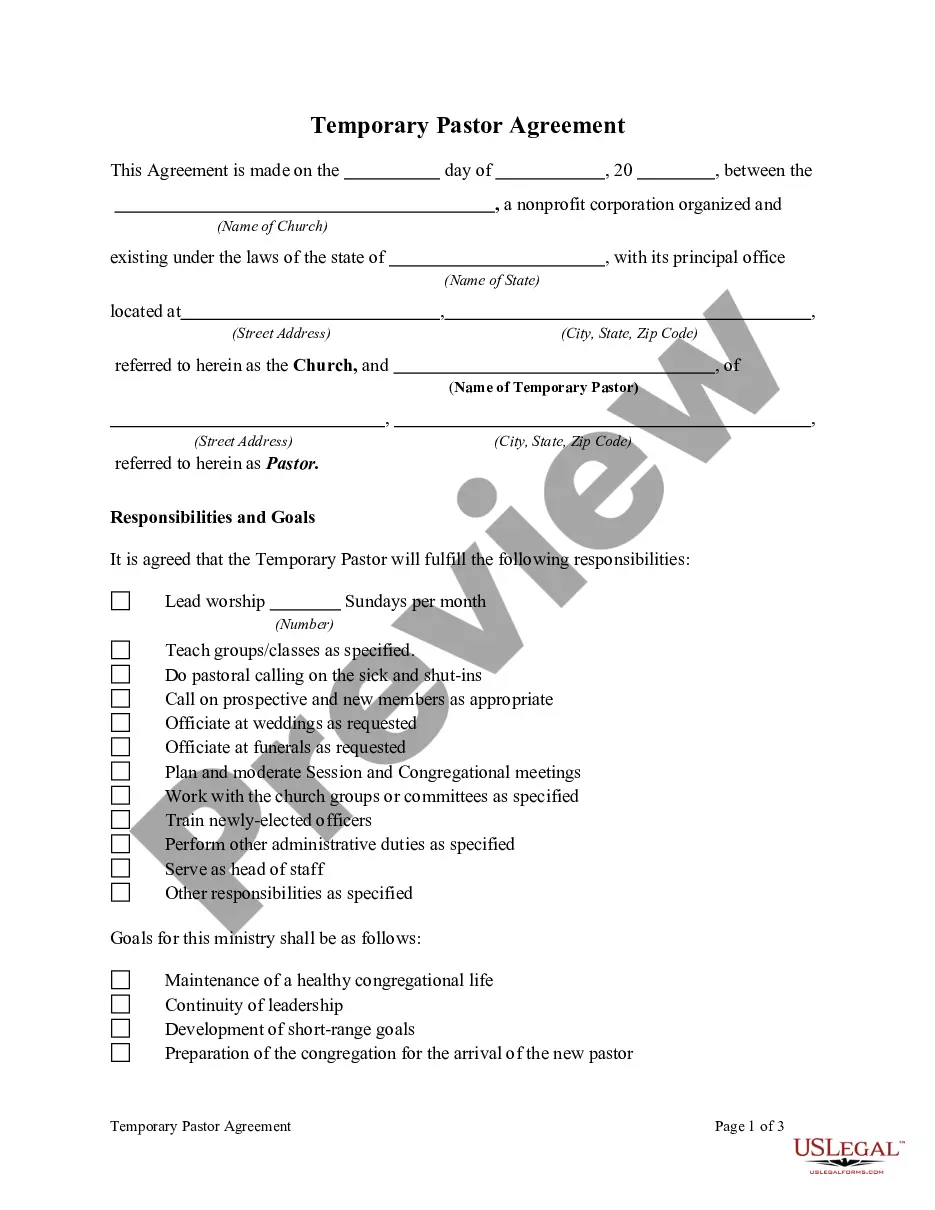
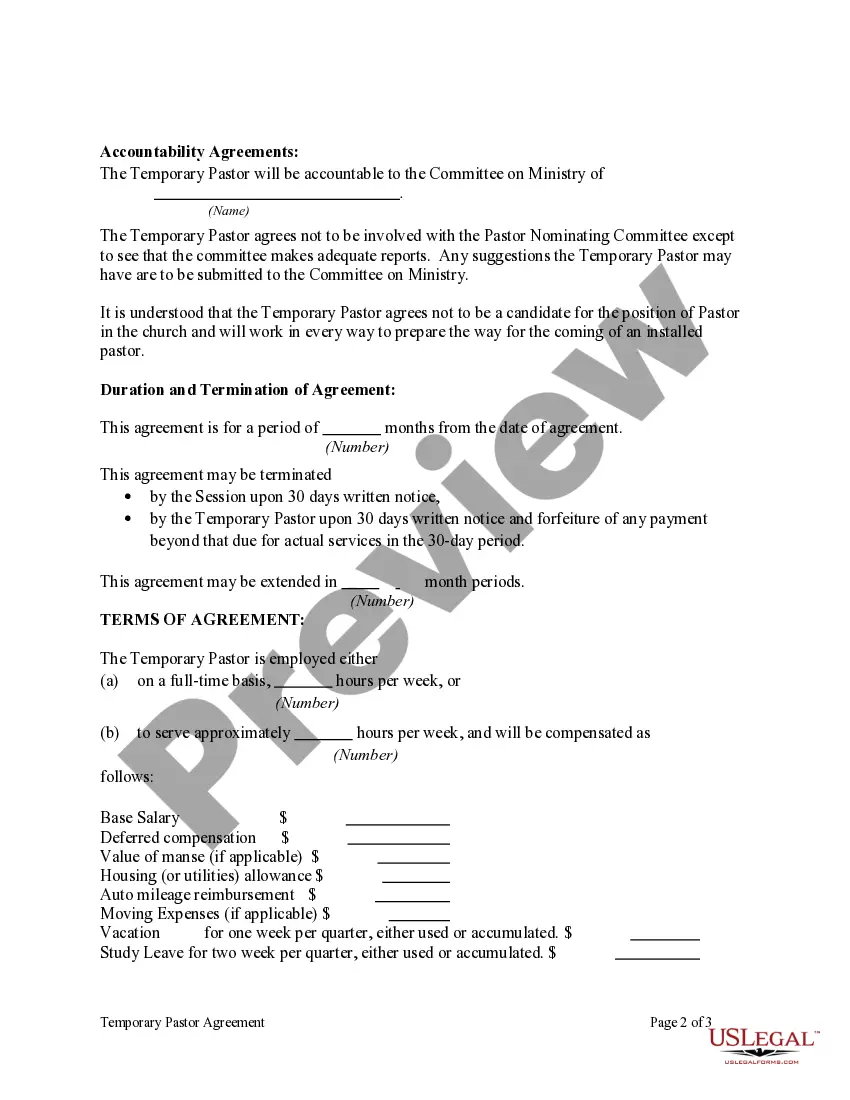
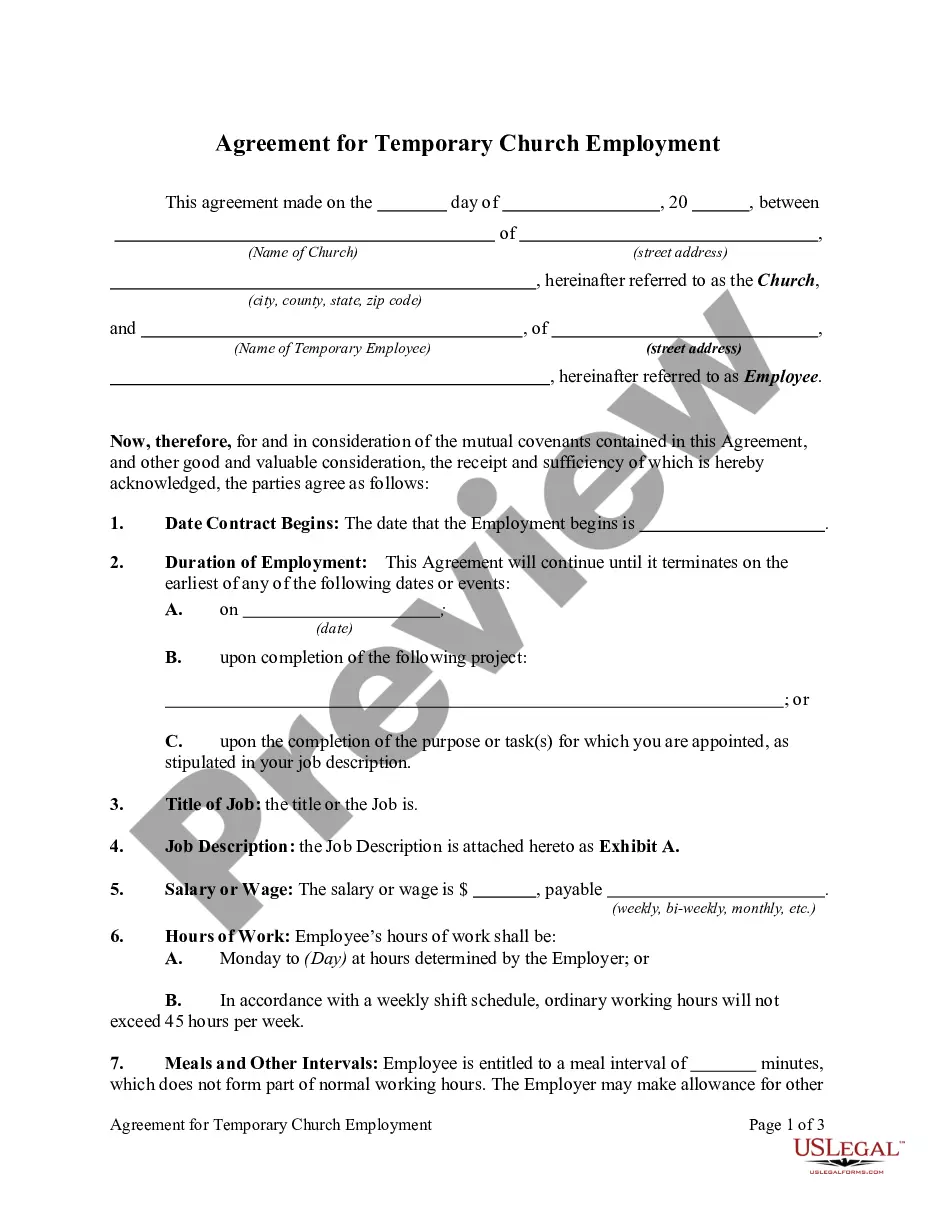
How to fill out Temporary Pastor Agreement?
Bureaucracy requires exactness and correctness.
If you're not accustomed to completing documents like the Temporary Occupancy Agreement For Seller After Closing on a regular basis, it may result in some misunderstanding.
Selecting the appropriate template from the outset will guarantee that your document submission proceeds smoothly and avoids any hassles of resubmitting a document or starting the task entirely from the beginning.
If you are not a subscribed individual, locating the needed template will entail a couple of extra steps: Find the template using the search bar. Confirm that the Temporary Occupancy Agreement For Seller After Closing you’ve found is relevant for your state or county. View the preview or examine the description containing the specifics on the use of the template. If the outcome aligns with your search, click the Buy Now button. Choose the suitable option among the listed pricing plans. Sign in to your account or set up a new one. Complete the purchase using a credit card or PayPal account. Save the document in your preferred format. Finding the correct and updated templates for your documentation is a matter of a few minutes with an account at US Legal Forms. Eliminate bureaucratic uncertainties and simplify your form-related tasks.
- You can always access the accurate template for your paperwork at US Legal Forms.
- US Legal Forms is the largest online forms repository that contains over 85 thousand templates across various fields.
- You can acquire the latest and most suitable version of the Temporary Occupancy Agreement For Seller After Closing by simply searching for it on the site.
- Find, save, and download templates in your account or review the description to confirm you possess the correct one at your disposal.
- With an account at US Legal Forms, it’s straightforward to obtain, store in one place, and navigate through the templates you save to retrieve them with ease.
- While on the site, click the Log In button for authentication.
- Then, go to the My documents page, where your document list is kept.
- Review the descriptions of the forms and download what you require at any time.
Form popularity
FAQ
If anyone makes a mistake, your closing might be delayed. Depending on your purchase contract and whose fault the delay is, you may have to pay the seller a penalty for every day the closing is late. The seller could also refuse to extend the closing date, and the whole deal could fall through.
Yes if the closing date is missed, the seller can cancel at will. However, there are many things to consider before deciding to end the deal. If there are no other interested parties, the seller may be more willing to grant an extension.
This practice has become so common that the Colorado Real Estate Commission created a formal rent-back agreement, also known as the Post-Closing Occupancy Agreement (PCOA), to help buyers and sellers enact rent-backs.
Related Definitions Delayed Occupancy Date means the date, set in accordance with section 3, on which the Vendor agrees to provide Occupancy, in the event the Vendor cannot provide Occupancy on the Firm Occupancy Date.
In general, the seller should disclose any damage to the home that will require repair and any defects, hazards, water damage or things that may negatively affect the inspection report, like a pipe blockage. Failure to disclose information may cause a buyer to file a lawsuit against the seller.