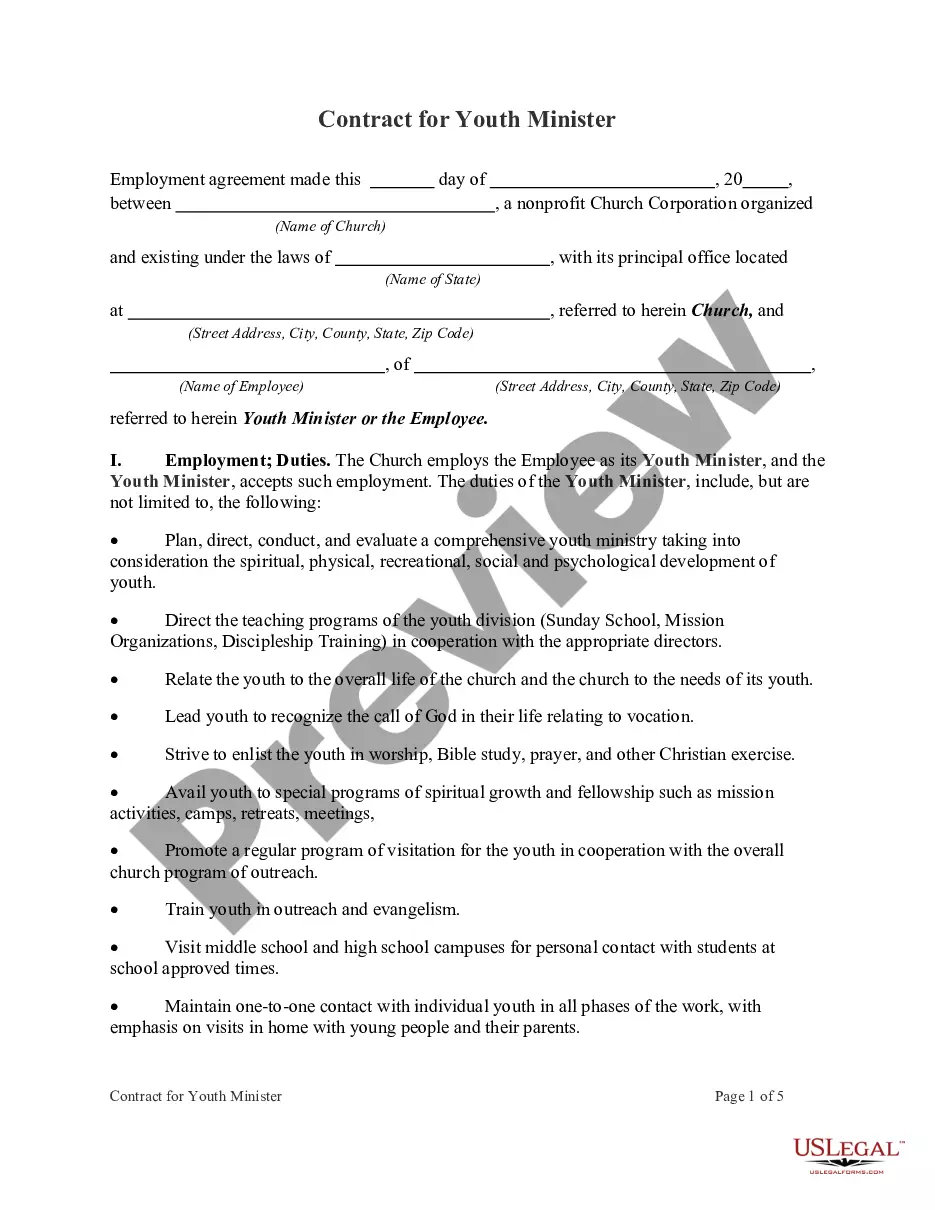
Southern Baptist Pastor Qualifications
Description
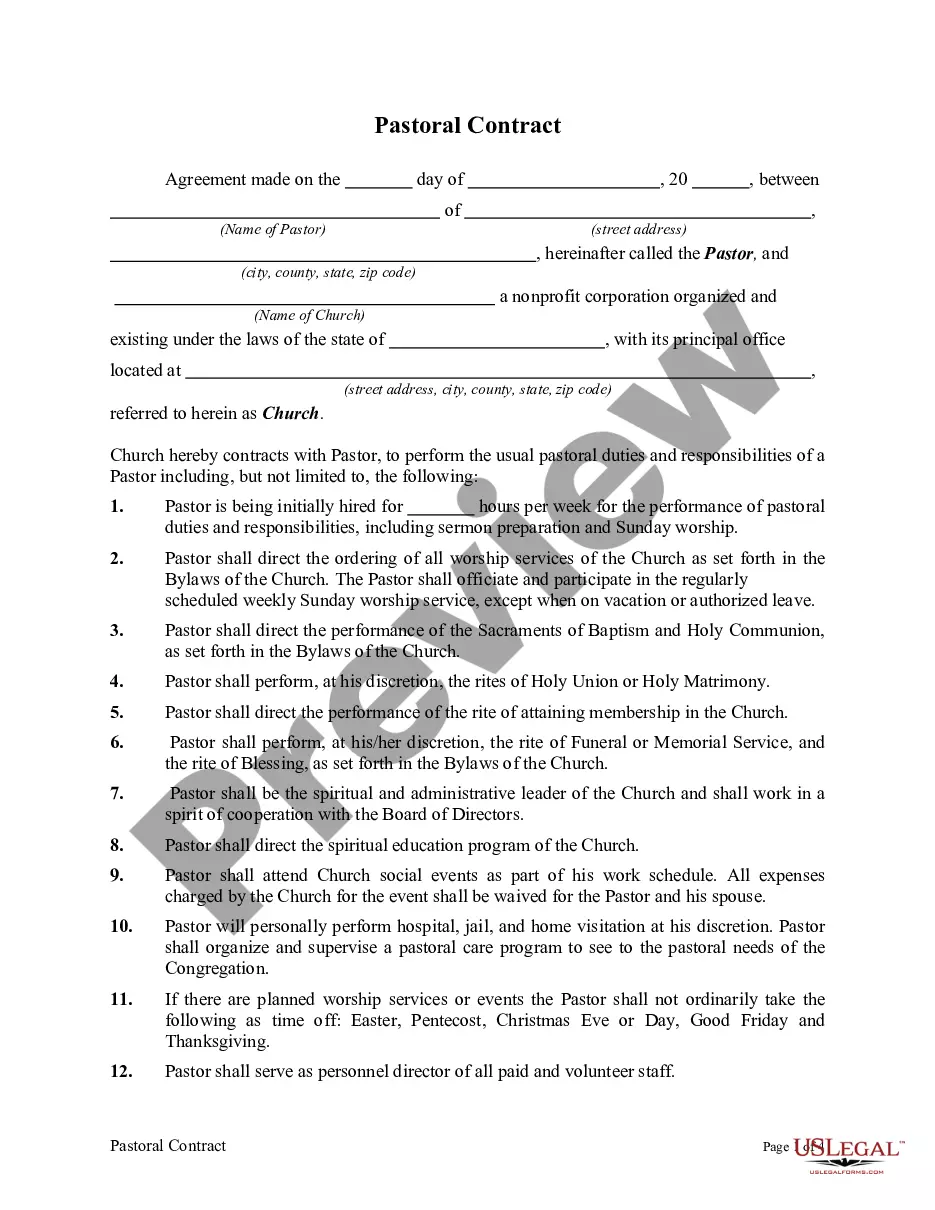
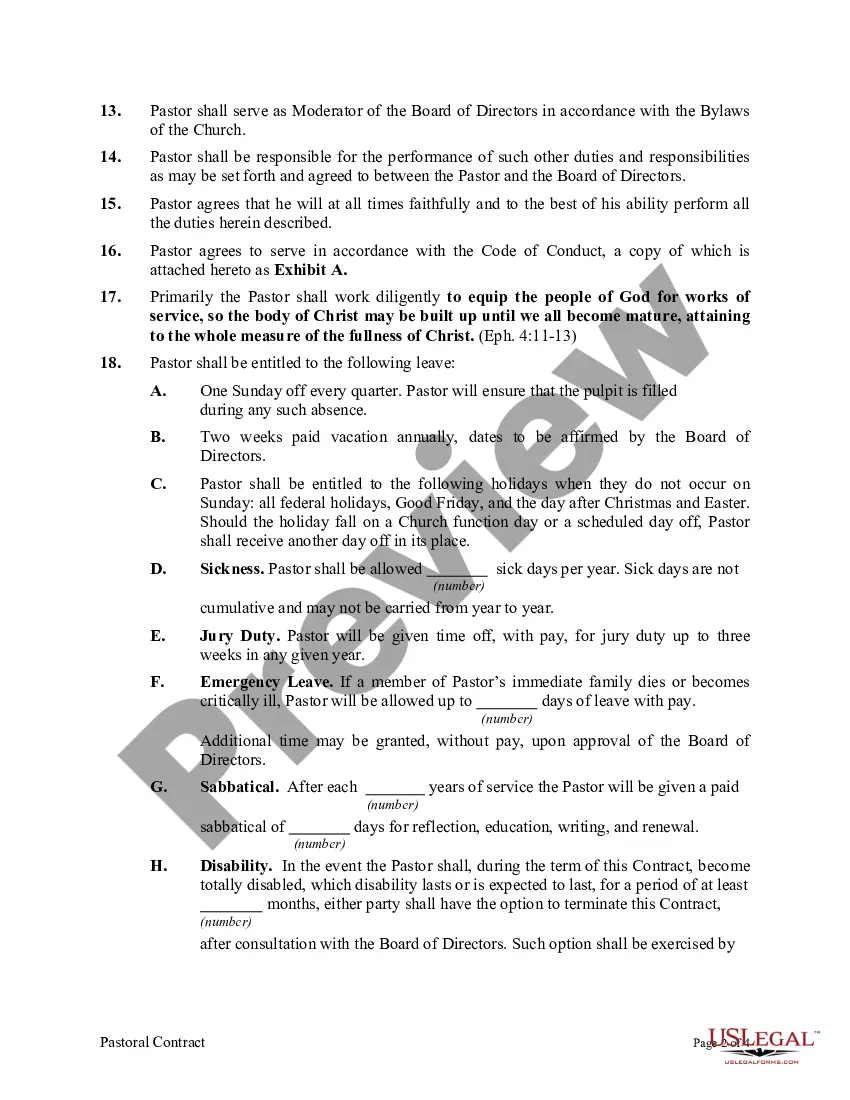
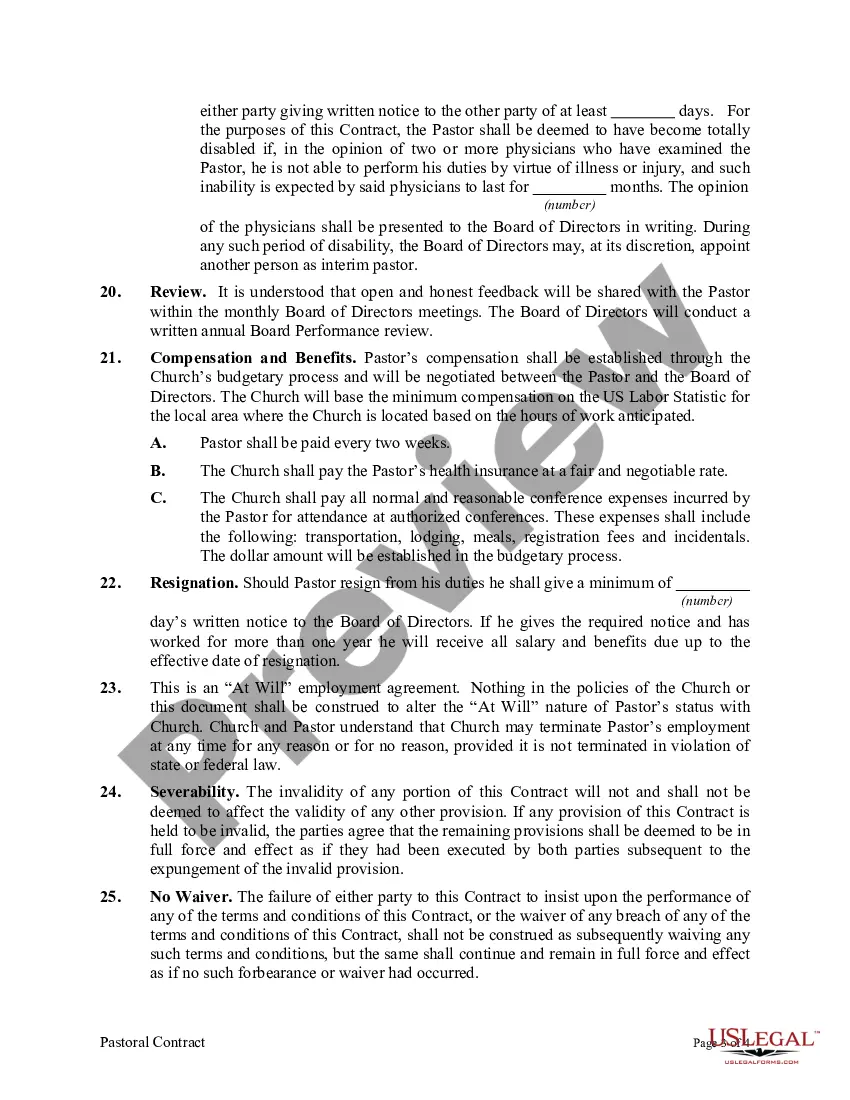
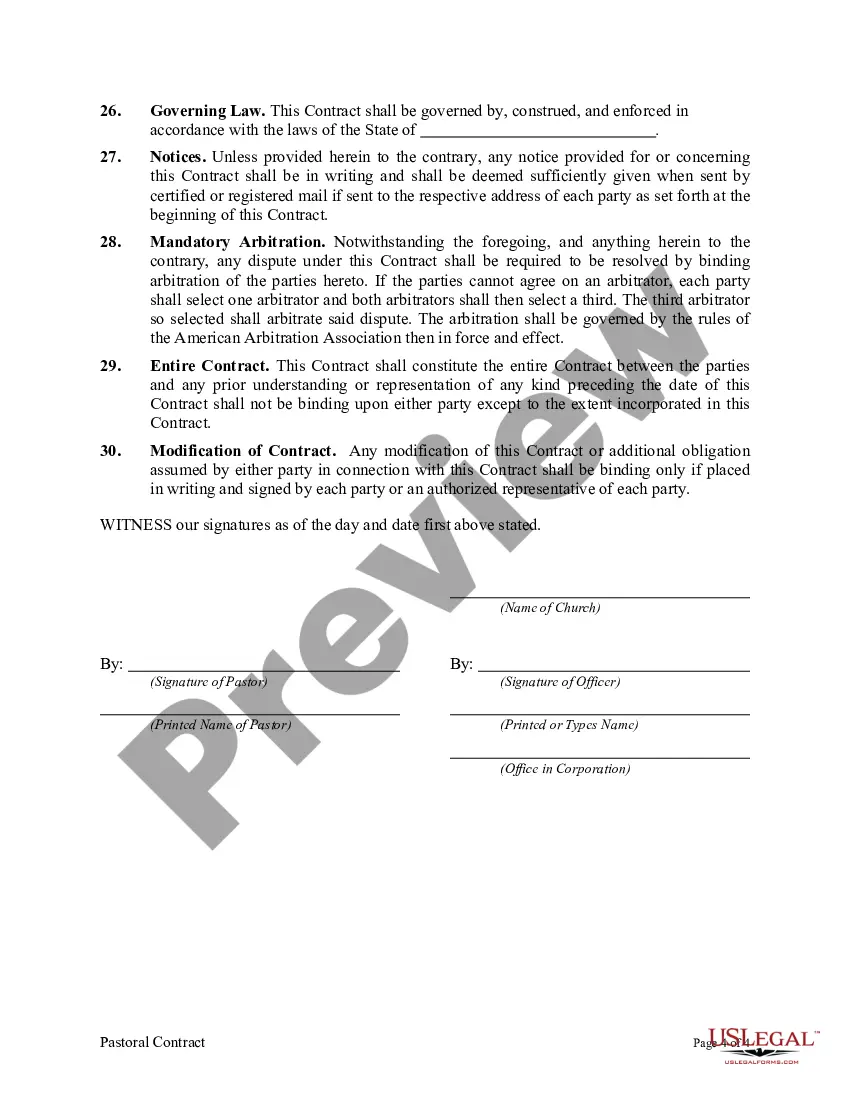

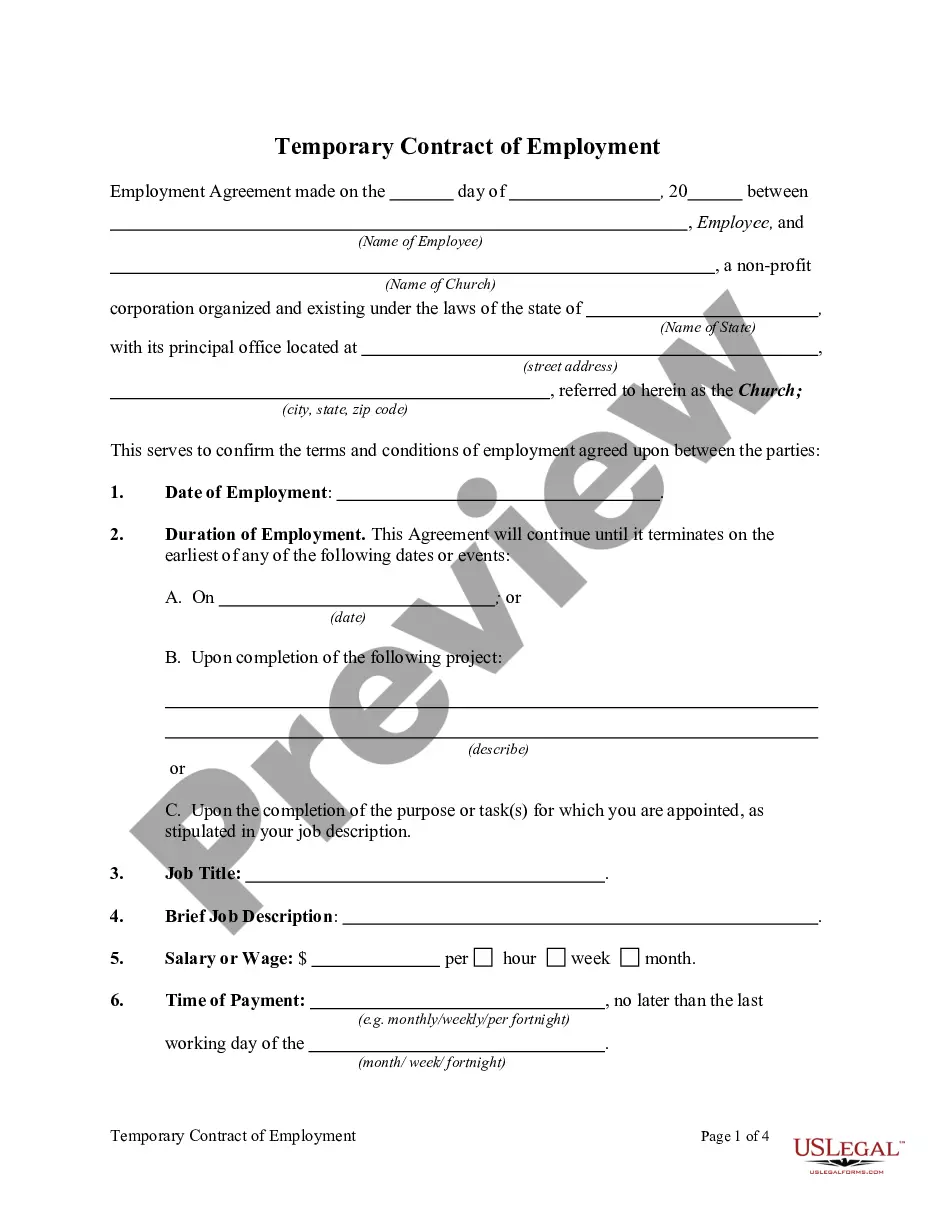
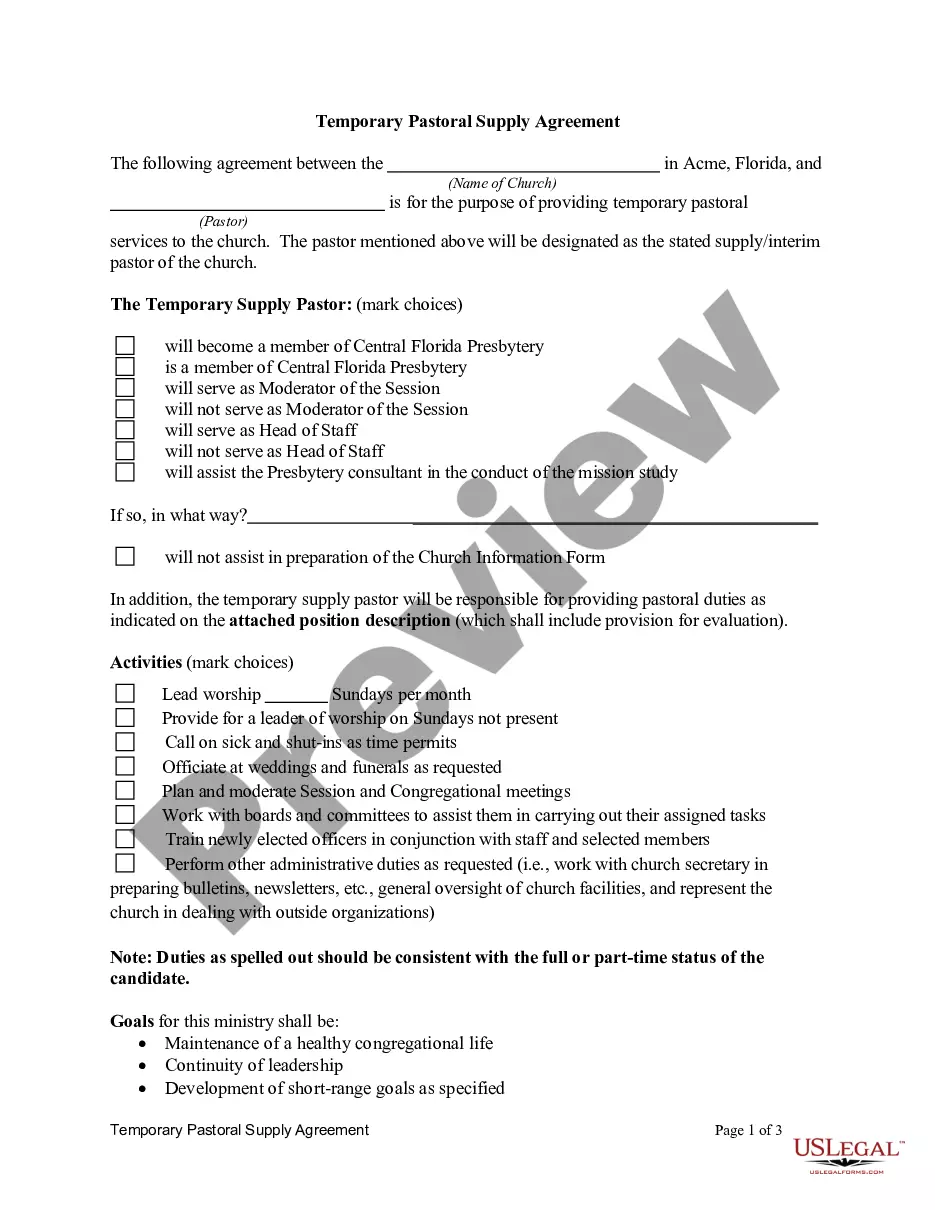
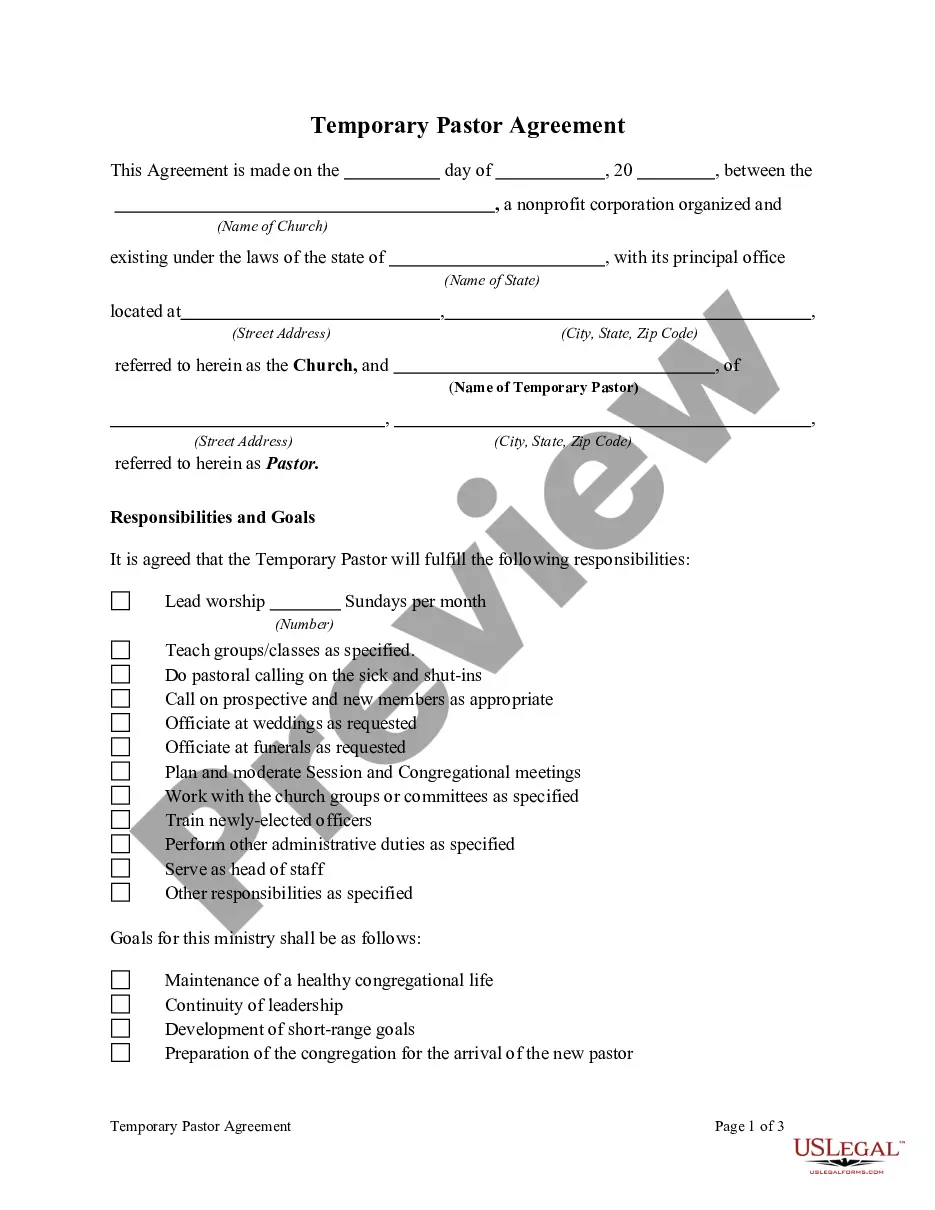
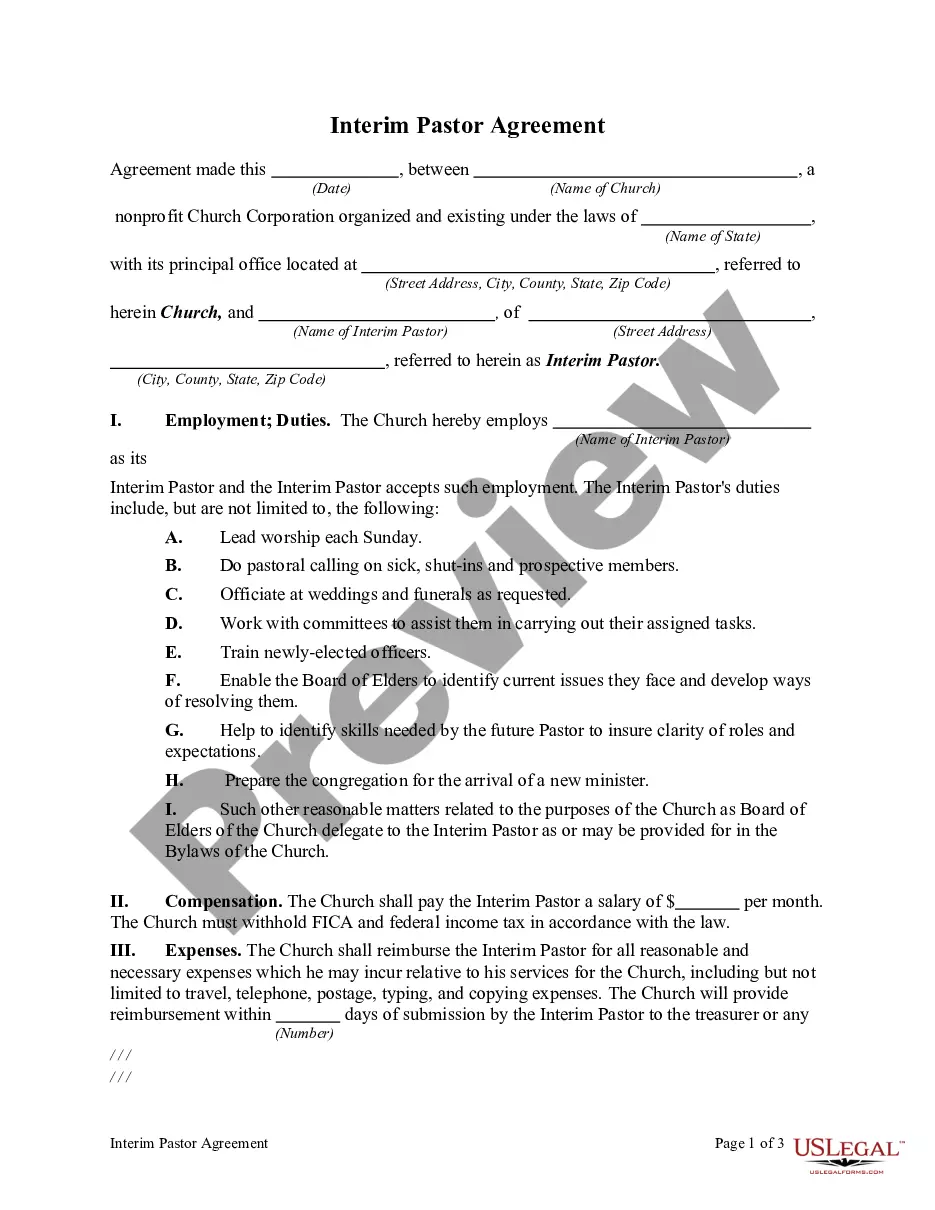
Get your form ready online
Our built-in tools help you complete, sign, share, and store your documents in one place.
Make edits, fill in missing information, and update formatting in US Legal Forms—just like you would in MS Word.
Download a copy, print it, send it by email, or mail it via USPS—whatever works best for your next step.
Sign and collect signatures with our SignNow integration. Send to multiple recipients, set reminders, and more. Go Premium to unlock E-Sign.
If this form requires notarization, complete it online through a secure video call—no need to meet a notary in person or wait for an appointment.
We protect your documents and personal data by following strict security and privacy standards.

Make edits, fill in missing information, and update formatting in US Legal Forms—just like you would in MS Word.

Download a copy, print it, send it by email, or mail it via USPS—whatever works best for your next step.

Sign and collect signatures with our SignNow integration. Send to multiple recipients, set reminders, and more. Go Premium to unlock E-Sign.

If this form requires notarization, complete it online through a secure video call—no need to meet a notary in person or wait for an appointment.

We protect your documents and personal data by following strict security and privacy standards.
Looking for another form?










How to fill out Pastoral Contract?
- Log in to your US Legal Forms account if you have used the service before, and download the required form template by clicking the Download button. Ensure your subscription is active.
- If this is your first time, begin by using the Preview mode to examine the form description. Verify that you have selected the correct document that aligns with your needs and meets local jurisdiction standards.
- If further templates are needed, utilize the Search tab to find specific forms. Once you find a suitable document, proceed to the next step.
- Select the Buy Now button for your desired document and choose a subscription plan that fits your needs. Remember to create an account for complete access to available resources.
- Complete your purchase by entering your credit card information or using your PayPal account to finalize the subscription.
- Download your form directly to your device. You can access it anytime through the My Documents section in your profile.
In conclusion, using US Legal Forms allows individuals to efficiently create and manage the documentation necessary for Southern Baptist pastor qualifications. The extensive library and expert assistance ensure everything is in order and legally compliant.
Take the next step in your pastoral journey by leveraging US Legal Forms to simplify your documentation process today!
Form popularity
FAQ
To obtain pastor credentials, start by engaging in training and education relevant to your church's requirements. Pursuing ordination is a significant step, often involving evaluation of your ministry experience and theological understanding. Many Southern Baptist churches facilitate this process, so connect with your local church leadership for guidance. Uslegalforms can provide helpful resources and documentation to streamline your credentialing journey.
The Bible provides clear guidelines for pastoral qualifications, emphasizing character and spiritual integrity. Key passages, such as 1 Timothy -7 and Titus -9, outline traits like being above reproach, faithful, and able to teach. These qualifications align closely with the Southern Baptist pastor qualifications and highlight the importance of a pastor's personal faith and moral conduct. Understanding these scriptural principles is vital for anyone aspiring to lead.
Being a Baptist pastor requires a blend of spiritual maturity, leadership skills, and a deep commitment to serving others. A thorough understanding of scripture and the Southern Baptist pastor qualifications is essential for effective teaching and guidance. Additionally, passion for community involvement and a heart for outreach will help fulfill your pastoral role. Developing these qualities will prepare you for the challenges and joys of ministry.
To become a pastor in the Southern Baptist Church, start by deepening your relationship with God and engaging in ministry opportunities within your community. Many aspiring pastors pursue formal theological education to fulfill Southern Baptist pastor qualifications. Afterward, seek out a supportive church body and pursue ordination if needed. Your journey may involve mentorship, internships, and building strong relationships within your church.
The qualifications for a Baptist pastor include a strong faith in Christ, a solid understanding of scripture, and the ability to lead and teach effectively. Additionally, character traits such as integrity, humility, and a genuine love for the congregation play crucial roles. Most Southern Baptist churches encourage personal spiritual growth as part of these qualifications. Understanding these can help potential candidates align with the expectations of the church.
Ordination is an important step for many Baptist pastors, but it can vary by church. While some congregations require formal ordination as part of the Southern Baptist pastor qualifications, others may prioritize a candidate's experience and spiritual maturity. If you are considering a pastoral role, check with your local church’s specific requirements. This process can provide both affirmation and accountability in ministry.
Baptist pastors are typically chosen by church congregations through a nomination and voting process. This ensures that the community has a say in selecting a leader who aligns with their beliefs and values. The candidate usually shares a statement of faith and pastoral qualifications, which can include education and ministry experience. Ultimately, it’s about finding a pastor who embodies the Southern Baptist pastor qualifications and fits the church's vision.
While attending seminary is not a strict requirement for Southern Baptist pastors, many choose to pursue formal education to deepen their understanding of theology. This education often helps candidates meet the Southern Baptist pastor qualifications more effectively. However, a strong commitment to scripture and leadership skills are equally important. Many churches value experience and personal faith over formal credentials.
To become a Southern Baptist pastor, you must first understand the Southern Baptist pastor qualifications, which typically include a deep commitment to faith and strong biblical knowledge. You often begin with a bachelor's degree in theology or a related field, followed by a master's degree from a seminary. Gaining experience through volunteer roles in your church can be invaluable, as it helps build your leadership skills and provides practical insights into pastoral duties. Additionally, connecting with your local Southern Baptist association can guide you through the licensing and ordination process, ensuring you meet all necessary qualifications.
Requirements to be a Baptist pastor generally include a deep commitment to scripture, a desire to lead others in faith, and theological education. Many churches seek candidates who have completed a degree from a Baptist seminary or have similar credentials. In addition, understanding and exemplifying the Southern Baptist pastor qualifications is vital in ensuring the candidate can effectively guide the congregation. Each church may have its specific expectations, but these core requirements are common.