Trademark License Requirements
Description
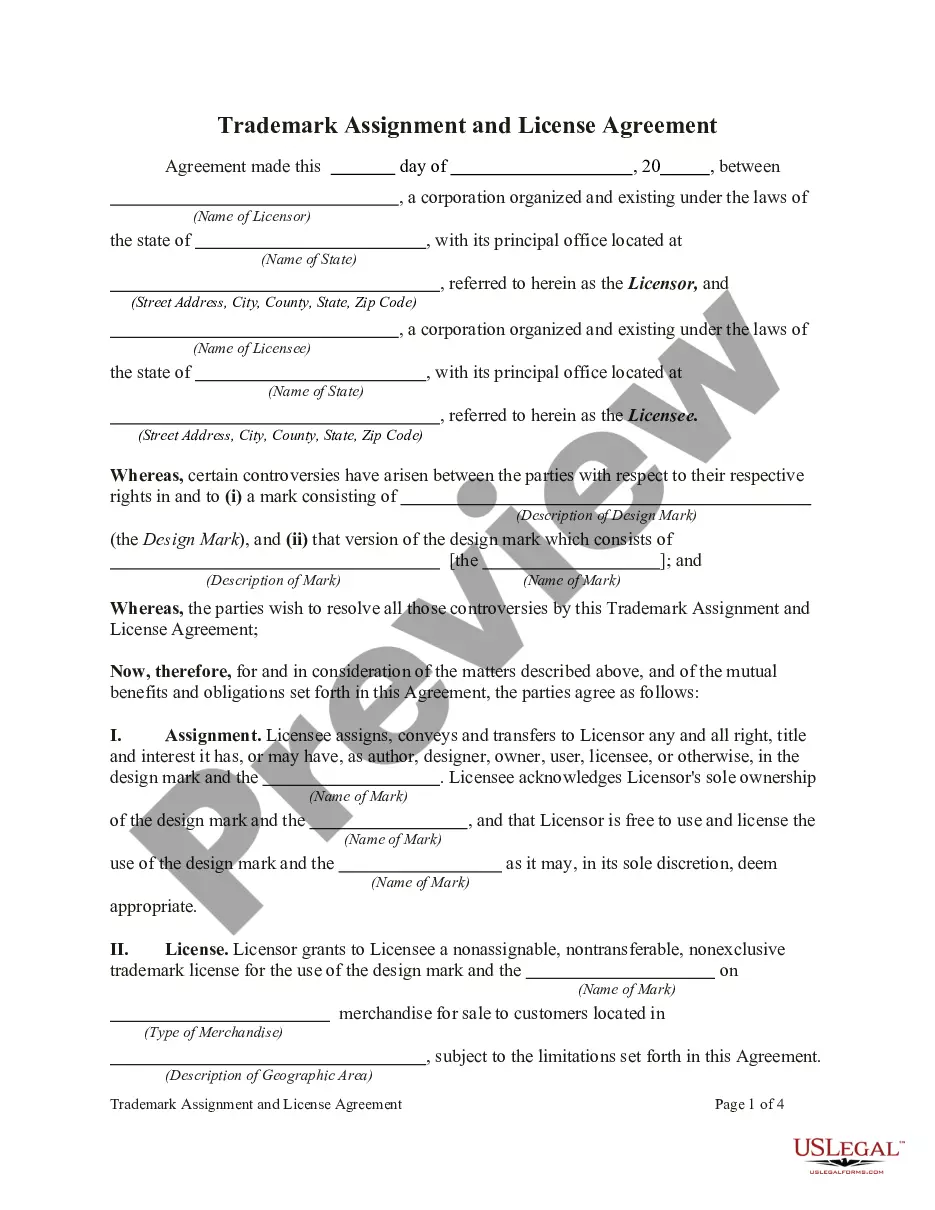
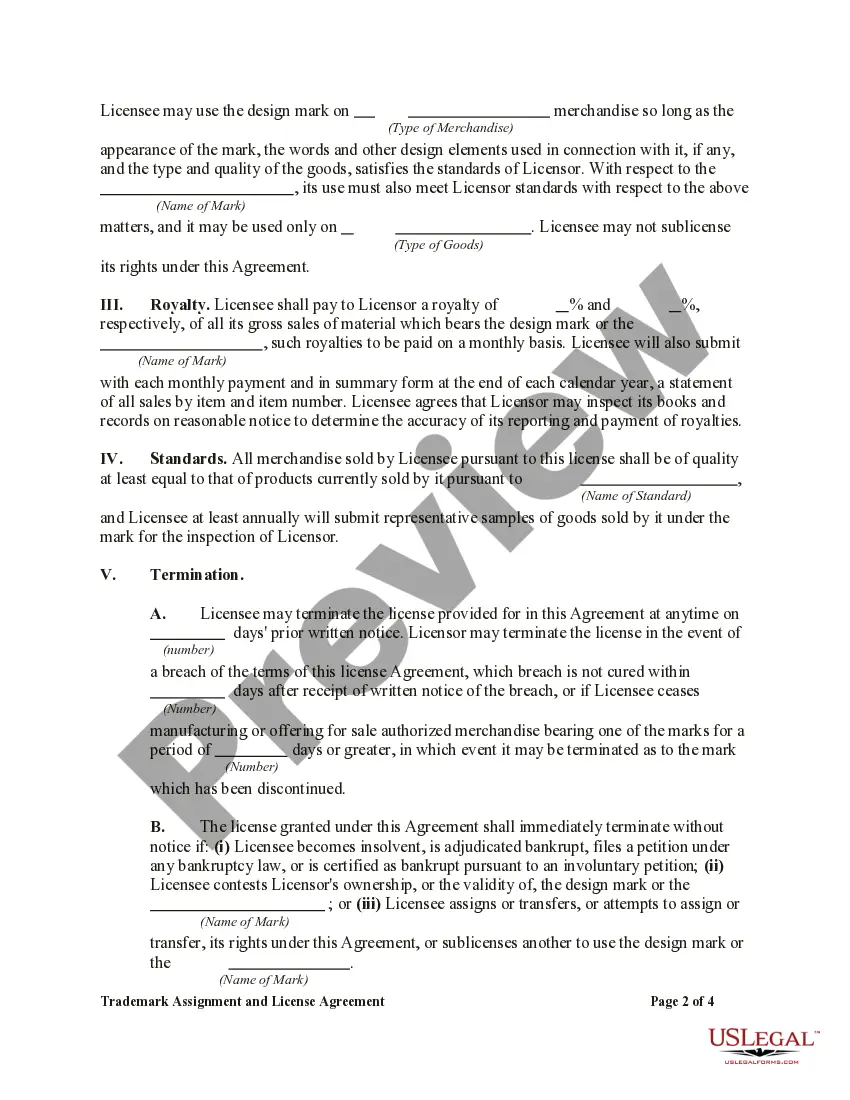
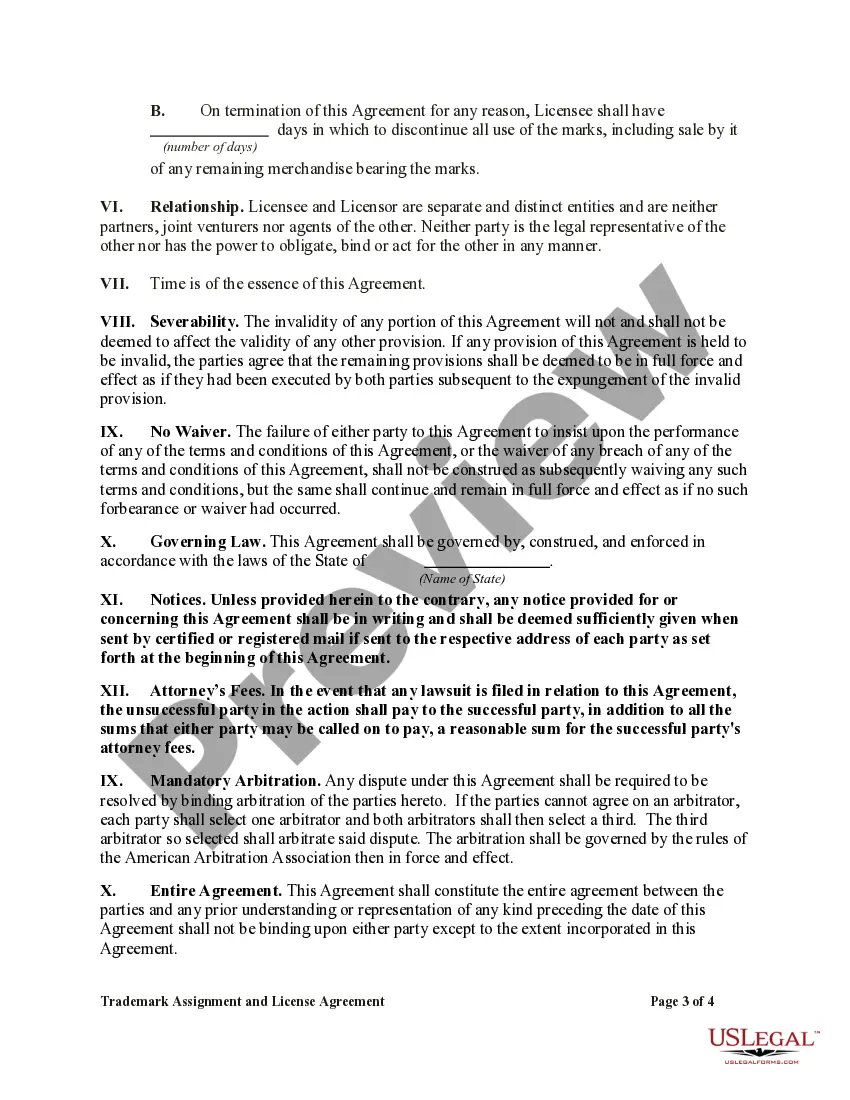
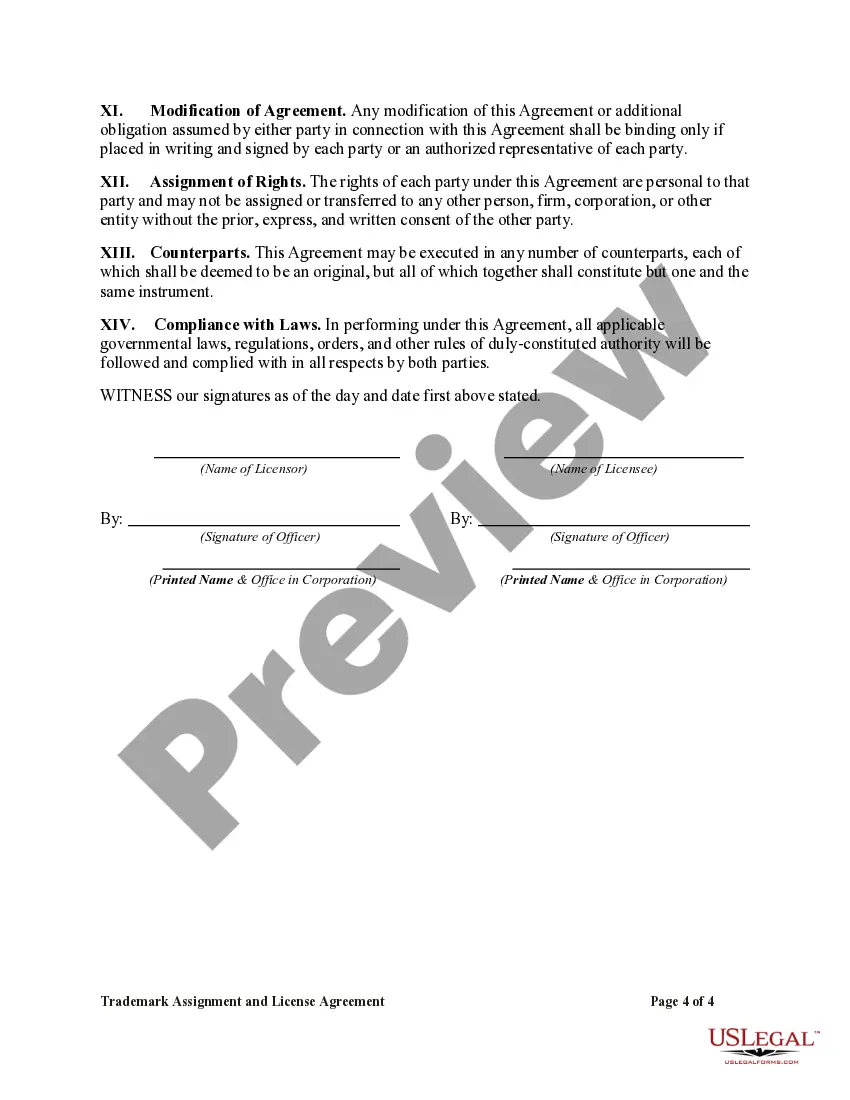
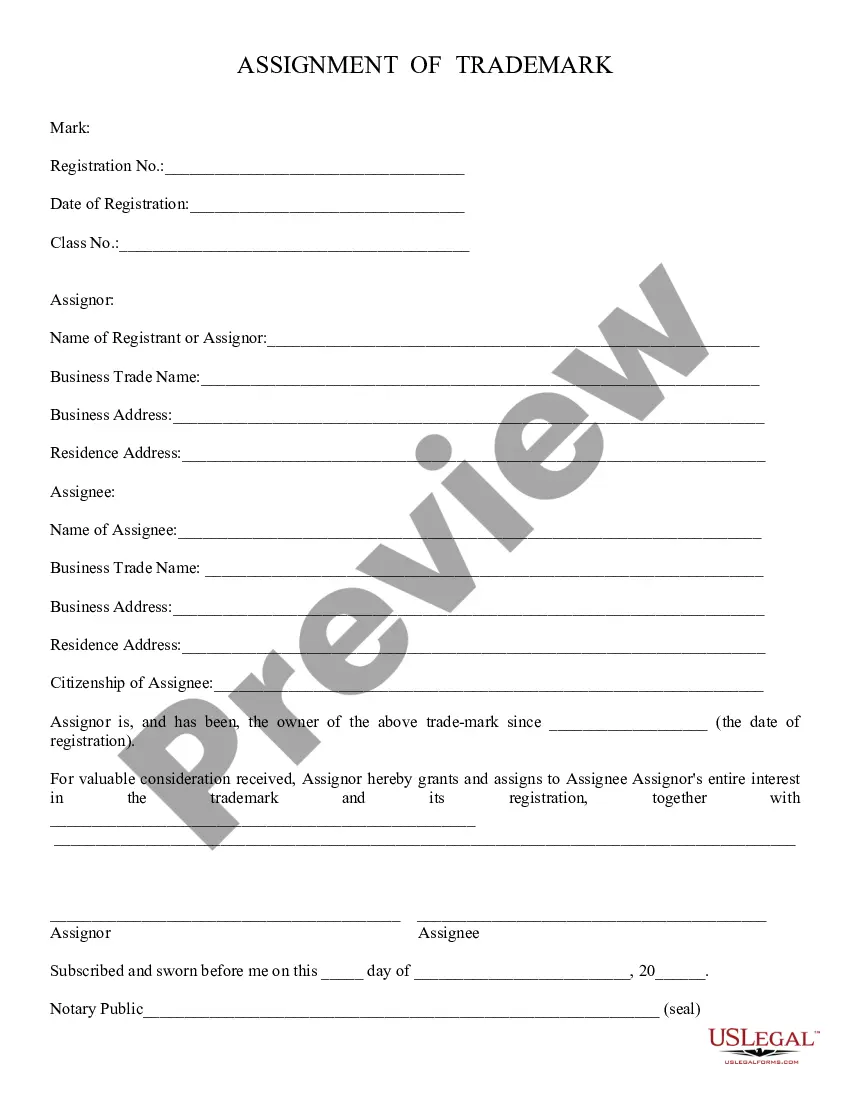




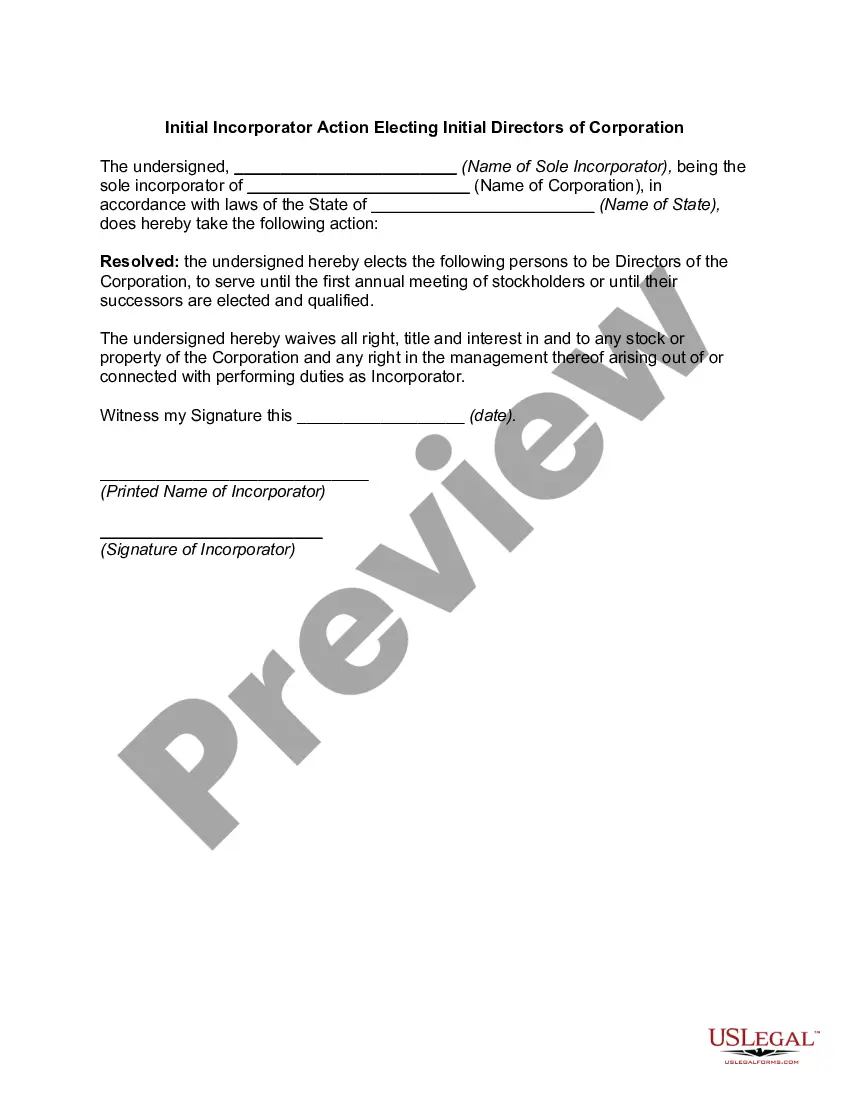
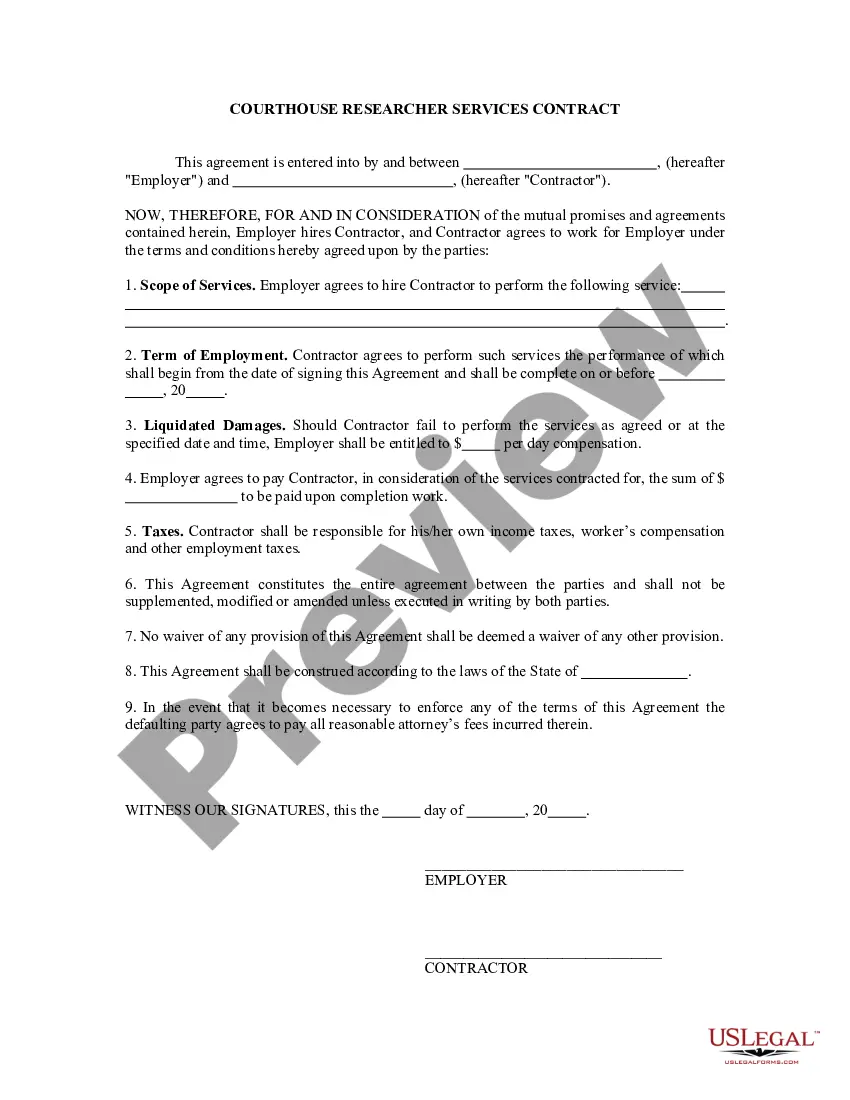
How to fill out Trademark Assignment And License Agreement?
Regardless of whether it is for professional reasons or personal matters, everyone will eventually confront legal issues in their lifetime.
Filling out legal paperwork requires meticulous care, starting with selecting the correct form template. For example, if you select an incorrect version of a Trademark License Requirements, it will be denied upon submission.
With an extensive US Legal Forms inventory available, you will never have to waste time searching for the right sample online. Utilize the library’s straightforward navigation to find the suitable template for any occasion.
- Obtain the sample you require by using the search bar or browsing the catalog.
- Review the form’s details to ensure it suits your situation, state, and county.
- Click on the form’s preview to inspect it.
- If it is not the correct document, return to the search feature to find the Trademark License Requirements template you need.
- Acquire the template when it aligns with your specifications.
- If you already have a US Legal Forms account, click Log in to access previously saved documents in My documents.
- If you do not have an account yet, you can obtain the form by clicking Buy now.
- Choose the right pricing option.
- Fill out the profile registration form.
- Select your payment method: either a credit card or PayPal account.
- Choose the document format you desire and download the Trademark License Requirements.
- Once downloaded, you can complete the form using editing software or print it out and fill it in by hand.
Form popularity
FAQ
A distinctive trademark is a trademark that ?identifies and distinguishes? the relevant goods or services. This is required for a trademark to be eligible for federal trademark protection and registration at the United States and Trademark Office. This means that trademarks are protectable only if they are distinctive.
You can only trademark a brand name that you're using in business or that you intend to use in business in the near future. You can't register a generic or descriptive name. Your trademark name has to be distinctive or unique in some way to be approved. The name can't create a likelihood of confusion among consumers.
Filing a trademark isn't a simple process, but the protection it affords your brand is worth your time and effort. To register a trademark with the U.S. Patent and Trademark Office (USPTO), you will need to fill out and submit a trademark application.
A trademark licensing agreement does not need to be written down to be legally enforceable, but a simple word-of-mouth licensing agreement is much more challenging to enforce. For this reason, it is highly recommended that a written agreement is created and signed by both the licensor and the licensee.
Two basic requirements must be met for a mark to be eligible for trademark protection: it must be in use in commerce and it must be distinctive. The first requirement, that a mark be used in commerce, arises because trademark law is constitutionally grounded in the congressional power to regulate interstate commerce.