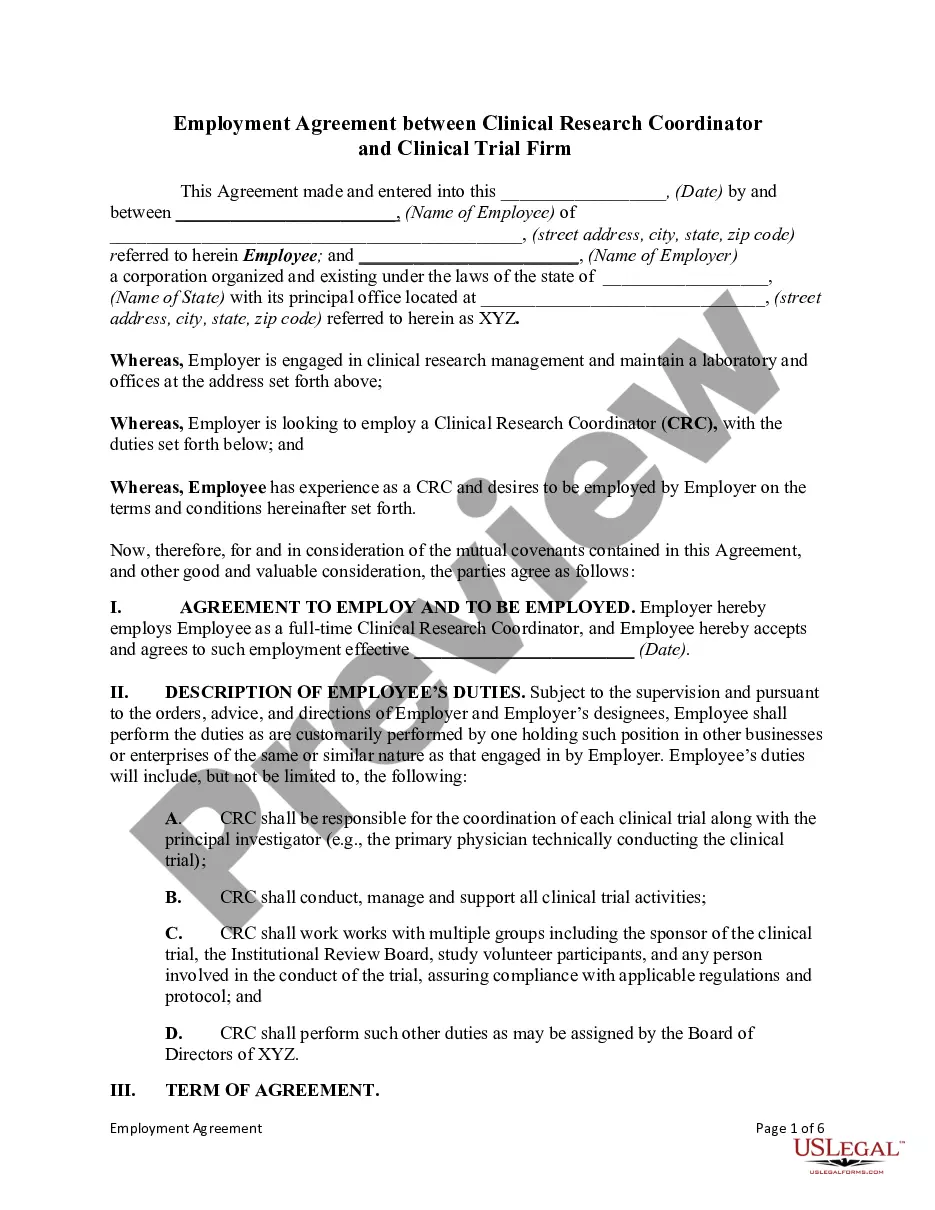
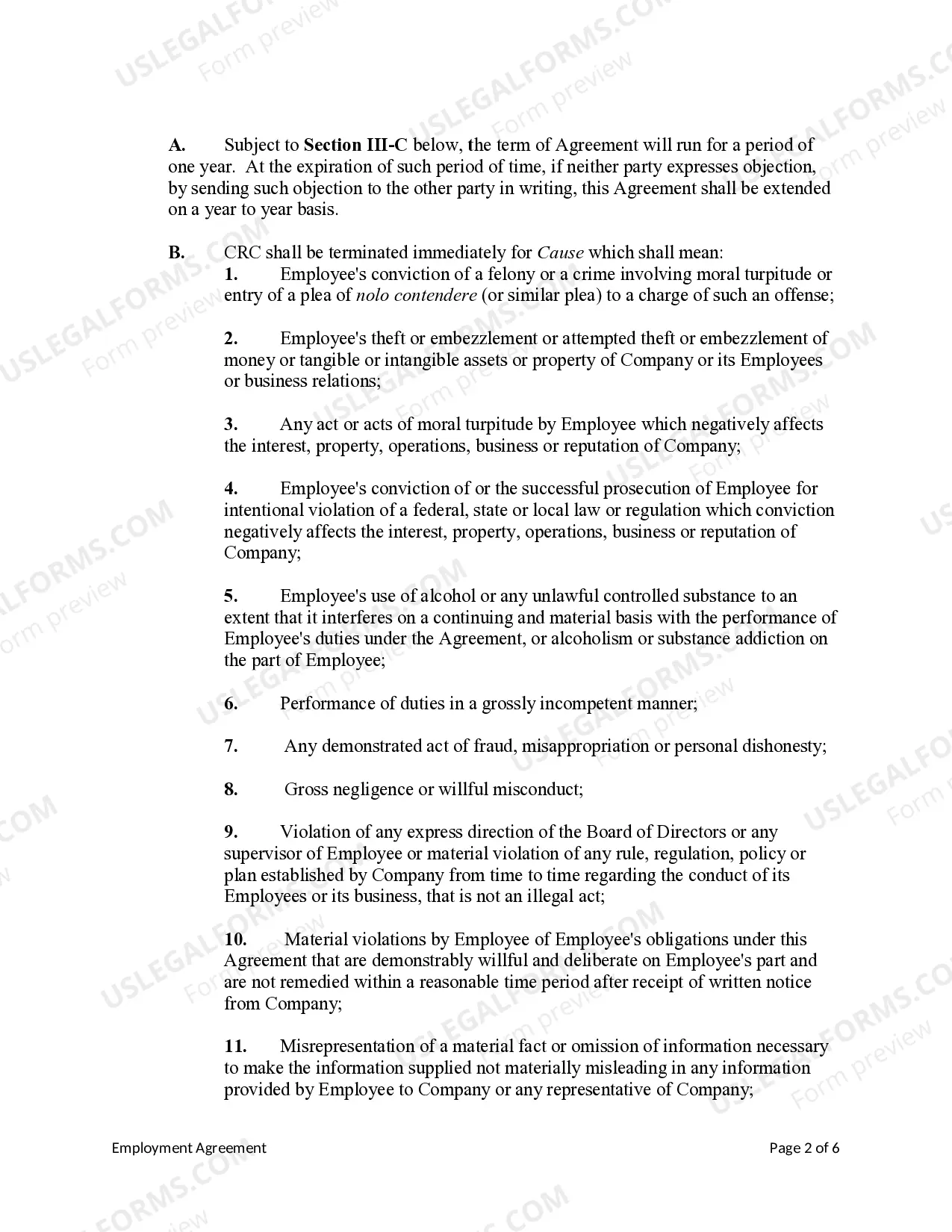
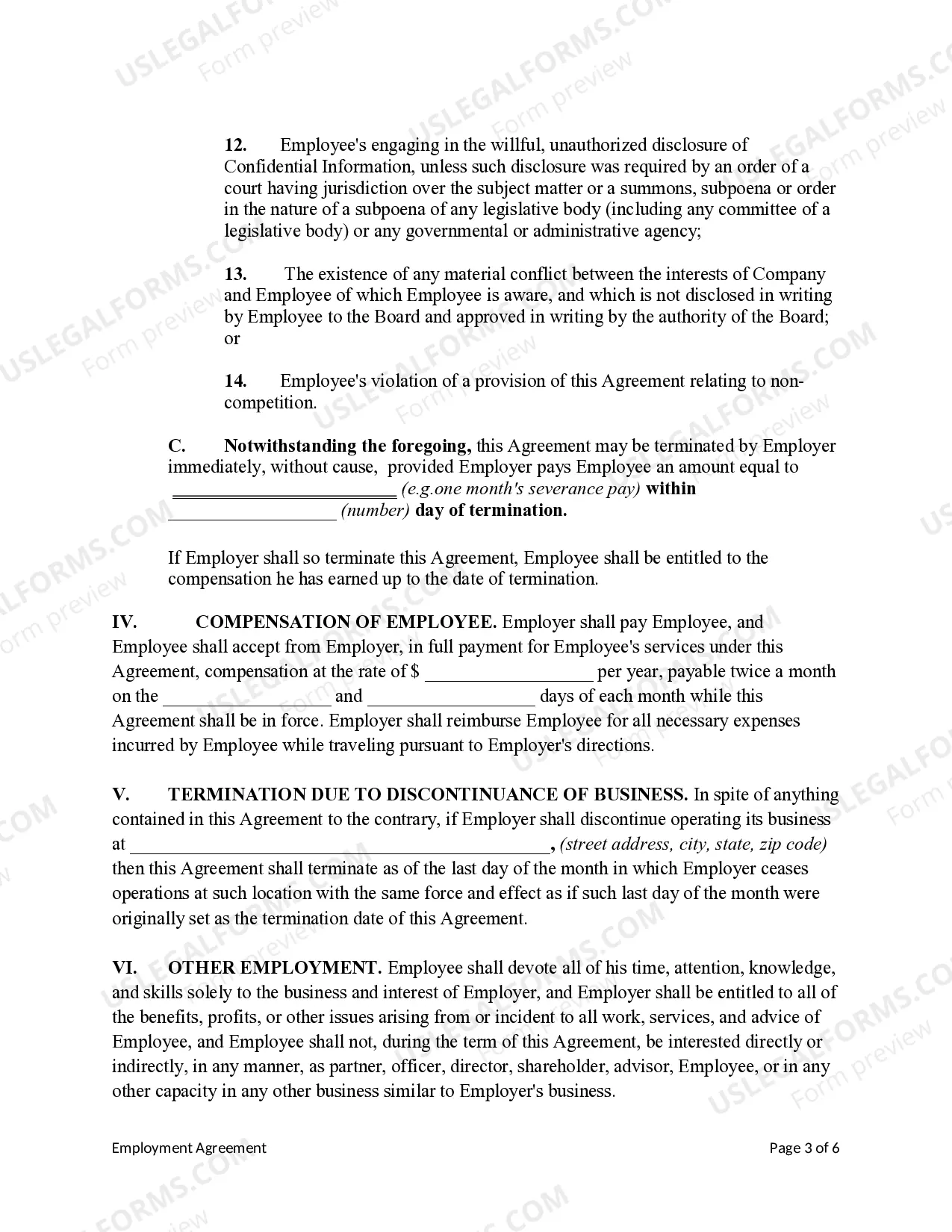
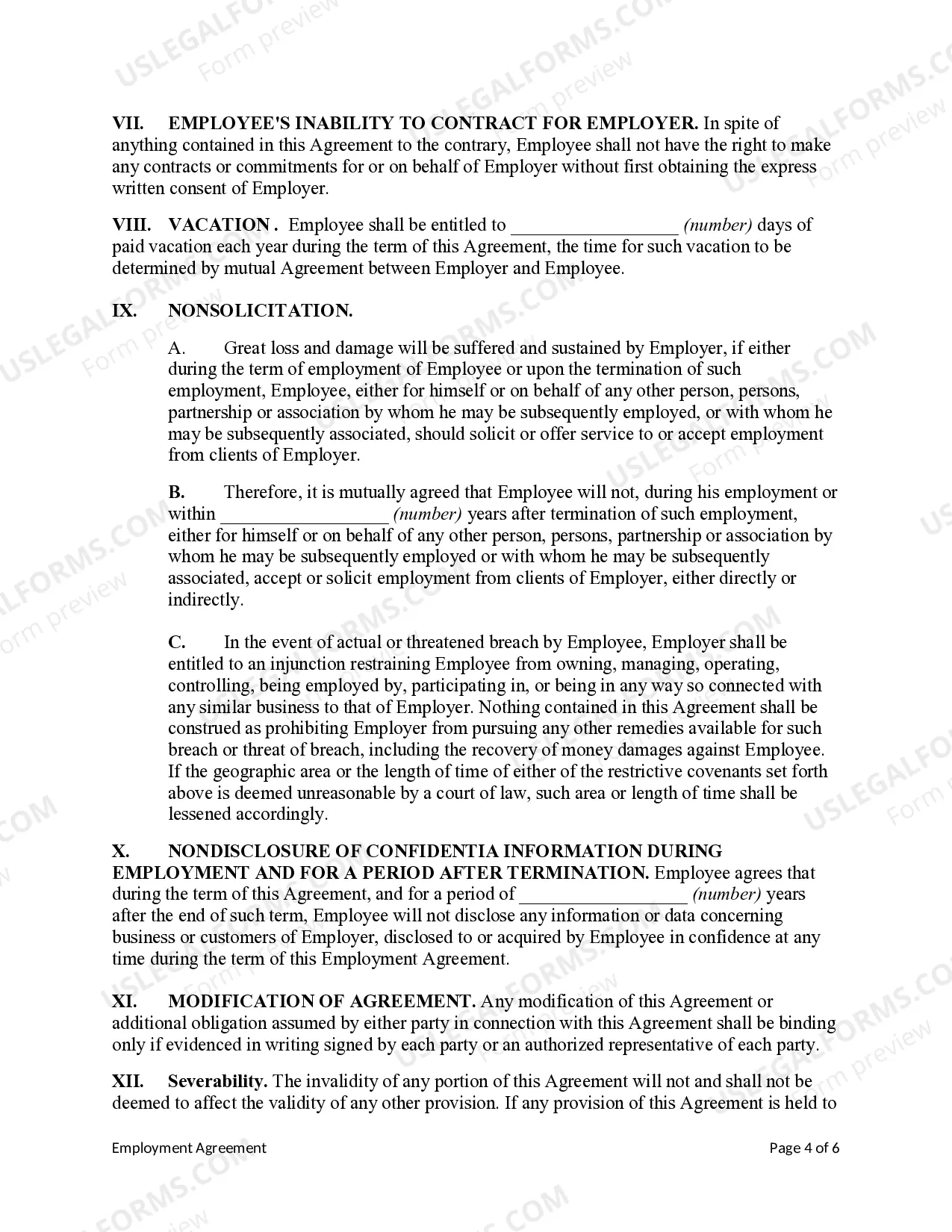
Clinical Trial Agreement With
Description

Get your form ready online
Our built-in tools help you complete, sign, share, and store your documents in one place.
Make edits, fill in missing information, and update formatting in US Legal Forms—just like you would in MS Word.
Download a copy, print it, send it by email, or mail it via USPS—whatever works best for your next step.
Sign and collect signatures with our SignNow integration. Send to multiple recipients, set reminders, and more. Go Premium to unlock E-Sign.
If this form requires notarization, complete it online through a secure video call—no need to meet a notary in person or wait for an appointment.
We protect your documents and personal data by following strict security and privacy standards.

Make edits, fill in missing information, and update formatting in US Legal Forms—just like you would in MS Word.

Download a copy, print it, send it by email, or mail it via USPS—whatever works best for your next step.

Sign and collect signatures with our SignNow integration. Send to multiple recipients, set reminders, and more. Go Premium to unlock E-Sign.

If this form requires notarization, complete it online through a secure video call—no need to meet a notary in person or wait for an appointment.

We protect your documents and personal data by following strict security and privacy standards.
Looking for another form?








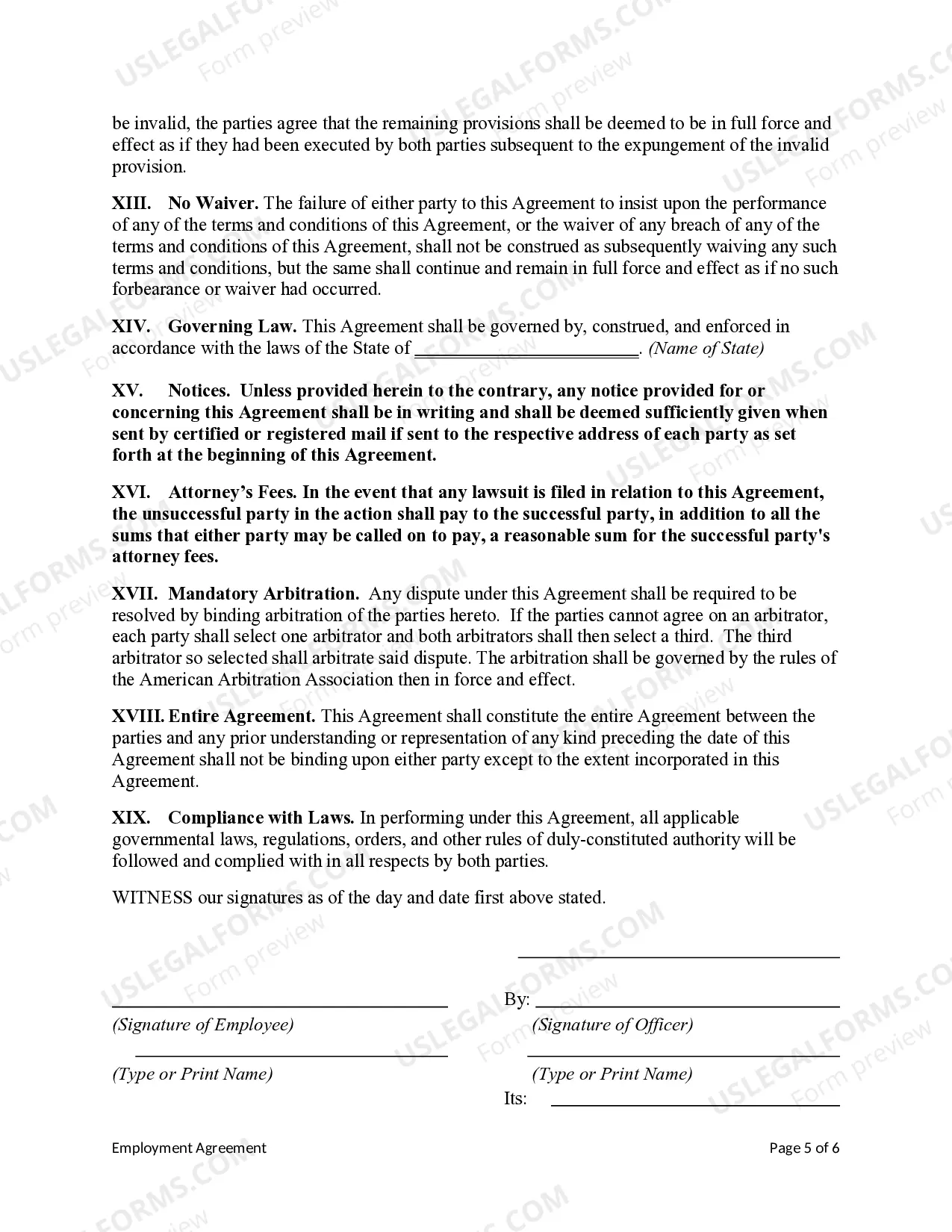
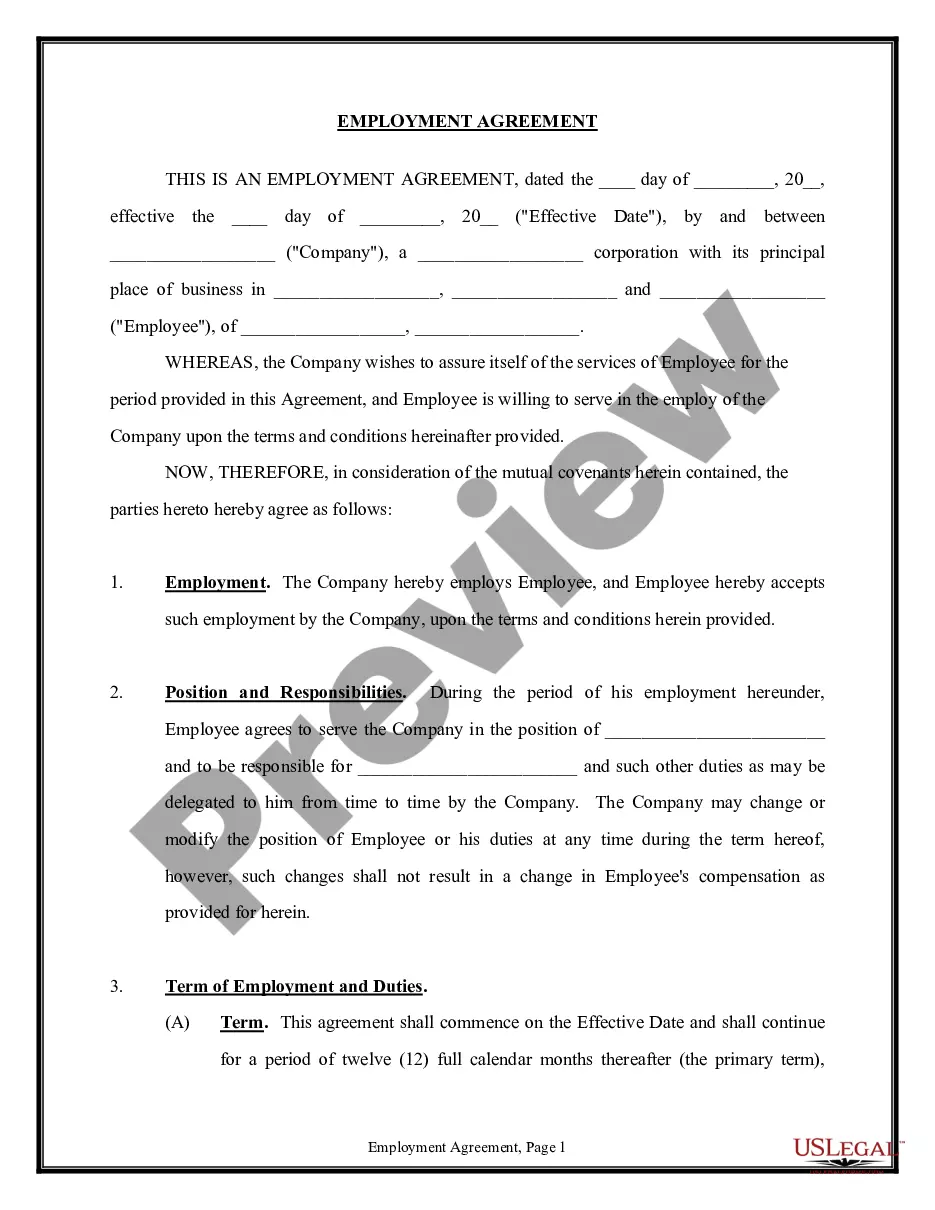
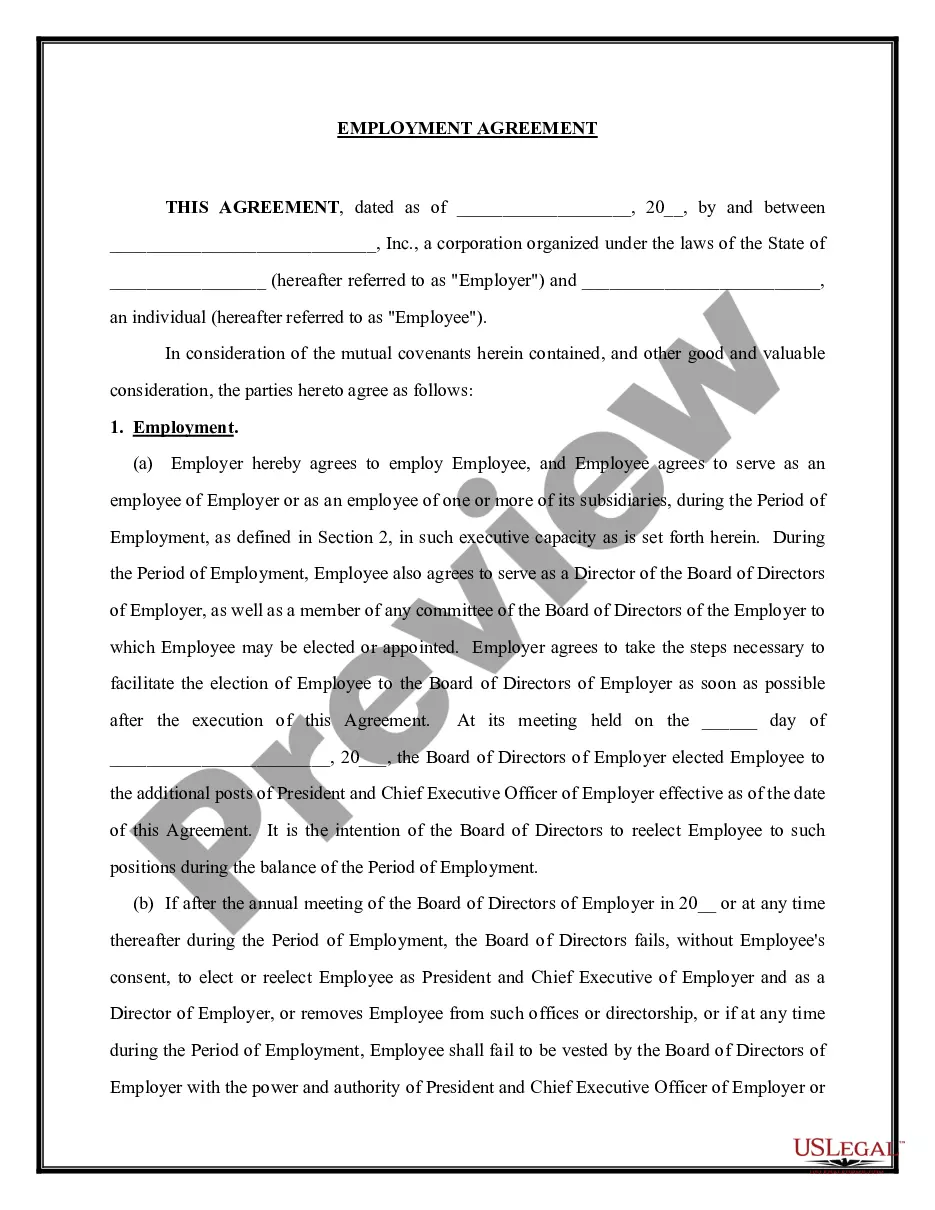
How to fill out Employment Agreement - Clinical Research Coordinator And Clinical Trial Firm?
Individuals typically link legal documentation with something intricate that only an expert can manage.
In a way, this is accurate, as creating a Clinical Trial Agreement With requires substantial expertise in subject standards, comprising state and local laws.
However, with US Legal Forms, everything has become more straightforward: ready-to-use legal templates for any life and business circumstance tailored to state regulations are compiled in a single online directory and are now accessible to everyone.
All templates in our collection are reusable: once acquired, they remain stored in your account. You can access them whenever necessary through the My documents tab. Explore all advantages of utilizing the US Legal Forms platform. Subscribe today!
- Review the page content carefully to ensure it meets your requirements.
- Examine the form details or validate it through the Preview option.
- Look for another example using the Search bar in the header if the previous one doesn't meet your needs.
- Press Buy Now once you locate the appropriate Clinical Trial Agreement With.
- Choose a subscription option that aligns with your needs and financial plan.
- Create an account or Log In to proceed to the payment screen.
- Make your payment for the subscription via PayPal or using your credit card.
- Select the format for your template and click Download.
- Print your document or upload it to an online editor for faster completion.
Form popularity
FAQ
A clinical trials agreement should describe and acknowledge responsibilities, terms of collaboration, requirements for payment and reimbursement, publication and intellectual property terms, indemnification and or insurance, subject injury coverage, guidelines for dispute resolution, grounds for termination of contract
Back To News. CTAs are one of several key documents that govern the conduct of clinical trials. They serve as a legally binding contract between a sponsor, site, and researcher, and outline each party's responsibilities and obligations for the clinical trial.
CTAs are one of several key documents that govern the conduct of clinical trials. They serve as a legally binding contract between a sponsor, site, and researcher, and outline each party's responsibilities and obligations for the clinical trial.
Once the investigators and institutions have been identified and selected, the sponsor must enter into a legal agreement or contract with the site, where the trial is to be conducted. This is most often referred to as a Clinical Trial Agreement.
The essential documents for clinical trials are the following: Investigator's Brochure. Clinical Study Protocol. Subject Information and Informed Consent Form....CLINICAL STUDY PROTOCOLStudy Plan.Study schedule.Study Visits.Study Assessments / Procedures.Definition of efficacy endpoints.Treatment cycles.