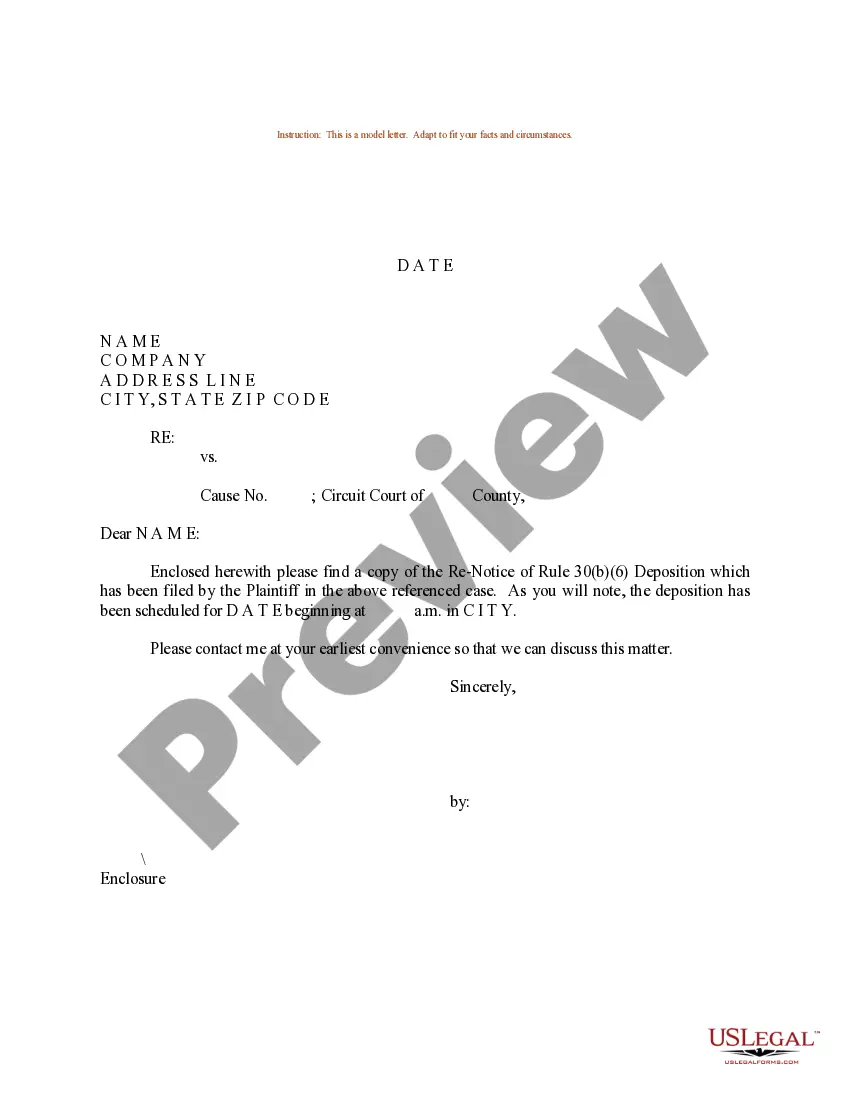
Sample Deposition Letter For Plaintiff Personal Injury
Description
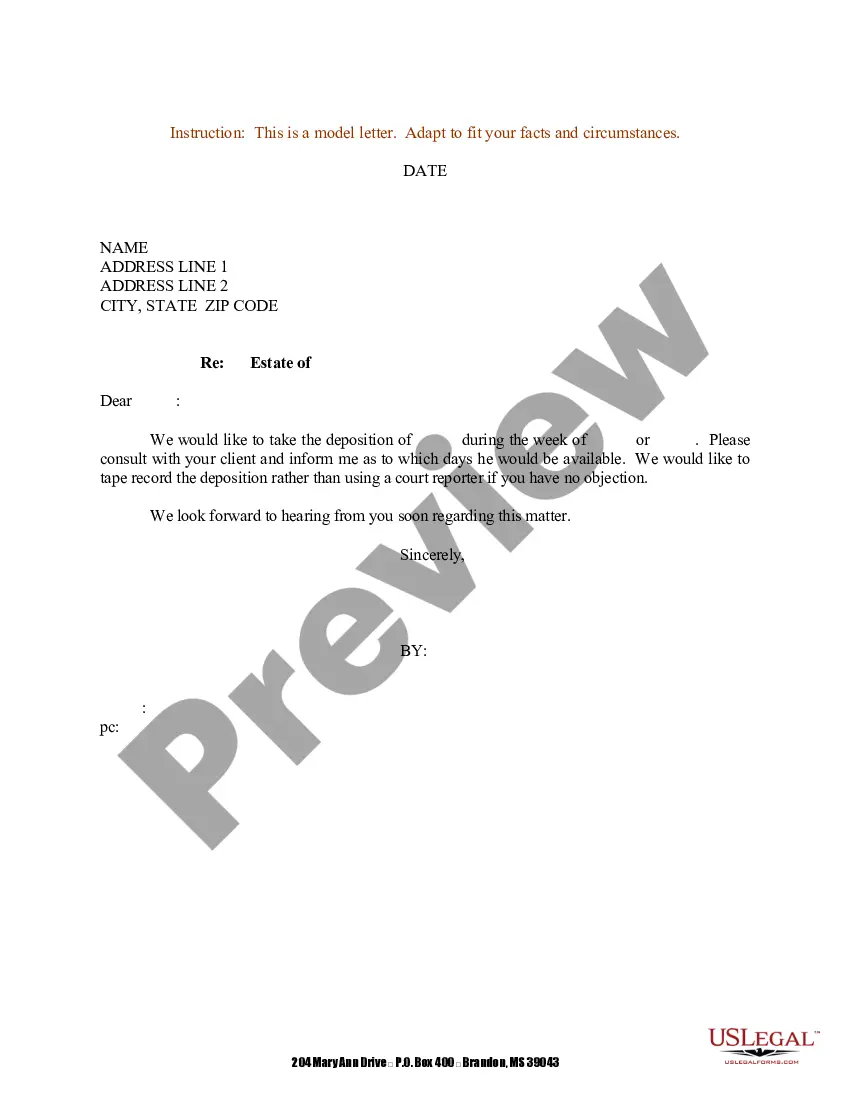
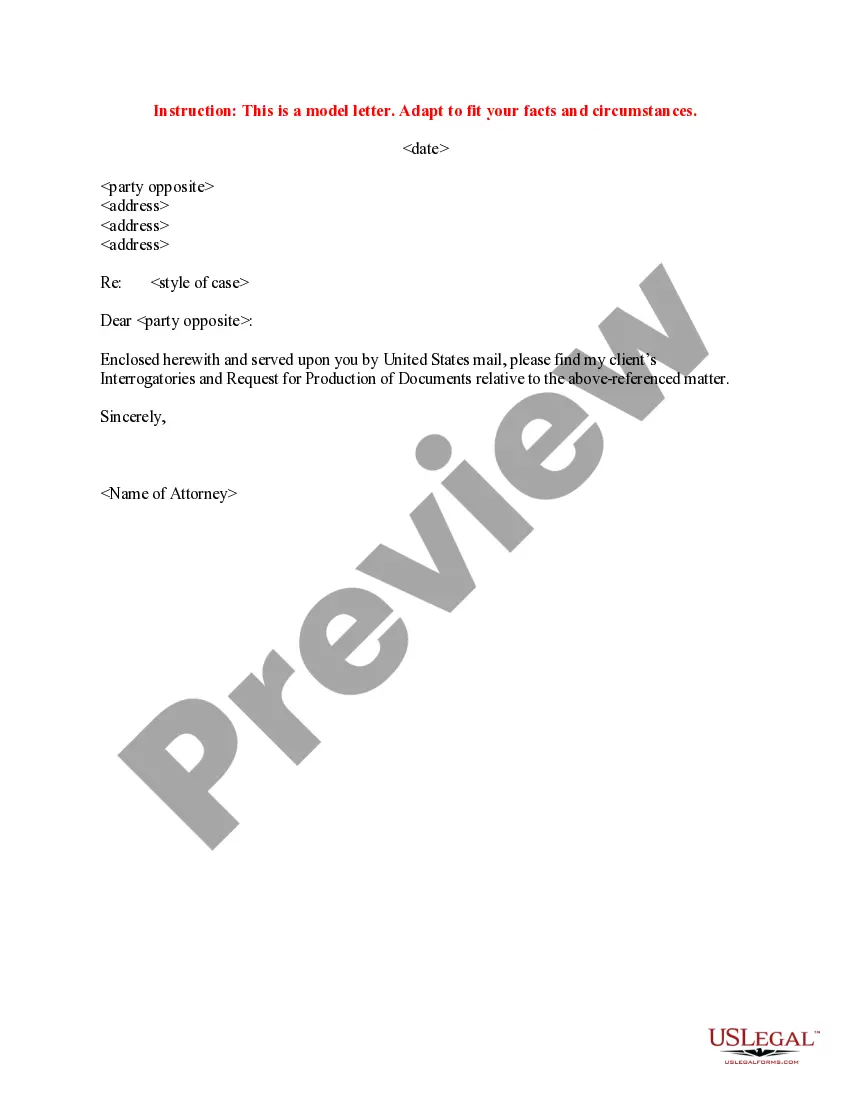
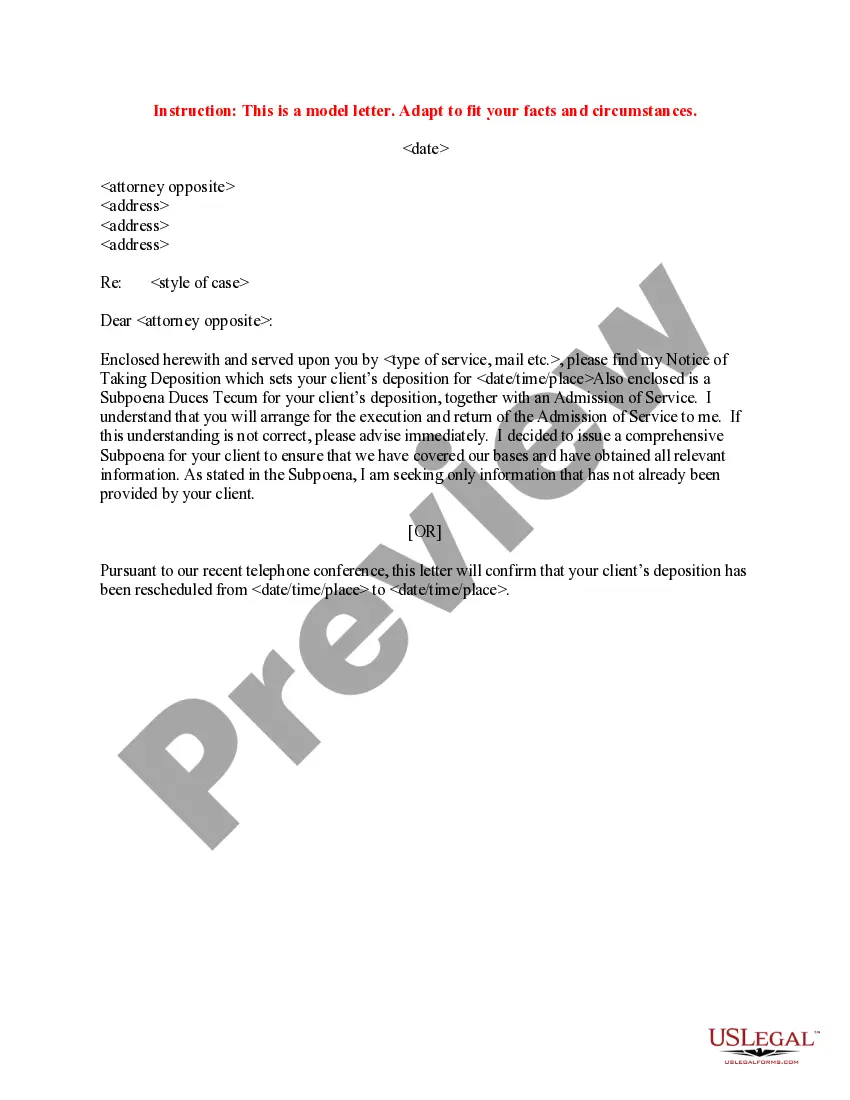
Get your form ready online
Our built-in tools help you complete, sign, share, and store your documents in one place.
Make edits, fill in missing information, and update formatting in US Legal Forms—just like you would in MS Word.
Download a copy, print it, send it by email, or mail it via USPS—whatever works best for your next step.
Sign and collect signatures with our SignNow integration. Send to multiple recipients, set reminders, and more. Go Premium to unlock E-Sign.
If this form requires notarization, complete it online through a secure video call—no need to meet a notary in person or wait for an appointment.
We protect your documents and personal data by following strict security and privacy standards.
Make edits, fill in missing information, and update formatting in US Legal Forms—just like you would in MS Word.
Download a copy, print it, send it by email, or mail it via USPS—whatever works best for your next step.
Sign and collect signatures with our SignNow integration. Send to multiple recipients, set reminders, and more. Go Premium to unlock E-Sign.

If this form requires notarization, complete it online through a secure video call—no need to meet a notary in person or wait for an appointment.
We protect your documents and personal data by following strict security and privacy standards.
Looking for another form?
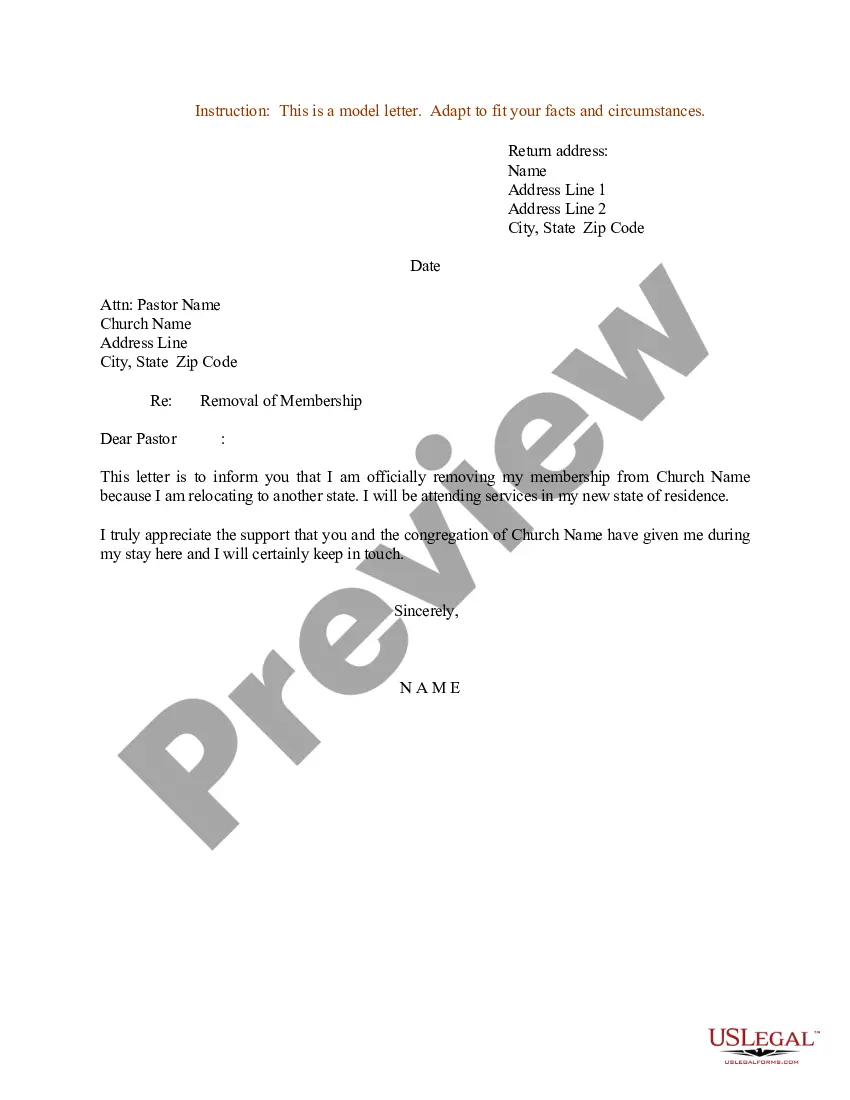
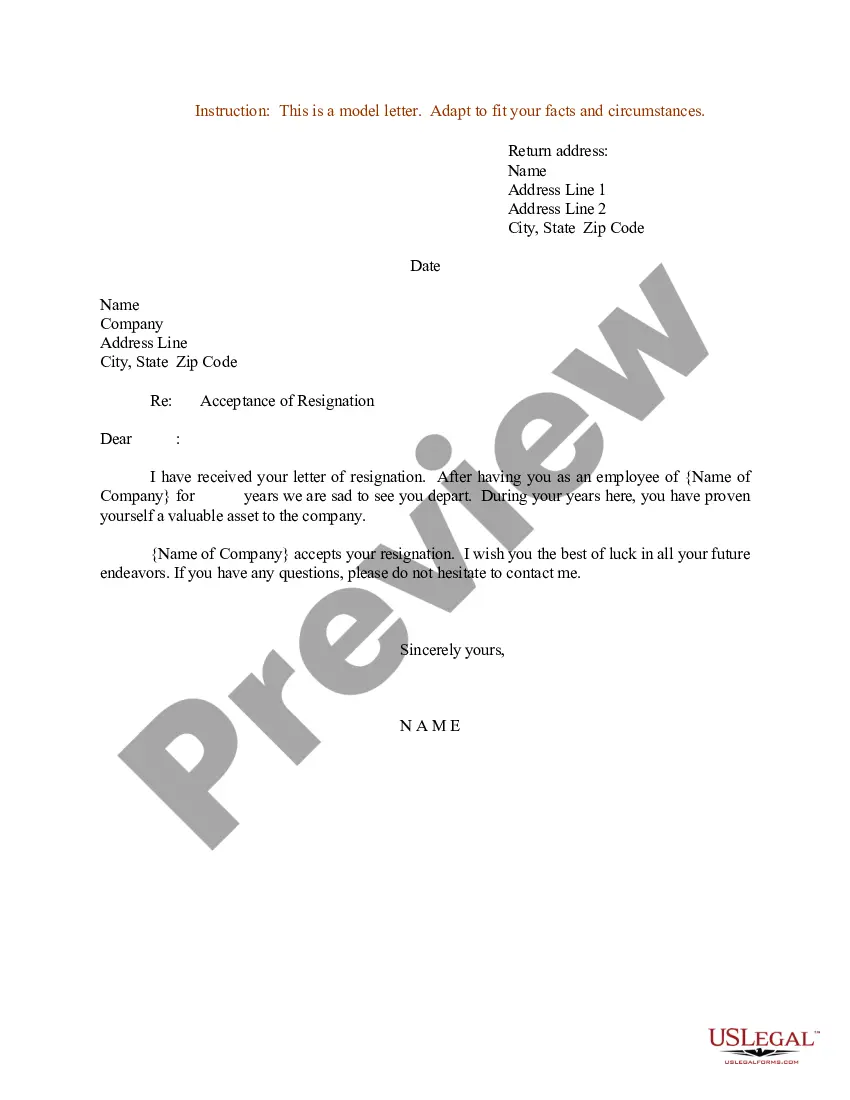
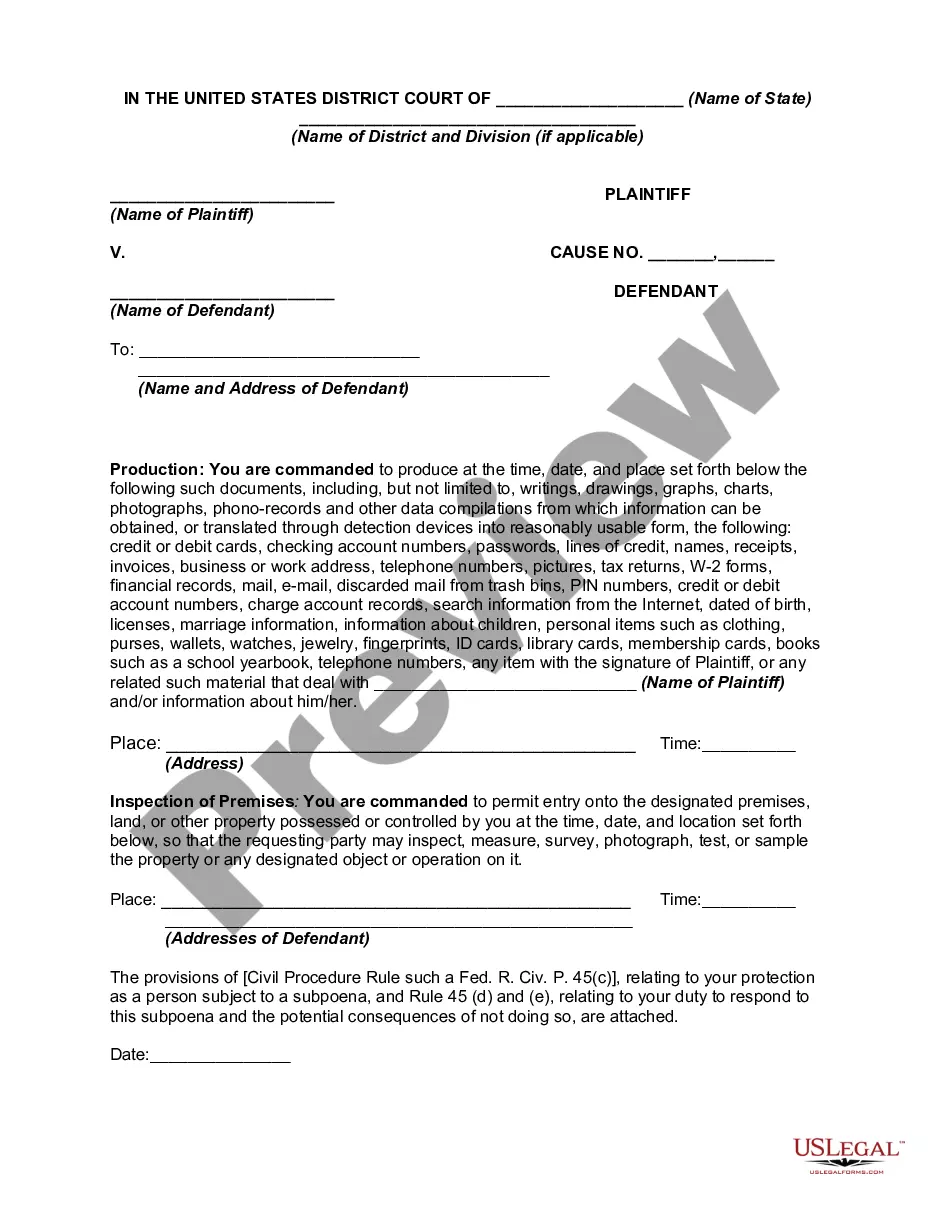
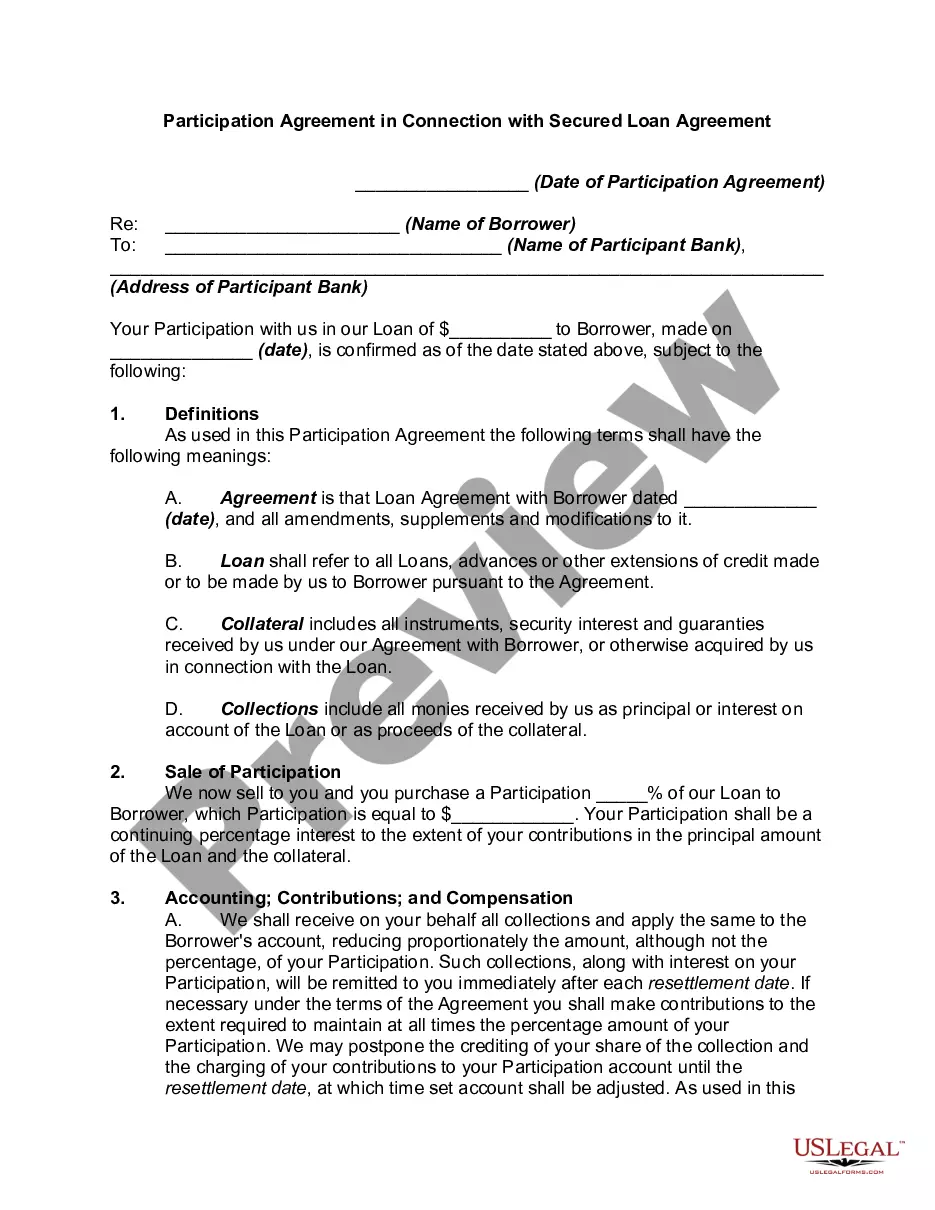
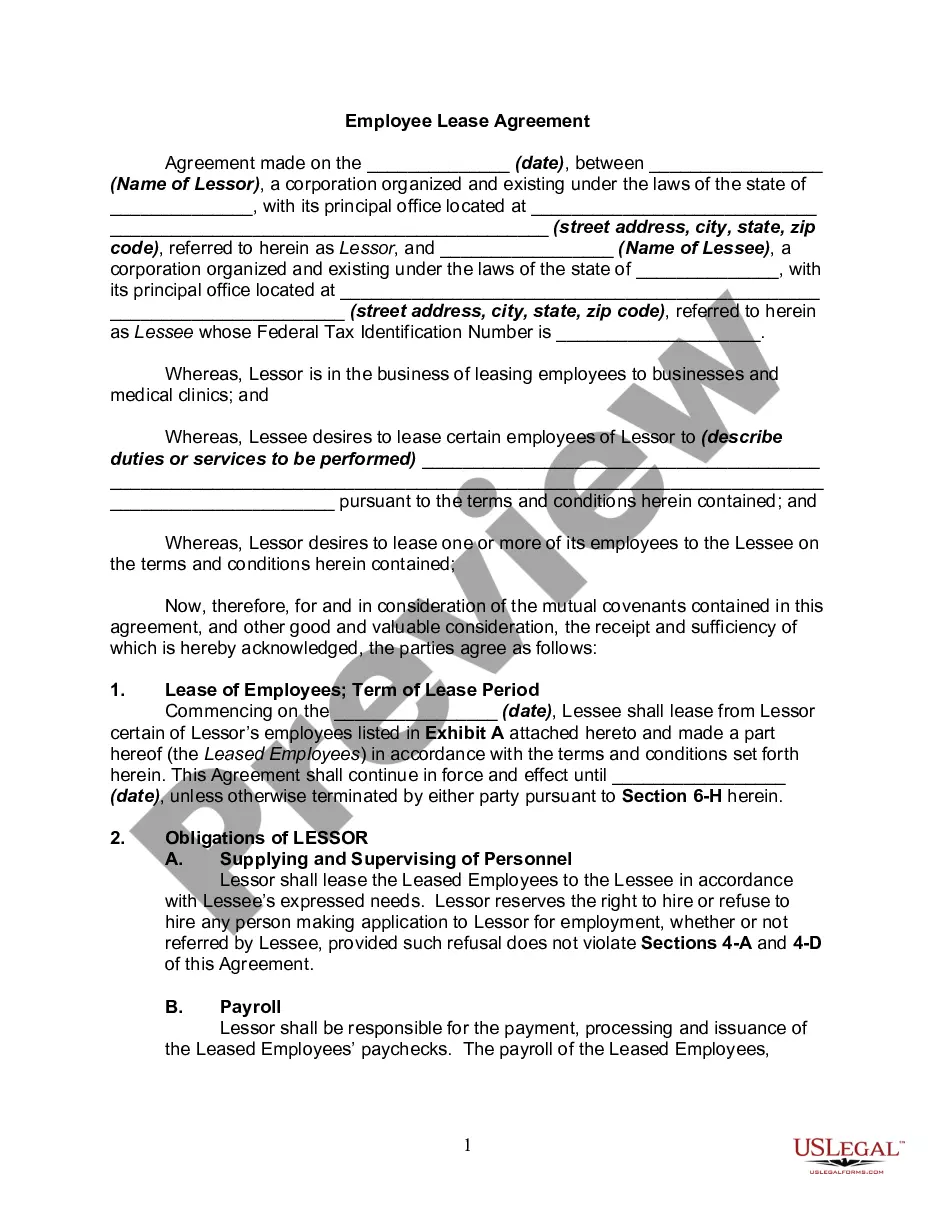
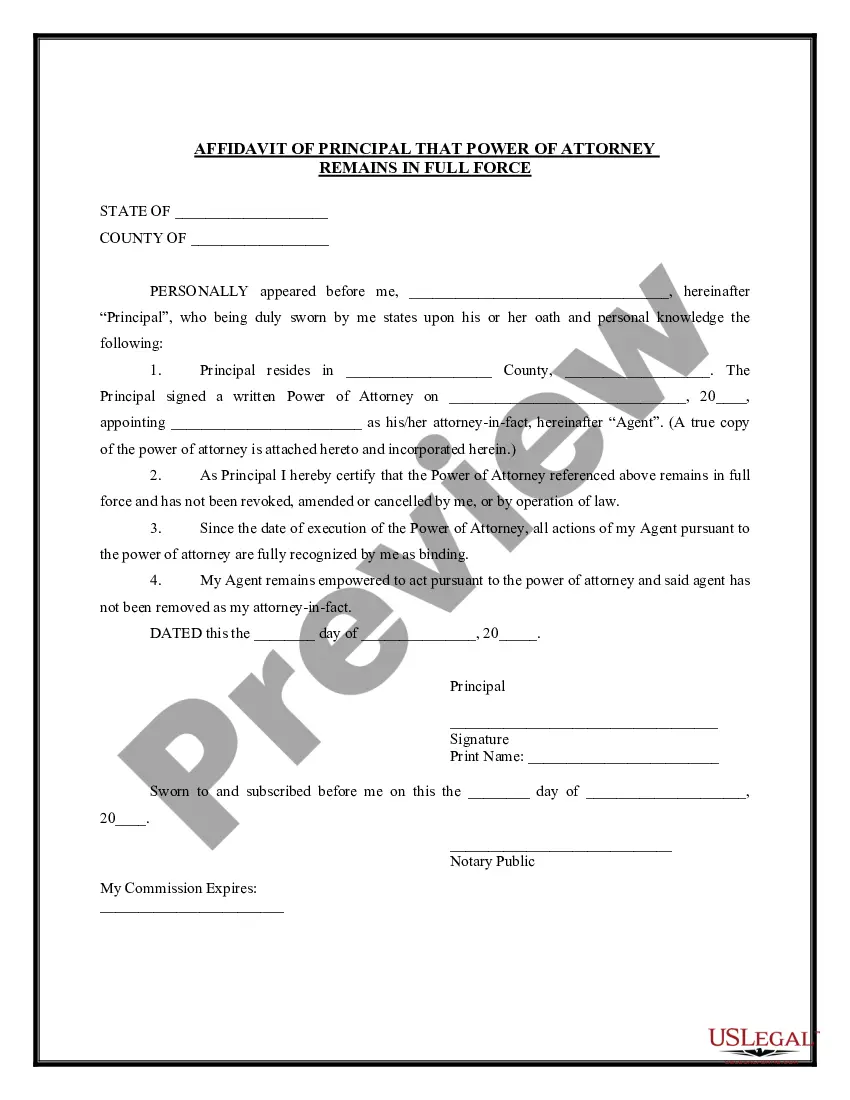
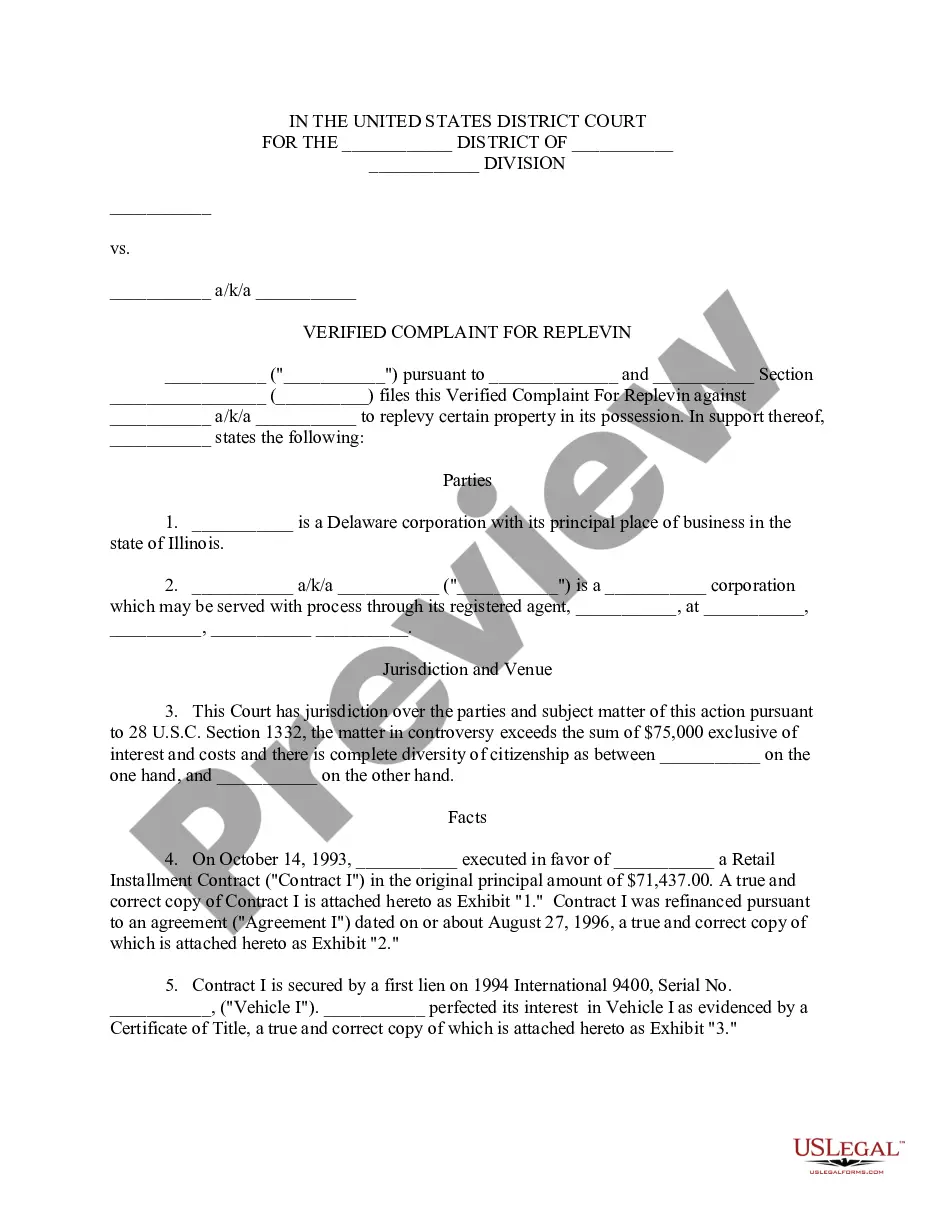
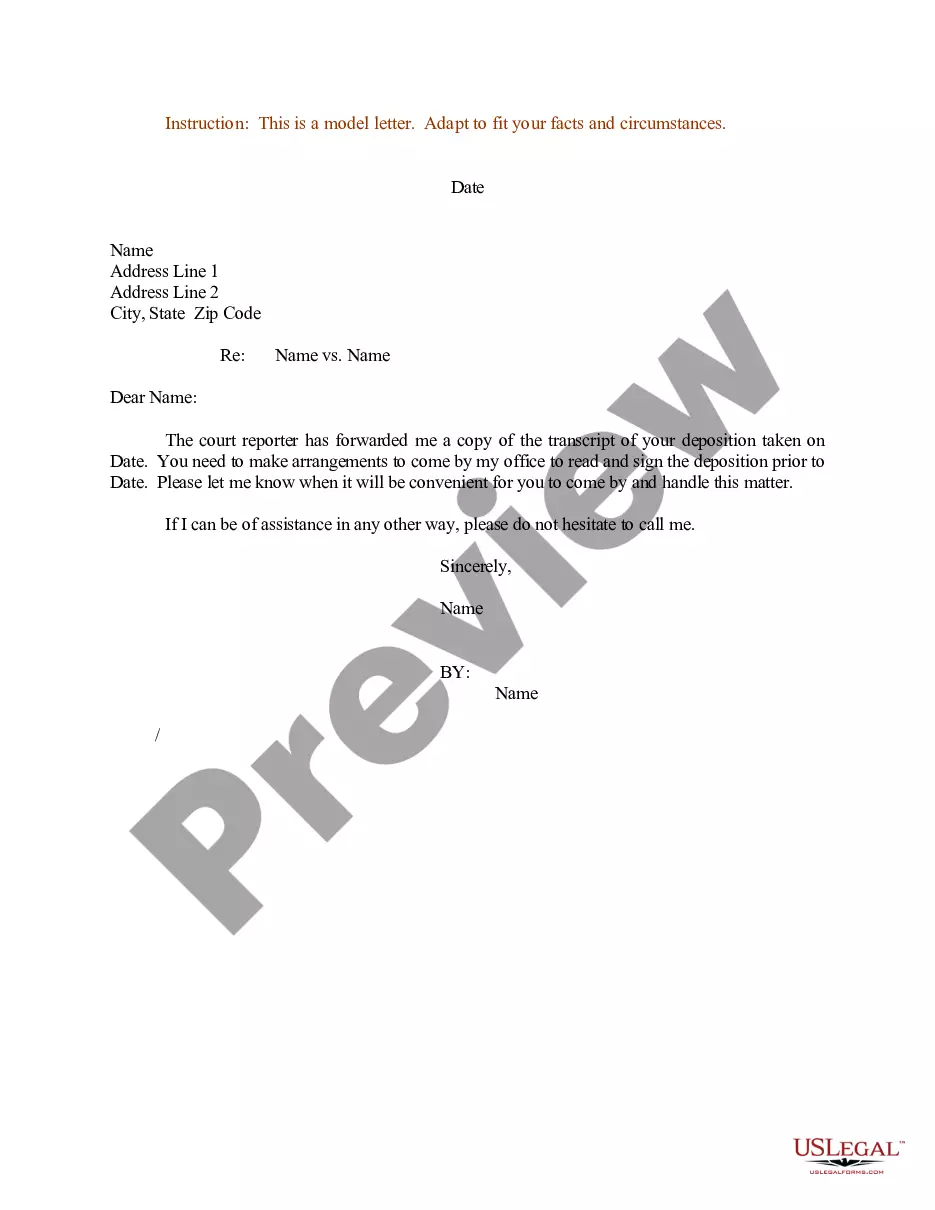
How to fill out Sample Letter Regarding Notice Of Deposition - Discovery?
Whether for commercial objectives or personal affairs, everyone must handle legal matters at some point in their lives. Completing legal documents necessitates meticulous attention, starting from selecting the appropriate form template.
For instance, if you select an incorrect version of the Sample Deposition Letter For Plaintiff Personal Injury, it will be rejected when you submit it. Therefore, it is crucial to secure a trustworthy source of legal documents like US Legal Forms.
With a comprehensive US Legal Forms catalog available, you never have to waste time searching for the suitable template online. Take advantage of the library’s straightforward navigation to find the correct template for any circumstance.
- Locate the template you require using the search field or catalog browsing.
- Review the form’s details to confirm it aligns with your situation, state, and county.
- Click on the form’s preview to examine it.
- If it is the wrong document, return to the search function to find the Sample Deposition Letter For Plaintiff Personal Injury template you need.
- Download the template when it satisfies your requirements.
- If you already have a US Legal Forms account, click Log in to access previously saved documents in My documents.
- If you do not have an account yet, you can download the form by clicking Buy now.
- Select the appropriate pricing option.
- Complete the profile registration form.
- Choose your payment method: use a credit card or PayPal account.
- Select the document format you desire and download the Sample Deposition Letter For Plaintiff Personal Injury.
- Once saved, you can fill out the form using editing software or print it and complete it by hand.
Form popularity
FAQ
Writing a letter for a personal injury claim involves several key steps. First, clearly state your intention to file a claim and include details about the incident that caused your injury. Next, provide a concise account of your injuries, medical treatments, and any expenses incurred. To assist you, consider using a sample deposition letter for plaintiff personal injury from US Legal Forms, which offers templates that can guide you in crafting a professional and effective letter.
To write a strong settlement letter, begin by clearly stating the facts of your personal injury case and the compensation you seek. Be concise, yet thorough in detailing your medical expenses, lost wages, and emotional distress. Highlight the strengths of your case and the evidence supporting your claim. A sample deposition letter for plaintiff personal injury can serve as a valuable reference to ensure your letter is compelling and persuasive.
Writing a deposition letter involves clearly outlining the details of your case and the specific information you wish to obtain. Start with a professional greeting, followed by a brief introduction of your case. Include a list of questions you plan to ask, ensuring they are relevant to your personal injury claim. Utilizing a sample deposition letter for plaintiff personal injury can provide you with a solid framework to craft your letter effectively.
Yes, many personal injury cases settle before reaching the deposition stage. Often, parties may negotiate and reach a settlement to avoid the time and expenses associated with depositions and trials. However, having a well-prepared sample deposition letter for plaintiff personal injury can strengthen your position during negotiations and help you achieve a fair settlement.
Winning a deposition as a plaintiff requires preparation and confidence. Start by reviewing your case details thoroughly, including the evidence and any relevant documents. Practicing your responses can help you anticipate questions, ensuring you deliver clear and concise answers. Additionally, consider using a sample deposition letter for plaintiff personal injury to guide your discussions and present your case effectively.
After a deposition, it may take several weeks to several months to receive a settlement. The length of time required will vary depending on how complicated the case is and how much evidence must be obtained. In most cases, the sooner you have your deposition, the sooner you expect to receive your settlement.
Abstract: The structure of a deposition is often portrayed as a funnel, with the top of the funnel representing open-ended questions used for gathering information. The narrow bottom of the funnel represents the effort to lead the witness into making admissions that help the attorney taking the deposition.
The Types Of Deposition Summaries Generally, you can expect a one page-line summary for every five or more pages of testimony. Page summary is a tool where key points from multiple pages are condensed and organized into two columns. A topical summary comprises three sections: topic, pages, and summary.
It is generally done outside the court and prior to the commencement of the trial. The deposition is an inseparable part of the process of discovery which will allow both the parties involved in a legal tussle to learn all the relevant facts and find out the views of the other side.
The deposition summary should cover the main and relevant points of the deposition only, focusing on the following: Describing a deposition for the insurance client or adjuster. Refreshing recollection of the witness before the hearing or trial. Preparing other depositions of the same case. Preparing additional discovery.