Objection To Deposition Notice With Documents California
Description
Get your form ready online
Our built-in tools help you complete, sign, share, and store your documents in one place.
Make edits, fill in missing information, and update formatting in US Legal Forms—just like you would in MS Word.
Download a copy, print it, send it by email, or mail it via USPS—whatever works best for your next step.
Sign and collect signatures with our SignNow integration. Send to multiple recipients, set reminders, and more. Go Premium to unlock E-Sign.
If this form requires notarization, complete it online through a secure video call—no need to meet a notary in person or wait for an appointment.
We protect your documents and personal data by following strict security and privacy standards.

Make edits, fill in missing information, and update formatting in US Legal Forms—just like you would in MS Word.

Download a copy, print it, send it by email, or mail it via USPS—whatever works best for your next step.

Sign and collect signatures with our SignNow integration. Send to multiple recipients, set reminders, and more. Go Premium to unlock E-Sign.

If this form requires notarization, complete it online through a secure video call—no need to meet a notary in person or wait for an appointment.

We protect your documents and personal data by following strict security and privacy standards.
Looking for another form?
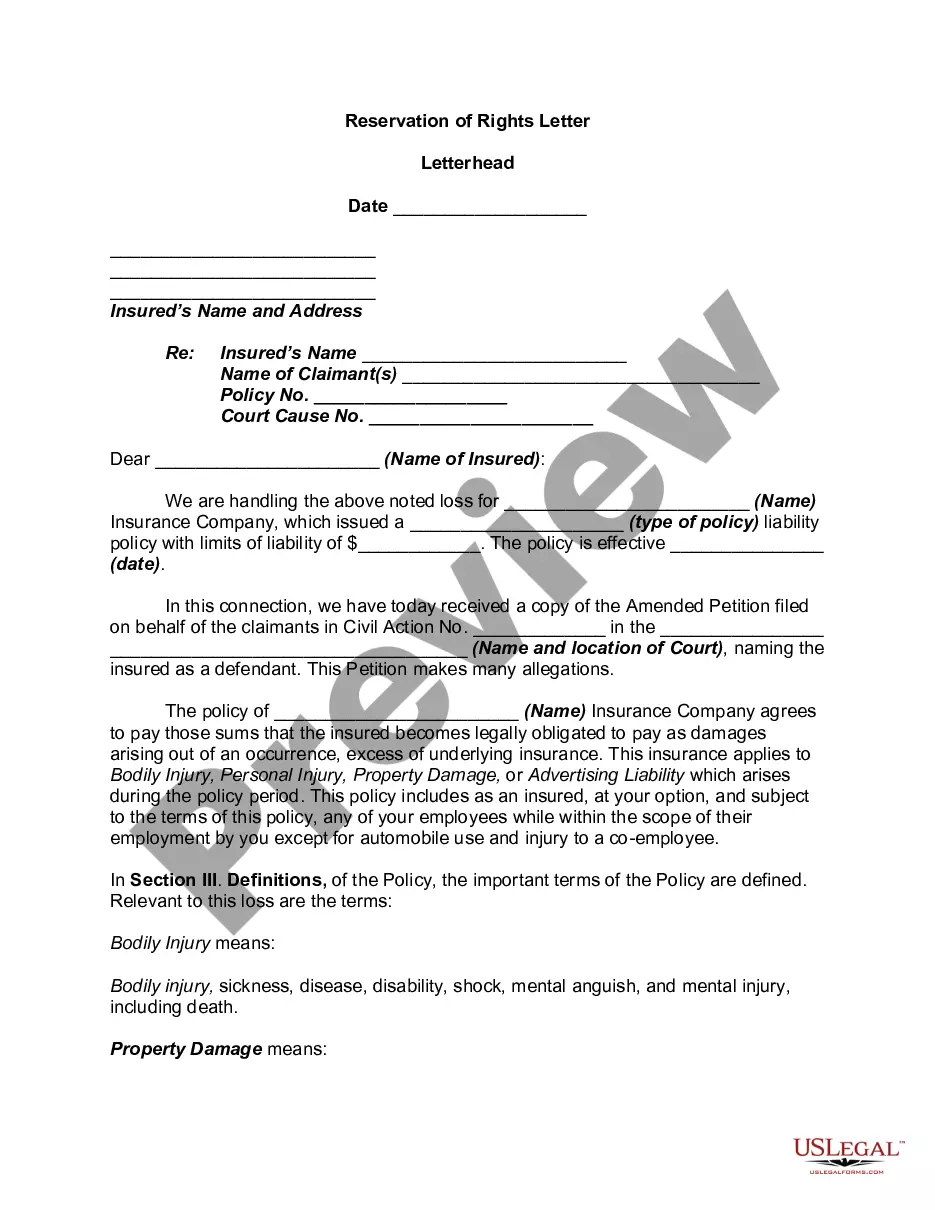

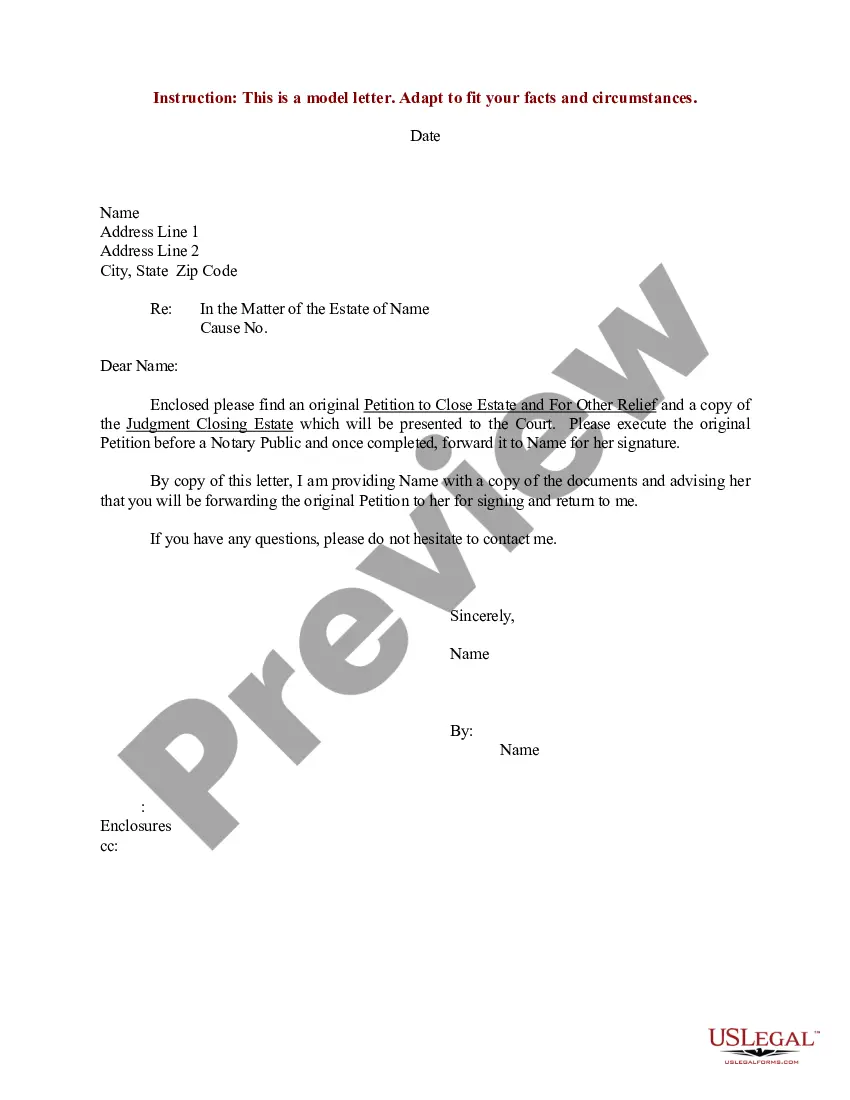
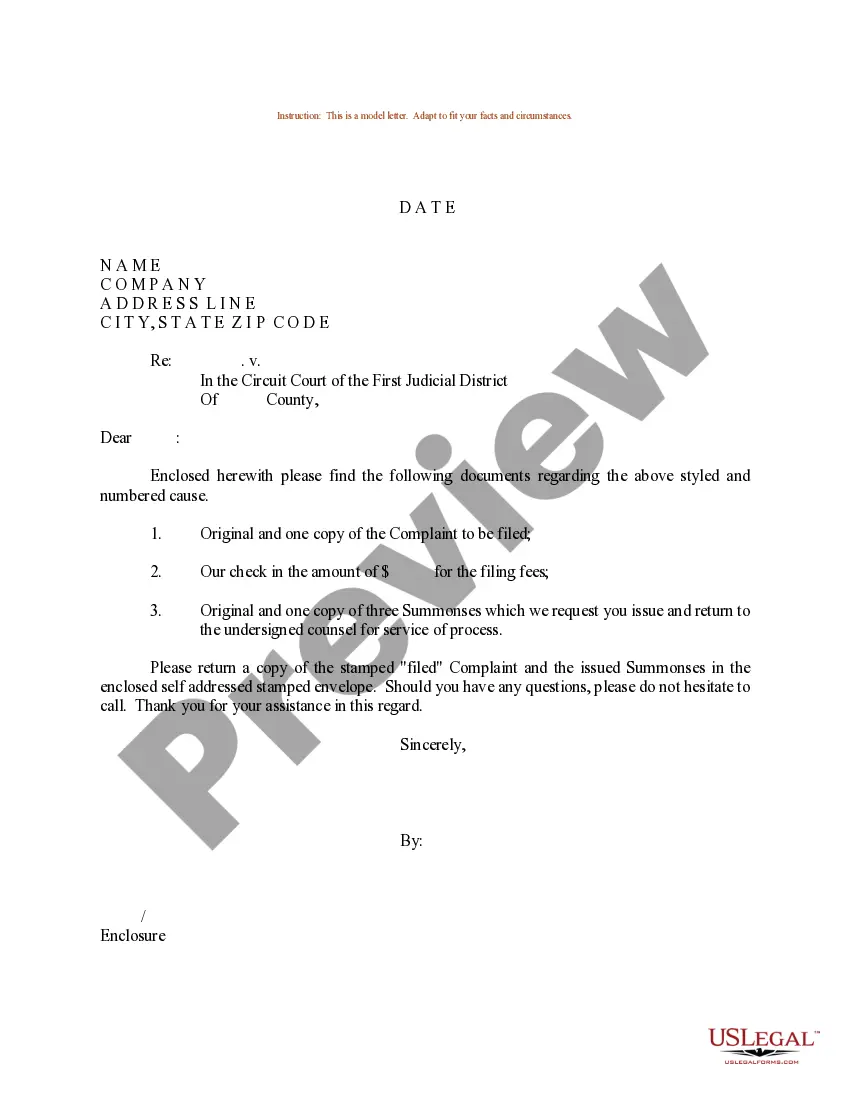
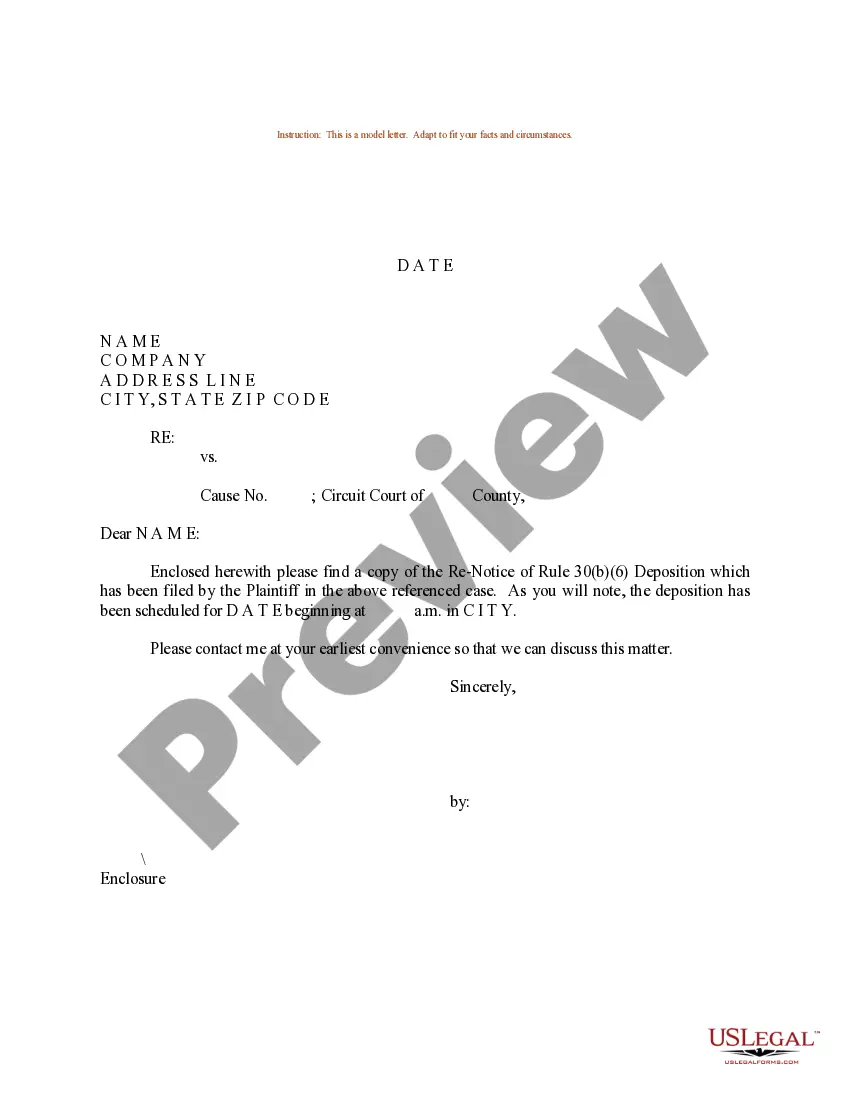
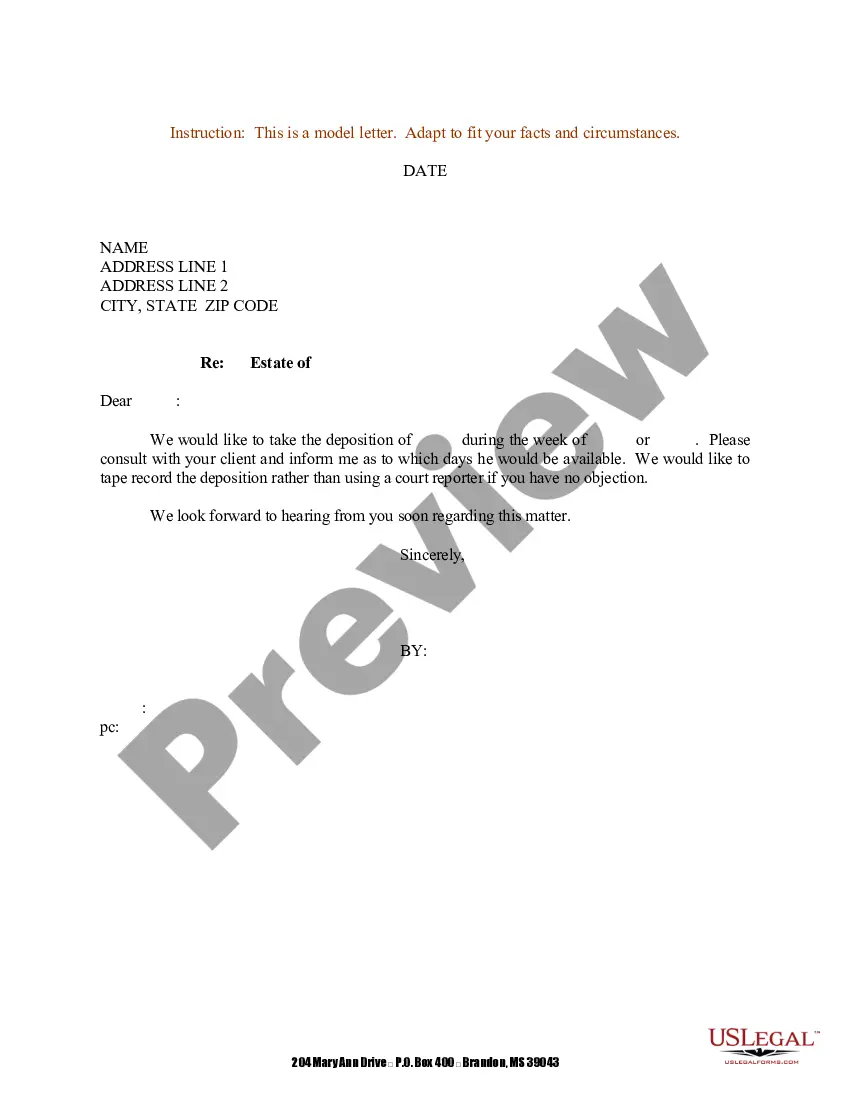
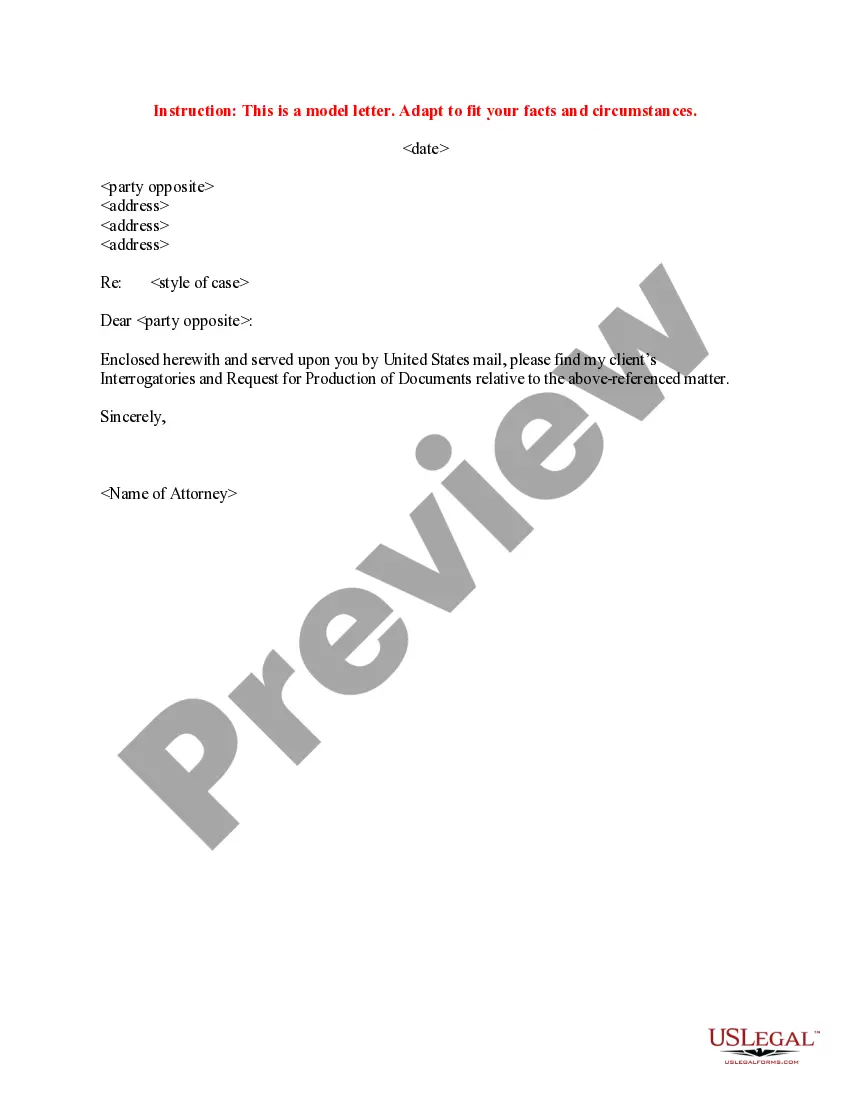
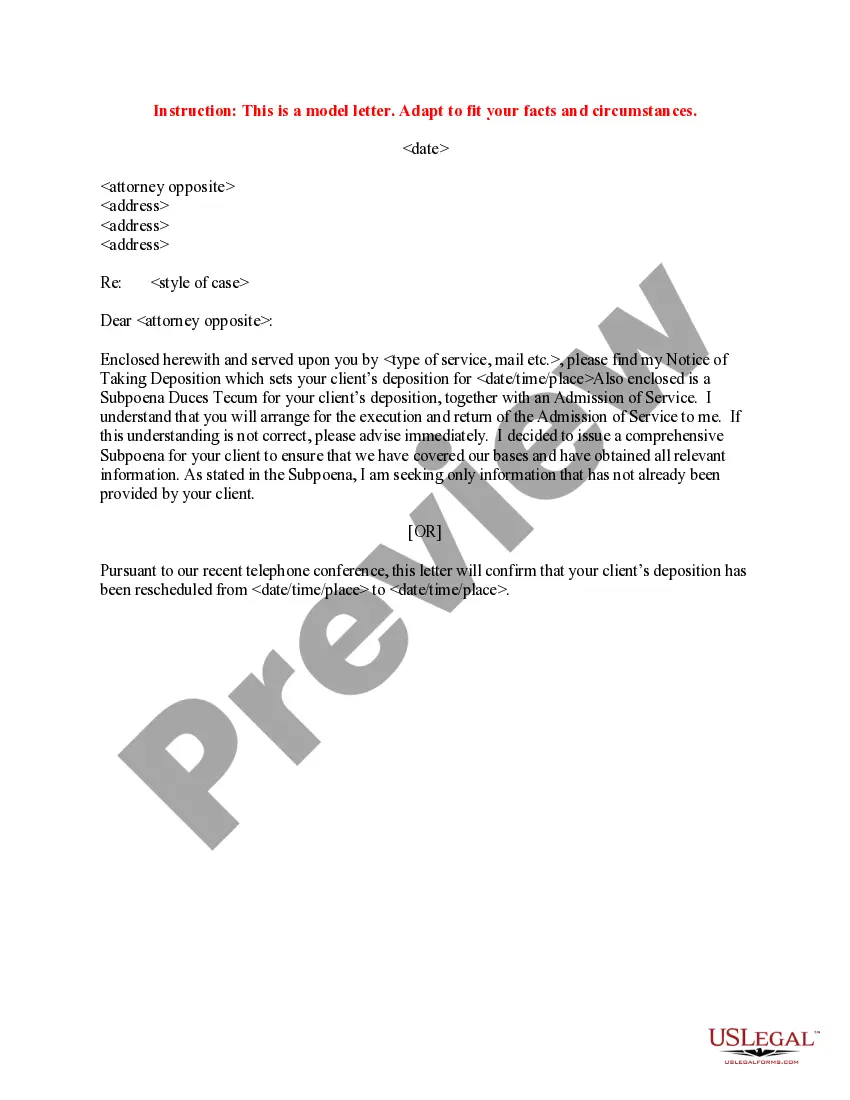
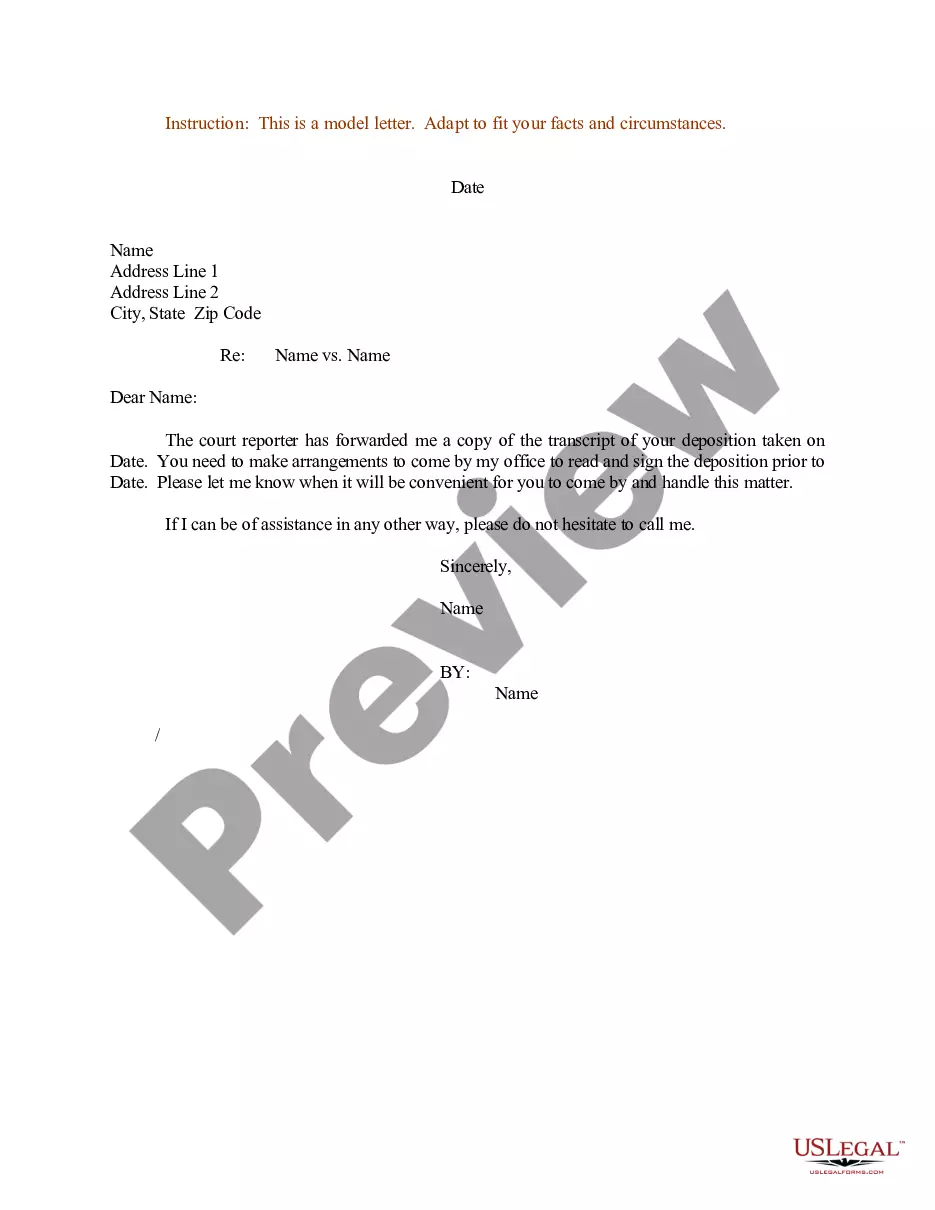
How to fill out Sample Letter Regarding Notice Of Deposition - Discovery?
Engaging with legal documents and procedures can be a lengthy addition to the day.
Challenges to Deposition Notification With Materials California and similar forms frequently necessitate that you locate them and comprehend how to fill them out efficiently.
Consequently, regardless of whether you are managing financial, legal, or personal issues, utilizing a comprehensive and user-friendly online database of forms at your disposal will greatly assist.
US Legal Forms is the premier online platform for legal documents, offering over 85,000 state-specific templates and a wealth of resources to help you complete your forms effortlessly.
Simply Log In to your account, locate Challenges to Deposition Notification With Materials California and download it instantly from the My documents section. You can also access forms you have previously saved.
- Browse through the collection of relevant documents available to you with just one click.
- US Legal Forms provides state- and county-specific documents available anytime for download.
- Secure your document management processes with a high-quality service that allows you to prepare any form in minutes without any extra or concealed costs.
Form popularity
FAQ
In California, specific objections such as hearsay or lack of foundation may be waived if not addressed during the deposition. Failure to raise these objections at the time can limit your legal options later in court. It is crucial to be prepared for depositions and understand the objections available to you. Leveraging platforms like US Legal Forms can guide you through the process of filing an effective objection to deposition notice with documents California.
Yes, objections can be waived if not raised at the time of the deposition in California. When you fail to object to a question during the deposition, you may lose the opportunity to challenge its admissibility later in court. This emphasizes the importance of knowing how to make objections timely and appropriately. Utilizing resources like US Legal Forms can help you navigate complications involving an objection to deposition notice with documents California.
The leading objection in a deposition in California often relates to relevance and admissibility. This objection aims to refuse questions that do not pertain to the case at hand, ultimately ensuring that only pertinent information is discussed. By utilizing valid objections, you can protect your interests during depositions. Understanding how to effectively present an objection to deposition notice with documents California can strengthen your case.
A reasonable notice for a deposition is typically determined by several factors, including the complexity of the case and the availability of the deponent. Generally, a 10 to 15-day notice is considered reasonable, given the need to prepare adequately for the deposition. By understanding the parameters for objections to deposition notices with documents in California, you can ensure that all parties have the necessary time to prepare and comply.
To object to a 30(b)(6) notice, you should clearly state your objections in writing, highlighting the reasons why the notice may be overly broad or burdensome. Additionally, it is crucial to suggest more reasonable alternatives or clarify any misunderstandings regarding the topics outlined. Knowing how to effectively raise objections to deposition notices with documents in California will help you safeguard your rights and streamline the process.
In California, a party must provide at least 10 days' notice prior to scheduling a deposition. However, if the notice includes a request for documents, the required notice extends to 15 days. Familiarizing yourself with the rules surrounding objections to deposition notices with documents in California will ensure you maintain compliance and protect your interests.
The 75 mile rule in California dictates that if a deposition is set outside of this distance from the deponent's residence, they may object to the deposition notice. Furthermore, this rule aims to protect individuals from undue travel burdens. Understanding how to navigate objections to deposition notices with documents in California can help you assert your rights effectively.
The three main objections in a deposition are relevance, hearsay, and privilege. Relevance objections aim to exclude questions that do not pertain to the case. Hearsay objections prevent the introduction of statements made outside the courtroom that are not applicable as evidence. Privilege objections safeguard confidential communications, which can play a critical role, especially while filing an objection to deposition notice with documents in California.
During a deposition, you should avoid providing unnecessary information or speculation in response to questions. It is important to stick to the facts and answer questions with clarity. Additionally, do not argue with the opposing counsel or offer opinions unless explicitly asked. Remember, understanding how to file an objection to deposition notice with documents in California can protect your interests and maintain the focus on relevant information.
Objections in a deposition can be varied and serve different purposes. Common objections include relevance, hearsay, and leading questions, among others. By clearly stating objections, attorneys can protect their clients' interests during the process. When filing an objection to deposition notice with documents in California, it is crucial to understand the grounds for each objection to ensure effective representation.