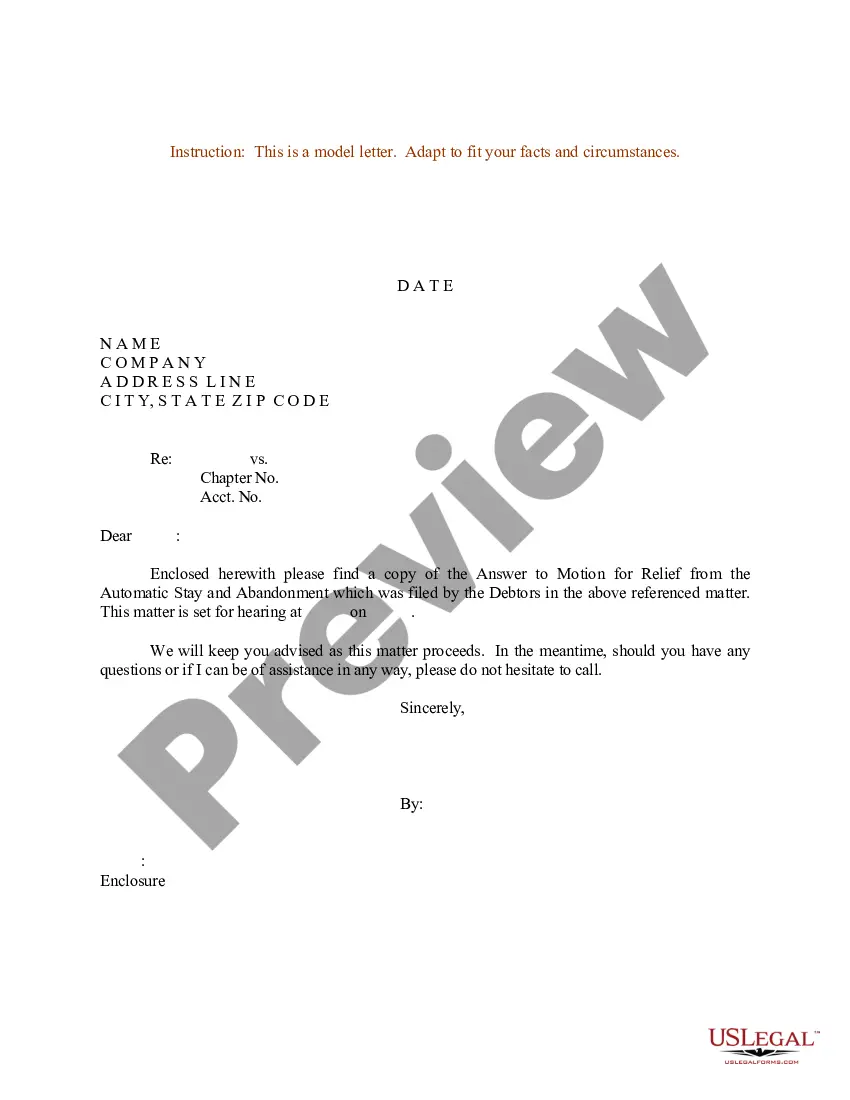
Form Motion For Relief From Automatic Stay
Description
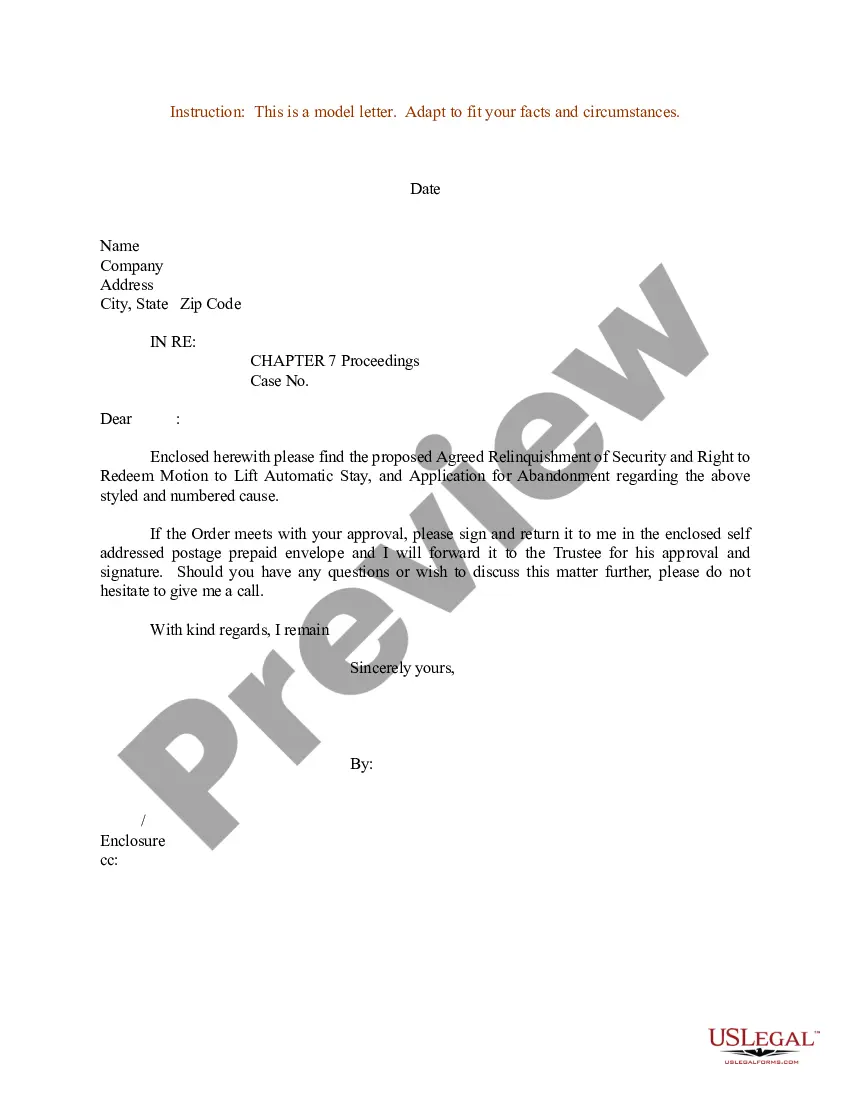
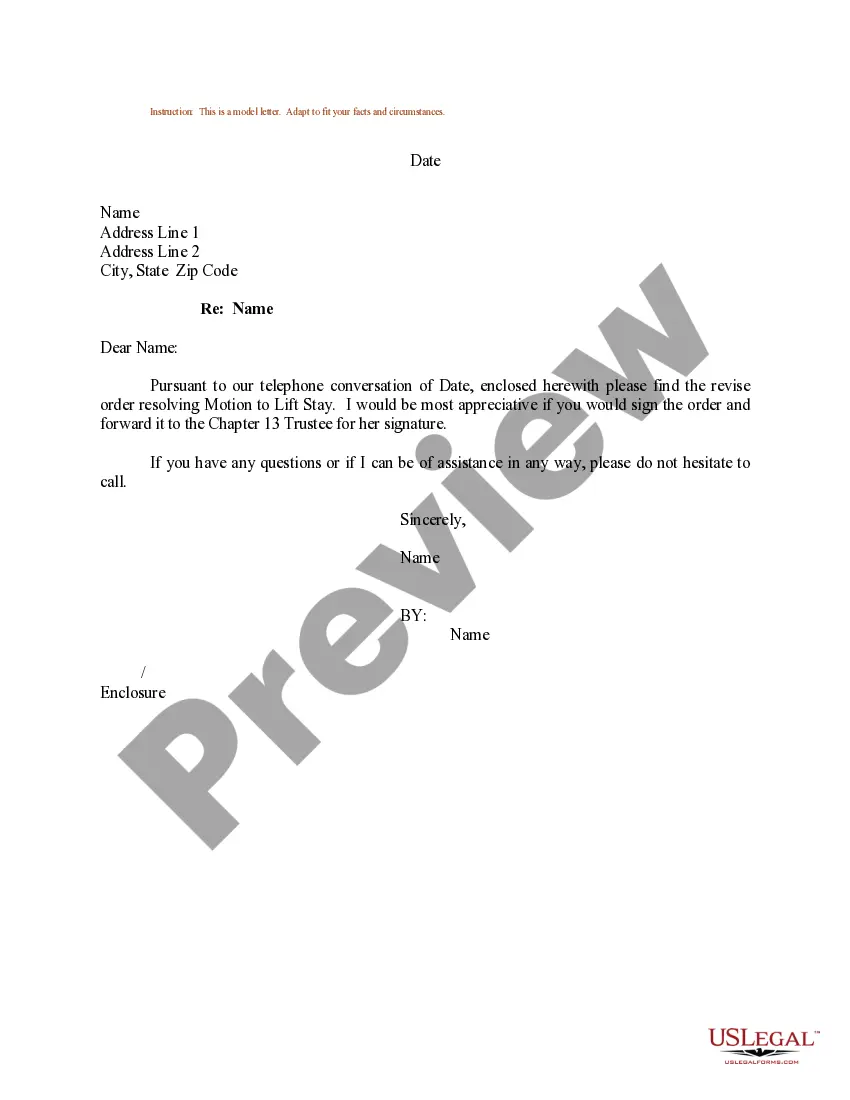
Get your form ready online
Our built-in tools help you complete, sign, share, and store your documents in one place.
Make edits, fill in missing information, and update formatting in US Legal Forms—just like you would in MS Word.
Download a copy, print it, send it by email, or mail it via USPS—whatever works best for your next step.
Sign and collect signatures with our SignNow integration. Send to multiple recipients, set reminders, and more. Go Premium to unlock E-Sign.
If this form requires notarization, complete it online through a secure video call—no need to meet a notary in person or wait for an appointment.
We protect your documents and personal data by following strict security and privacy standards.

Make edits, fill in missing information, and update formatting in US Legal Forms—just like you would in MS Word.

Download a copy, print it, send it by email, or mail it via USPS—whatever works best for your next step.

Sign and collect signatures with our SignNow integration. Send to multiple recipients, set reminders, and more. Go Premium to unlock E-Sign.

If this form requires notarization, complete it online through a secure video call—no need to meet a notary in person or wait for an appointment.

We protect your documents and personal data by following strict security and privacy standards.
Looking for another form?

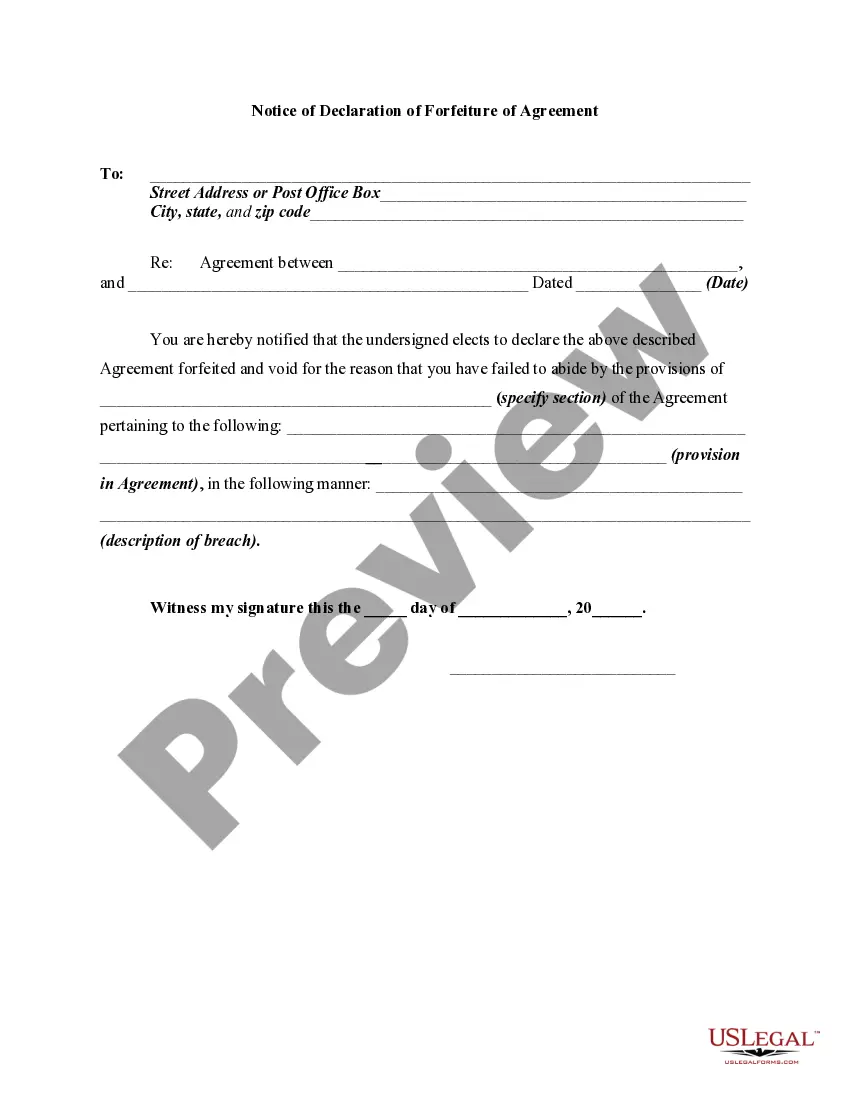
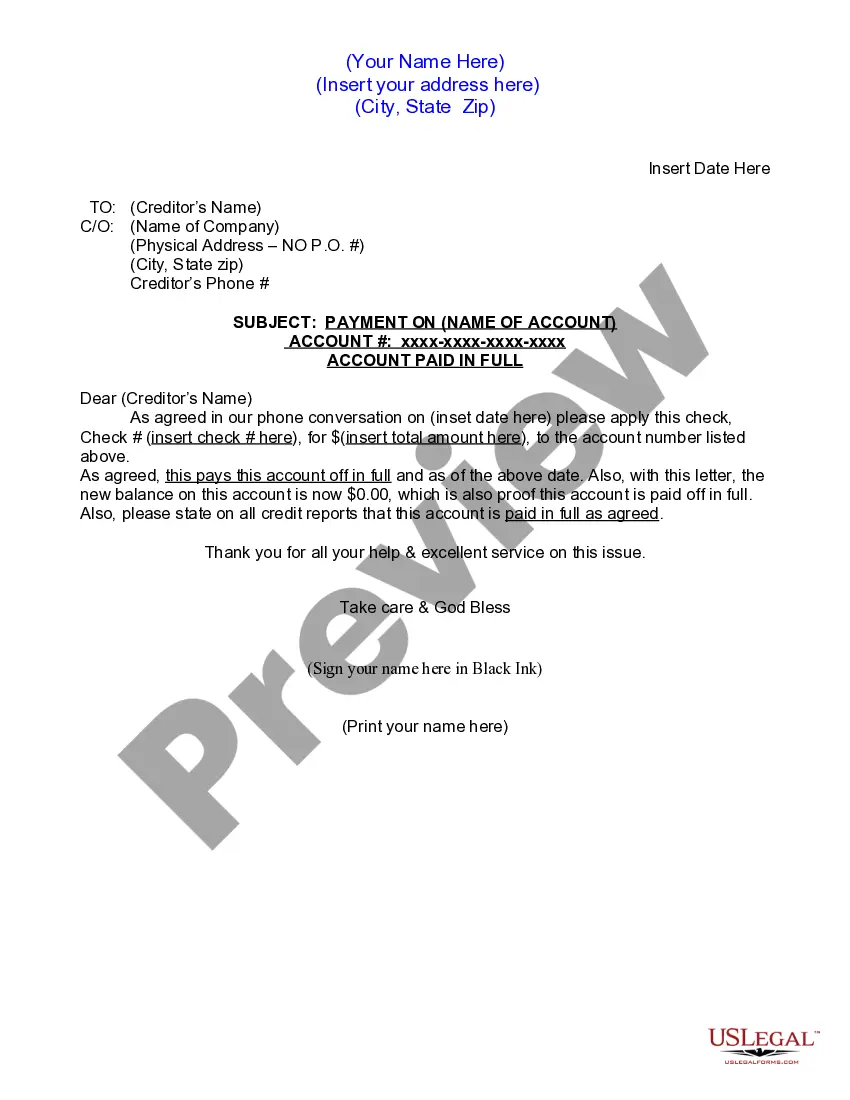
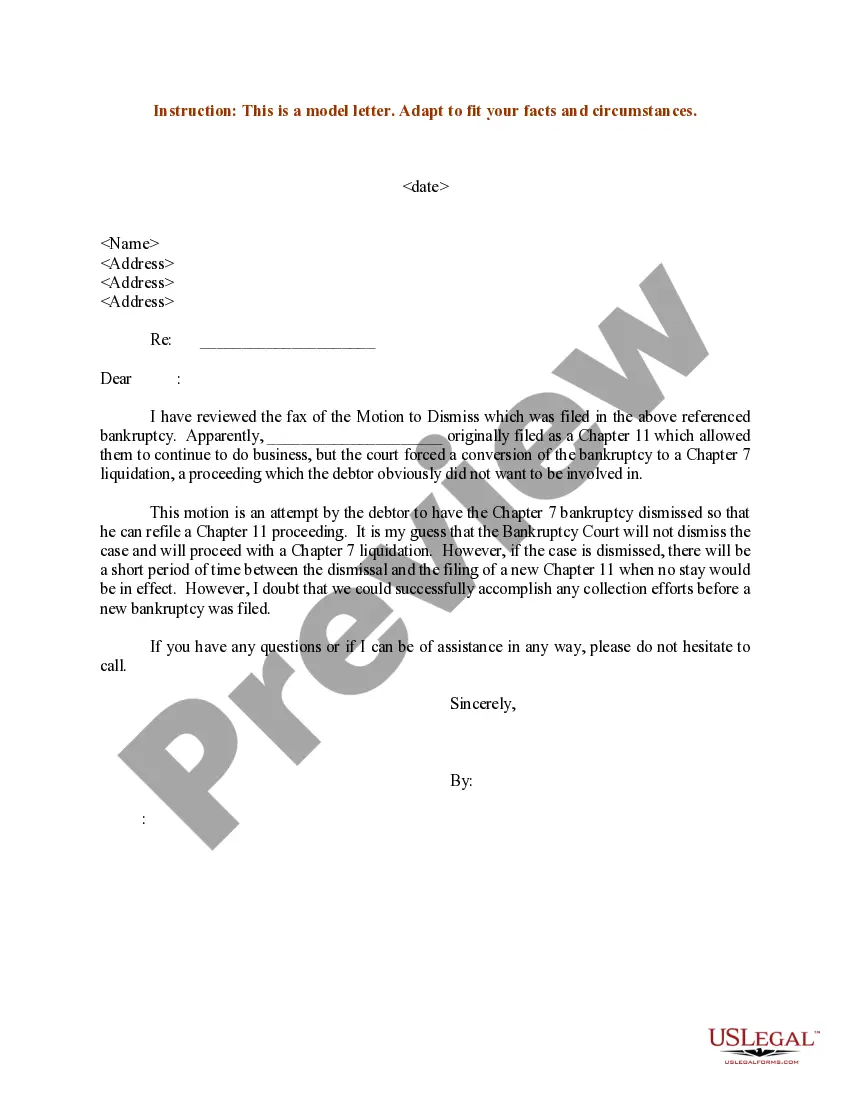
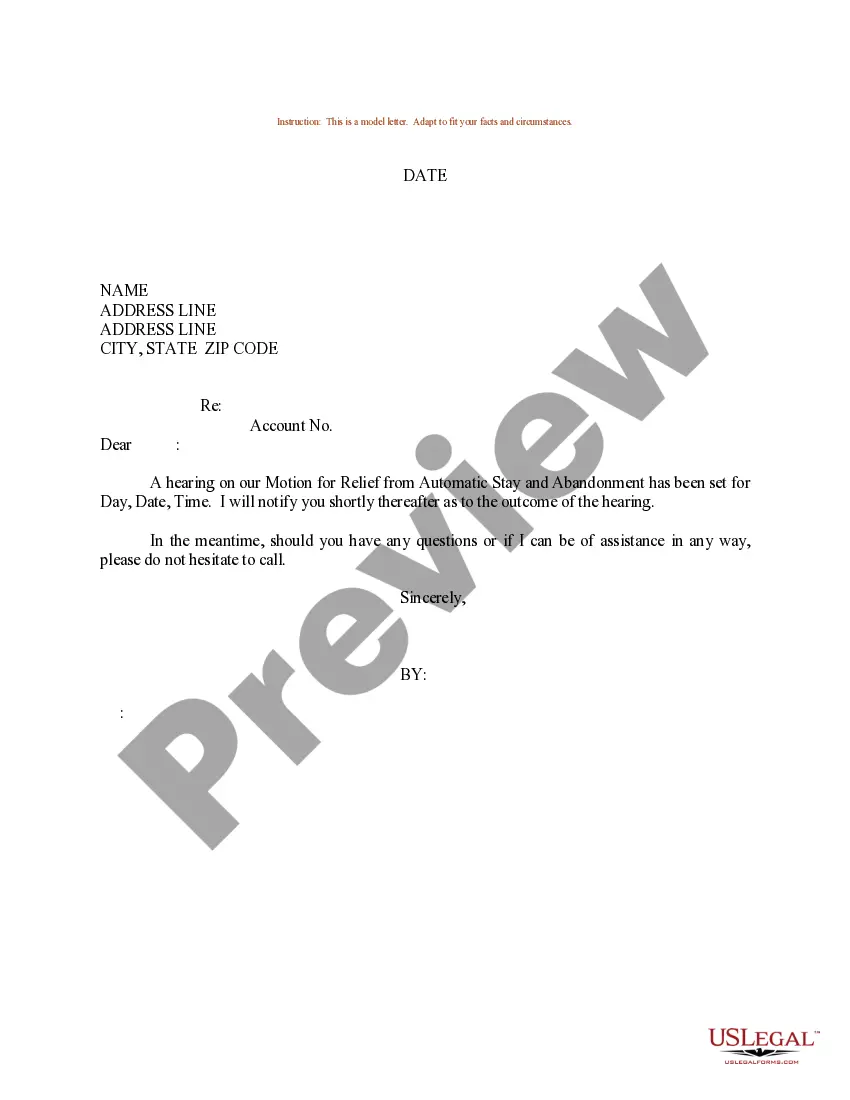
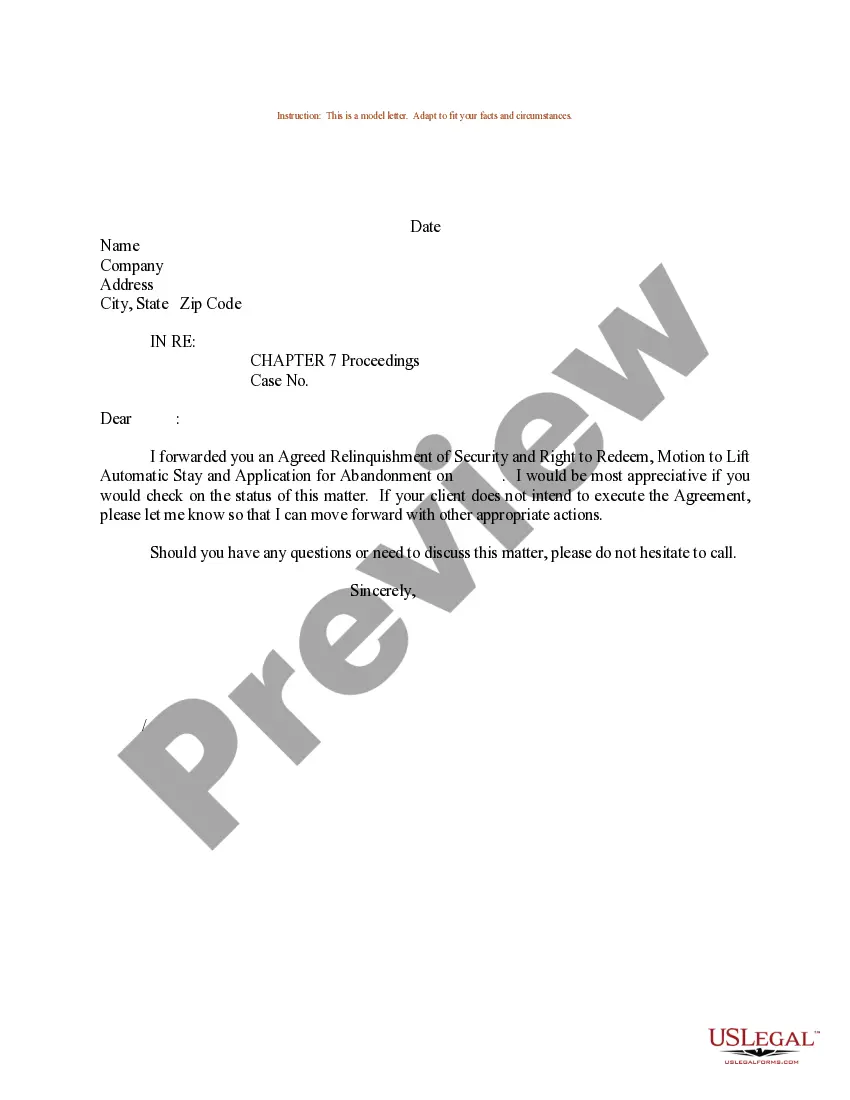
How to fill out Sample Letter Regarding Answer To Motion For Relief From The Automatic Stay And Abandonment?
Acquiring legal documents that comply with federal and local regulations is essential, and the web presents numerous choices.
However, what is the benefit of spending time searching for the properly drafted Form Motion For Relief From Automatic Stay sample online when the US Legal Forms digital library already consolidates such templates in one location.
US Legal Forms is the largest online legal repository featuring over 85,000 fillable documents created by attorneys for various professional and personal situations.
Review the template using the Preview function or through the text outline to confirm it meets your requirements.
- They are user-friendly with all files organized by state and intended use.
- Our experts keep up with legal changes, ensuring your documents are current and compliant when you obtain a Form Motion For Relief From Automatic Stay from our site.
- Acquiring a Form Motion For Relief From Automatic Stay is quick and straightforward for both existing and new users.
- If you already possess an account with an active subscription, Log In and save the document sample you need in the appropriate format.
- If you are new to our platform, follow the steps below.
Form popularity
FAQ
A motion for relief from automatic stay is a request made to the court to lift the automatic stay that halts certain actions, usually in bankruptcy cases. This motion allows creditors to pursue their claims against a debtor's assets. Understanding this motion is crucial for anyone involved in bankruptcy proceedings. By using a form motion for relief from automatic stay, you can navigate this legal process more easily and effectively.
To fight a motion to lift an automatic stay, you need to present a strong case that demonstrates why the stay should remain in place. Gather evidence and documentation that supports your position and prepare a comprehensive response. Engaging with a legal platform like uslegalforms can provide you with essential resources and templates to help craft an effective argument, including a form motion for relief from automatic stay.
To respond to a motion for relief from automatic stay, you should first review the motion carefully. Prepare a formal response that addresses the points raised in the motion, stating your reasons for opposing it. You can submit this response to the court and serve it to the other party involved. Utilizing a form motion for relief from automatic stay can simplify this process and ensure you cover all necessary legal bases.
The automatic stay remains in effect until your case is closed. But, of course, it isn't always that simple. For Chapter 7, it's often the case that a stay will last the 3-5 months the court case is open. For Chapter 13, bankruptcy cases could take anywhere from 3-5 years.
A person whose action or proceeding is stayed may move the court for relief from the stay, and the court shall grant such relief for good cause shown. A motion for relief from stay under this subsection is deemed granted if the court does not act on the motion within 60 days after the motion is filed.
The automatic stay is an order that goes into place when you file for bankruptcy and stops most collection efforts. But the stay isn't absolute, and a creditor can ask the bankruptcy court to lift the automatic stay and allow collection efforts to resume. If successful, the creditor can continue pursuing its debt.
If the debtor is unable or unwilling to provide adequate protection to a secured creditor, there is sufficient cause for the court to order relief from the stay (§ 362(d)(1), Bankruptcy Code). The creditor can then foreclose on the collateral and realize an amount sufficient to recover the balance due on the debt.
A motion for relief from the automatic stay is a request creditors make to the court to take certain collection actions against the bankruptcy filer. It's also called a stay reliefmotion. A secured or unsecured creditor can submit a stay relief motion to the bankruptcy court.