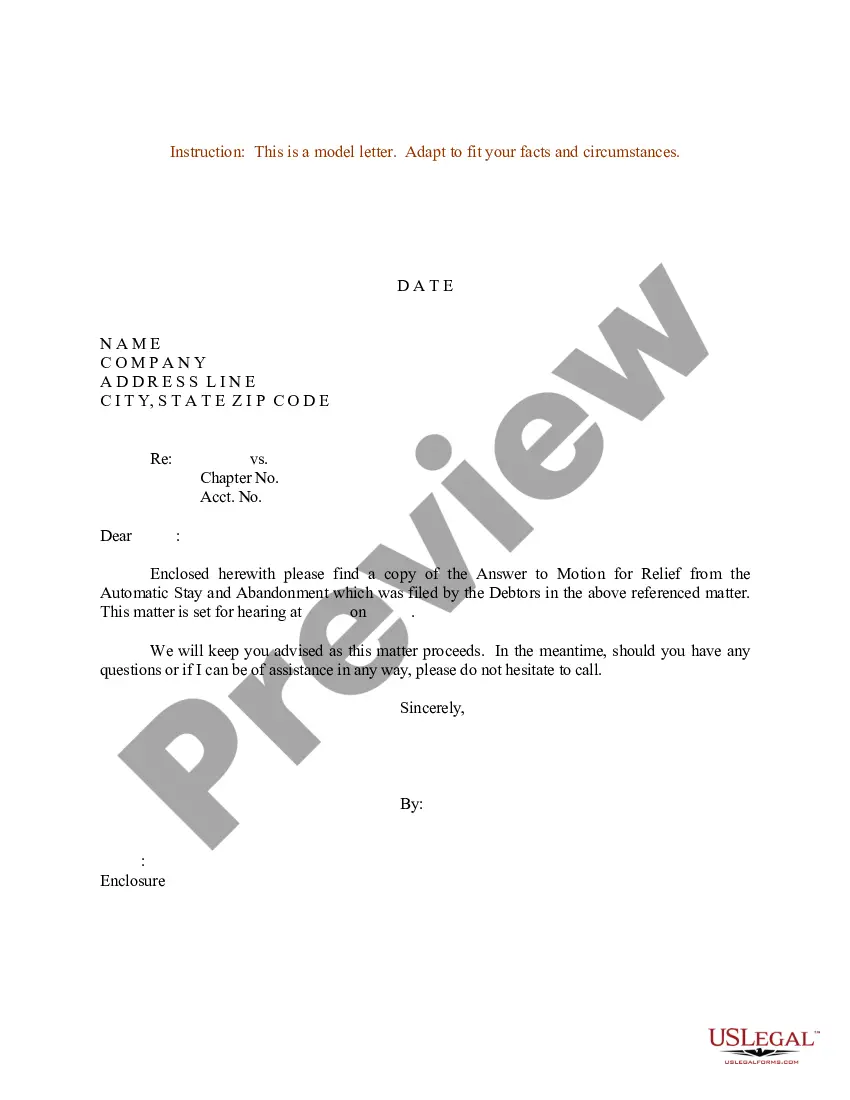
Answer To Motion
Description
Get your form ready online
Our built-in tools help you complete, sign, share, and store your documents in one place.
Make edits, fill in missing information, and update formatting in US Legal Forms—just like you would in MS Word.
Download a copy, print it, send it by email, or mail it via USPS—whatever works best for your next step.
Sign and collect signatures with our SignNow integration. Send to multiple recipients, set reminders, and more. Go Premium to unlock E-Sign.
If this form requires notarization, complete it online through a secure video call—no need to meet a notary in person or wait for an appointment.
We protect your documents and personal data by following strict security and privacy standards.

Make edits, fill in missing information, and update formatting in US Legal Forms—just like you would in MS Word.

Download a copy, print it, send it by email, or mail it via USPS—whatever works best for your next step.

Sign and collect signatures with our SignNow integration. Send to multiple recipients, set reminders, and more. Go Premium to unlock E-Sign.

If this form requires notarization, complete it online through a secure video call—no need to meet a notary in person or wait for an appointment.

We protect your documents and personal data by following strict security and privacy standards.
Looking for another form?
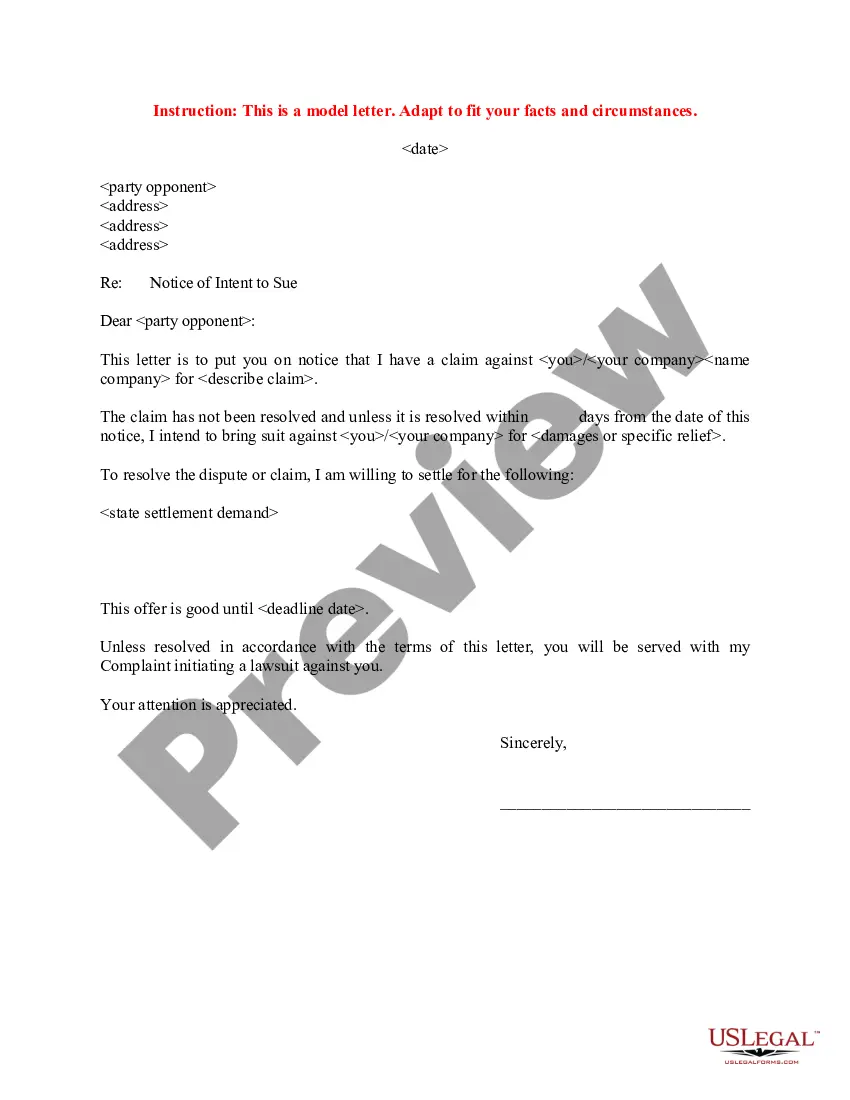
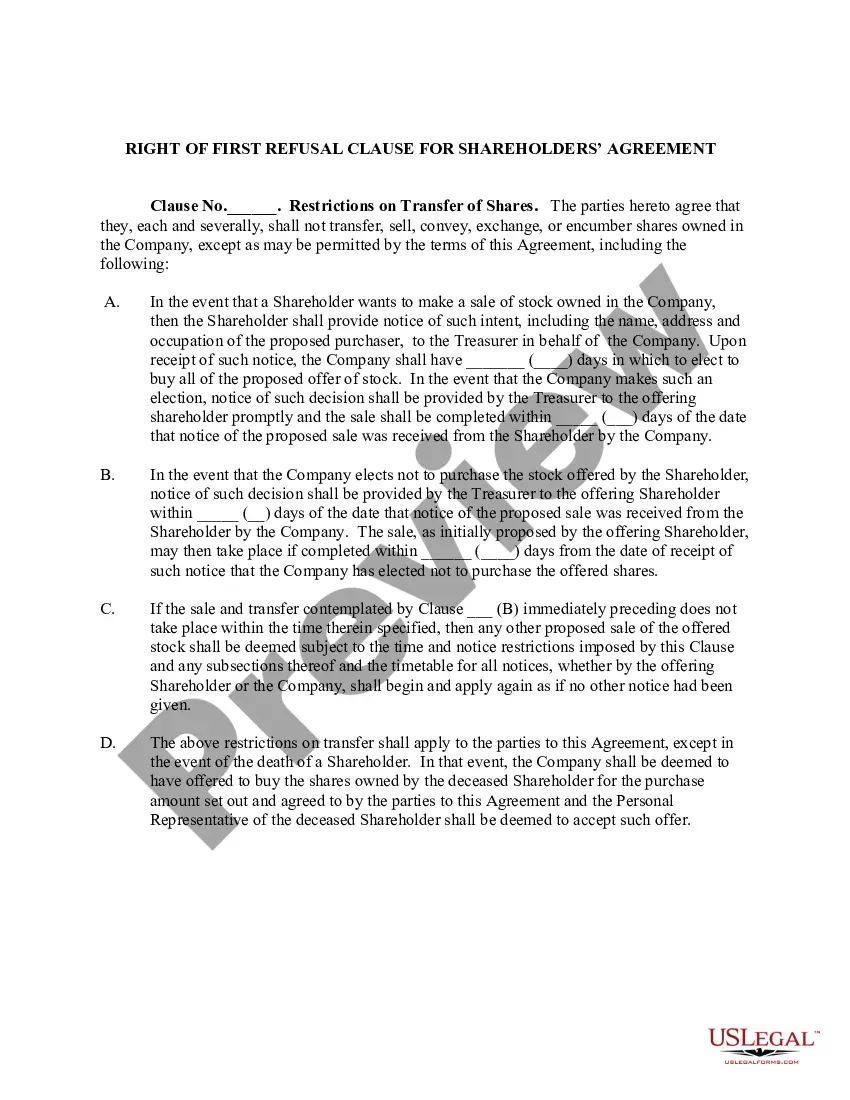
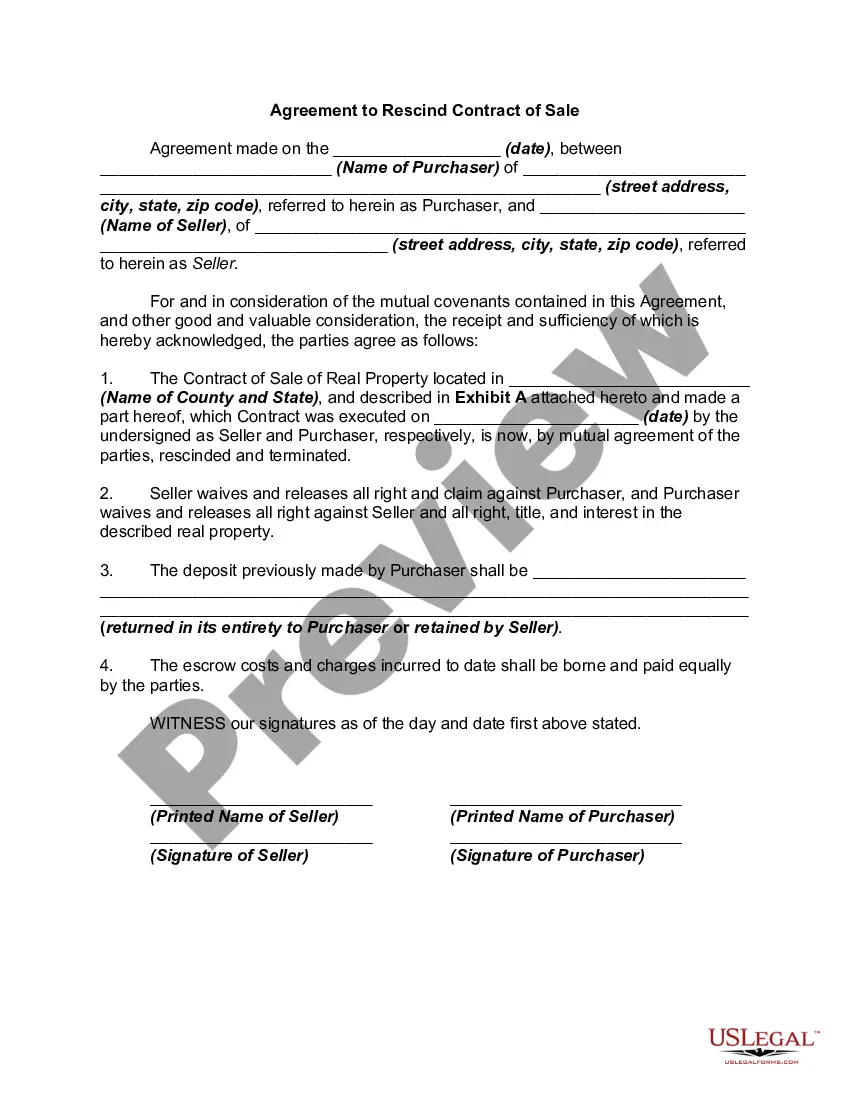
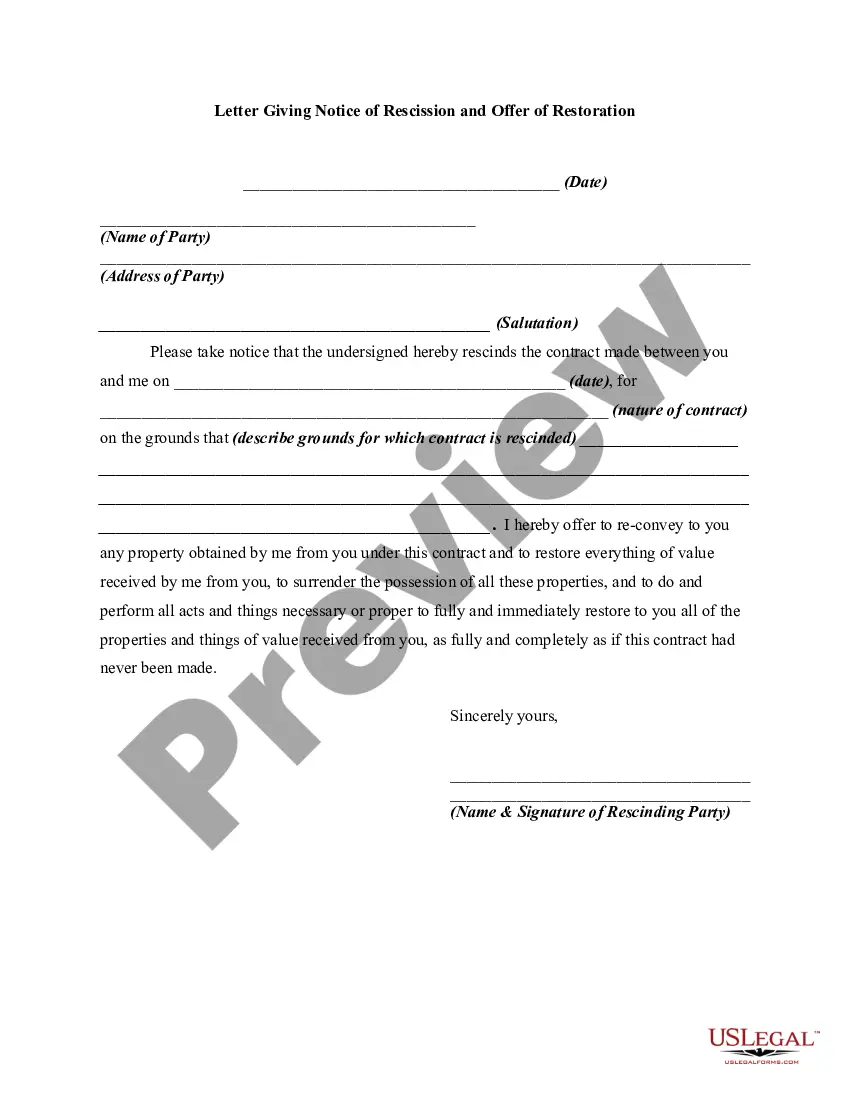
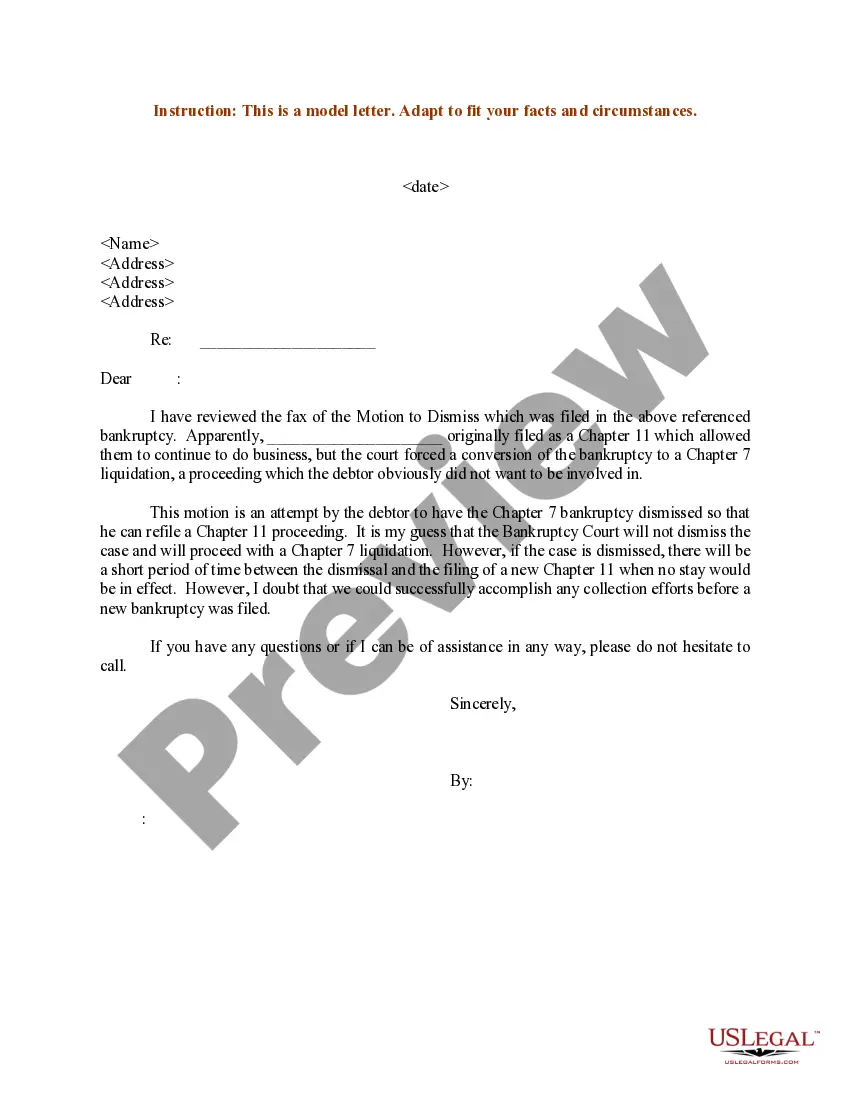
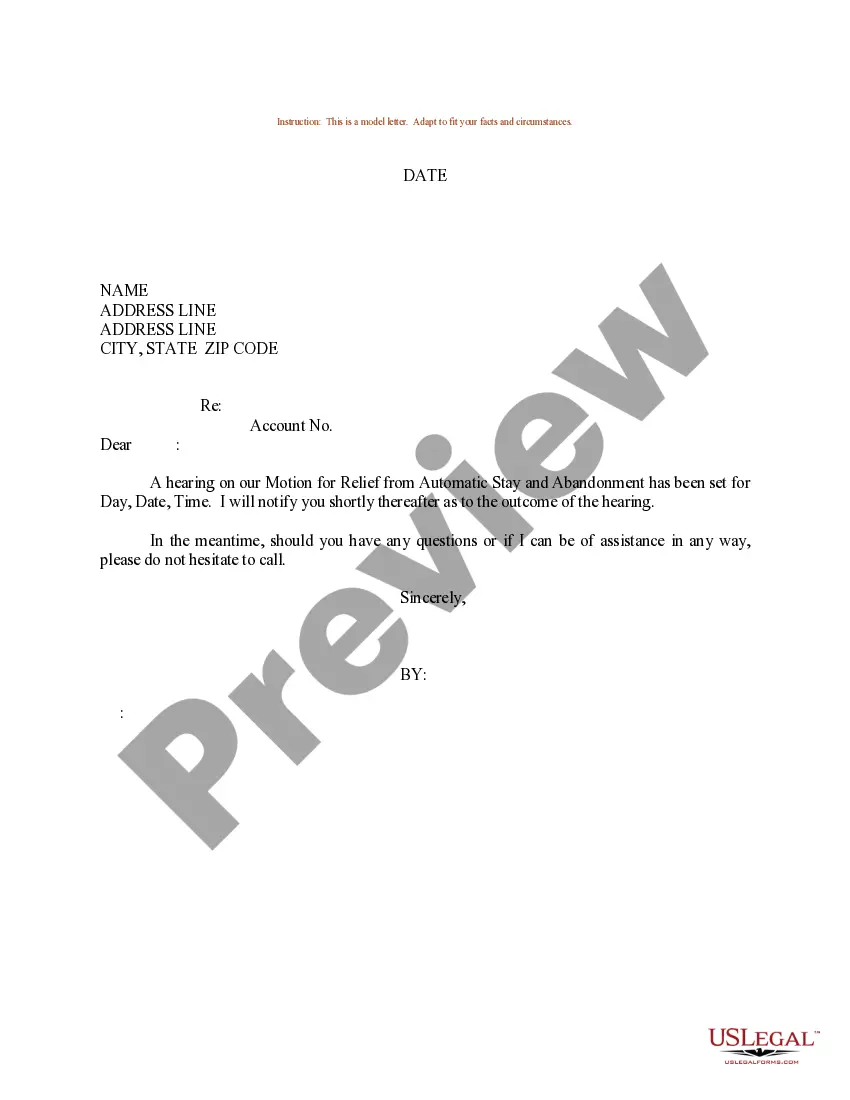
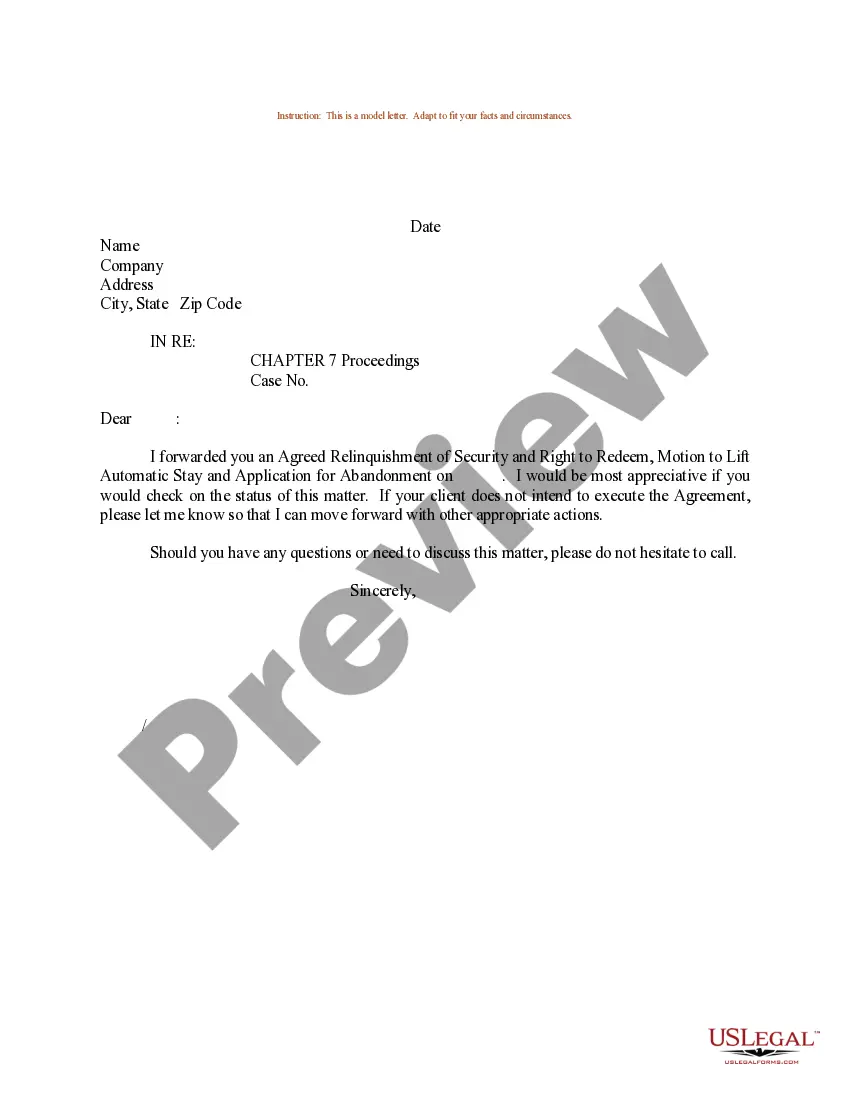
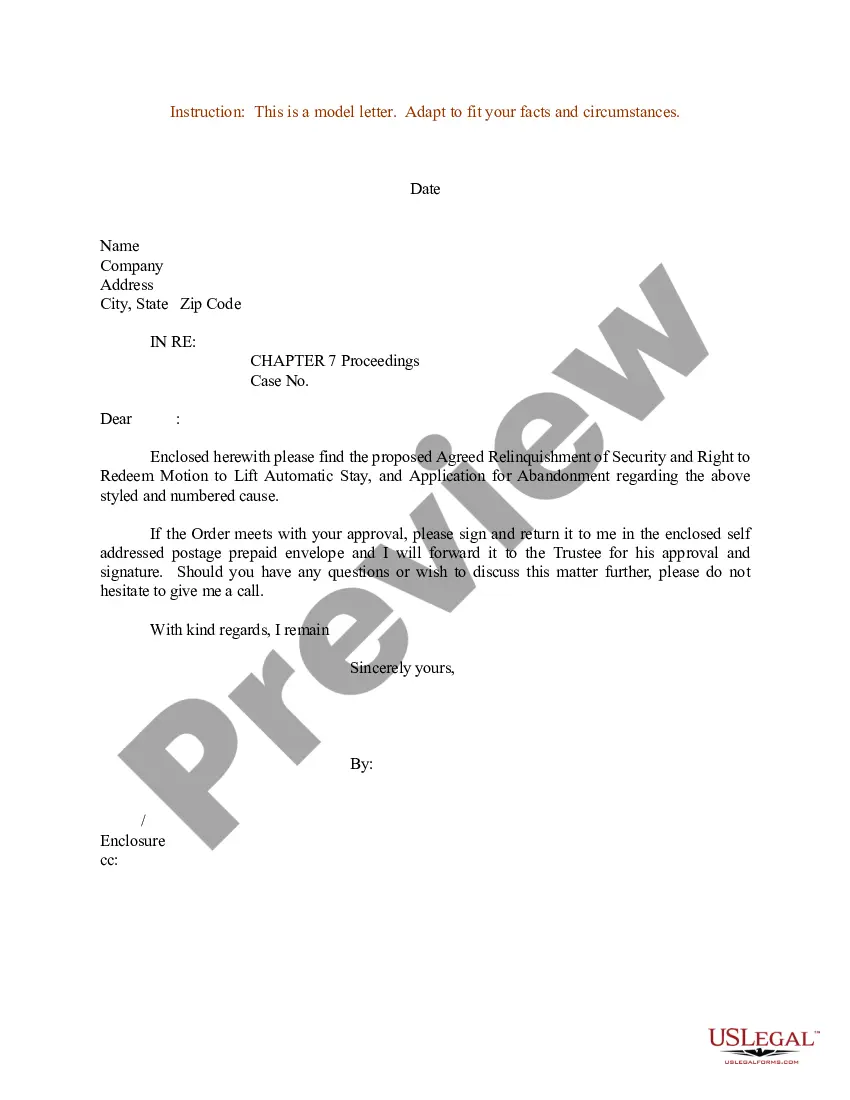
How to fill out Sample Letter Regarding Answer To Motion For Relief From The Automatic Stay And Abandonment?
Managing legal documents can be daunting, even for seasoned professionals.
If you're searching for an Answer To Motion and lack the time to locate the correct and current version, the experience can be overwhelming.
US Legal Forms caters to all your needs, ranging from personal to business documents, all in a consolidated platform.
Leverage advanced tools to complete and manage your Answer To Motion.
Here are the steps to follow once you’ve accessed the desired form: validate it is the correct document by previewing and reviewing its description.
- Access a valuable resource library filled with articles, guides, handbooks, and materials pertinent to your circumstances and needs.
- Save time and reduce effort in locating the necessary documents by utilizing US Legal Forms’ enhanced search and Review feature to find Answer To Motion.
- If you hold a membership, Log In to your US Legal Forms account, search for your form, and acquire it.
- Check the My documents tab to view the documents you have previously downloaded and to organize your folders as you see fit.
- If it's your first interaction with US Legal Forms, create a complimentary account for unlimited access to all platform advantages.
- Utilize an exceptional web form library that can significantly impact anyone aiming to navigate these situations efficiently.
- US Legal Forms stands as a frontrunner in the realm of online legal documents, providing over 85,000 state-specific legal forms accessible at any time.
- Access state- or county-specific legal and organizational forms.
Form popularity
FAQ
The Response to motion is your formal reply to the claims made in a motion filed against you. This document outlines your arguments, evidence, and any legal grounds for opposing the motion. Using a reliable platform like uslegalforms can simplify the process of drafting your Response to motion, ensuring you meet legal standards and deadlines.
While not legally mandatory, it is generally advisable to respond to a motion. Failing to answer can result in the court granting the motion by default, which may negatively impact your case. Therefore, crafting a thoughtful answer to motion can help protect your interests and ensure your side is represented.
In Nevada, you typically have 14 days to respond to a motion after it has been served on you. This timeframe is crucial for ensuring that you can adequately prepare your Response to a motion and present your arguments effectively. Always verify specific local rules or consult legal experts to stay compliant with court deadlines.
A motion is essentially a legal procedure through which a party asks the court to decide on an issue related to a case. It serves as a mechanism for parties to seek intervention or clarification from the court regarding specific matters. Understanding motions is key to effectively preparing your answer to motion and engaging with the legal system.
In court terms, a motion is a formal request made by a party for the court to make a specific ruling or take a defined action. Motions can address various issues, from procedural matters to substantive legal questions. When confronted with a motion, knowing how to formulate your answer to motion is vital for navigating the legal process successfully.
Responding to a motion means submitting a formal document to the court that addresses the claims and arguments presented in the motion. This document, often called a Response to a motion, allows you to state your position and provide supporting evidence. Effectively crafting your response is essential for ensuring your voice is heard and considered in court proceedings.
The primary difference lies in their purpose and timing. A Response to a motion is your initial answer to the claims made in the motion, presenting your arguments and evidence. In contrast, a reply is your opportunity to address points raised in the opposing party's response, typically focusing on rebutting their arguments. Understanding these distinctions is crucial when preparing your answer to motion.
To counter a motion in court, you need to file a written opposition that challenges the claims made in the original motion. Present your arguments logically and back them up with evidence or legal references. Additionally, articulating your points clearly during any hearings can strengthen your case. Remember, a solid answer to motion can make a significant difference in the ruling.
Answering to a motion involves preparing a detailed written response. Clearly state your opposition to the motion while providing legal justifications. It's also beneficial to cite relevant laws or precedents that support your position. Consider utilizing resources from US Legal Forms to guide you in crafting a comprehensive answer to motion.
To answer a motion, begin by reading the motion thoroughly to understand its arguments. Then, draft your response, addressing each point raised, and present your counterarguments. Ensure that your answer to motion is filed within the required timeframe to maintain your position in the case.