Proposal For Settlement Florida 25 Percent
Description
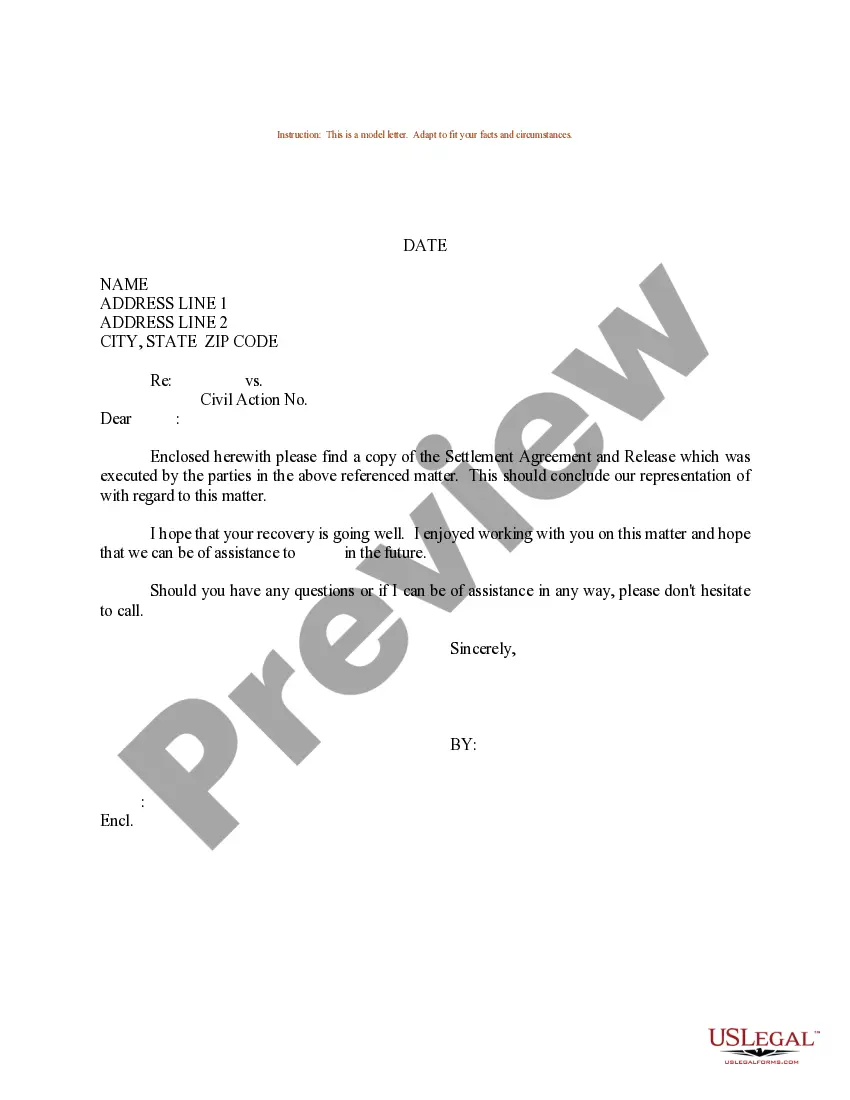
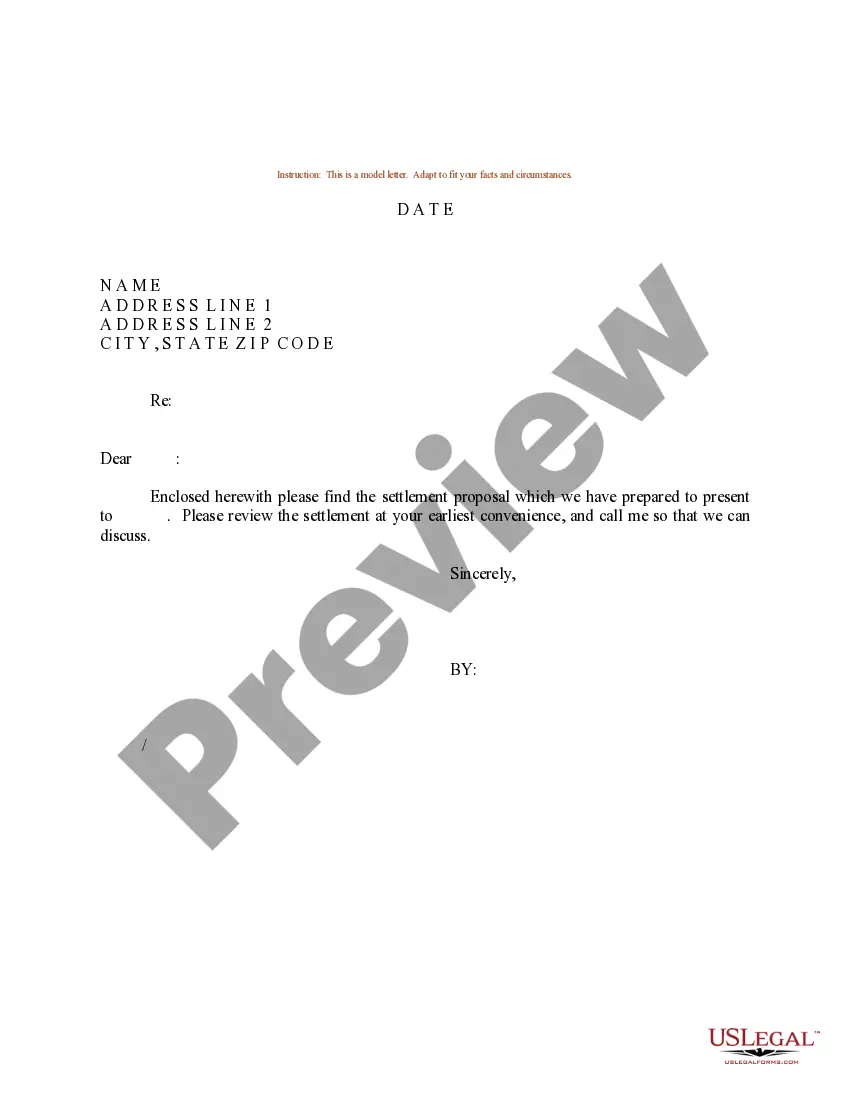
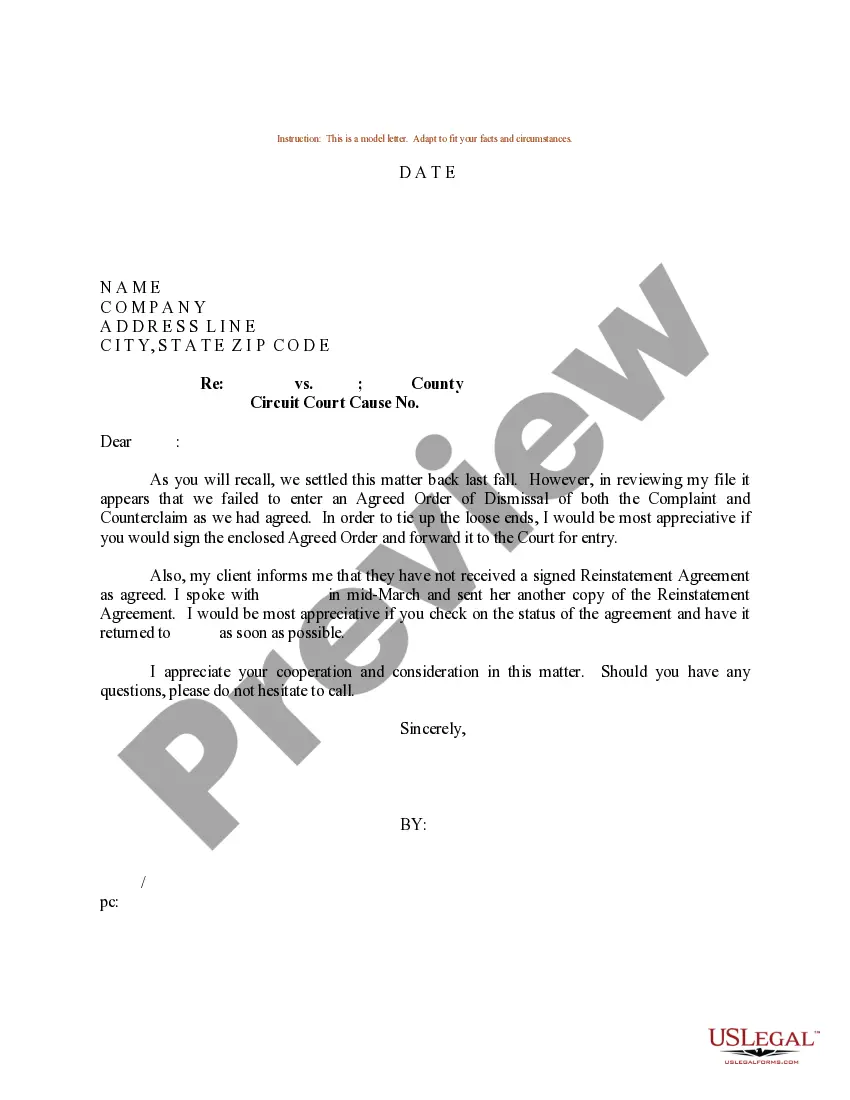
Get your form ready online
Our built-in tools help you complete, sign, share, and store your documents in one place.
Make edits, fill in missing information, and update formatting in US Legal Forms—just like you would in MS Word.
Download a copy, print it, send it by email, or mail it via USPS—whatever works best for your next step.
Sign and collect signatures with our SignNow integration. Send to multiple recipients, set reminders, and more. Go Premium to unlock E-Sign.
If this form requires notarization, complete it online through a secure video call—no need to meet a notary in person or wait for an appointment.
We protect your documents and personal data by following strict security and privacy standards.

Make edits, fill in missing information, and update formatting in US Legal Forms—just like you would in MS Word.

Download a copy, print it, send it by email, or mail it via USPS—whatever works best for your next step.

Sign and collect signatures with our SignNow integration. Send to multiple recipients, set reminders, and more. Go Premium to unlock E-Sign.

If this form requires notarization, complete it online through a secure video call—no need to meet a notary in person or wait for an appointment.

We protect your documents and personal data by following strict security and privacy standards.
Looking for another form?
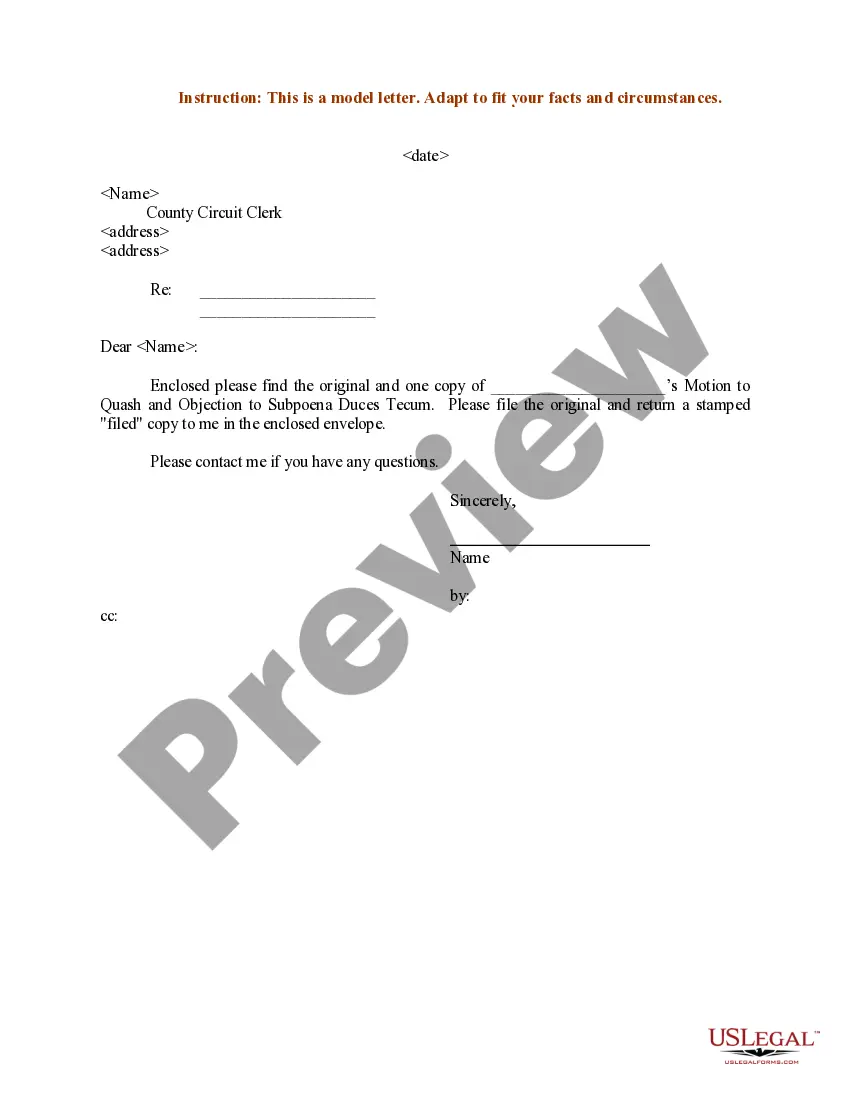
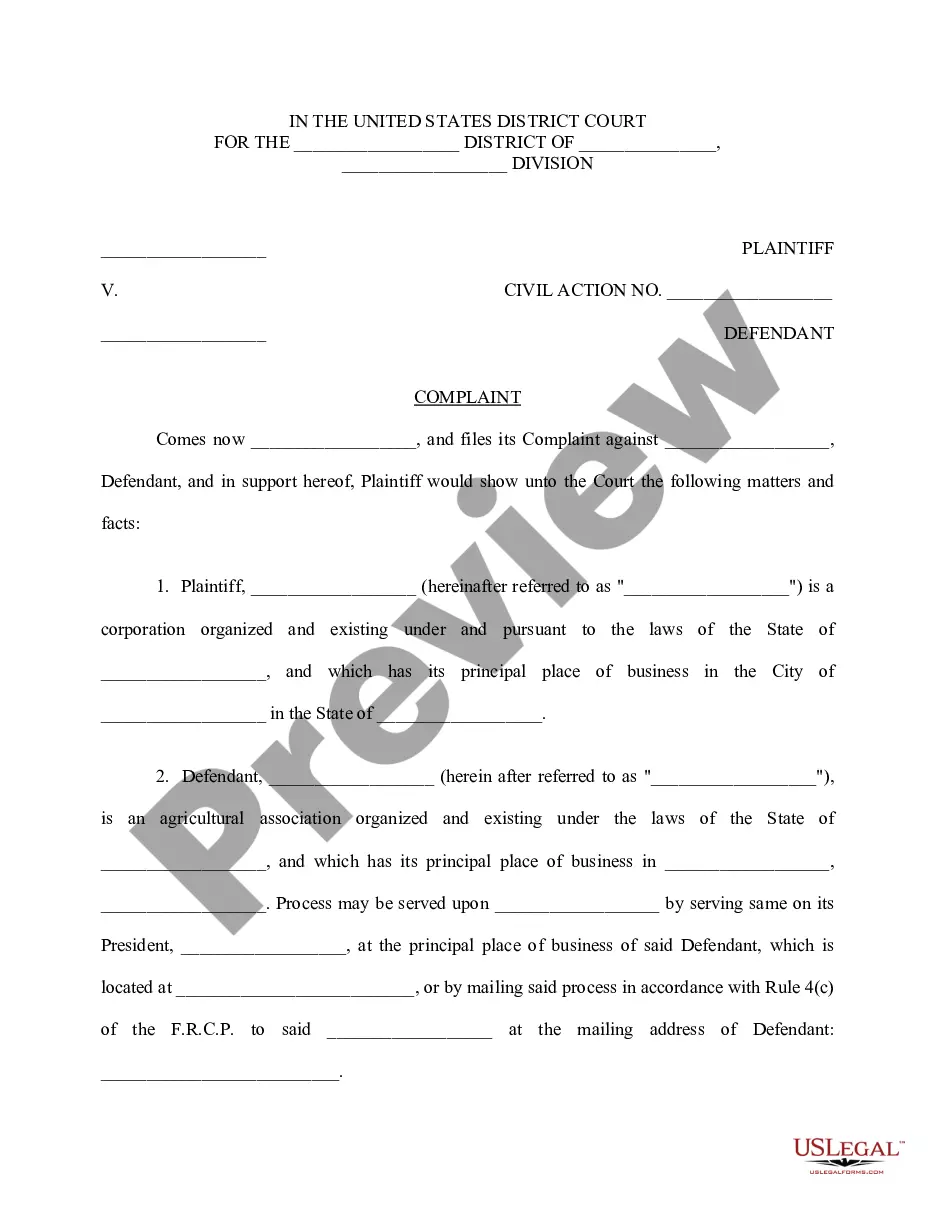
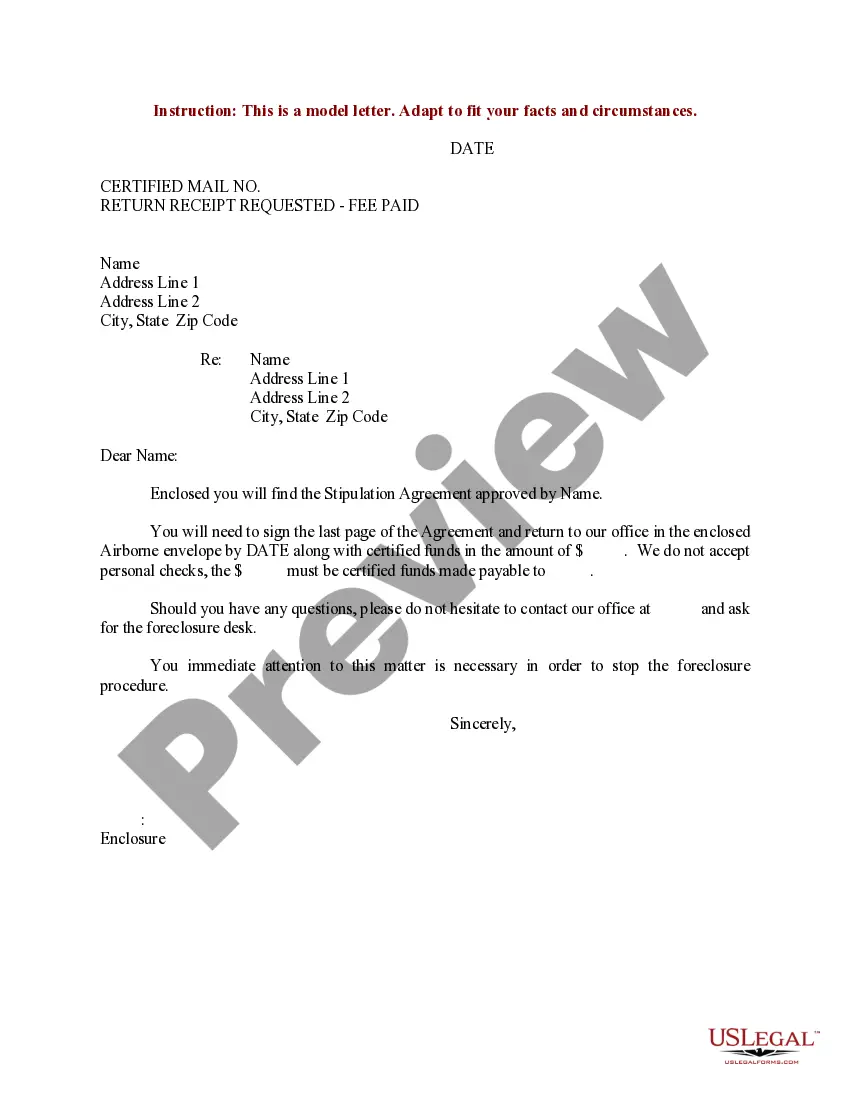
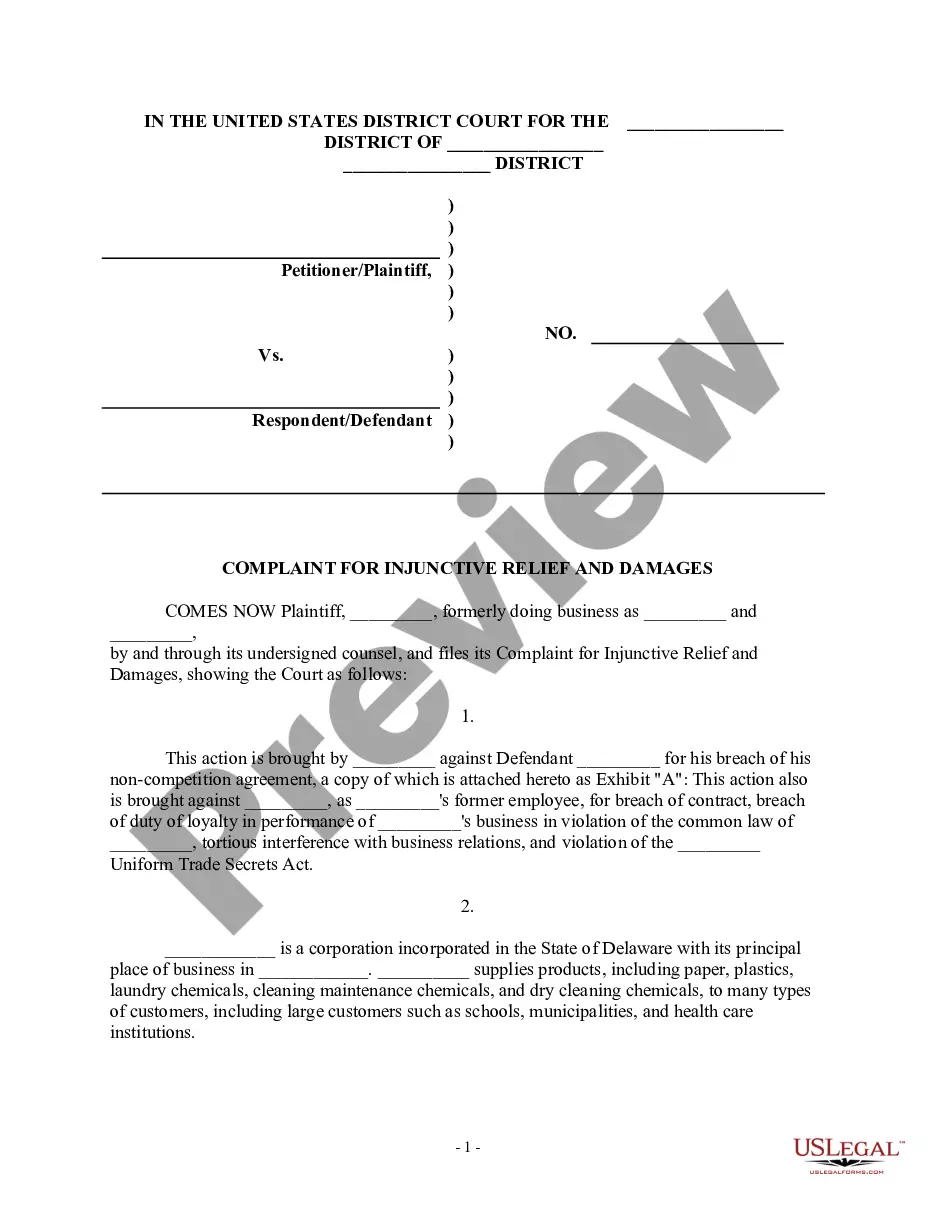
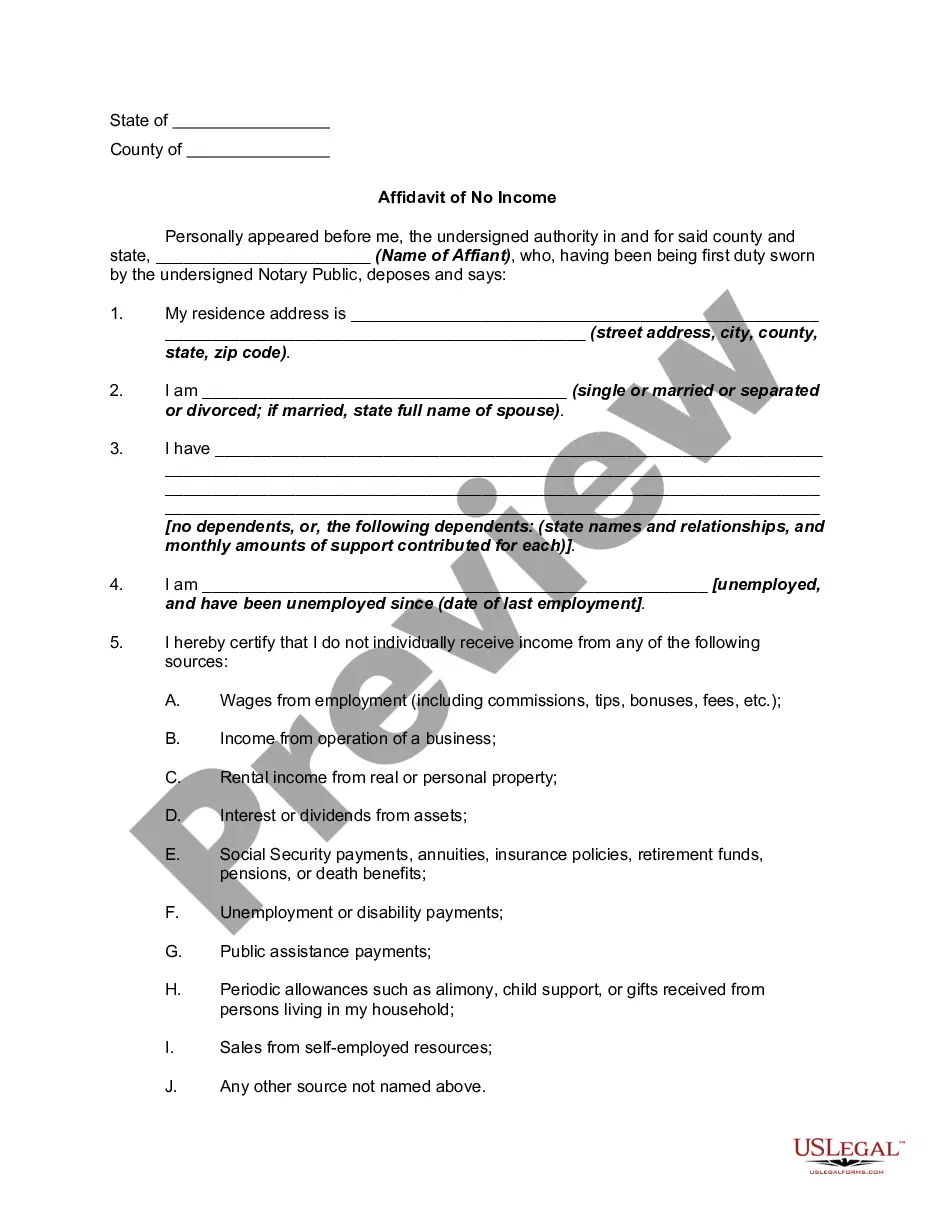
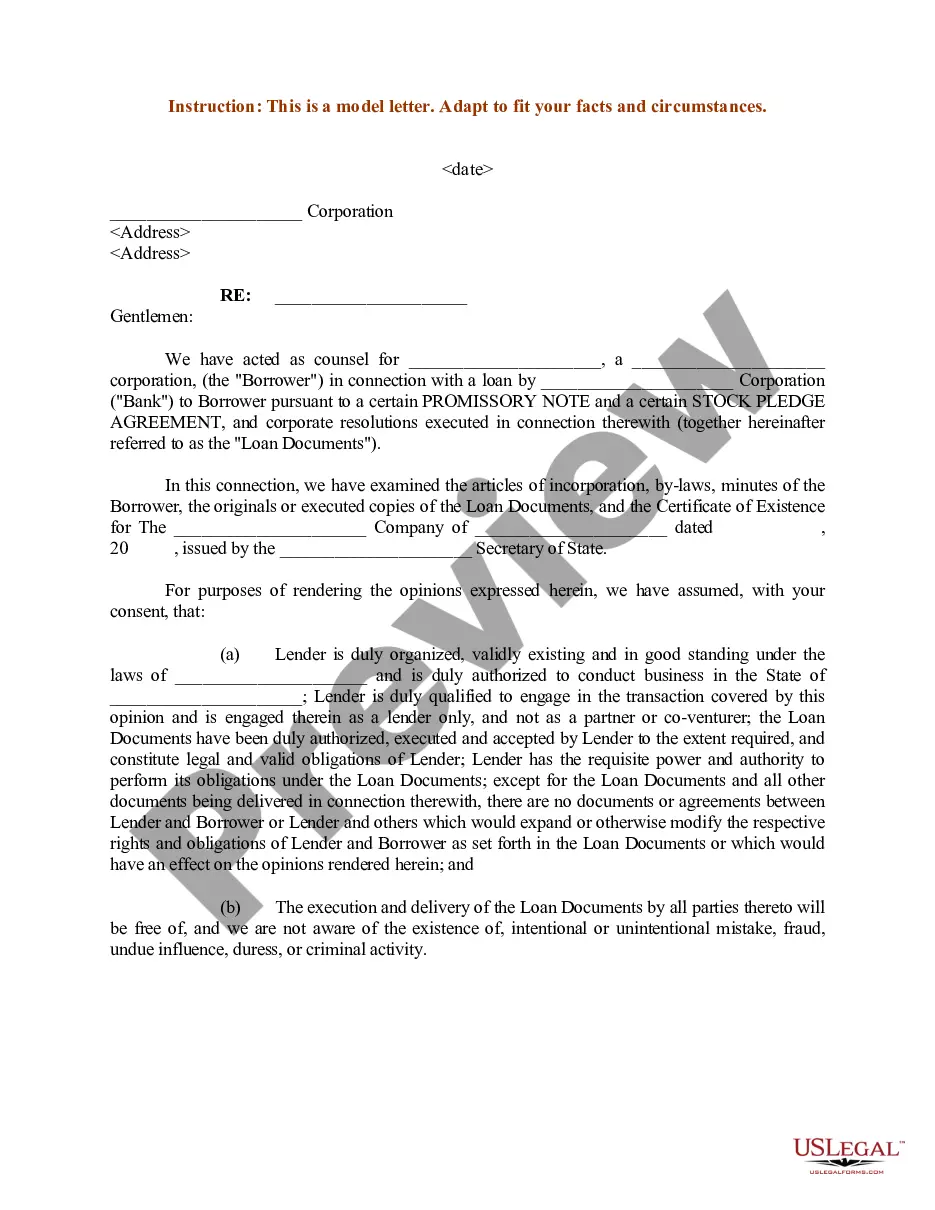
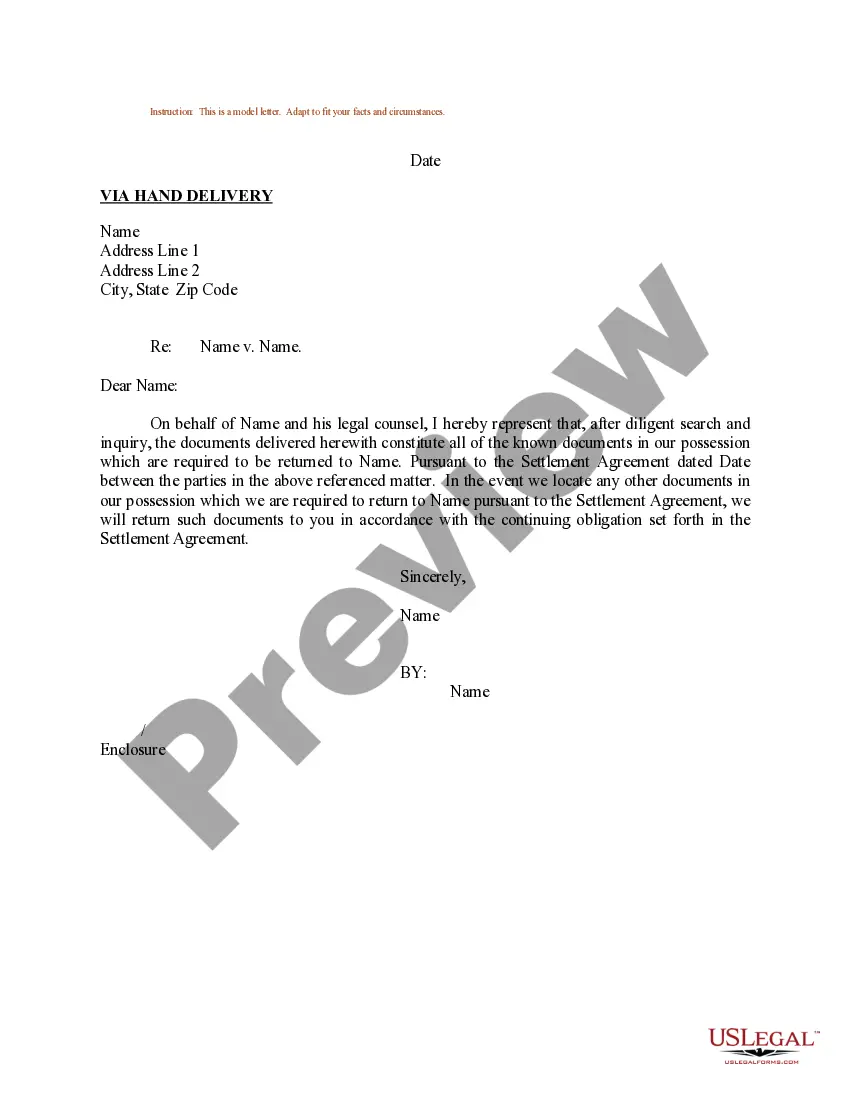
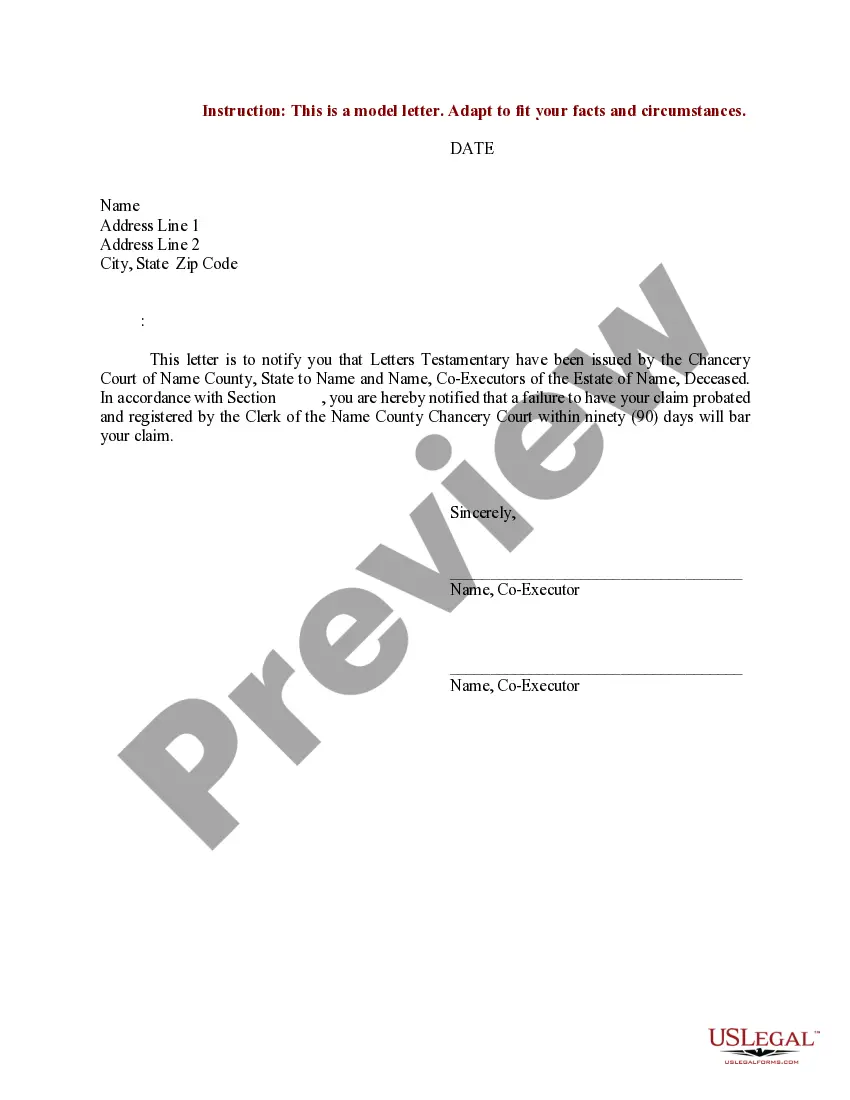
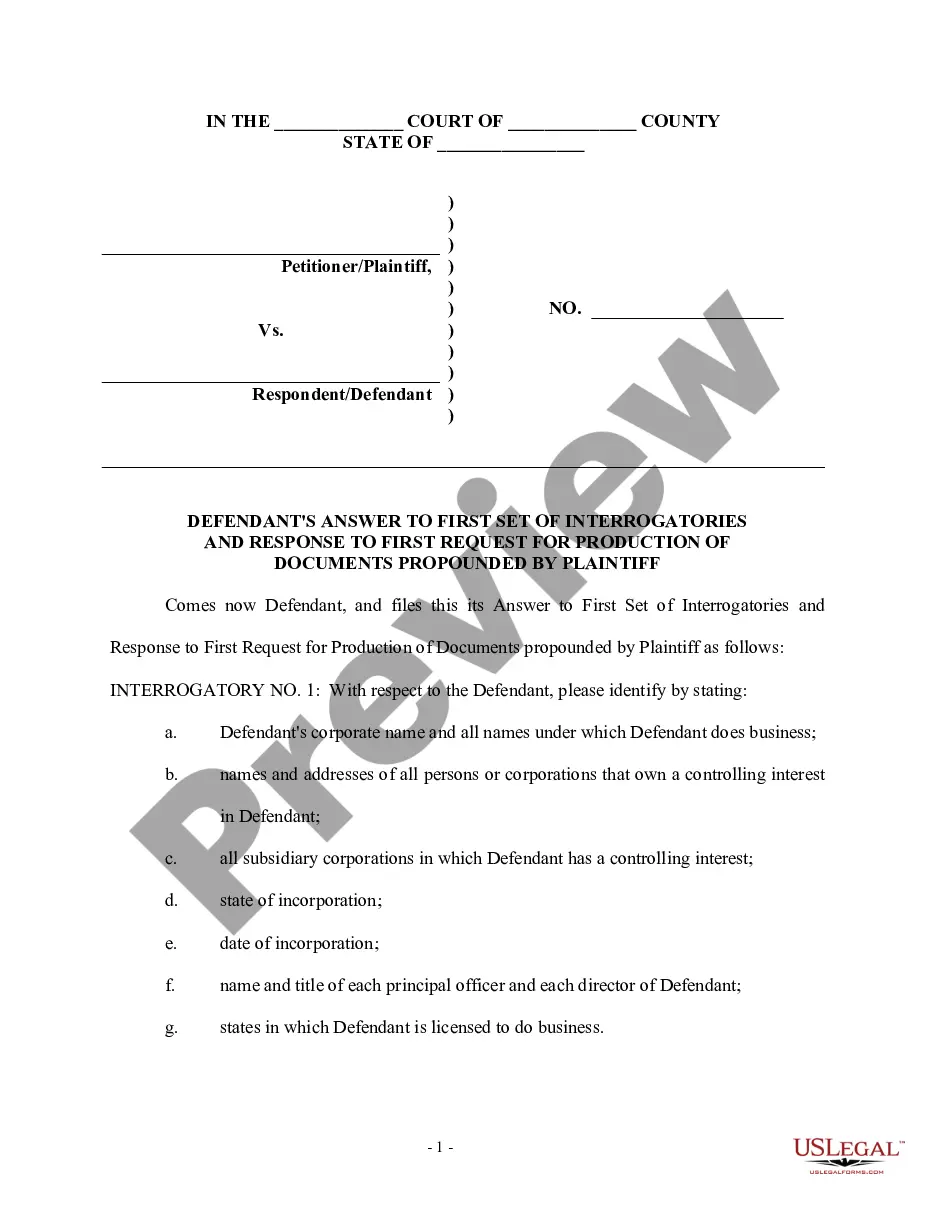
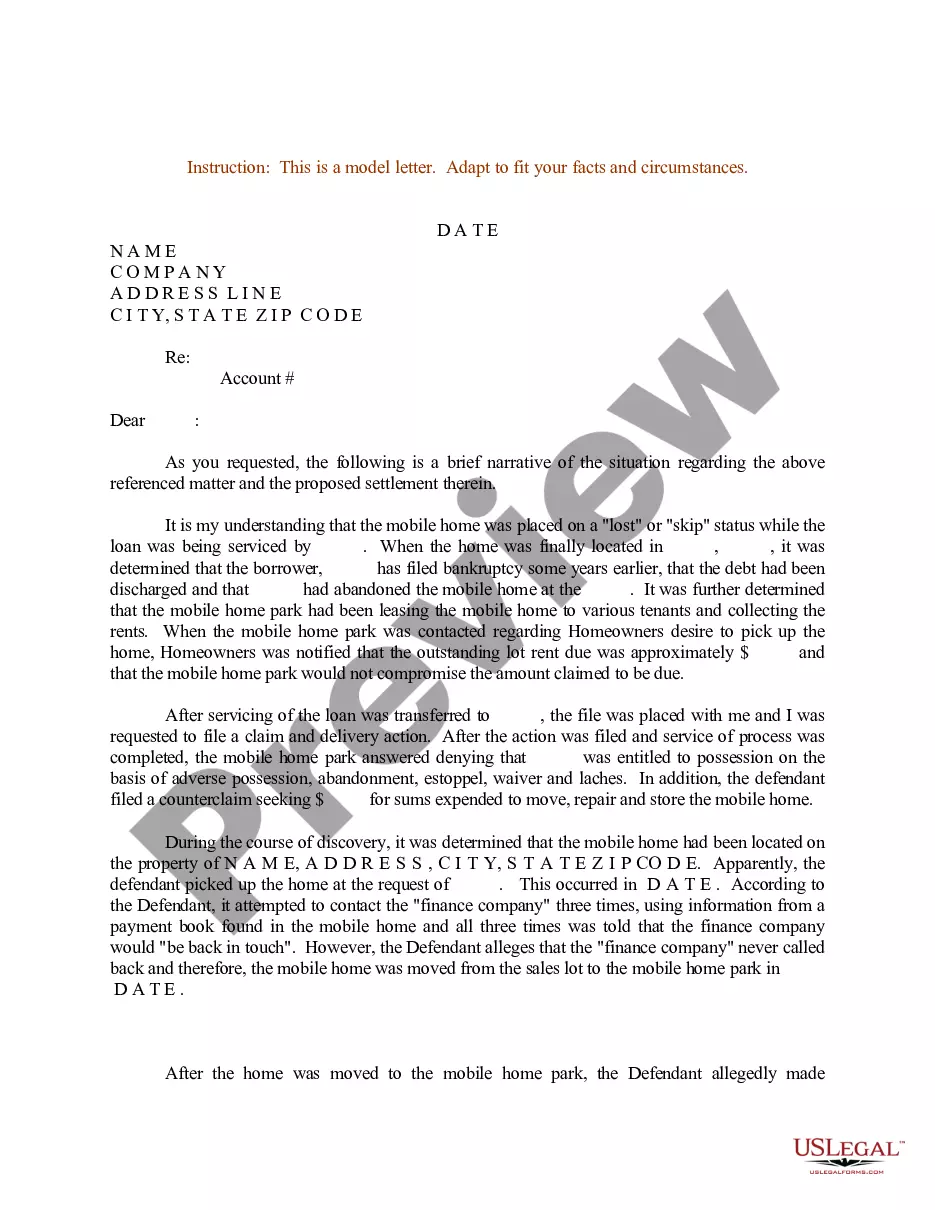
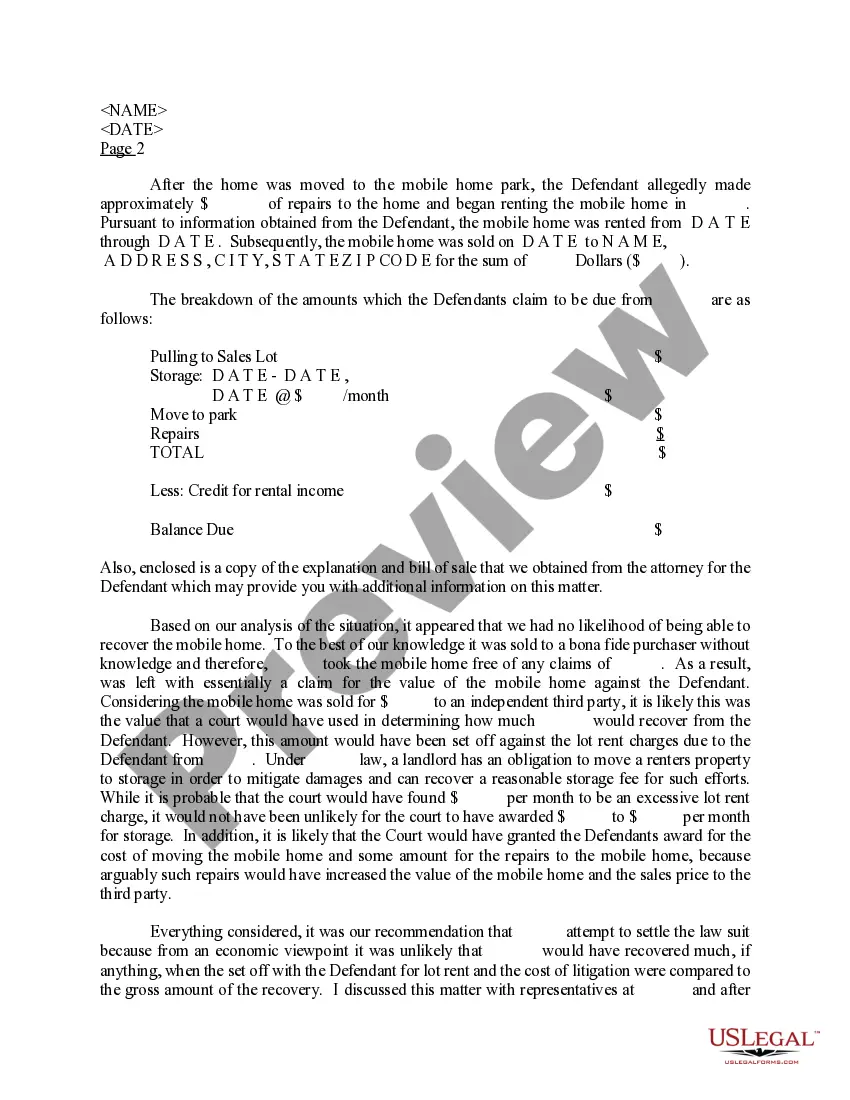
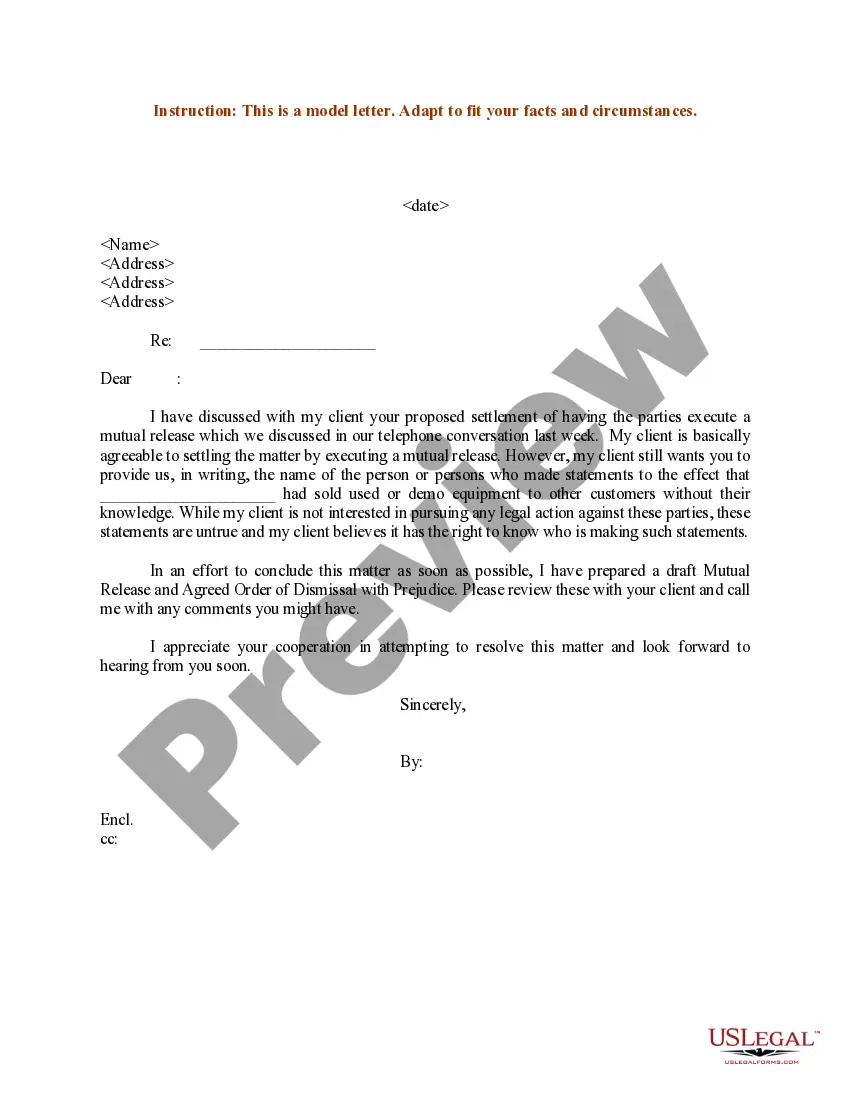
How to fill out Sample Letter For Brief Narrative And Proposed Settlement?
Whether for professional reasons or personal matters, everyone encounters legal circumstances at some point in their life.
Completing legal documents demands meticulous care, starting from selecting the appropriate form example.
With a vast US Legal Forms catalog available, you do not have to waste time looking for the right template across the web. Utilize the library’s straightforward navigation to find the appropriate template for any event.
- For example, if you choose an incorrect version of the Proposal For Settlement Florida 25 Percent, it will be rejected upon submission.
- Thus, it is vital to obtain a trustworthy source of legal documents such as US Legal Forms.
- If you wish to acquire a Proposal For Settlement Florida 25 Percent example, adhere to these simple steps.
- Locate the template you need by utilizing the search bar or catalog browsing.
- Review the document’s details to confirm it corresponds with your case, state, and area.
- Click on the document’s preview to inspect it.
- If it is the wrong form, revert to the search tool to find the Proposal For Settlement Florida 25 Percent example you require.
- Obtain the file when it fits your specifications.
- If you possess a US Legal Forms account, simply click Log in to access previously saved documents in My documents.
- Should you not have an account yet, you can acquire the form by clicking Buy now.
- Select the appropriate payment option.
- Complete the account registration form.
- Choose your payment method: you can use a credit card or PayPal account.
- Select the document format you desire and download the Proposal For Settlement Florida 25 Percent.
- Once downloaded, you can fill out the form using editing software or print it and complete it by hand.
Form popularity
FAQ
Florida Statute 768.79 provides a mechanism for recovering attorney fees in certain civil cases, specifically when there is a proposal for settlement. Under this statute, if a party rejects a reasonable settlement proposal and fails to achieve a better outcome at trial, they may be liable for the other party's attorney fees. Understanding this can influence your approach to proposals for settlements, particularly when considering a 25 percent offer. Legal advice can assist you in making informed decisions.
You will need to electronically file ("e-file") them unless you have an exemption. Do this at the courthouse in the county where you want to start your court case. Learn more about where to file a lawsuit. After filing, you must send the other party or parties a Summons with the Complaint attached.
If you do not settle out of court or file an Appearance on or before the Return Date, and you fail to appear in court on the Return Date, a Judgment by default may be entered against you for the amount claimed, plus court costs.
Some statutes of limitations in Illinois only give the plaintiff a year to file a civil lawsuit. Others offer up to ten years. For example, lawyers must file libel and slander cases within one year of the alleged incident. Fraud cases require a filing within five years.
Filing fees generally are not more than $250. You may also need to pay a small fee for serving the defendant. If you win your case, you can usually have the defendants pay for your court costs. If you pay the filing fee, you can apply to have your fee waived.
Eight Step Process Go to the courthouse. ... List your name as the plaintiff. ... The party you are suing is called the defendant. ... List the amount of money you request as damages. Include a brief explanation about why you are suing the defendant. The clerk will assign a number to each small claim case.
Take action 2 years from the date of incident to file a claim against someone who injured you, 5 years from the date of the incident to file a claim against someone who damaged your property,
Filing fees generally are not more than $250. You may also need to pay a small fee for serving the defendant. If you win your case, you can usually have the defendants pay for your court costs. If you pay the filing fee, you can apply to have your fee waived.
Rule 101(b)(1) summons must be served at least 21 days before the appearance date. A rule 101(b)(1) summons covers all summons for actions less than $50,000 and mandatory arbitration cases, Rule 101(b)(2) and (b)(3) summons must be served at least 3 days before the appearance date.