Inventory List For Small Business
Description
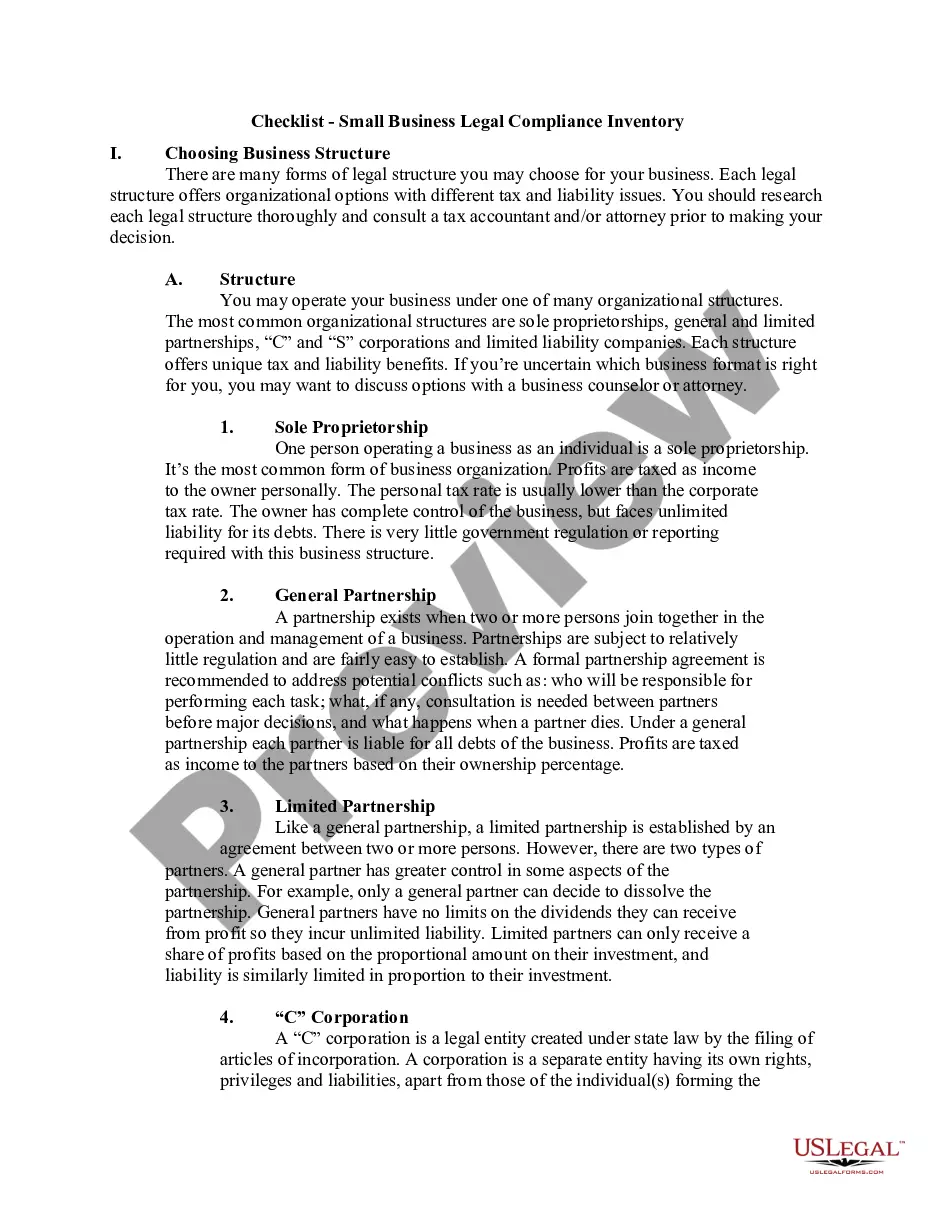
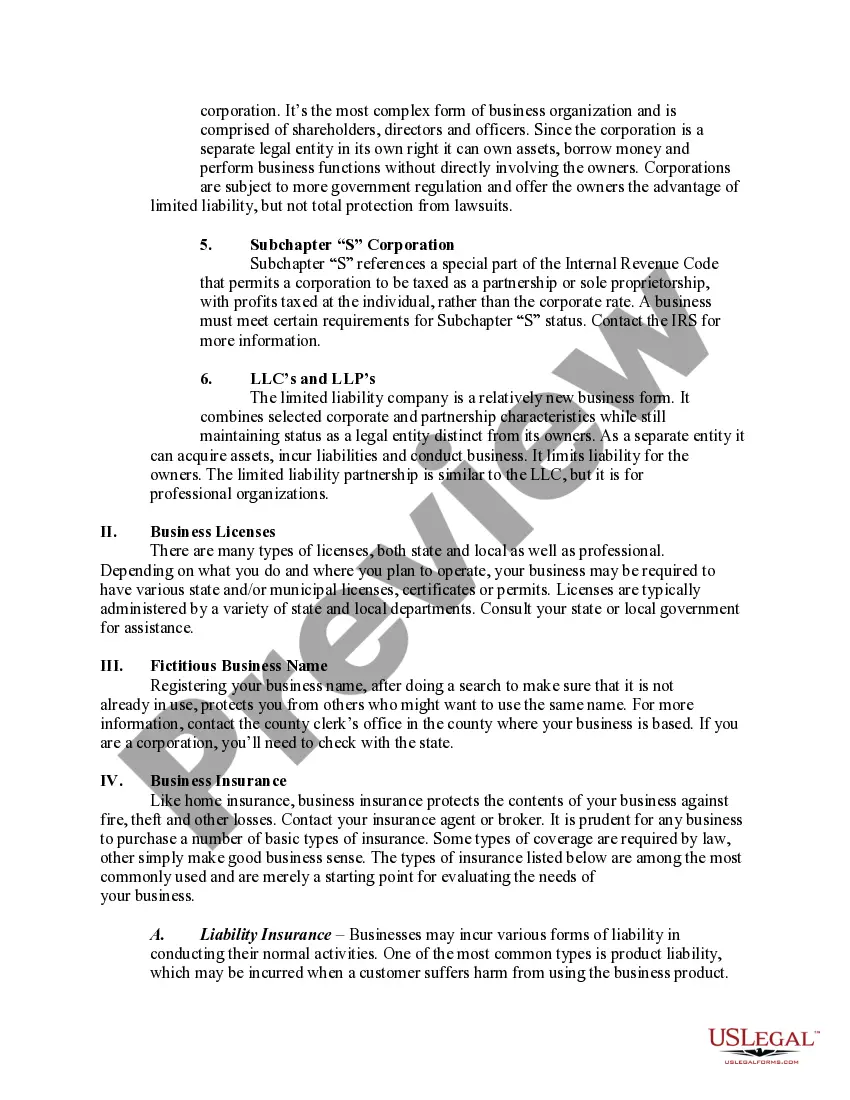
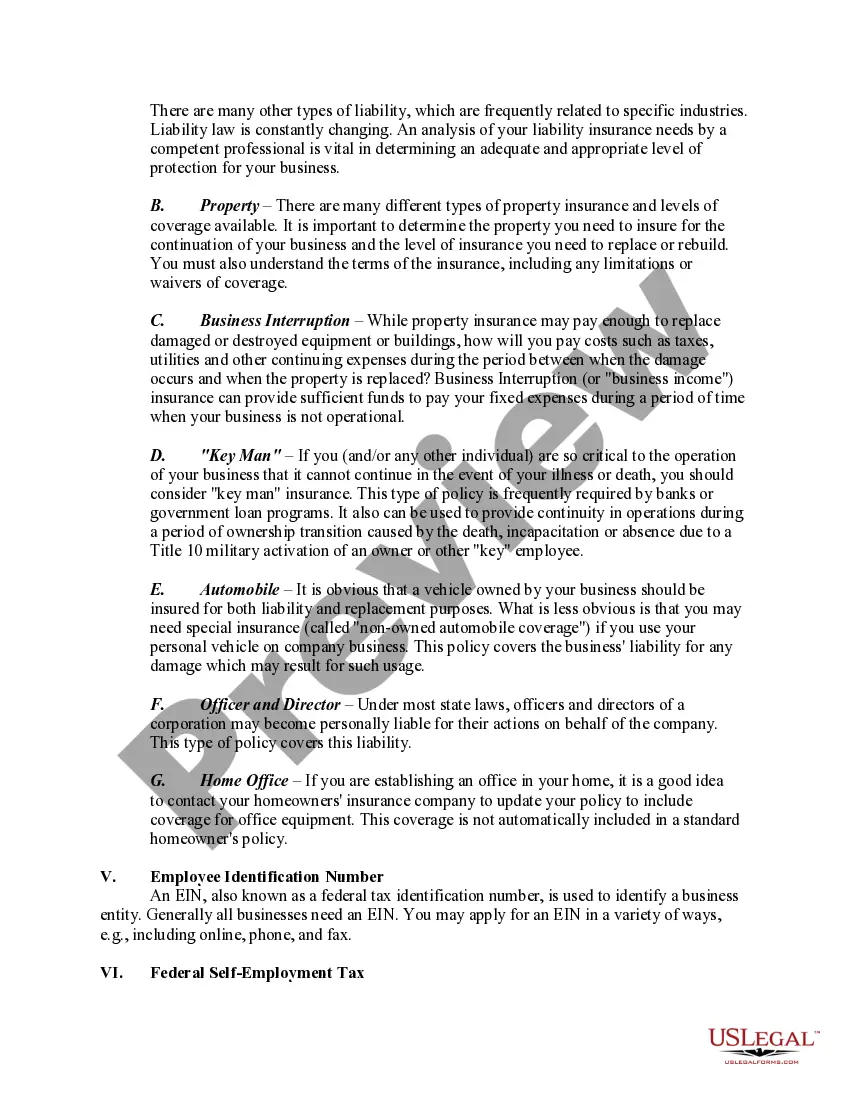
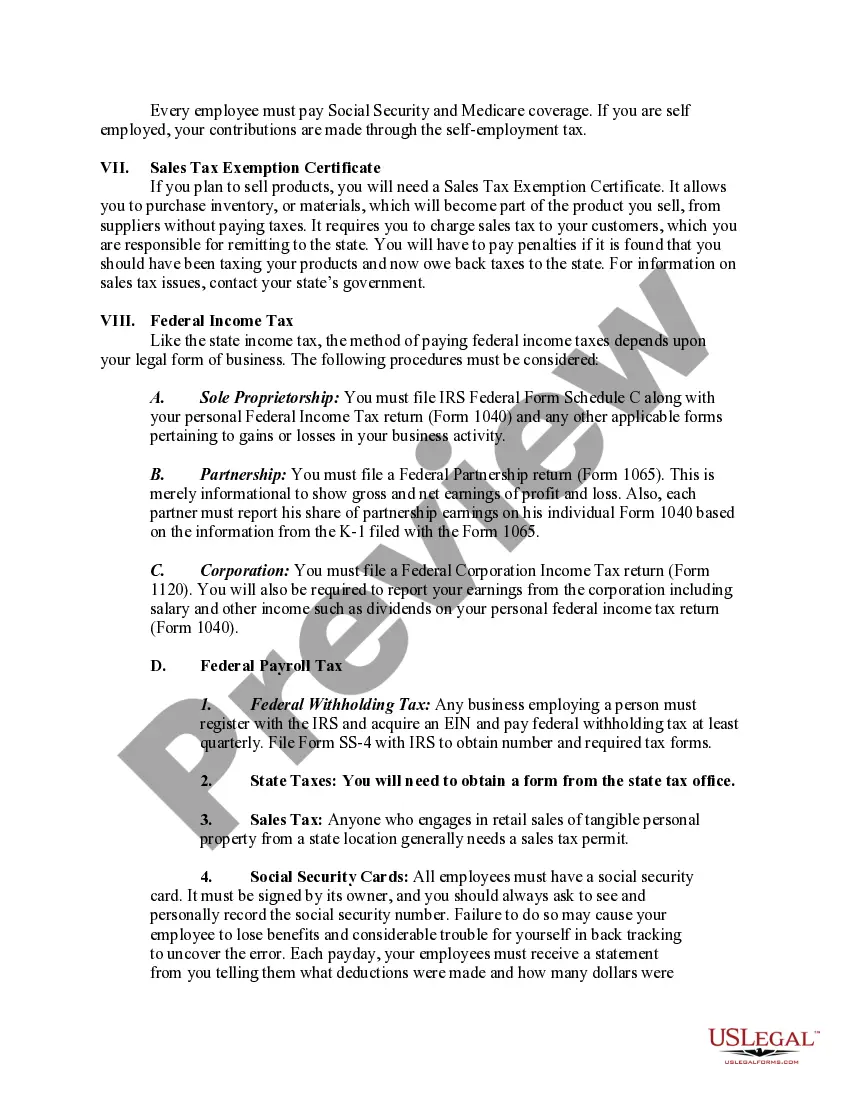

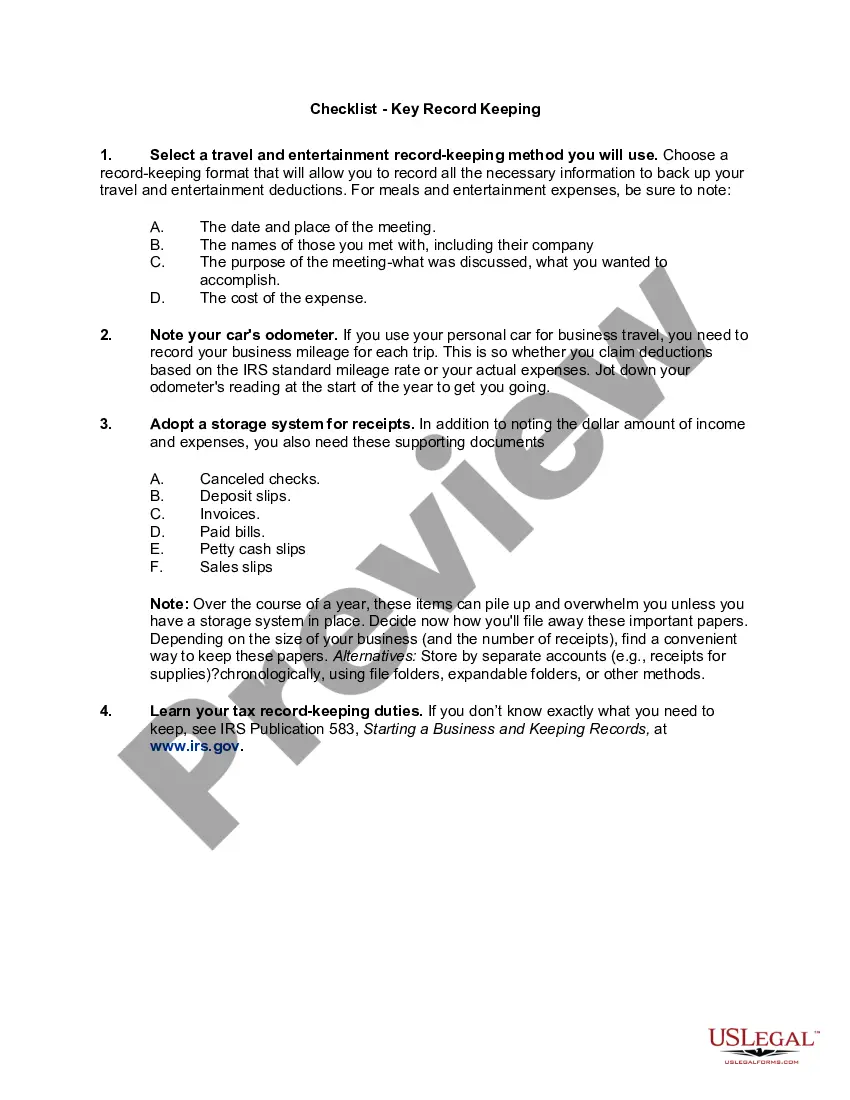
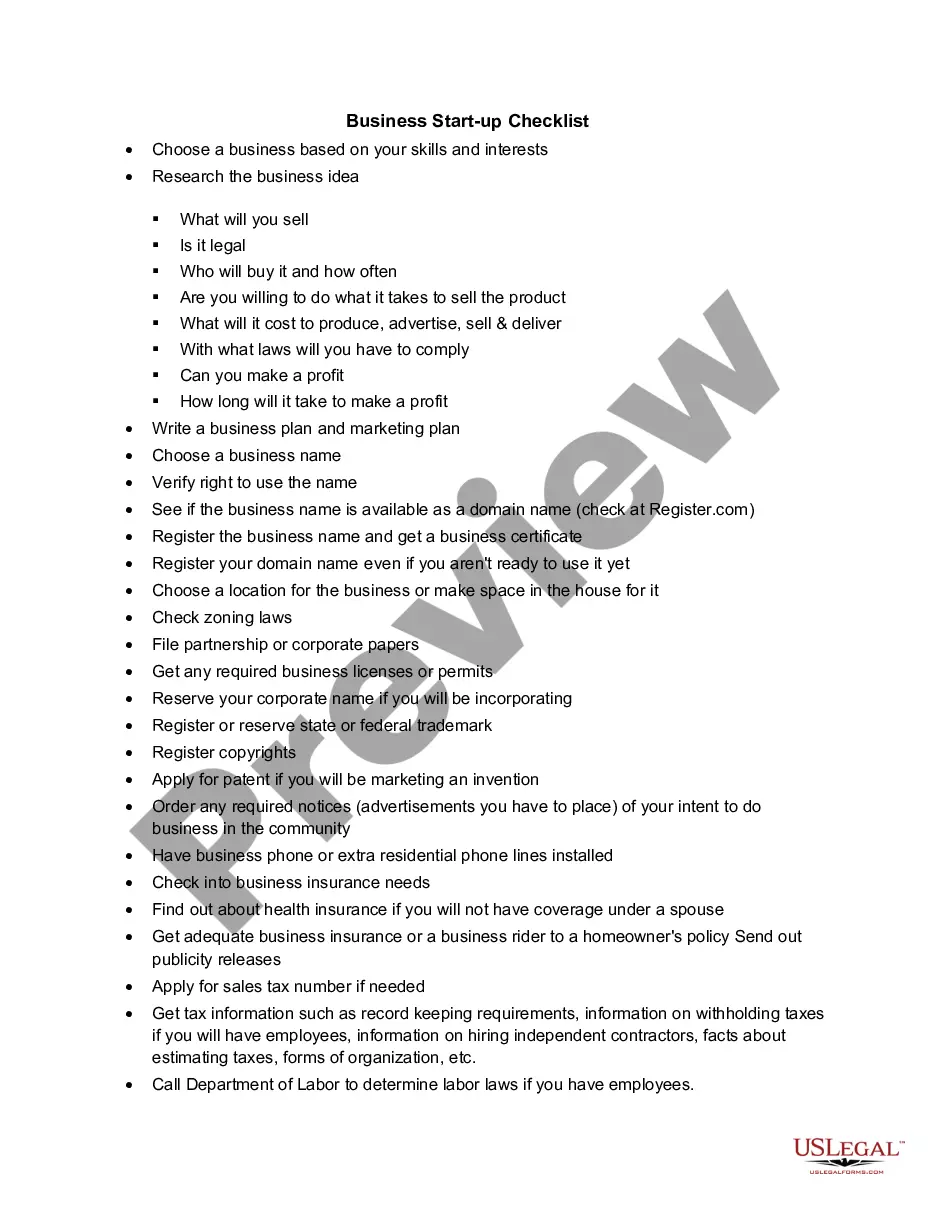
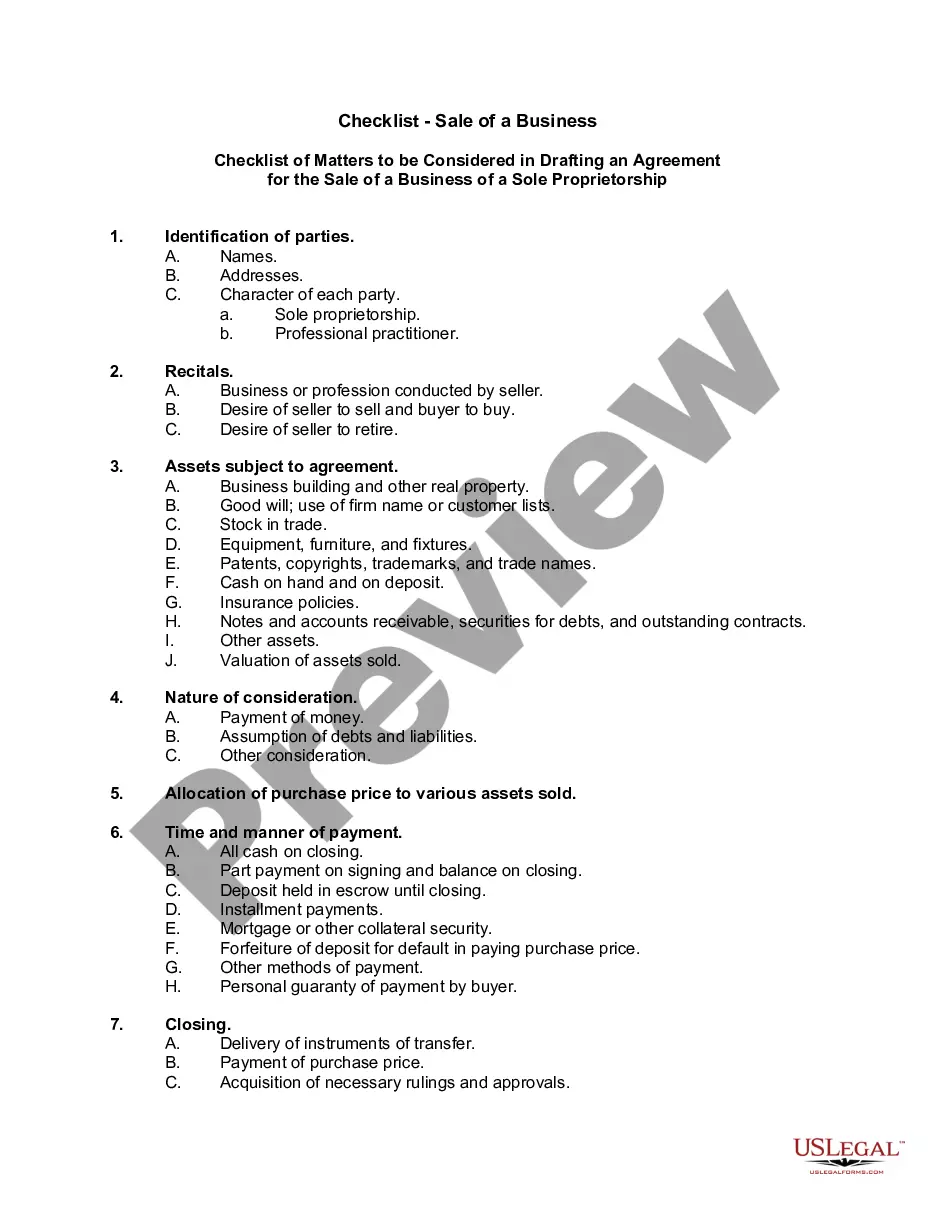
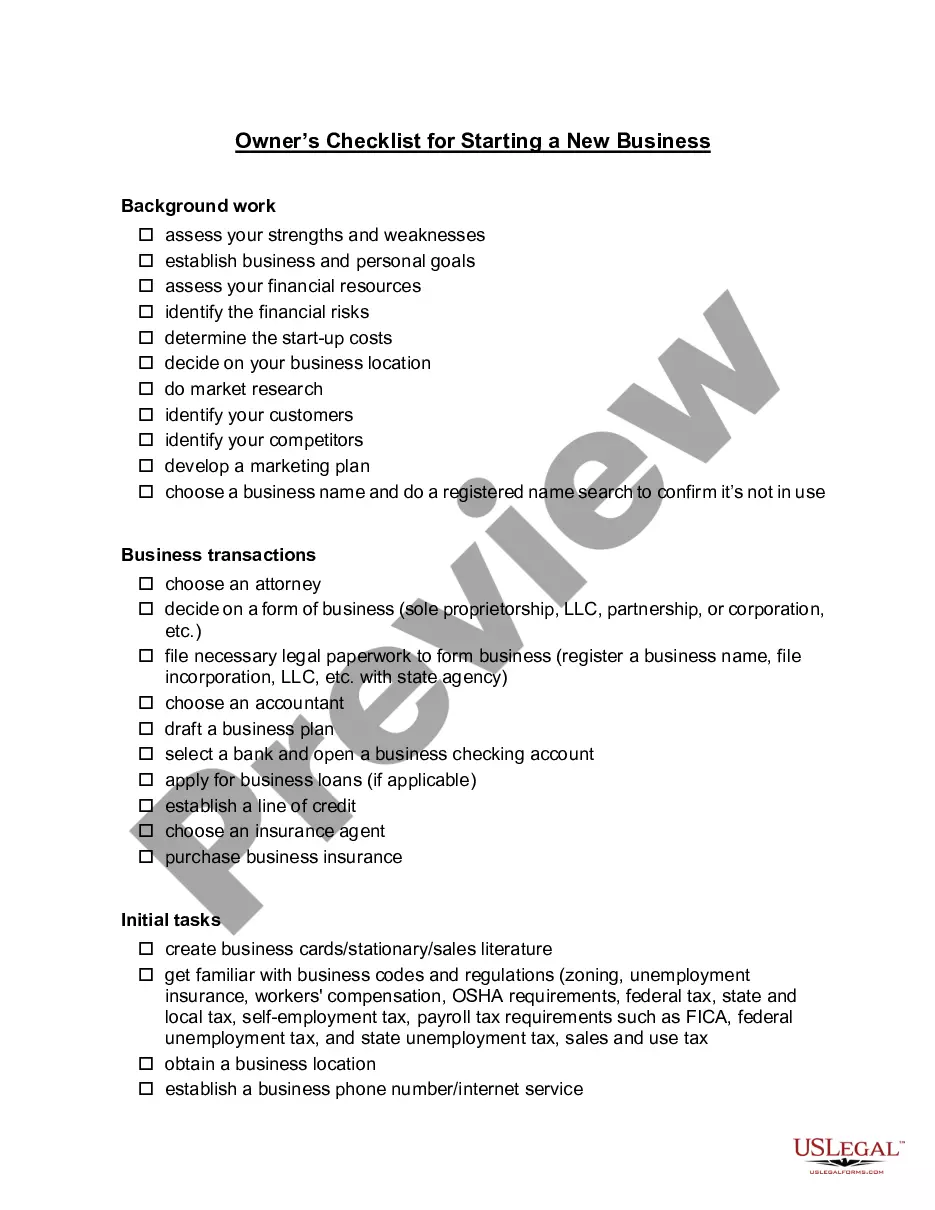
Get your form ready online
Our built-in tools help you complete, sign, share, and store your documents in one place.
Make edits, fill in missing information, and update formatting in US Legal Forms—just like you would in MS Word.
Download a copy, print it, send it by email, or mail it via USPS—whatever works best for your next step.
Sign and collect signatures with our SignNow integration. Send to multiple recipients, set reminders, and more. Go Premium to unlock E-Sign.
If this form requires notarization, complete it online through a secure video call—no need to meet a notary in person or wait for an appointment.
We protect your documents and personal data by following strict security and privacy standards.

Make edits, fill in missing information, and update formatting in US Legal Forms—just like you would in MS Word.

Download a copy, print it, send it by email, or mail it via USPS—whatever works best for your next step.

Sign and collect signatures with our SignNow integration. Send to multiple recipients, set reminders, and more. Go Premium to unlock E-Sign.

If this form requires notarization, complete it online through a secure video call—no need to meet a notary in person or wait for an appointment.

We protect your documents and personal data by following strict security and privacy standards.
Looking for another form?








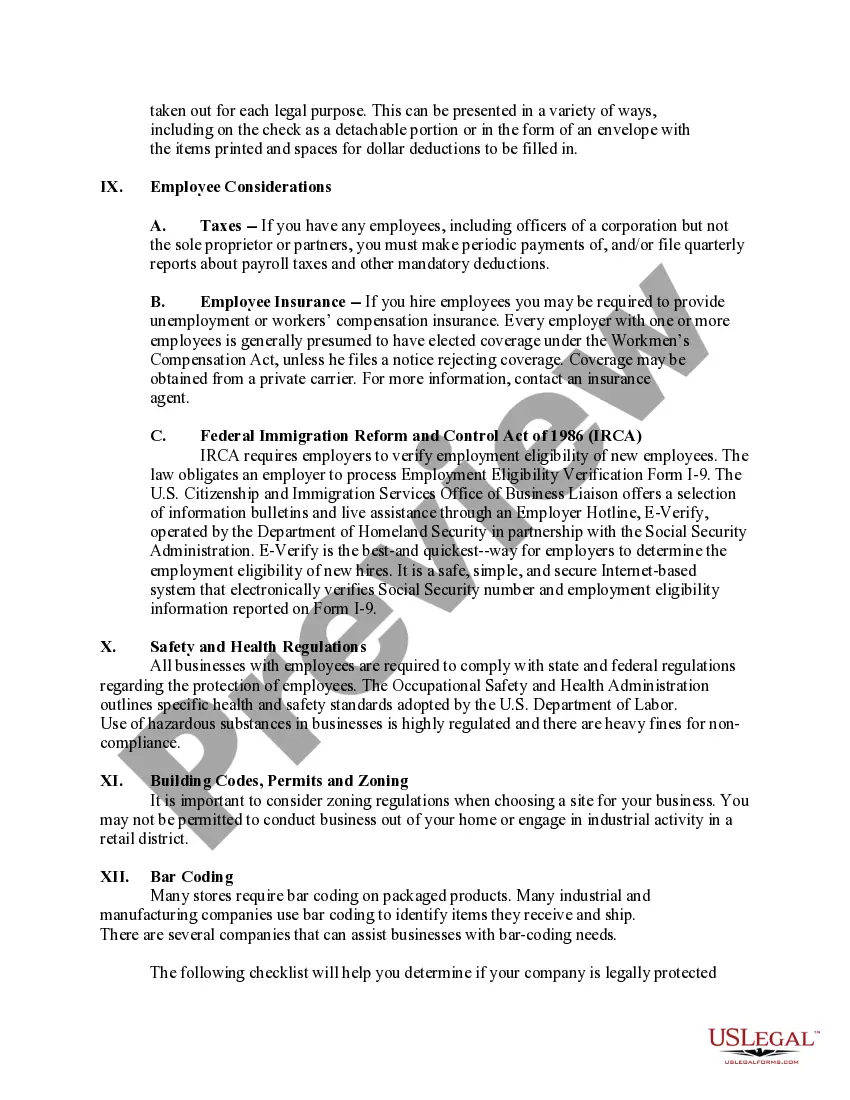
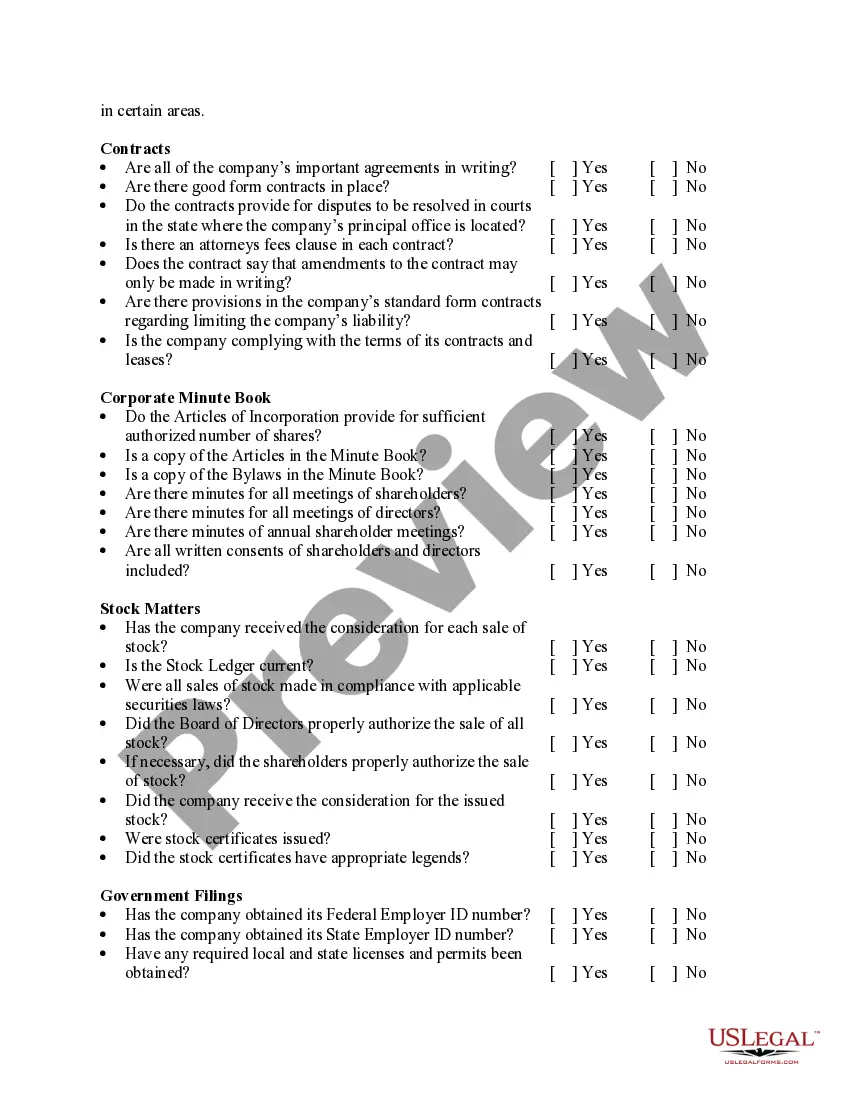
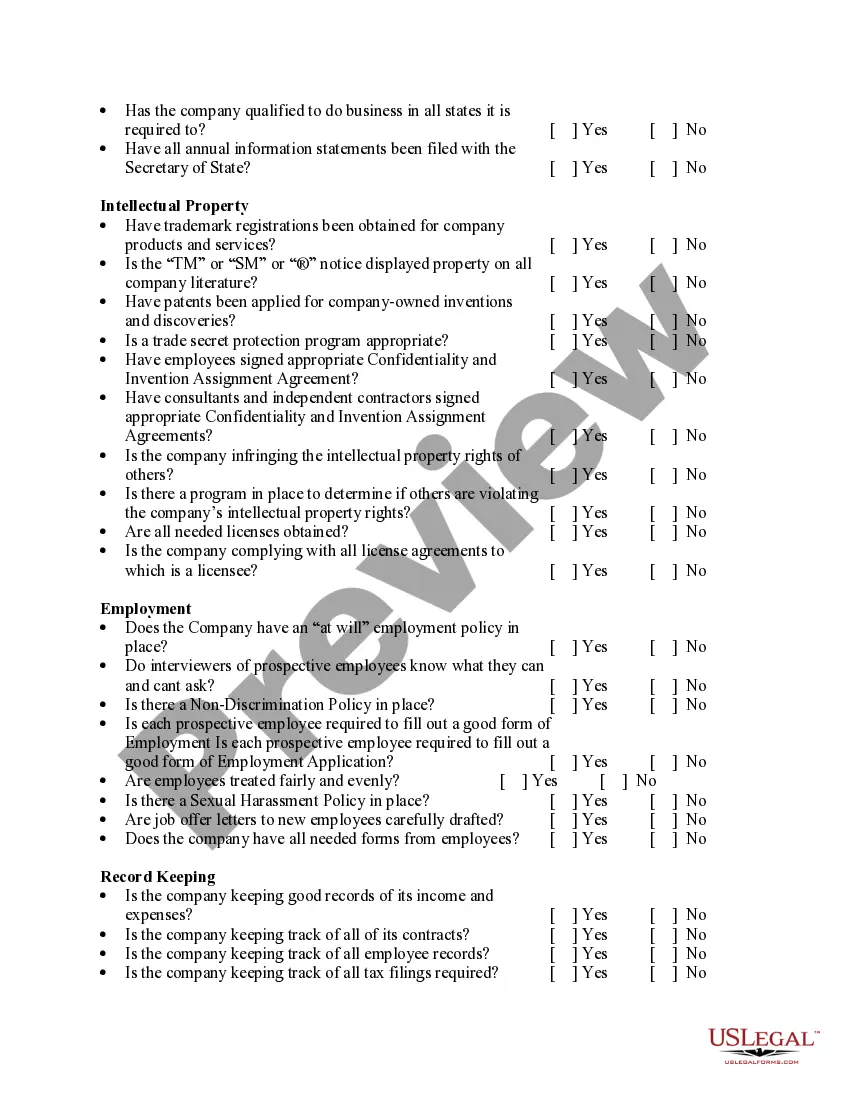
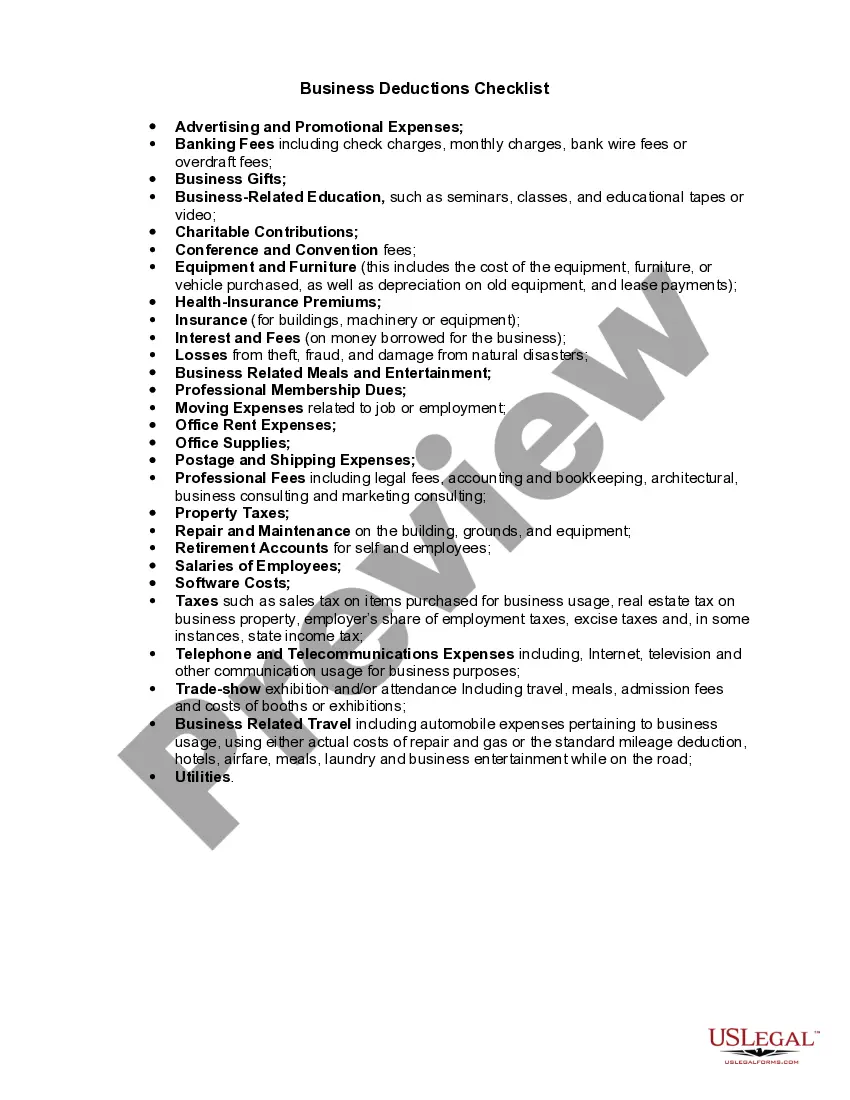
How to fill out Checklist - Small Business Legal Compliance Inventory?
Managing legal documents and processes can be a lengthy addition to your schedule.
Inventory List For Small Business and similar forms typically necessitate you to look for them and figure out how to fill them out correctly.
Therefore, whether you are dealing with financial, legal, or personal issues, having a vast and useful online library of forms readily available will be a significant advantage.
US Legal Forms is the premier online resource for legal templates, providing over 85,000 state-specific documents along with various tools to assist you in completing your paperwork effortlessly.
Is this your first experience with US Legal Forms? Create and establish an account in a few moments, and you’ll get access to the form library and Inventory List For Small Business. After that, follow these steps to finalize your form: Ensure you have located the right form by using the Preview feature and reviewing the form details. Click Buy Now when you're ready, and select the monthly subscription plan that suits your needs. Choose Download, then fill out, sign, and print the form. US Legal Forms boasts 25 years of experience assisting clients with their legal documents. Get the form you need today and streamline any process effortlessly.
- Explore the collection of relevant documents accessible to you with just one click.
- US Legal Forms provides state- and county-specific forms ready for download at any time.
- Secure your document management processes by utilizing a reliable service that enables you to prepare any form within minutes without any additional or concealed fees.
- Simply Log In to your account, find Inventory List For Small Business, and obtain it instantly from the My documents section.
- You can also access previously saved forms.
Form popularity
FAQ
In general, an inventory list should include the product's name, SKU number, description, pricing, and quantity. Inventory lists help brands manage and monitor their stock levels, allowing for greater inventory control and a more streamlined approach to inventory management.
Here's how to create your own inventory sheet in just four steps: Open a Spreadsheet. You can use any spreadsheet you like. ... Name Your Headings. This gives you the information that you will collect on each item in inventory. ... Enter Basic Item Information. ... Save Your Work.
What to Include on Inventory Lists Name of the item. SKU (stock-keeping unit), serial number and/or barcode that identifies an item. Category and/or brief item description. Name of manufacturer or supplier. Unit cost. Sale price. Quantity in stock. Total value.
The most barebones method of tracking inventory is to set up a manual inventory or sales ledger. You can do this with most accounting software, a spreadsheet, or even a physical notebook. Any time you make a sale or a purchase, record it in the ledger.