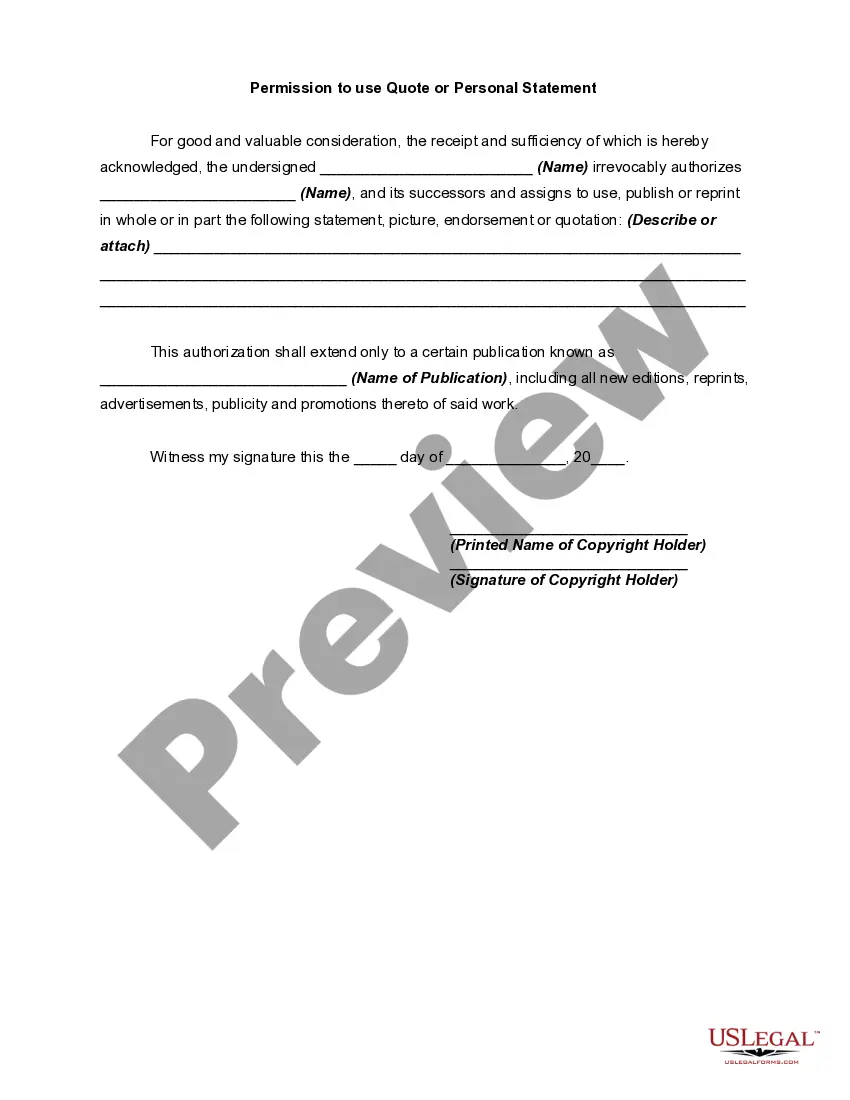
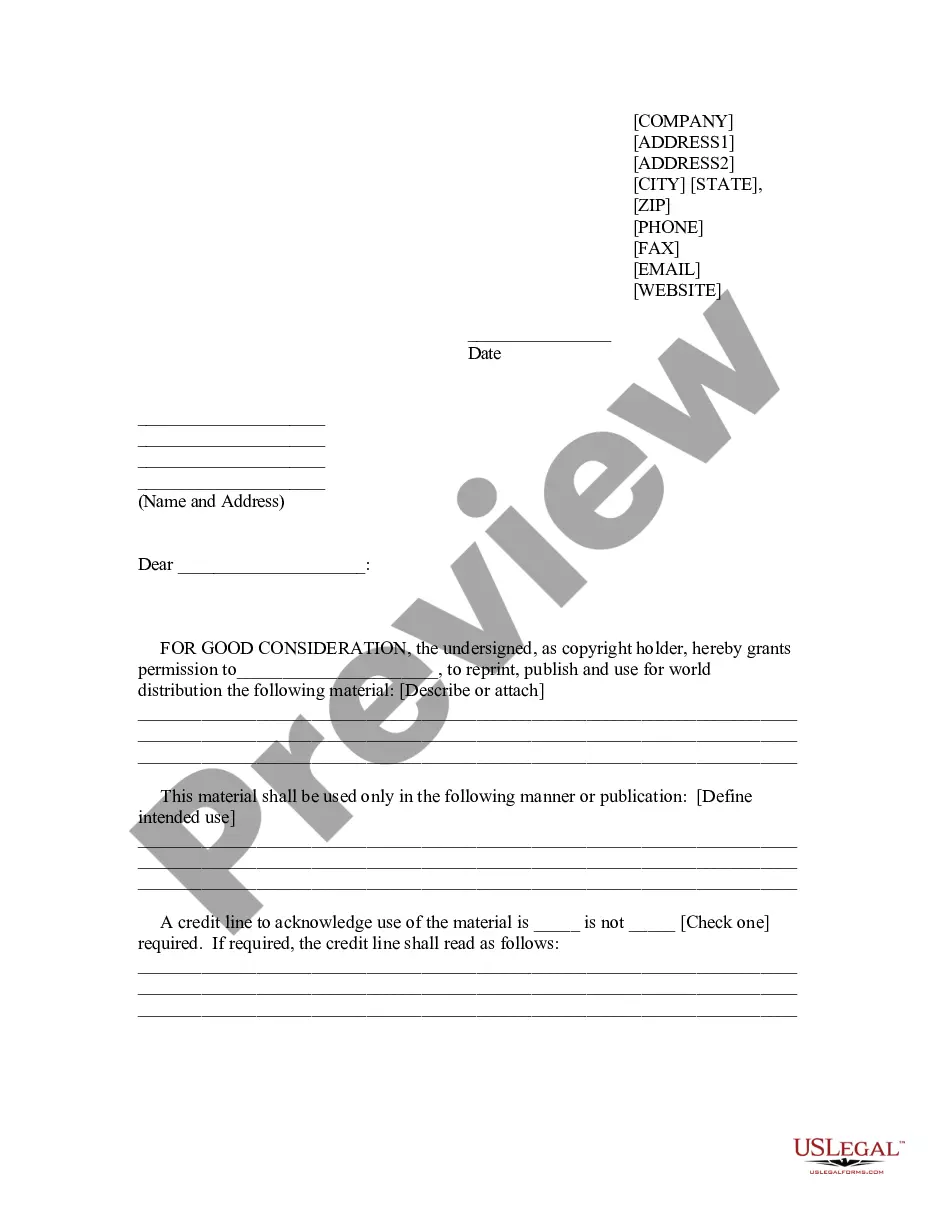
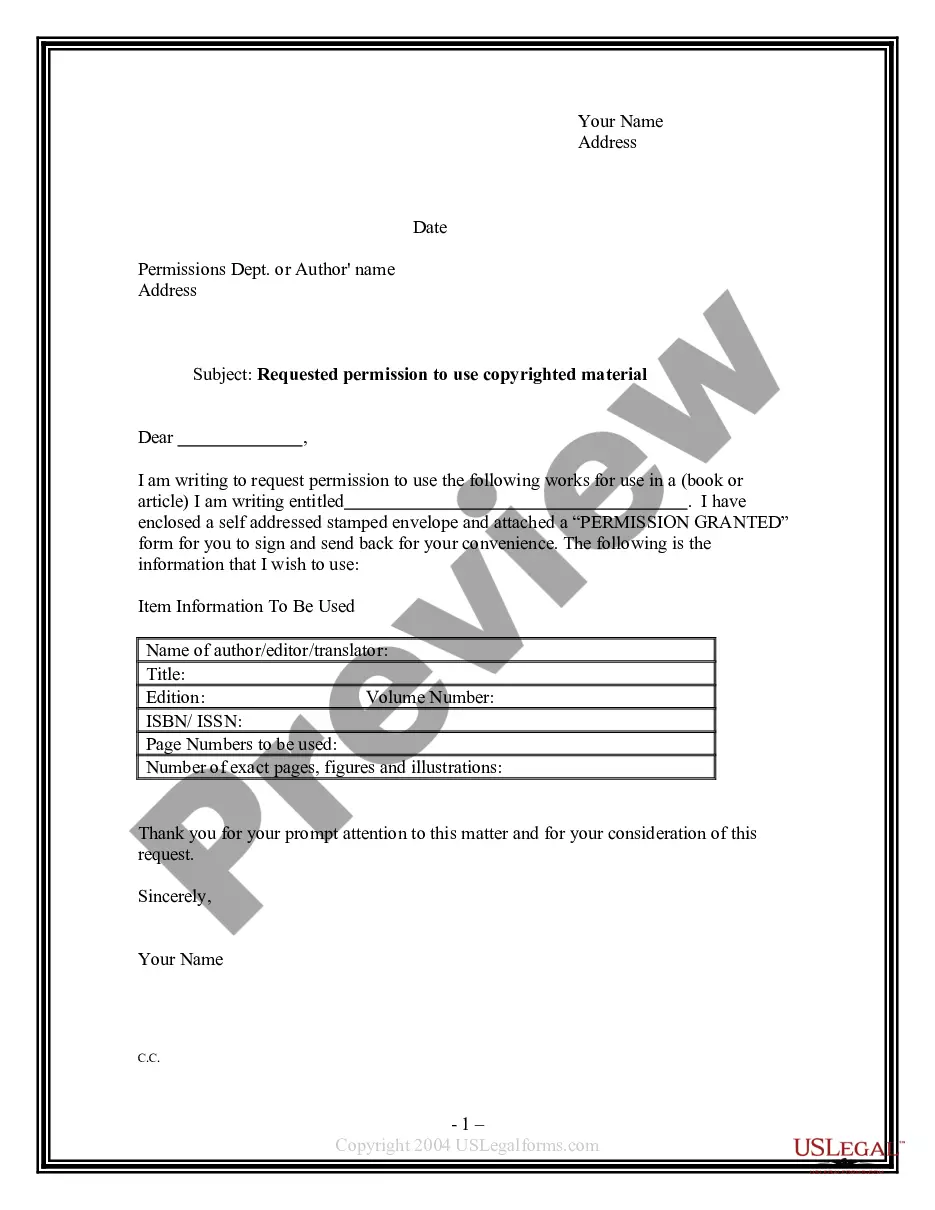
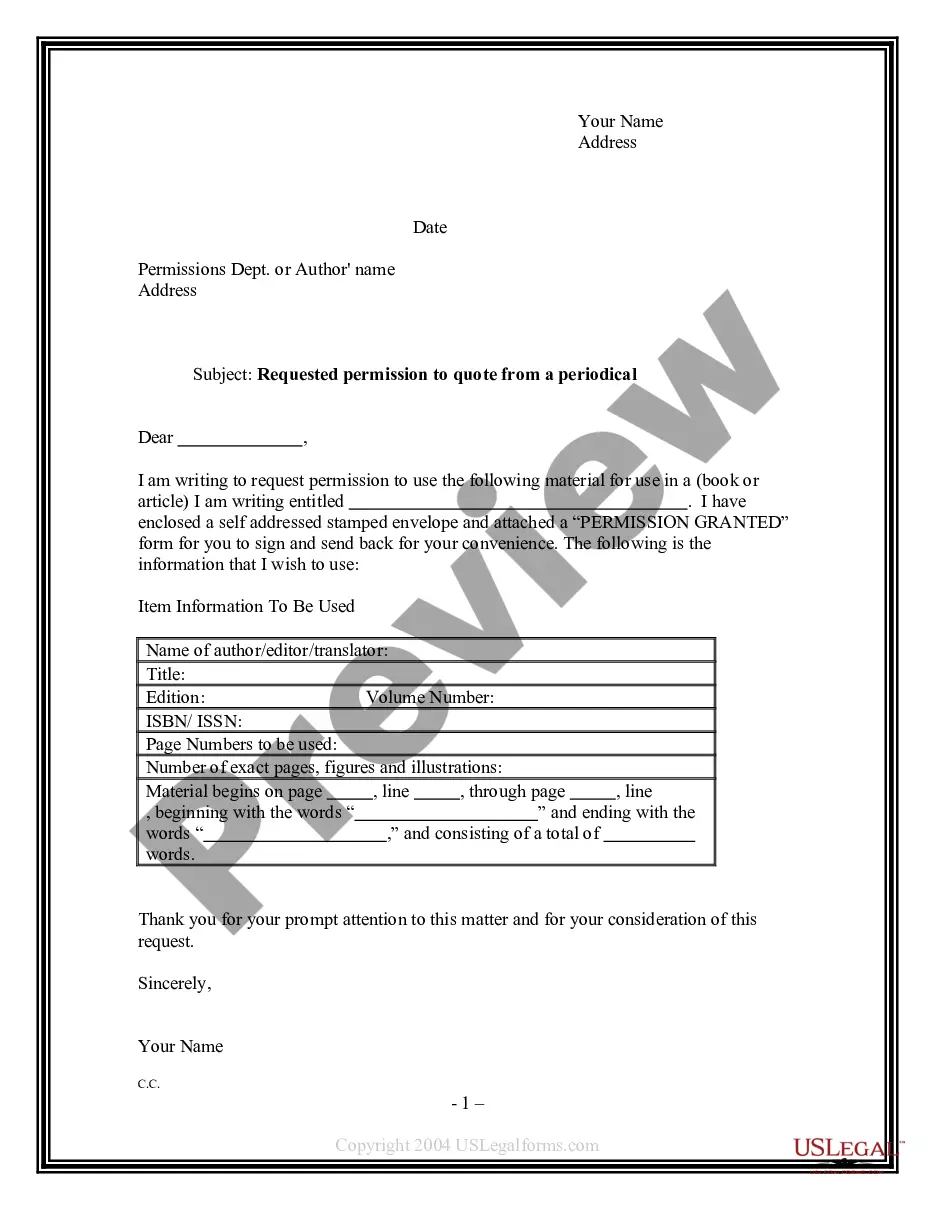
Name Copyright Quotes With Page Numbers
Description
Get your form ready online
Our built-in tools help you complete, sign, share, and store your documents in one place.
Make edits, fill in missing information, and update formatting in US Legal Forms—just like you would in MS Word.
Download a copy, print it, send it by email, or mail it via USPS—whatever works best for your next step.
Sign and collect signatures with our SignNow integration. Send to multiple recipients, set reminders, and more. Go Premium to unlock E-Sign.
If this form requires notarization, complete it online through a secure video call—no need to meet a notary in person or wait for an appointment.
We protect your documents and personal data by following strict security and privacy standards.

Make edits, fill in missing information, and update formatting in US Legal Forms—just like you would in MS Word.

Download a copy, print it, send it by email, or mail it via USPS—whatever works best for your next step.

Sign and collect signatures with our SignNow integration. Send to multiple recipients, set reminders, and more. Go Premium to unlock E-Sign.

If this form requires notarization, complete it online through a secure video call—no need to meet a notary in person or wait for an appointment.

We protect your documents and personal data by following strict security and privacy standards.
Looking for another form?







How to fill out Permission To Use Quote Or Personal Statement?
The Title Copyright Citations With Page References displayed on this page is a versatile legal template crafted by expert attorneys in accordance with federal and state laws and regulations.
For over 25 years, US Legal Forms has supplied individuals, organizations, and legal professionals with more than 85,000 verified, state-specific documents for any business and personal situation. It’s the quickest, most direct, and most reliable method to obtain the documentation you require, as the service ensures bank-level data security and anti-malware safeguards.
Choose the format you desire for your Title Copyright Citations With Page References (PDF, DOCX, RTF) and download the sample onto your device.
- Explore the document you require and examine it.
- Browse through the example you searched and view it or review the document description to ensure it meets your needs. If it doesn’t, use the search bar to find the correct one. Click Buy Now when you have located the template you require.
- Register and Log In.
- Select the pricing plan that fits you and create an account. Use PayPal or a credit card for a swift payment. If you already possess an account, Log In and check your subscription to proceed.
- Obtain the fillable document.
Form popularity
FAQ
For direct quotations, include the page number as well, for example: (Field, 2005, p. 14). For sources such as websites and e-books that have no page numbers, use a paragraph number, for example: (Field, 2005, para. 1).
Copyright Attribution Format Indicate whether the material was reprinted ("From") or adapted ("Adapted from") List the title, author, year of publication, and source of the material (using title case) Identify the material's copyright status. Include a permission statement if permission was sought and obtained.
When to include page numbers. You should include the page number in the in-text citation when directly quoting the exact wording of a source. Short direct quotes are enclosed within quotation marks. Note: in-text citations go after the full stop.
Copyright Attribution Format List the title, author, year of publication, and source of the material (using title case) Identify the material's copyright status. Include a permission statement if permission was sought and obtained.
MLA in-text citation style uses the author's last name and the page number from which the quotation or paraphrase is taken, for example: (Smith 163). If the source does not use page numbers, do not include a number in the parenthetical citation: (Smith).