Performance Review Summary Examples
Description
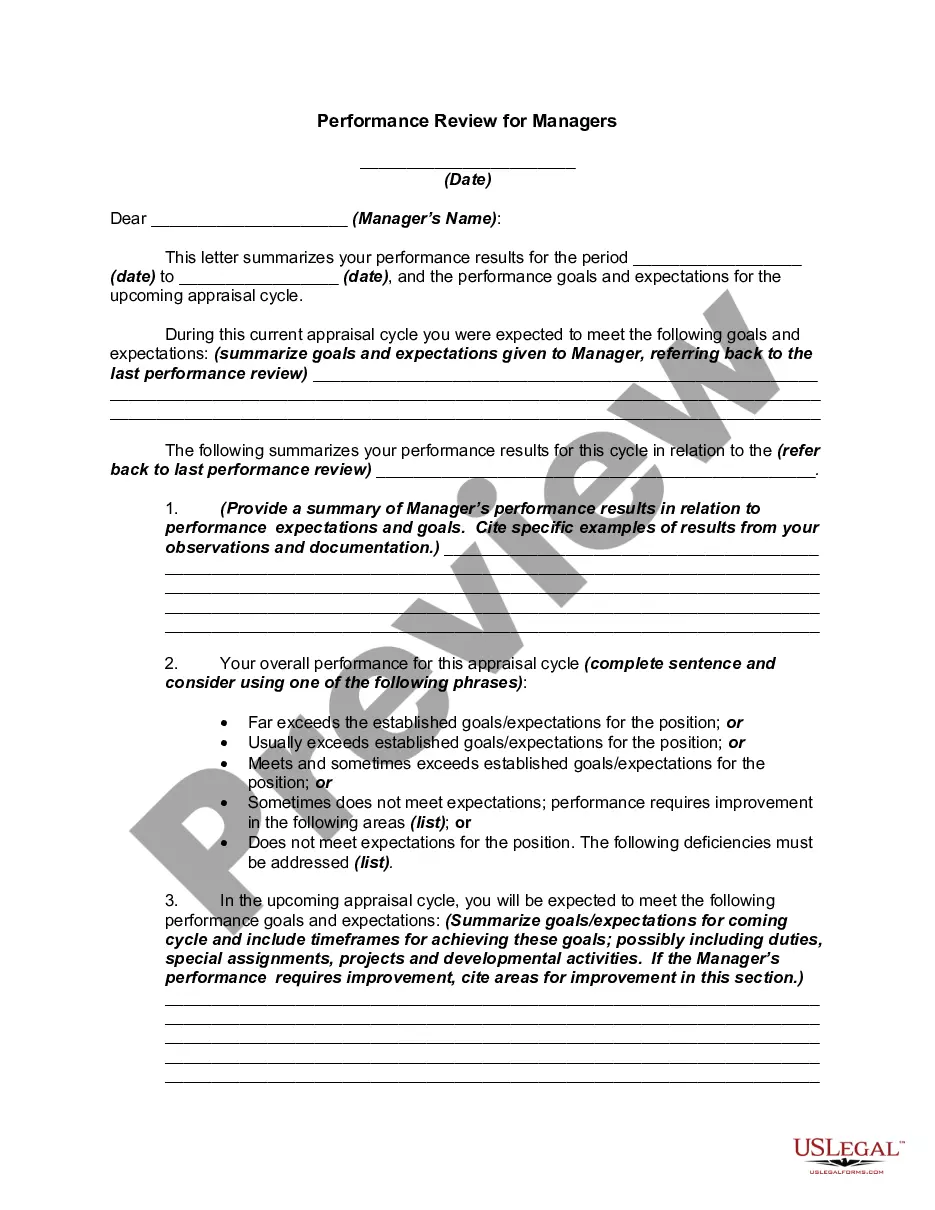
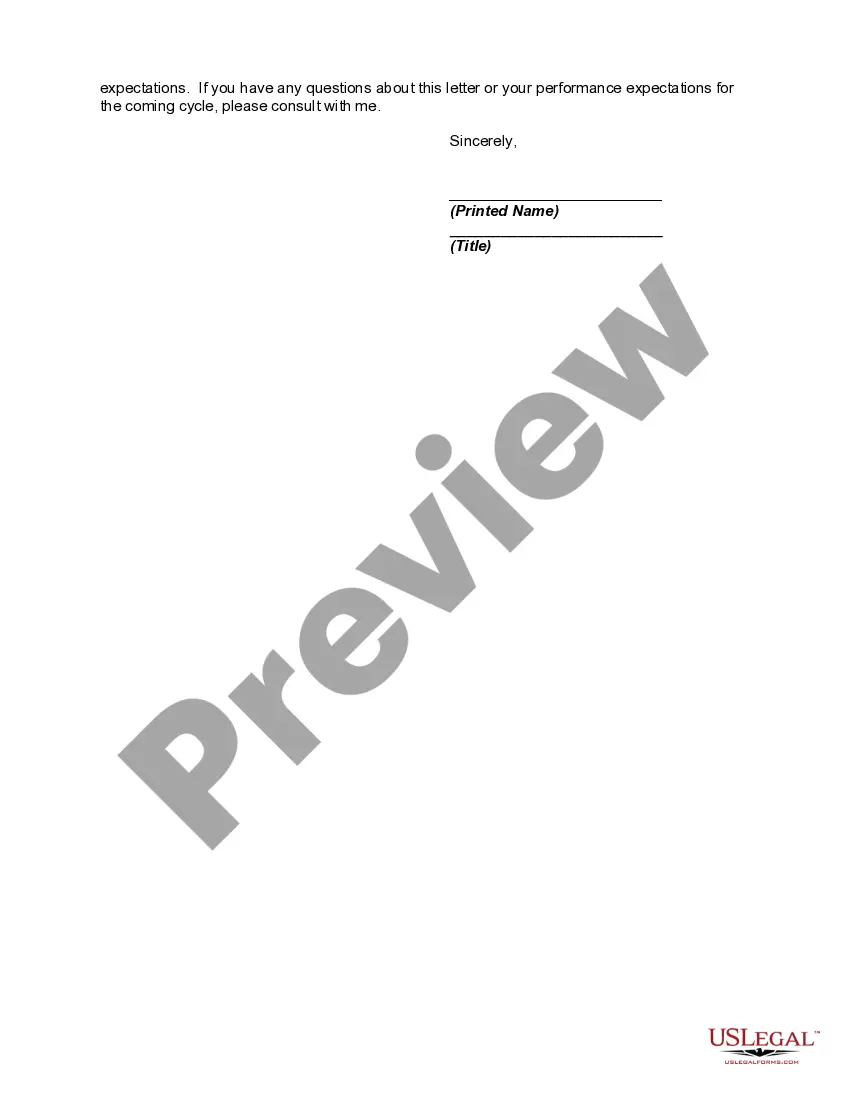
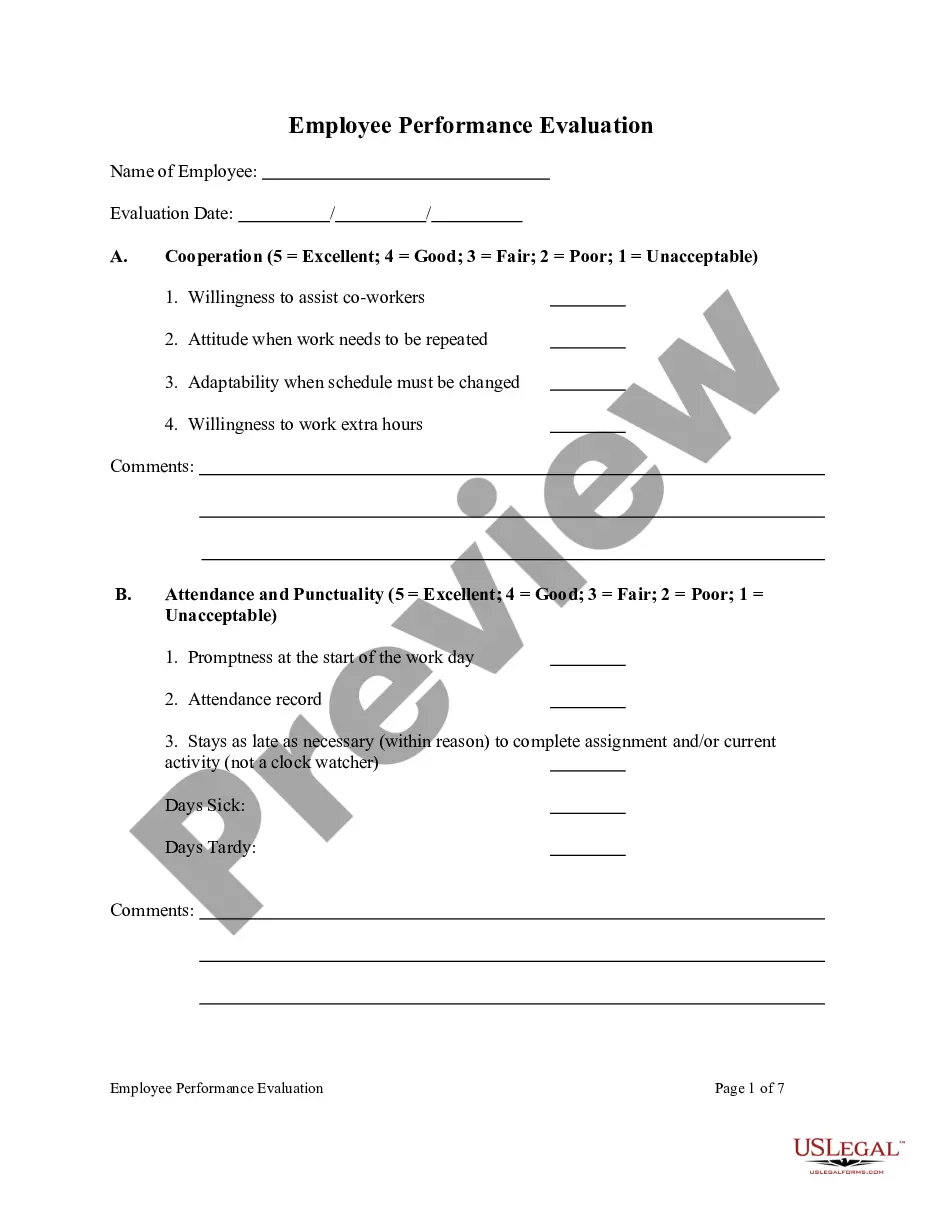
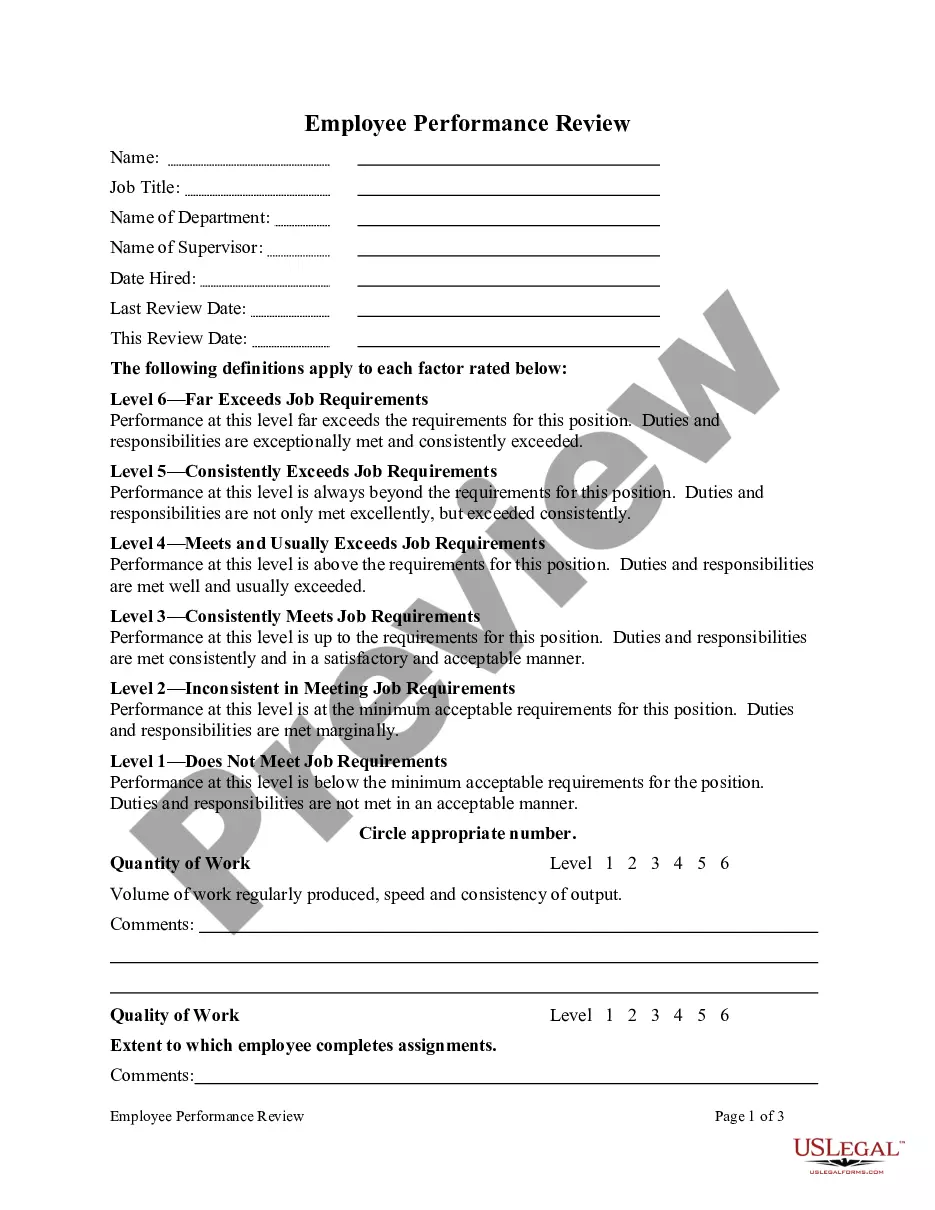

How to fill out Performance Review For Managers?
- If you're a returning user, access your account by clicking here and select the necessary form template to download.
- For new users, first, browse the available forms and preview the descriptions to find the appropriate performance review that suits your needs and adheres to local laws.
- If you need to explore more options, utilize the search feature at the top of the page for additional templates.
- Once you've found the right document, click on the Buy Now button and choose a suitable subscription plan, creating an account to unlock full access.
- Proceed to make your purchase by entering your payment details through credit card or PayPal.
- Finally, download your selected form and save it on your device. You can access it anytime from the My Forms section of your profile.
In conclusion, leveraging US Legal Forms for performance review summary examples can save you time and ensure accuracy in your evaluations. With a vast selection of templates and expert assistance available, you'll have the tools you need for effective reviews.
Don’t wait; start utilizing US Legal Forms today and expedite your document preparation!
Form popularity
FAQ
An employee performance summary typically outlines an individual's contributions, strengths, and areas for growth. For instance, you might discuss a project led successfully within a set timeframe, highlighting collaboration and results. Looking at performance review summary examples can inspire you to create a summary that is effective, fostering a constructive dialogue during reviews.
In your overall self-review, address your contributions, development areas, and goals for the future. Use specific examples to illustrate your points and support your claims, ensuring they align with your team's objectives. As seen in performance review summary examples, a structured approach helps clarify your impact and outlines your commitment to improvement.
To summarize self-performance review examples, identify key themes that emerge from the reviews and focus on the most impactful outcomes. Highlight skills and competencies demonstrated through these examples, showing how they contribute to your ongoing growth. A well-crafted summary synthesizes these points to present a cohesive narrative of your performance.
To write a summary of yourself for a performance review, begin with your primary accomplishments followed by any challenges you faced. Be sure to include specific metrics or results to provide a clear picture of your impact. Performance review summary examples can guide you in structuring your summary effectively, ensuring it’s both informative and engaging.
In your performance review summary, mention your successes, lessons learned, and professional development. It’s important to be honest and reflect on areas where you can improve. Using performance review summary examples, you can frame your achievements in a way that aligns with your organization’s goals and your career aspirations.
An example of a self-performance summary might highlight your key projects, teamwork, and skills developed. You could outline a specific project where you exceeded expectations, noting any metrics achieved. By providing relevant performance review summary examples, you can illustrate your unique contributions and the value you add to your team.
A good overall summary should encapsulate your contributions, areas for improvement, and future goals. It should reflect a balanced view of accomplishments and challenges faced throughout the review period. Utilizing performance review summary examples can help you craft a narrative that showcases your strengths while demonstrating a commitment to growth.
To write a powerful performance summary, focus on key achievements and contributions over the review period. Use clear and concise language to highlight results, emphasizing both qualitative and quantitative aspects. Incorporate performance review summary examples that resonate with your role and objectives, providing context that shows your growth and improvement.
To write an impressive summary, focus on clarity and impact. Start with a strong opening sentence that captures attention, followed by concrete examples of your accomplishments. Avoid jargon and unnecessary complexity, while ensuring each word adds value. Utilizing performance review summary examples can help you discover effective phrasing and techniques to enhance your summary.
A good overall performance summary articulates your strengths, areas for improvement, and future goals. Begin by reviewing your performance metrics and feedback from peers or supervisors. Focus on illustrating how your efforts align with organizational objectives. By examining performance review summary examples, you can gain insights into structuring your summary to highlight your achievements and areas for growth.