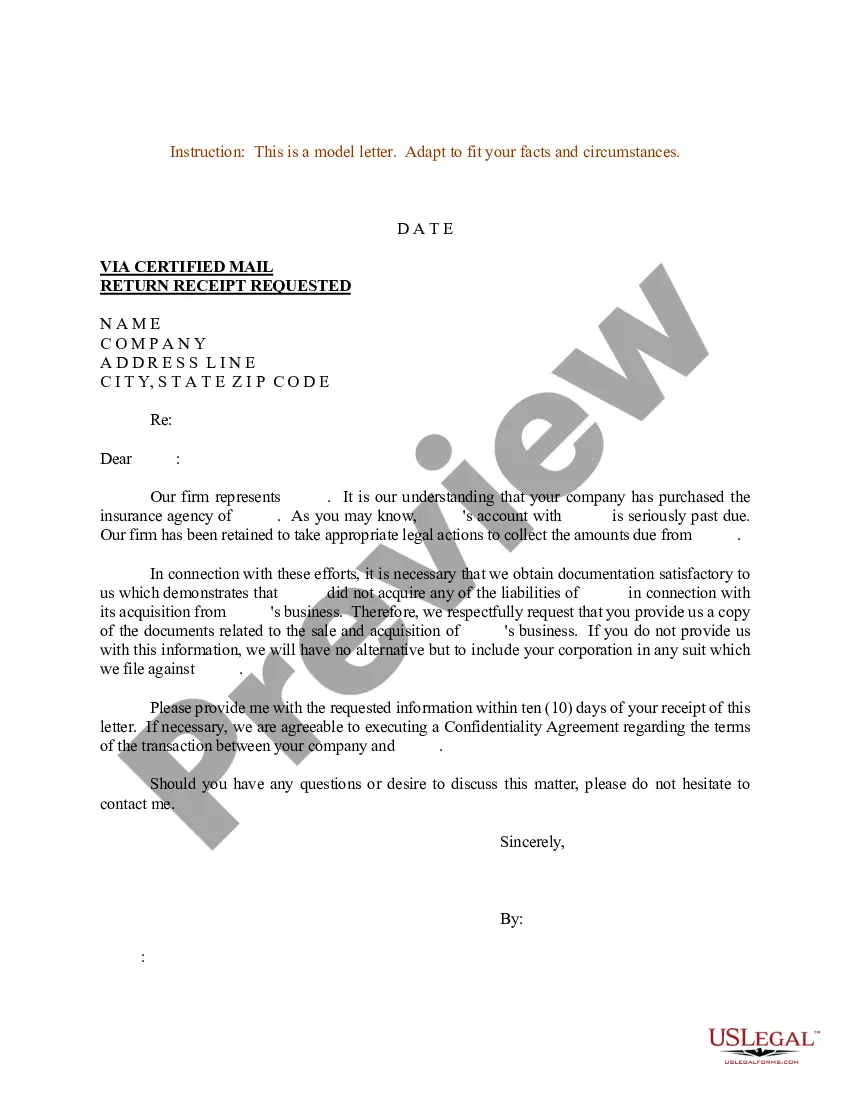
Letter Of Representation For Deceased Person
Description
Get your form ready online
Our built-in tools help you complete, sign, share, and store your documents in one place.
Make edits, fill in missing information, and update formatting in US Legal Forms—just like you would in MS Word.
Download a copy, print it, send it by email, or mail it via USPS—whatever works best for your next step.
Sign and collect signatures with our SignNow integration. Send to multiple recipients, set reminders, and more. Go Premium to unlock E-Sign.
If this form requires notarization, complete it online through a secure video call—no need to meet a notary in person or wait for an appointment.
We protect your documents and personal data by following strict security and privacy standards.

Make edits, fill in missing information, and update formatting in US Legal Forms—just like you would in MS Word.

Download a copy, print it, send it by email, or mail it via USPS—whatever works best for your next step.

Sign and collect signatures with our SignNow integration. Send to multiple recipients, set reminders, and more. Go Premium to unlock E-Sign.

If this form requires notarization, complete it online through a secure video call—no need to meet a notary in person or wait for an appointment.

We protect your documents and personal data by following strict security and privacy standards.
Looking for another form?
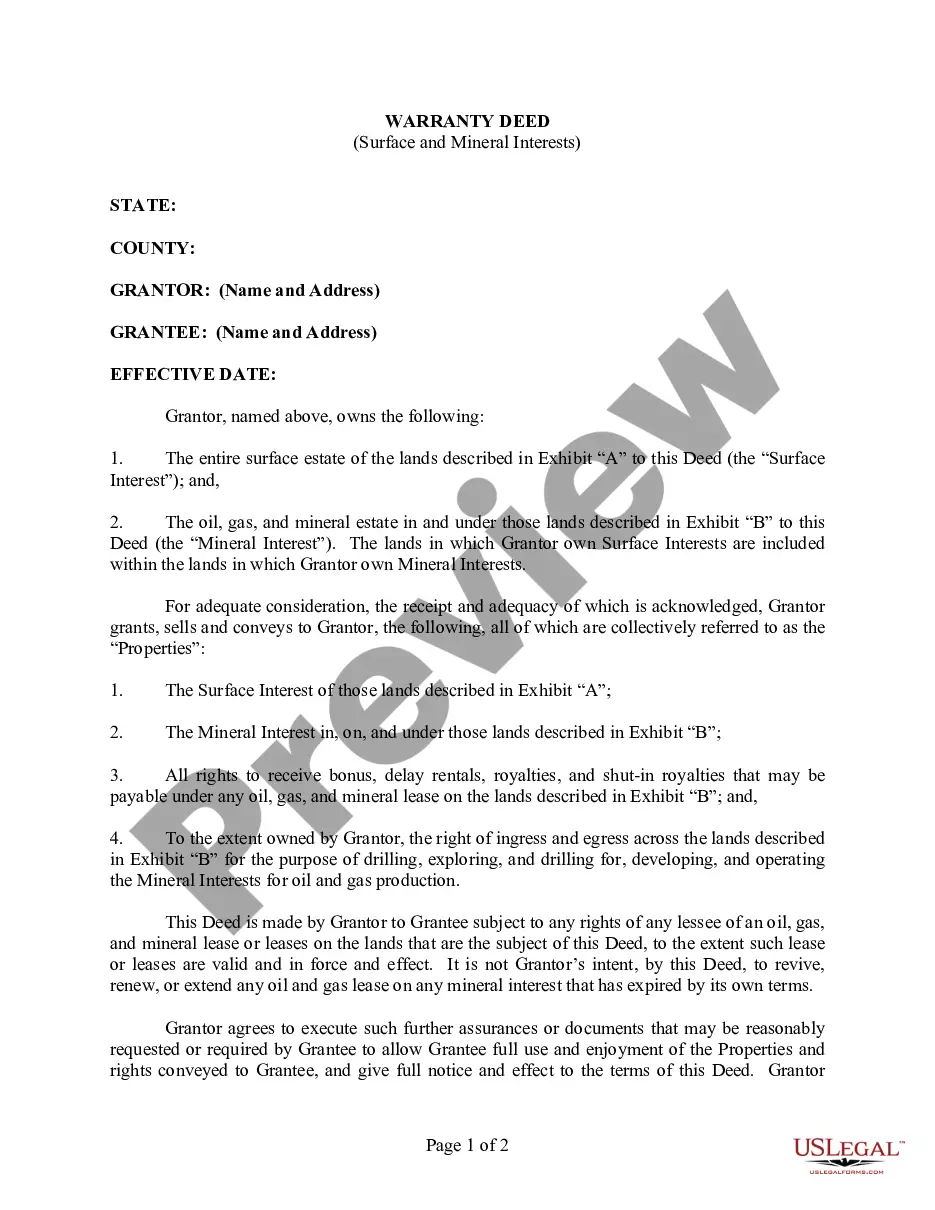
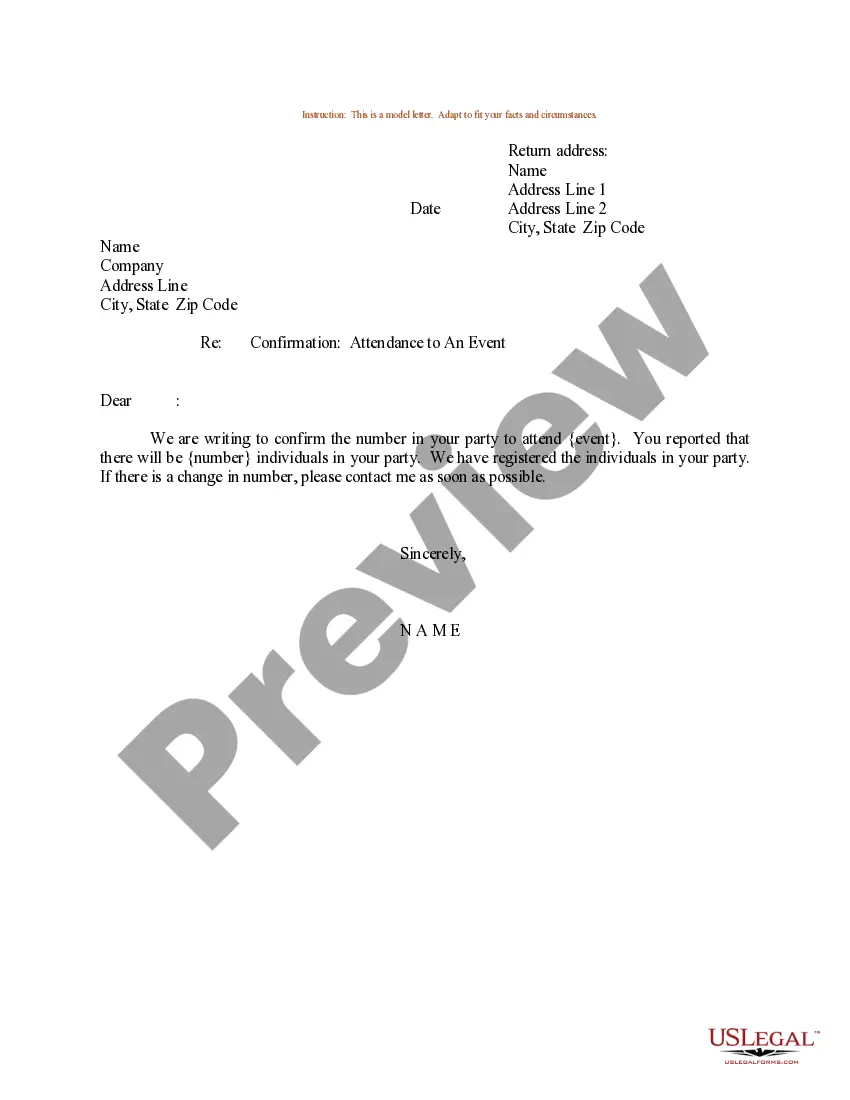
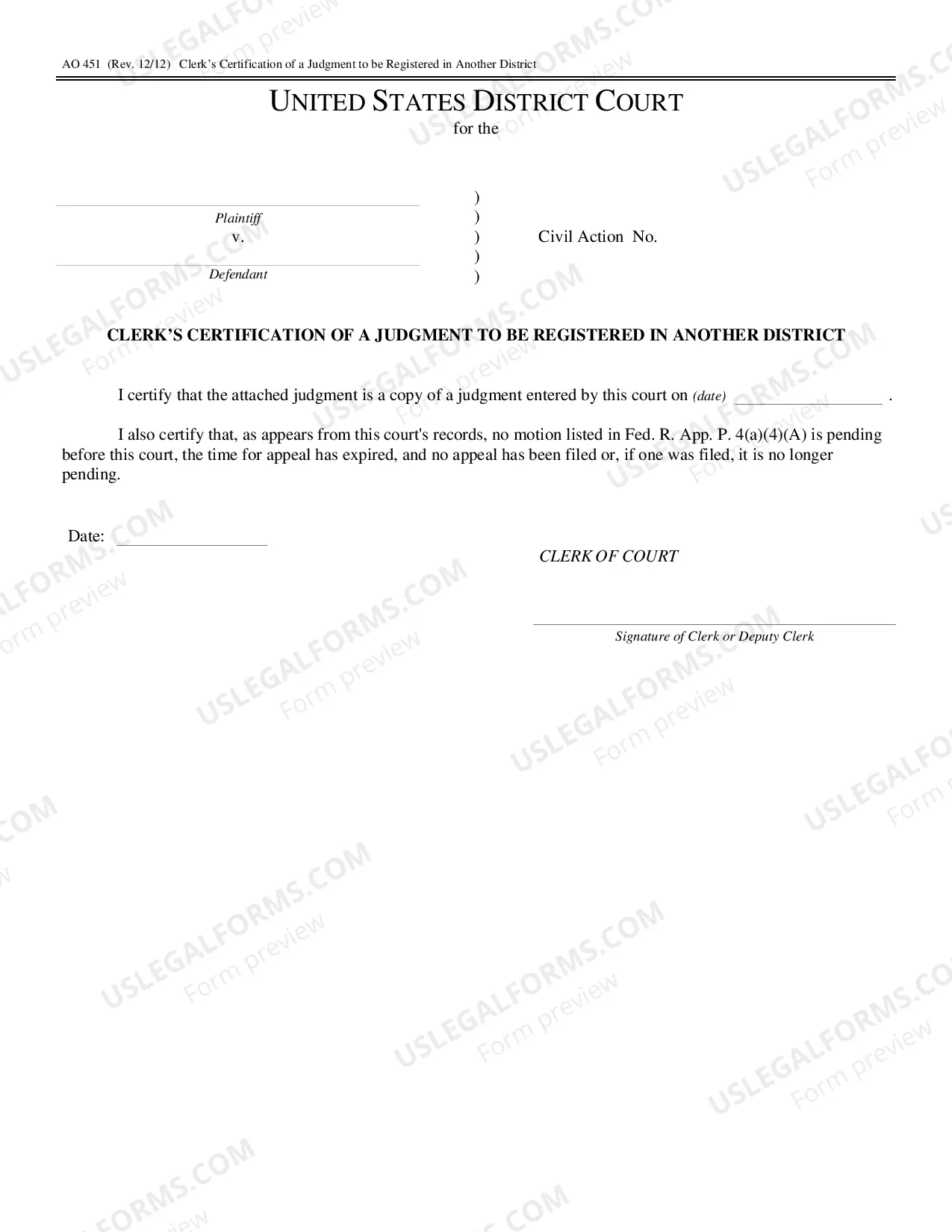
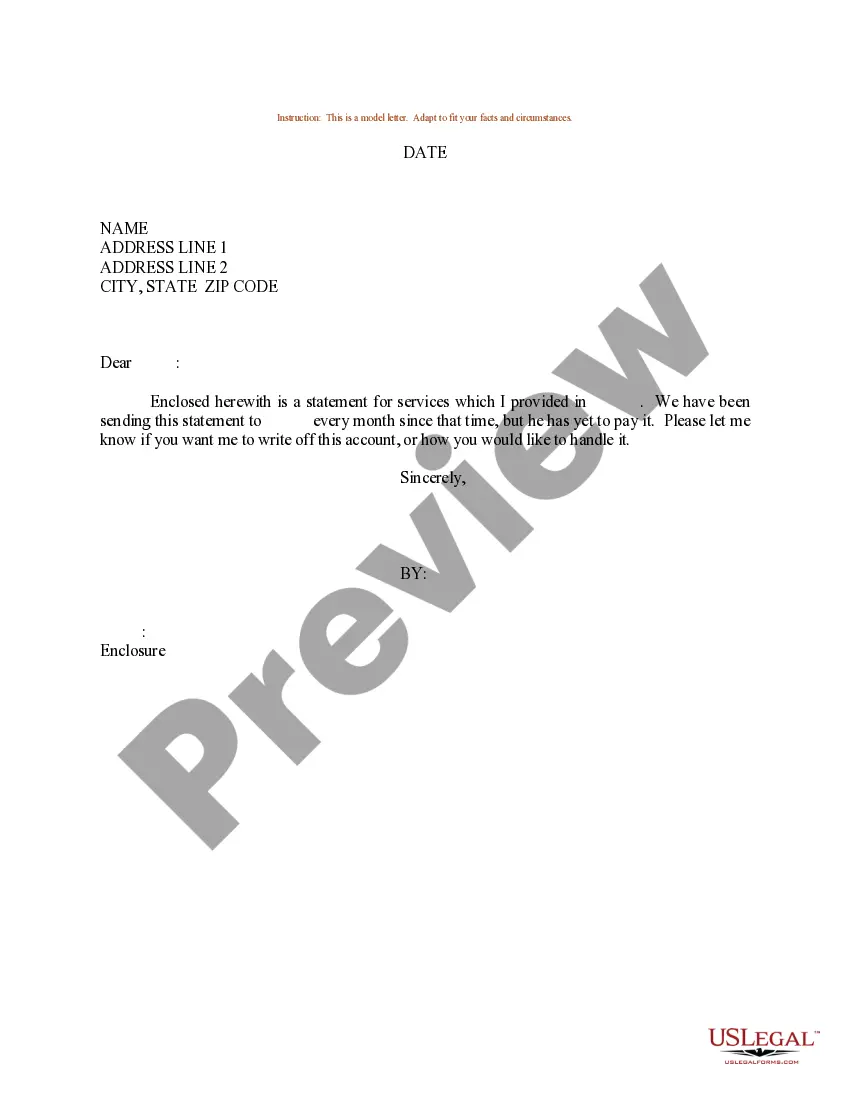
How to fill out Sample Letter For Legal Representation Obtained For Seriously Past Due Account?
Legal administration can be exasperating, even for the most informed experts.
When you are looking for a Letter Of Representation For Deceased Individual and lack the time to invest in locating the suitable and current version, the processes may be taxing.
Access a resource pool of articles, guides, and manuals pertaining to your situation and requirements.
Save effort and time in finding the documents you require, and utilize US Legal Forms' sophisticated search and Preview feature to locate the Letter Of Representation For Deceased Individual and download it.
Ensure that the sample is accepted in your state or county.
- If you possess a membership, Log In to your US Legal Forms account, search for the form, and download it.
- Visit the My documents section to review the documents you've previously downloaded and manage your folders as needed.
- If it's your initial experience with US Legal Forms, create an account and obtain unlimited access to all the benefits of the library.
- Here are the steps to follow after accessing the required form.
- Verify that this is the correct form by previewing it and reviewing its description.
- A robust online form library could be a revolutionary solution for anyone aiming to handle these circumstances efficiently.
- US Legal Forms is a frontrunner in digital legal documents, offering over 85,000 state-specific legal forms at all times.
- Utilize cutting-edge tools to complete and manage your Letter Of Representation For Deceased Individual.
Form popularity
FAQ
Yes, you can transfer property without going through probate in Illinois under certain conditions, such as using a transfer-on-death deed. This can simplify the process and enable faster transfers to heirs. However, you still need a letter of representation for the deceased person to facilitate any necessary actions related to the estate. USLegalForms can assist you in creating the right documents for these kinds of transfers.
To transfer a house title after death in Illinois, you will need to file the appropriate documents, such as a deed transfer form. You’ll also require a letter of representation for the deceased person to prove your authority to act on behalf of the estate. The process can be complex, so considering platforms like USLegalForms can provide you with the right forms and guidance to ensure a smooth transfer.
You should transfer a deed within a reasonable timeframe after death, ideally within 6 to 12 months. In Illinois, this timeframe may coincide with the probate process, but it is essential to act promptly. A letter of representation for the deceased person will facilitate this transfer, allowing the new owner to establish clear title. Services like those from USLegalForms can help in preparing the necessary deeds and other required forms.
In Illinois, an executor typically has up to a year to distribute assets to beneficiaries after the probate process concludes. However, if the estate is complex, this timeline may extend. Having a letter of representation for the deceased person can simplify this process and help ensure timely distributions. Tools offered by USLegalForms can assist executors in meeting their responsibilities efficiently.
No, a letter of administration and a letter of testamentary are not the same. A letter of administration is issued when a person dies without a will, while a letter of testamentary is provided when there is a valid will. Both documents serve as a letter of representation for the deceased person, allowing the appointed individual to manage the estate. Understanding these differences can guide you in handling the estate correctly.
In Illinois, you generally have one year from the date of death to transfer property to beneficiaries. However, if the estate goes through probate, this timeline may vary based on the court's schedule. It’s important to have a letter of representation for the deceased person to streamline the transfer process. Utilizing platforms like USLegalForms can help you prepare the necessary documentation efficiently.
A certified letter for a deceased person is a formal communication that is verified and can be tracked. This type of letter might be used to address legal matters or to provide necessary information to beneficiaries or creditors. It's vital to ensure that any communication regarding the deceased is handled appropriately. A Letter of representation for deceased person can often accompany such letters to clarify your authority in managing the estate.
To become a personal representative for a deceased person, you typically need to submit a petition to the probate court in the jurisdiction where the individual resided. This process often requires you to show your relationship with the deceased and any relevant legal documents, such as a will. Once appointed, you will manage the estate, settle debts, and distribute assets according to the law and the wishes specified in the Letter of representation for deceased person.
Writing a letter to a deceased person involves expressing your thoughts and feelings to someone who is no longer present. You can begin with an appropriate greeting, followed by the message you wish to convey. Consider sharing your memories, thoughts, or unresolved feelings. This process can provide closure and help you reflect on the relationship you had.
To become a personal representative for a deceased person, you typically need to be appointed through a will or through the probate court. This role involves managing the estate, settling debts, and distributing assets according to the deceased's wishes. Understanding the responsibilities involved is essential before taking on this important task.