Section 1244 Stock Cannot Be Issued For
Description
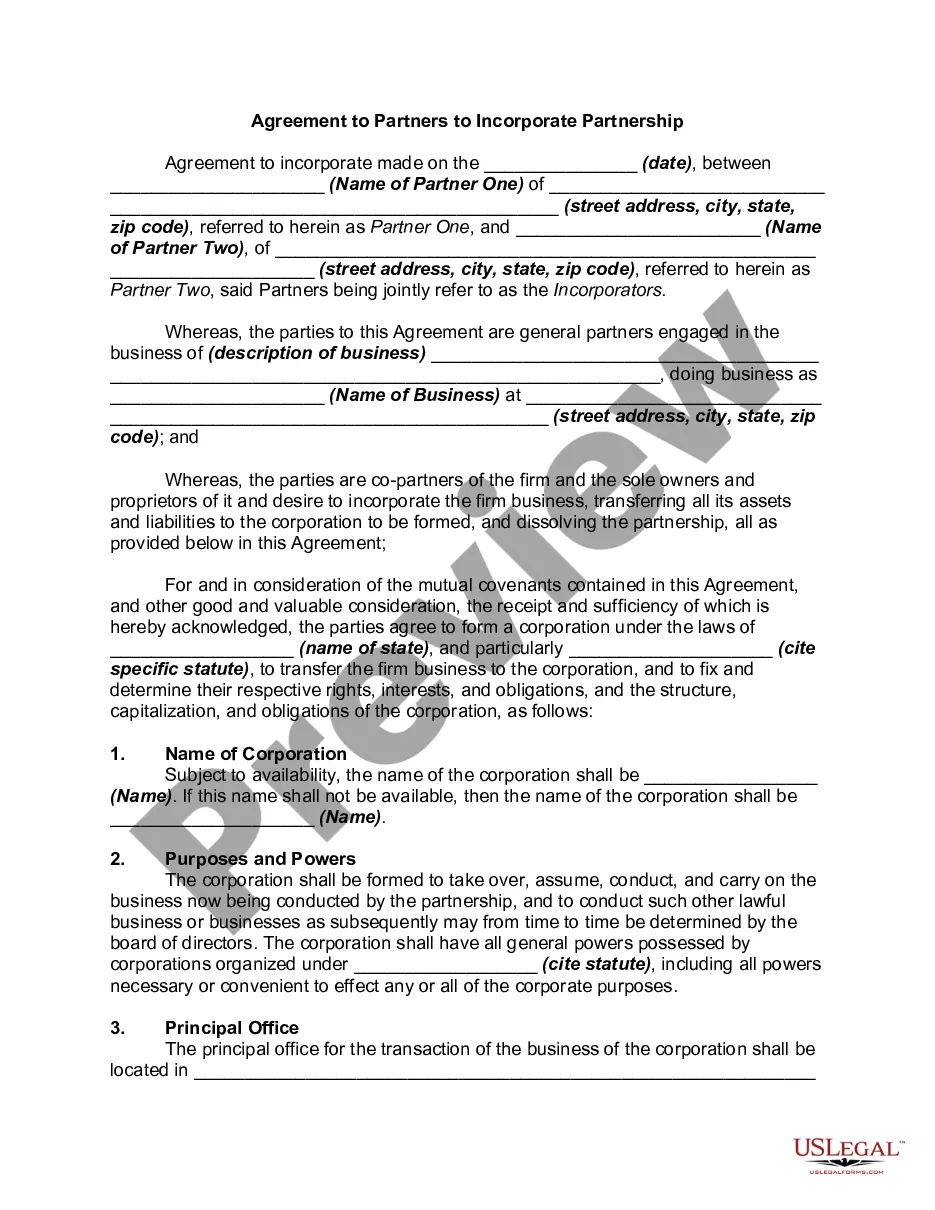
Get your form ready online
Our built-in tools help you complete, sign, share, and store your documents in one place.
Make edits, fill in missing information, and update formatting in US Legal Forms—just like you would in MS Word.
Download a copy, print it, send it by email, or mail it via USPS—whatever works best for your next step.
Sign and collect signatures with our SignNow integration. Send to multiple recipients, set reminders, and more. Go Premium to unlock E-Sign.
If this form requires notarization, complete it online through a secure video call—no need to meet a notary in person or wait for an appointment.
We protect your documents and personal data by following strict security and privacy standards.

Make edits, fill in missing information, and update formatting in US Legal Forms—just like you would in MS Word.

Download a copy, print it, send it by email, or mail it via USPS—whatever works best for your next step.

Sign and collect signatures with our SignNow integration. Send to multiple recipients, set reminders, and more. Go Premium to unlock E-Sign.

If this form requires notarization, complete it online through a secure video call—no need to meet a notary in person or wait for an appointment.

We protect your documents and personal data by following strict security and privacy standards.
Looking for another form?
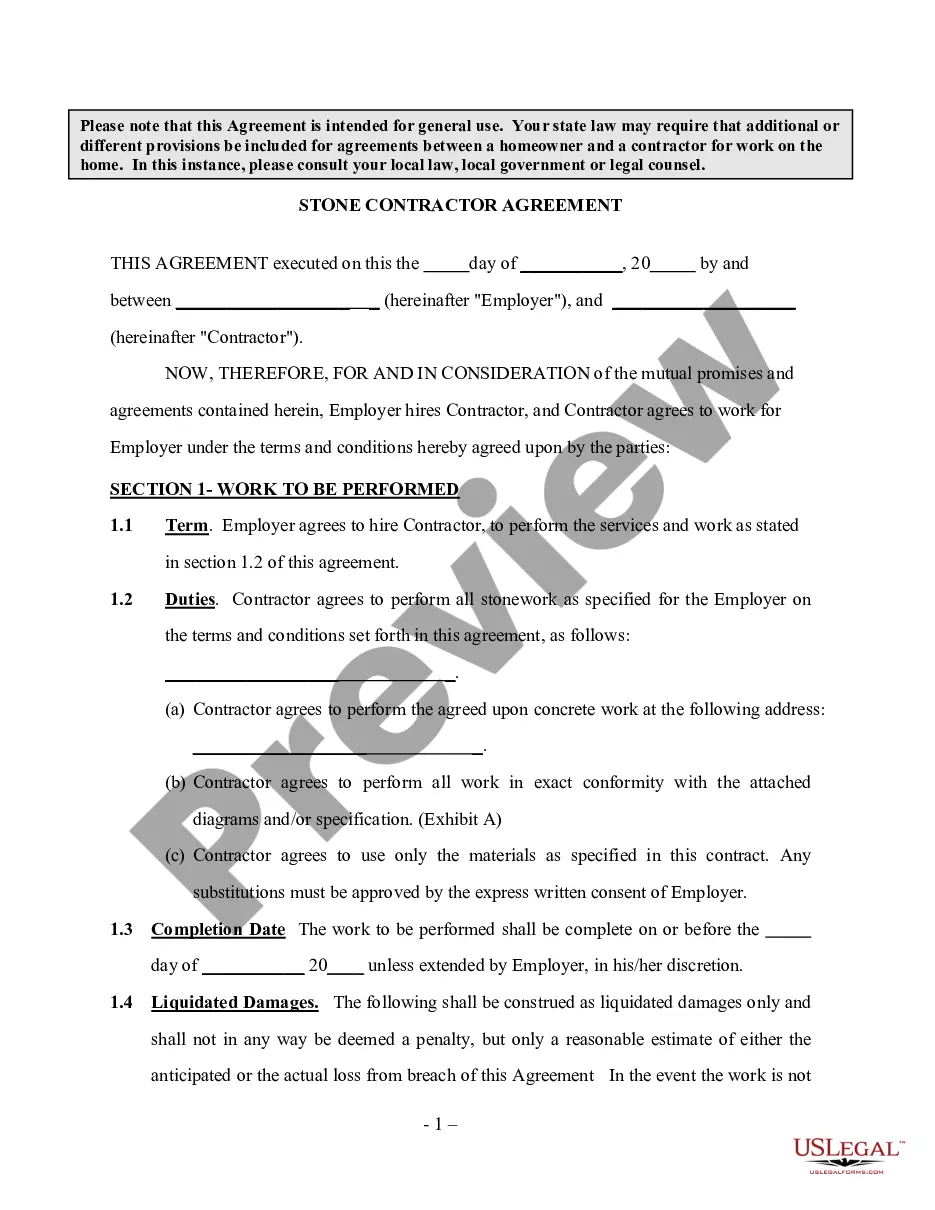
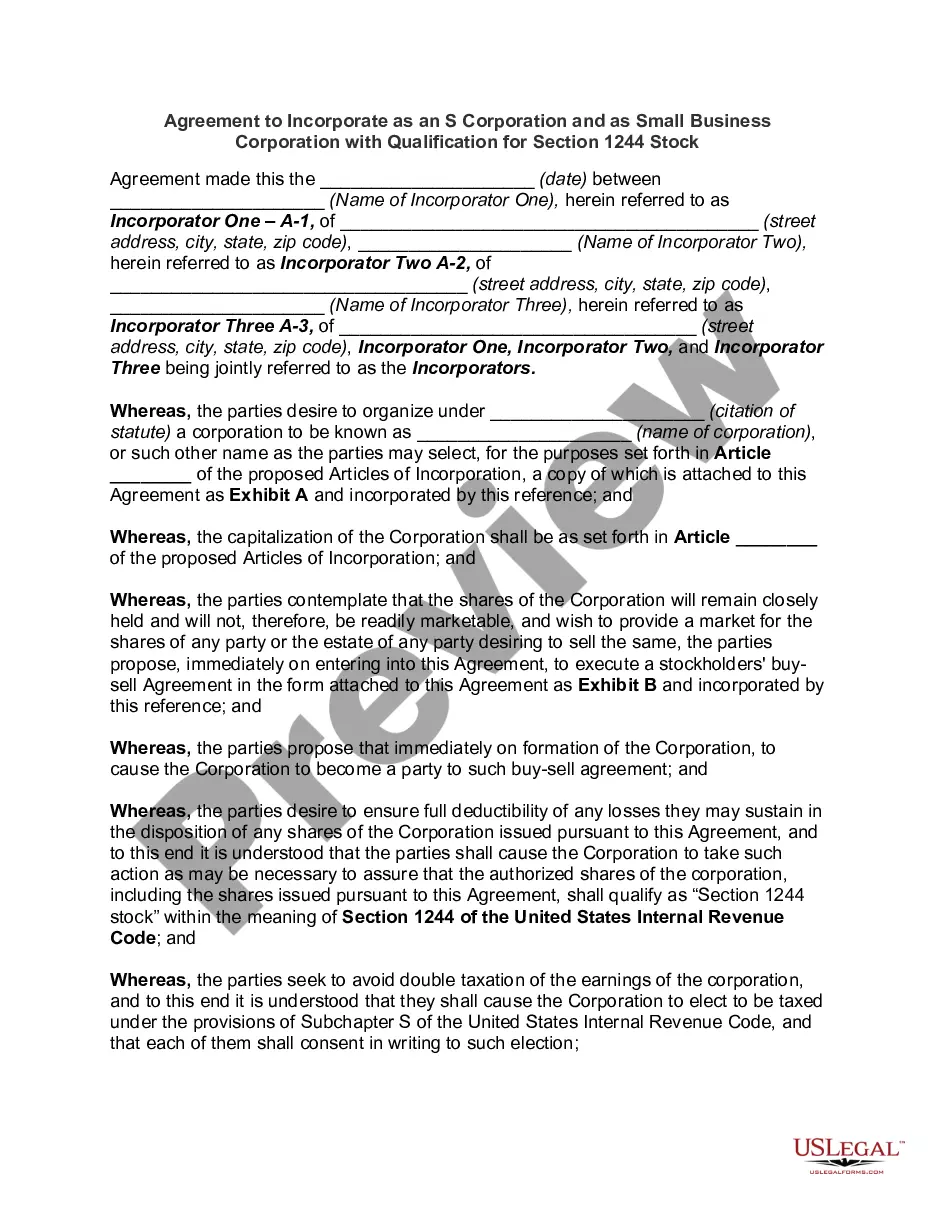
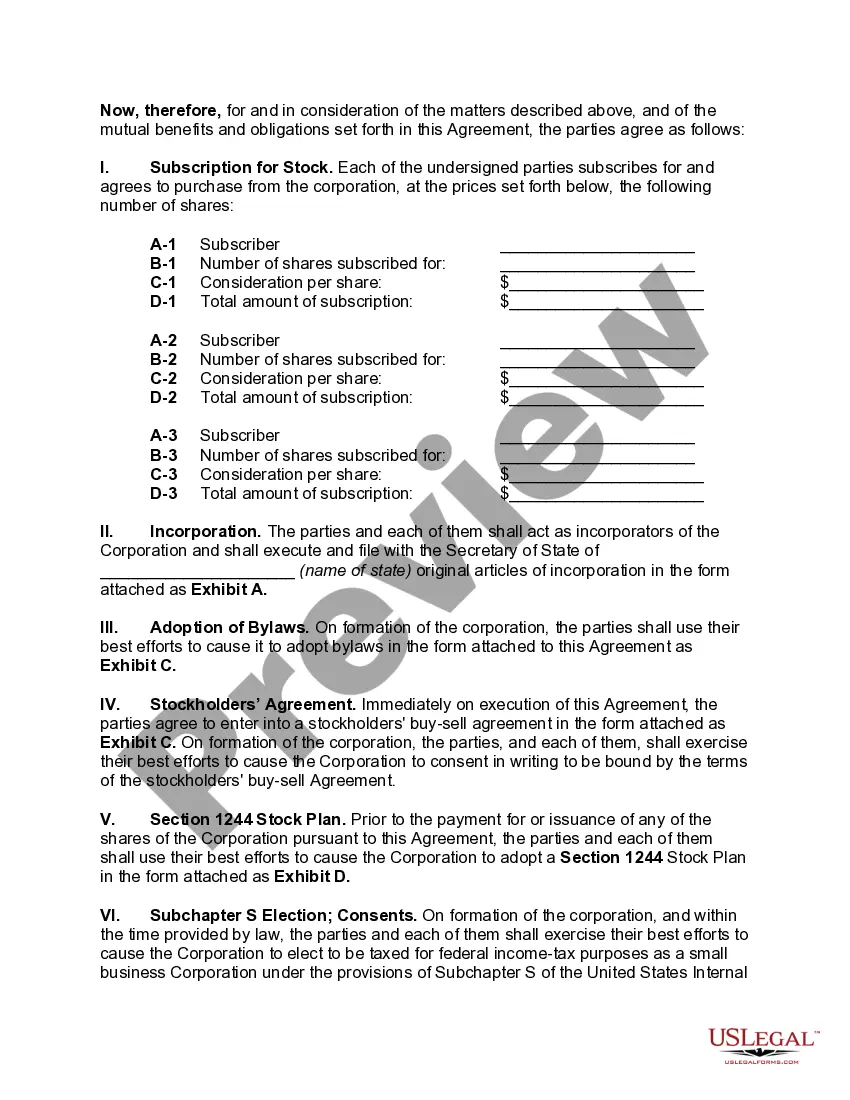
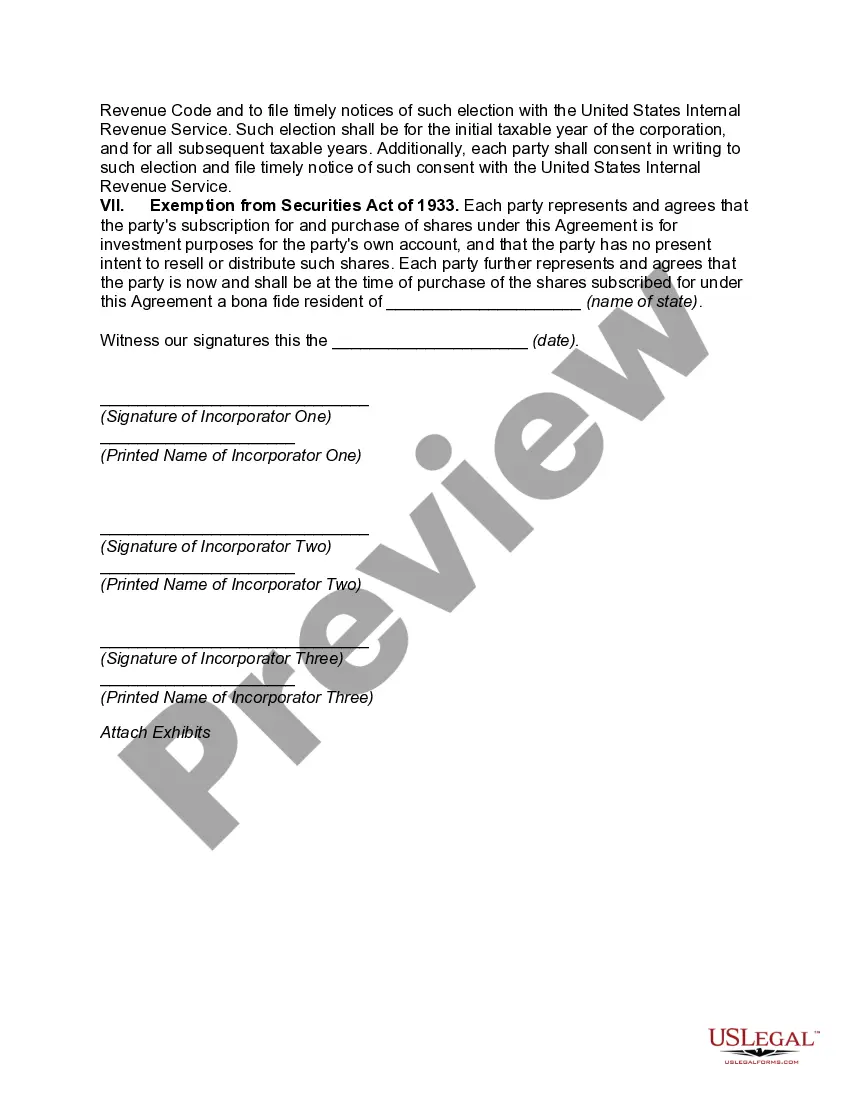
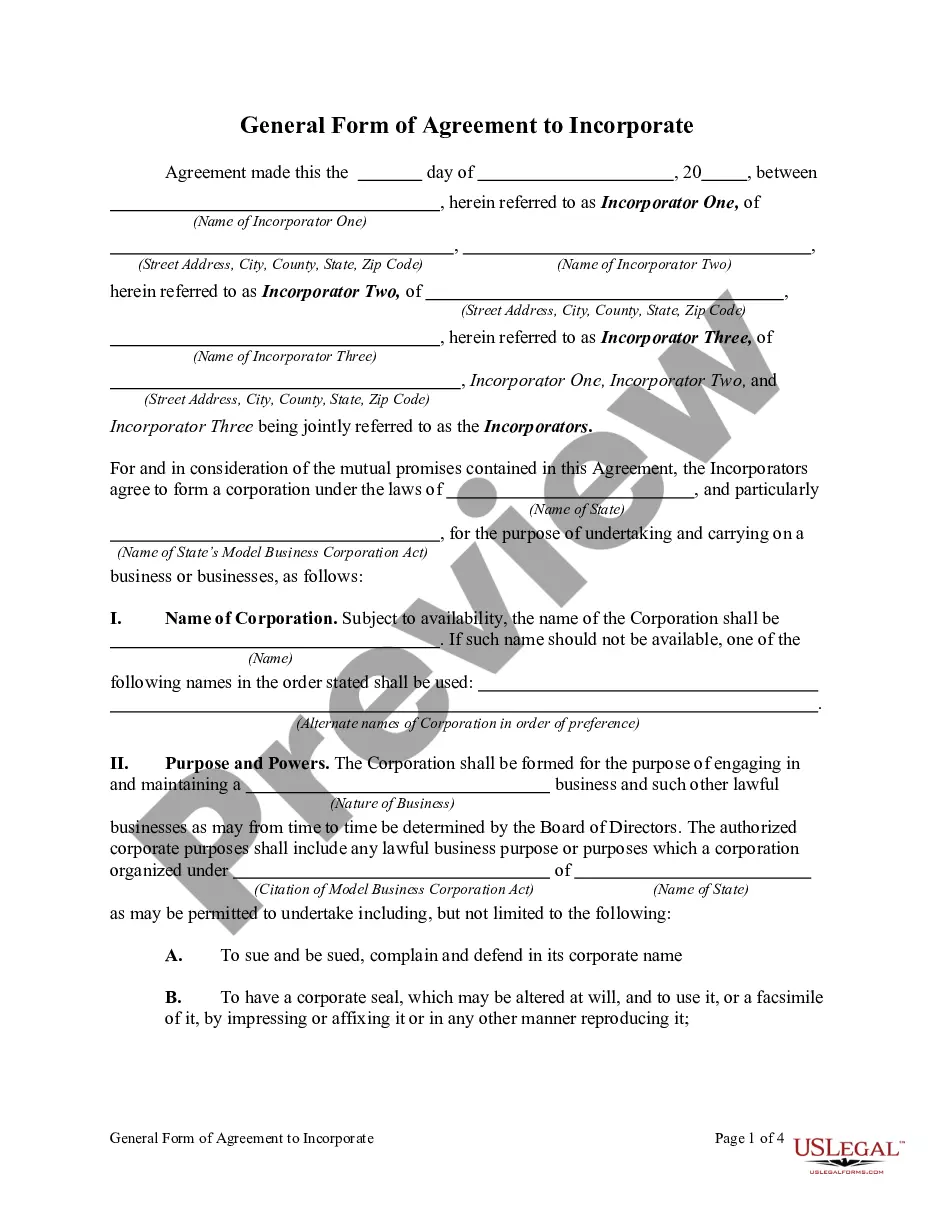
How to fill out Agreement To Incorporate As An S Corp And As Small Business Corporation With Qualification For Section 1244 Stock?
Regardless of whether for commercial intentions or personal issues, everyone must confront legal matters at some stage in their lives.
Filling out legal documents necessitates meticulous care, commencing with selecting the suitable template.
With a comprehensive US Legal Forms catalog available, you do not need to waste time searching for the right template online. Utilize the library's user-friendly navigation to discover the suitable form for any circumstance.
- For example, if you choose an incorrect version of a Section 1244 Stock Cannot Be Issued For, it will be denied upon submission.
- Thus, it is crucial to obtain a trustworthy source of legal documents like US Legal Forms.
- If you need to procure a Section 1244 Stock Cannot Be Issued For sample, adhere to these straightforward steps.
- Locate the template you require by utilizing the search box or browsing the catalog.
- Review the details of the form to ensure it aligns with your situation, state, and area.
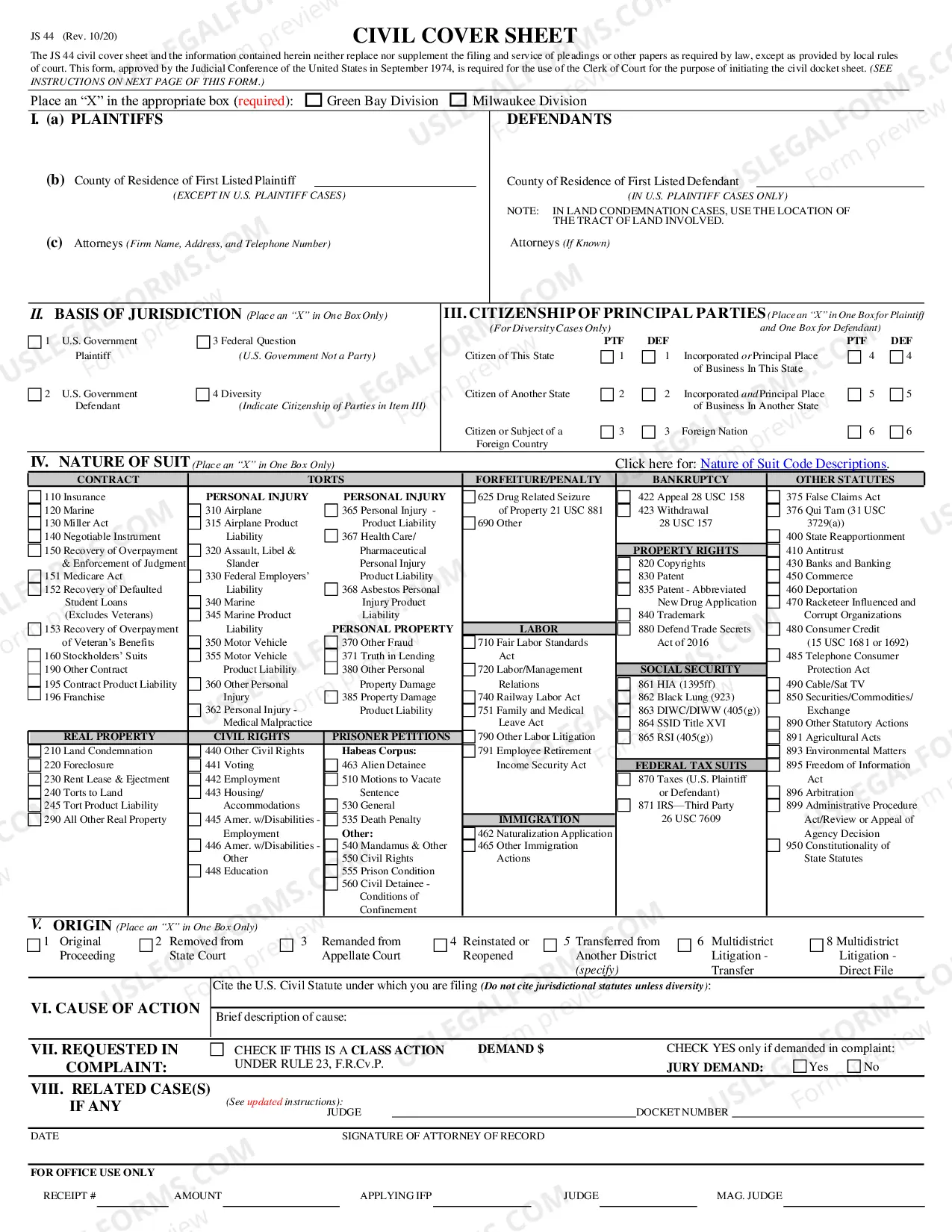
- Click on the form's preview to examine it.
- If it is not the correct document, return to the search feature to find the Section 1244 Stock Cannot Be Issued For sample you need.
- Acquire the file if it satisfies your requirements.
- If you possess a US Legal Forms account, simply click Log in to access previously stored documents in My documents.
- If you haven't created an account yet, you can obtain the form by clicking Buy now.
- Select the suitable pricing option.
- Complete the profile registration form.
- Choose your payment method: you can utilize a credit card or PayPal account.
- Select the file format you desire and download the Section 1244 Stock Cannot Be Issued For.
- Once downloaded, you can complete the form using editing software or print it and finish it by hand.
Form popularity
FAQ
Section 1244 stock is a stock transaction pursuant to the Internal Revenue Code provision that allows shareholders of an eligible small business corporation to treat up to $50,000 of losses (or, in the case of a husband and wife filing a joint return, $100,000) from the sale of stock as ordinary losses instead of ...
Qualifying for Section 1244 Stock The corporation's aggregate capital must not have exceeded $1 million when the stock was issued and the corporation cannot derive more than 50% of its income from passive investments. The shareholder must have purchased the stock and not received it as compensation.
Corporations, trusts, estates and trustees in bankruptcy are not eligible to claim a Section 1244 loss. A Section 1244 loss can be claimed only by an individual or partnership to whom the stock was issued and who has continuously held the stock until it is sold or is determined to be worthless.
1244 stock are deductible as ordinary losses up to a maximum of $50,000 per taxable year ($100,000 for married taxpayers filing a joint return), Any excess loss for the year is a capital loss. Gains on the sale of Sec. 1244 stock are capital gains.
1244 encourages new investment in small business by permitting investors to claim an ordinary (rather than a capital) loss on the disposition (including worthlessness) of qualifying small business stock. As an added benefit, any loss that qualifies as an ordinary loss under Sec.