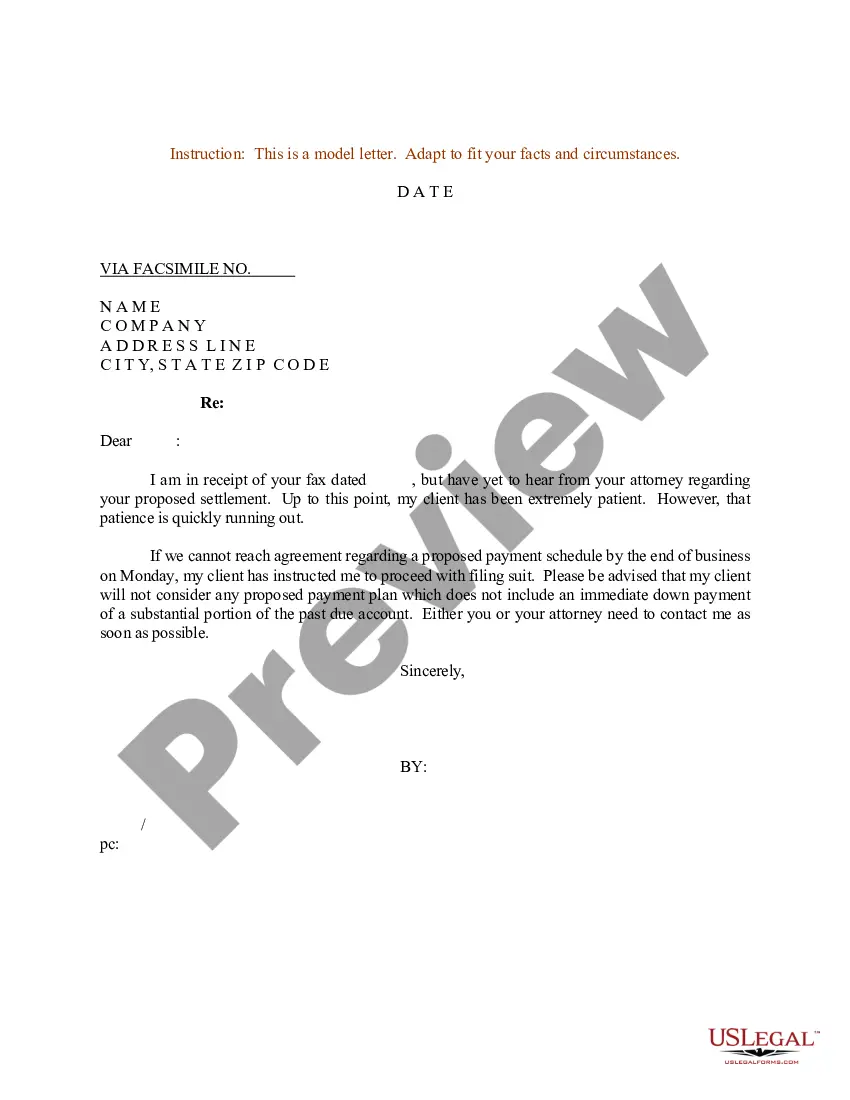
Typical Payment Schedule For Contractors
Description
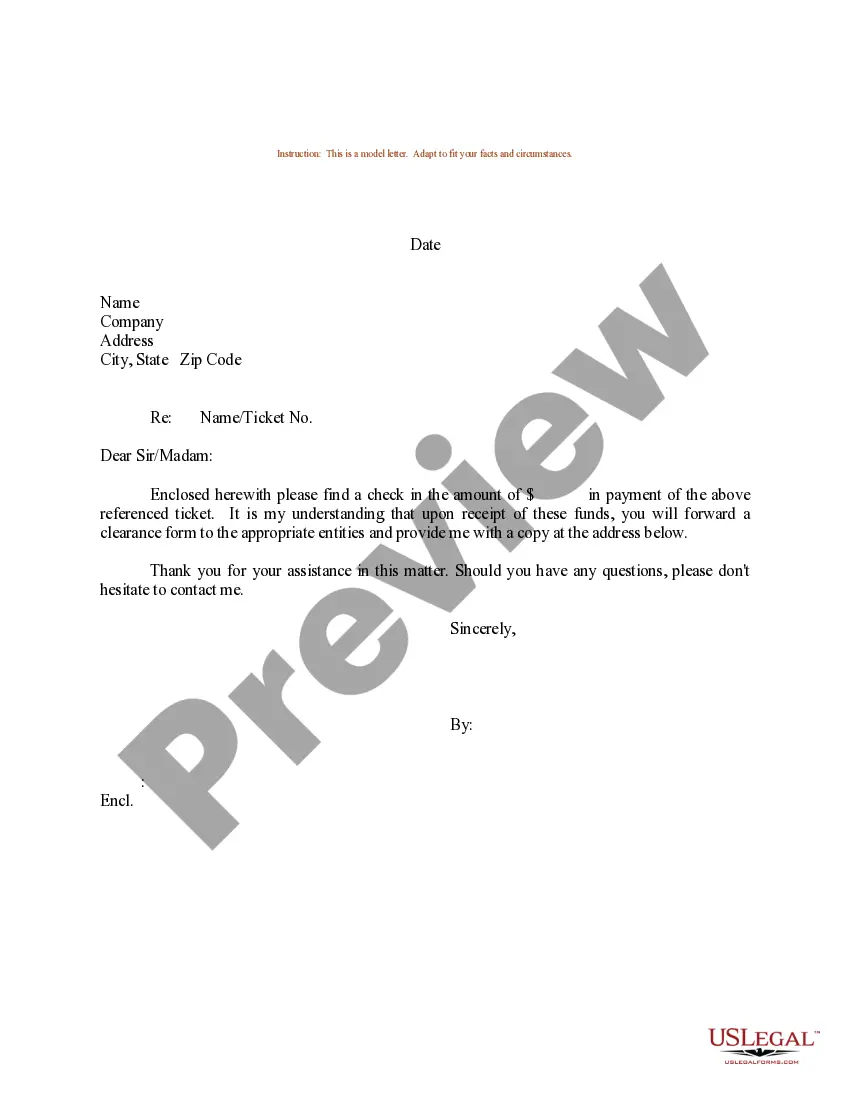
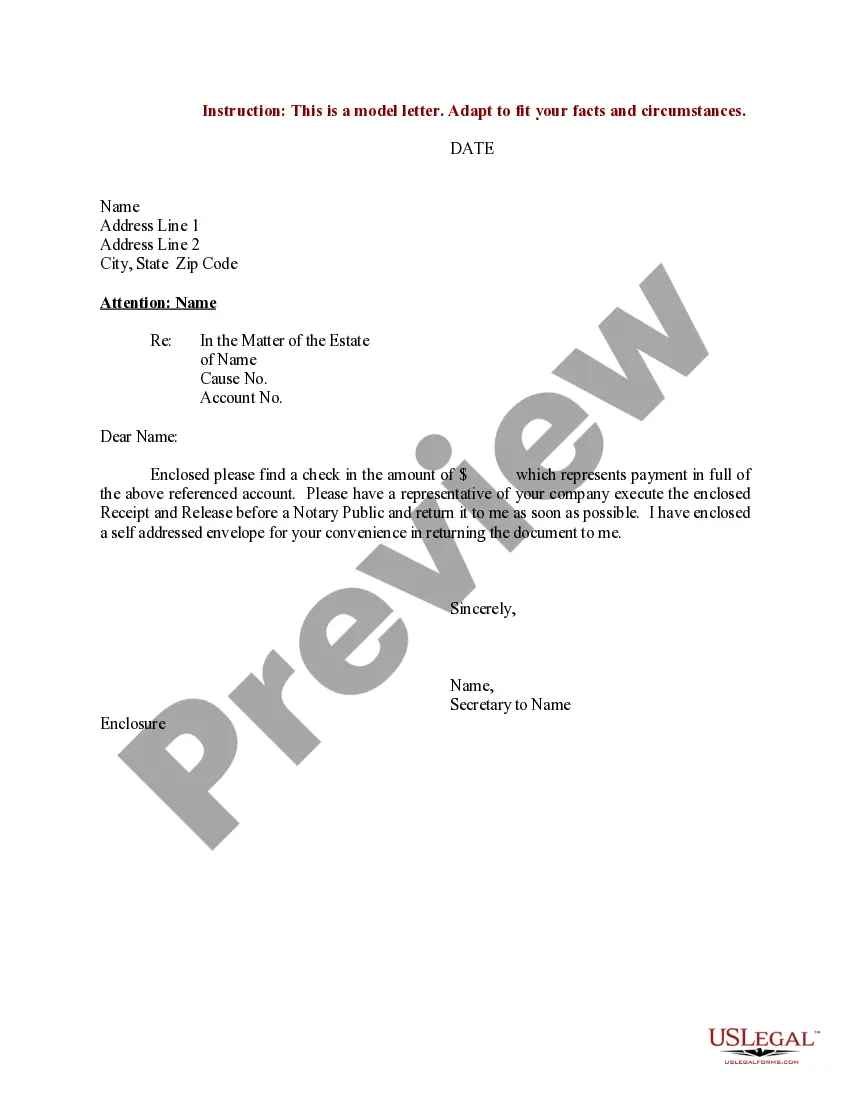
Get your form ready online
Our built-in tools help you complete, sign, share, and store your documents in one place.
Make edits, fill in missing information, and update formatting in US Legal Forms—just like you would in MS Word.
Download a copy, print it, send it by email, or mail it via USPS—whatever works best for your next step.
Sign and collect signatures with our SignNow integration. Send to multiple recipients, set reminders, and more. Go Premium to unlock E-Sign.
If this form requires notarization, complete it online through a secure video call—no need to meet a notary in person or wait for an appointment.
We protect your documents and personal data by following strict security and privacy standards.

Make edits, fill in missing information, and update formatting in US Legal Forms—just like you would in MS Word.

Download a copy, print it, send it by email, or mail it via USPS—whatever works best for your next step.

Sign and collect signatures with our SignNow integration. Send to multiple recipients, set reminders, and more. Go Premium to unlock E-Sign.

If this form requires notarization, complete it online through a secure video call—no need to meet a notary in person or wait for an appointment.

We protect your documents and personal data by following strict security and privacy standards.
Looking for another form?
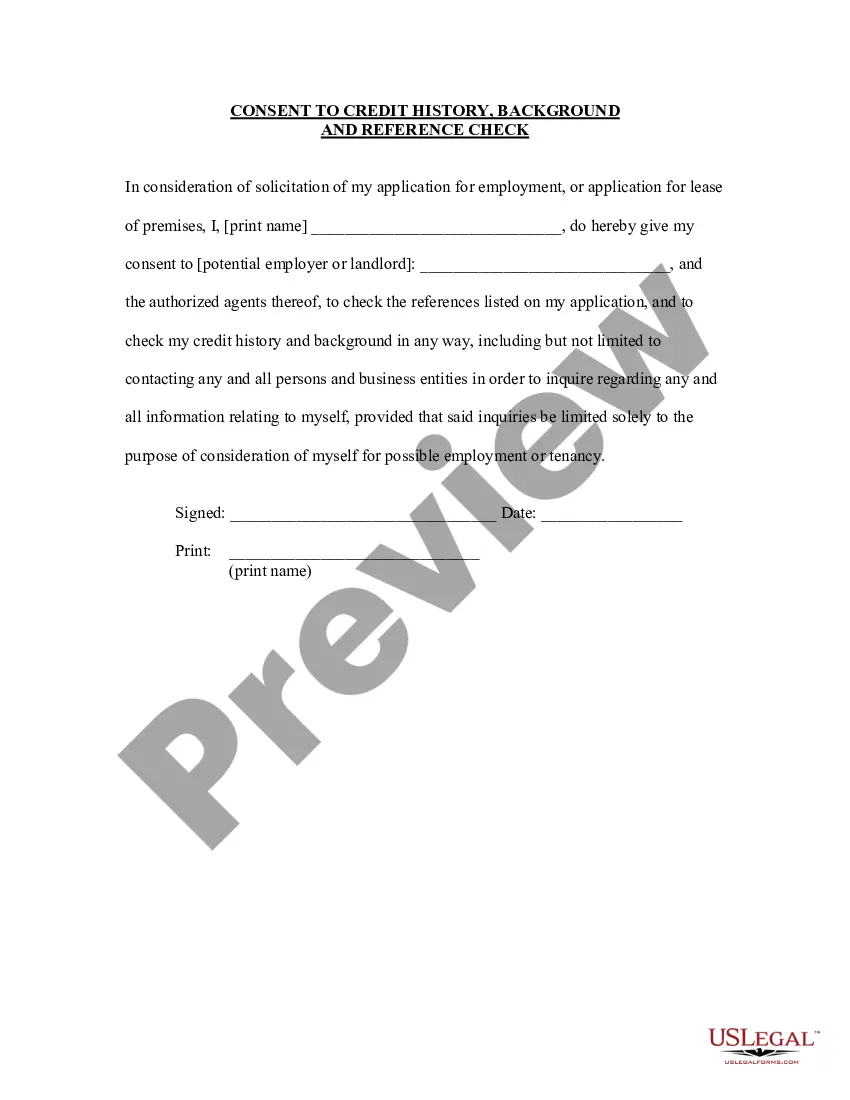

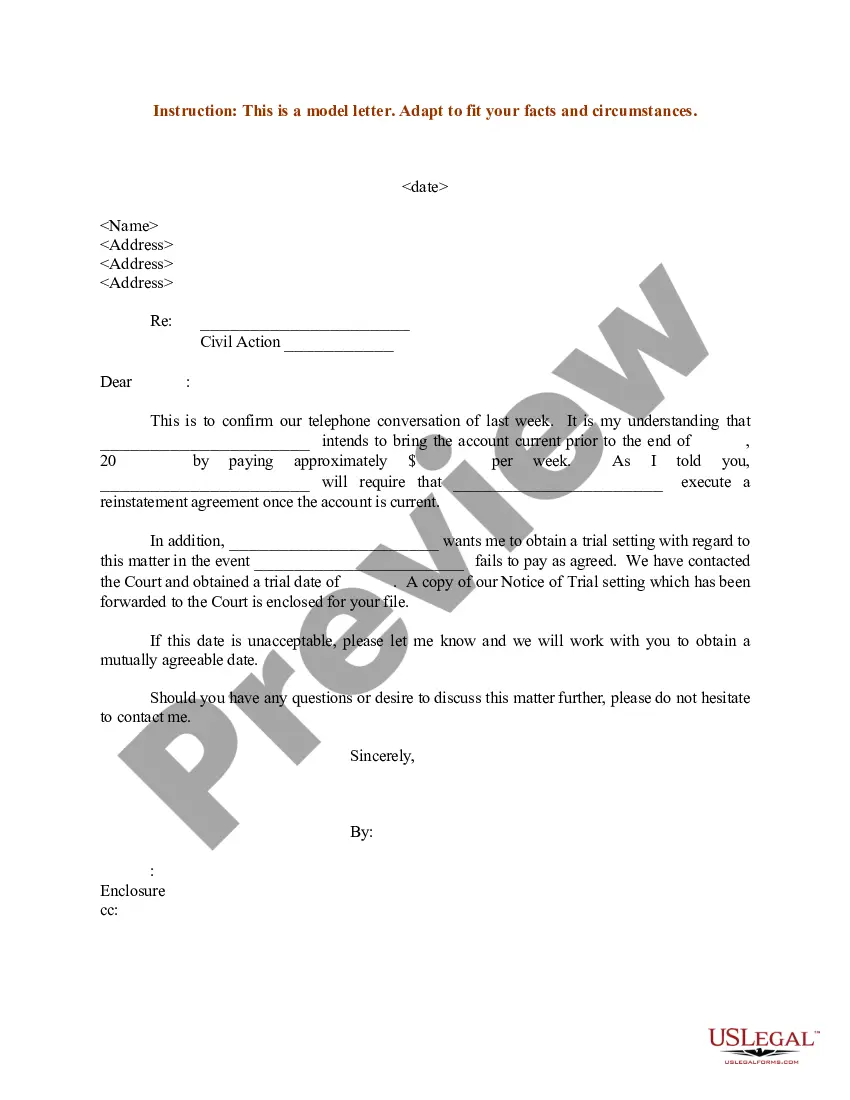
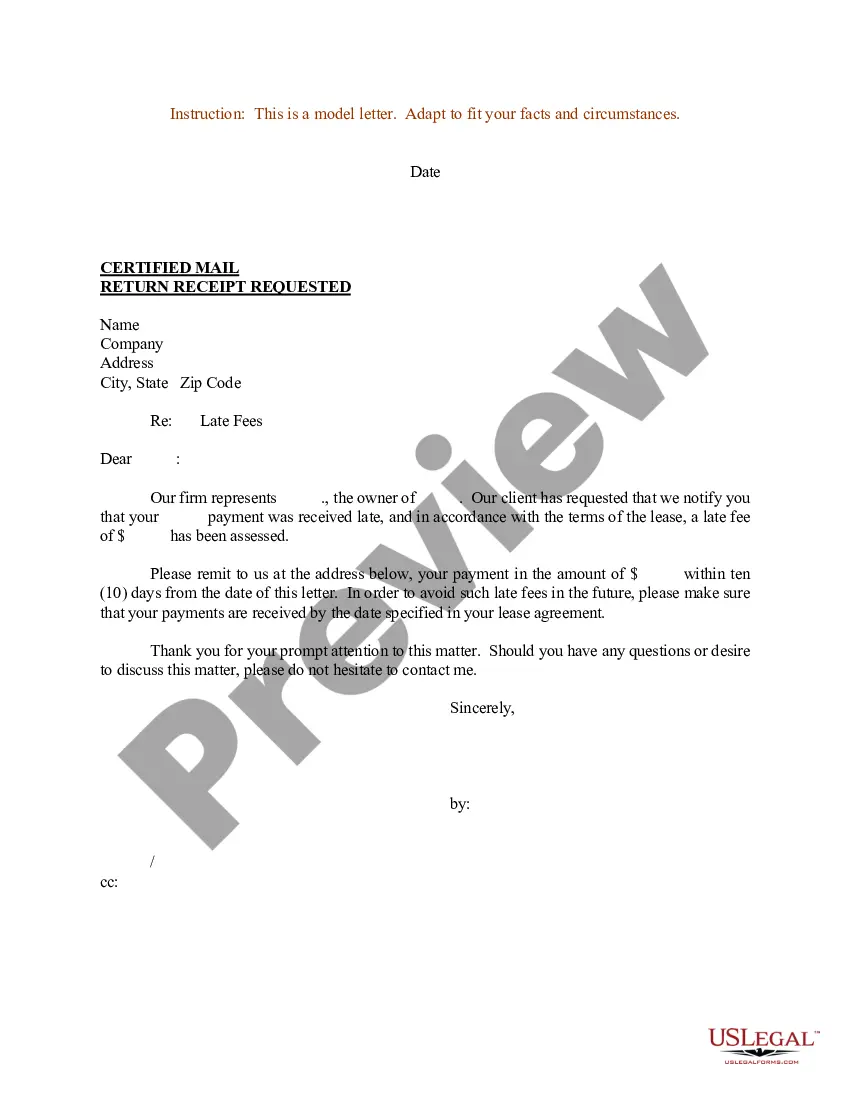
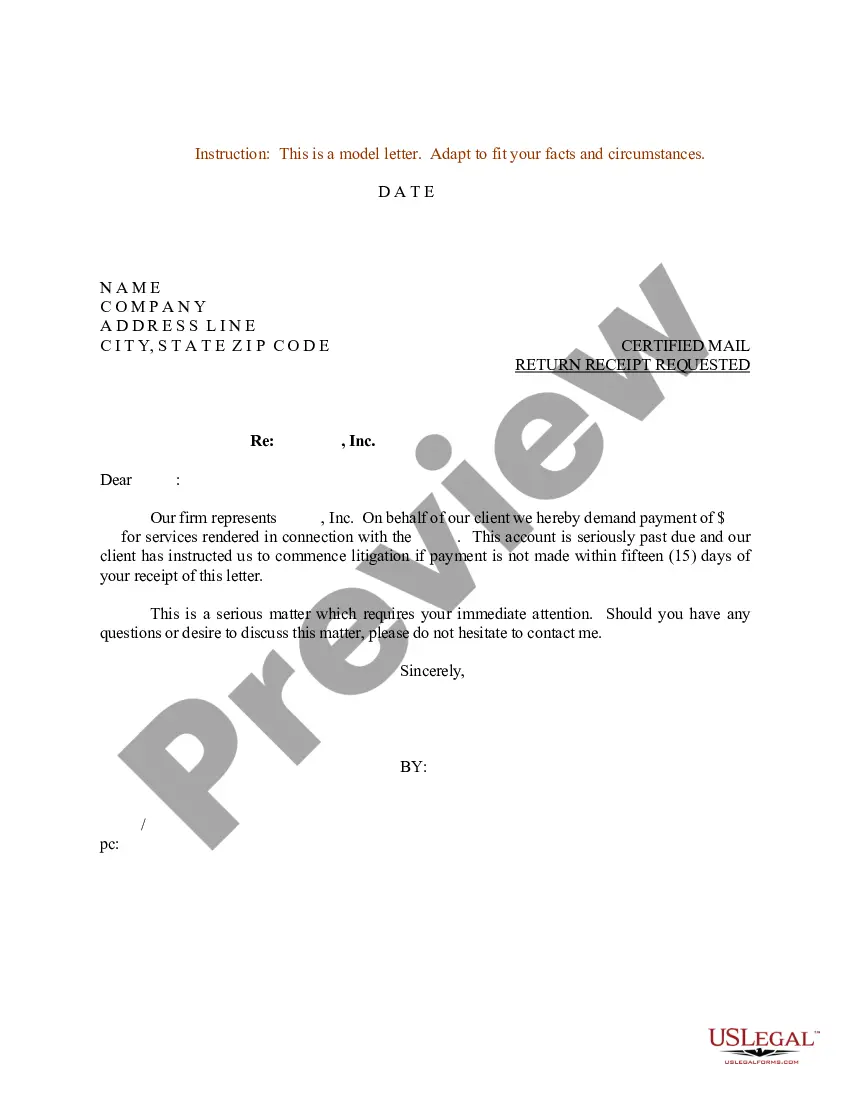
How to fill out Sample Letter For Payment Schedule?
Managing legal documents can be daunting, even for the most skilled experts.
When you're in search of a Standard Payment Schedule For Contractors and lack the time to seek out the correct and current version, the process can be overwhelming.
- A comprehensive online form repository could transform the way anyone navigates these circumstances effectively.
- US Legal Forms stands out as a leading provider of online legal documents, offering over 85,000 specific legal forms available to you at any time.
Form popularity
FAQ
A payment schedule template typically includes the following information: Name of your contractors or vendors. Descriptions of the services or products being provided. Total amount agreed upon with the vendor or contractor. Total amount due date. First payment. Last payment.
The most common type of construction payment is a net payment, meaning the invoice is due a set amount of days from the issue date. For longer projects, it's typical to pay an upfront deposit and then to pay the contractor monthly until the job is finished.
A payment schedule must[2]: Identify the payment claim to which it relates; Indicate the amount of the payment that the respondent proposes to make; and. State the respondent's reasons for withholding payment.
Net 10, Net 30, or Net 60 (found on the invoice) simply indicates that the contractor's payment is due 10, 30, or 60 days from the date of the invoice, respectively. Risks: This is the most common payment term for independent contractors, and there are few risks associated with it.
Establishing a Payment Schedule Create a timeline for when payments should be made. Specify details such as the payment type, payment amount, and due date. Communicate the payment schedule to both parties. Establish a plan for the consequences of late payments. Keep a record of the payment schedule for reference.