Time Extension Request With Headers
Description



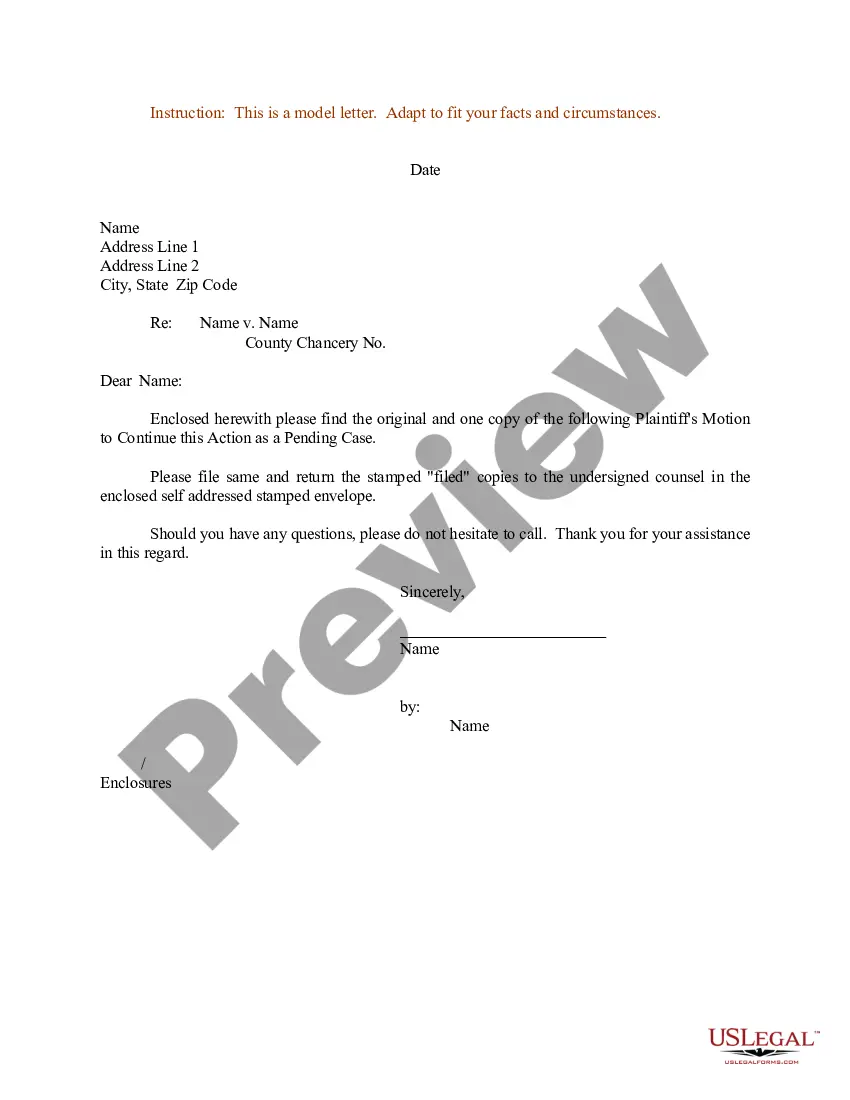
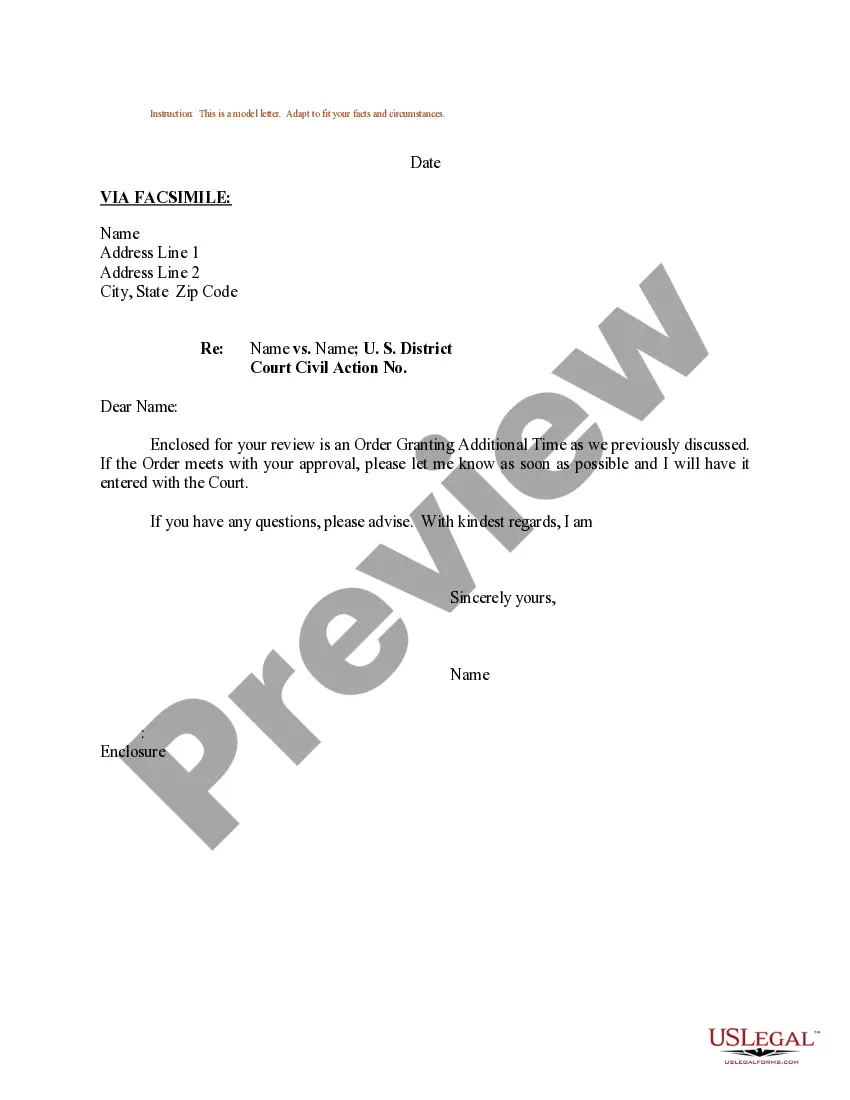
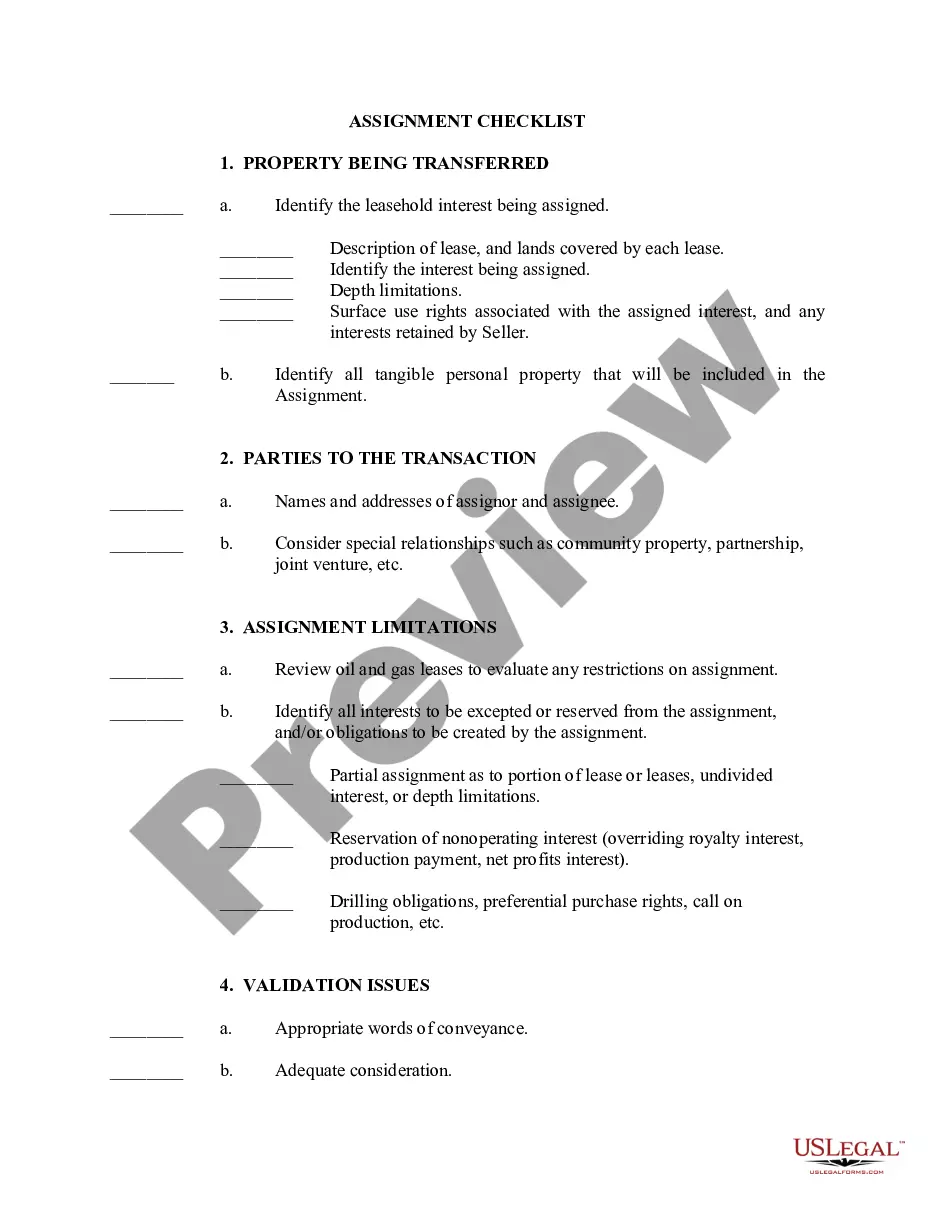


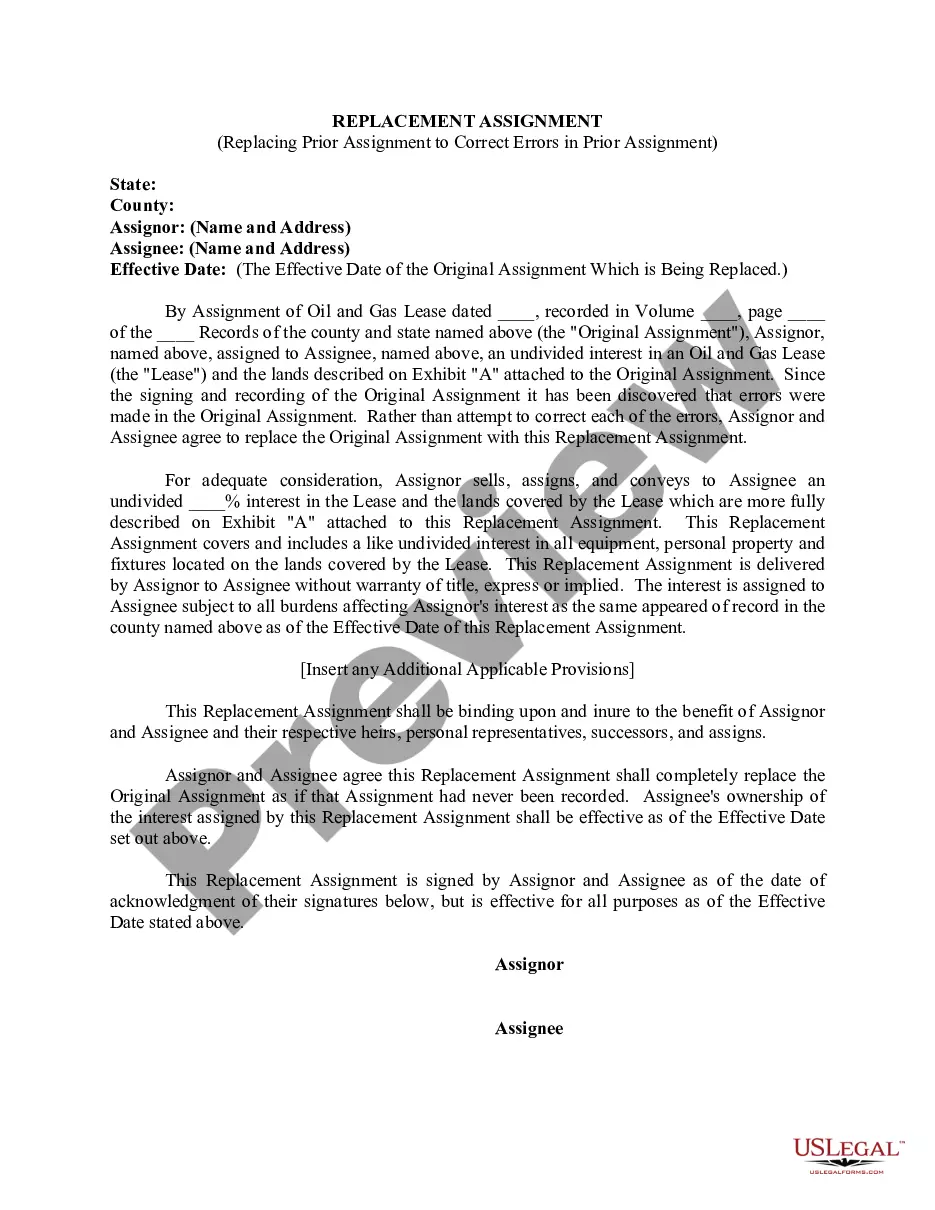


How to fill out Sample Letter For Motion For Extension Of Time?
Managing legal documents and processes can be a lengthy addition to your overall day.
Time Extension Request With Headers and similar forms typically necessitate that you search for them and comprehend the optimal way to fill them out correctly.
For this reason, whether you are addressing financial, legal, or personal issues, having a comprehensive and user-friendly online collection of forms available when you need them will be extremely beneficial.
US Legal Forms is the premier online resource for legal templates, boasting over 85,000 state-specific documents and a variety of tools that will assist you in completing your paperwork effortlessly.
Is it your first experience with US Legal Forms? Register and create an account in a few minutes to gain access to the form library and Time Extension Request With Headers. Then, follow the instructions below to complete your form: Ensure you have identified the correct document using the Review feature and examining the form description. Select Buy Now when ready, and opt for the monthly subscription plan that fits your needs. Choose Download, then fill out, sign, and print the form. US Legal Forms has twenty-five years of expertise assisting users with their legal documents. Obtain the form you need now and simplify any process without exerting much effort.
- Explore the collection of pertinent documents accessible to you with just one click.
- US Legal Forms provides state- and county-specific templates available at any time for download.
- Safeguard your document management processes with a top-notch service that enables you to create any form in minutes without extra or hidden fees.
- Simply Log In to your account, locate Time Extension Request With Headers, and obtain it immediately from the My documents section.
- You can also access previously downloaded forms.
Form popularity
FAQ
To view your request header, you can use the Developer Tools in your browser. Open the tools by pressing F12 or by right-clicking and selecting 'Inspect'. Navigate to the 'Network' tab, refresh the page, and click on the desired request. You will see detailed information about the request, including the headers. This can be especially useful when preparing a time extension request with headers, as it allows you to verify that all necessary information is included.
A 'bad request' indicating that the request header is too long often arises from excessive cookies or incorrect URL formatting. To fix this, you can clear your cookies or reduce the size of the headers being sent. If your time extension request with headers is causing this issue, ensure you are sending only necessary information. Additionally, consider reviewing your application's configuration to prevent excessive data in headers.
To override request headers in Chrome, you can use the Developer Tools. First, press F12 or right-click on the page and select 'Inspect'. Navigate to the 'Network' tab, where you can see requests made by the browser. Right-click on the request you want to modify, select 'Edit and Resend', and then you can change the headers as needed. This process can be useful when submitting a time extension request with headers to ensure they meet specific requirements.
To pass HTTP headers into a GET request using the Python requests library, you can use the headers= parameter in the . get() function. The parameter accepts a Python dictionary of key-value pairs, where the key represents the header type and the value is the header value.
In order to pass custom HTTP Headers, you have to build a message using custom HTTP Headers. This is achieved by using MIME Service. Below code snippet (bpml) sets the custom headers and then build the MIME document using MIME Service and then assign the MIME document to PrimaryDocument.
For Chrome and Firefox Click New Rule and select Modify Headers rule. Enter the Request URL for which you want to modify the HTTP request headers. You can also leave this empty; it will apply the modification to all the URLs in your browser.
For Chrome and Firefox Requestly browser extension. Click New Rule and select Modify Headers rule. Enter the Request URL for which you want to modify the HTTP request headers. ... Add Request or Response headers you want to modify. ... You can also define multiple header modifications for the same URL.
ModHeader is the most popular browser extension to modify HTTP request and response headers. Trusted by 800,000+ users, ModHeader can help speed up web development, save debugging time, and reduce production bugs.
