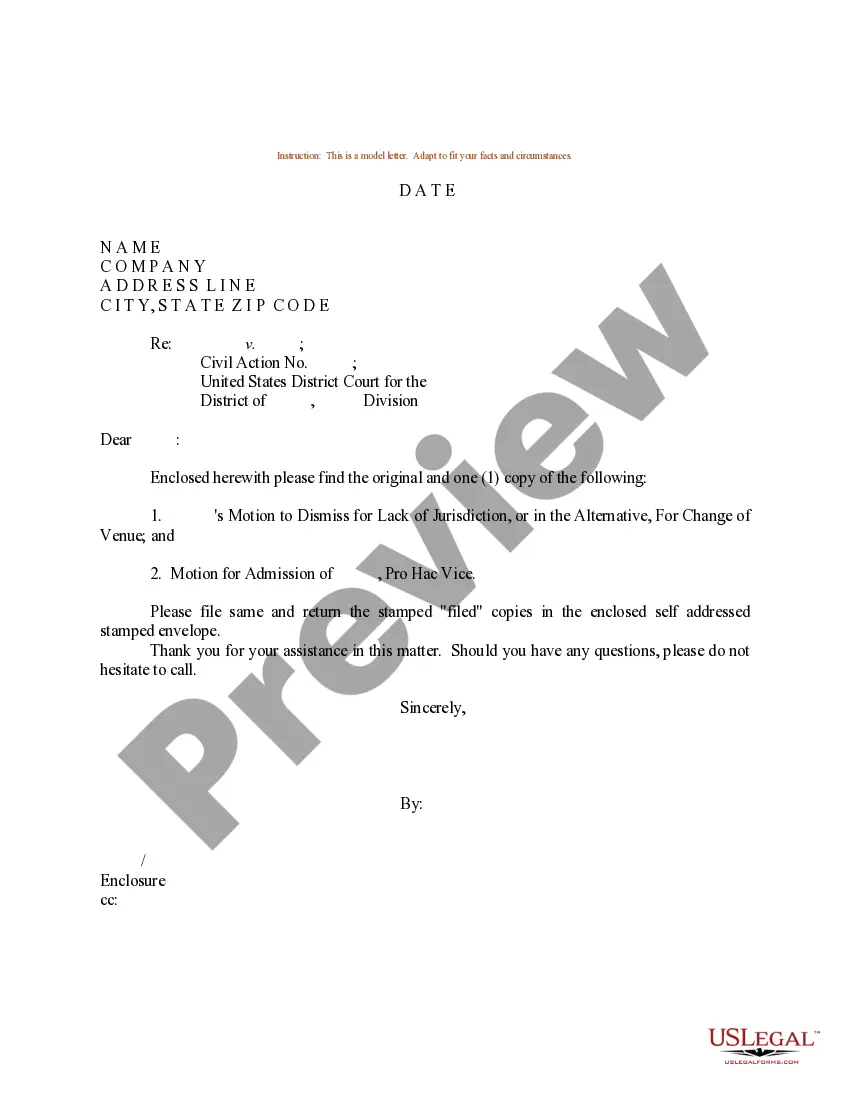
Motion To Dismiss For Suing The Wrong Party
Description
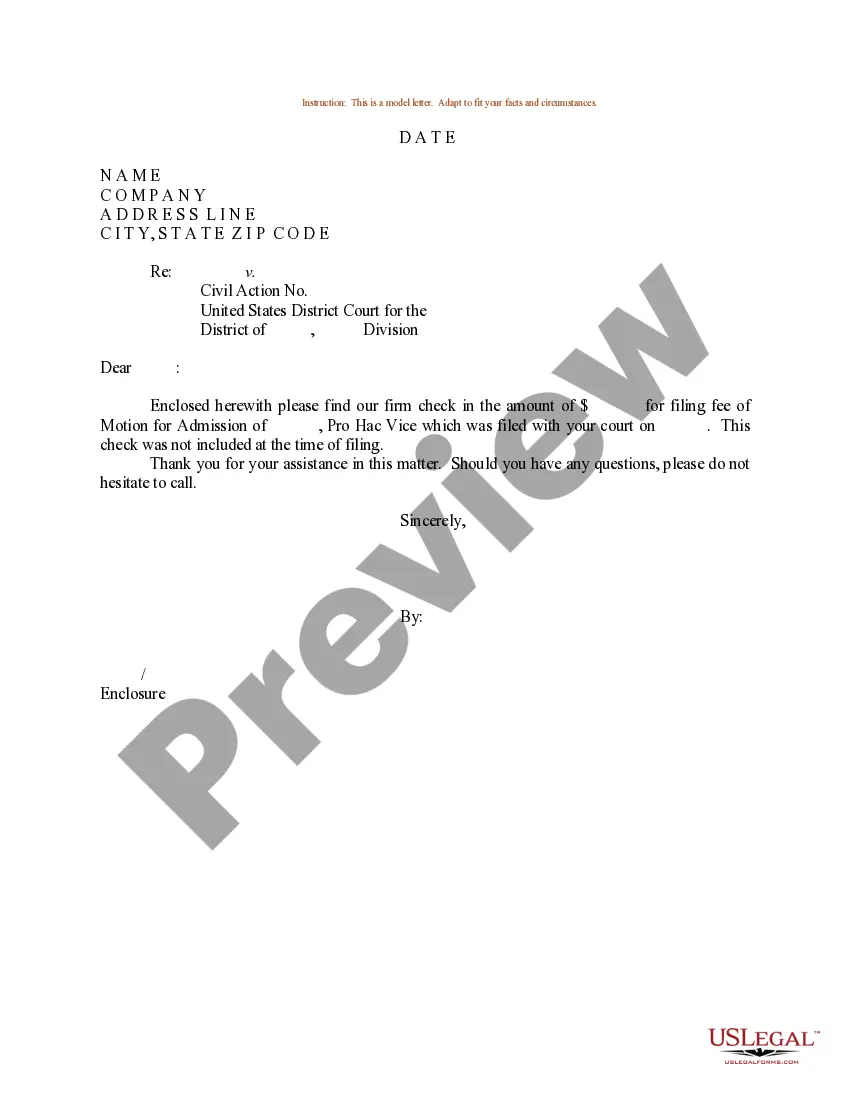
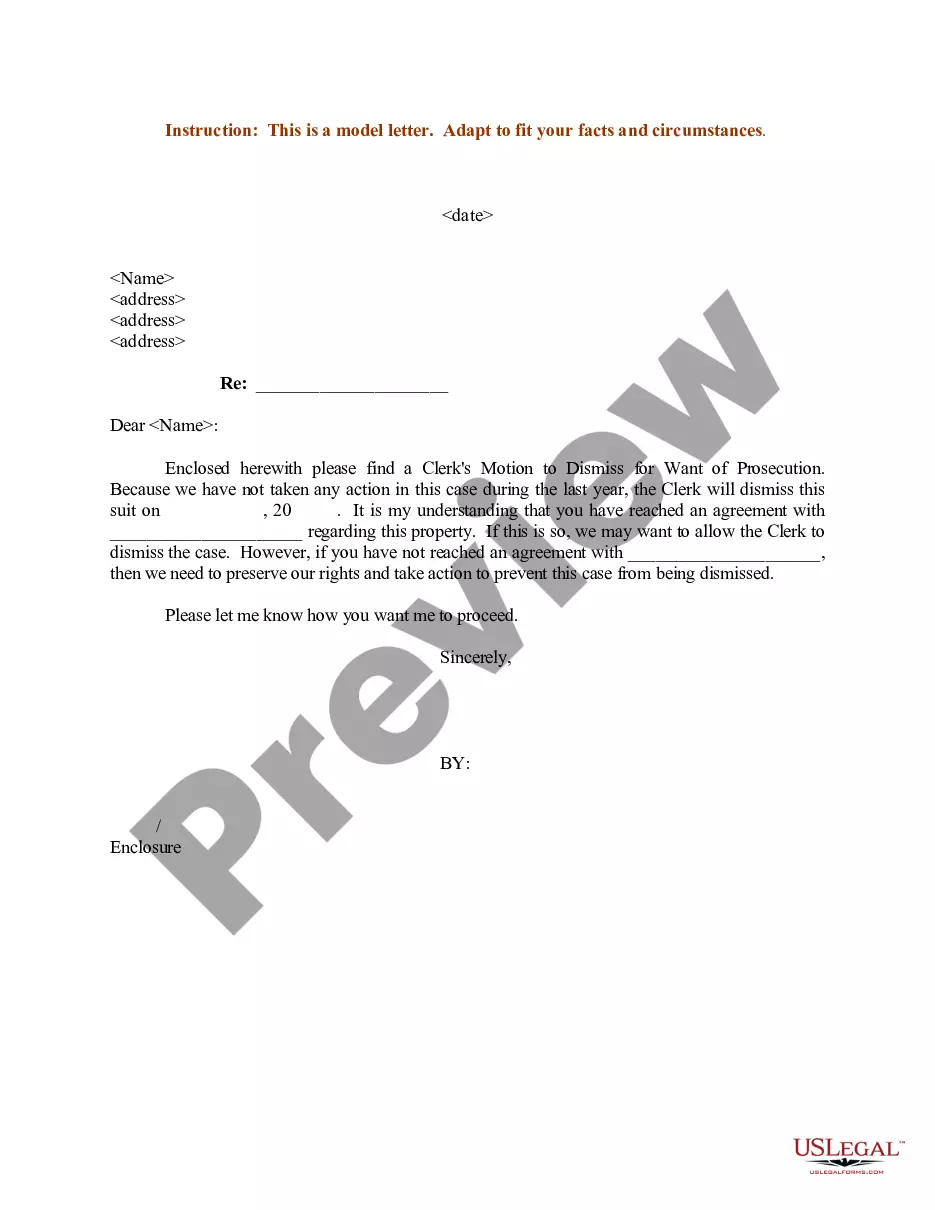
Get your form ready online
Our built-in tools help you complete, sign, share, and store your documents in one place.
Make edits, fill in missing information, and update formatting in US Legal Forms—just like you would in MS Word.
Download a copy, print it, send it by email, or mail it via USPS—whatever works best for your next step.
Sign and collect signatures with our SignNow integration. Send to multiple recipients, set reminders, and more. Go Premium to unlock E-Sign.
If this form requires notarization, complete it online through a secure video call—no need to meet a notary in person or wait for an appointment.
We protect your documents and personal data by following strict security and privacy standards.

Make edits, fill in missing information, and update formatting in US Legal Forms—just like you would in MS Word.

Download a copy, print it, send it by email, or mail it via USPS—whatever works best for your next step.

Sign and collect signatures with our SignNow integration. Send to multiple recipients, set reminders, and more. Go Premium to unlock E-Sign.

If this form requires notarization, complete it online through a secure video call—no need to meet a notary in person or wait for an appointment.

We protect your documents and personal data by following strict security and privacy standards.
Looking for another form?
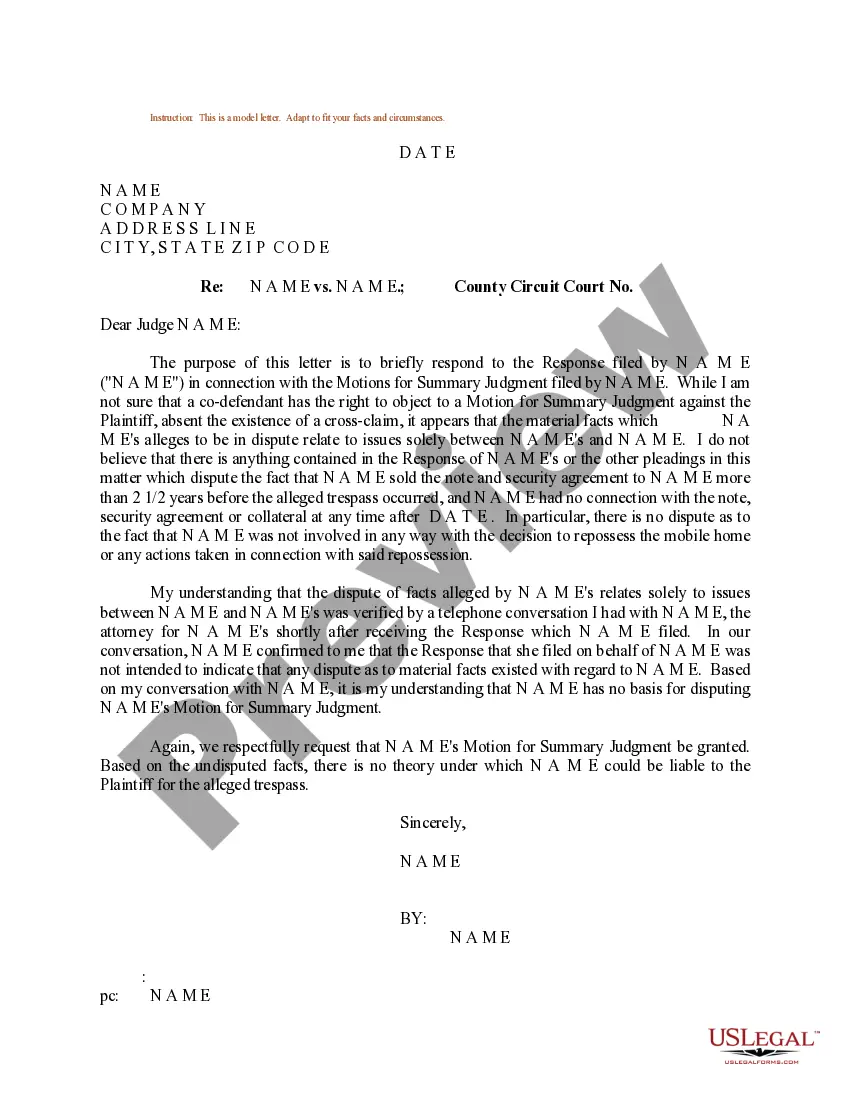
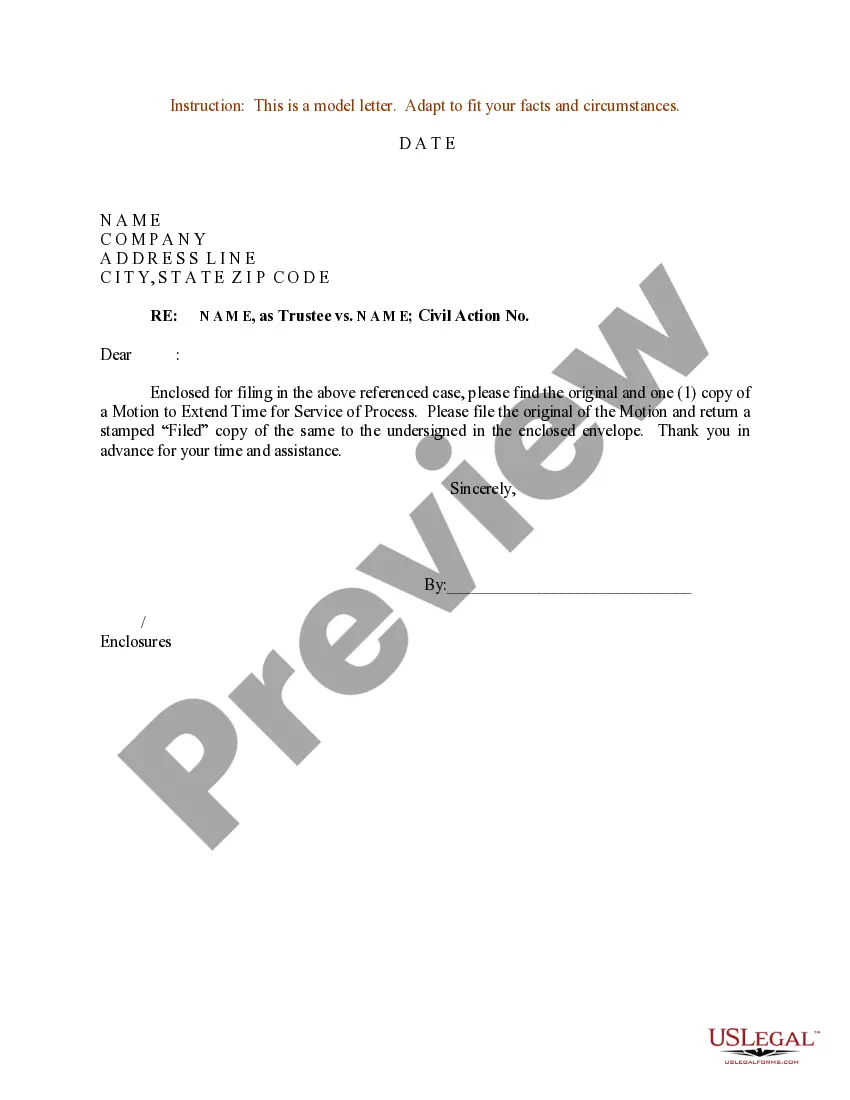
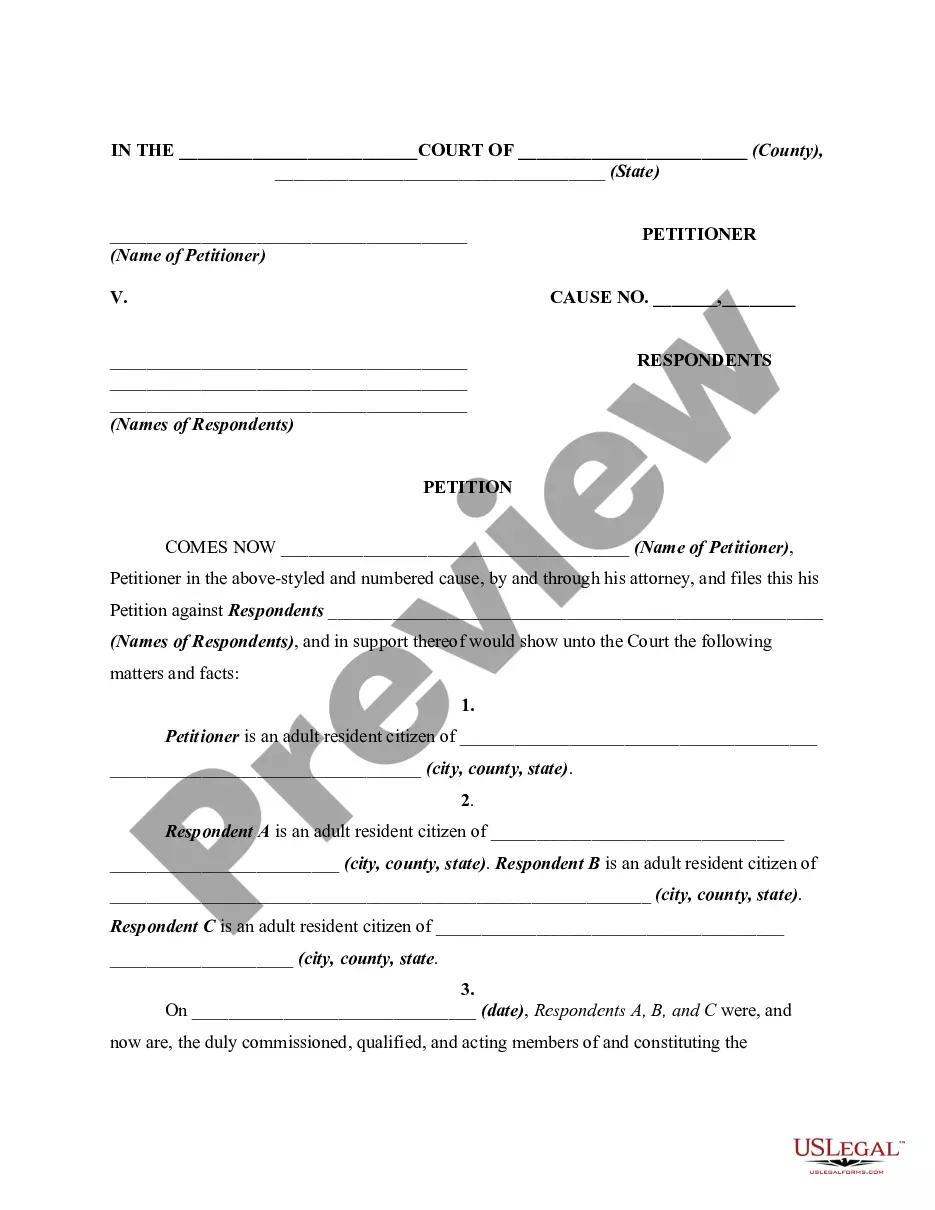
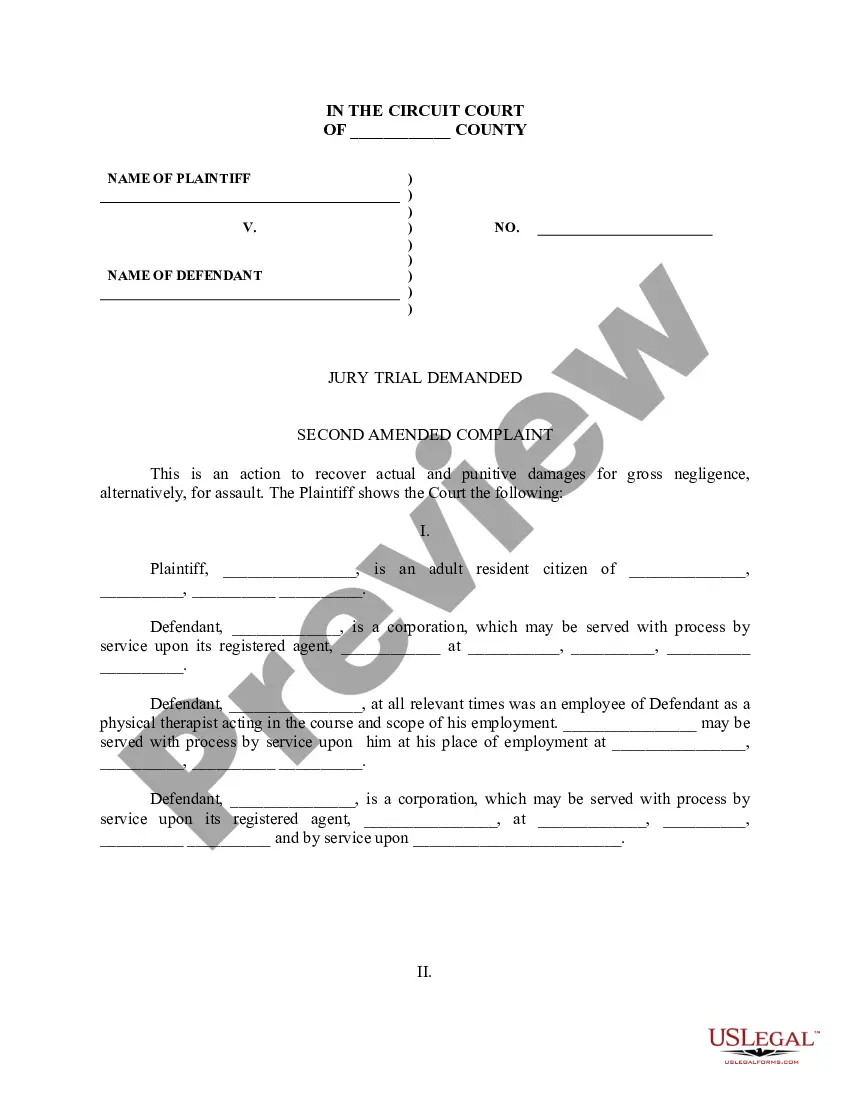
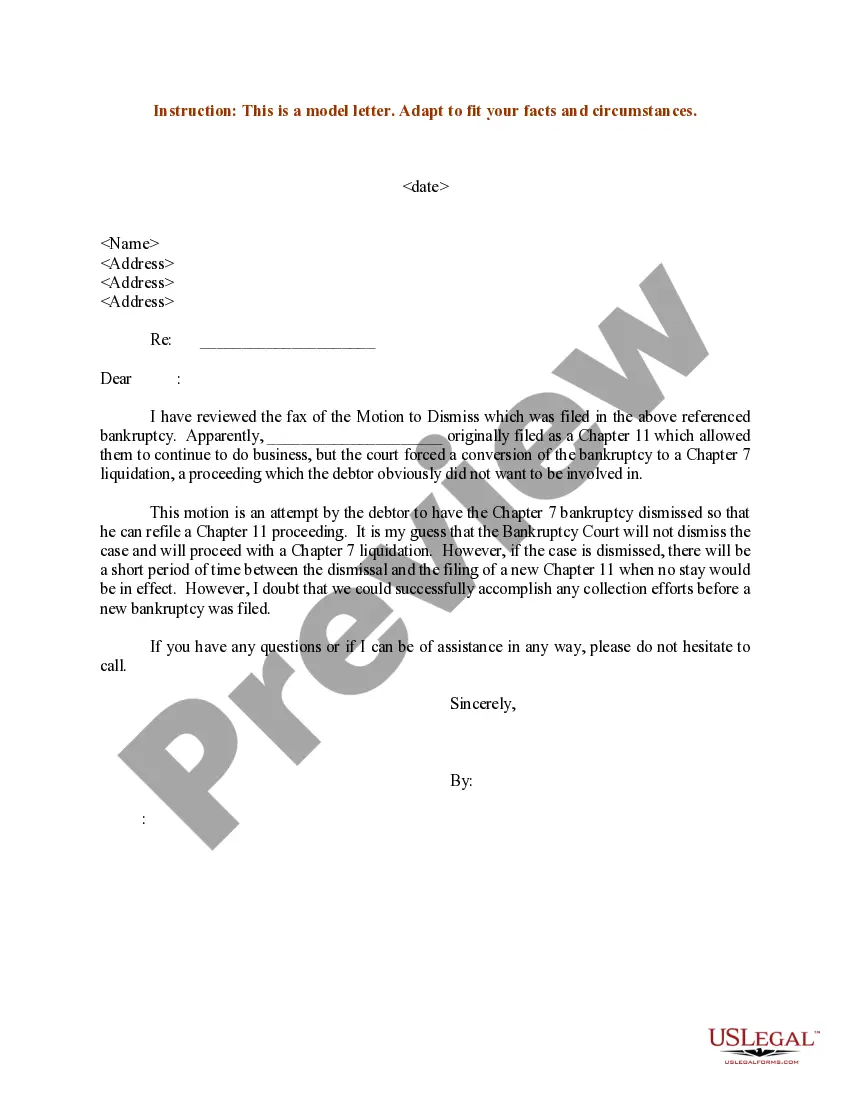
How to fill out Sample Letter For Filing Of Motion To Dismiss - Motion Of Admission?
It’s clear that you cannot instantly become a legal expert, nor can you rapidly grasp how to efficiently draft a Motion To Dismiss For Suing The Wrong Party without possessing a specialized array of abilities.
Assembling legal documents is an extensive process that necessitates specific education and expertise. So why not entrust the crafting of the Motion To Dismiss For Suing The Wrong Party to the experts.
With US Legal Forms, one of the most comprehensive legal document repositories, you can obtain anything from court papers to templates for internal business communication. We understand how crucial compliance and observance of federal and local regulations are. That’s why, on our platform, all documents are localized and current.
Click Buy now. After the payment is processed, you can retrieve the Motion To Dismiss For Suing The Wrong Party, fill it out, print it, and send or mail it to the relevant individuals or entities.
You can regain access to your documents from the My documents section at any moment. If you’re already a client, you can simply Log In, and find and download the template from the same section. No matter the reason for your documents—whether financial, legal, or personal—our website has you covered. Try US Legal Forms now!
- Access the website to get the document you need in just a few minutes.
- Utilize the search bar at the top of the webpage to find the form you're looking for.
- Preview it (if this feature is available) and review the accompanying description to ascertain if the Motion To Dismiss For Suing The Wrong Party is what you need.
- If you're in search of another template, start your search again.
- Create a free account and select a subscription plan to purchase the document.
Form popularity
FAQ
To write an effective motion to dismiss, clearly articulate the legal grounds for dismissal, particularly if the issue concerns suing the wrong party. Structure your motion with a concise introduction, factual background, and legal argument sections. Utilize precise language and provide citations to relevant statutes or case law to support your motion.
Arguing a motion to dismiss in court involves clearly presenting your legal reasoning and supporting evidence. Be direct and articulate about why the case should proceed, emphasizing any shortcomings in the other party's claims, such as alleging the wrong defendant. Engaging the judge with respect and providing a logical framework will boost your chances of success.
Preparation for arguing a motion requires a thorough understanding of the legal issues at stake, especially if the motion to dismiss relates to suing the wrong party. Research relevant case laws and organize your arguments logically. Additionally, anticipate the opposing side's arguments and prepare counterarguments to address potential objections.
Writing a successful motion to dismiss involves presenting a clear and concise argument supported by law that demonstrates why the case is not valid, particularly focusing on instances like suing the wrong party. Begin by outlining the relevant facts and applicable legal standards, then explain how they apply to your case. Ensure all claims are backed by evidence to enhance credibility.
To effectively argue against a motion to dismiss, focus on demonstrating that the claims made are valid and that the defendant is indeed the right party to sue. Present relevant facts and legal precedents that support your case, while clearly countering the arguments raised in the motion. Engaging a knowledgeable legal expert can also help strengthen your position.
A motion to dismiss should be granted when there are clear legal grounds that undermine the validity of the case, such as suing the wrong party. If the evidence supports that the plaintiff cannot prove any legal claim against the defendant, the motion deserves serious consideration. Courts aim to prevent unnecessary litigation, so identifying flaws early can save time and resources.
When you sue the wrong party, it is often referred to as misjoinder. In such cases, a motion to dismiss for suing the wrong party allows the incorrectly named individual to seek resolution without further legal entanglement. This legal concept is crucial as it helps maintain the integrity of the judicial process and ensures cases are correctly addressed.
An effective motion communicates clearly and persuasively. Start by stating the purpose of the motion and summarize your arguments succinctly. Ensure you include supporting evidence and legal references to strengthen your request, especially if your motion concerns a dismissal due to suing the wrong party.
To write a good motion to dismiss, begin with a clear and concise statement of facts regarding the case. Include specific legal grounds for dismissal, such as the argument that the plaintiff is suing the wrong party. It is essential to cite relevant laws and precedents to support your claims, providing the court with a solid foundation for your request.
Yes, you can file a motion before submitting an answer in most cases. This is a strategic move that many defendants use, especially if they believe the lawsuit does not have merit or involves a party that should not be involved—such as suing the wrong party. Filing a motion to dismiss prior to answering gives you a chance to resolve the case before addressing the claims.