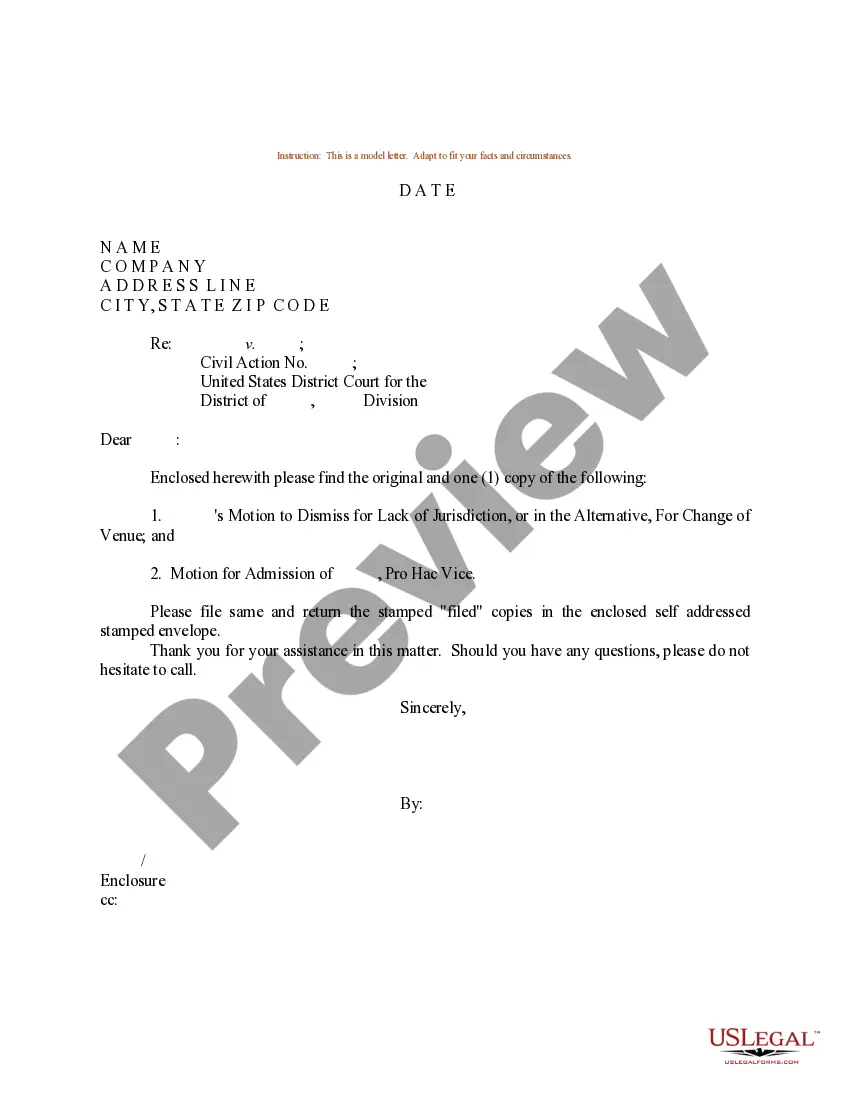
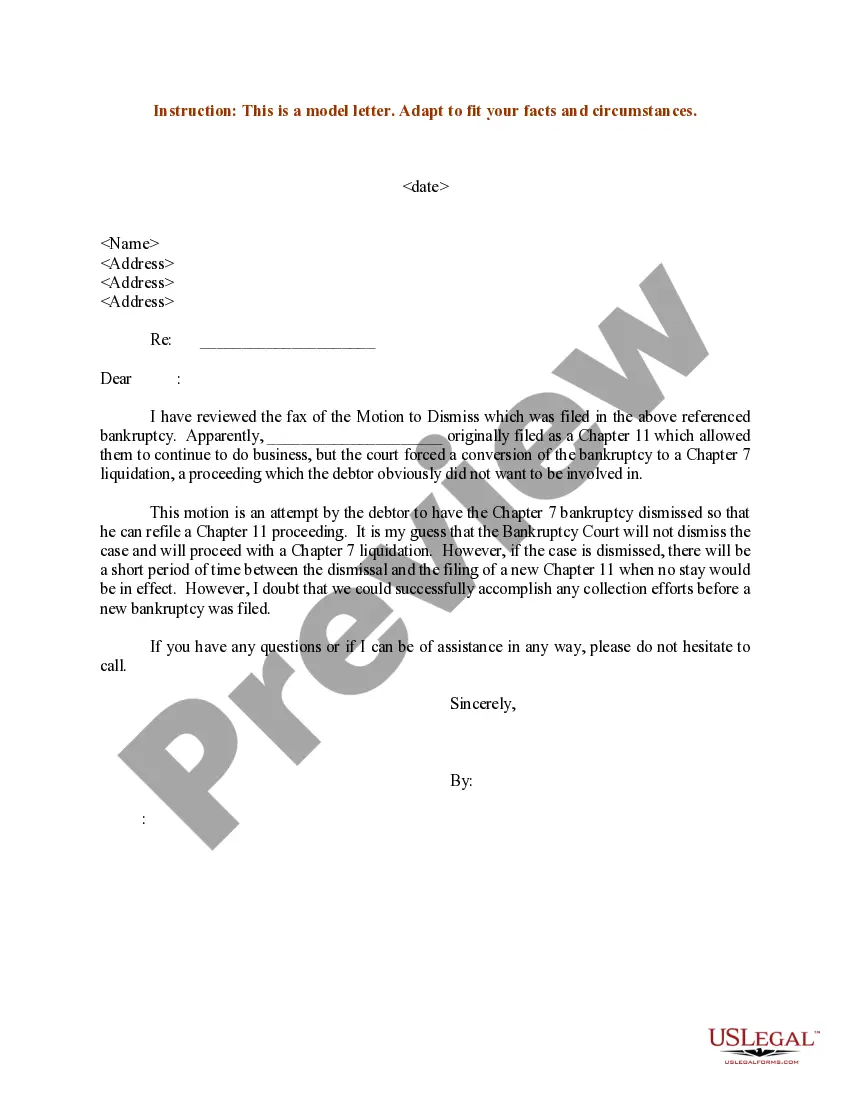
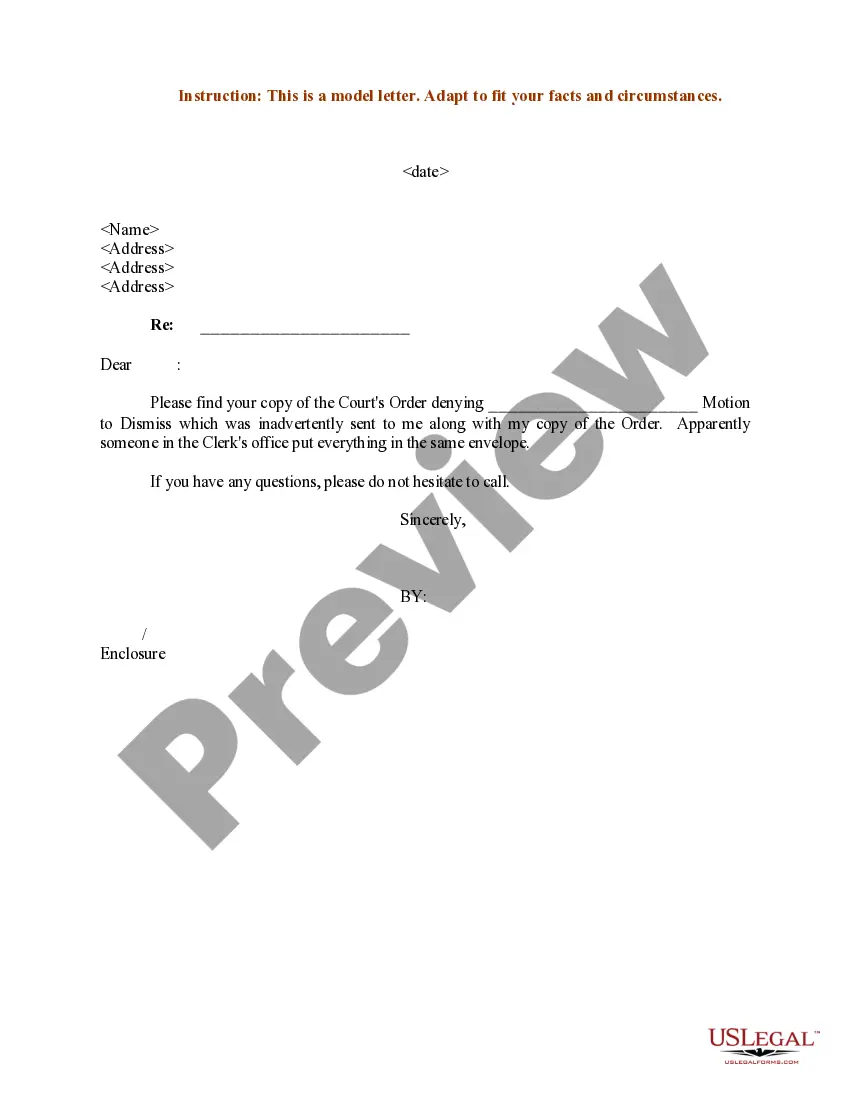
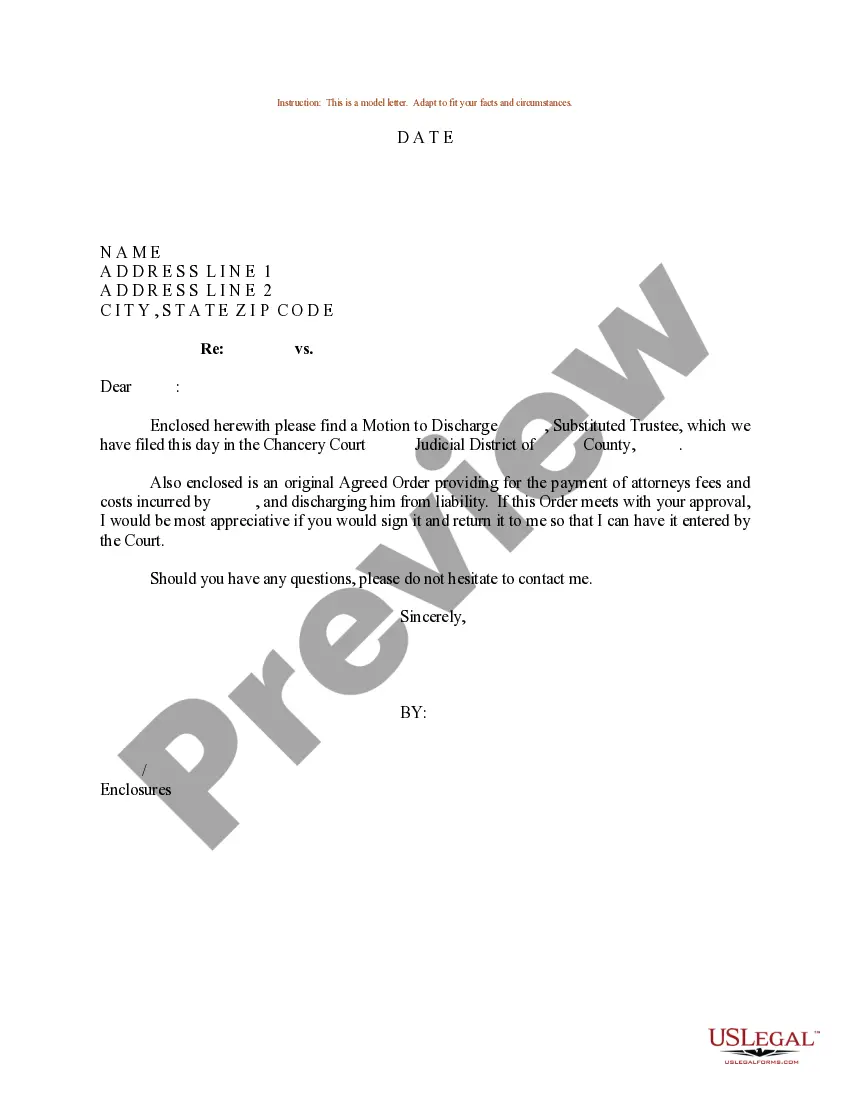
Motion For Dismissal Template
Description
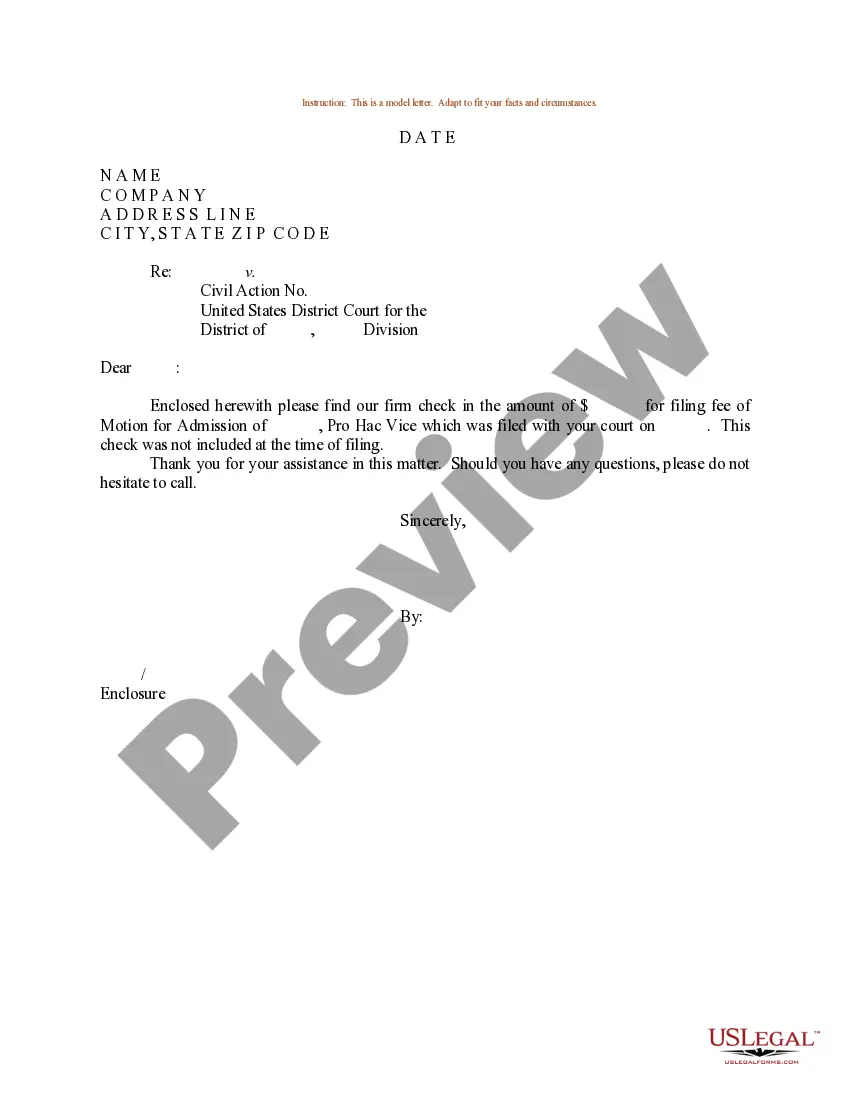
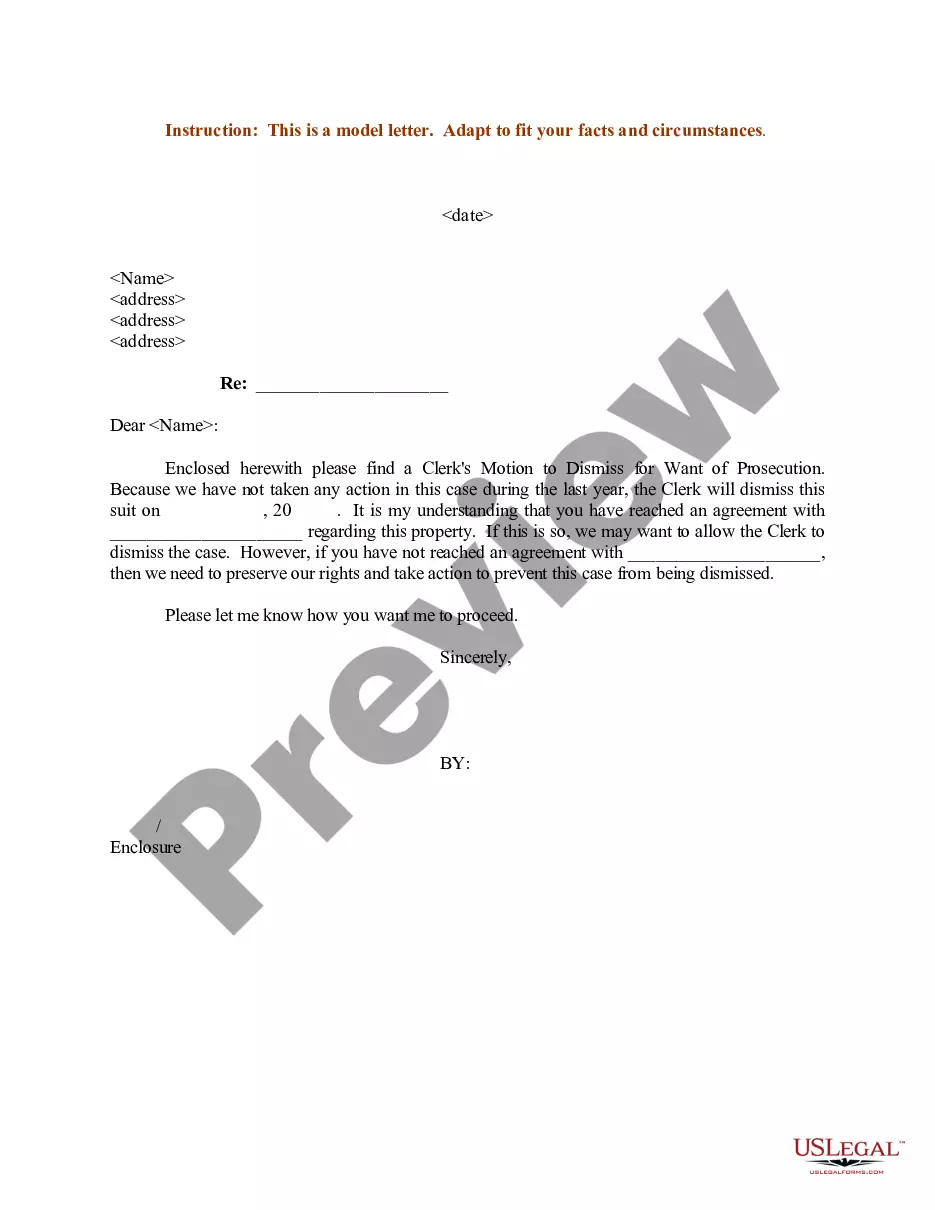
Get your form ready online
Our built-in tools help you complete, sign, share, and store your documents in one place.
Make edits, fill in missing information, and update formatting in US Legal Forms—just like you would in MS Word.
Download a copy, print it, send it by email, or mail it via USPS—whatever works best for your next step.
Sign and collect signatures with our SignNow integration. Send to multiple recipients, set reminders, and more. Go Premium to unlock E-Sign.
If this form requires notarization, complete it online through a secure video call—no need to meet a notary in person or wait for an appointment.
We protect your documents and personal data by following strict security and privacy standards.

Make edits, fill in missing information, and update formatting in US Legal Forms—just like you would in MS Word.

Download a copy, print it, send it by email, or mail it via USPS—whatever works best for your next step.

Sign and collect signatures with our SignNow integration. Send to multiple recipients, set reminders, and more. Go Premium to unlock E-Sign.

If this form requires notarization, complete it online through a secure video call—no need to meet a notary in person or wait for an appointment.

We protect your documents and personal data by following strict security and privacy standards.
Looking for another form?
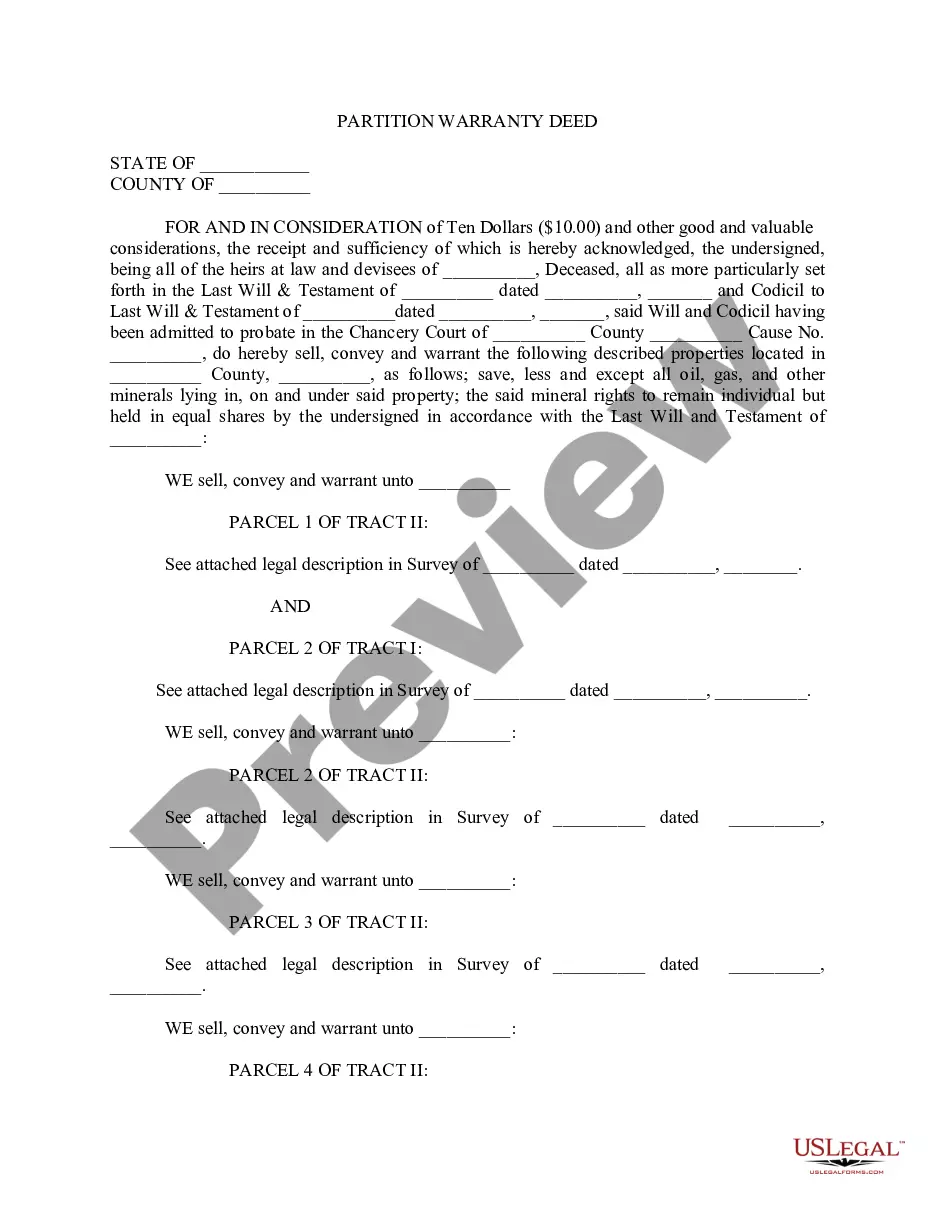
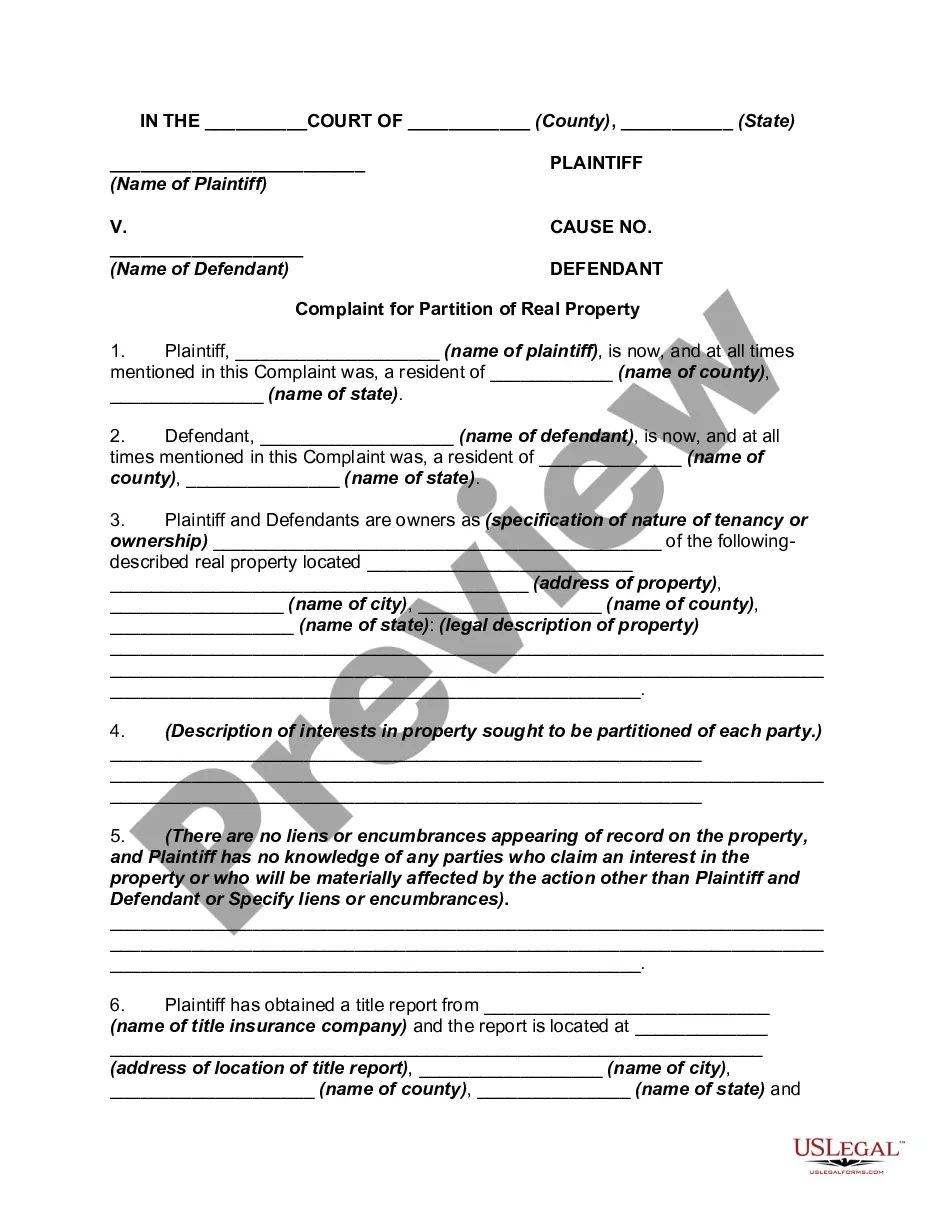
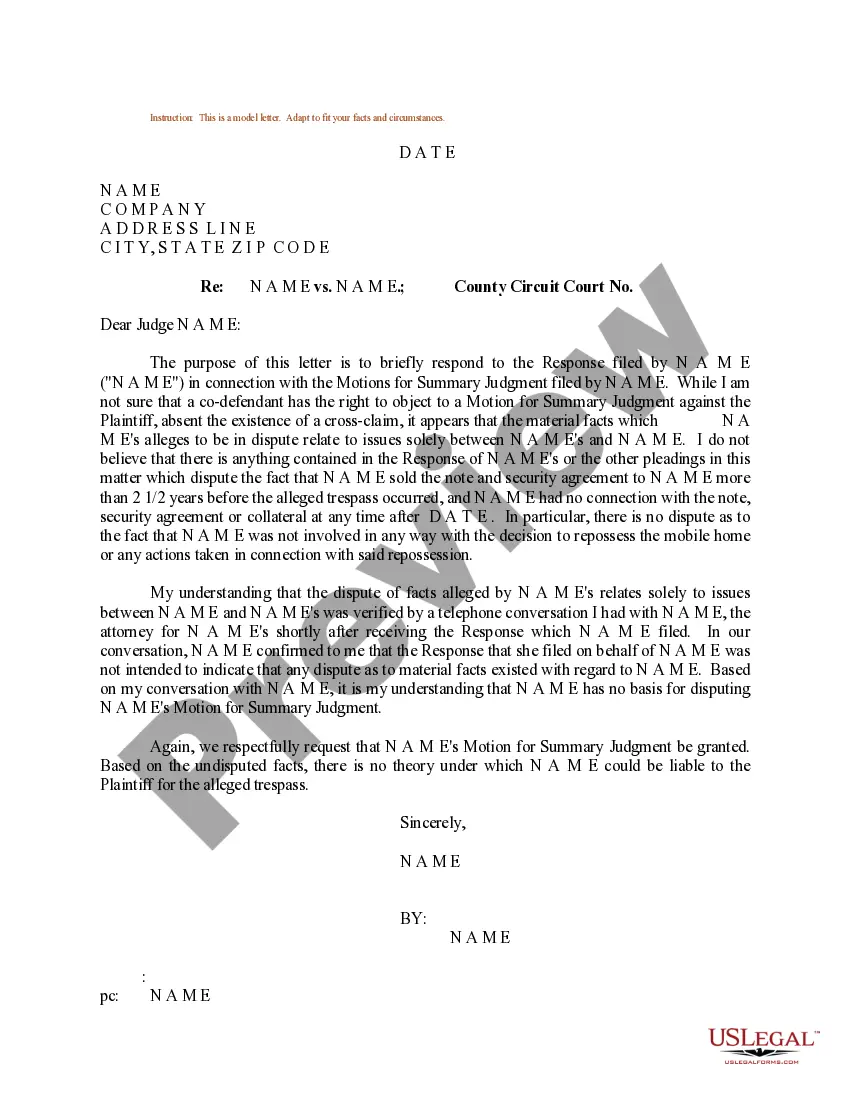
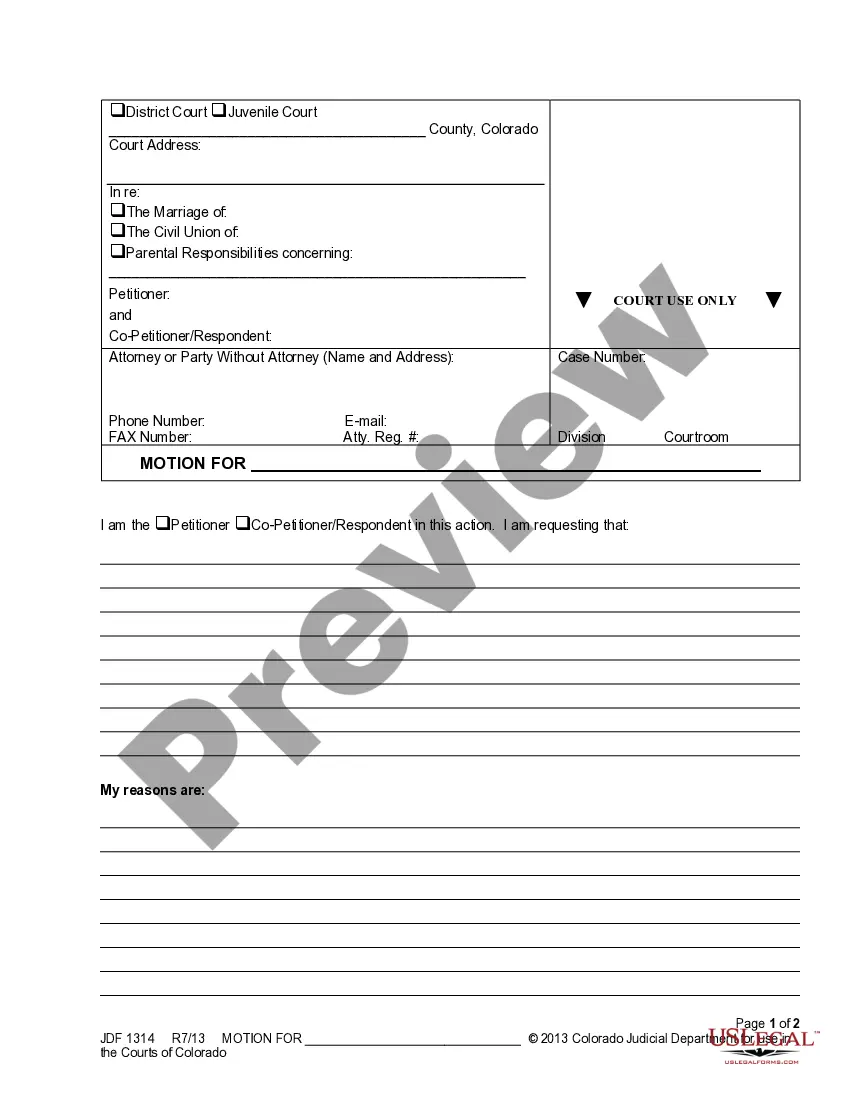
How to fill out Sample Letter For Filing Of Motion To Dismiss - Motion Of Admission?
It’s clear that you cannot become a legal authority instantly, nor can you understand how to swiftly create a Motion For Dismissal Template without a specialized skill set.
Drafting legal documents is a labor-intensive process that necessitates particular training and expertise.
So why not entrust the creation of the Motion For Dismissal Template to the professionals.
You can access your forms again through the My documents tab whenever you wish.
If you’re an established customer, you can just Log In, and find and download the template from the same section.
- Locate the document you’re seeking using the search bar positioned at the top of the page.
- View it (if this option is available) and examine the supporting description to ascertain if the Motion For Dismissal Template is what you are looking for.
- Restart your search if you require any other form.
- Create a complimentary account and select a subscription plan to obtain the form.
- Select Buy now. Once the payment is finalized, you can download the Motion For Dismissal Template, fill it out, print it, and send it by mail to the intended recipients or organizations.
Form popularity
FAQ
Yes, you can file a motion to dismiss without a lawyer, although it is important to understand the process thoroughly. Using a Motion for dismissal template can help simplify this task by providing you with a solid framework to follow. However, keep in mind that self-representation may involve challenges, so consider seeking assistance from resources that can guide you through the process effectively.
Writing a motion for dismissal involves a clear and logical structure. Begin by introducing the case and outlining the grounds for dismissal using your Motion for dismissal template. Be sure to include supporting facts and legal arguments that justify your request. After drafting your motion, carefully review it for clarity and ensure it meets any court-specific requirements.
Filing a motion can be straightforward if you follow the right steps. Start by preparing your motion using a reliable Motion for dismissal template, which outlines the necessary information and format. Next, you will need to file the motion with the court where your case is pending, ensuring you include all required documents. Finally, serve a copy to the opposing party to complete the process.
The most popular reason that cases get dismissed is the failure to state a claim upon which relief can be granted. This occurs when the plaintiff's complaint lacks sufficient legal basis or factual support. Utilizing a Motion for dismissal template can help you articulate these points clearly, potentially leading to a successful dismissal.
To answer a motion to dismiss, first, review the motion carefully to understand its claims and grounds. Then, prepare a written response that addresses each point raised, providing counterarguments and supporting evidence. It is often beneficial to consult a Motion for dismissal template, as this resource can guide you in structuring your answer effectively.
To write a good motion to dismiss, begin with a clear introduction outlining your purpose, followed by a logical argument supporting your position. Reference applicable laws and precedents that bolster your case, ensuring all statements are concise. A Motion for dismissal template can assist in maintaining clarity and organization throughout your document.
Proper grounds for a motion to dismiss include lack of jurisdiction, failure to state a claim upon which relief can be granted, and the expiration of the statute of limitations. Each of these grounds serves to highlight procedural or substantive flaws in the case. Consulting a Motion for dismissal template can help you identify and articulate these grounds effectively.
The purpose of a motion to dismiss is to challenge the sufficiency of the opposing party's claims, arguing that even if their allegations are true, there is no legal basis for a lawsuit. This motion can help streamline court proceedings by eliminating baseless claims early. By utilizing a Motion for dismissal template, you can ensure you address all necessary points succinctly.
To fill out a motion to dismiss form, first, ensure you have accurate case details including the case number and parties involved. Next, clearly state the grounds for your motion, referring to the relevant laws. Finally, review the form for completeness before filing it at the appropriate court. Using a Motion for dismissal template can simplify this process by providing a structured format.
If a motion to dismiss is granted, the case is typically closed, and the plaintiff may lose the opportunity to pursue that claim in the current court. However, depending on the circumstances, it may be possible to amend the complaint and refile. Understanding the outcomes of a granted motion to dismiss is essential, especially when considering whether to use a motion for dismissal template to ensure a comprehensive approach. After this decision, it might also be wise to explore your options for future legal actions.