Debt Collection For Court
Description
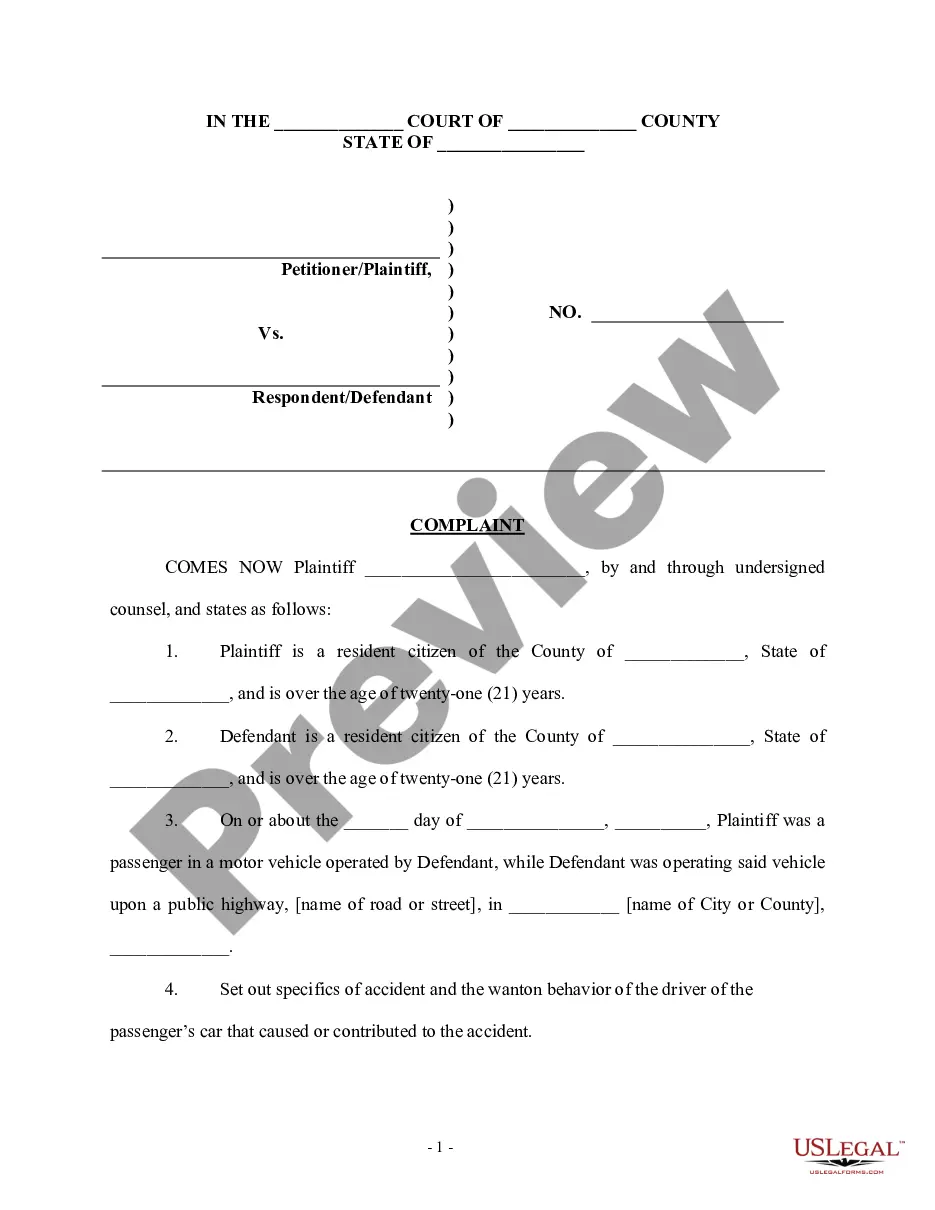


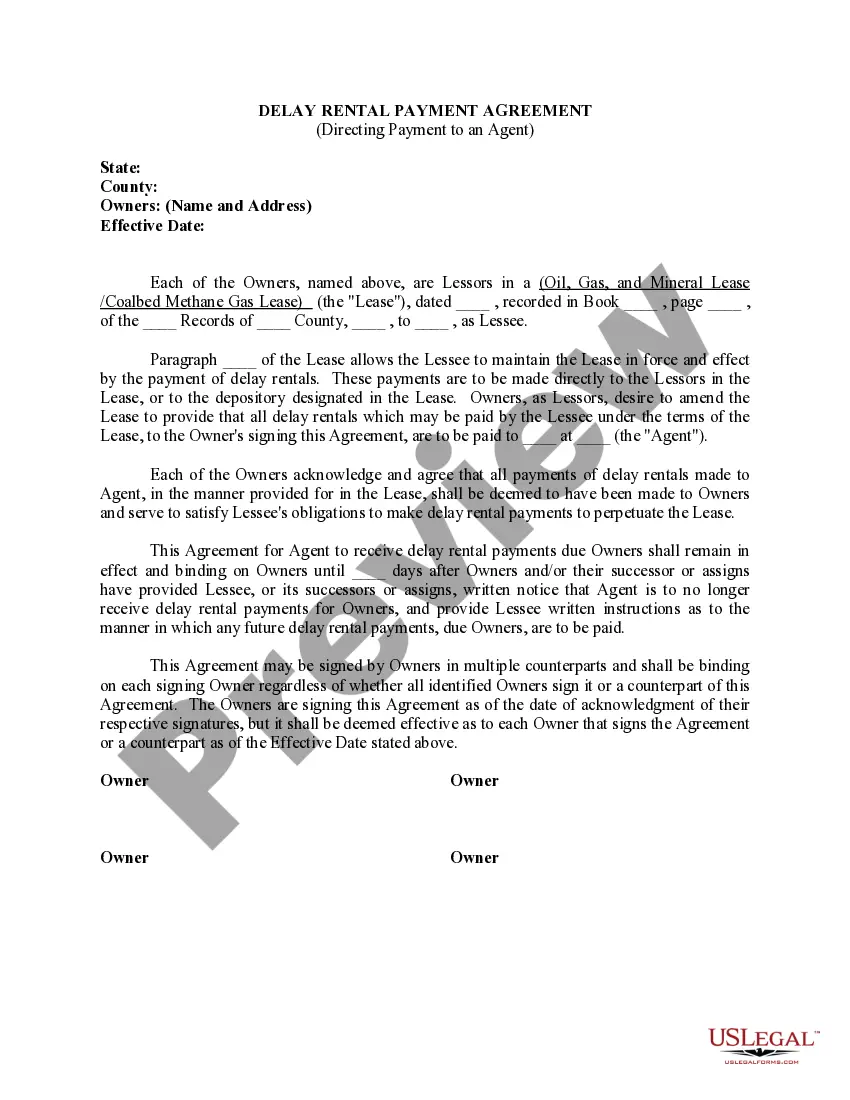
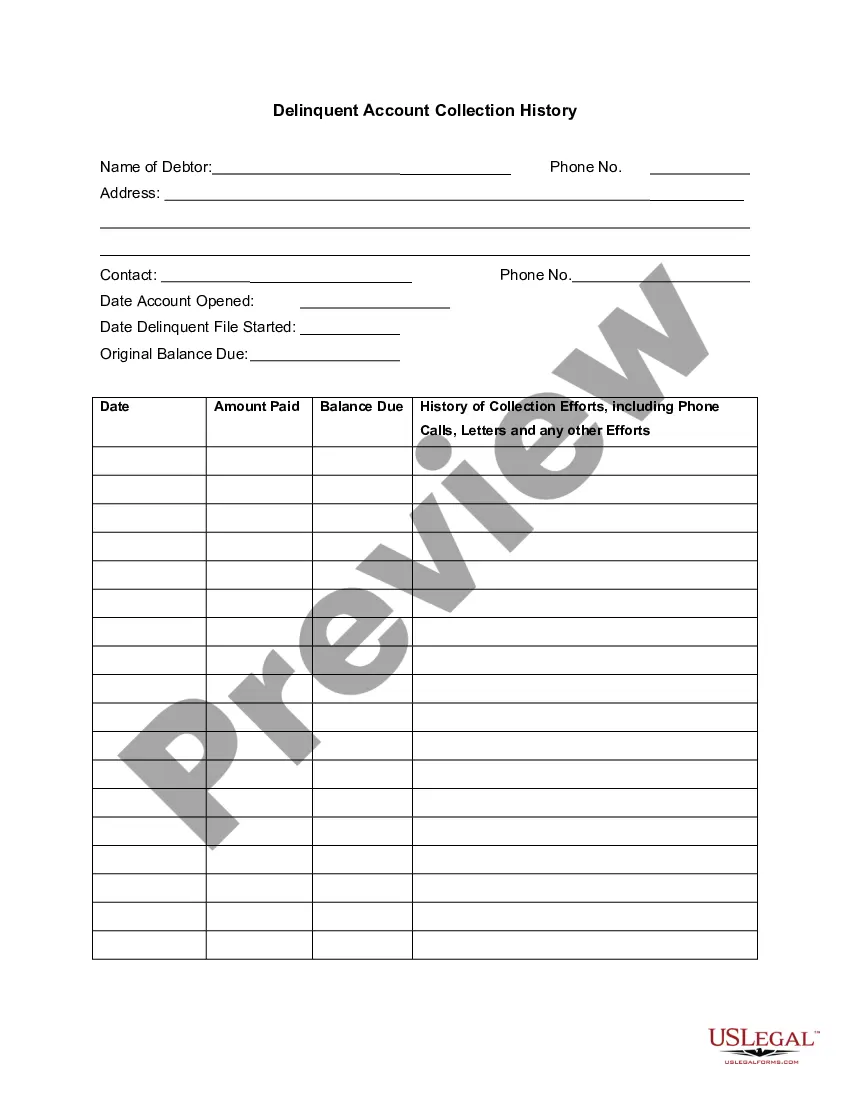
How to fill out Delinquent Account Collection History?
Managing legal documents and processes may add a significant amount of time to your daily agenda.
Debt Recovery For Court and similar forms typically necessitate that you search for them and comprehend the optimal method to fill them out correctly.
Thus, if you are addressing financial, legal, or personal issues, having a comprehensive and user-friendly online repository of forms readily available will be immensely beneficial.
US Legal Forms stands as the leading online platform for legal documents, providing over 85,000 state-specific forms along with a variety of tools to aid you in completing your paperwork effortlessly.
Is this your first time using US Legal Forms? Register and create an account within a few minutes, and you’ll gain access to the form repository and Debt Recovery For Court. Then, follow these steps to complete your form: Ensure you have located the correct form using the Review option and reviewing the form description. Click Buy Now when ready, and select the subscription plan that best suits your requirements. Select Download then fill out, eSign, and print the form. US Legal Forms boasts twenty-five years of experience assisting users in managing their legal documents. Locate the form you need today and streamline any process without breaking a sweat.
- Explore the collection of relevant documents accessible with just a single click.
- US Legal Forms offers state- and county-specific forms that you can download anytime.
- Protect your document management procedures with a high-quality service that allows you to prepare any form in minutes without any extra or concealed fees.
- Simply Log In to your account, search for Debt Recovery For Court, and obtain it immediately in the My documents section.
- You can also access previously saved forms.
Form popularity
FAQ
The 777 rule outlines that debt collectors must cease contact after your third dispute of the debt. Once you've disputed the debt three times, the collector cannot continue to pursue it unless they provide clear proof. This improves your control over the debt collection for court scenario, granting you authority in the communication process.
Debt collection agencies cannot harass you, make threats, or contact you at unreasonable hours. They are also prohibited from misrepresenting the amount or status of the debt. Understanding your rights empowers you, especially when navigating the complexities of debt collection for court interactions.
To take a debt collector to court, begin by gathering all relevant documents, such as any correspondence with the collector and proof of payment, if applicable. Next, file a complaint in the appropriate local court, detailing your allegations clearly. Engaging a legal expert can provide insights into the debt collection for court, improving your chances of a favorable outcome.
A debt typically becomes uncollectible after a period known as the statute of limitations, which varies by state. In most cases, this period ranges from three to six years for most debts. After this time, while the debt may still exist, creditors generally cannot legally pursue collections, impacting options related to debt collection for court.
To require a debt collector to prove your debt, send them a written request for verification. This request should clearly state that you dispute the debt and want proof. Once they receive your letter, they must pause collection efforts until they provide the necessary documentation, enabling you to understand the debt collection for court better.
The 11 word phrase to stop debt collectors is: 'I request verification of this debt under the Fair Debt Collection Practices Act.' By stating this, you prompt the collector to provide proof of your debt, ensuring that you are informed of your rights in the debt collection for court process.
If you don’t go to court for a debt case, the court may issue a default judgment against you. This means the debt collector prevails without your input, allowing them to take action like garnishing wages or seizing assets. Ignoring the court summons can worsen your financial situation and make debt collection for court more complicated. It is always advisable to respond to a debt-related court notice.
Yes, debt collectors can take you to court if they believe you owe a debt. This process is part of debt collection for court, where they seek a judgment against you to recover what you owe. If the debt collector wins, the court can authorize wage garnishments or bank levies to collect the debt. Being proactive and addressing your debts can often help you avoid this situation.
Yes, you can take a debt collector to court if you believe they have violated your rights. When engaging in debt collection for court, it is crucial to gather evidence of unfair practices, such as harassment or false information. If successful, you might receive compensation for damages. Consider using the US Legal Forms platform to help you file the necessary paperwork and navigate the legal process more effectively.
Winning in court against a debt collector requires thorough preparation and understanding of your rights. Gather all pertinent evidence, such as documentation of the debt and any communication with the collector. Arguing your case effectively can force the collector to validate their claims, potentially leading to a favorable judgment. Utilizing resources from US Legal Forms can equip you with essential legal forms and insights for your court case.